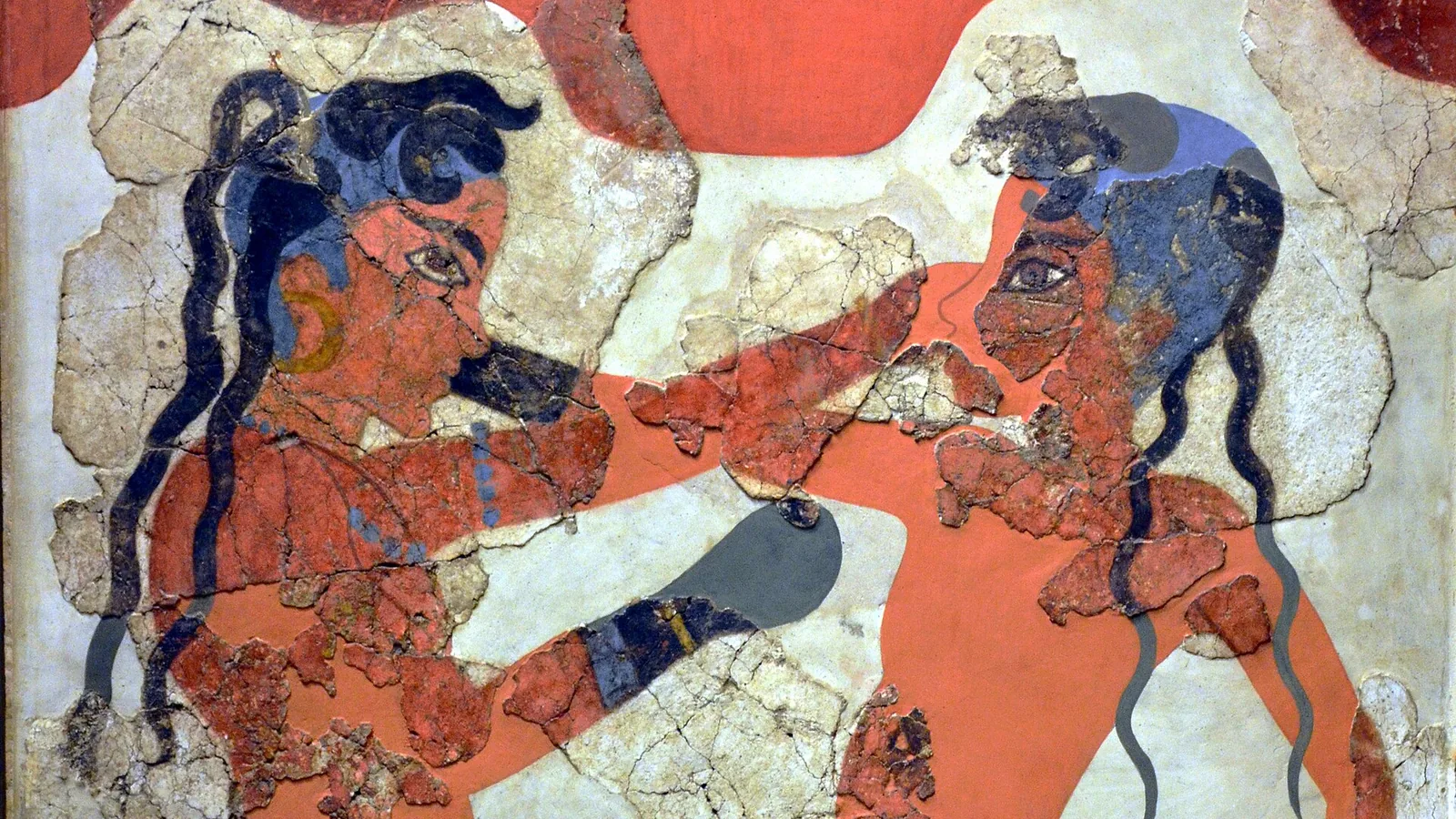
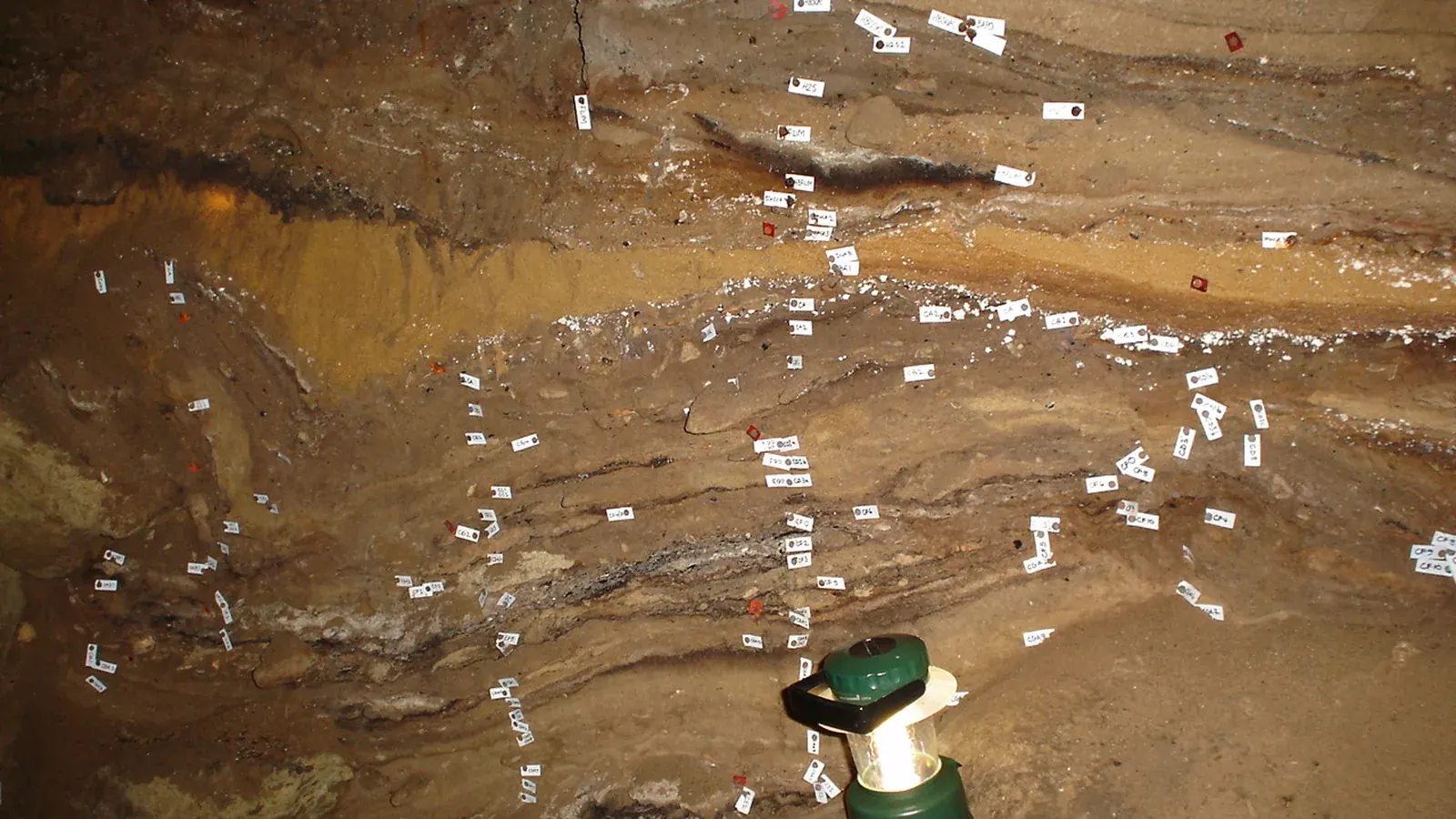
A Bronze Age town on Thera with three-story houses and drains, emptied before the eruption buried it. Radiocarbon and Egyptian dates differ by a century.
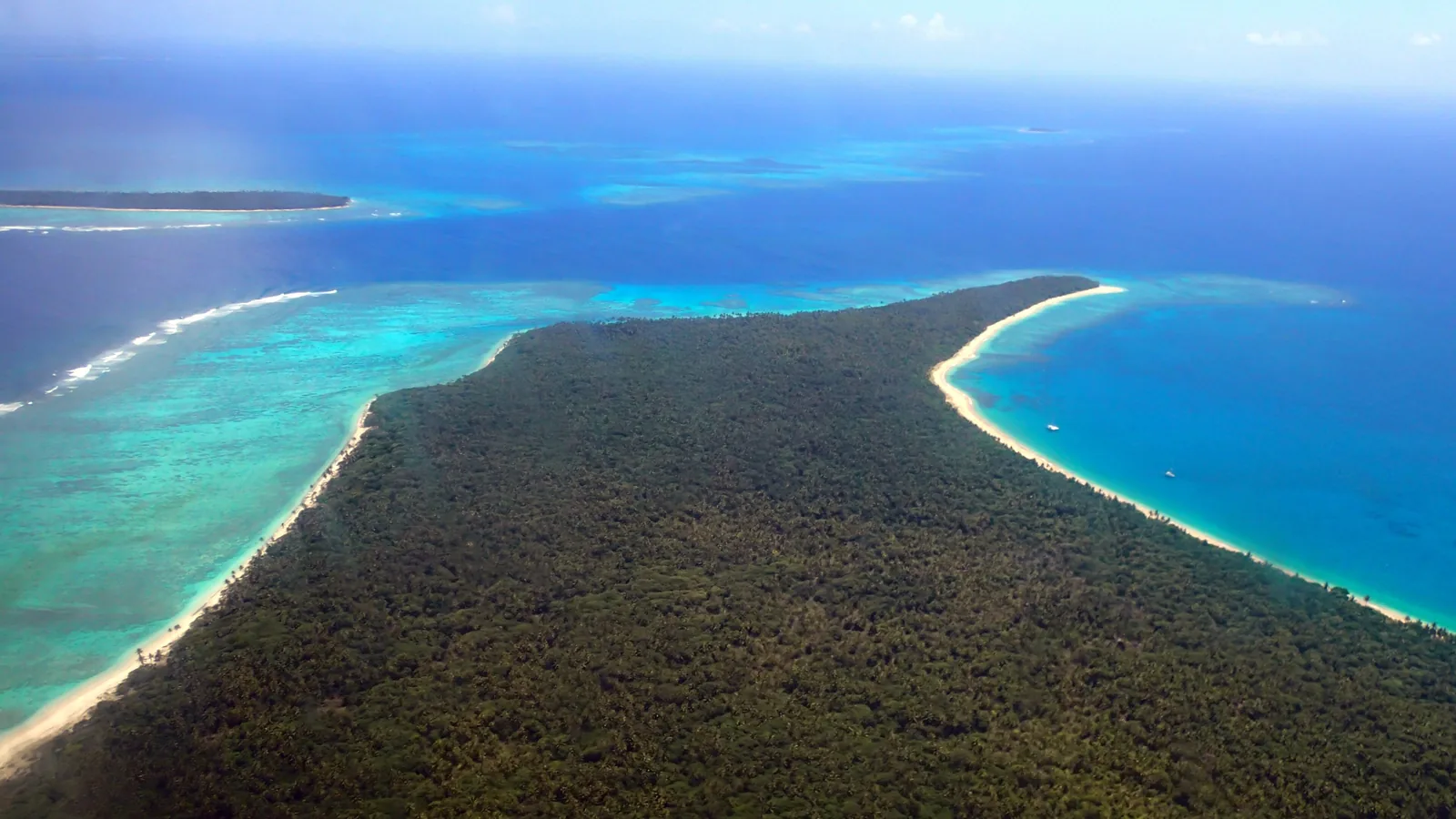
Lapita settlers landed at Nukuleka, Tonga, about 2,800 years ago. Descendants stayed in Tonga and Samoa until about AD 1025, then settled East Polynesia.
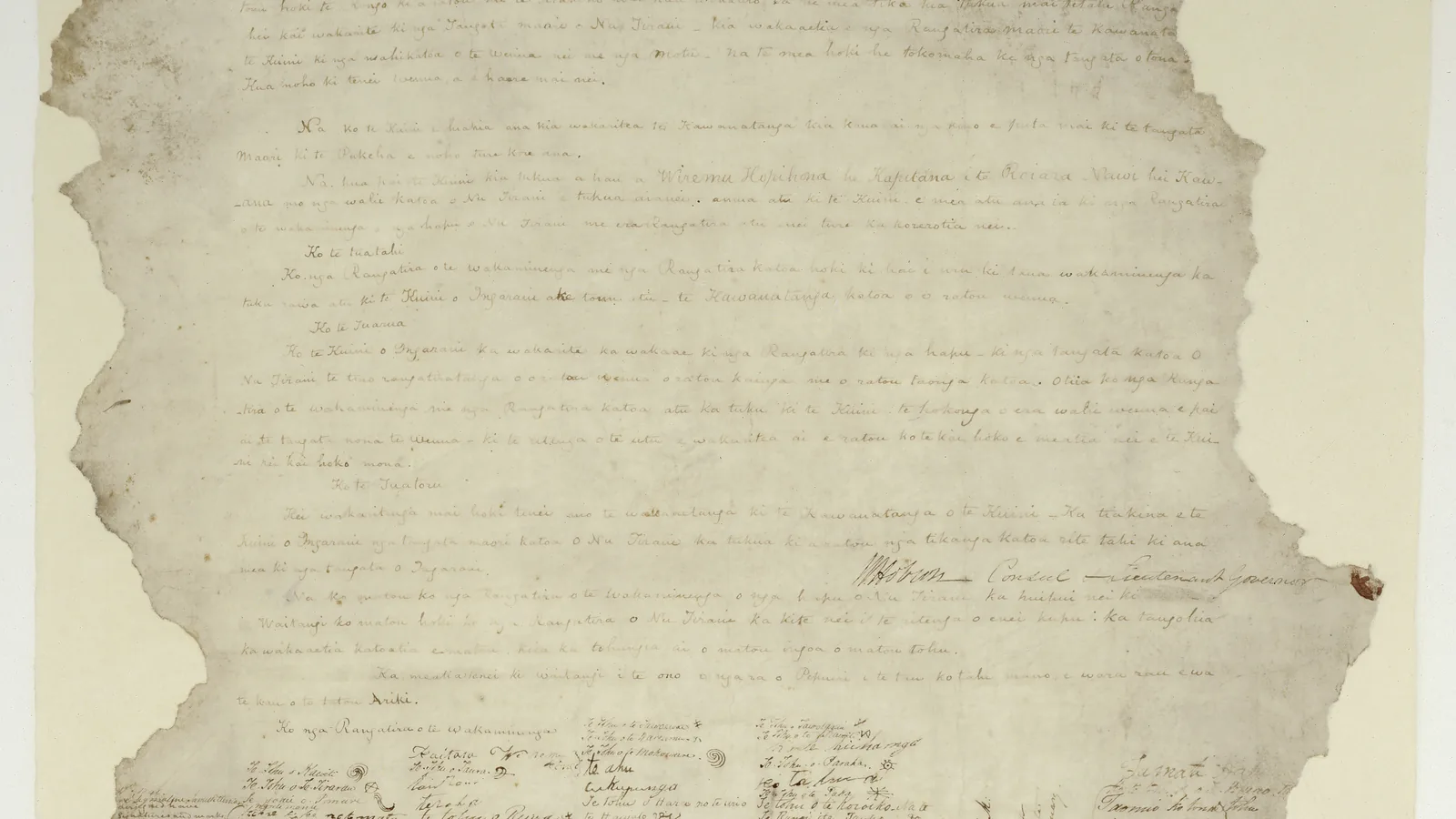
In English the chiefs ceded sovereignty; in Māori they gave kāwanatanga and kept tino rangatiratanga. The Waitangi Tribunal has judged the gap since 1975.
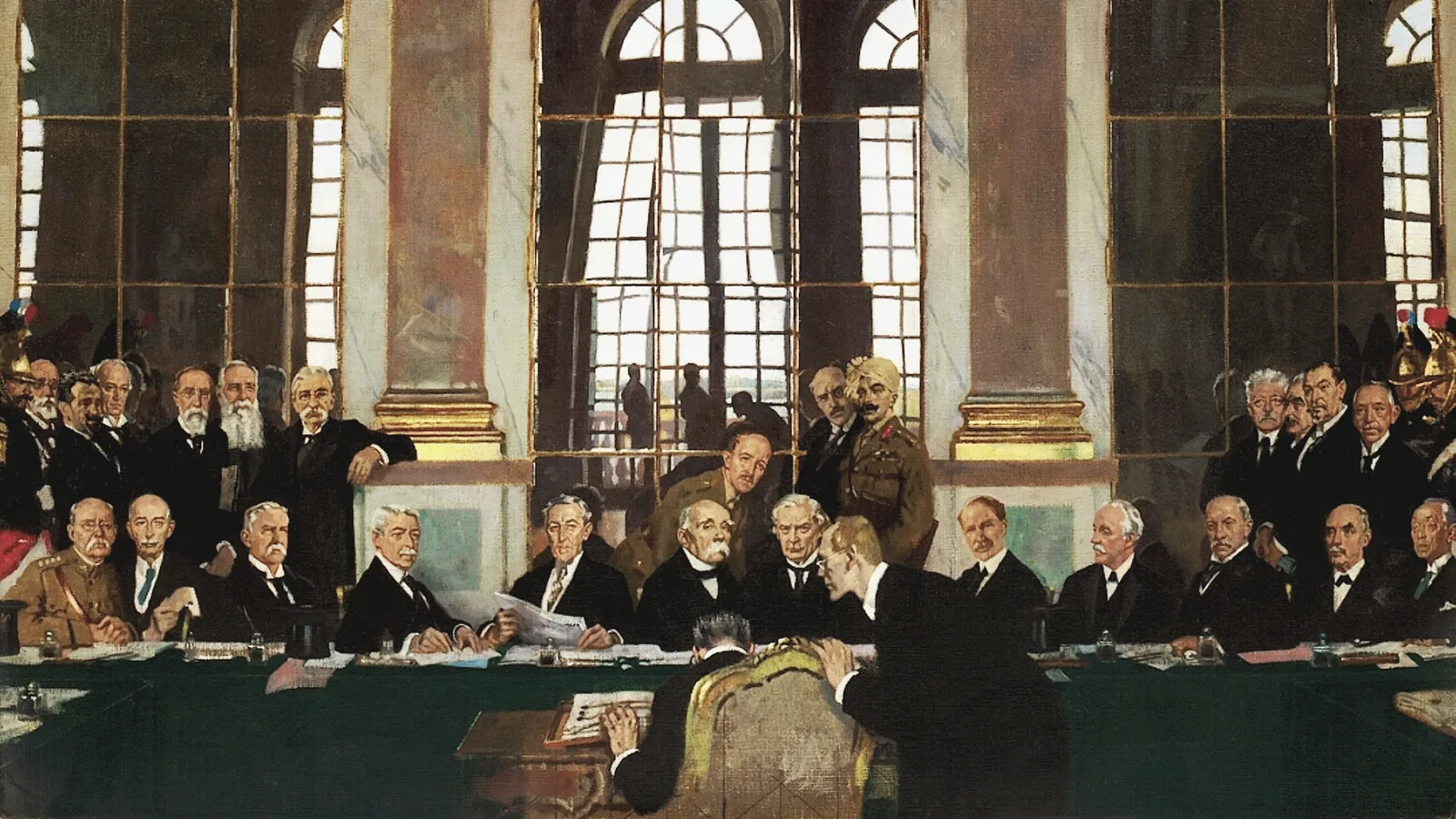
Signed June 28, 1919, it took Germany's land and army and fixed its liability; Germany called it a Diktat, Keynes Carthaginian, the U.S. Senate refused it.
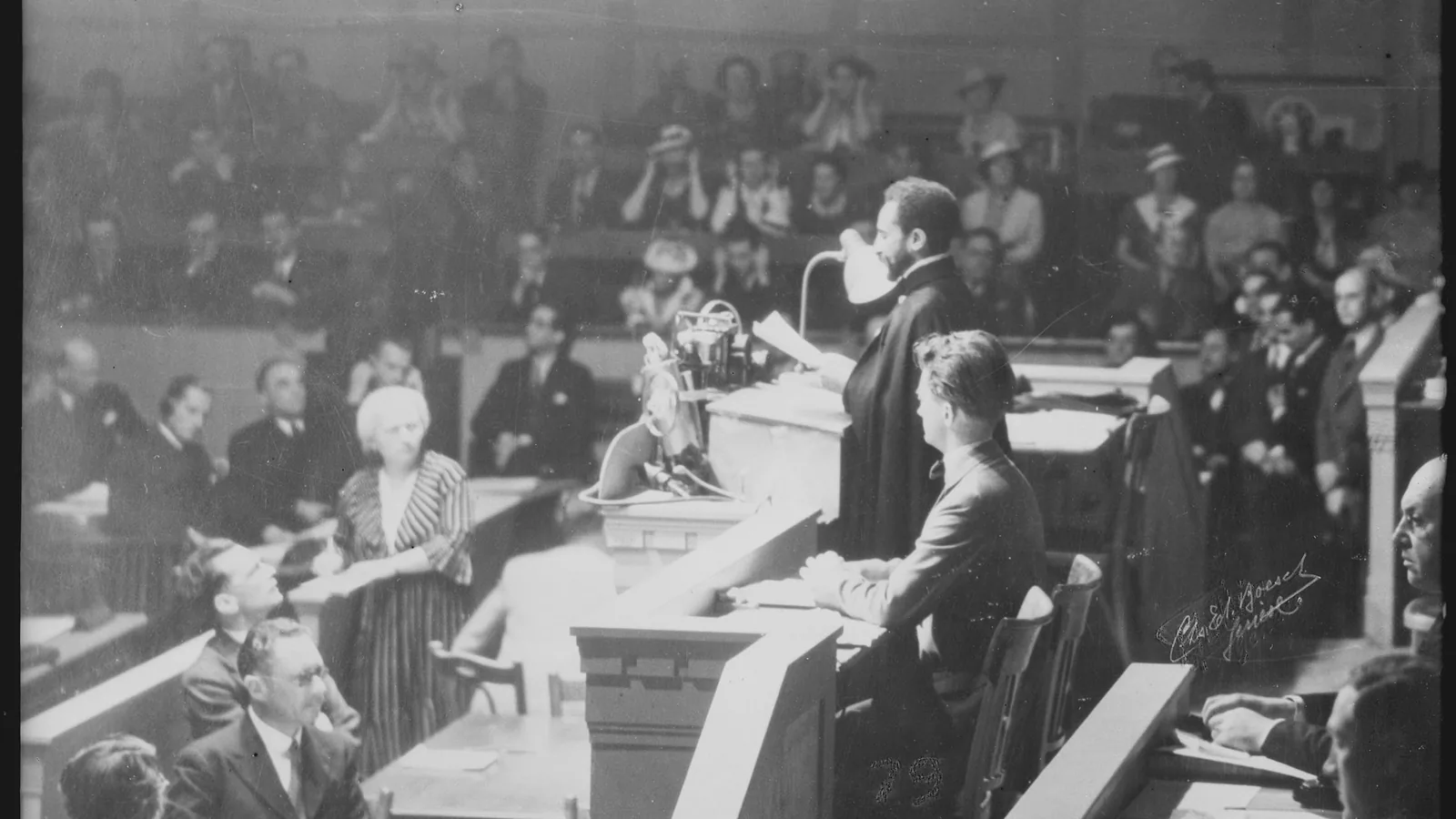
The Covenant bound members to cut all trade with an aggressor. Against Italy they applied it in part, left oil and Suez open, and offered Rome a slice.
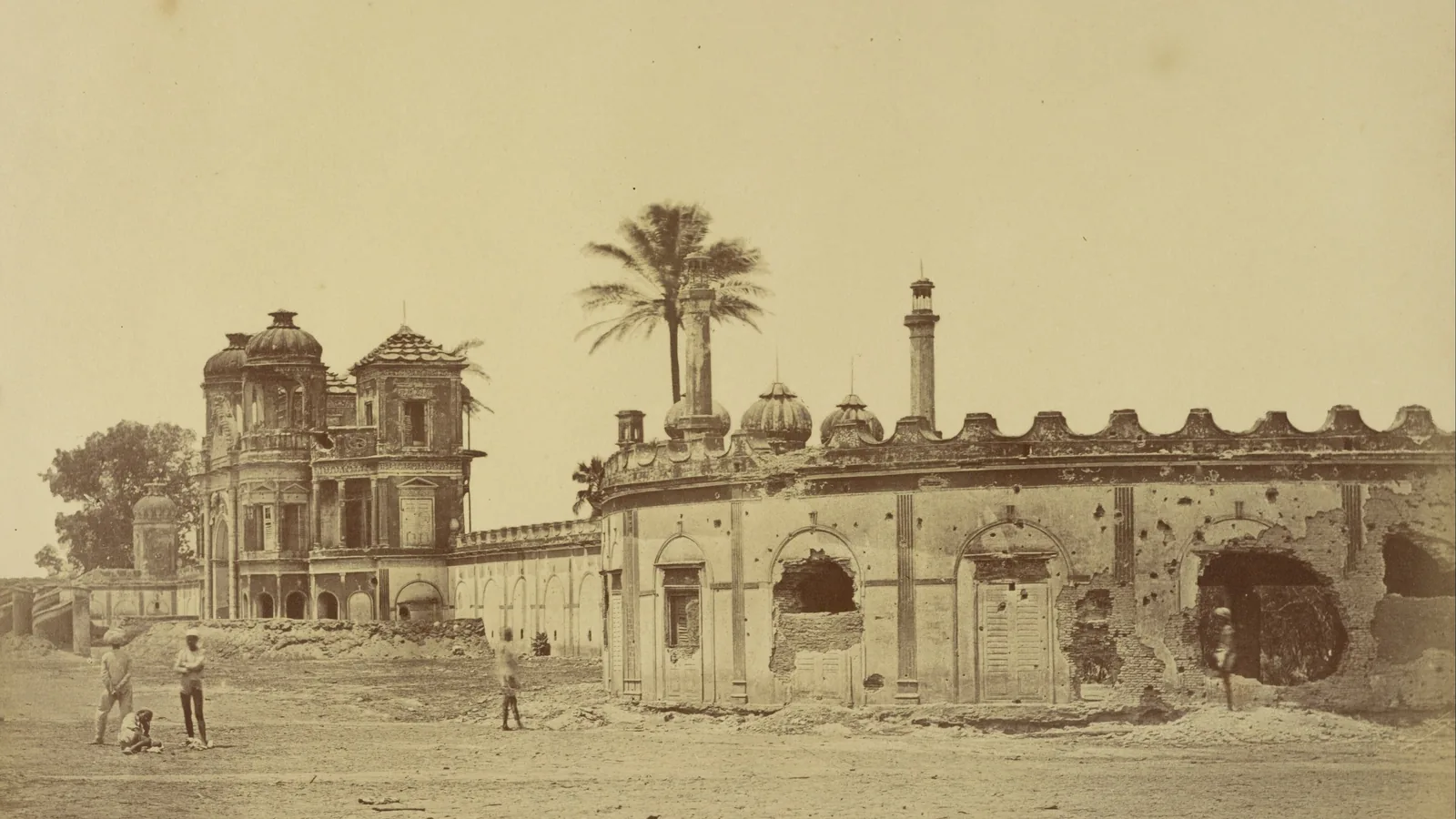
Sepoys at Meerut rose on May 10, 1857 over greased cartridges and marched to Delhi. Parliament took India from the Company by an Act of August 2, 1858.
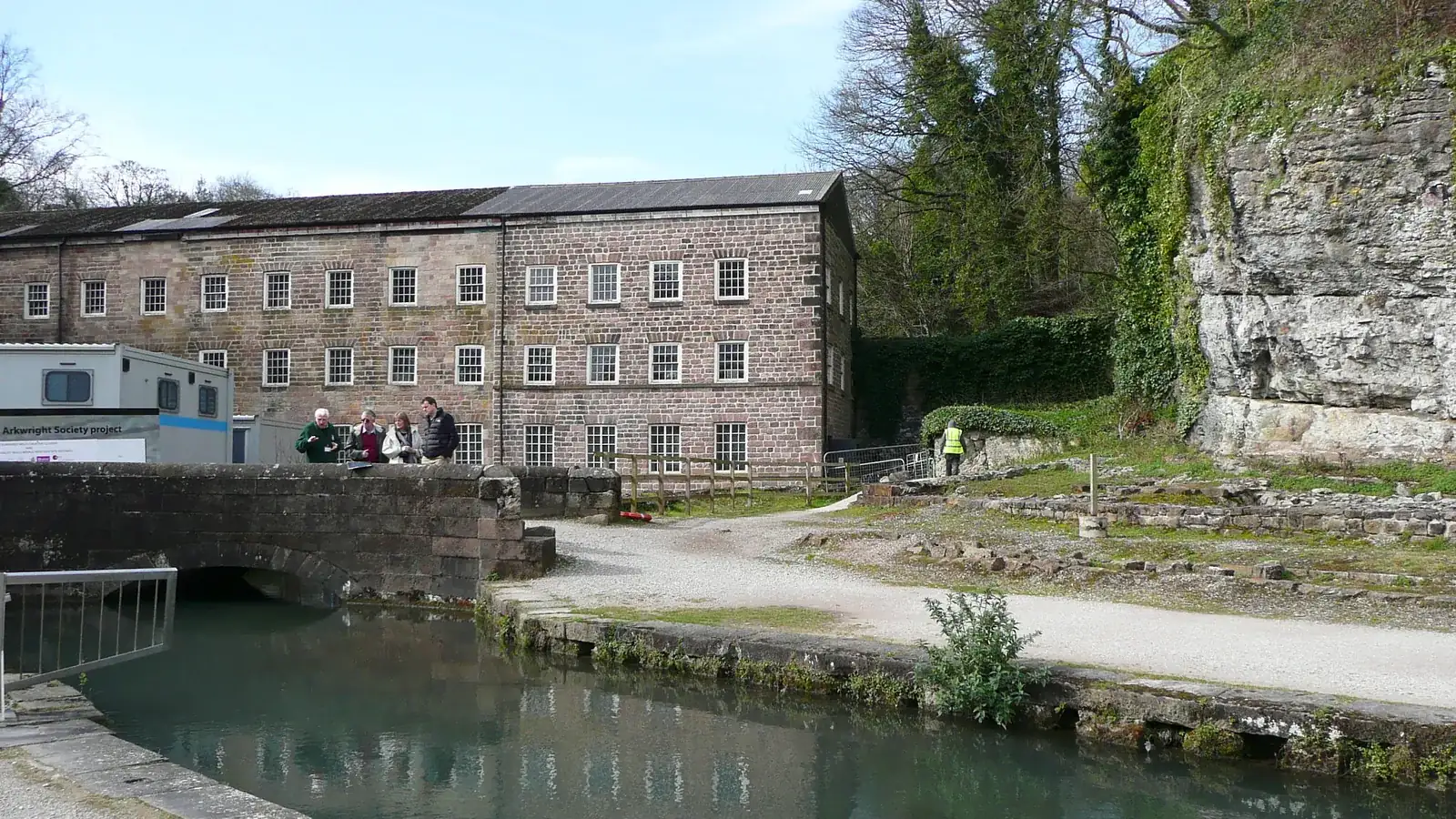
Lancashire machines from 1764, the Cromford mill of 1771, high wages and cheap coal explain why cotton factories appeared first in the English Midlands and North.
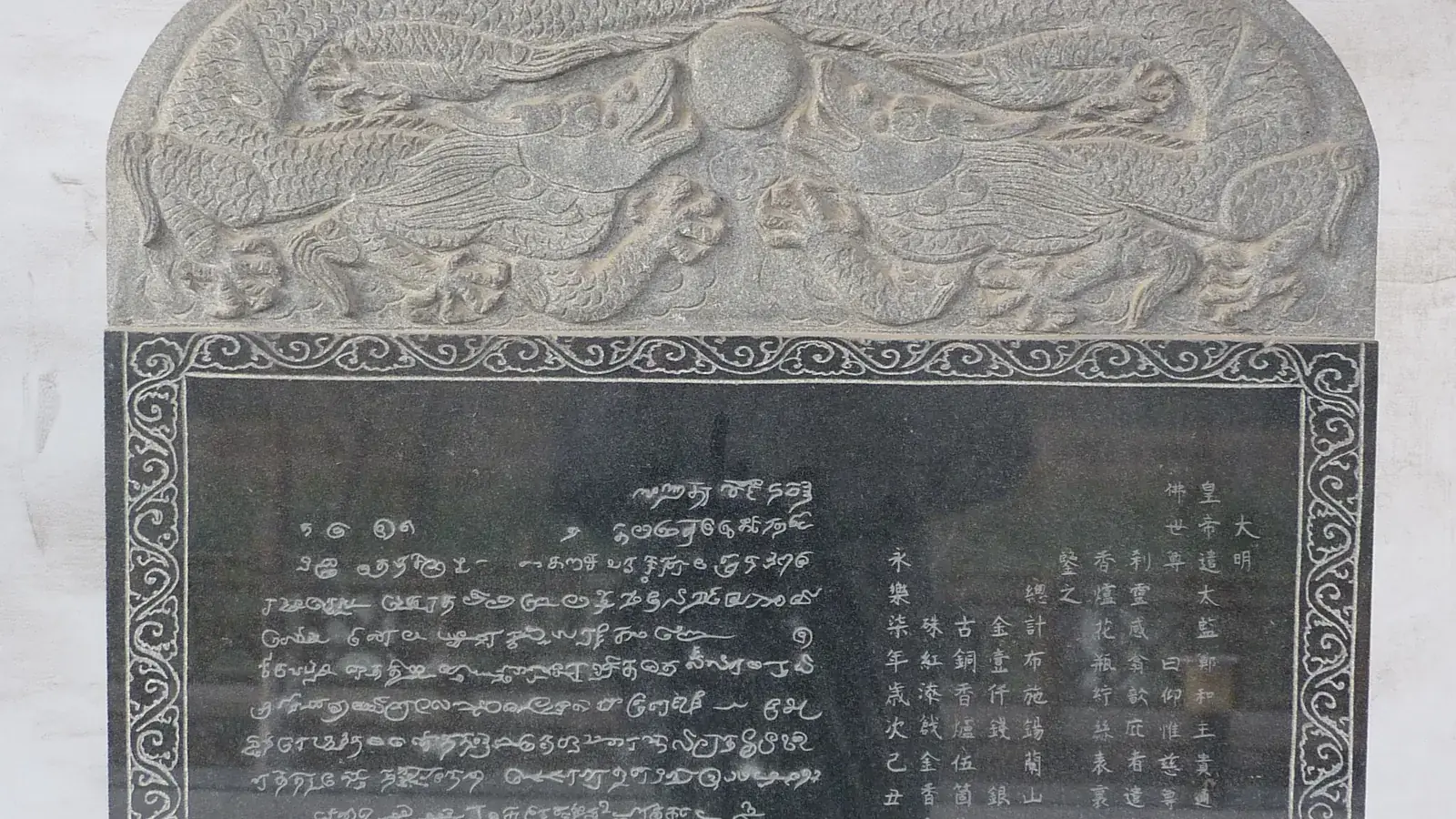
From 1405 to 1433 the Yongle emperor's eunuch admiral led seven fleets from China to East Africa. Why they ended is argued: cost, Mongols, court politics.
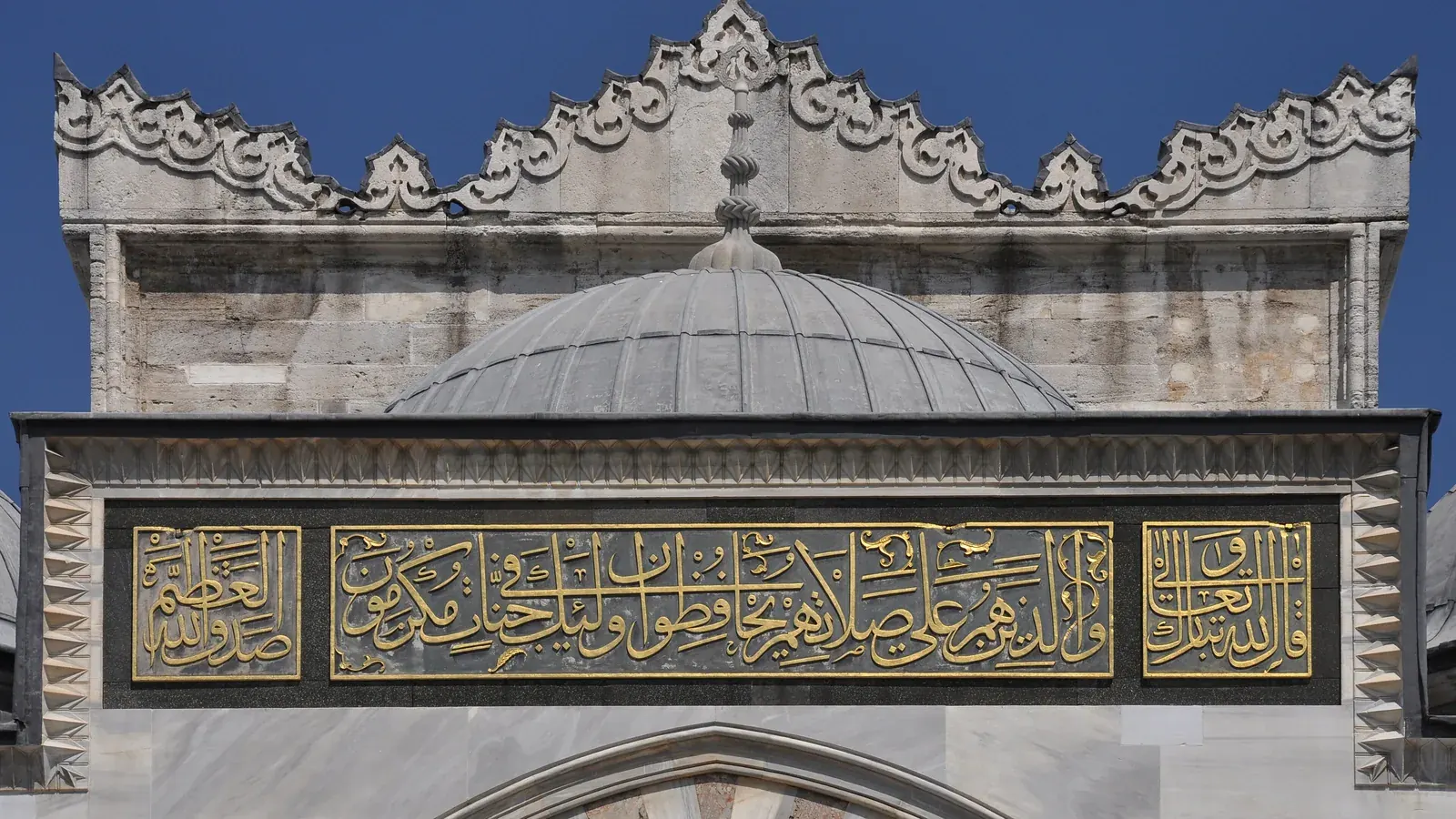
Suleiman camped at Vienna in September 1529 and quit after three weeks as winter came early. He then took Baghdad, wrote law and built the Süleymaniye.
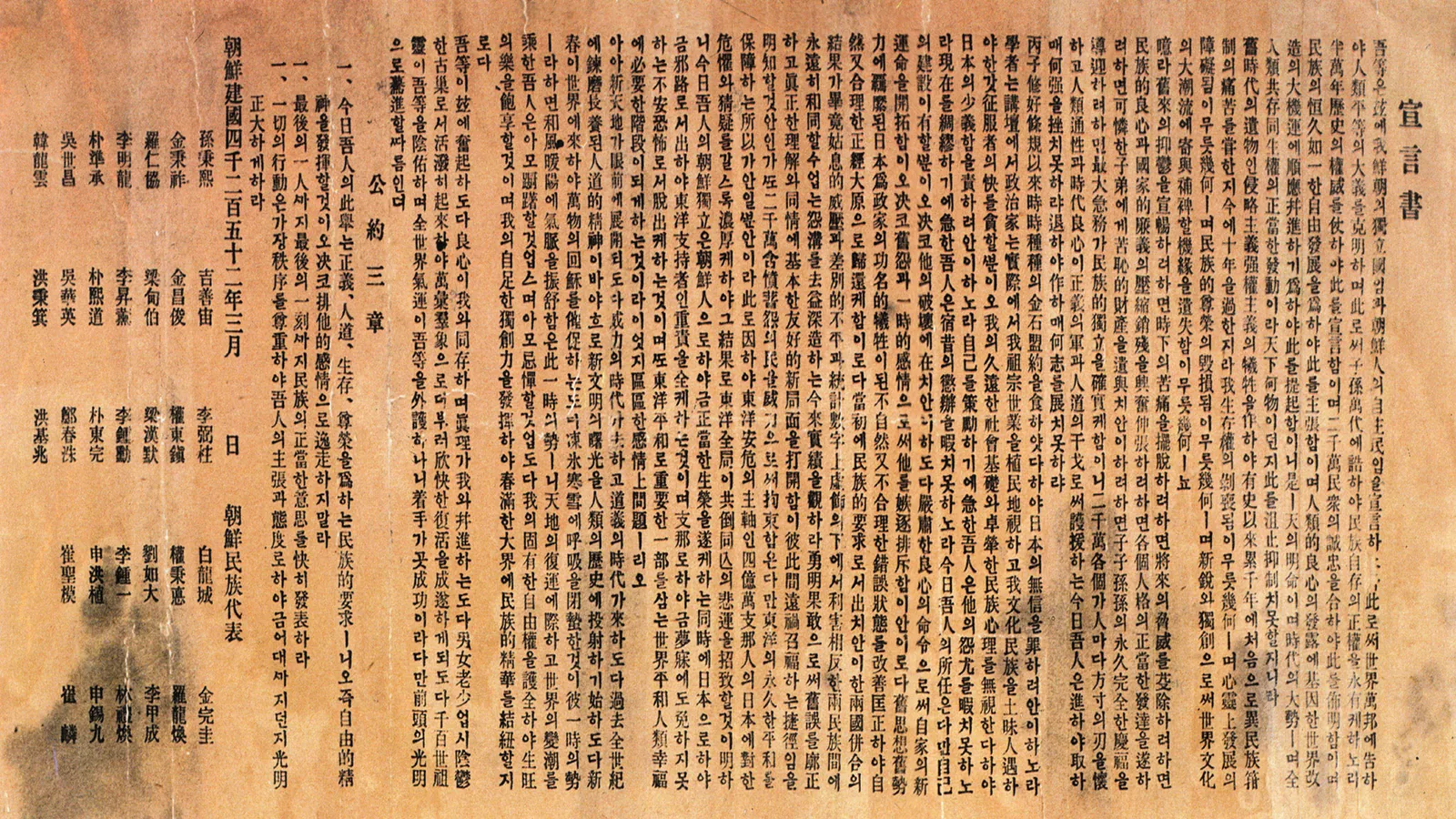
On March 1, 1919, 33 Korean leaders read a declaration of independence at the Taehwagwan and surrendered; students marched from Tapgol Park and Korea rose.
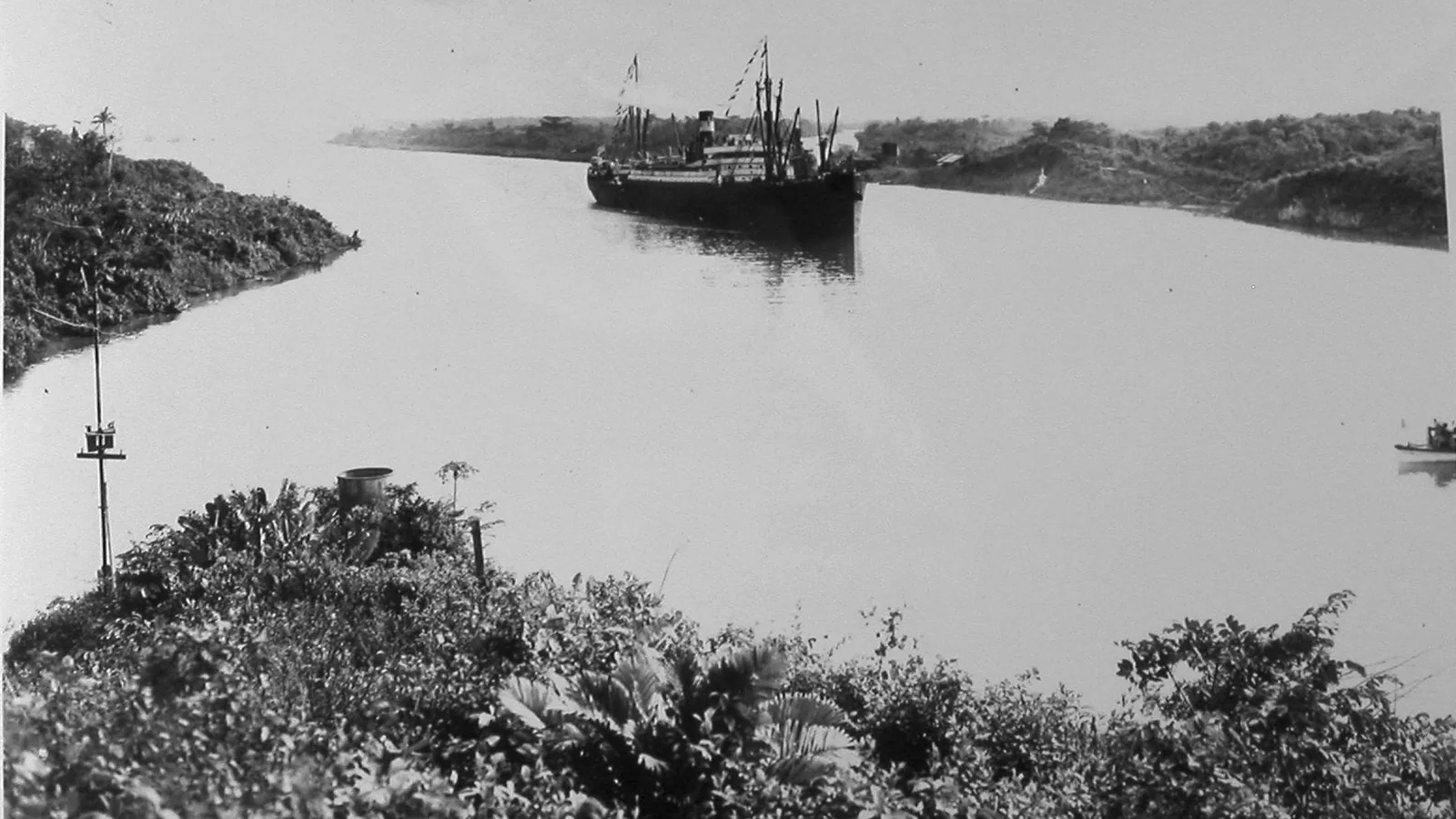
A sea-level plan, yellow fever and bankruptcy stopped the French in 1889. The United States finished a lock canal in 1914 on a treaty signed for Panama by a Frenchman.
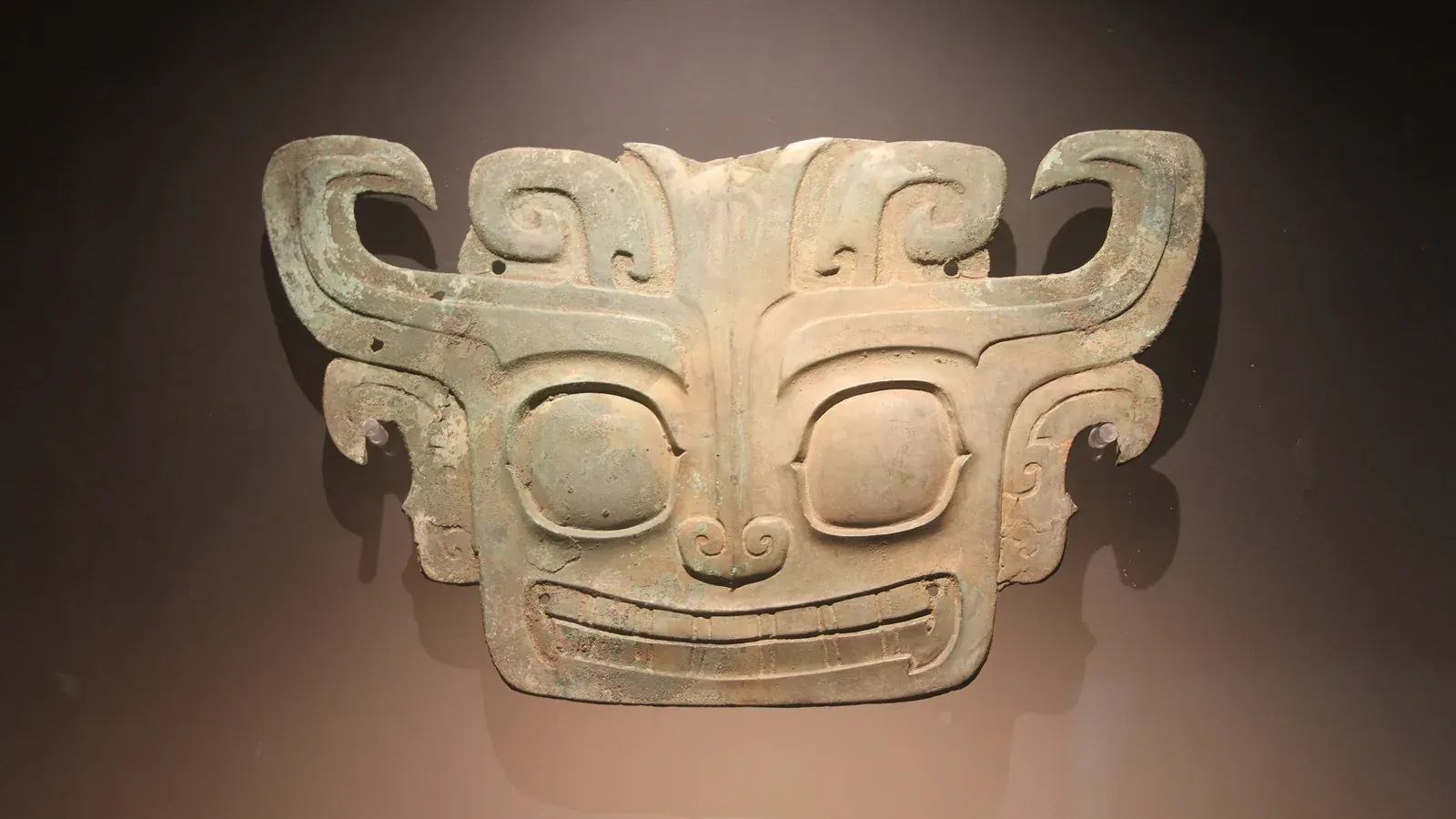
A Sichuan city cast a 2.6-meter bronze man, giant masks and bronze trees, then broke, burned and buried them in eight pits about 1200 BC. No text says why.
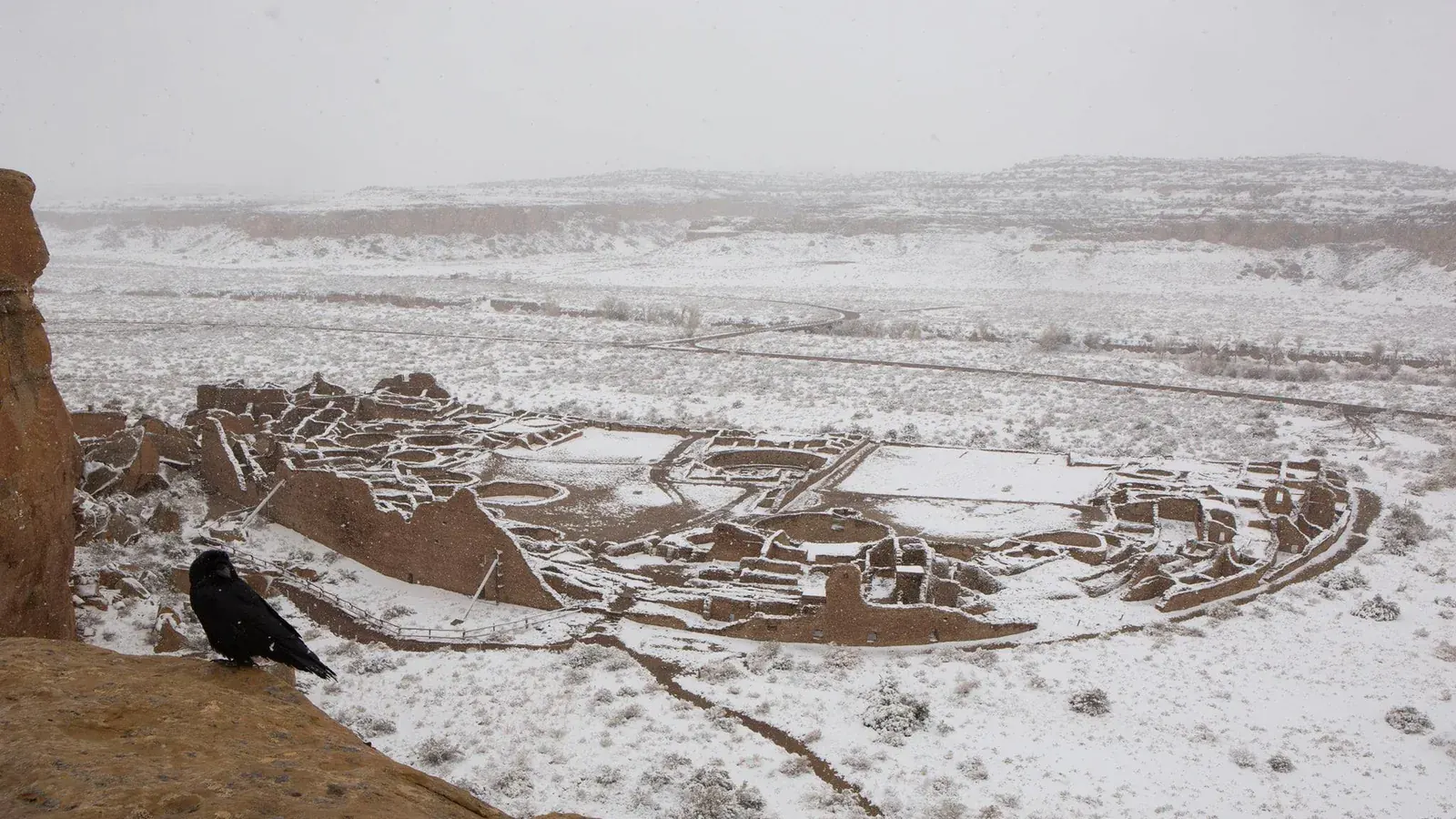
Ancestral Pueblo people carried about 240,000 beams 75 km into Chaco Canyon from 850 to 1130, then moved on in a drought; 19 Pueblos and the Hopi claim it.
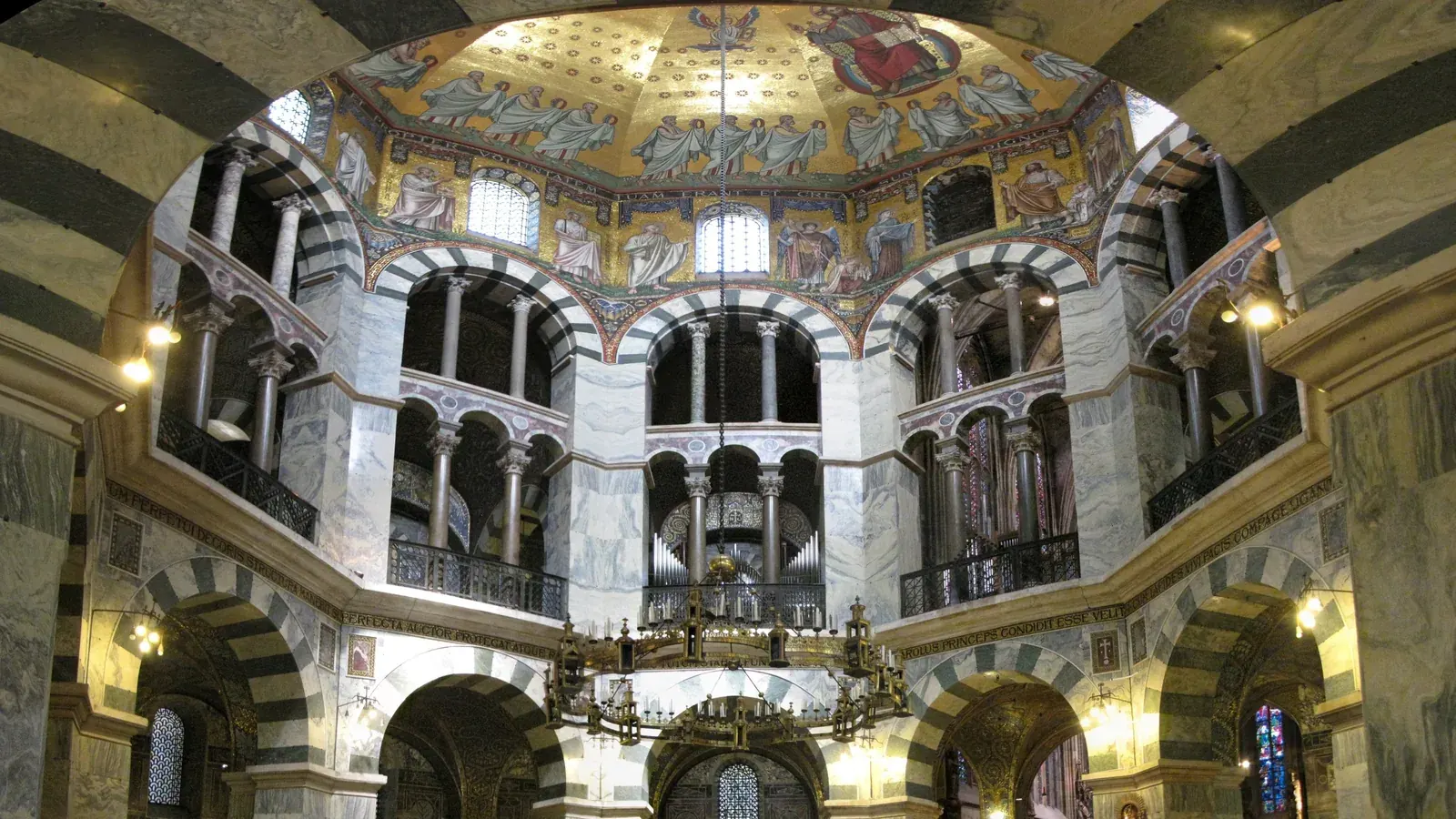
Four accounts of Christmas Day 800 disagree on who planned it. Einhard wrote Charlemagne would have stayed away; the court annals recorded an acclamation.