Two histories record Emperor Yang's canal orders of 605 to 610. For the Yongji Canal of 608 one counts over a million workers, the other over five million.
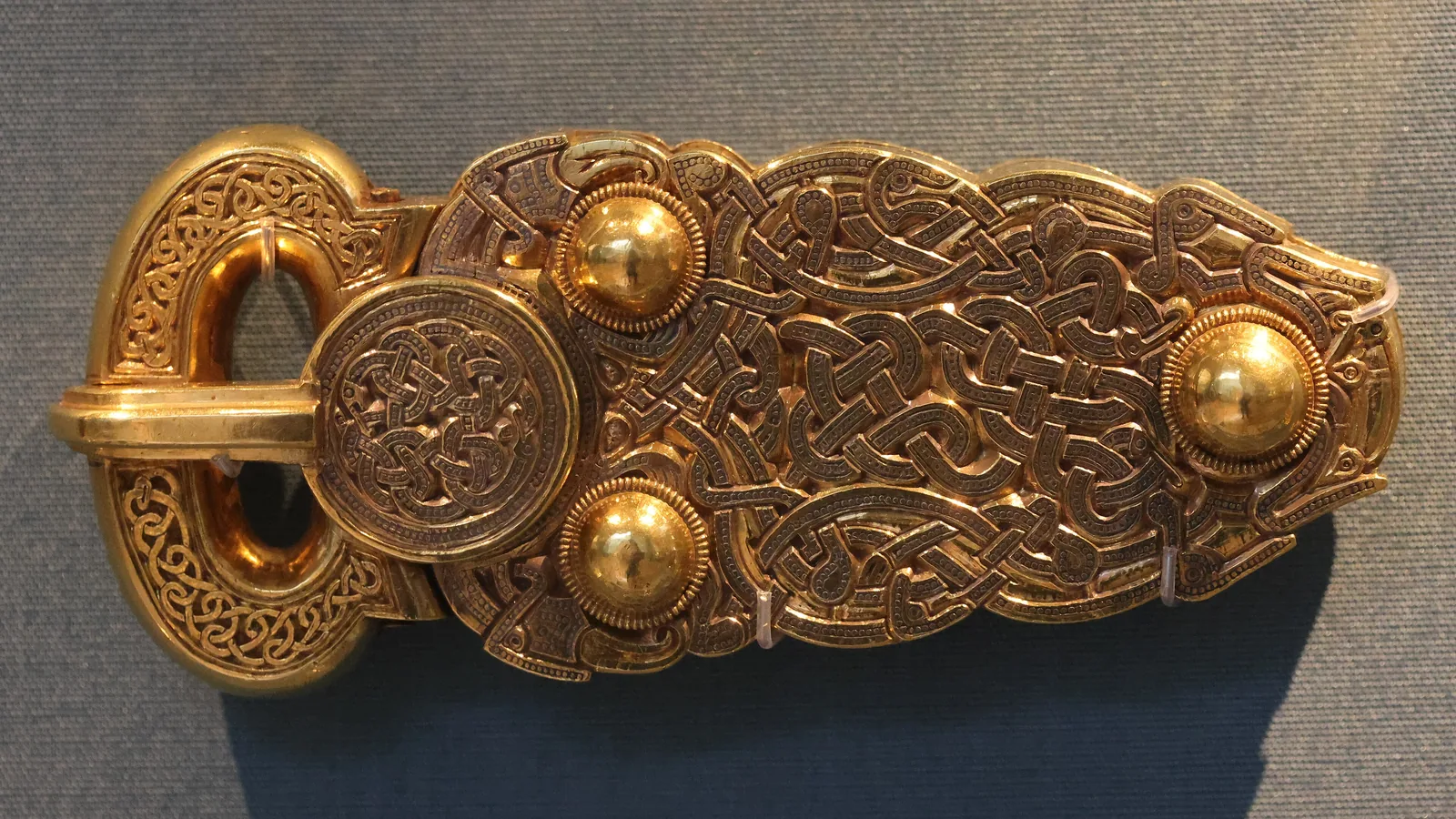
In 1939 Basil Brown excavated a 27-meter ship burial at Sutton Hoo for Edith Pretty; an inquest gave the find to her, who gave it to the British Museum.
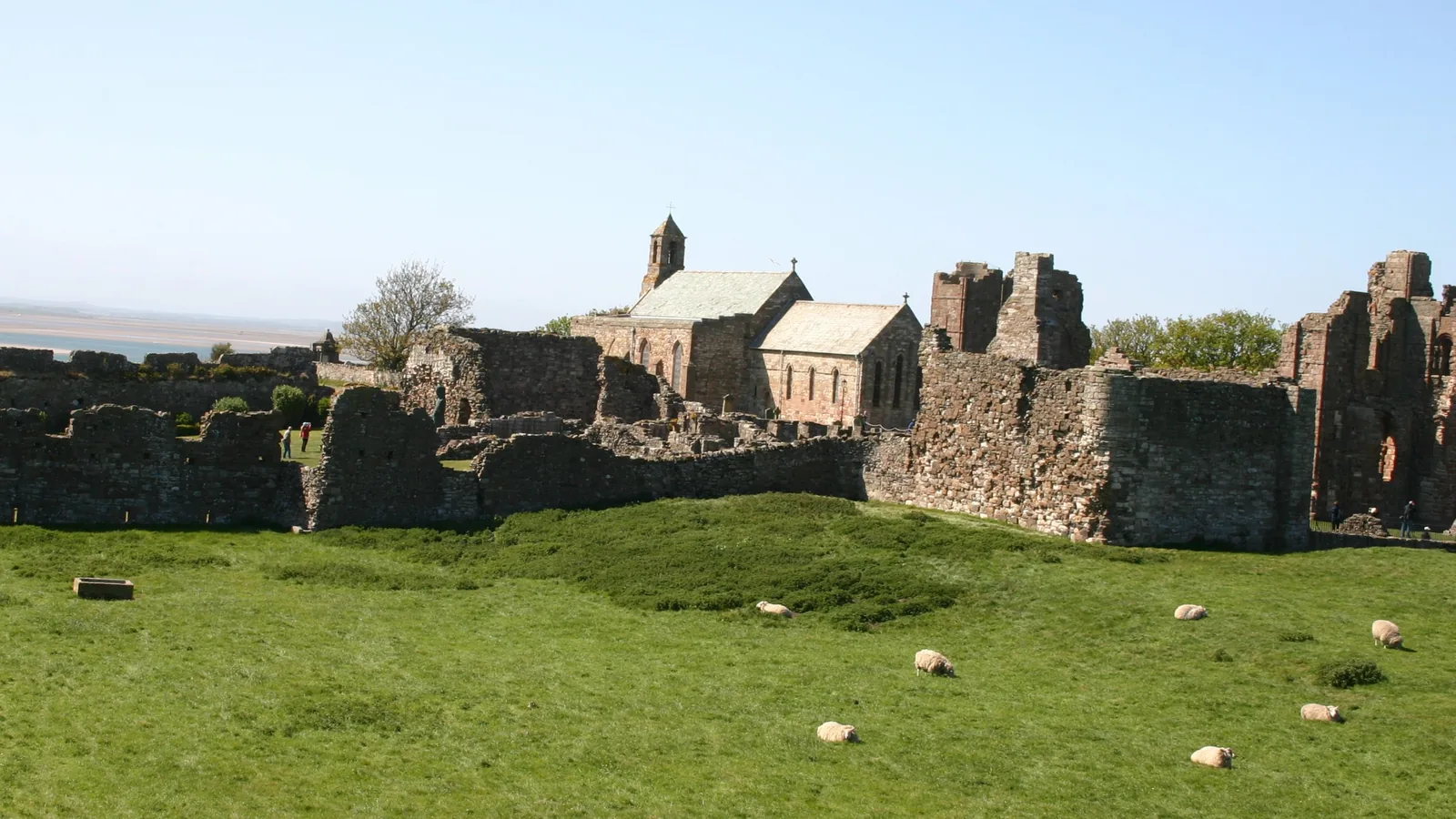
Alcuin's two letters and two Anglo-Saxon Chronicle texts record the Lindisfarne raid of 793. Digs since 2016 found graves of adults, children and babies.
Four accounts of Christmas Day 800 disagree on who planned it. Einhard wrote Charlemagne would have stayed away; the court annals recorded an acclamation.
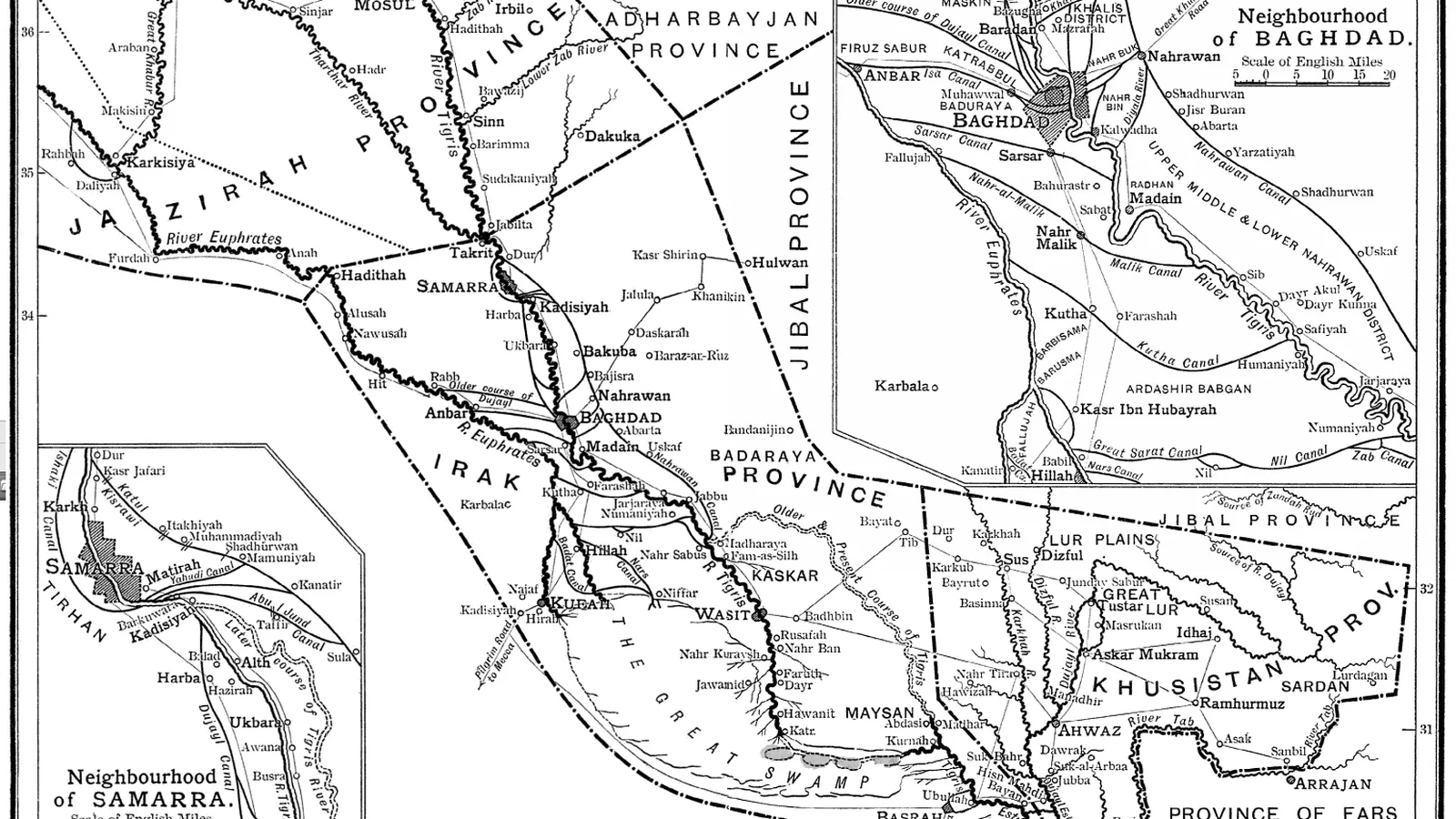
From 762 to 833 the Abbasid caliphs paid translators in Baghdad to turn Greek, Persian and Indian works of medicine, astronomy and mathematics into Arabic.
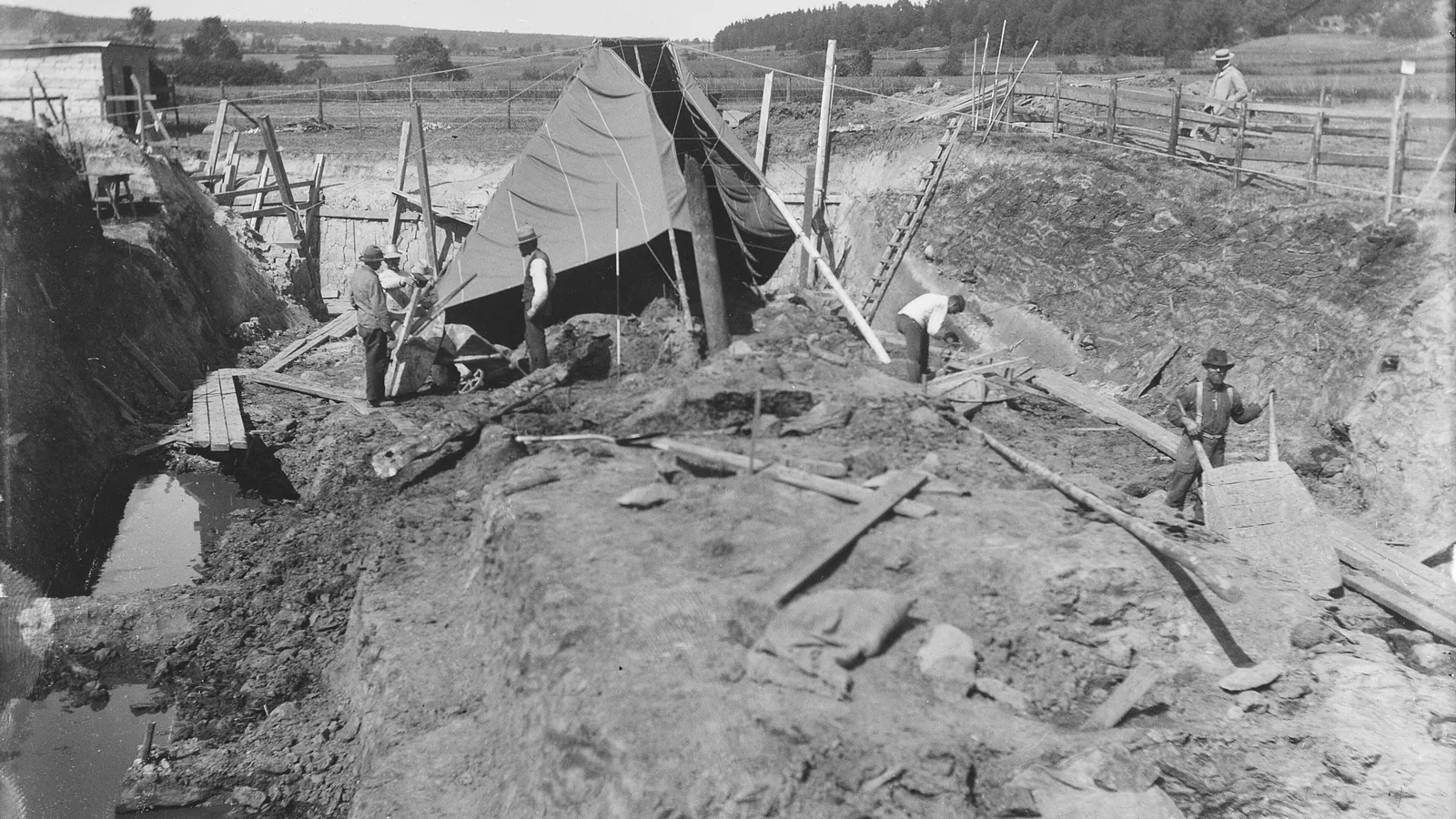
Tree-ring dating puts the Oseberg ship's timber at about 820 and its burial at 834; Gabriel Gustafson excavated it in 1904 after a farmer's report in 1903.
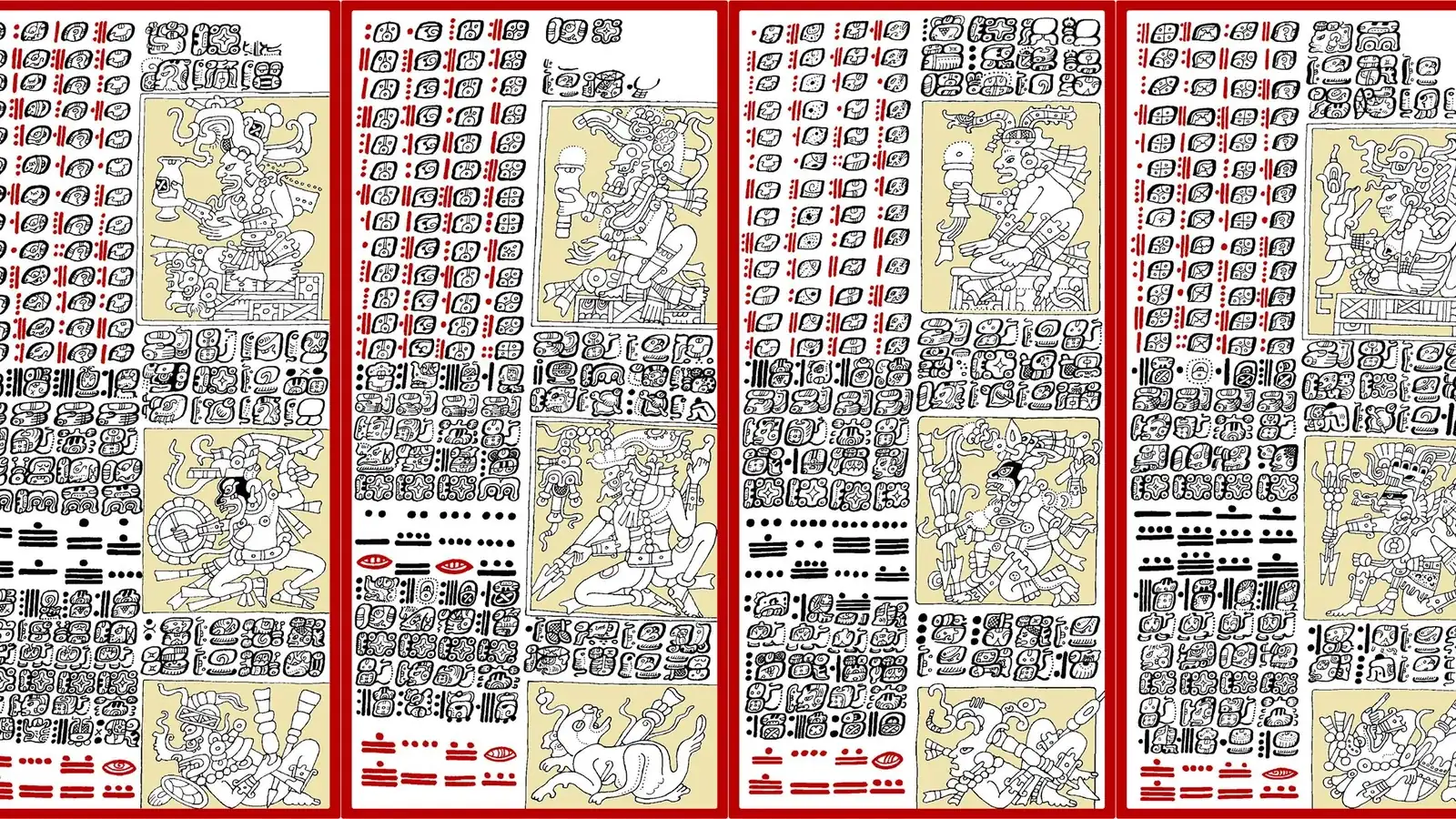
Maya astronomers put Venus's cycle at 584 days, near NASA's 583.92, and the year at 365.242 days, using sighting sticks. A Venus table survives in Dresden.
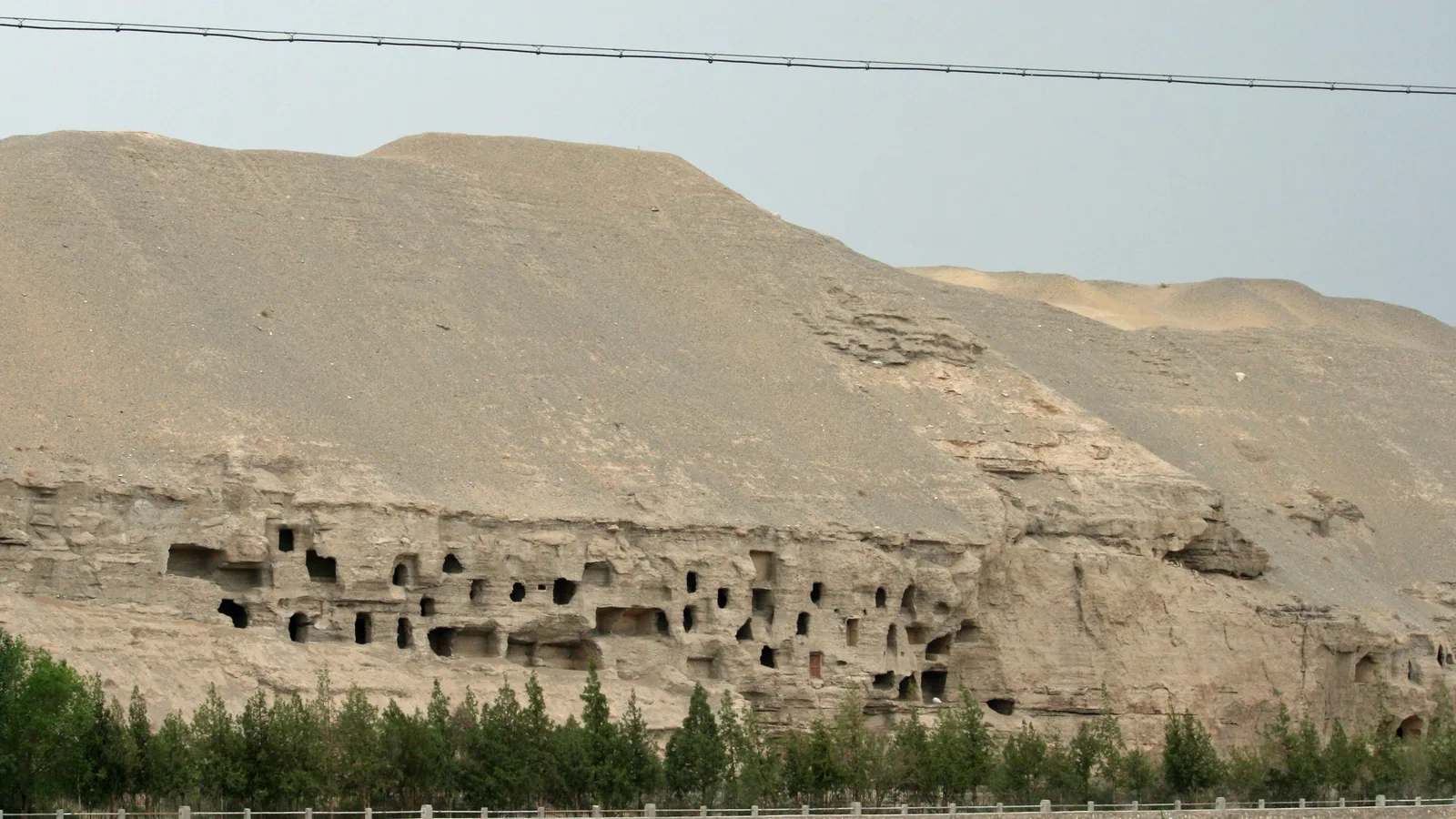
Cave 17 at Mogao held manuscripts from the 4th to the early 11th century until Wang Yuanlu opened it in 1900. Stein and Pelliot bought much of it from 1907.
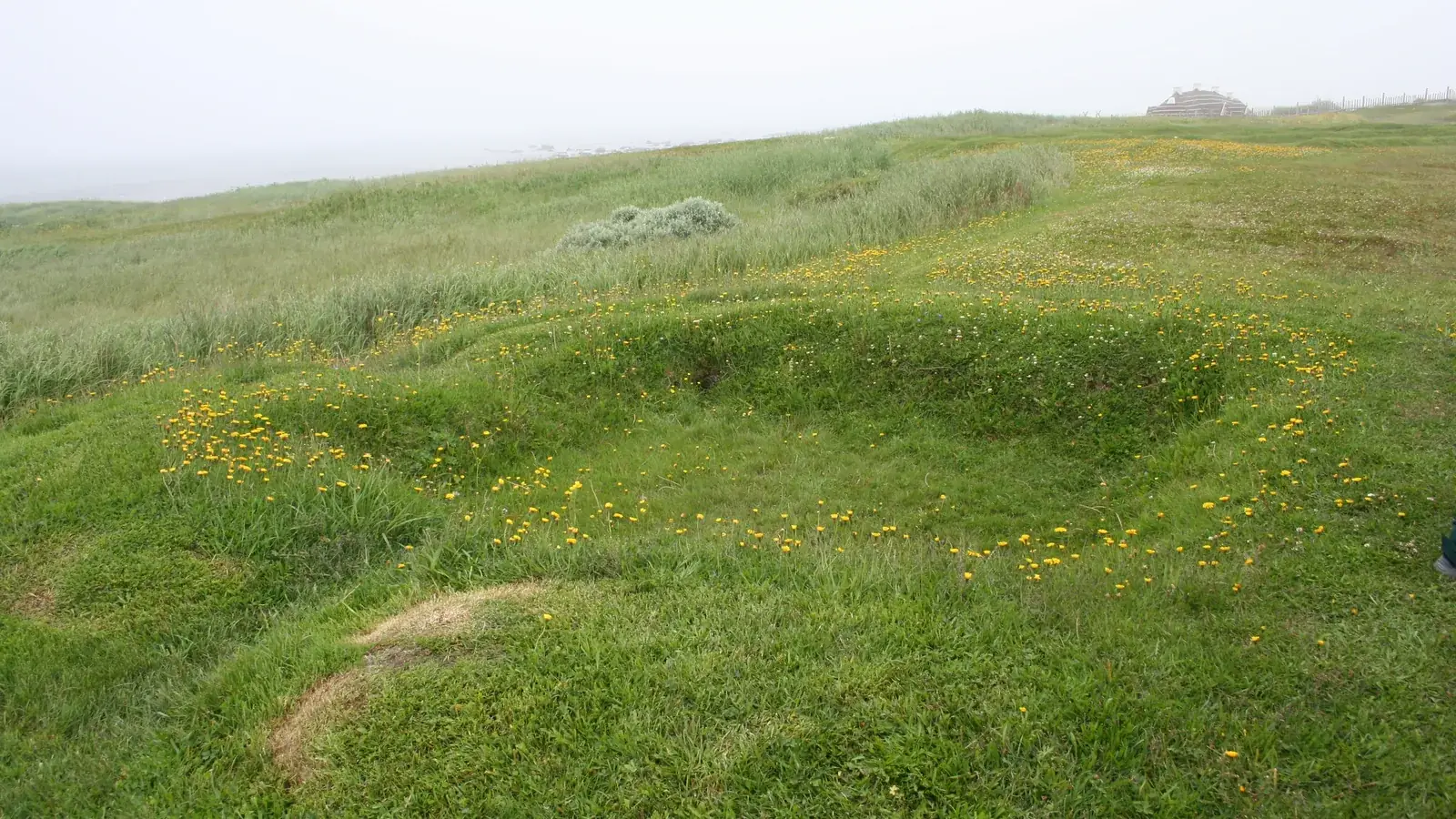
Wood cut at L'Anse aux Meadows, Newfoundland, dates to AD 1021 by a radiocarbon spike from a 993 solar storm. It is the cutting year, not the arrival year.
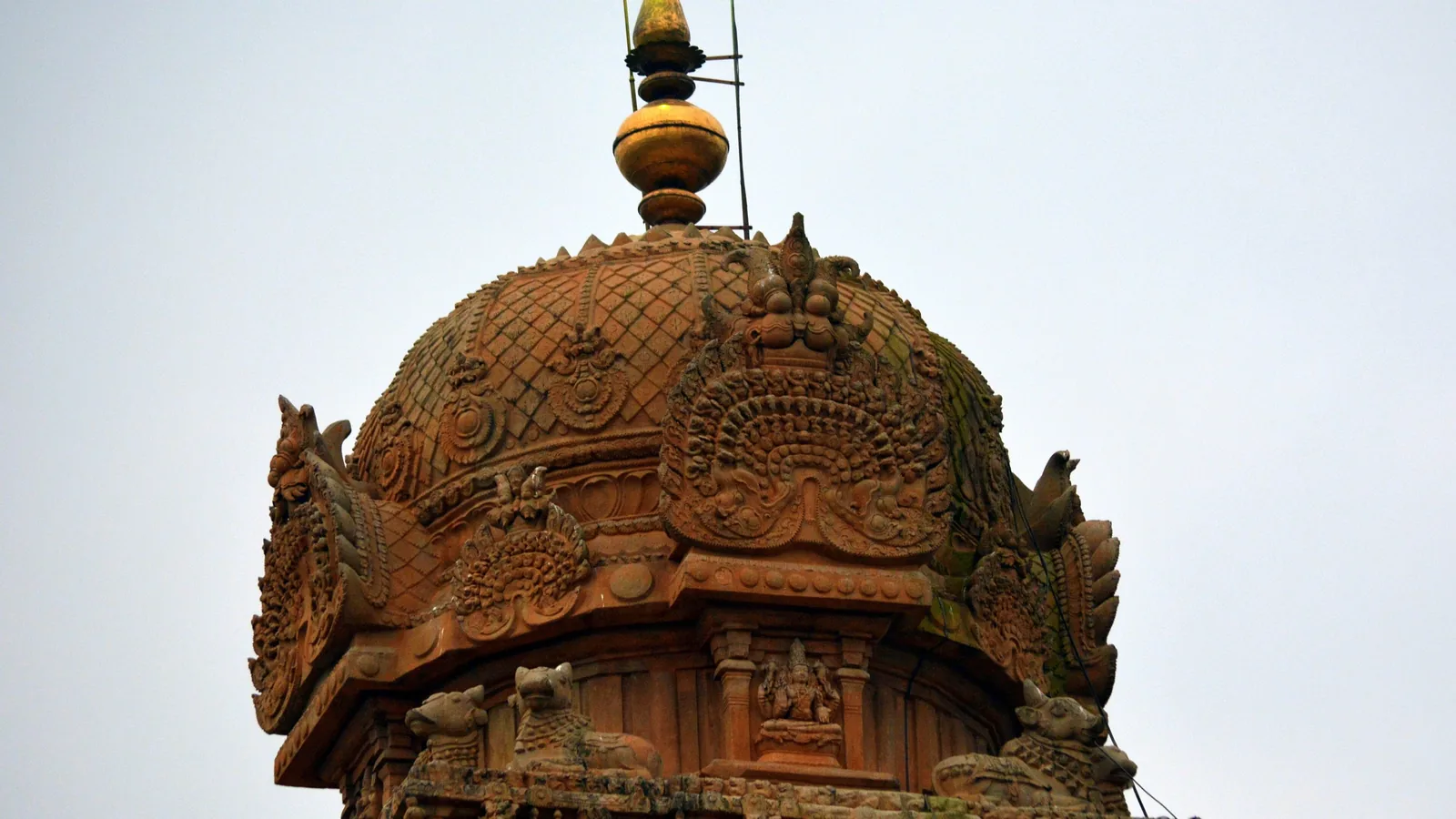
Rajendra I's inscriptions list the ports his ships took, from Srivijaya to Kadaram, but give no reason for the war. Historians read the gap differently.
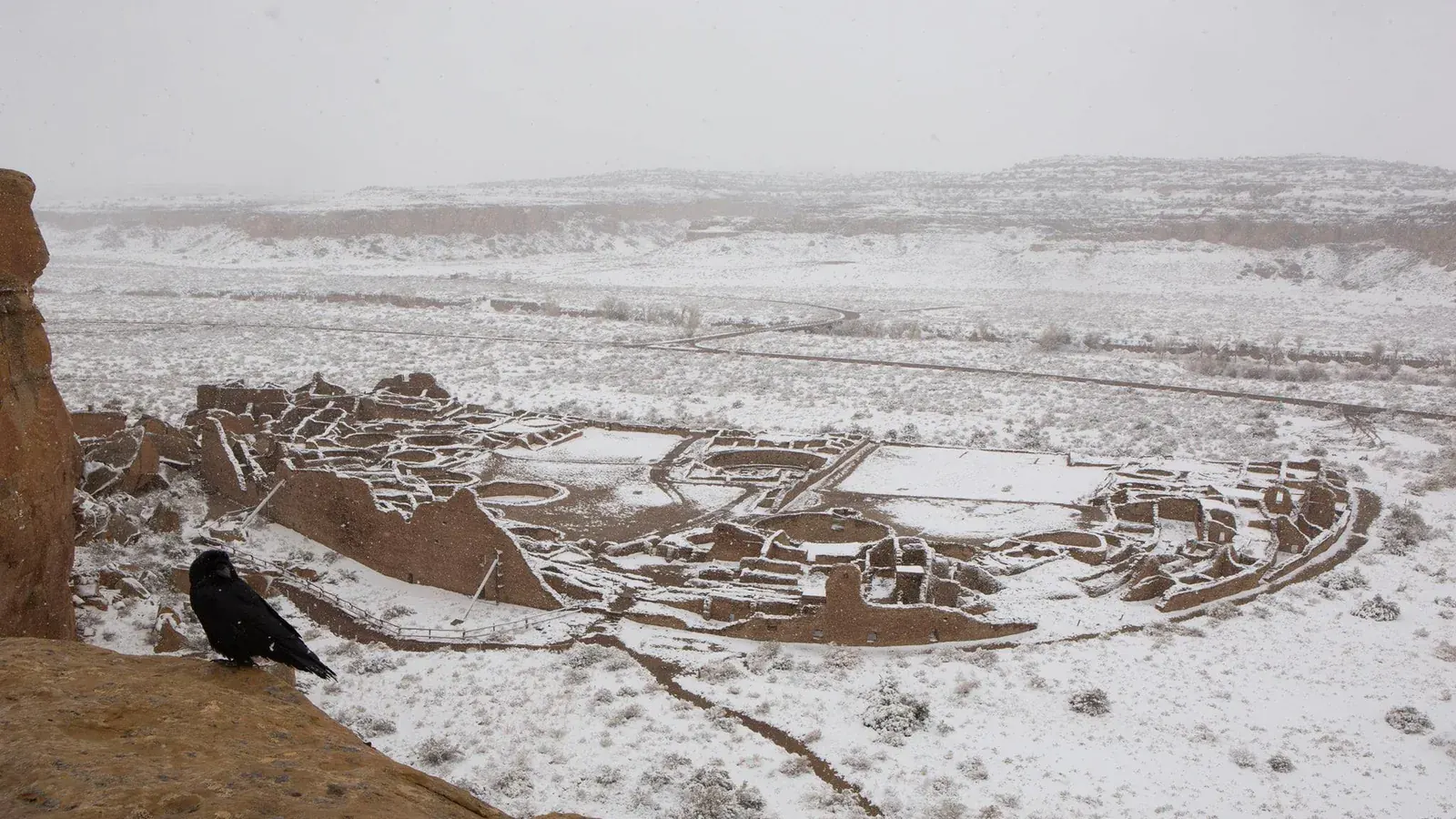
Ancestral Pueblo people carried about 240,000 beams 75 km into Chaco Canyon from 850 to 1130, then moved on in a drought; 19 Pueblos and the Hopi claim it.
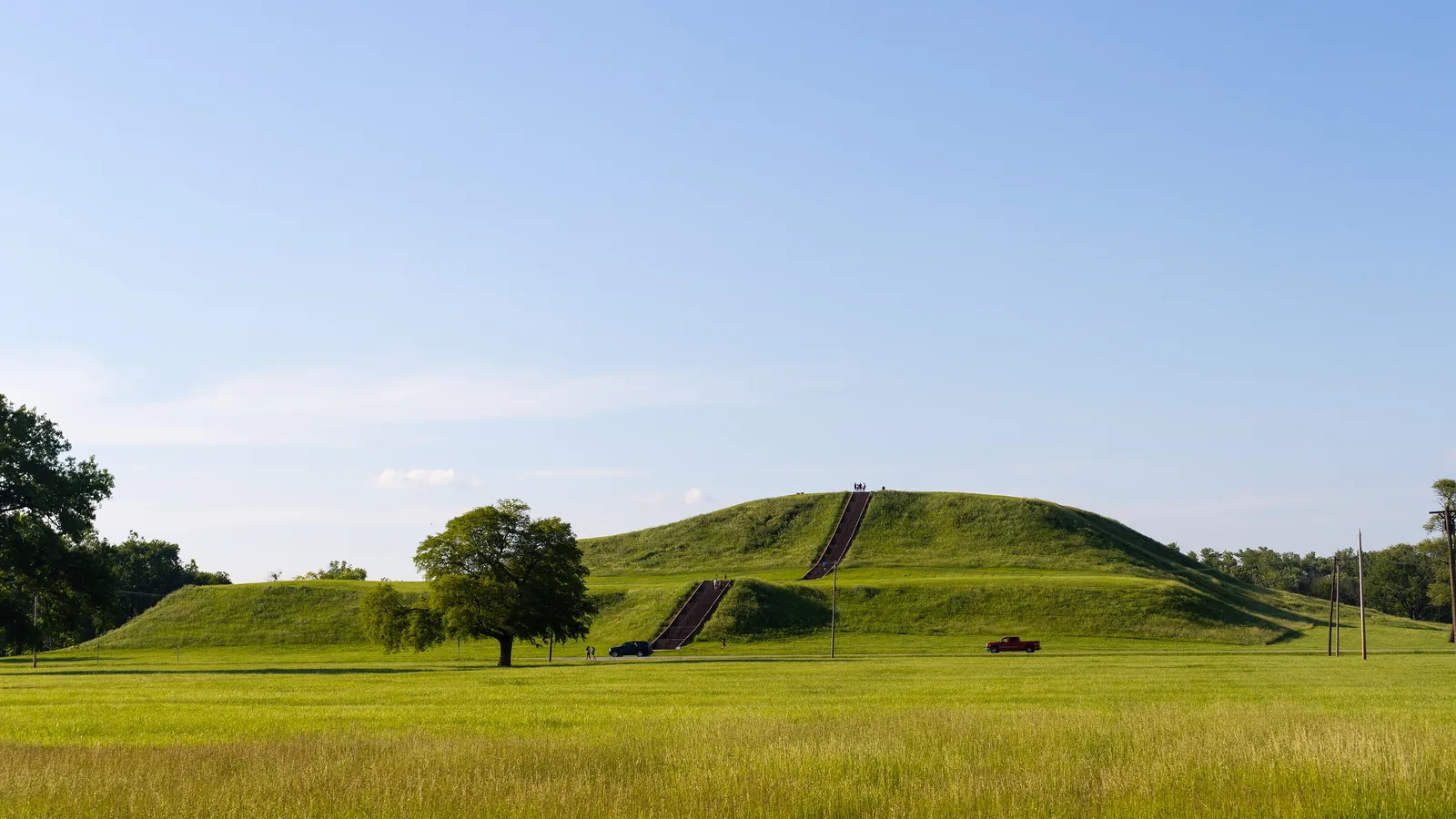
Monks Mound, 291 by 236 meters at one contour, anchored Cahokia in Illinois, a city of about 120 mounds and nearly 20,000 people about 1100, empty by 1350.
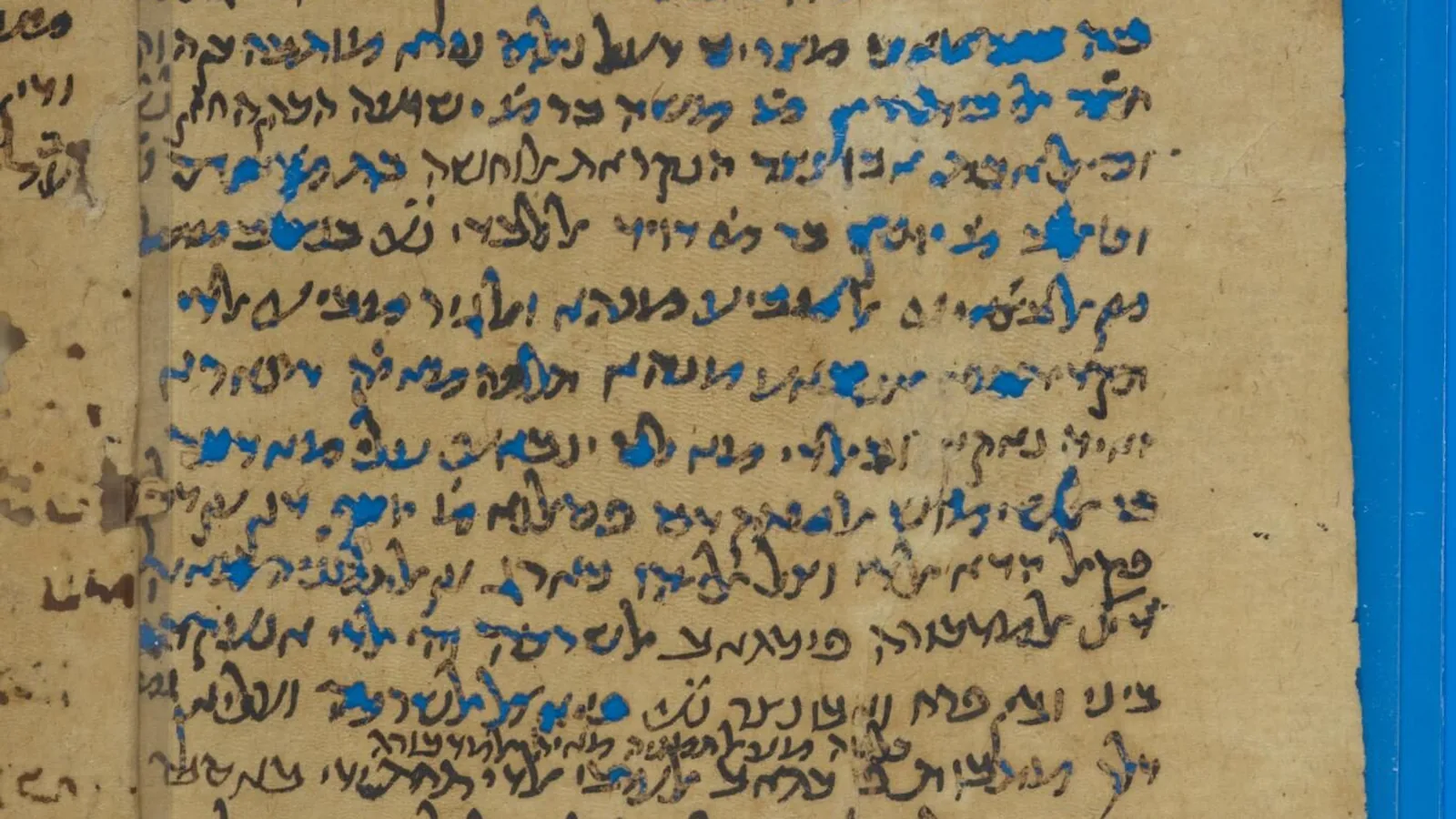
In 1896–97 Solomon Schechter emptied the Ben Ezra Synagogue's geniza in Fustat. Cambridge counts 193,000 fragments, Bible leaves to a Maimonides letter.
Angkor Wat was built in the reign of Suryavarman II (anointed 1113). A Chinese envoy of 1296 called it only the tomb of Lu Ban; later books credited Rome.
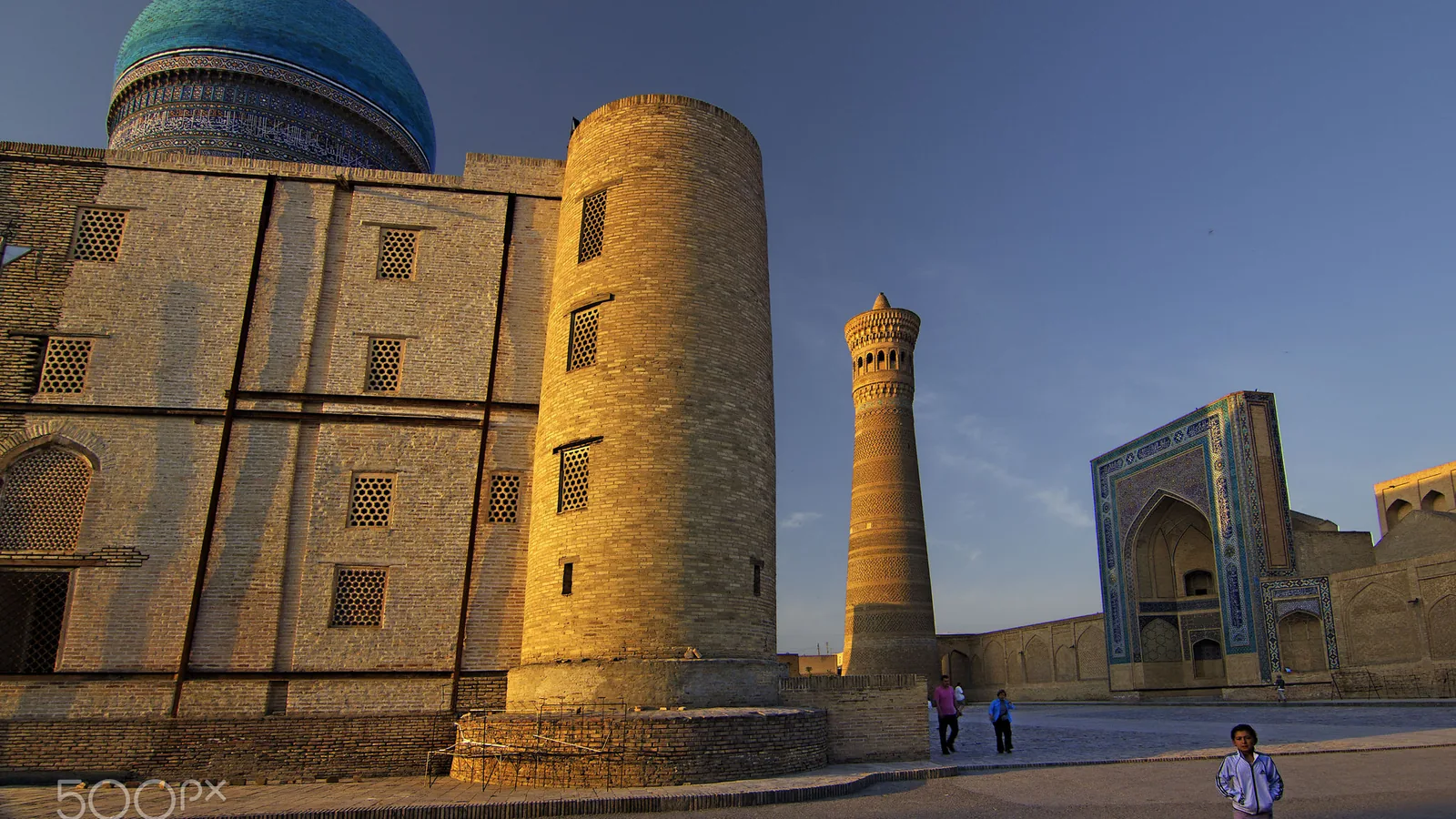
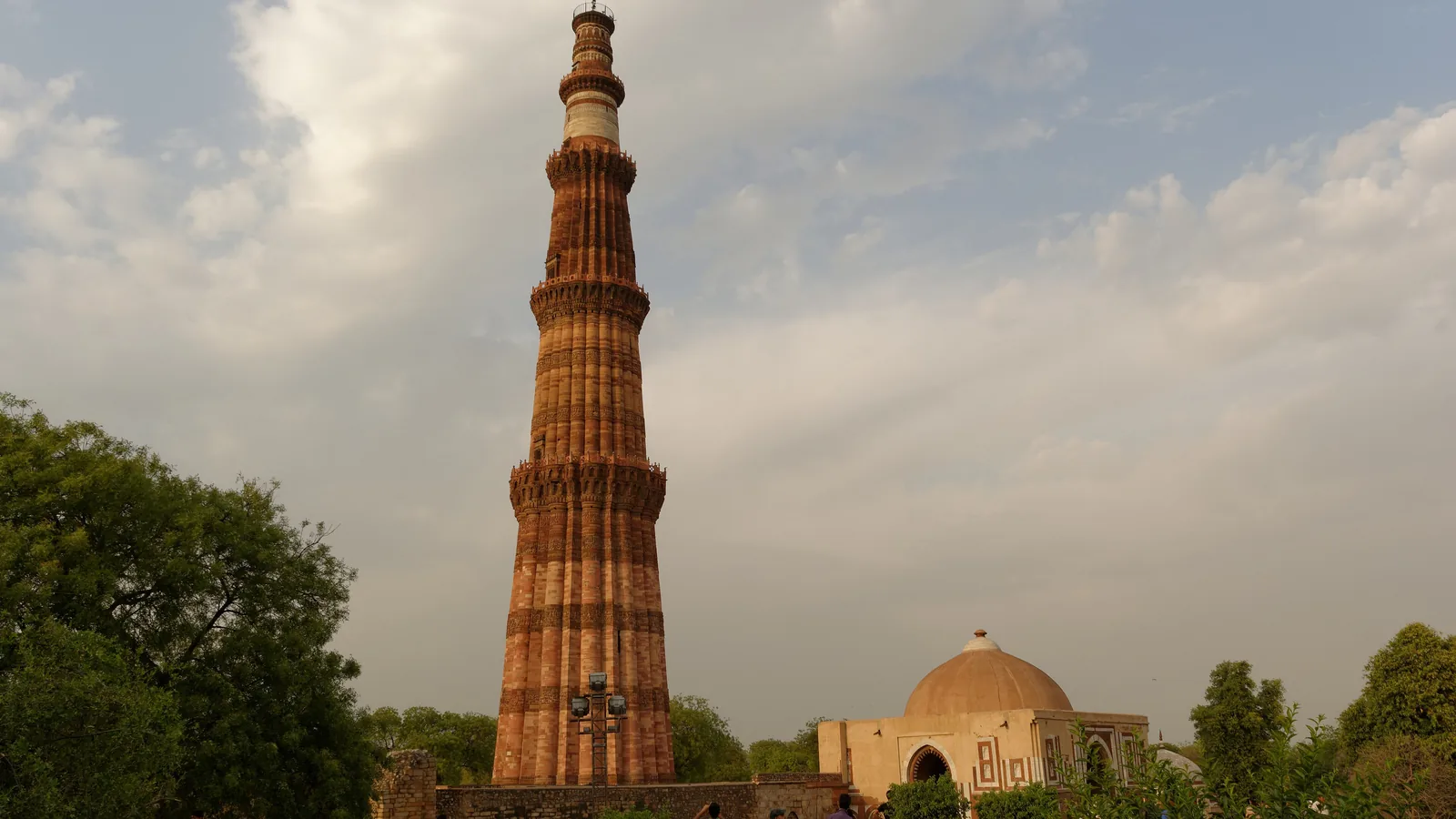
A minaret collapsed at Bukhara around 1121-22 and destroyed two-thirds of a new mosque. Arslan Khan Mohammad's replacement, 48 meters high, rose in 1127.
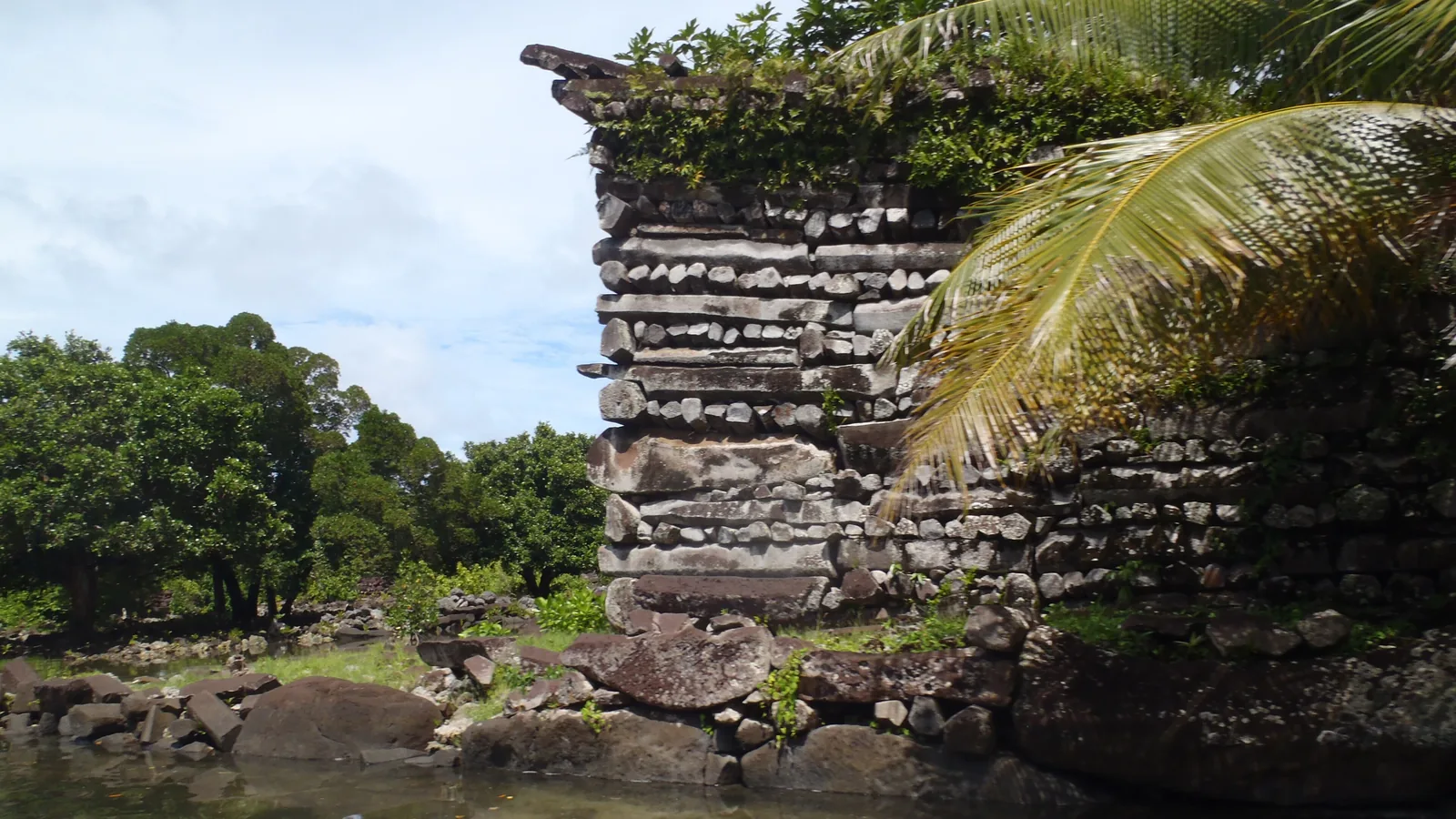
Nan Madol is 92 to 100 islets of stacked basalt columns on a reef off Pohnpei. Coral from its first chief's tomb dates the monuments to AD 1180 to 1200.