The steppe and the oasis cities between China and Persia carried horses, silk, faiths and armies across Eurasia. These articles follow the nomadic confederations and the trade routes that connected the settled empires on either side.
In 1938 Okladnikov found a child's skeleton ringed by ibex horns in an Uzbek cave. DNA in 2007 and a 2012 study call it Neanderthal; a 2009 study did not.
In 2003 a child's teeth and 121 skull fragments came out of layer 16 at Obi-Rakhmat, Uzbekistan. The teeth read as Neanderthal; the skull did not settle it.
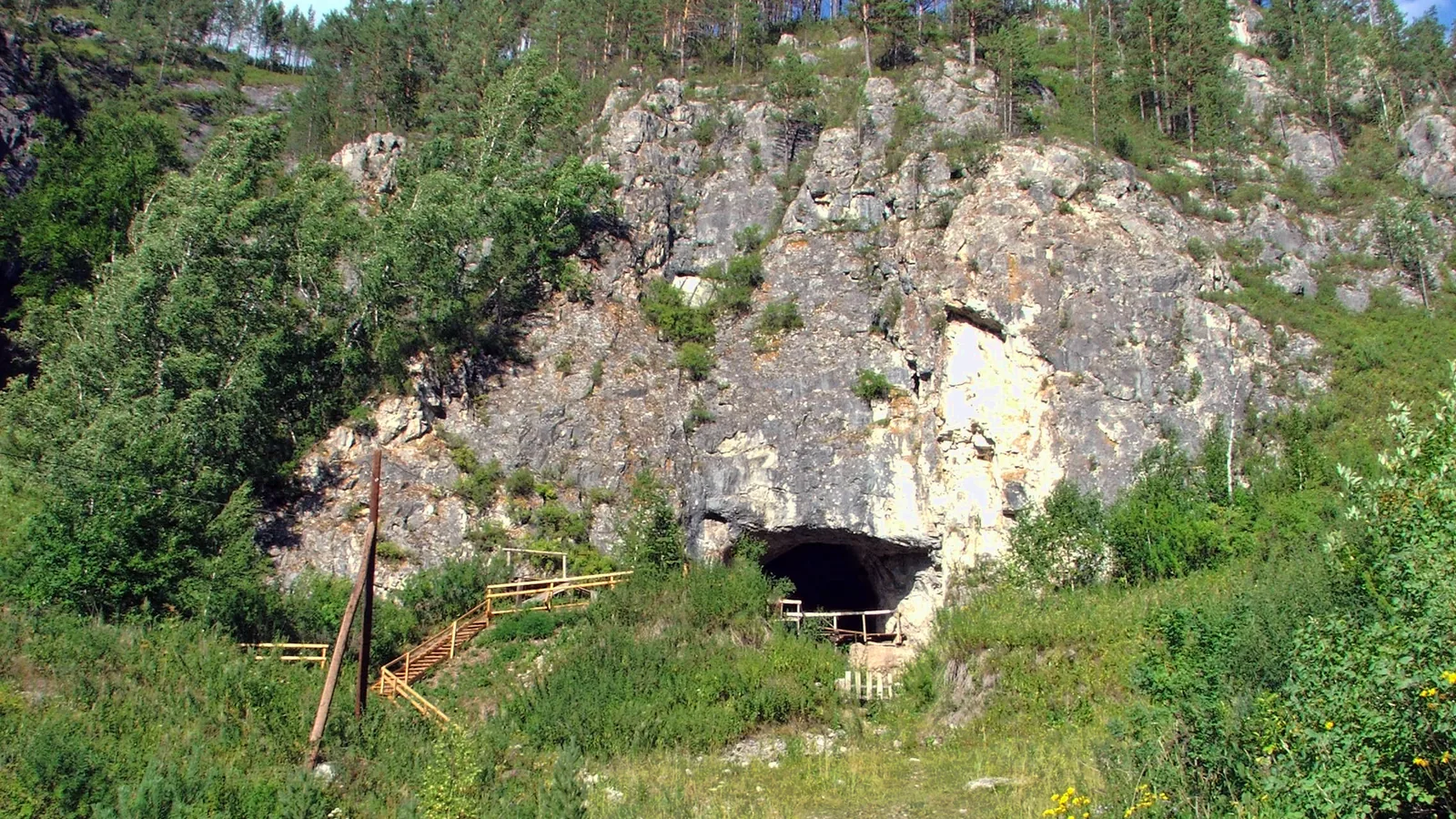
A fingertip bone dug up in 2008 at Denisova Cave in the Altai held DNA unlike any Neanderthal or modern human. Its kin live on in Tibetan and Papuan DNA.
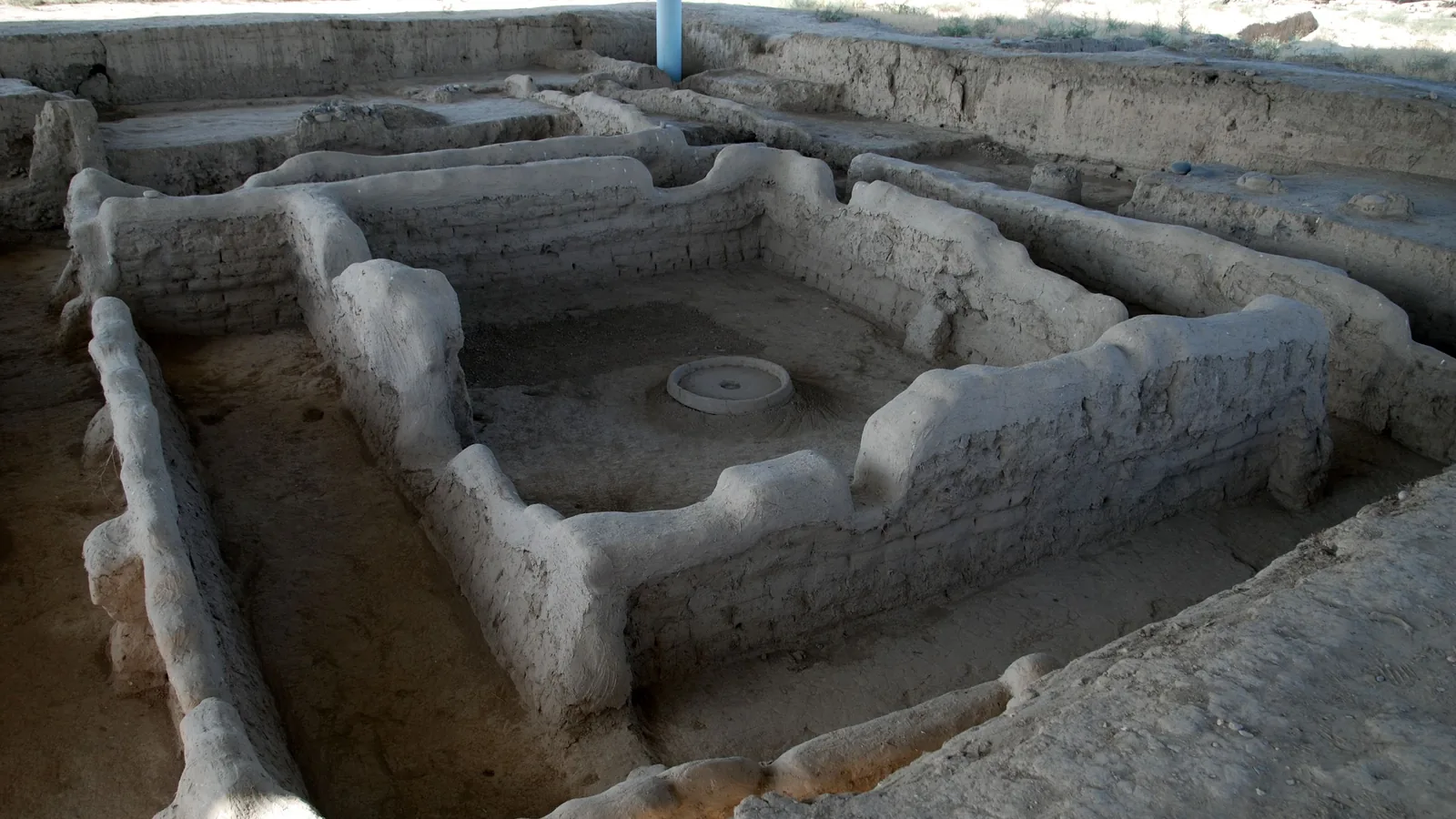
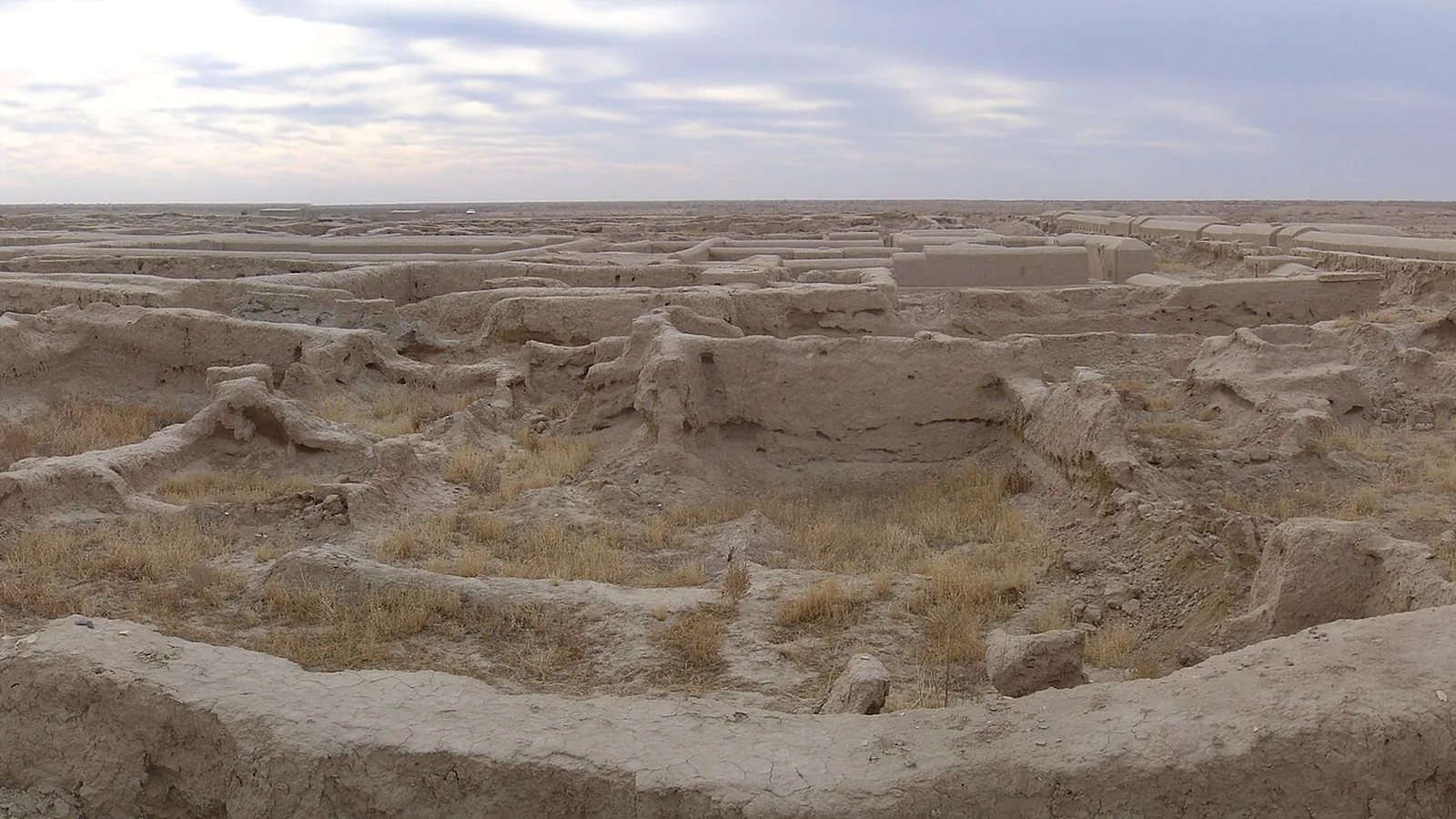
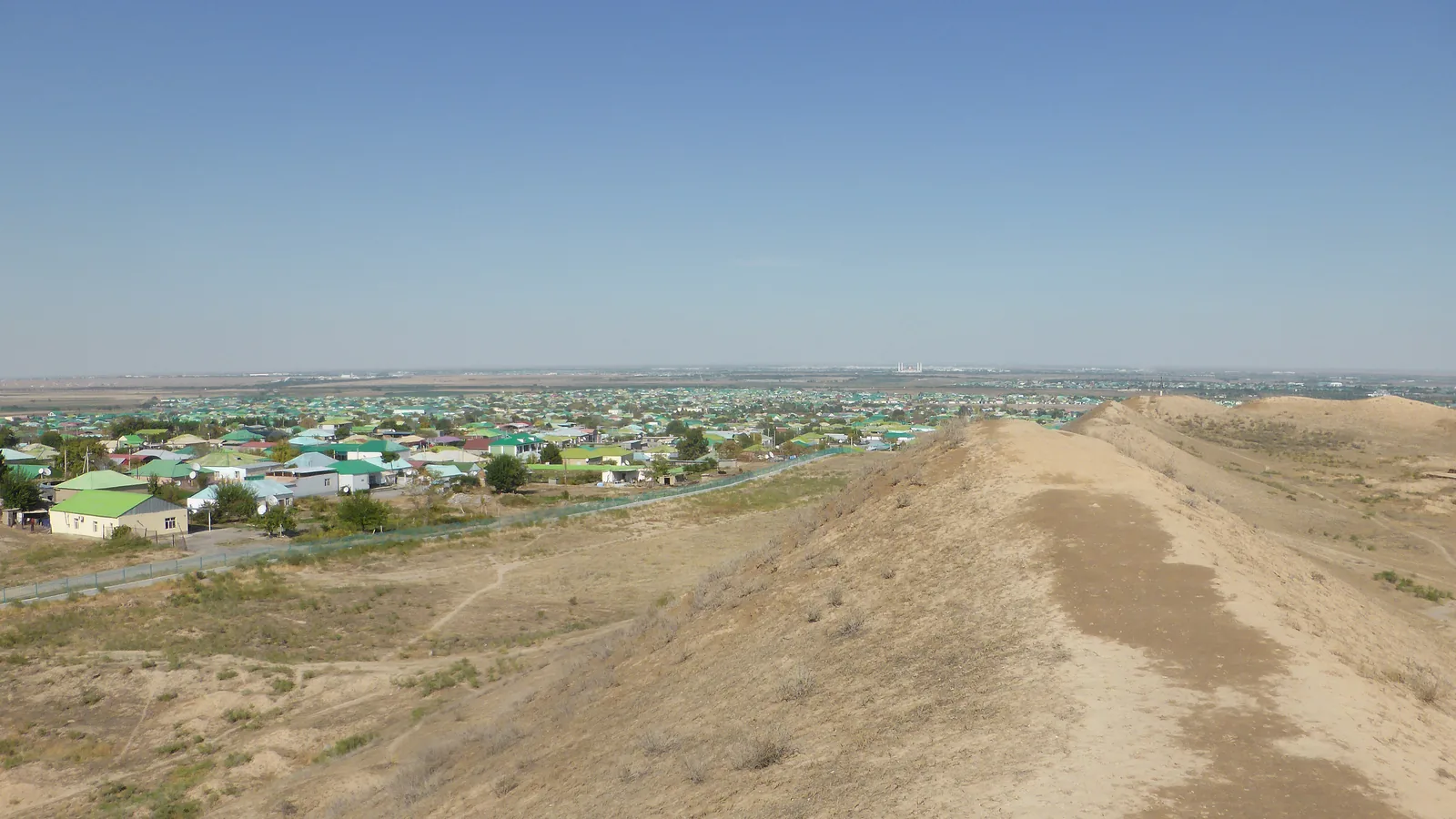
Raphael Pumpelly dug the two mounds at Anau in 1904 in two-foot levels, found wheat and barley chaff, and argued that drying oases sent people outward.
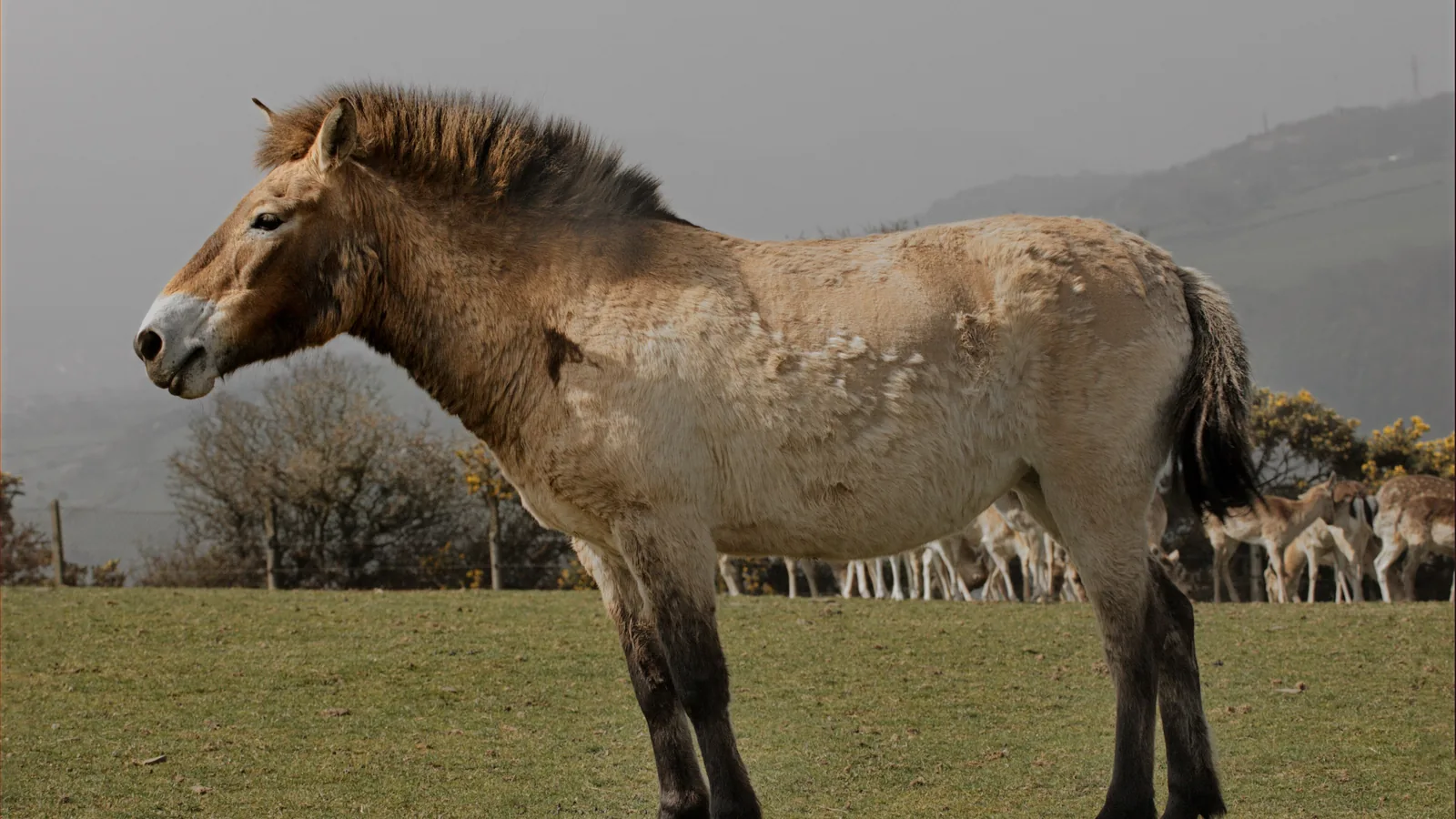
Named in 2009 as the earliest horse-domestication site, Botai in Kazakhstan lost that claim in 2018 when DNA made its horses the ancestors of Przewalski's.
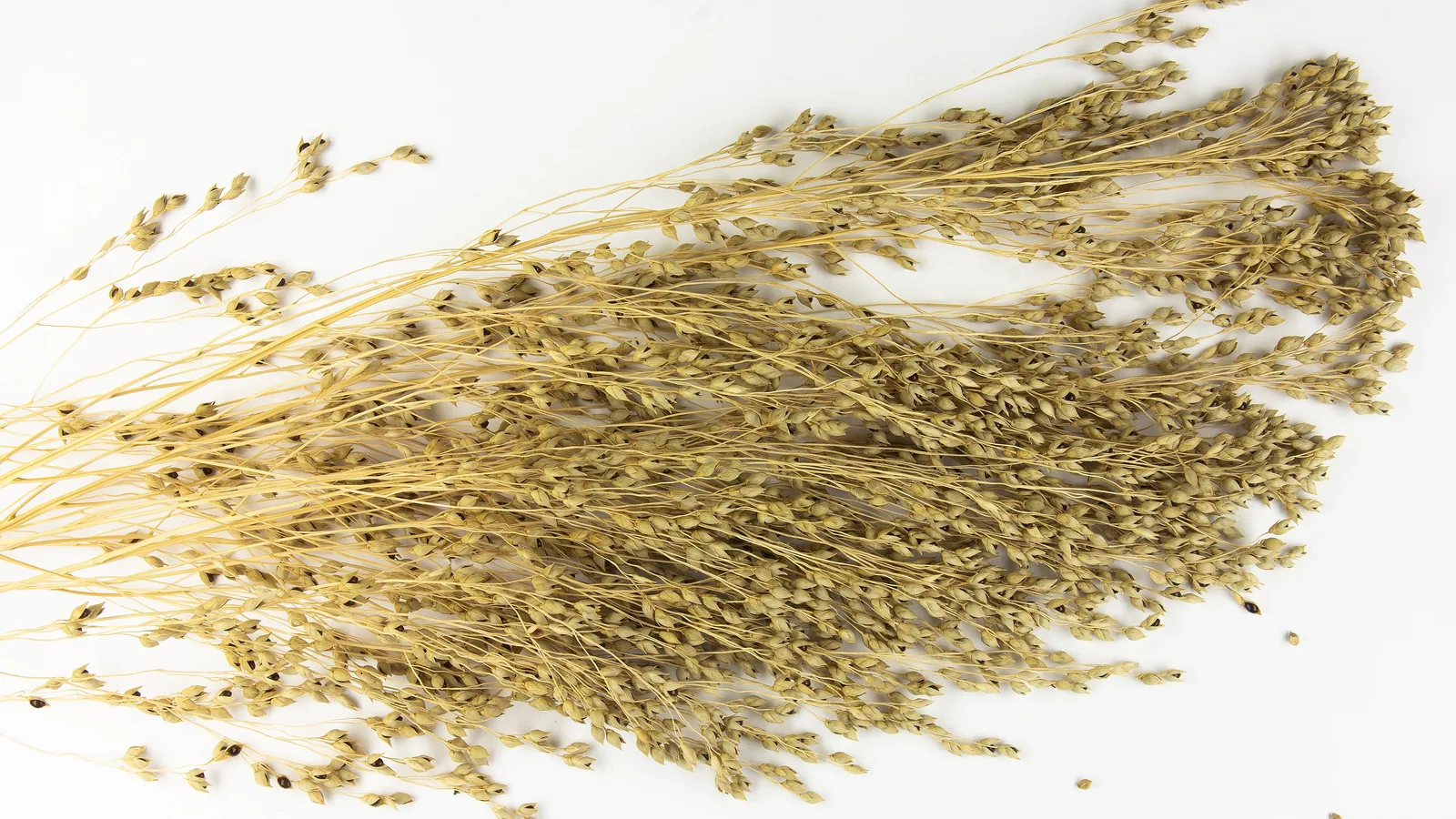
Charred millet, wheat and barley from cremation cists at Begash and Tasbas in Kazakhstan date to about 2300 BC; their excavators later doubted what they show.
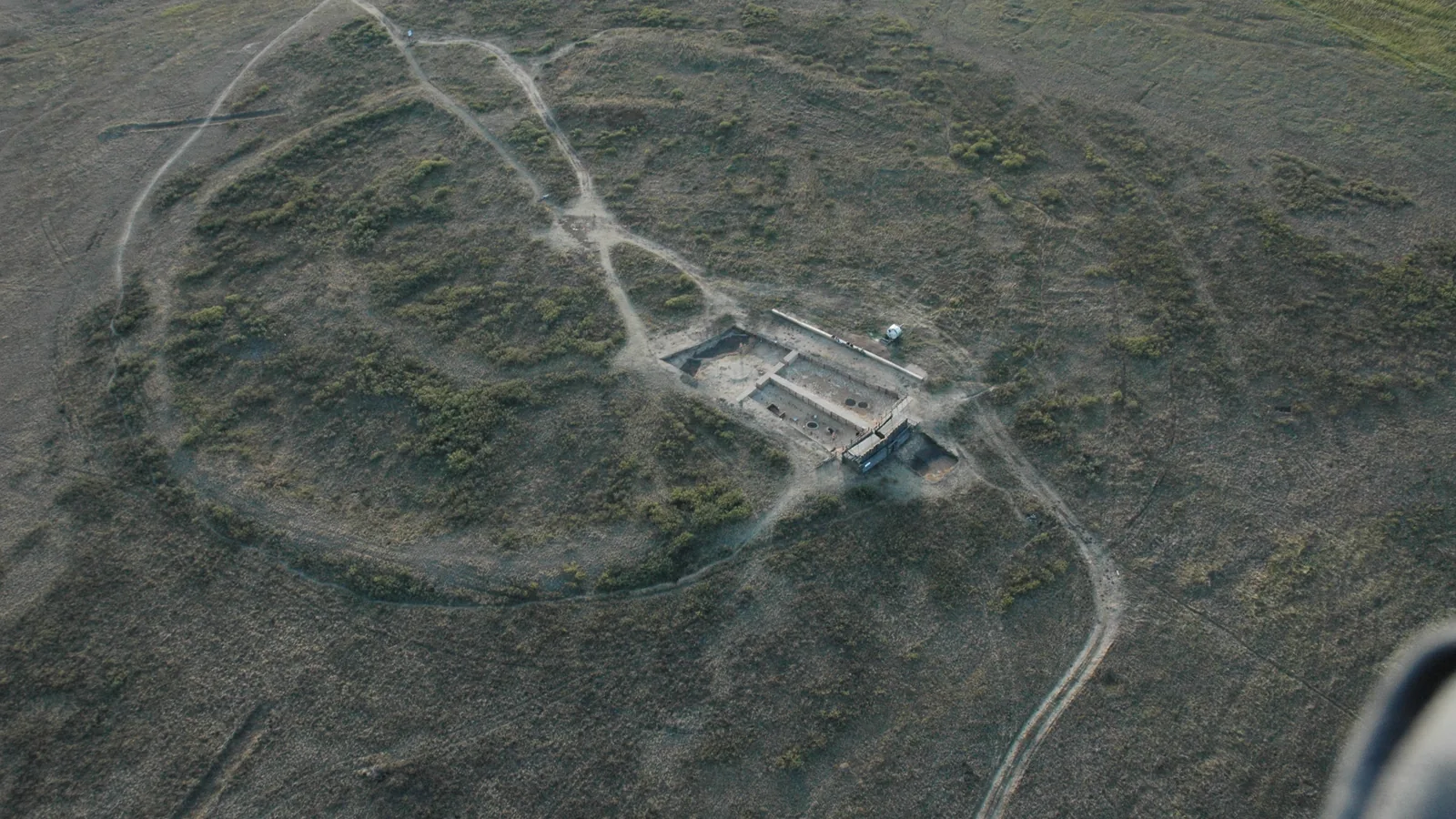
Arkaim reserve records say dam work began in November 1986; a 1987 survey found a ringed Bronze Age settlement, and the reservoir was canceled in April 1991.
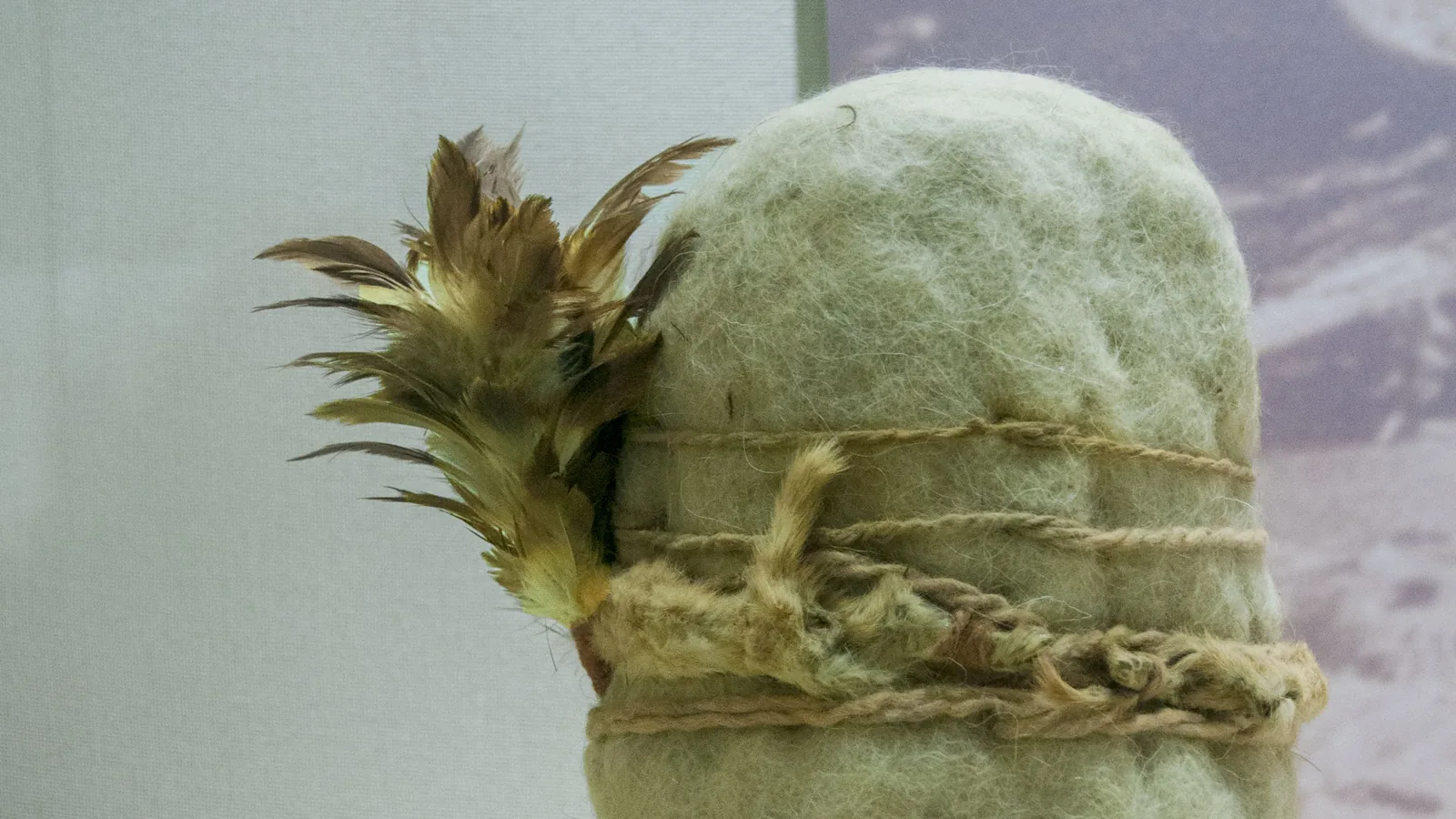
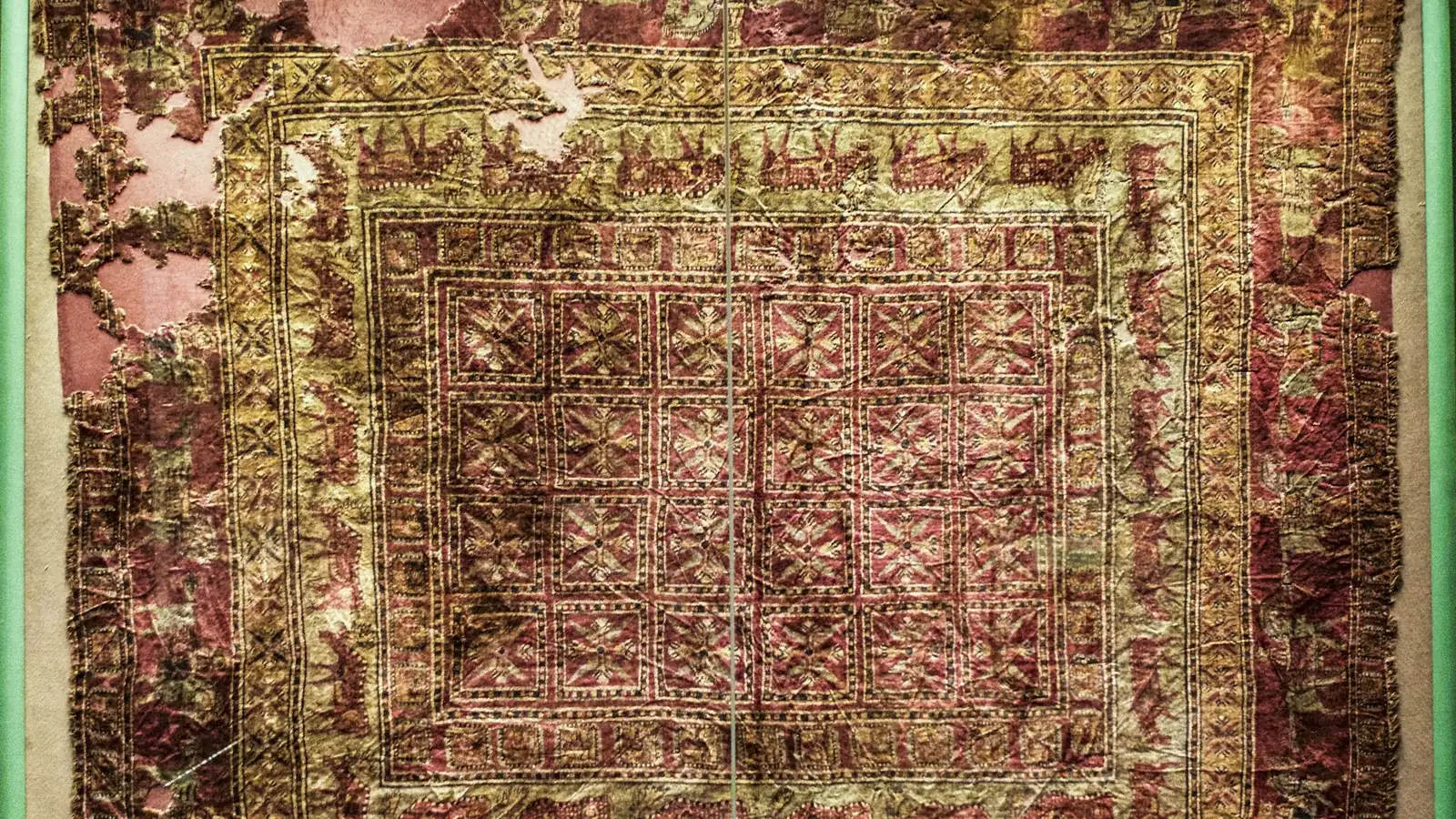
Under the Arzhan 2 mound in Tuva, southern Siberia, a man and a woman of the 7th century BC lay with 33 other people, 14 horses and over 40 pounds of gold.
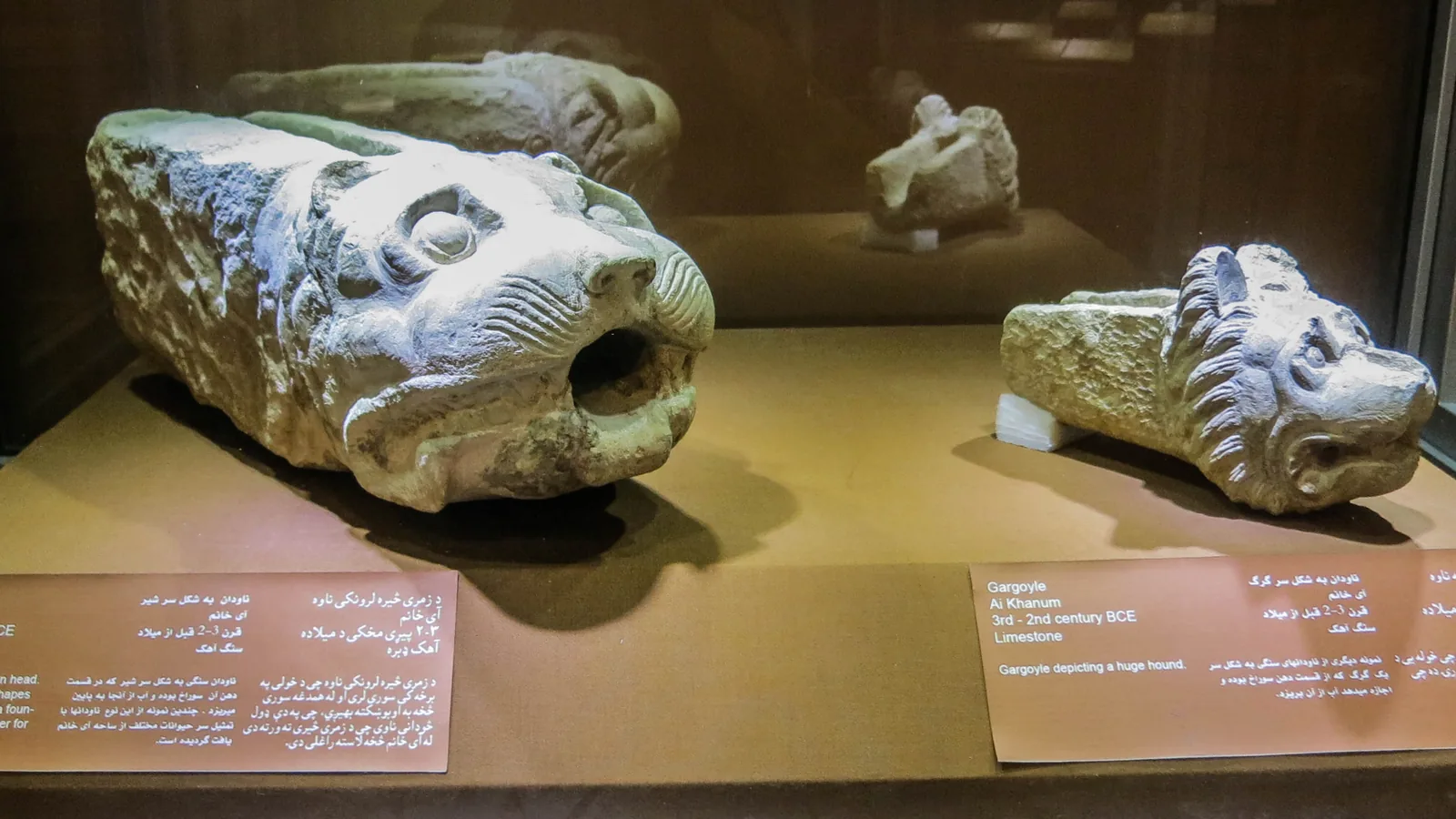
Found on a royal hunt in 1961 and dug by a French mission until 1978, Ai Khanoum in north Afghanistan held a Greek theater, gymnasium and Delphic maxims.
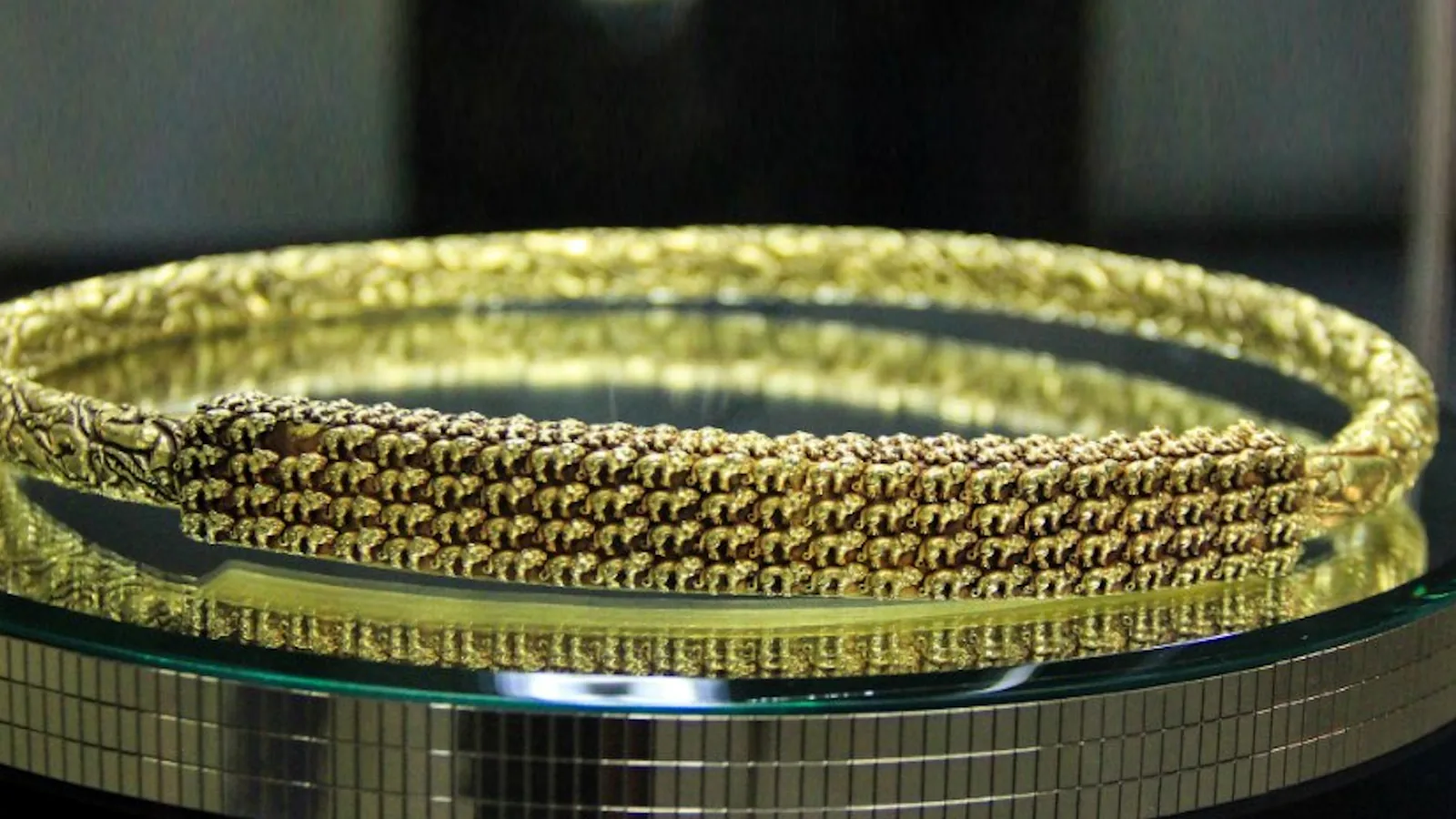
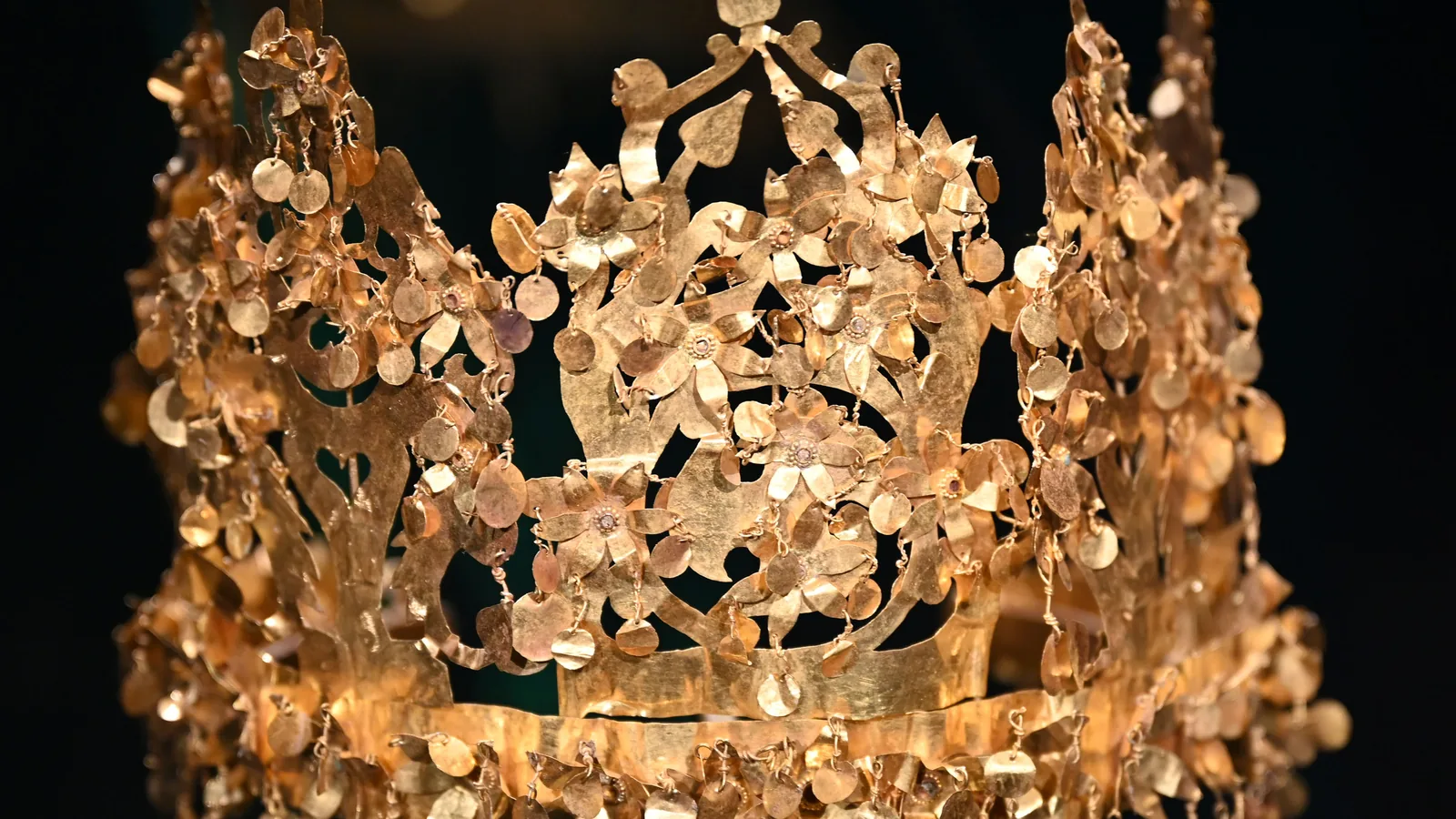
From November 15, 1978, Viktor Sarianidi's team found six unlooted graves at Tillya Tepe, Afghanistan, with a Tiberius aureus and about 20,000 gold objects.
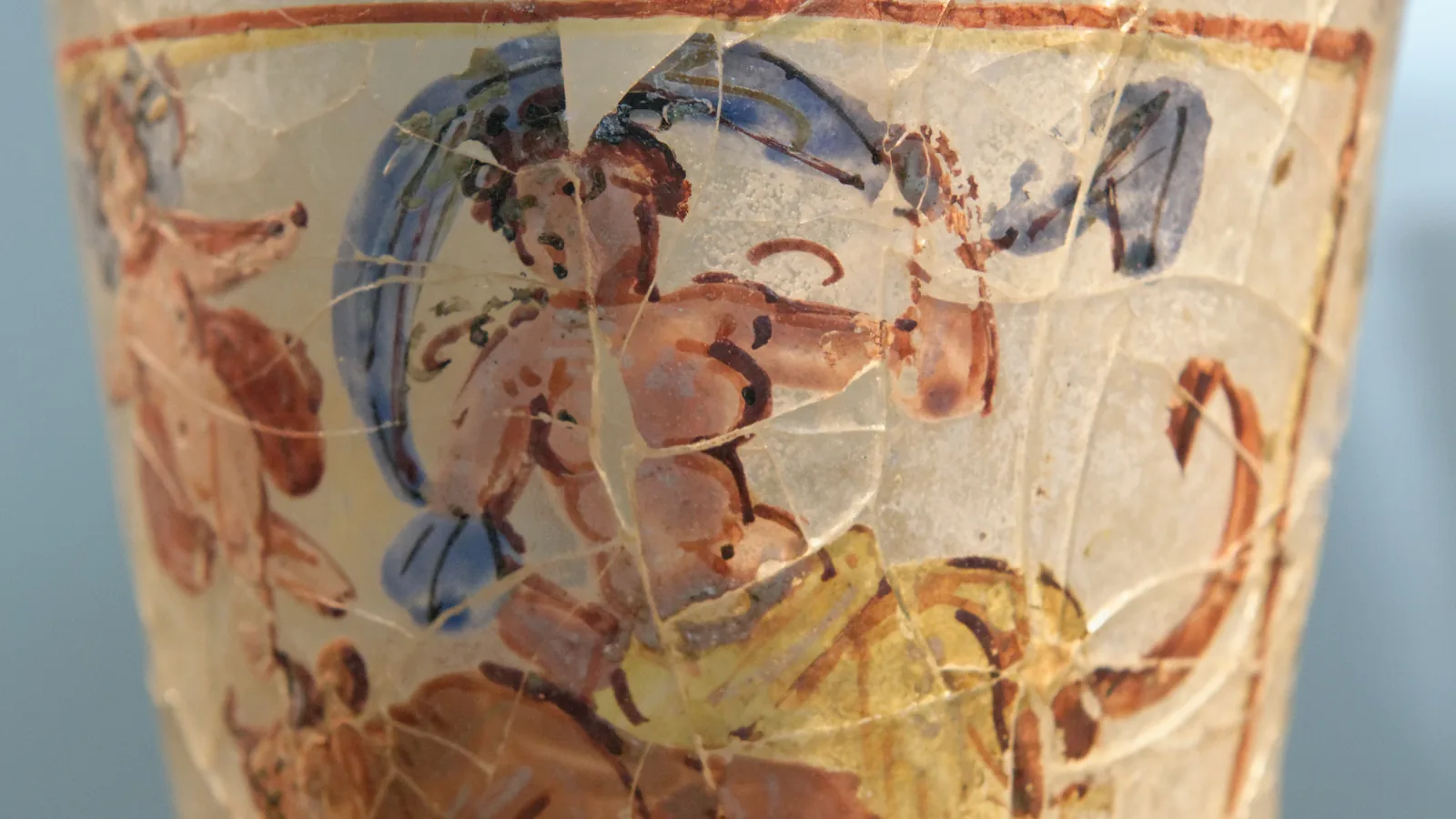
Two walled-up rooms at Begram, 1937 and 1939, held Roman glass, Indian ivory and Han lacquer. Half went to Paris; 20 ivories returned to Kabul in 2012.
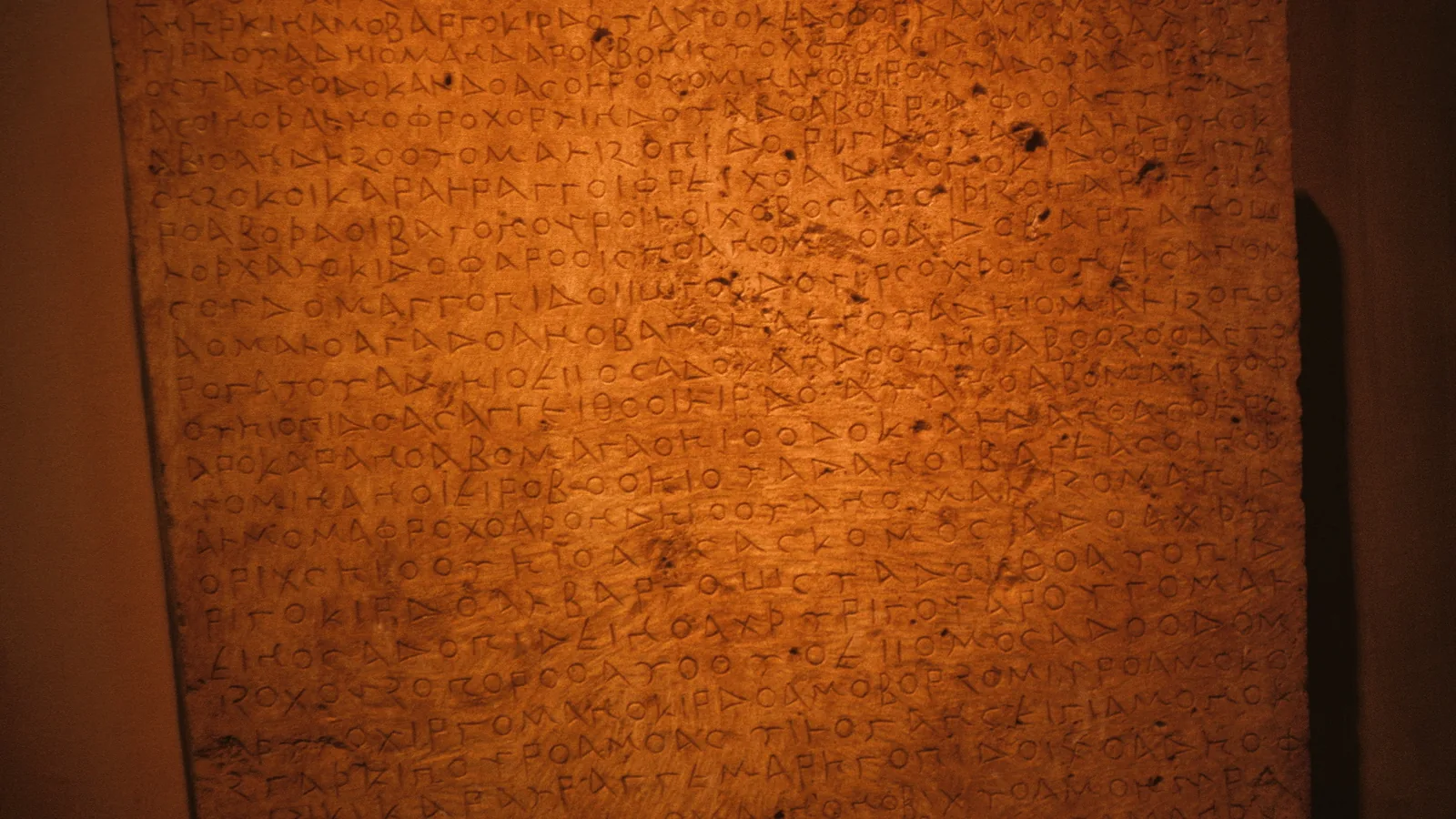
A Bactrian stone unearthed in 1993 in Baghlan gives Kanishka's year one, four generations of Kushan kings, a switch from Greek and four Gangetic cities.
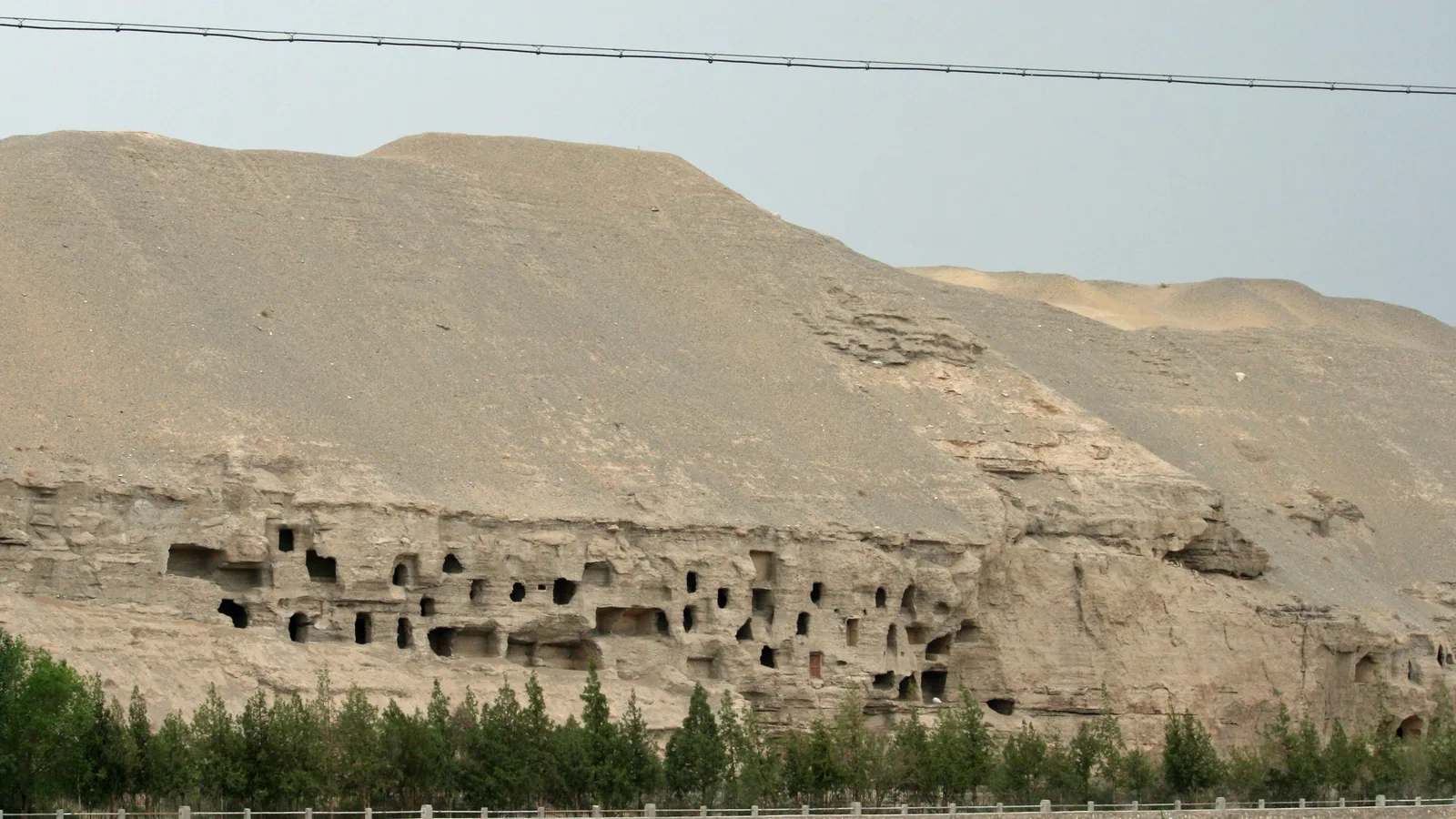
Cave 17 at Mogao held manuscripts from the 4th to the early 11th century until Wang Yuanlu opened it in 1900. Stein and Pelliot bought much of it from 1907.
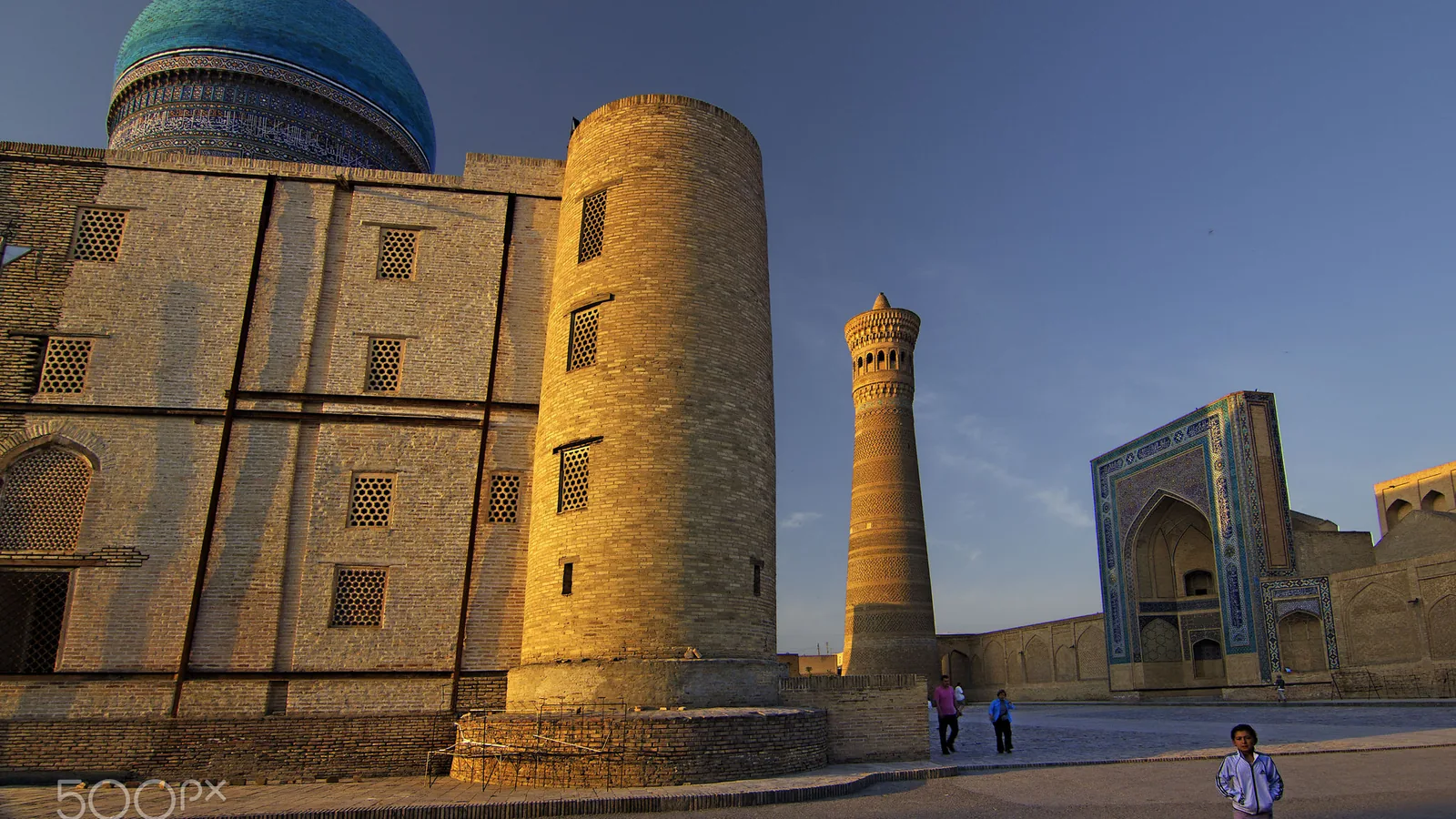
A minaret collapsed at Bukhara around 1121-22 and destroyed two-thirds of a new mosque. Arslan Khan Mohammad's replacement, 48 meters high, rose in 1127.
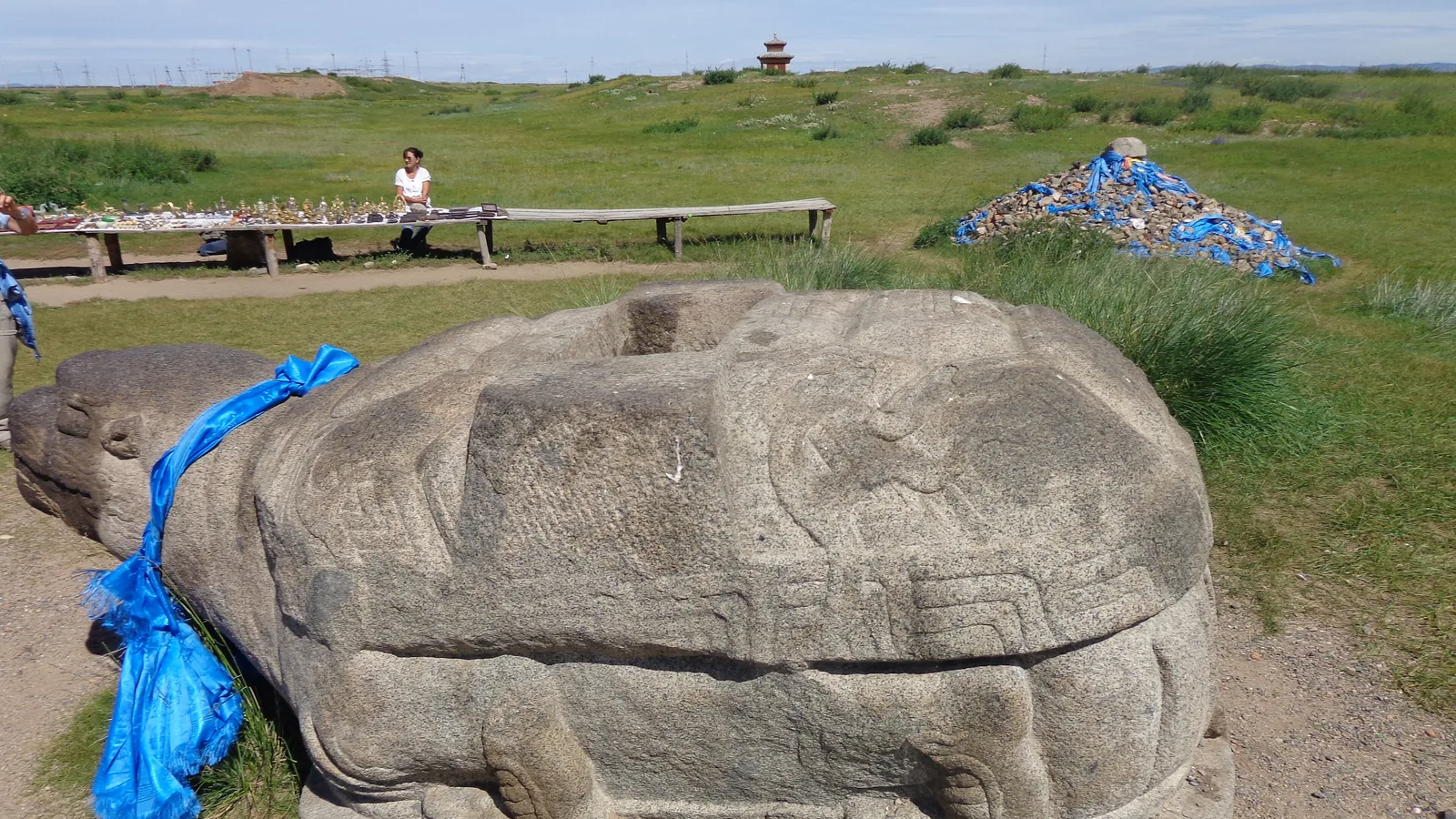
A Franciscan friar entered the Mongol capital on May 7, 1254, sized it against a village near Paris, and described a silver fountain and Mongke's creed.