Before writing, the record is stone, bone and DNA. These articles cover human origins, the ice ages and the first farmers, up to the moment cities and script appear.
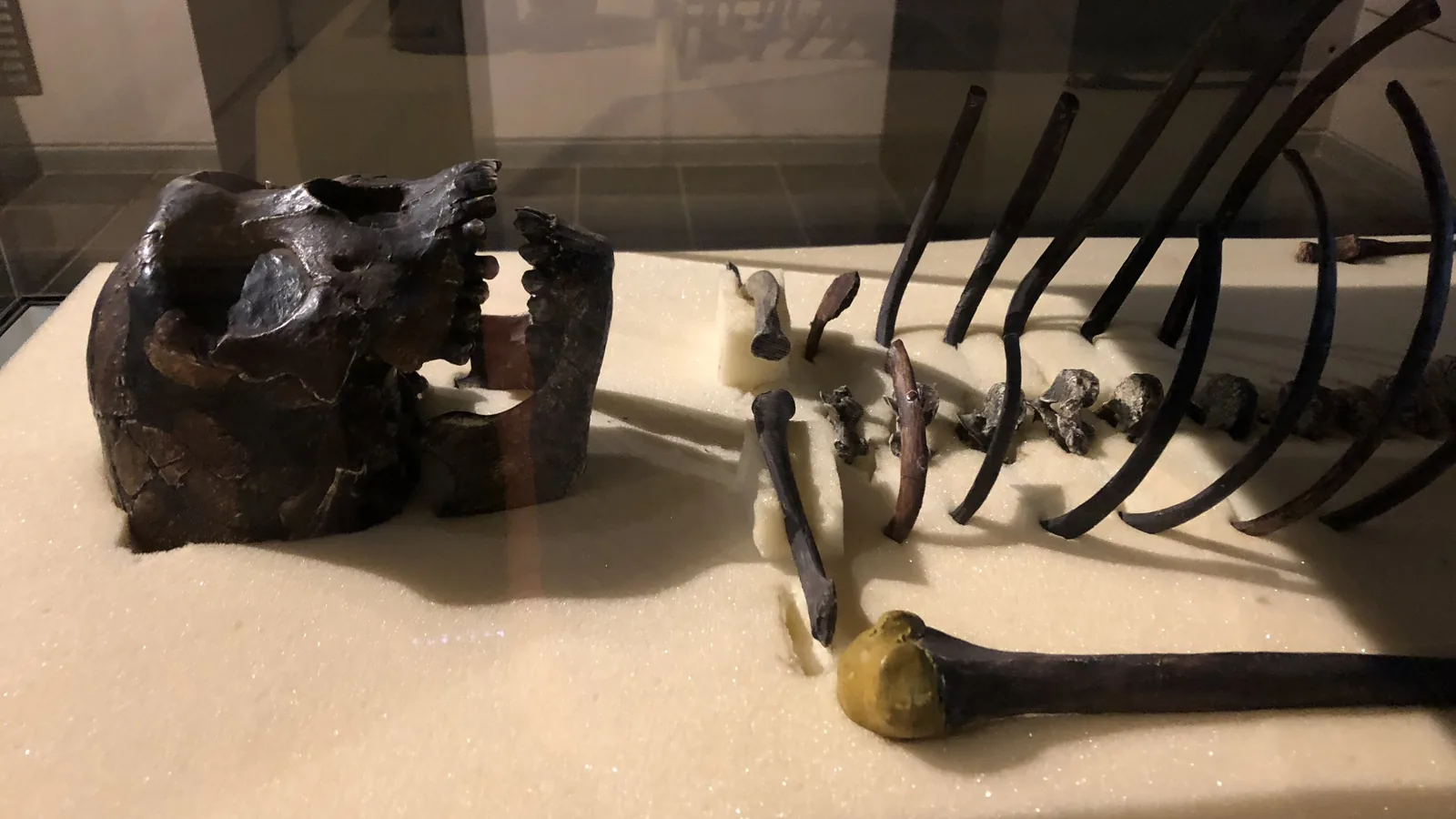
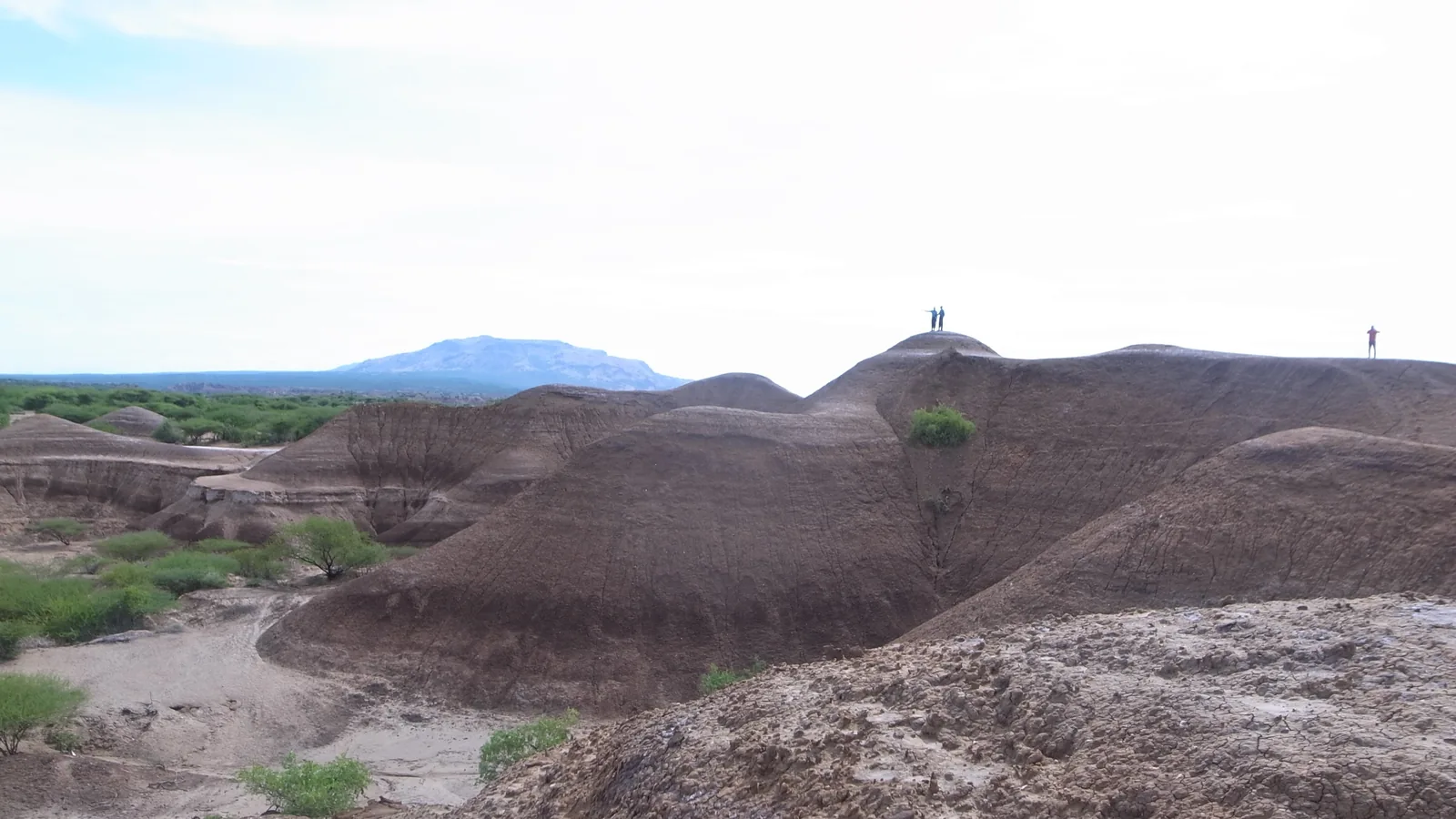
The Homo erectus skeleton Kamoya Kimeu found beside the dry Nariokotome River in 1984, dated 1.60 ± 0.05 million years, with each institution's figures.
Nature, February 1, 2018: luminescence dated the end of the Acheulian at Attirampakkam, near Chennai, to 385 ± 64 ka; a Middle Paleolithic ran to 172 ka.
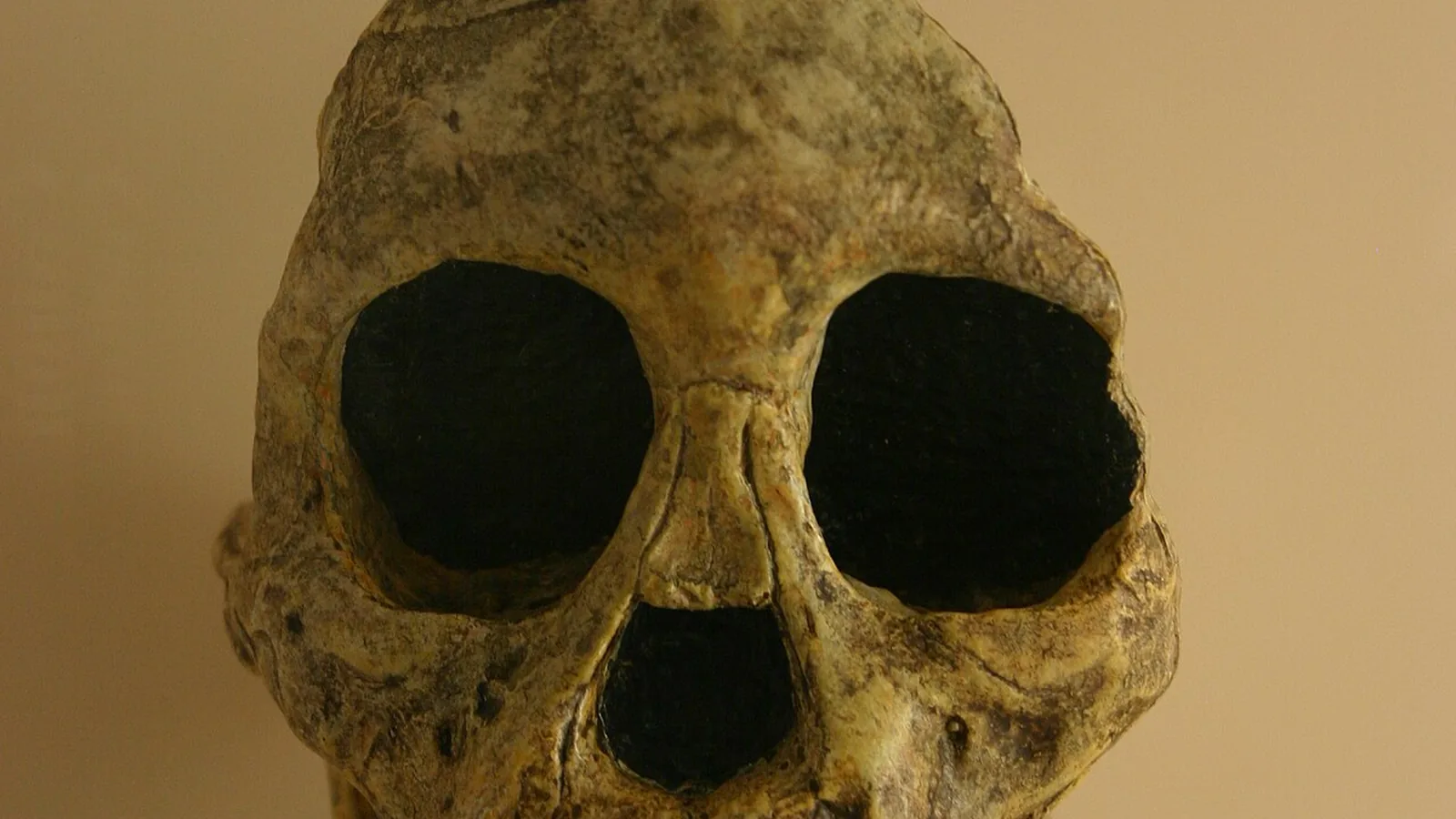
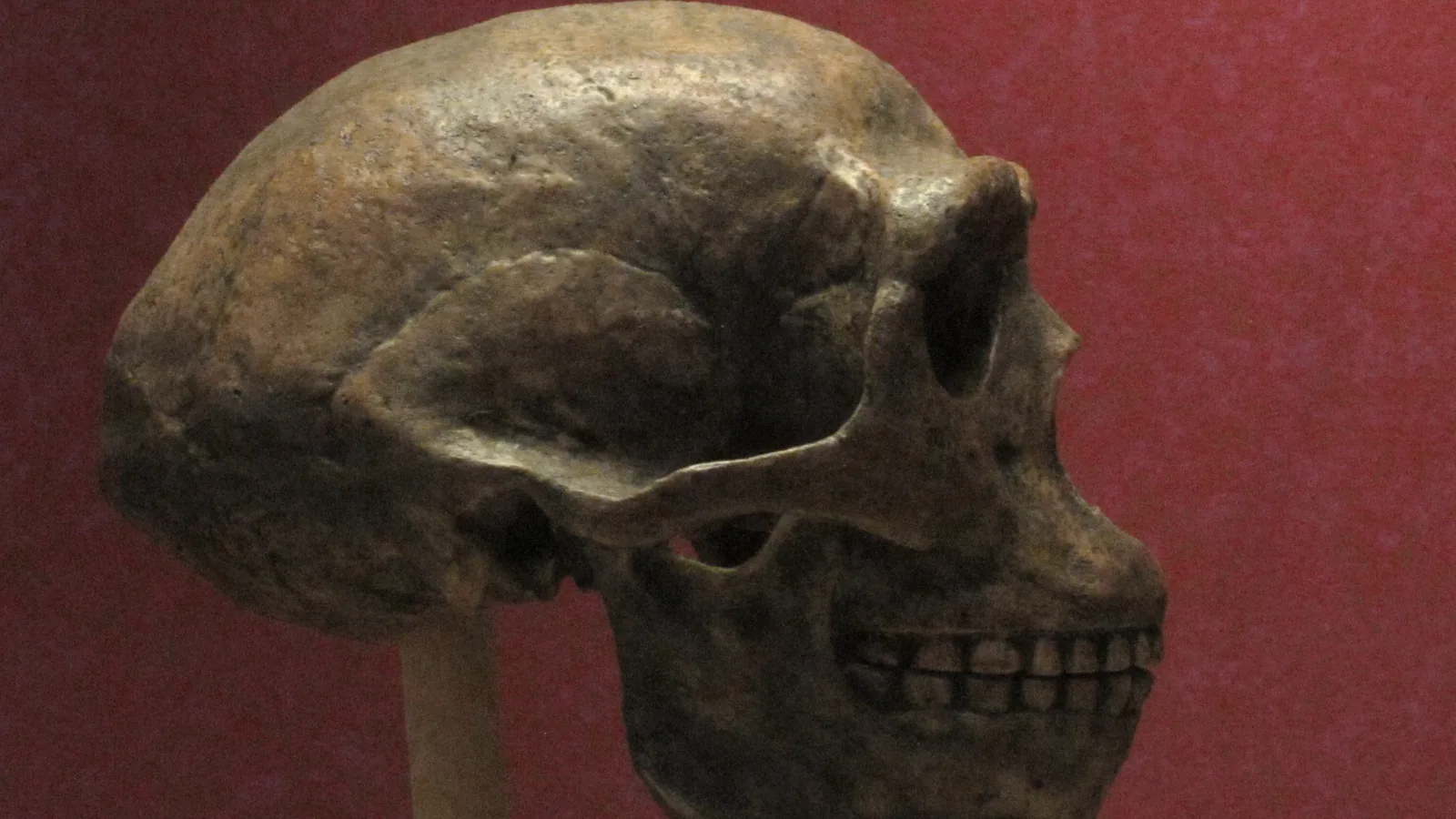
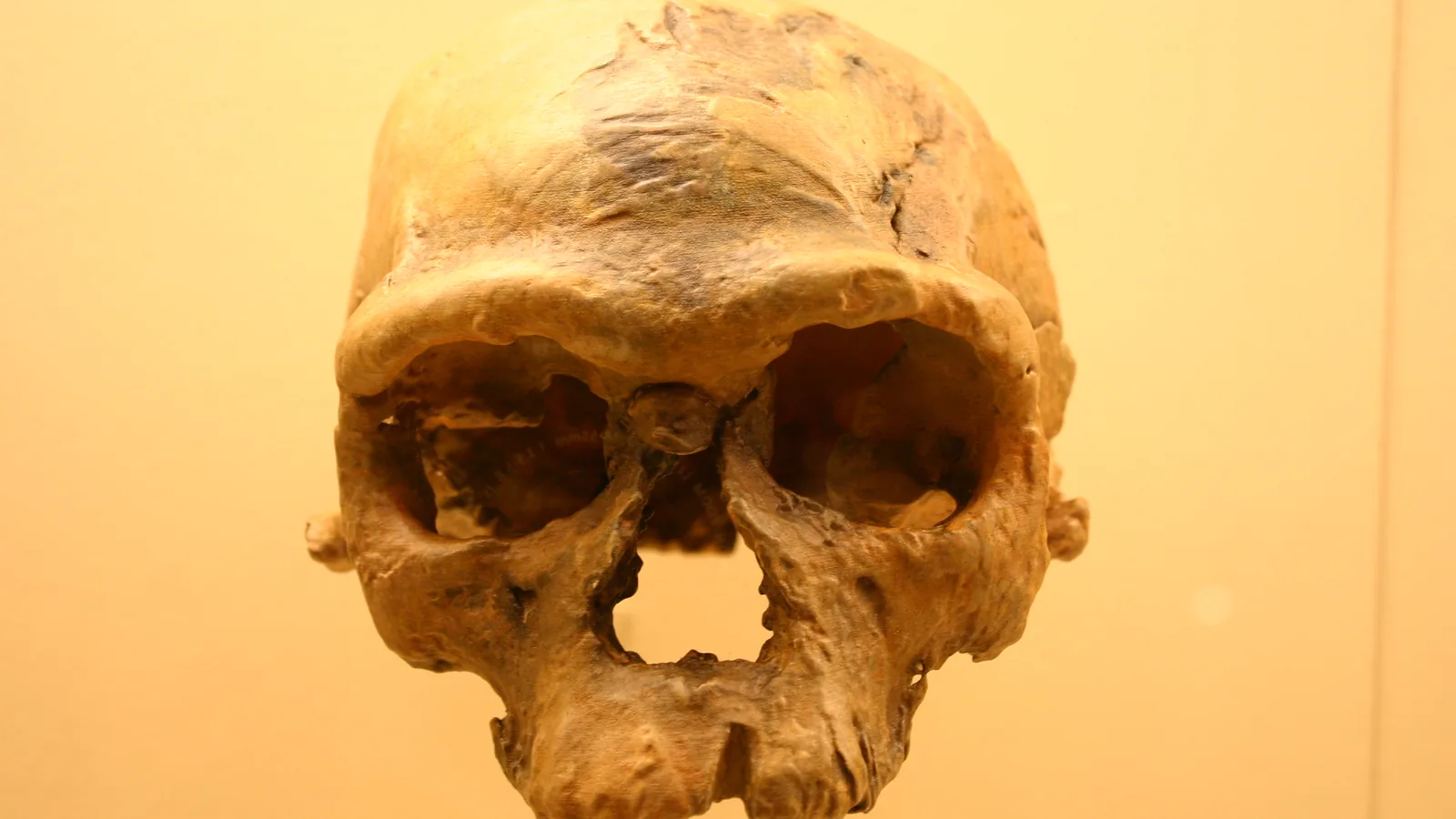
Nature published two 2017 papers on skulls unearthed at Jebel Irhoud, Morocco, first in a 1961 mining accident, dated by thermoluminescence to 315,000 years.
Omo I and Omo II, found in the Kibish Formation, Ethiopia, in 1967, were dated to 195 ± 5 kyr in 2005; a 2022 Nature paper gives a minimum of 233 ± 22 kyr.
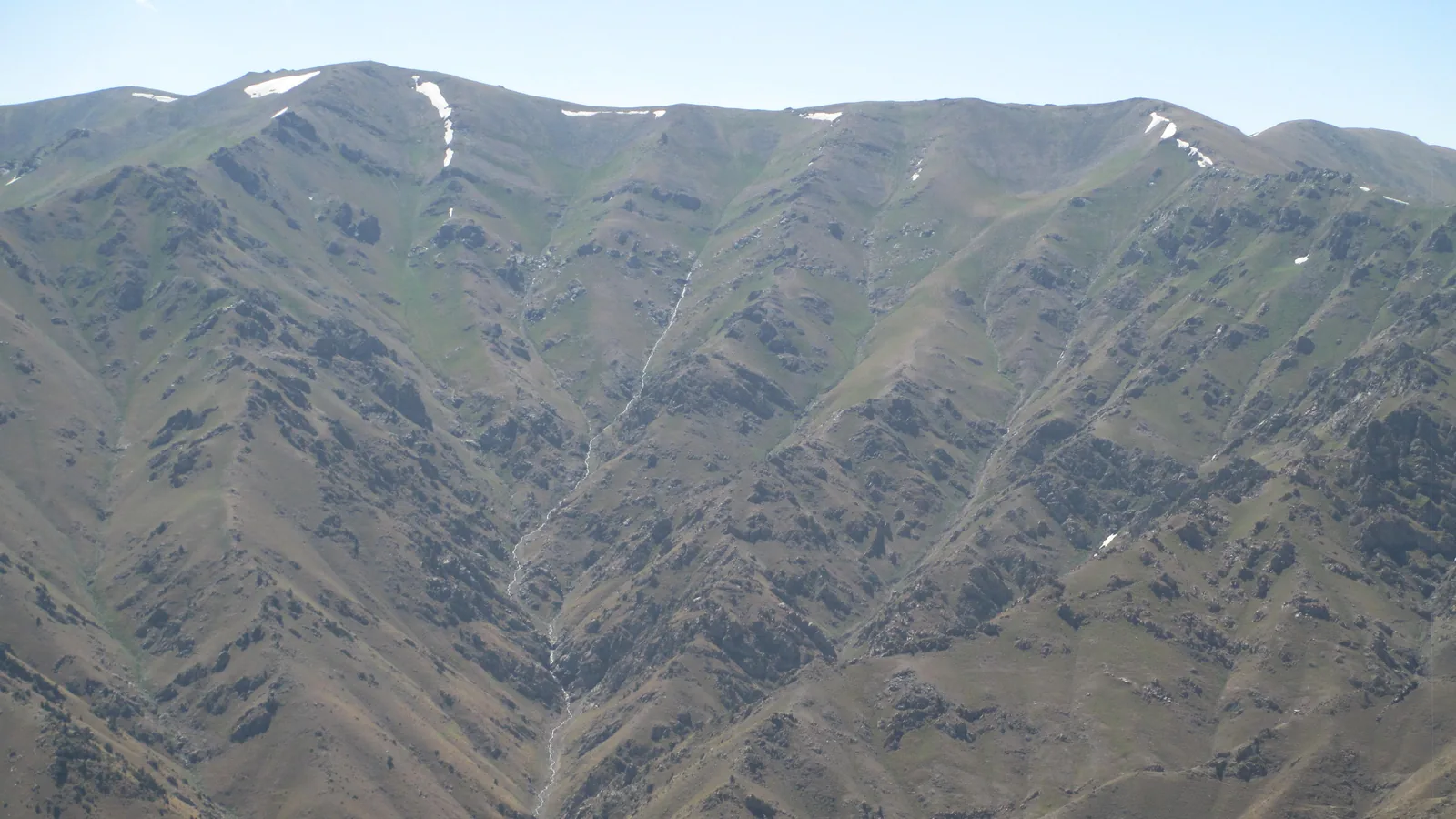
At Jwalapuram in Andhra Pradesh, Middle Paleolithic tools lie under and over the 74,000-year Toba ash. Papers from 2007 to 2025 argue what the eruption did
In 1938 Okladnikov found a child's skeleton ringed by ibex horns in an Uzbek cave. DNA in 2007 and a 2012 study call it Neanderthal; a 2009 study did not.
In 2003 a child's teeth and 121 skull fragments came out of layer 16 at Obi-Rakhmat, Uzbekistan. The teeth read as Neanderthal; the skull did not settle it.
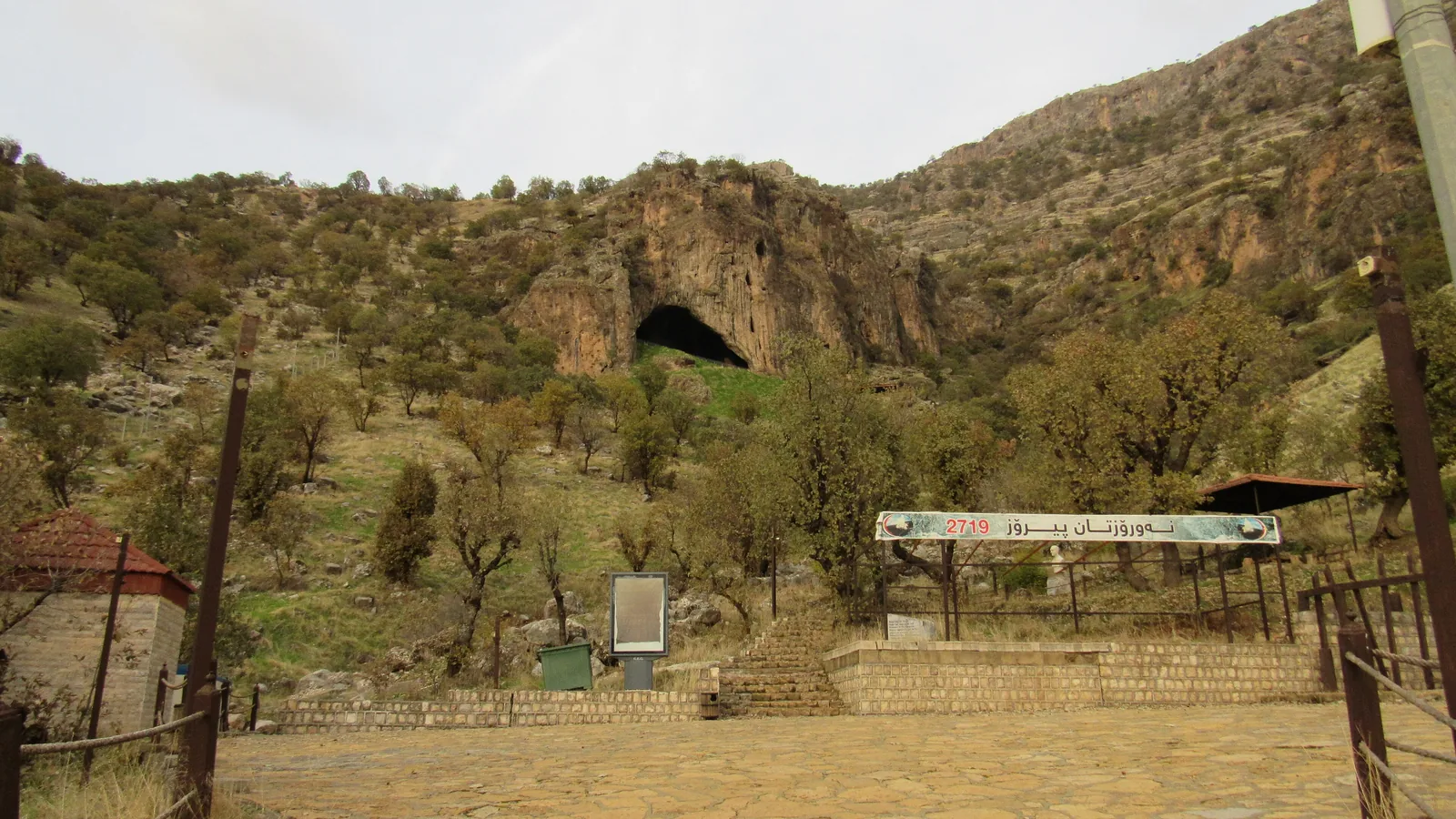
Solecki's 1951 to 1960 trench at Shanidar Cave held 10 Neanderthals. In 2020 a Cambridge-led team reported an adult buried in a pit dug beside Shanidar 4.
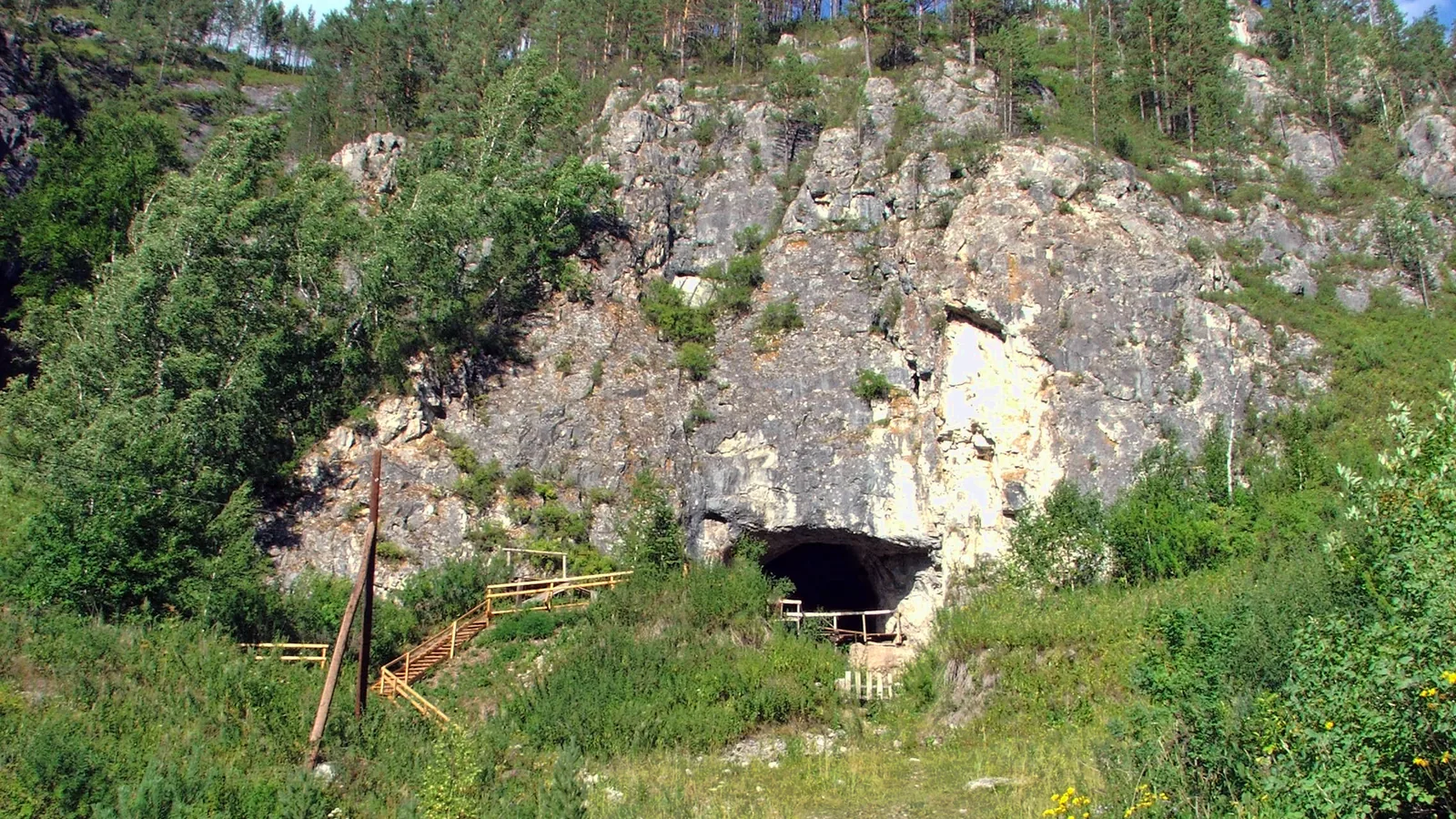
A fingertip bone dug up in 2008 at Denisova Cave in the Altai held DNA unlike any Neanderthal or modern human. Its kin live on in Tibetan and Papuan DNA.
Science Advances, June 12, 2020: 130 bone points at Fa-Hien Lena cave, Sri Lanka, are sized and hafted like arrows, dated to 48,000 to 34,000 years ago.
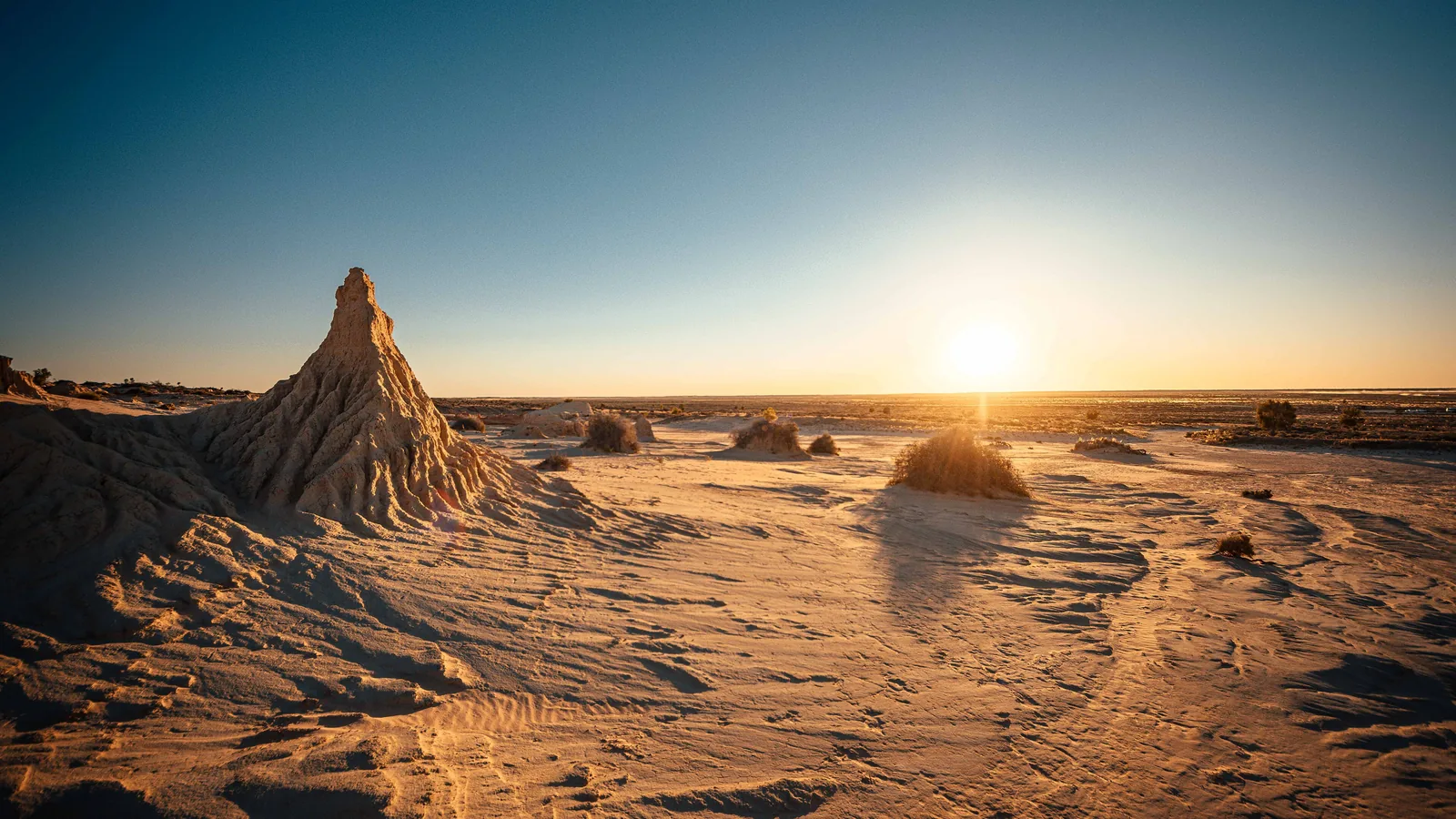
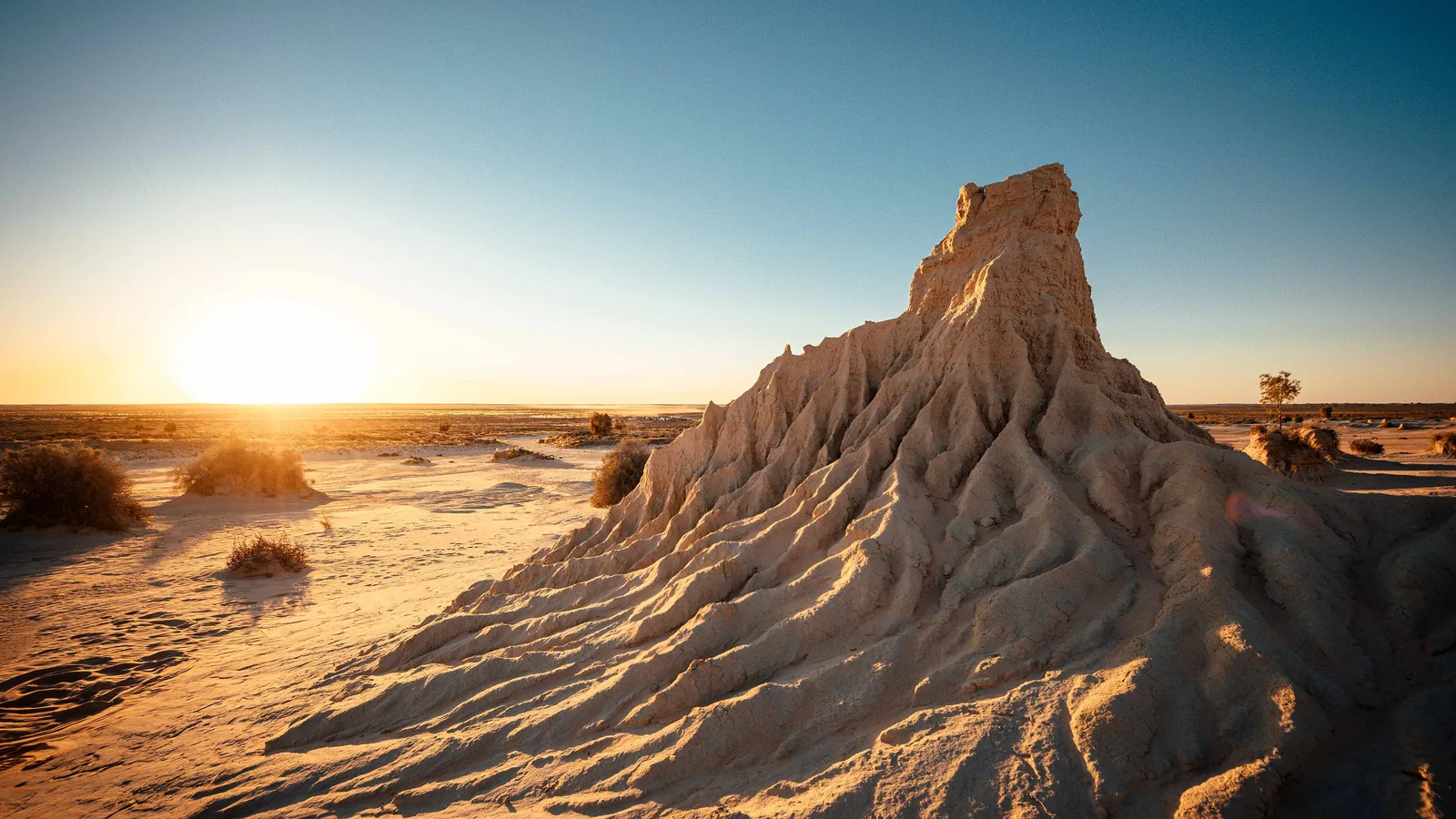
Jim Bowler found burnt bones on the shore of Lake Mungo on July 15, 1968. Dated to 40,000 years in 2003, Mungo Lady and Mungo Man were reburied in 2022.
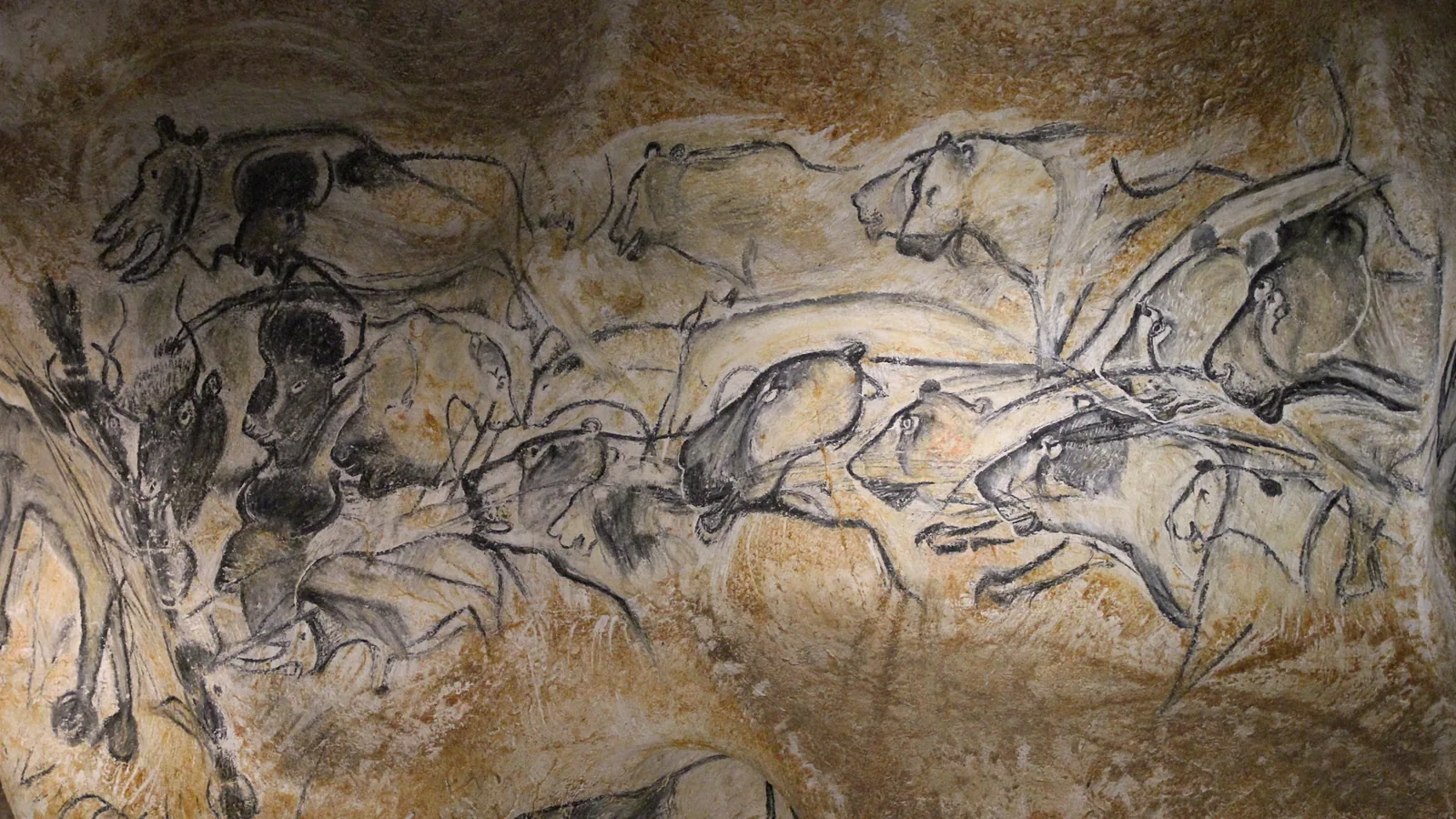
Aurignacian hunters drew Chauvet about 37,000 to 33,500 years ago; Lascaux was painted about 21,500 years ago. Radiocarbon on charcoal and bone says so.
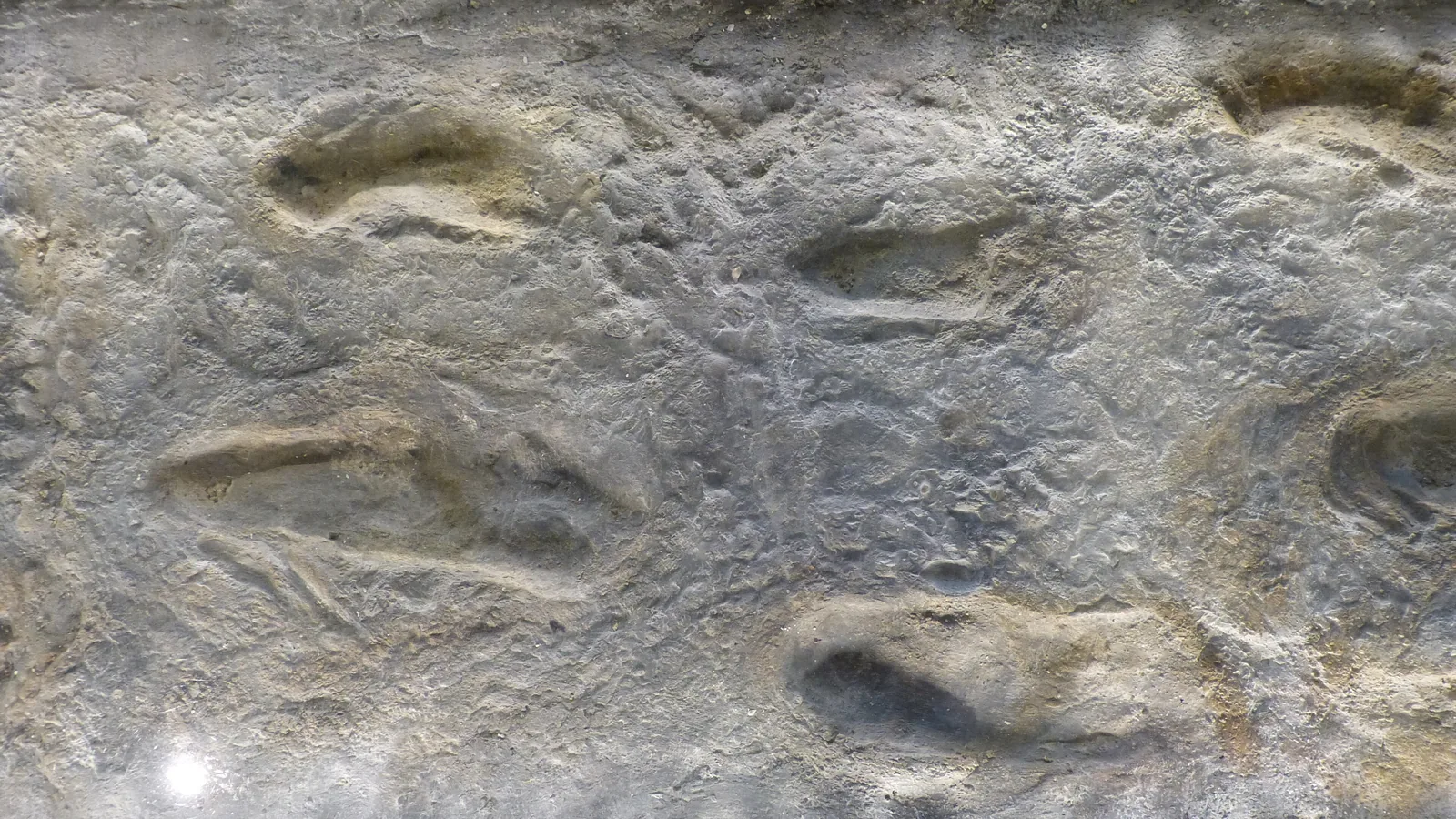
Mary Pappin Jr. found the first Willandra Lakes footprints in August 2003. Optically dated to 19,000 to 23,000 years, the count rose from 124 to 563 by 2007.