Before writing, the record is stone, bone and DNA. These articles cover human origins, the ice ages and the first farmers, up to the moment cities and script appear.
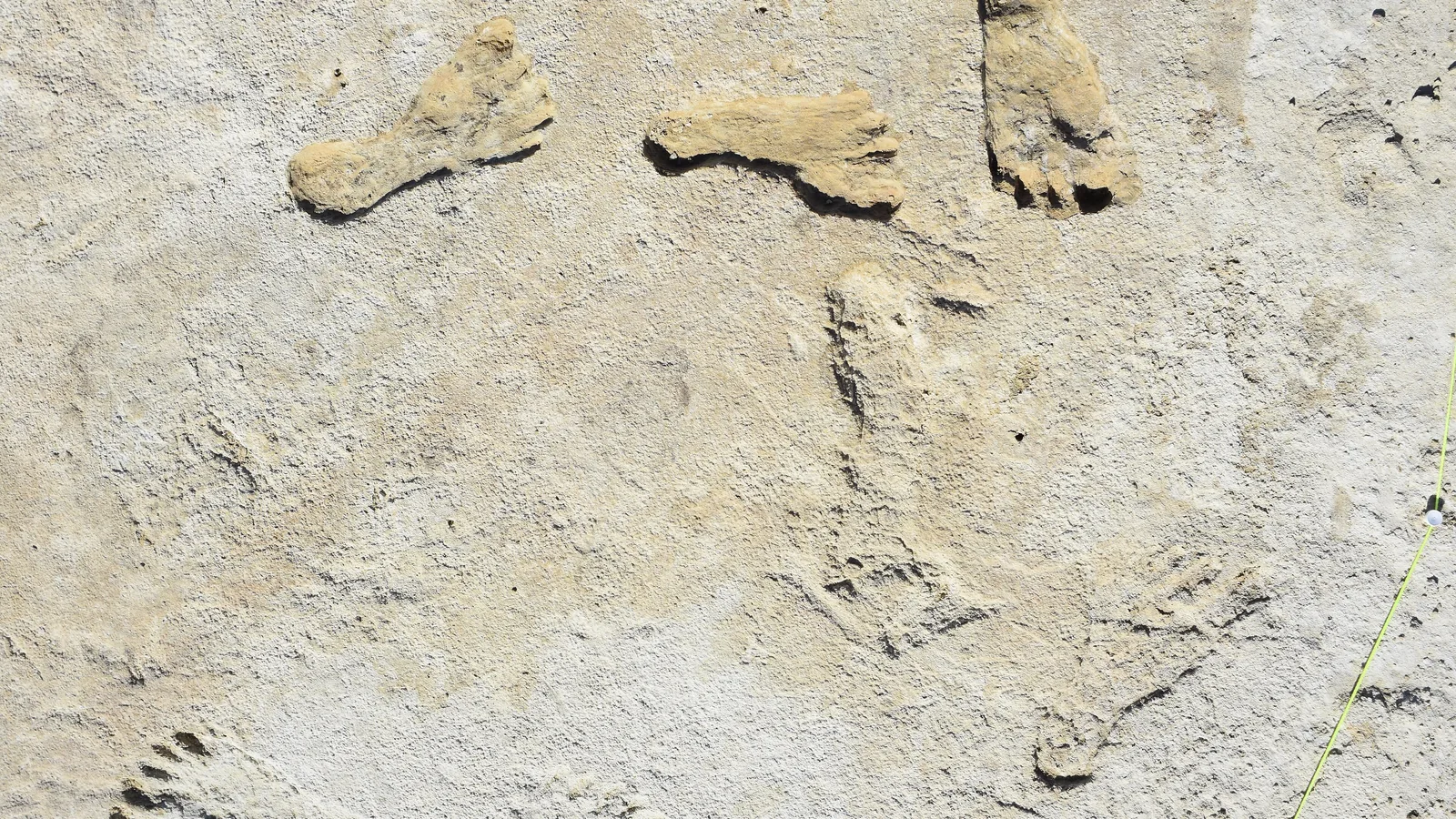
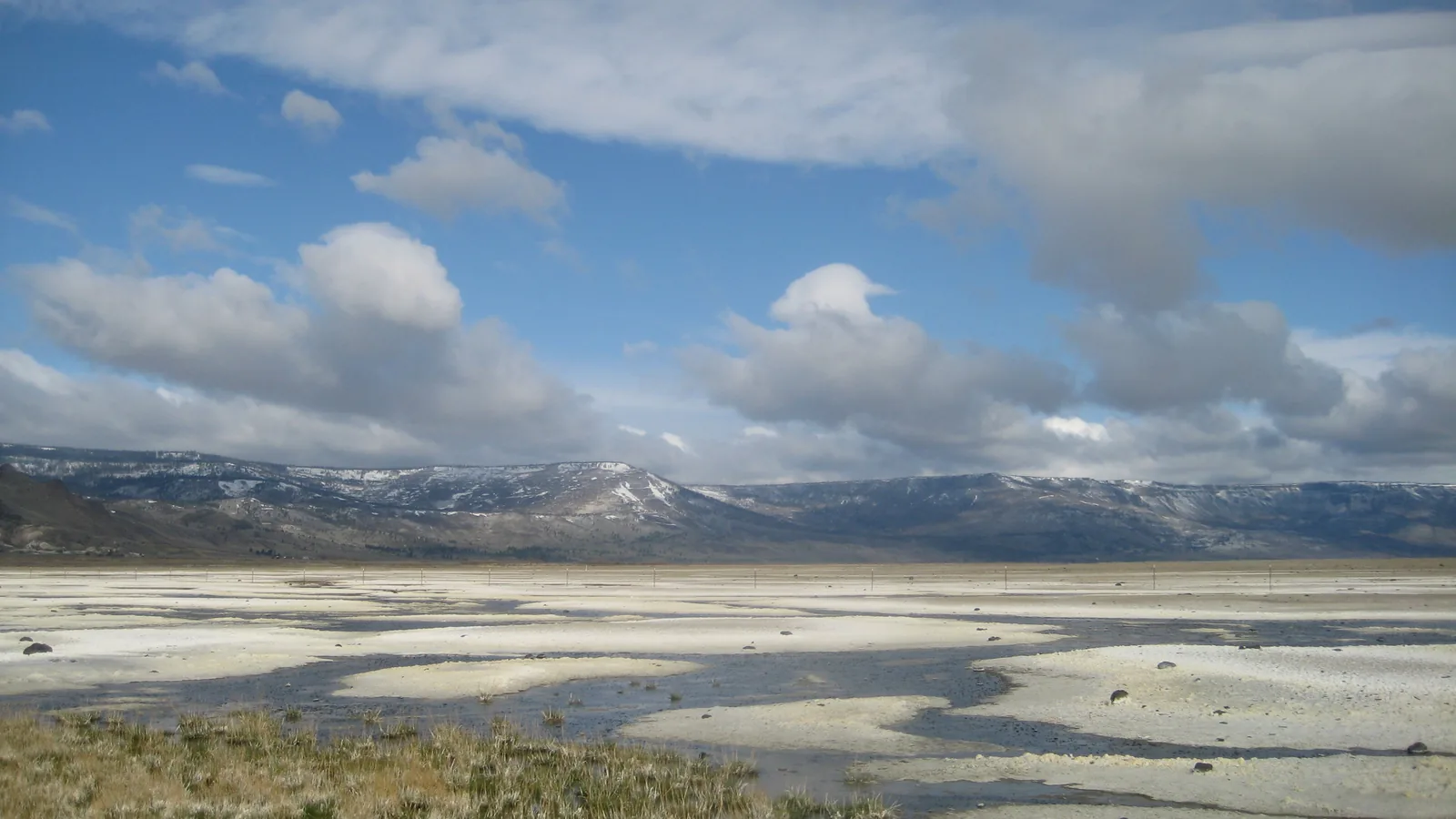
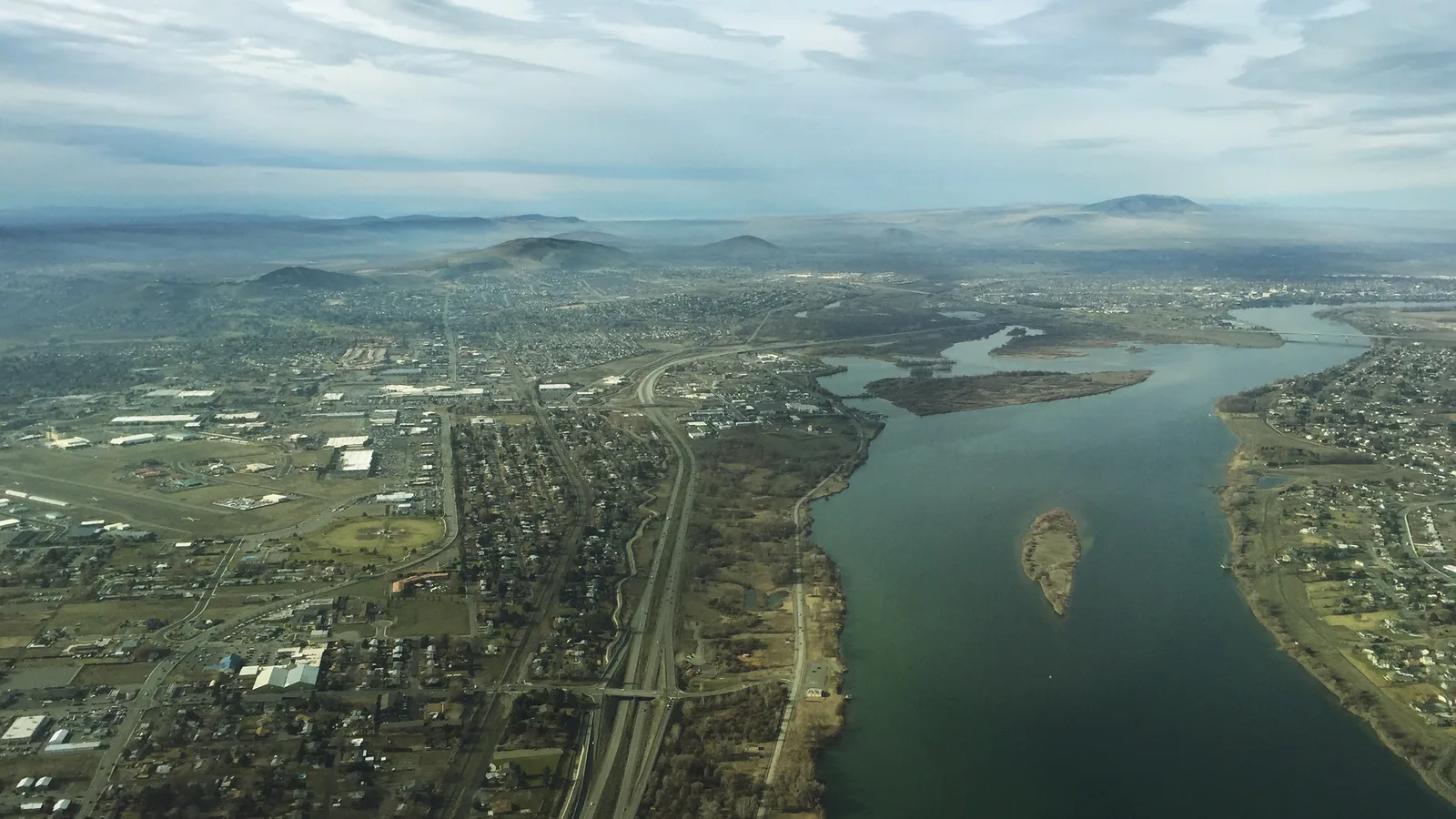
Seeds of a water plant dated human footprints at White Sands, New Mexico, to 23,000 to 21,000 years; pollen, quartz and lake mud were tested against them.
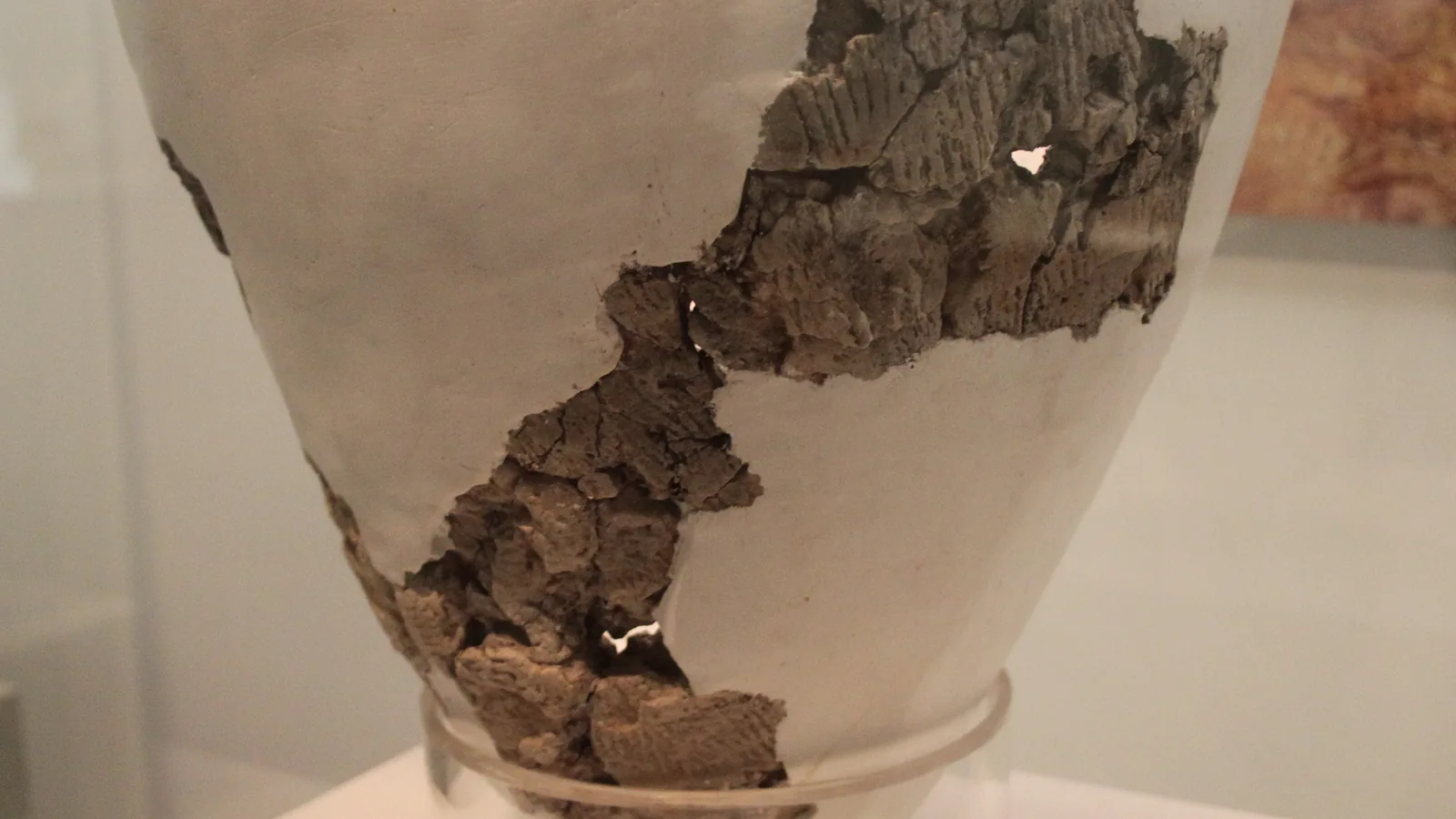
Xianrendong's sherds lie in layers dated 20,000 to 19,000 cal BP; Yuchanyan's cauldron dates 18,300 to 15,430 cal BP. Foragers in southern China made both.
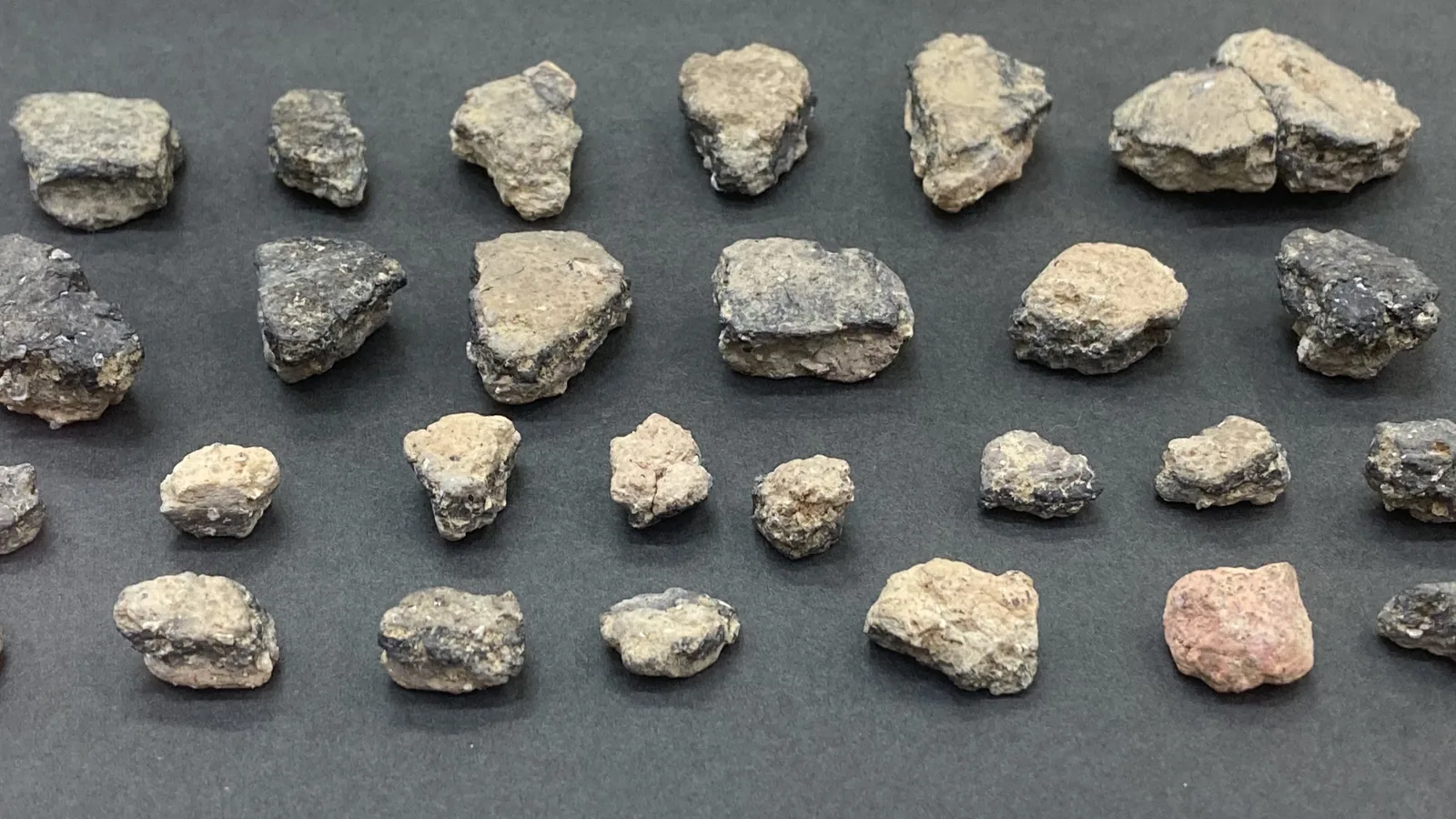
Foragers at Odai Yamamoto in northern Japan fired plain pots about 13,000 BC and cooked fish in them; by 3900 BC Sannai-Maruyama ate chestnuts and fish.
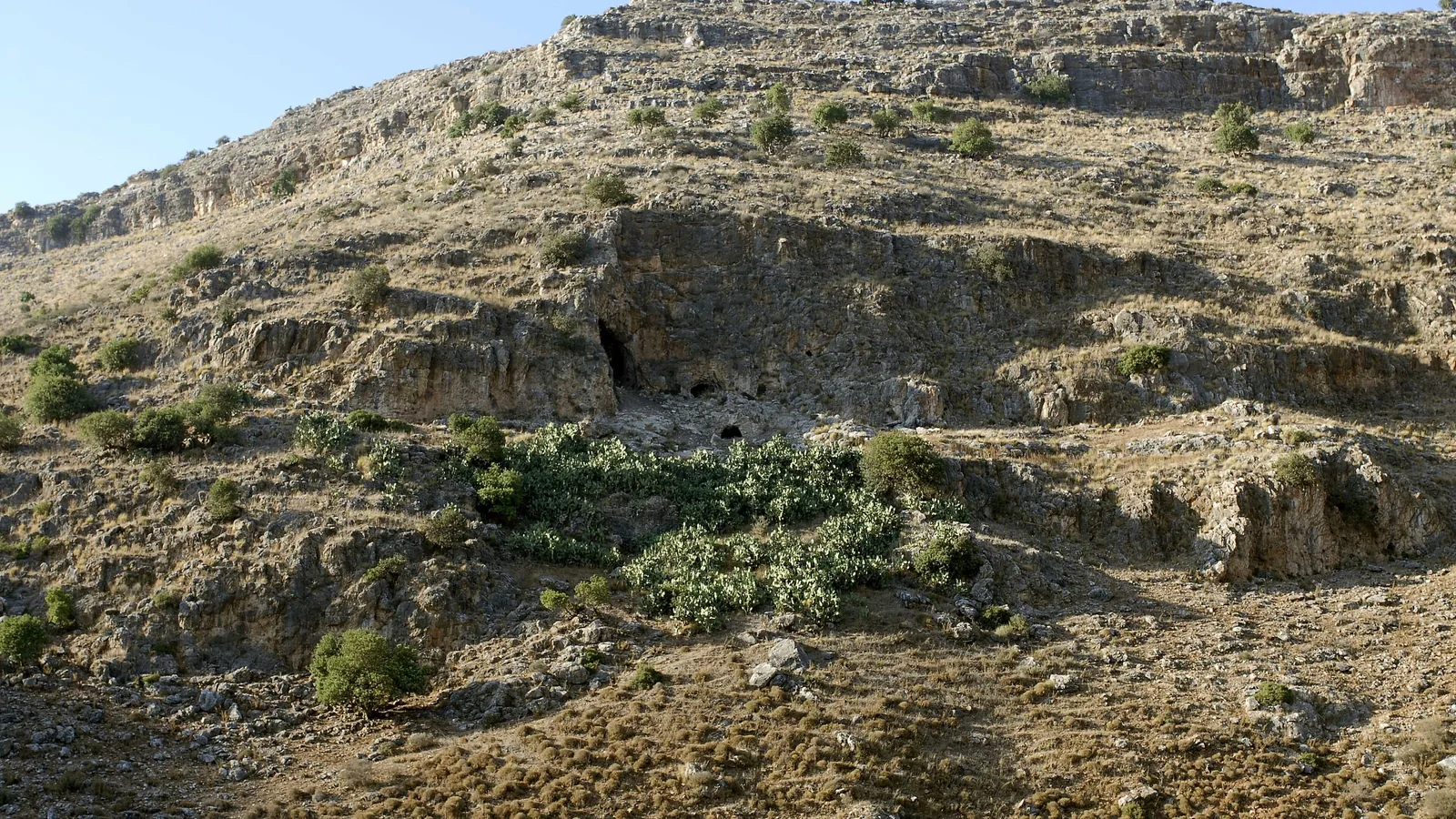
A Natufian woman of about 45 was buried at Hilazon Tachtit, Galilee, 12,400–12,000 cal BP, with over 50 tortoise shells, a leopard pelvis and a human foot.
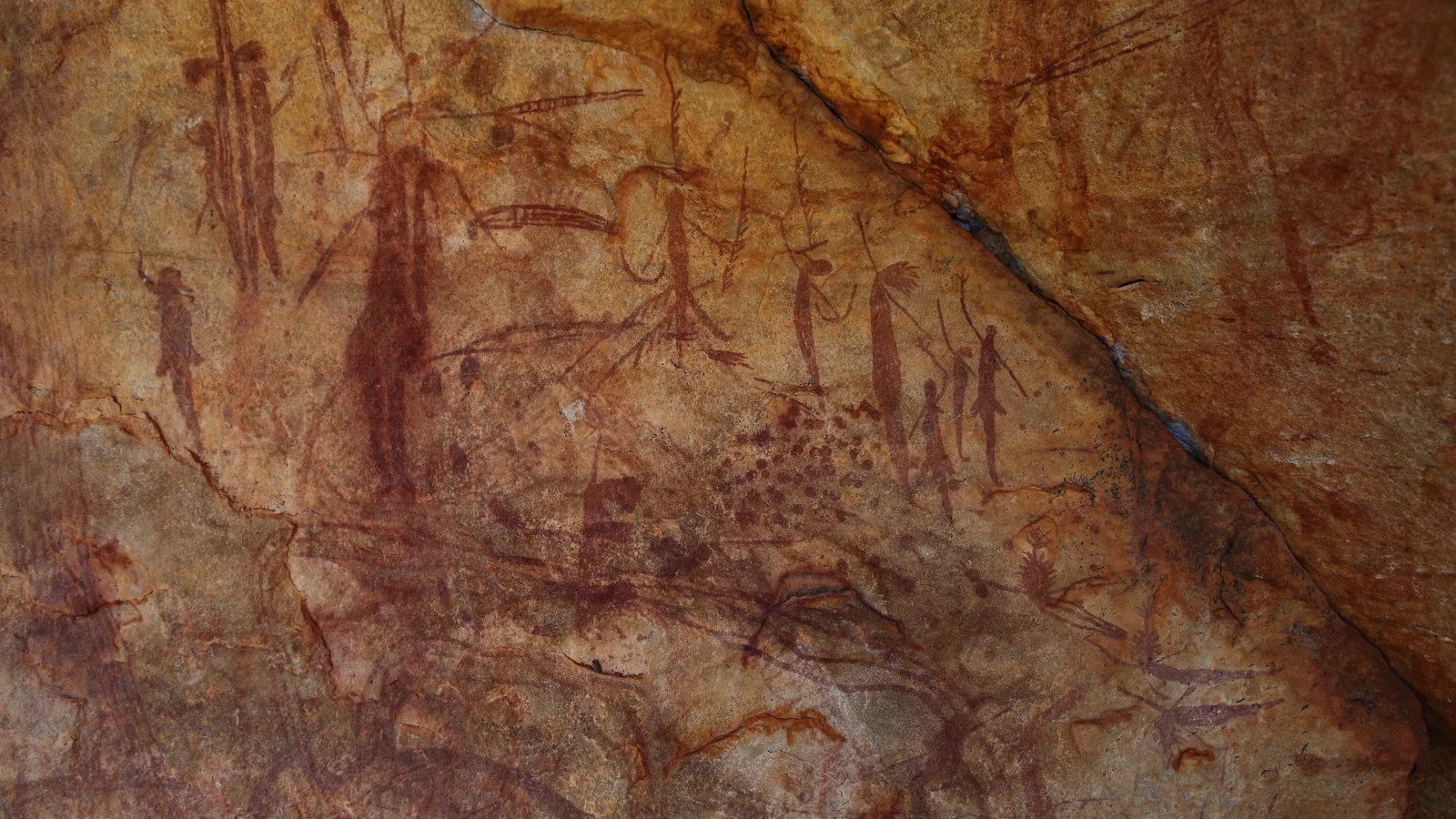
Radiocarbon dates on 24 mud-wasp nests over and under 21 Gwion figures gave 11,500 to 12,700 years in 2020. A kangaroo painting dated in 2021 is older.
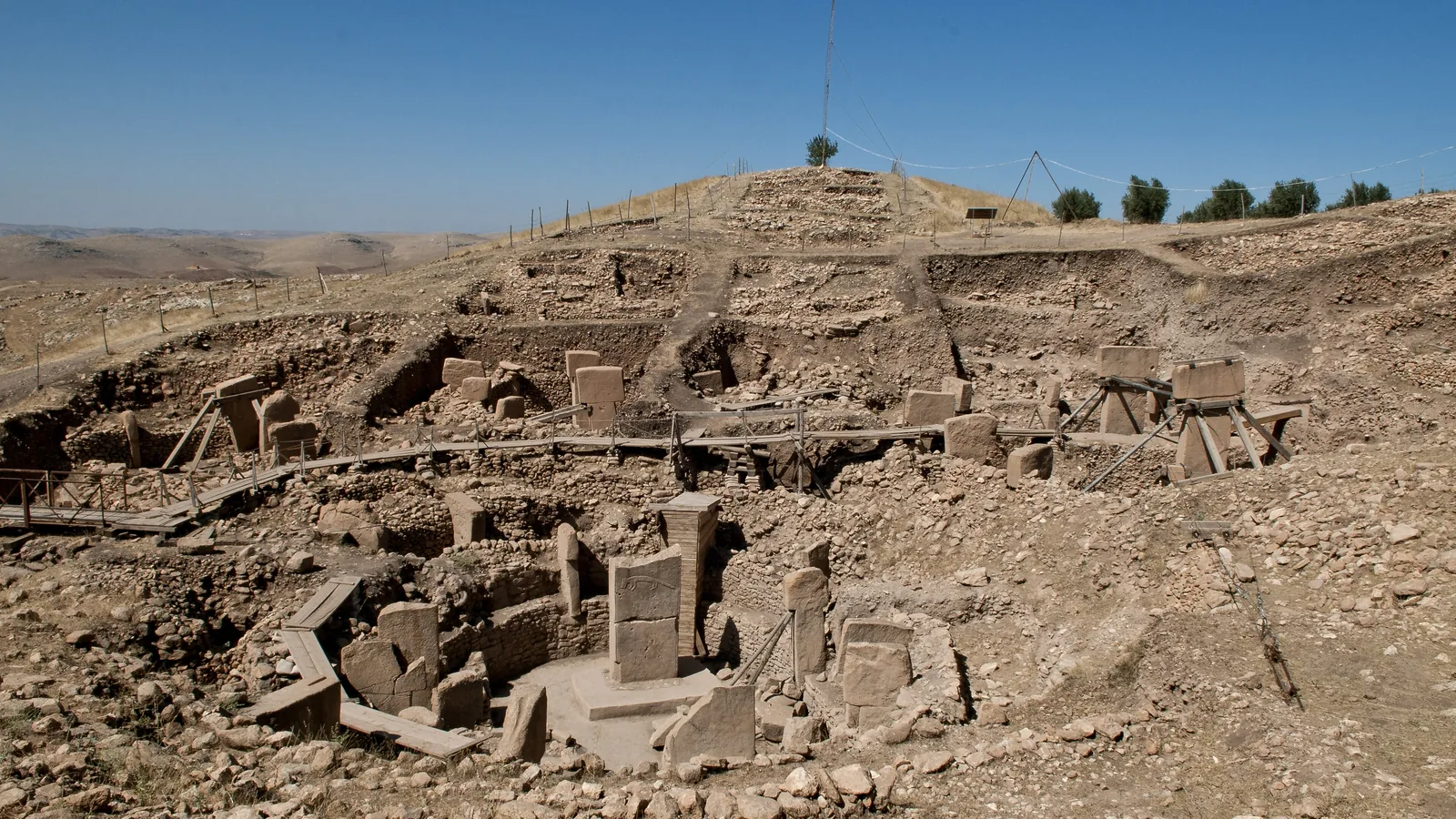
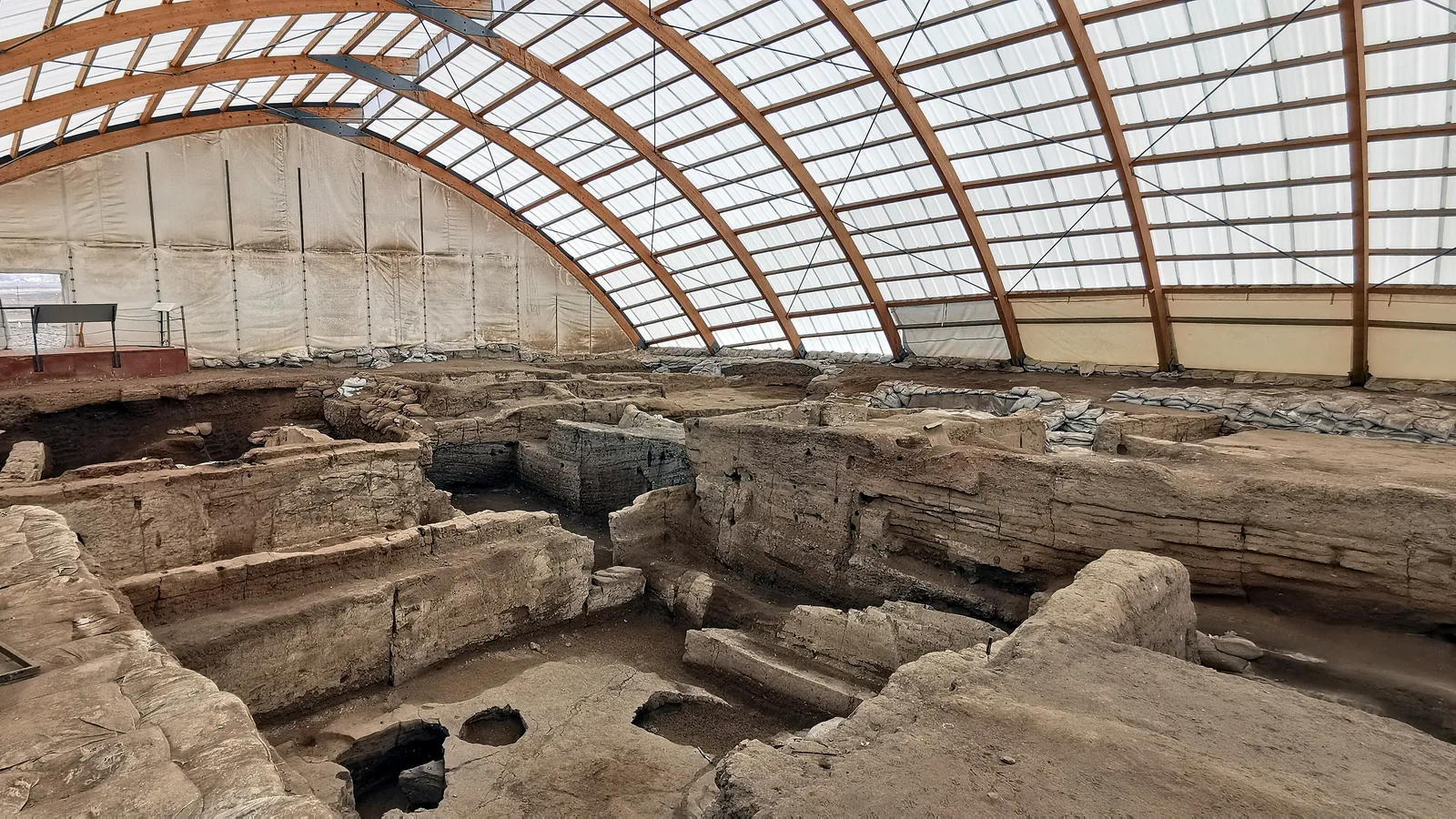
Hunter-gatherers raised Göbekli Tepe's T-pillar rings about 9500 BC, before farming reached the region. Excavators now call it a settlement with rituals.
Grahame Clark dug Star Carr three weeks a summer, 1949 to 1951. Excavations of 2004 to 2015 recounted the finds and dated a posthole hollow to 9300 BC.
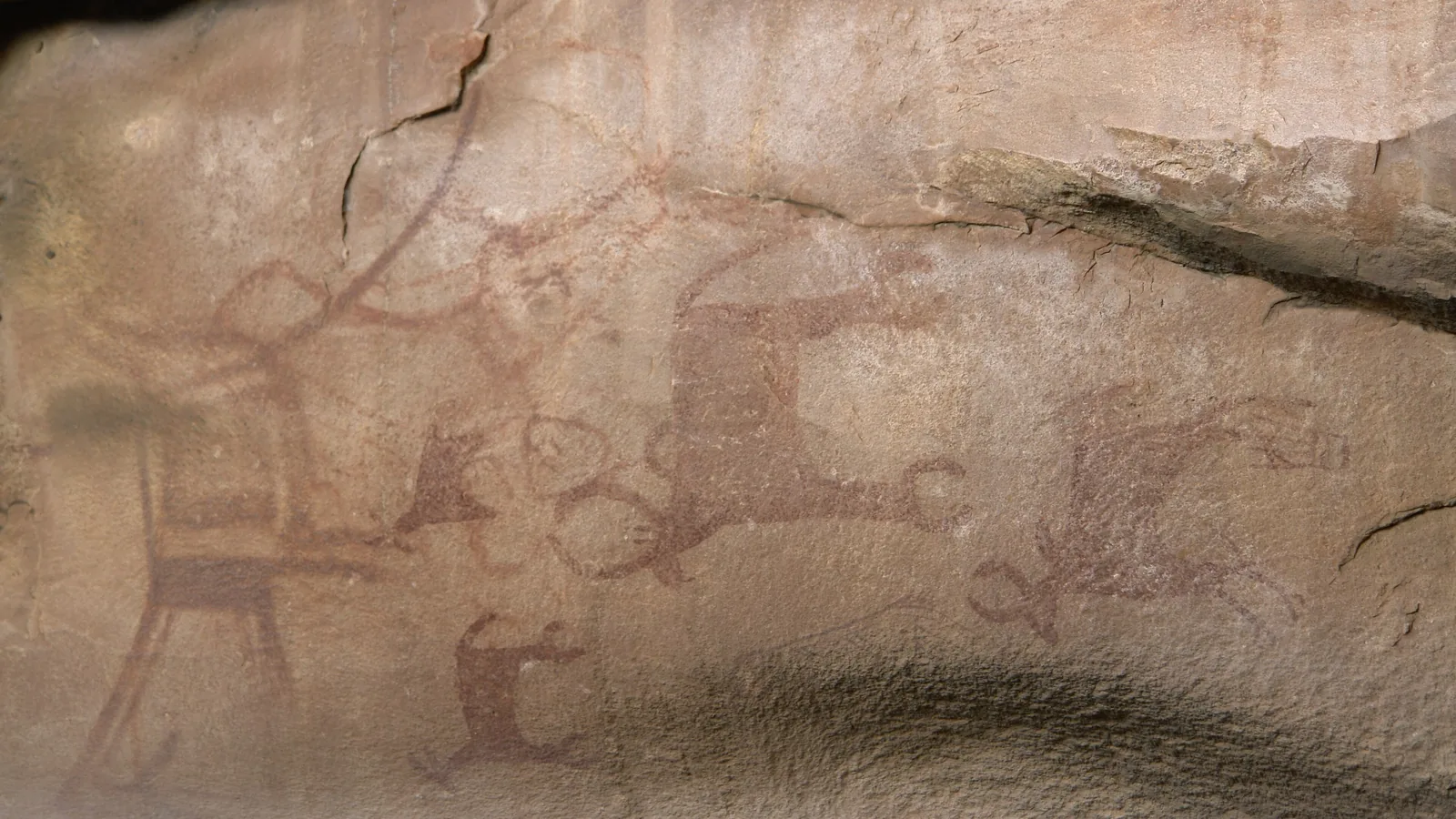
Sandstone shelters near Bhopal hold paintings from the Mesolithic to historic times, ordered by overlap, style and weathering; the paint itself is undated.
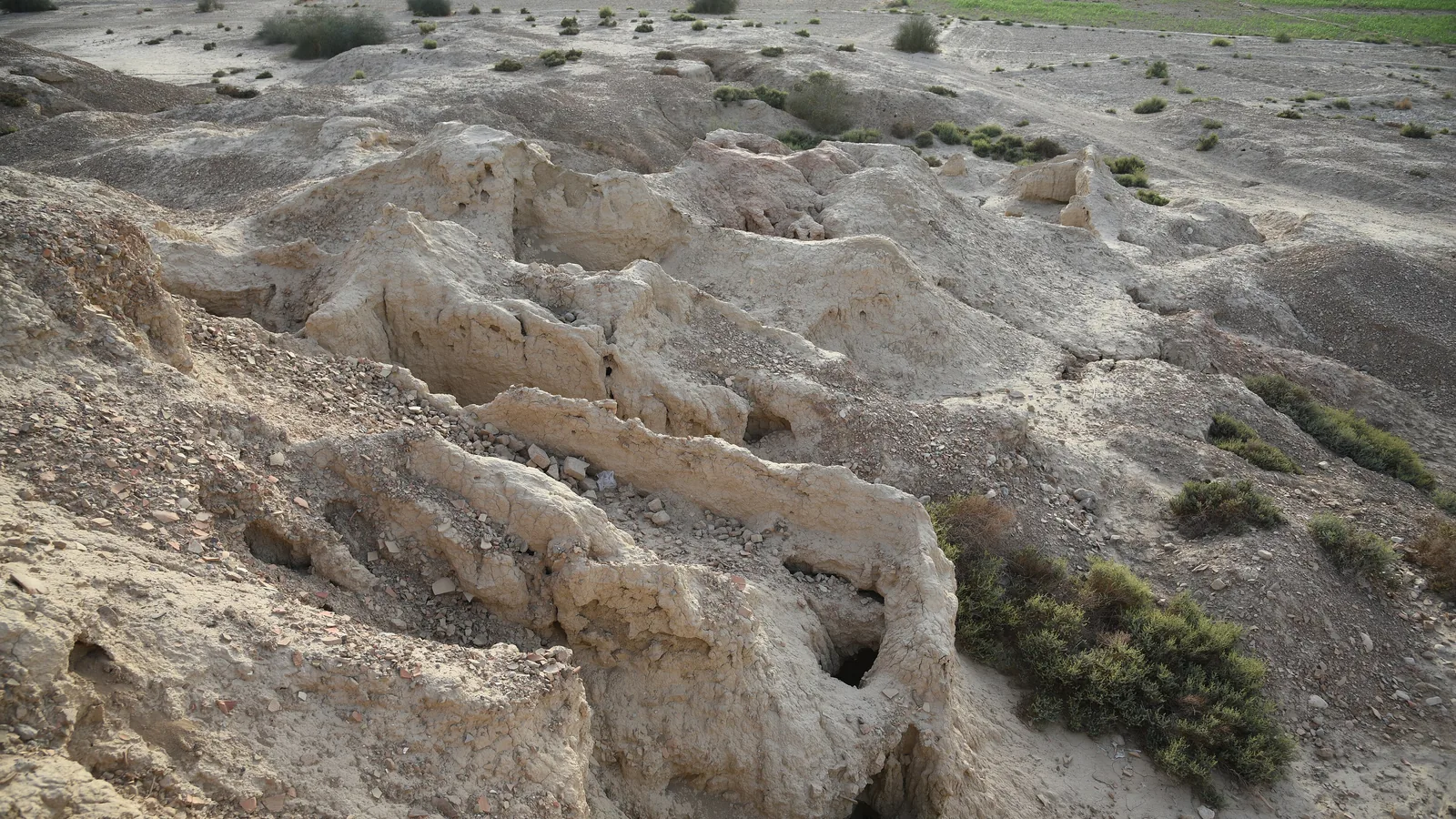
Mehrgarh, Pakistan: the oldest known lost-wax casting, molars drilled 7,500 to 9,000 years ago and cotton thread in a copper bead, before the Indus cities.
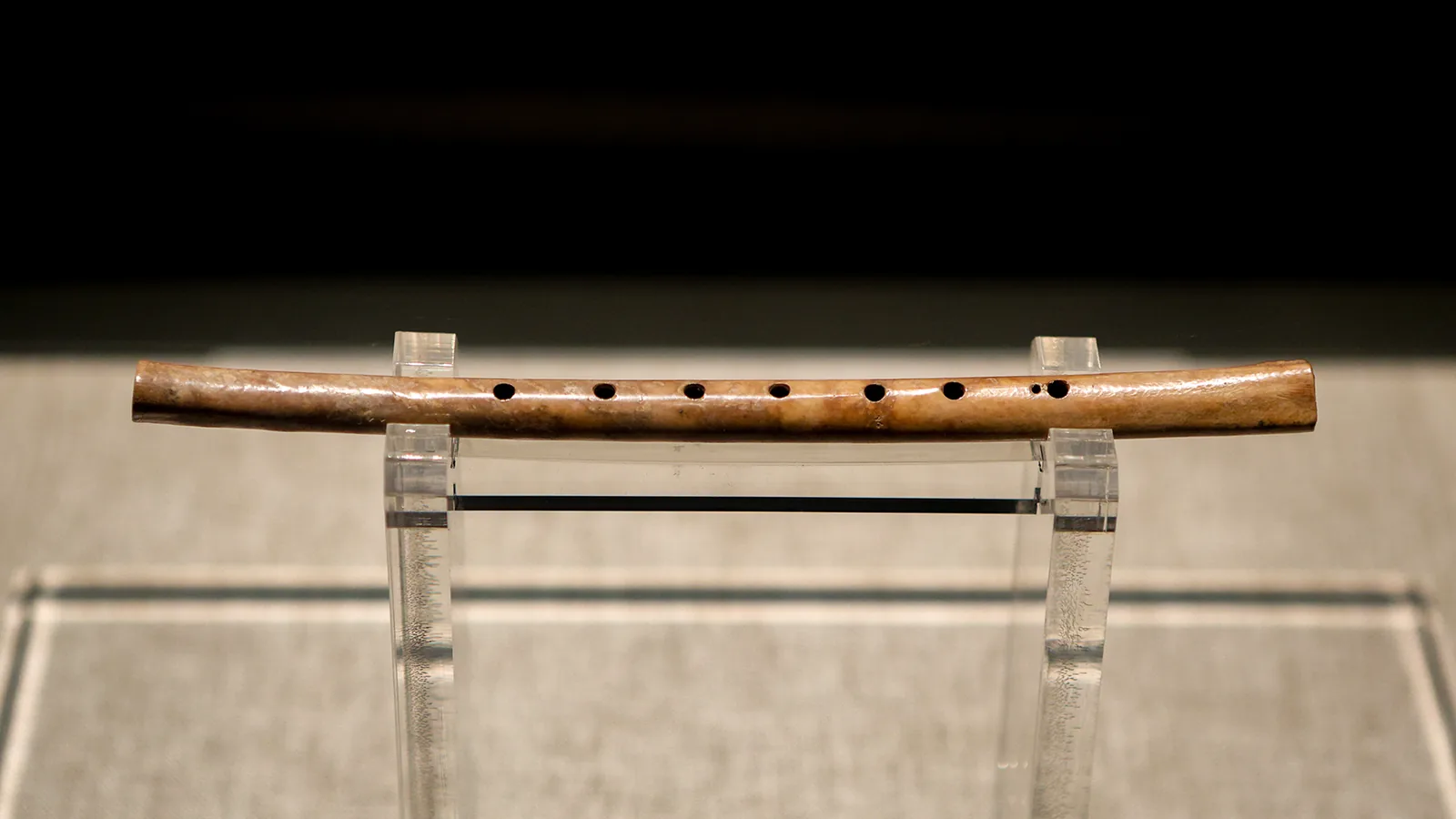
Six crane-bone flutes from Jiahu, China, date to 7000-5700 BC. Nature called them the earliest complete, playable, tightly-dated multinote instruments.
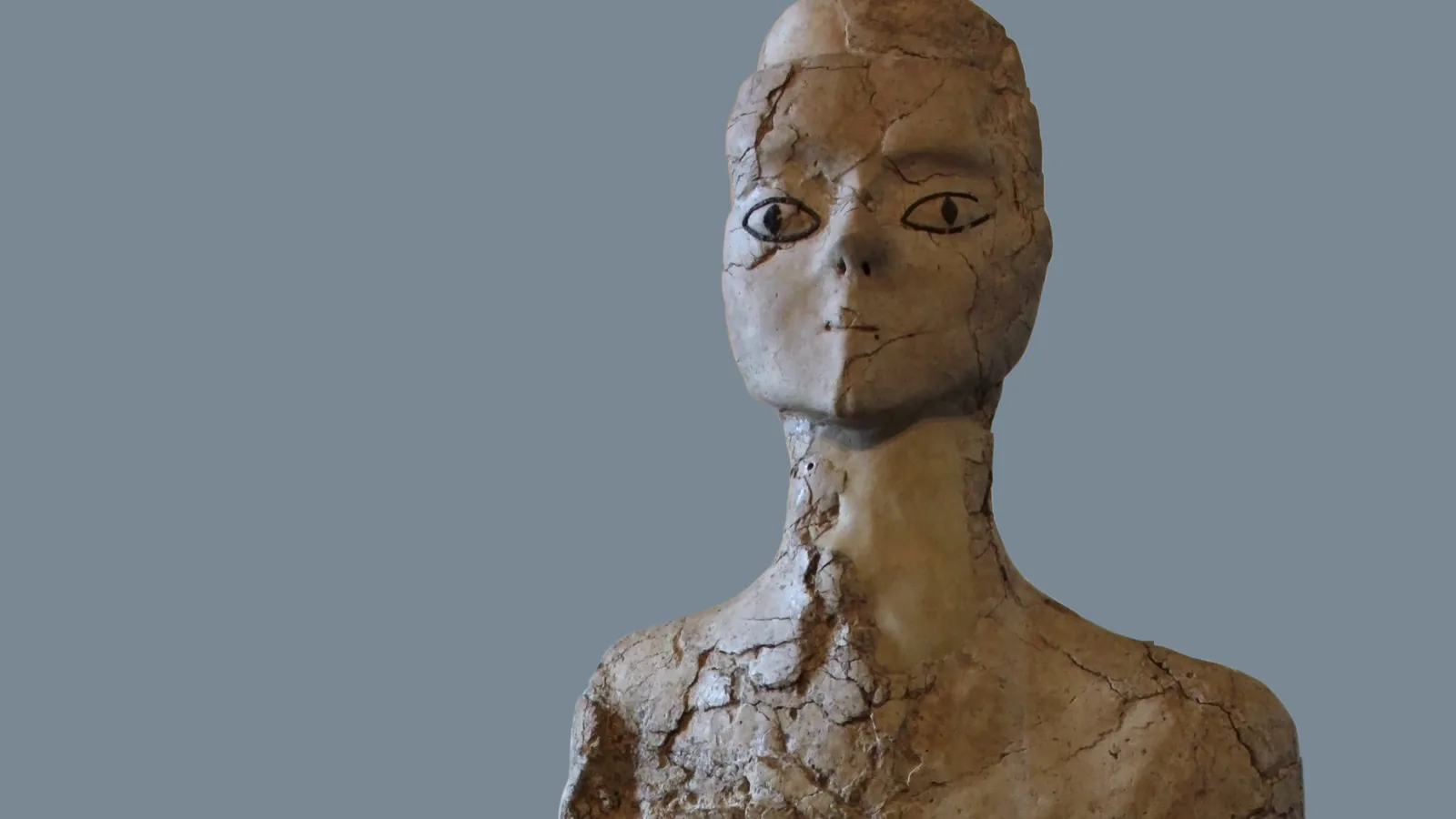
Lime-plaster statues on reed frames, buried in two pits at 'Ain Ghazal near Amman and lifted in 1983 and 1985, then conserved in London and Washington.
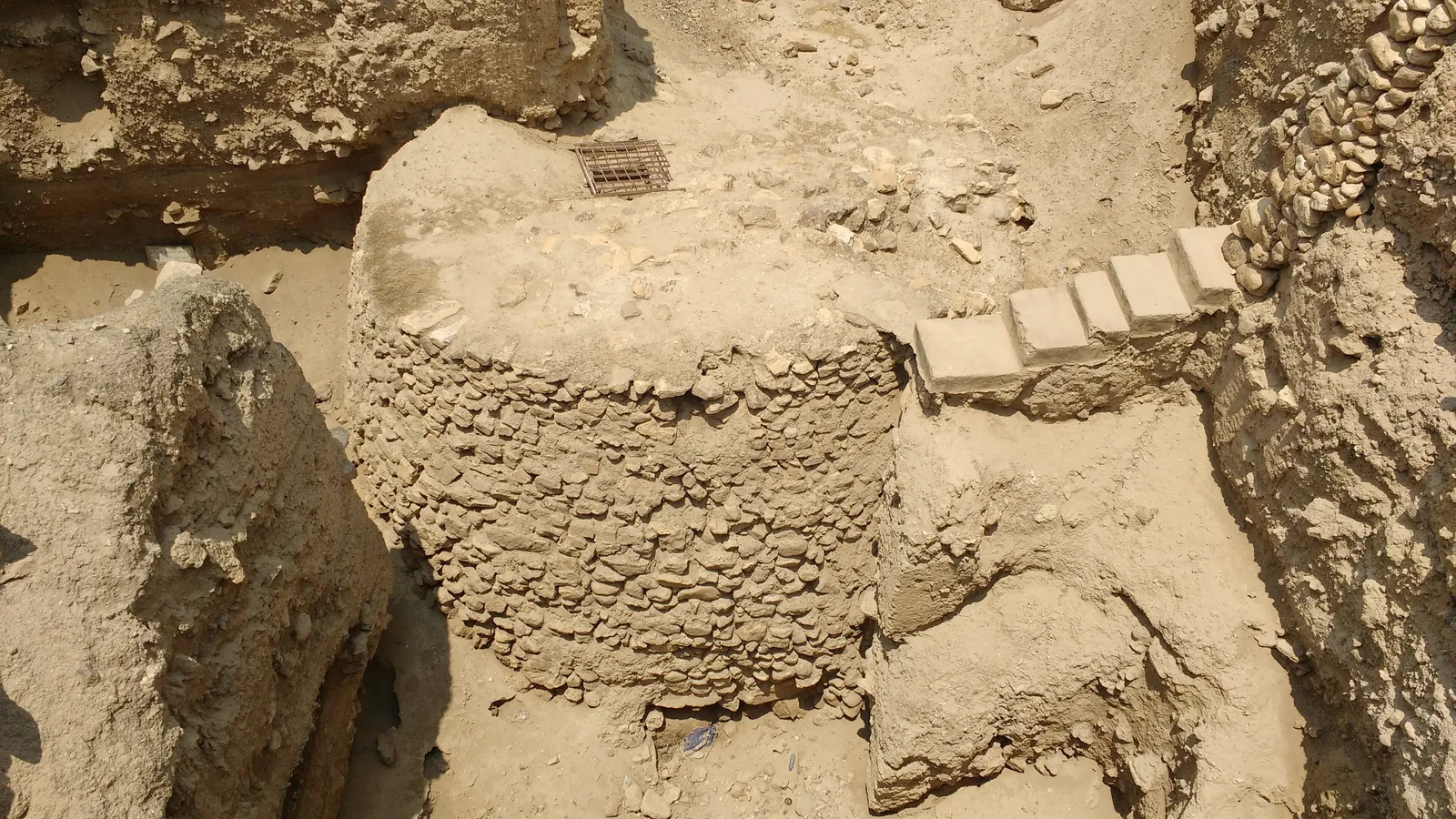
Raphael Pumpelly dug the two mounds at Anau in 1904 in two-foot levels, found wheat and barley chaff, and argued that drying oases sent people outward.
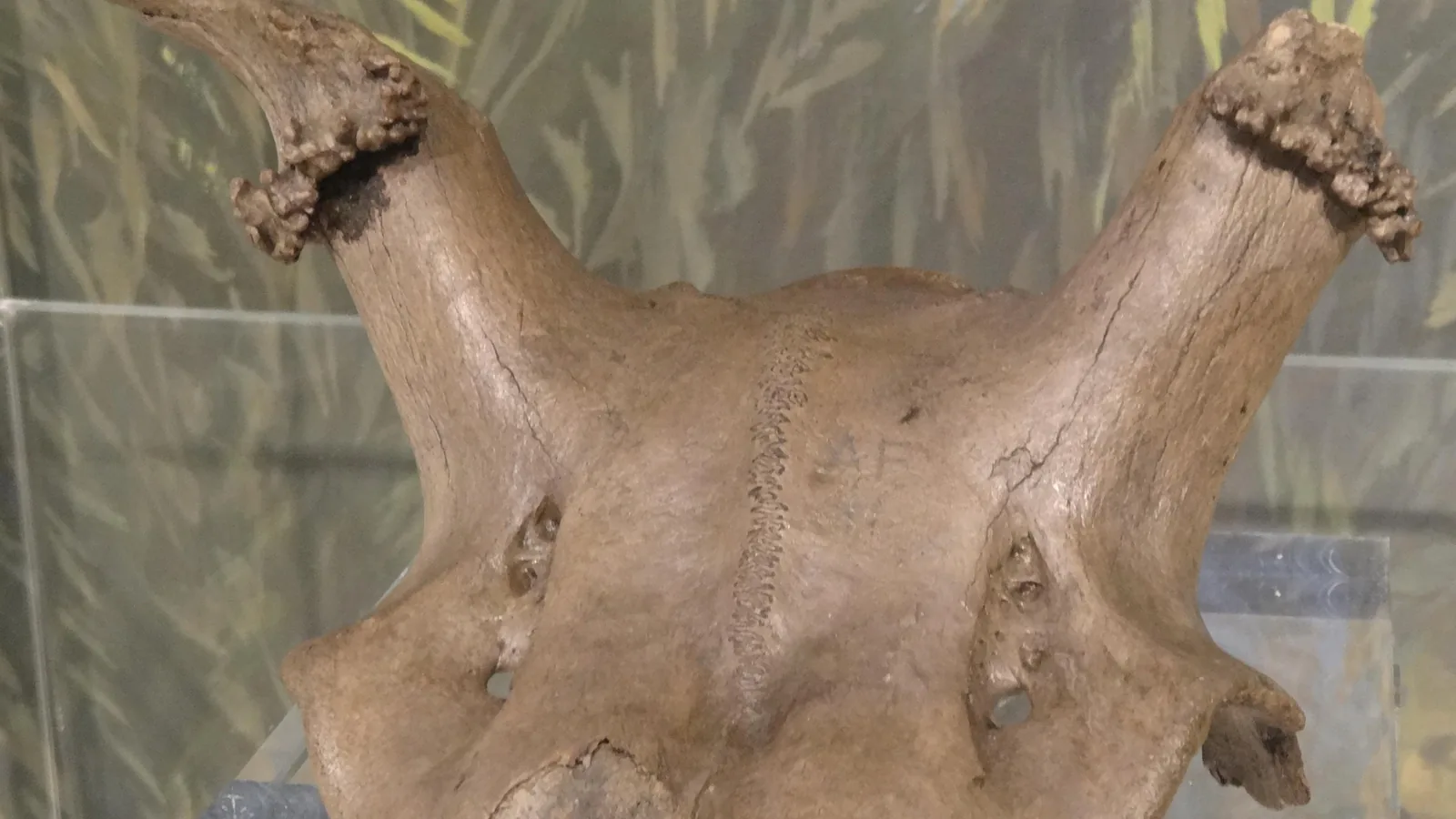
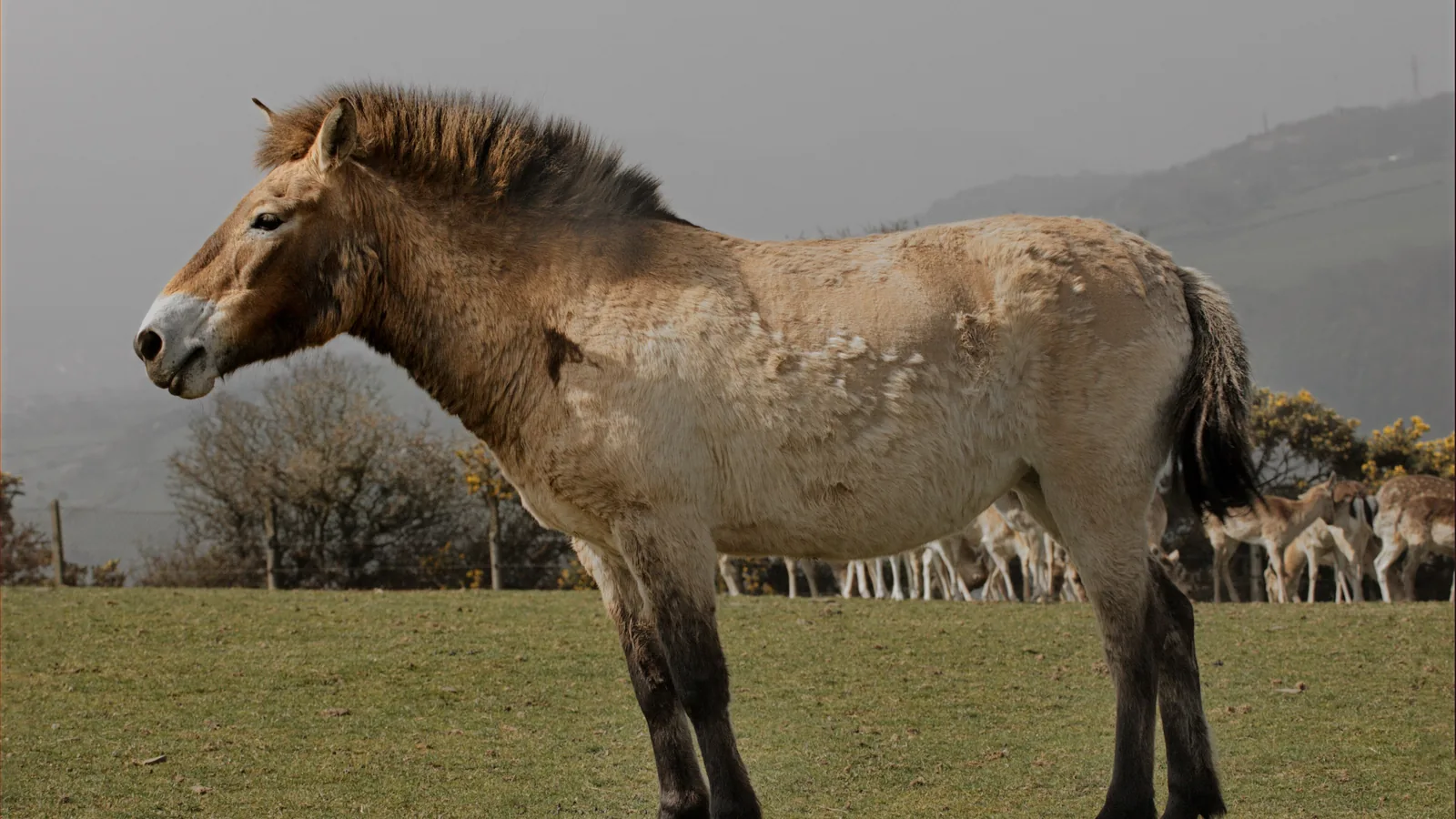
Named in 2009 as the earliest horse-domestication site, Botai in Kazakhstan lost that claim in 2018 when DNA made its horses the ancestors of Przewalski's.