Wars, trials, sieges and scandals told one scene at a time. The pictures are AI reconstructions; every caption is checked against the records listed under each story, and where the sources disagree, the story says so.
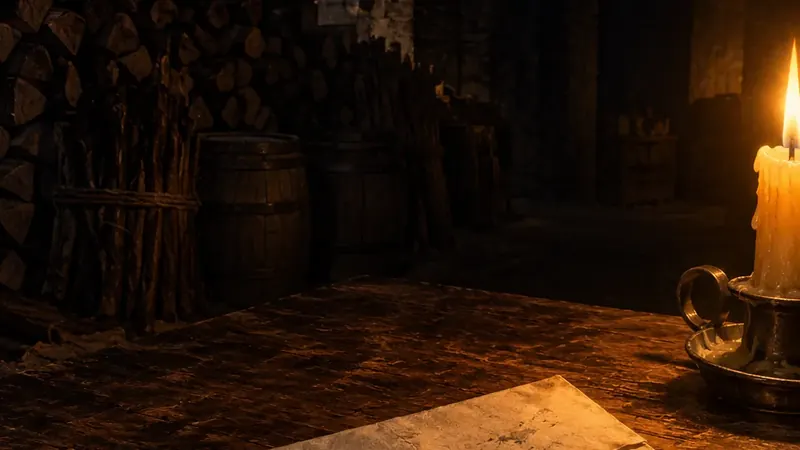
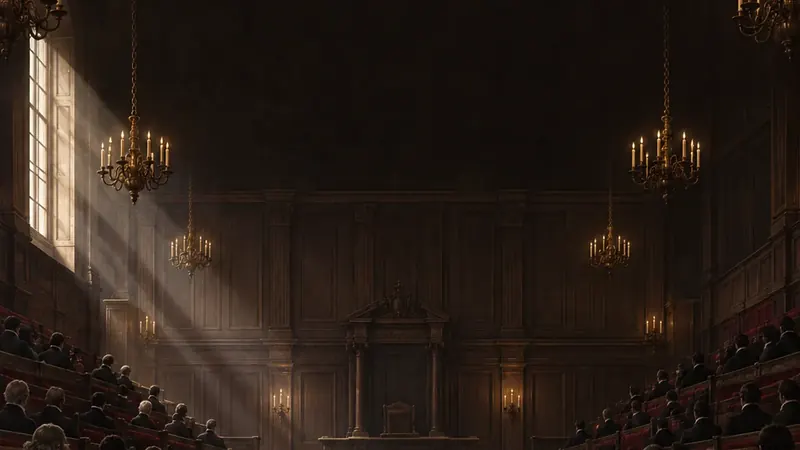
In 1605 plotters hid 36 barrels of gunpowder under the House of Lords. An unsigned letter to Lord Monteagle reached the king, and the cellar was searched.
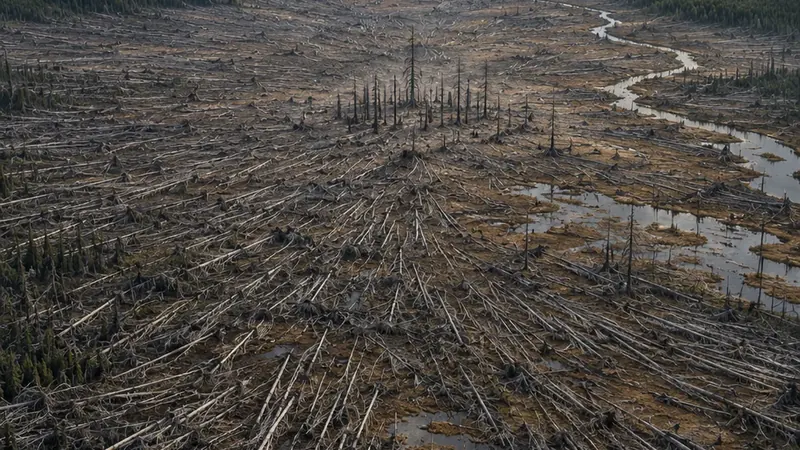
On 30 June 1908 an explosion over central Siberia flattened the forest near the Podkamennaya Tunguska river. No crater and no fragment were ever found.
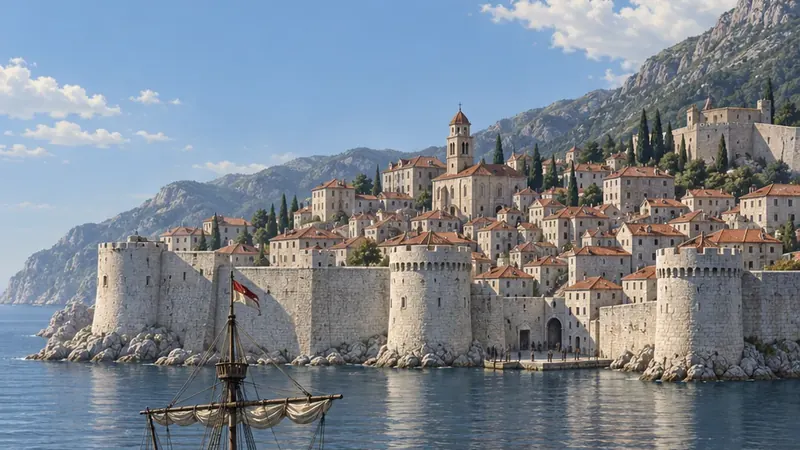
In 1377 Ragusa, now Dubrovnik, made ships from plague areas wait thirty days outside the city. The wait later grew to forty, which gave us the word quarantine.
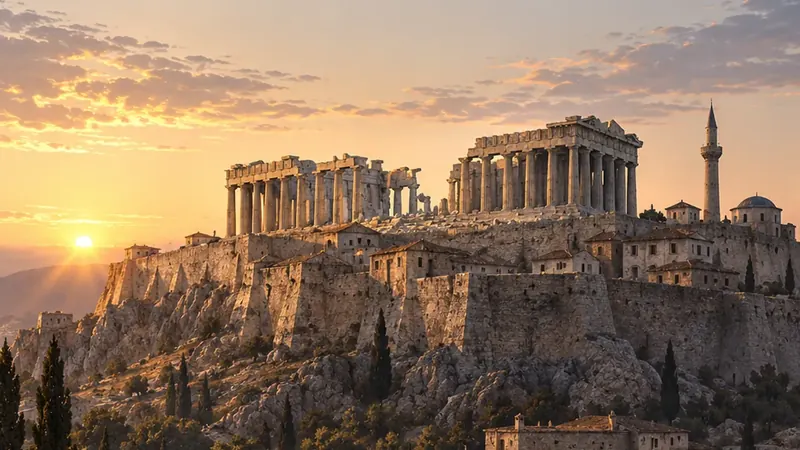
In 1687 the Ottoman garrison on the Acropolis kept gunpowder inside the Parthenon. During a Venetian siege a shell set it off, and the temple became a ruin.
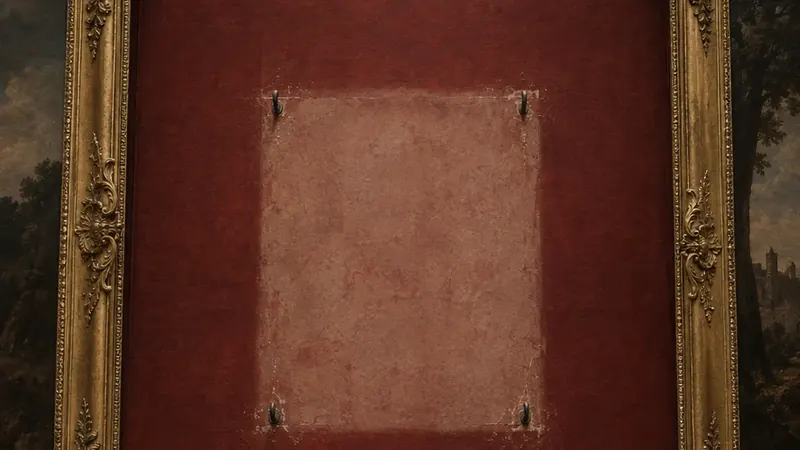
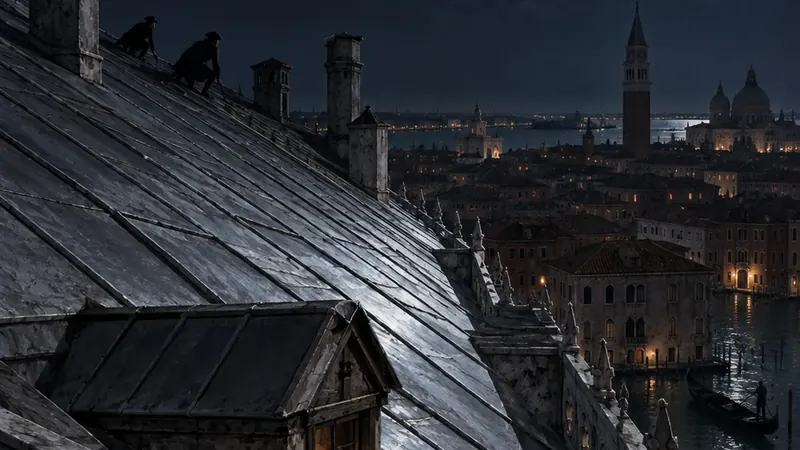
On 21 August 1911 the Mona Lisa was taken from the Louvre. It was missing for over two years; the Louvre says the theft made the painting world-famous.
Story · 1859 · London and the world's telegraph lines
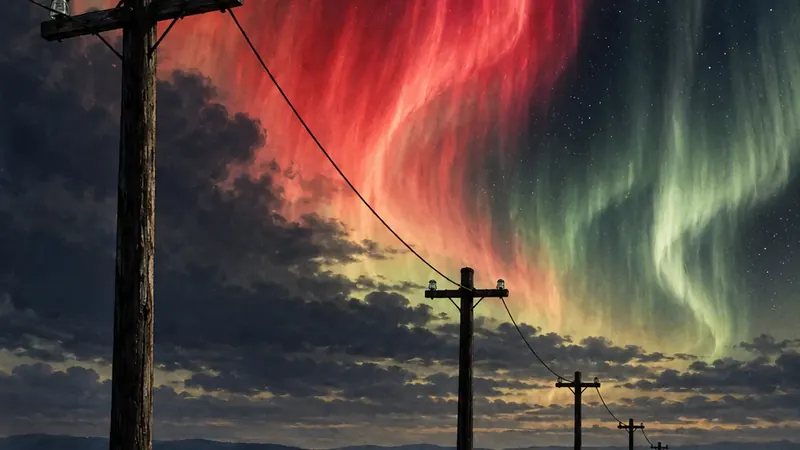
On 1 September 1859 Richard Carrington saw a white-light flare on the Sun. Within a day auroras filled the sky and telegraph operators worked without batteries.
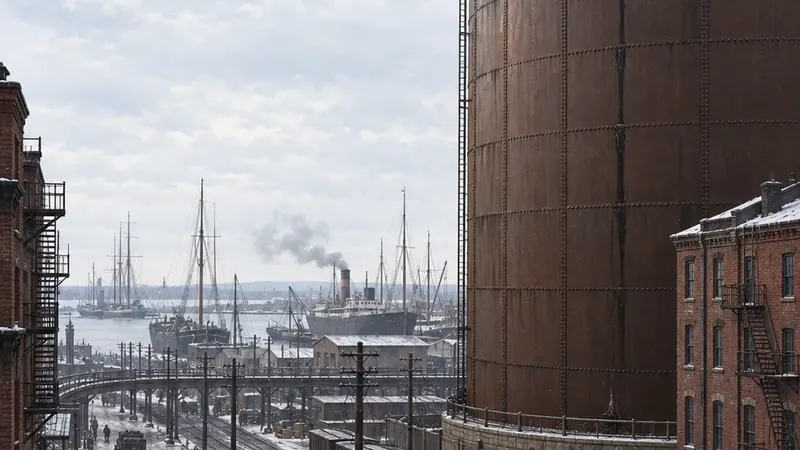
On 15 January 1919 a molasses tank in Boston's North End burst. The tank had leaked from the start and had never been tested; a court found it unsound.
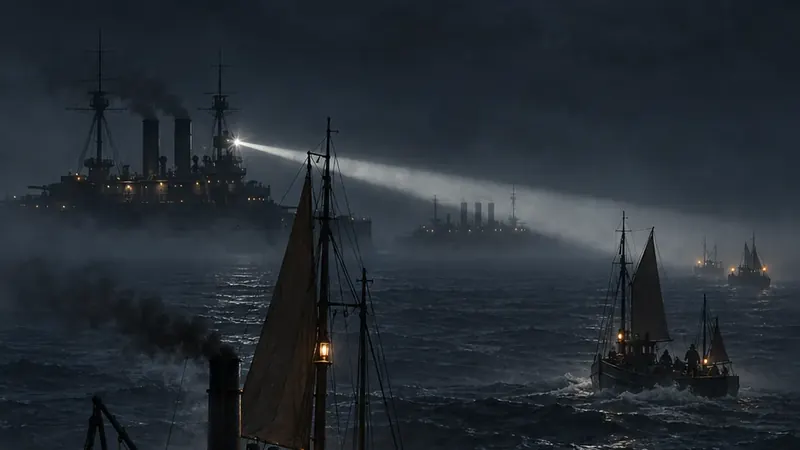
On the night of 21 October 1904 Russia's Baltic Fleet, fearing Japanese torpedo boats, fired on Hull trawlers at the Dogger Bank. Two fishermen were killed.
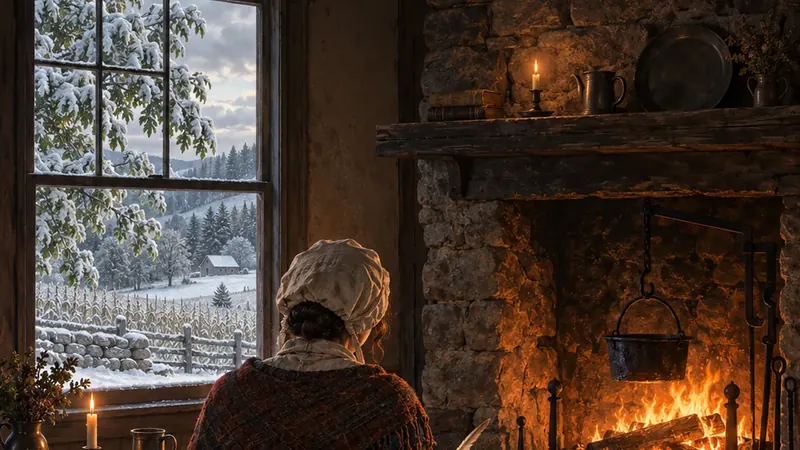
In 1816 frost killed crops across New England and Hannah Dawes Newcomb kept a fire going in July. The cause lay a year earlier, on the far side of the world.
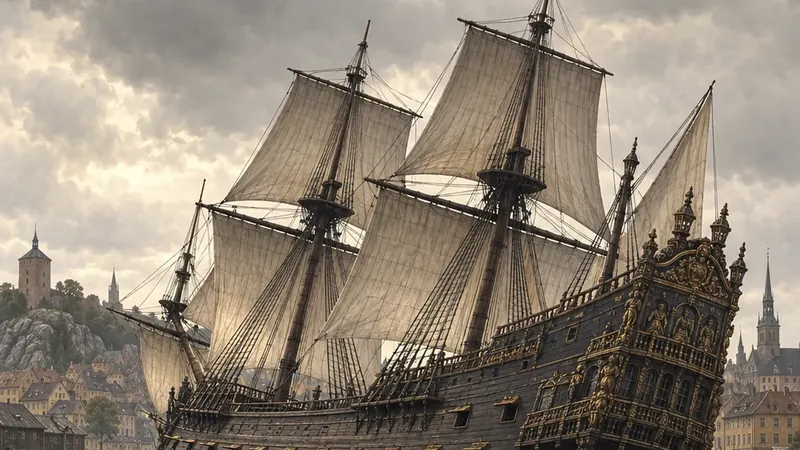
On 10 August 1628 the Swedish warship Vasa left Stockholm on her maiden voyage and sank in the harbour minutes later. A stability test had warned of it.
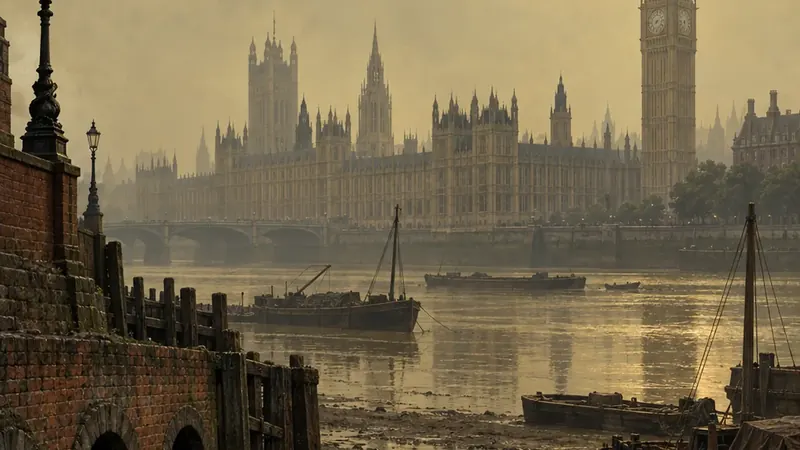
In the hot summer of 1858 the Thames stank outside the Houses of Parliament. A bill to borrow £3 million for new sewers became law eighteen days later.
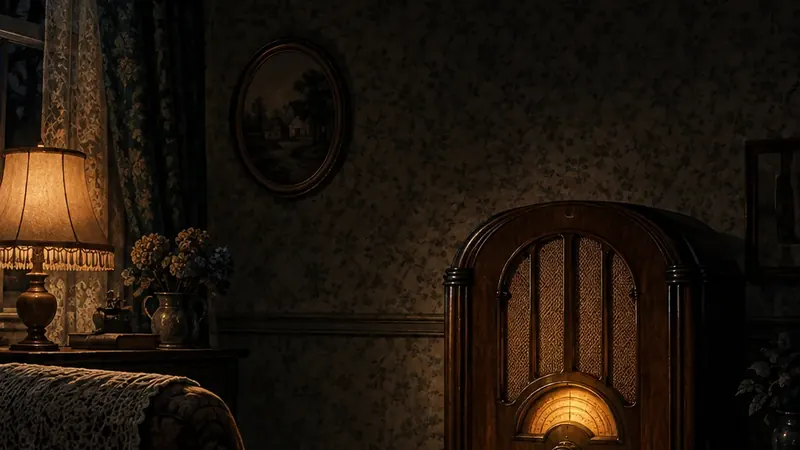
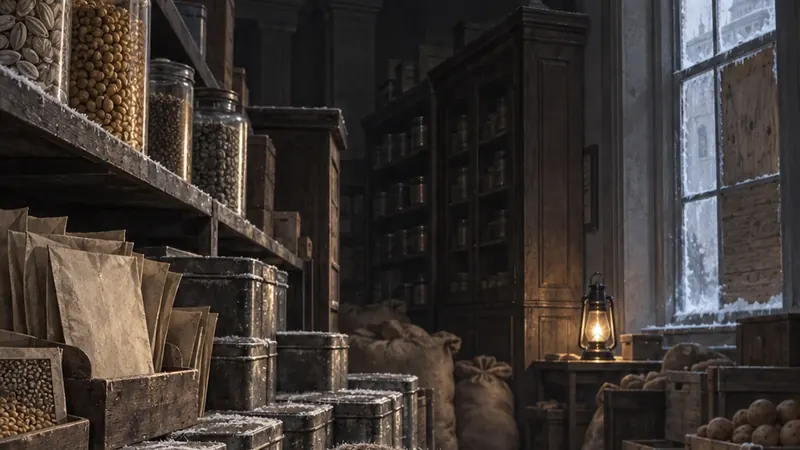
In besieged Leningrad, staff of a plant institute guarded seeds, grain and potatoes through the winter of 1941–42. Several starved. The seeds survived.