In 1377 a port city made ships wait thirty days, and later the wait became forty
In 1377 Ragusa, now Dubrovnik, made ships from plague areas wait thirty days outside the city. The wait later grew to forty, which gave us the word quarantine.
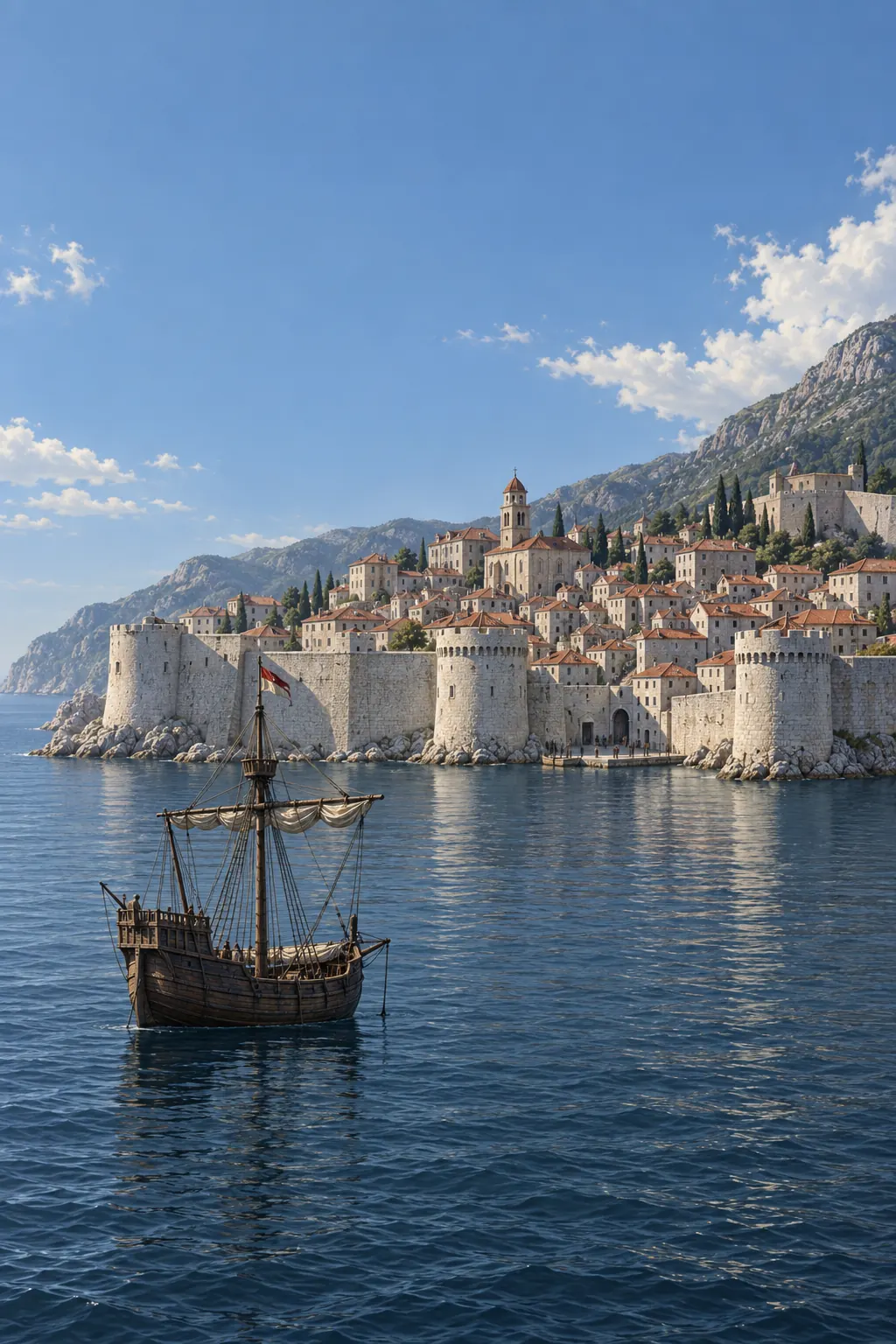
Why the days a plague city held ships went from thirty to forty.
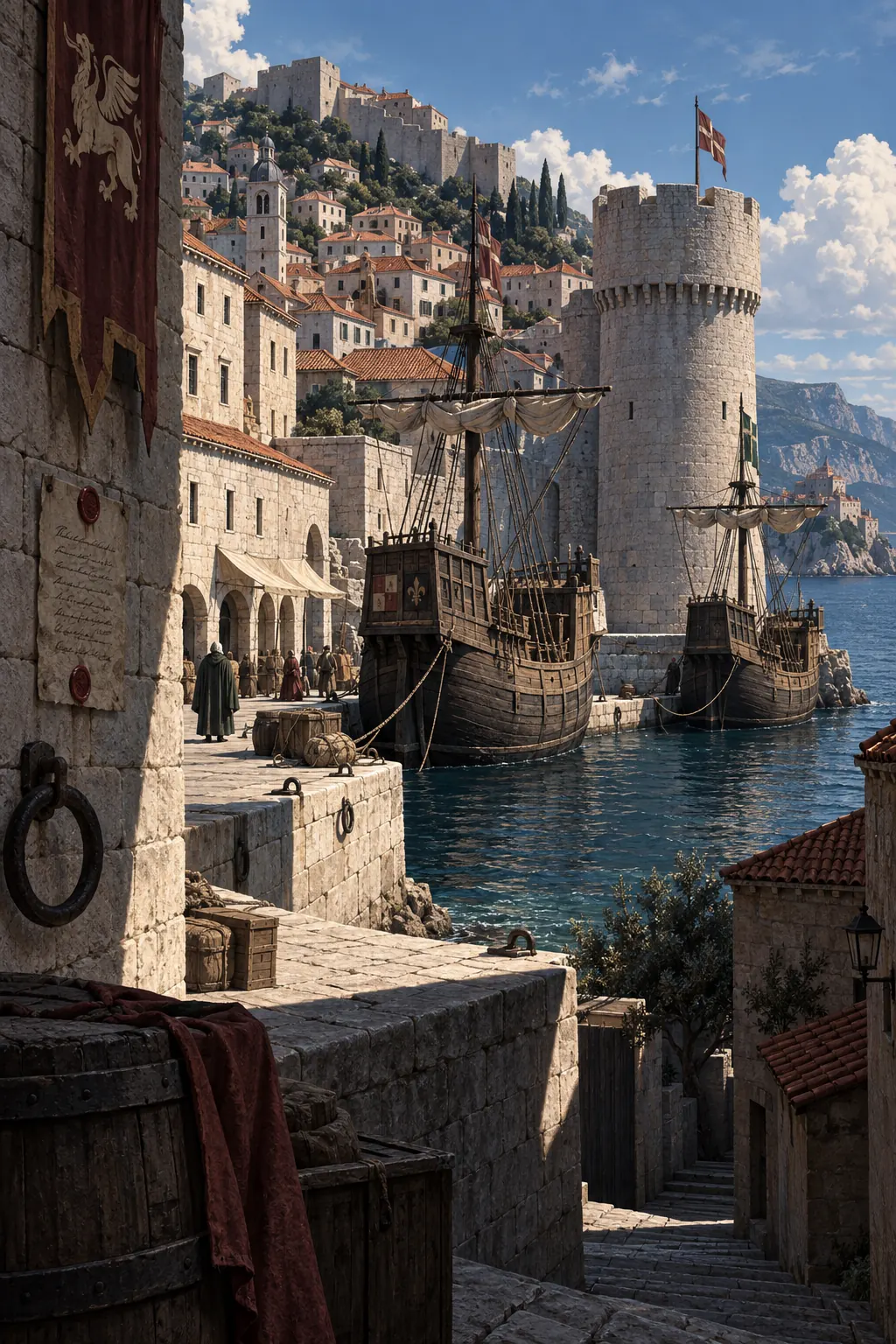
In 1377 there was a port city on the eastern Adriatic called Ragusa, the place now known as Dubrovnik. Its walls ran down to the water, and what it lived on came in by ship.
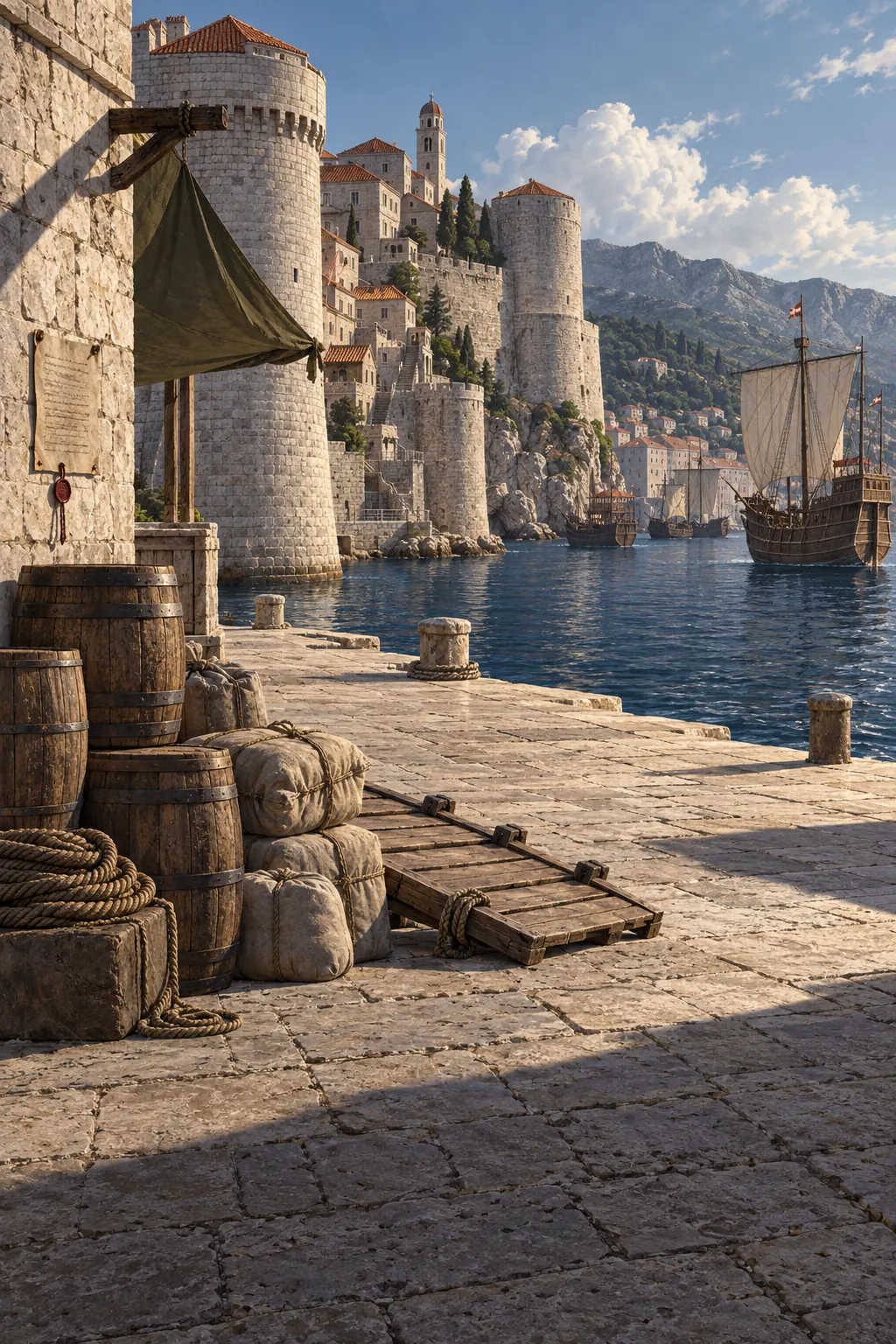
For thirty years, though, ships had been bringing sickness in as well. Plague was moving from port to port around the Mediterranean, emptying cities one after another. What carried it, nobody knew.
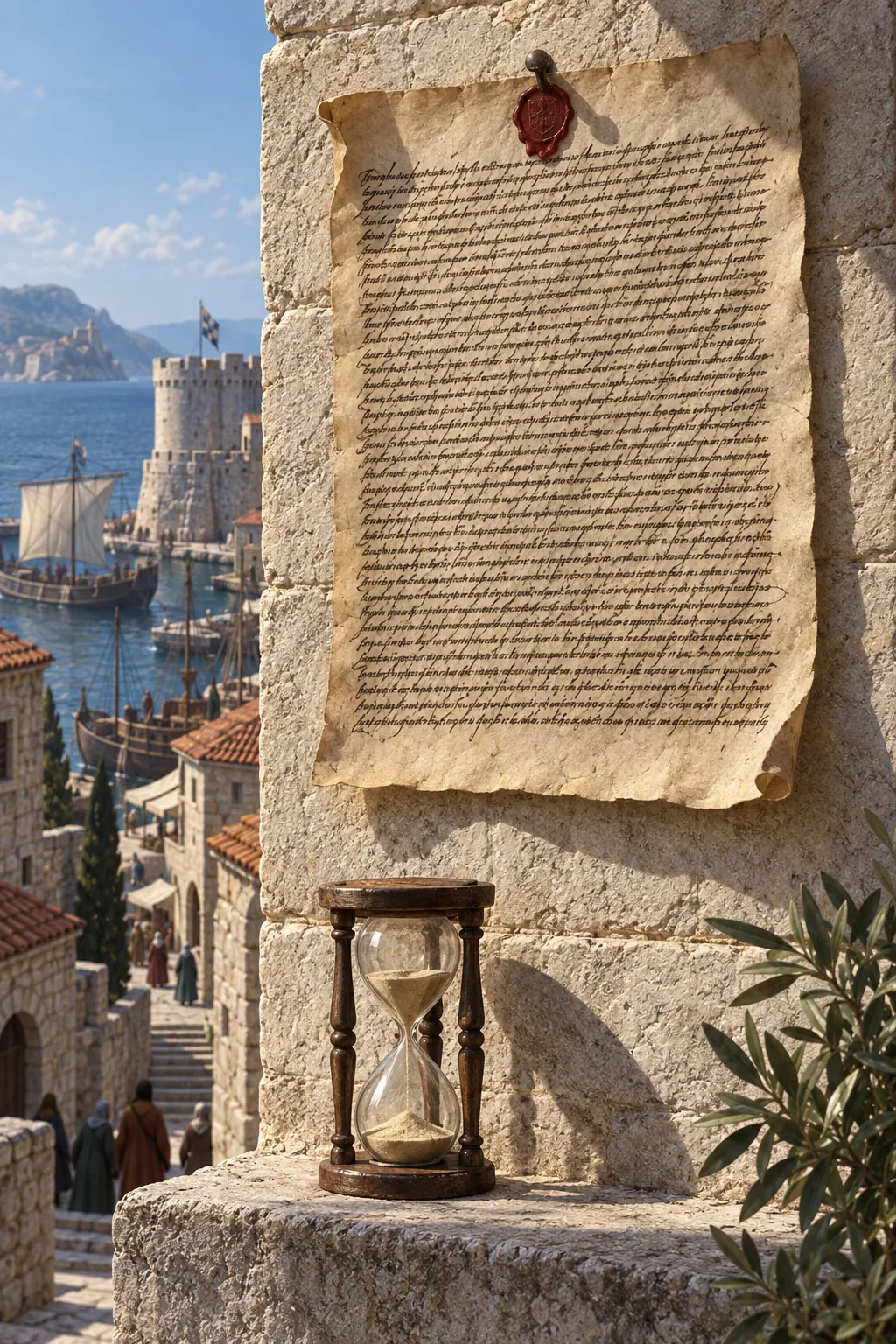
So Ragusa passed a law. A ship coming from a place where the sickness was could not enter the city, and had to spend a set number of days outside it first. That number was thirty.
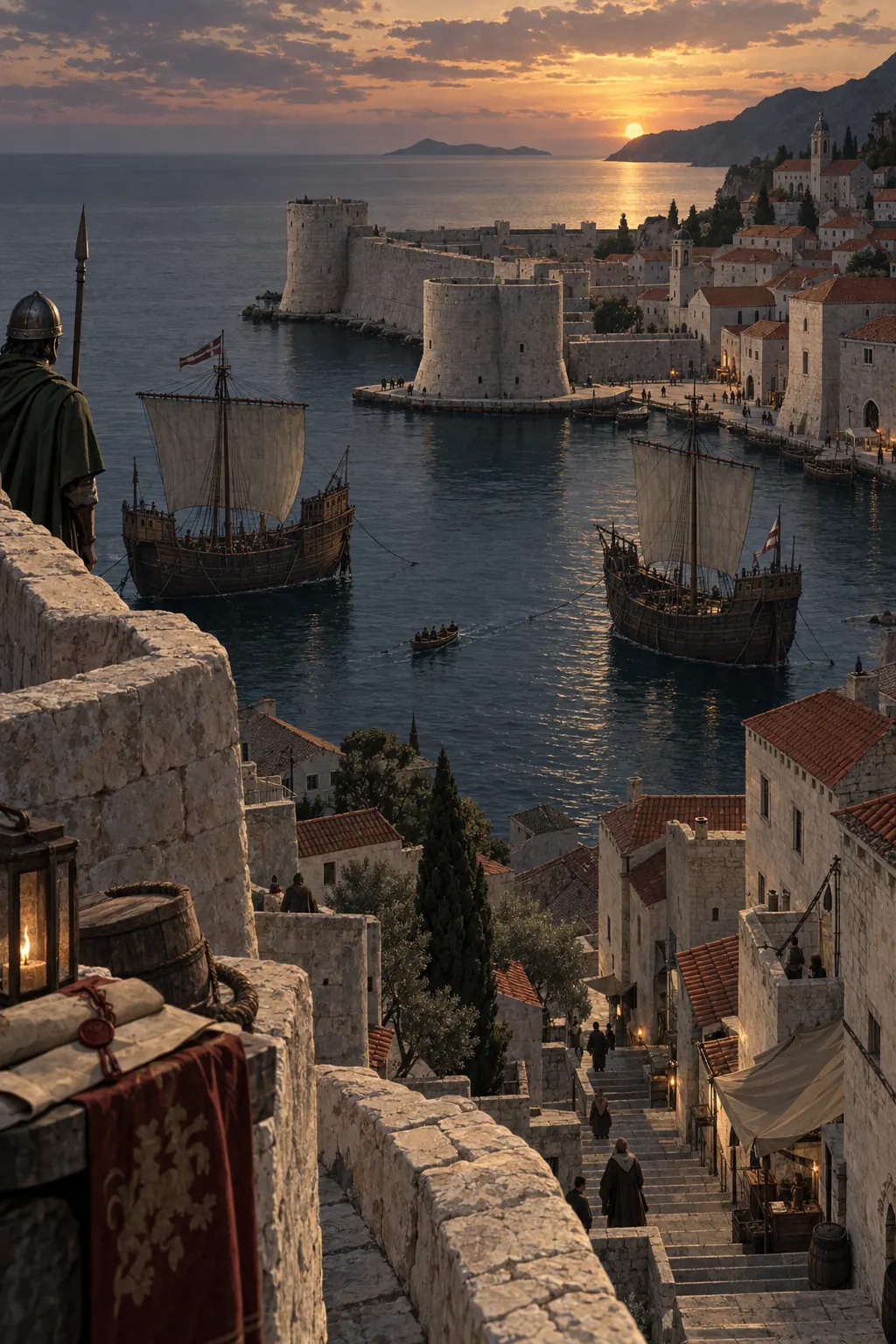
Thirty days, though, came to be thought too short. Nobody knew what carried the sickness, so nobody could say how long was enough. The one adjustment available was to add days.

Over the decades that followed, as the rule spread among Mediterranean ports, the wait grew to forty days. Forty in Italian is quaranta, and the word quarantine came out of it.

Why forty specifically is explained differently depending on the account. Some hold that observation pointed to roughly that long; others that forty was already a number carrying weight. Neither can be settled here.
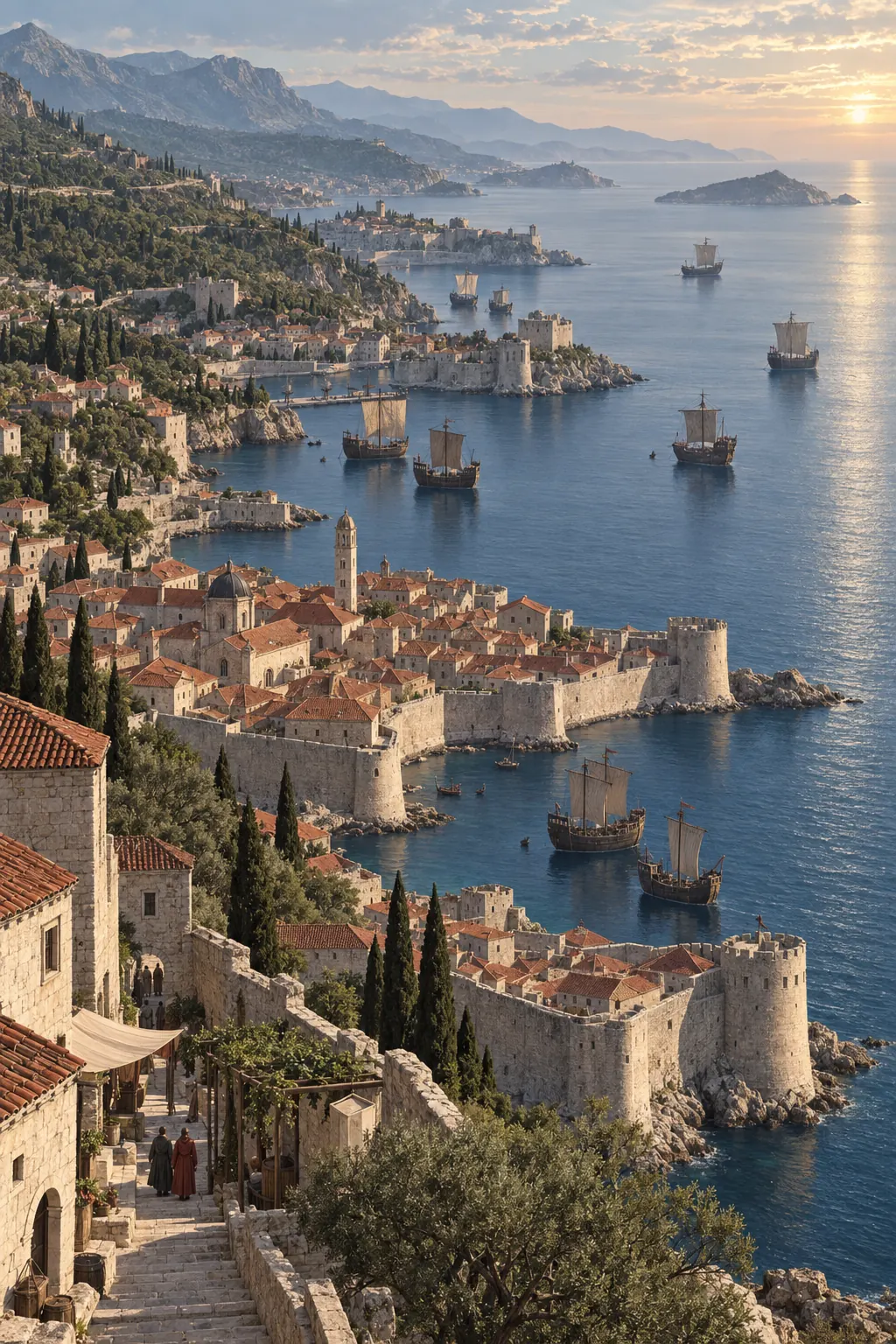
By the fifteenth century most Mediterranean ports had taken up some version of it. Without knowing what the pathogen was, they had built a defence out of measured time alone.
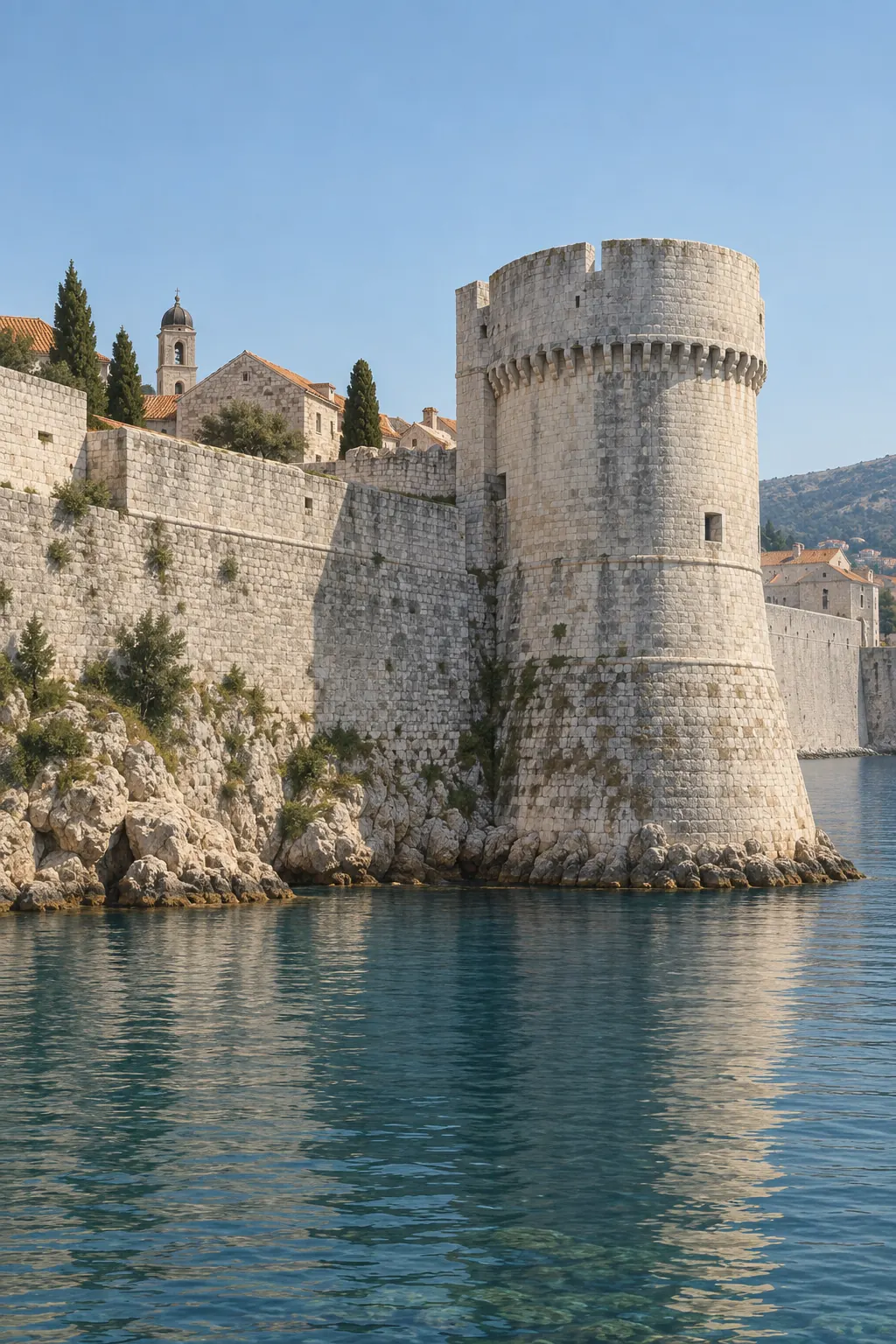
Venice is often named as the first, and on the record Ragusa comes earlier. Arrangements like this, though, tend to be passed between ports and refined there rather than invented once in one place.
What the records say
Eugenia Tognotti, writing in Emerging Infectious Diseases, records that in 1377 Ragusa, now Dubrovnik, ordered people and ships arriving from plague-affected places to wait thirty days before entering the city. Philip Mackowiak and Paul Sehdev, in the same journal, record that the period was later extended to forty days and that the Italian word for it gave English the word quarantine.
McGill University’s Office for Science and Society lists several explanations for the choice of forty days without settling on one. A 2004 review in the Journal of Infection by Gensini, Yacoub and Conti describes Venice opening a lazaretto in 1423 and other European ports adopting similar measures.
Sources
- E. Tognotti, "Lessons from the History of Quarantine, from Plague to Influenza A", Emerging Infectious Diseases 19(2), 2013 — PubMed Central pmc.ncbi.nlm.nih.gov
- P. A. Mackowiak and P. S. Sehdev, "Etymologia: Quarantine", Emerging Infectious Diseases 19(2), 2013 — PubMed Central pmc.ncbi.nlm.nih.gov
- G. F. Gensini, M. H. Yacoub and A. A. Conti, "The concept of quarantine in history: from plague to SARS", Journal of Infection, 2004 — PubMed Central pmc.ncbi.nlm.nih.gov
- "The Word 'Quarantine' Comes from the Italian Word 'Forty Days'" — McGill University, Office for Science and Society www.mcgill.ca
More stories

A plot to blow up Parliament in 1605 was given away by one anonymous letter
In 1605 plotters hid 36 barrels of gunpowder under the House of Lords. An unsigned letter to Lord Monteagle reached the king, and the cellar was searched.

In 1908 something flattened a Siberian forest and left no crater
On 30 June 1908 an explosion over central Siberia flattened the forest near the Podkamennaya Tunguska river. No crater and no fragment were ever found.

The first man across the line in the 1904 Olympic marathon had ridden in a car
At the 1904 St. Louis Olympics, Fred Lorz crossed the marathon line first after riding part of the way in a car. The winner was given strychnine.
Get the week in history
One email a week: the new articles, and what was happening elsewhere at the same moment. Free, no ads, unsubscribe any time. How we handle your email.
Text licensed CC BY-NC-ND 4.0. Found an error? Tell us.