A plot to blow up Parliament in 1605 was given away by one anonymous letter
In 1605 plotters hid 36 barrels of gunpowder under the House of Lords. An unsigned letter to Lord Monteagle reached the king, and the cellar was searched.
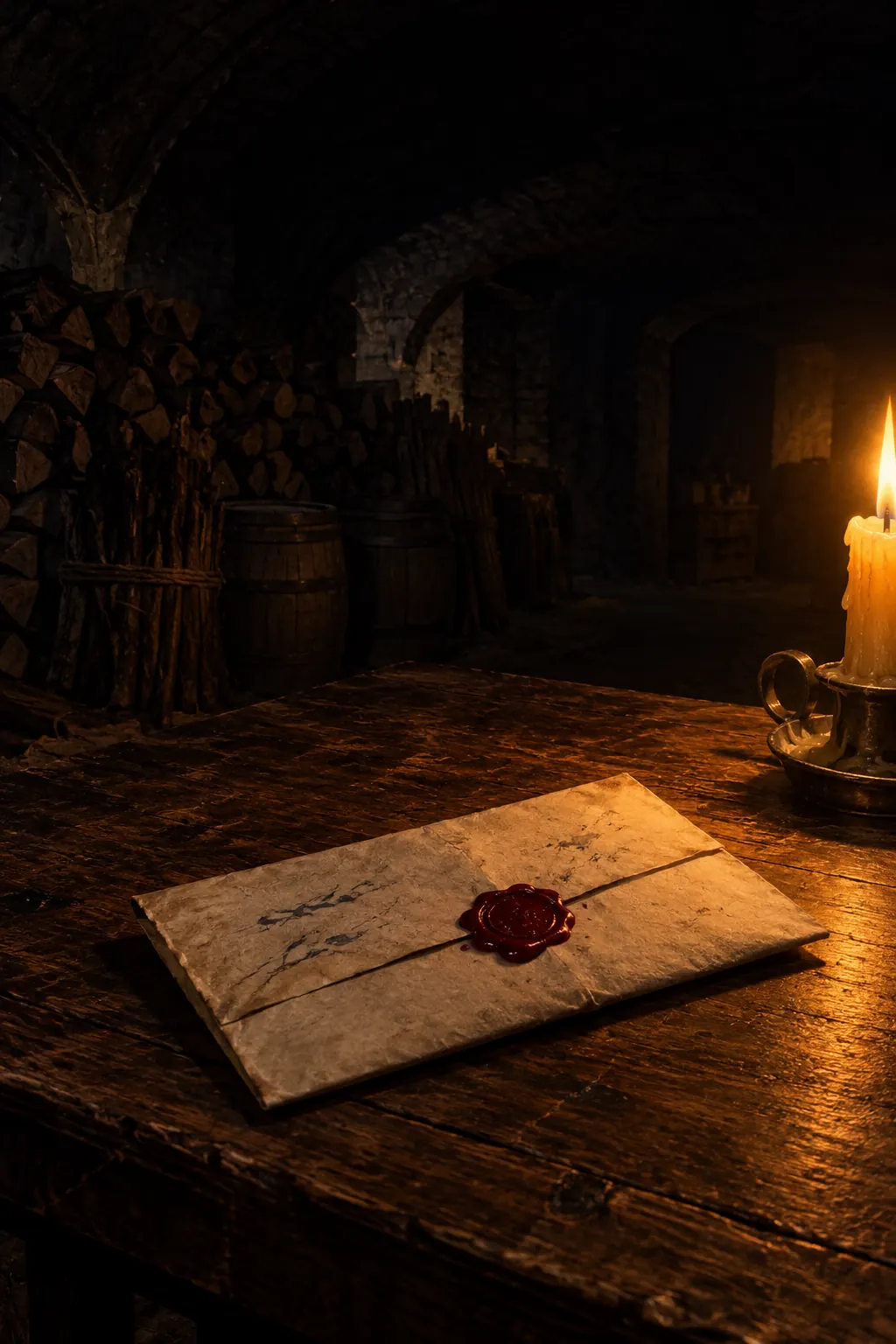
Why a plot to blow up Parliament was given away by one letter.

In the autumn of 1605 a vault under the House of Lords at the Palace of Westminster was piled with firewood. Hidden in that firewood were 36 barrels of gunpowder.
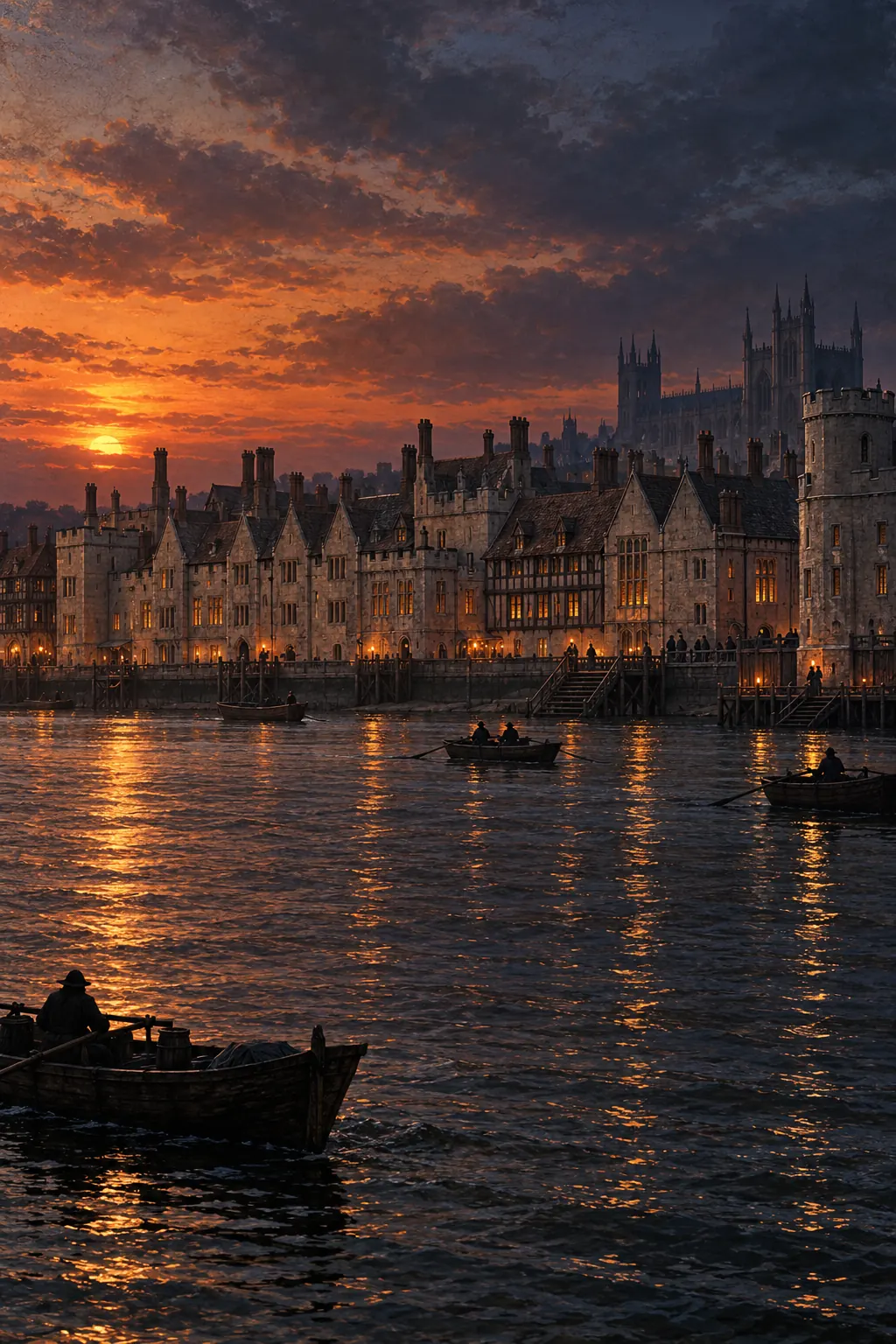
Catholics in England faced heavy fines and prison, and the new king, James I, kept those laws in place. So a small group planned to set the powder off on 5 November, the day Parliament opened, while the king was in that chamber.
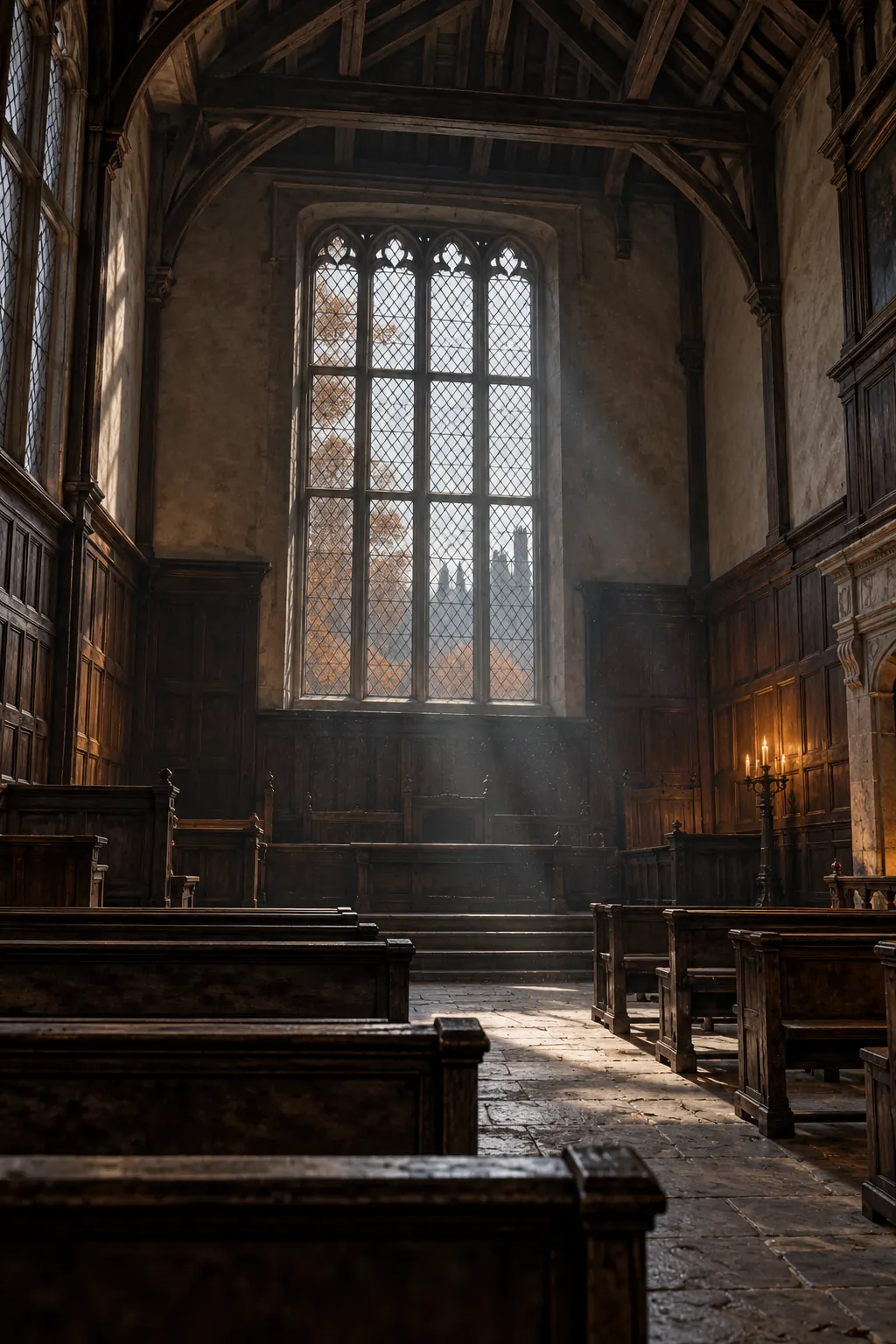
But there was a problem. Perhaps as many as 17 Catholic lords could take their seats in that chamber. The plotters argued among themselves over whether to warn them.
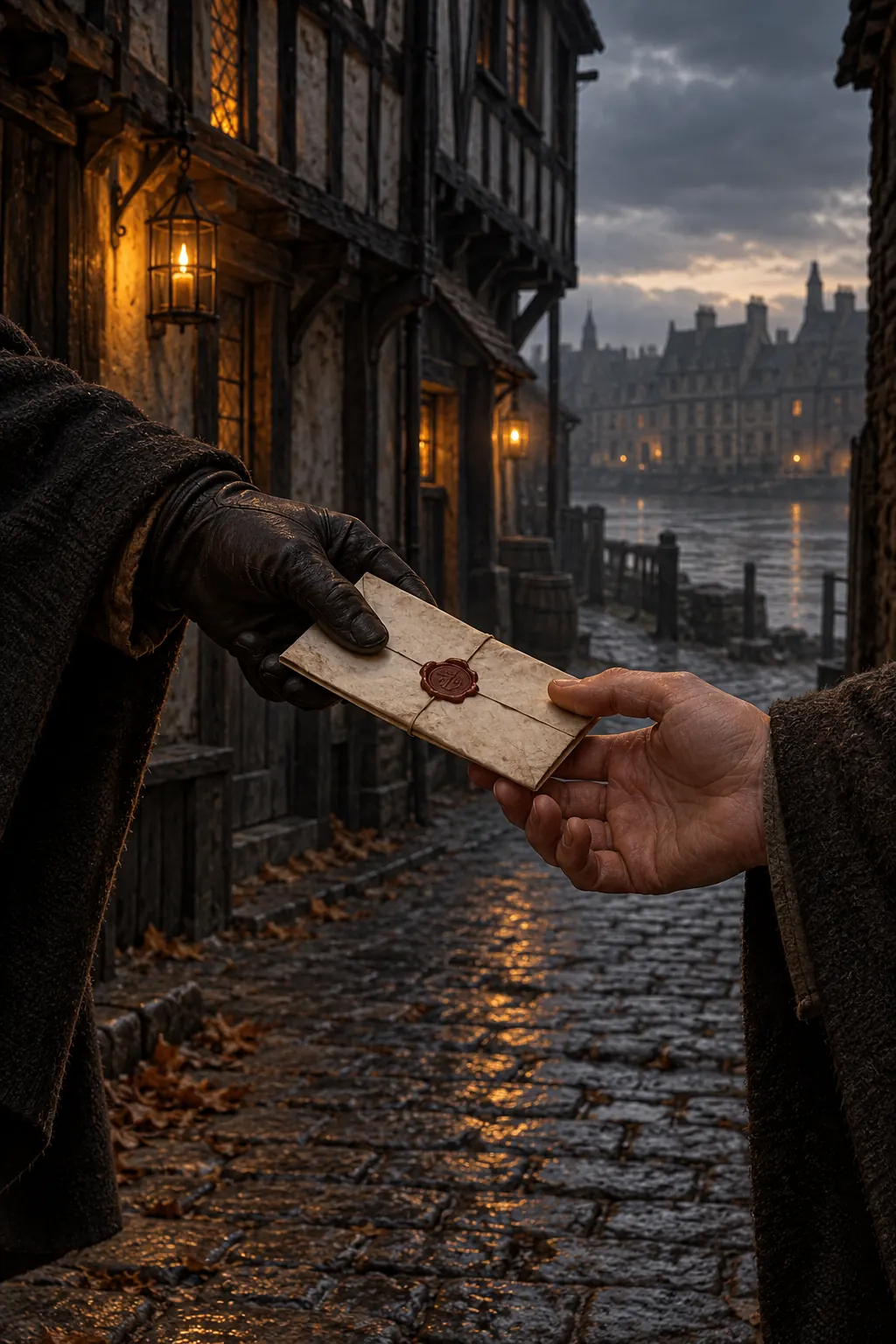
On 26 October an unknown man handed a letter in the street to a servant of Lord Monteagle, a Catholic lord. It had no date and no name, and the hand was disguised. It said, "they shall receive a terrible blow this Parliament."
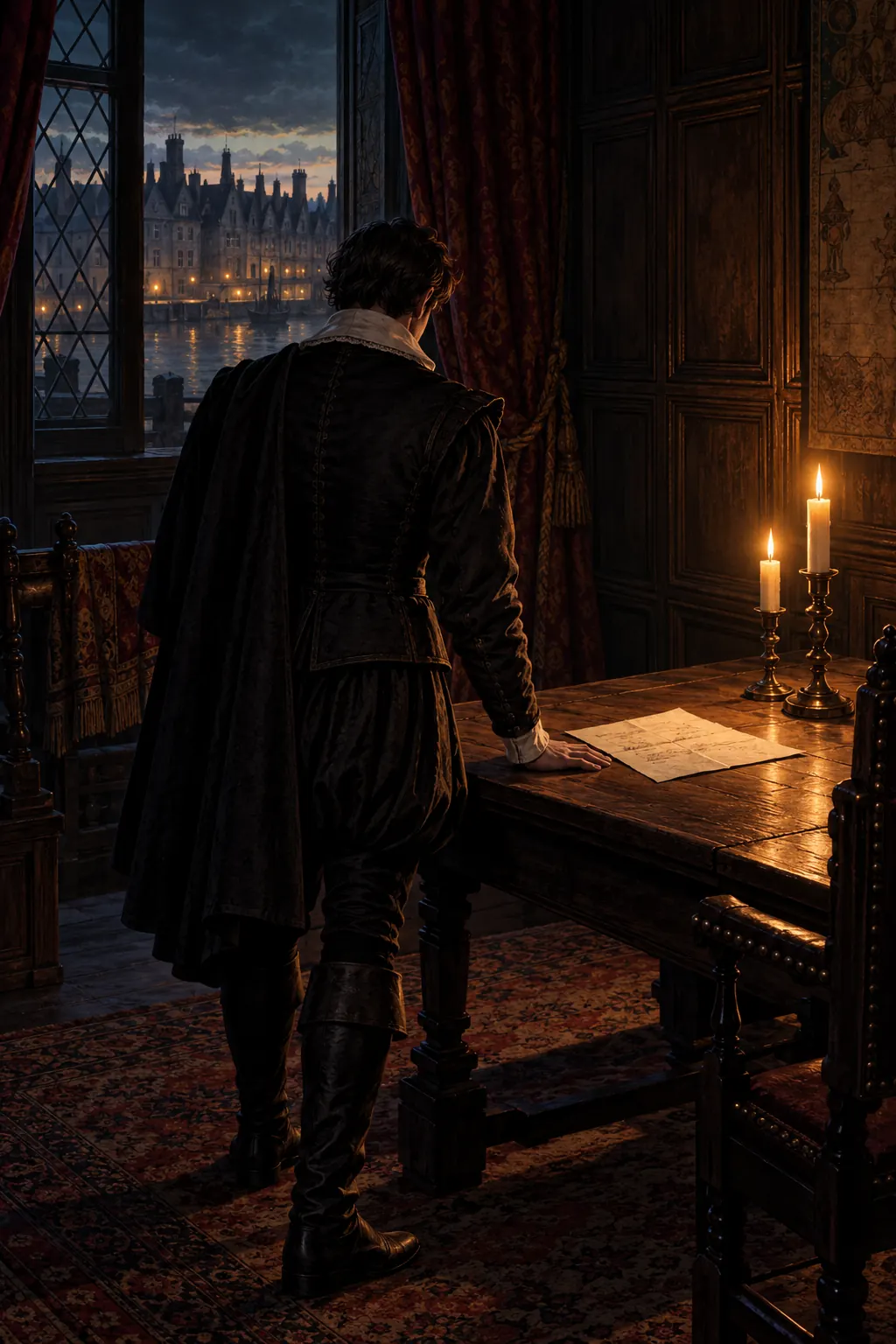
The letter asked to be burnt. Monteagle took it to court instead and showed it to the secretary of state, Robert Cecil. Cecil doubted it at first. Why, he asked, would only one lord be warned?
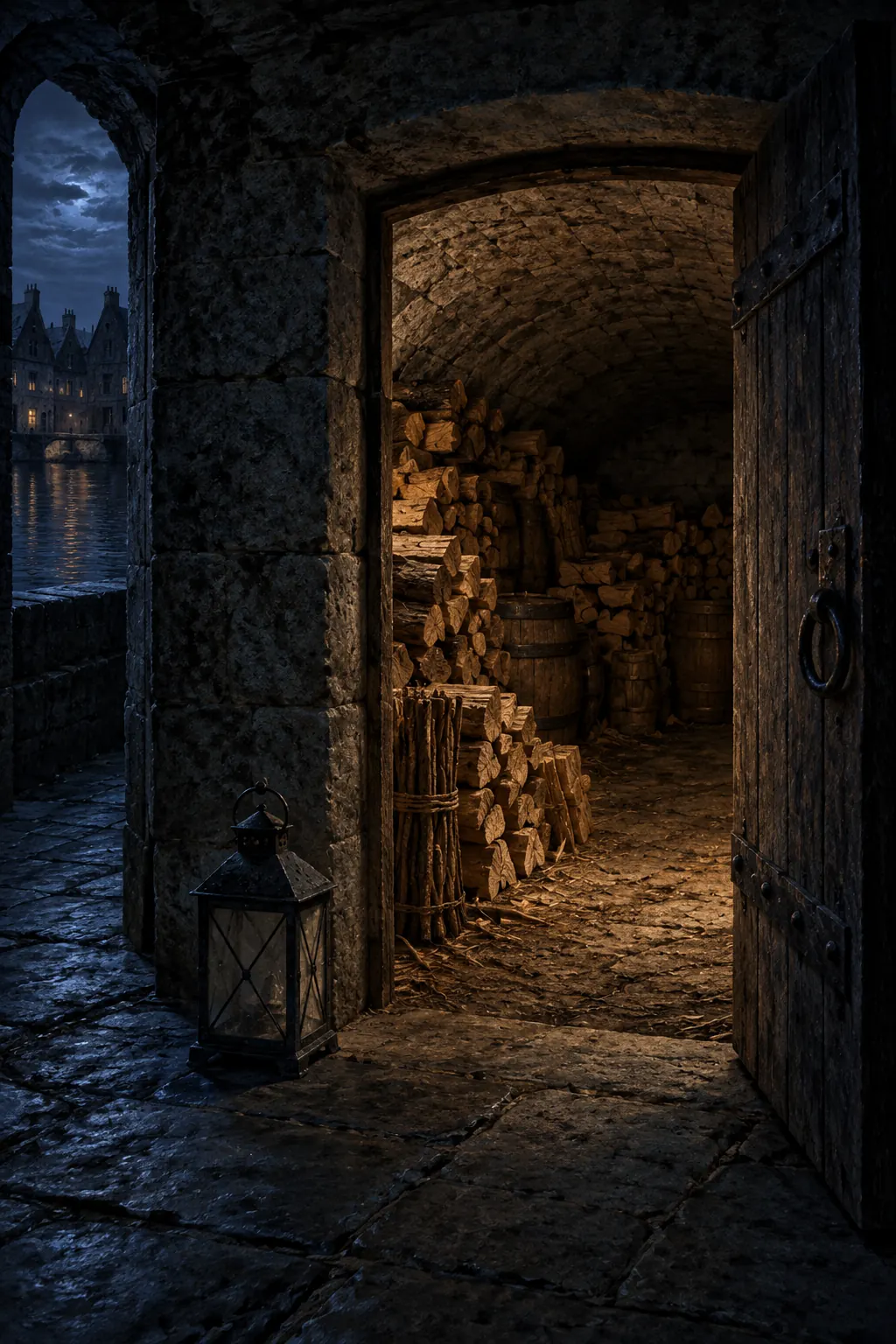
The letter reached the king, and he agreed to try to catch the plotters in the act. The plotters knew the letter had reached the government. They went ahead anyway, trusting that nobody knew who their gunpowder man was.
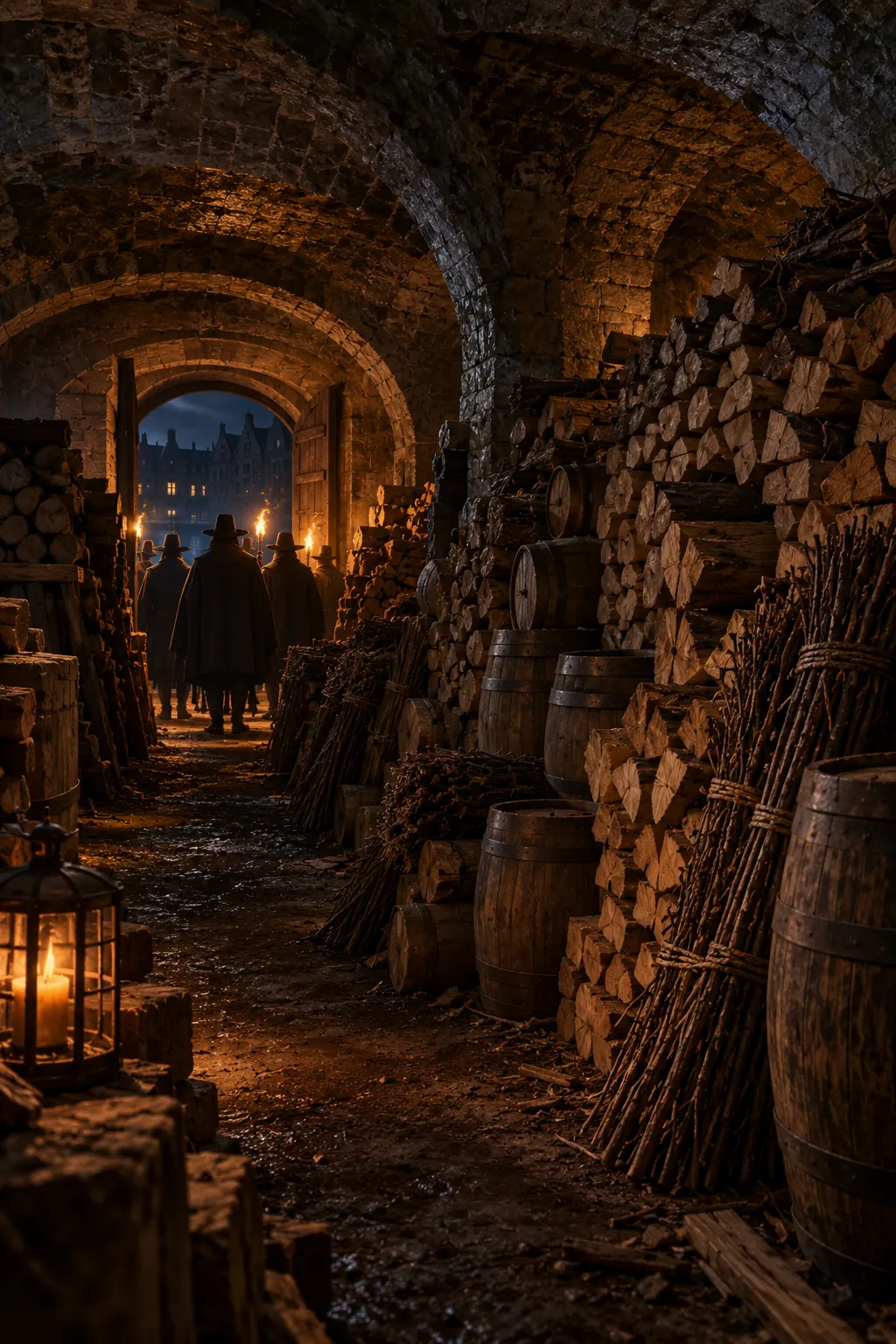
On the night of 4 November, the eve of the opening, the king's men searched beneath the House of Lords. A man leaving the room full of firewood gave his name as John Johnson. The barrels were found in the firewood. He was Guy Fawkes.
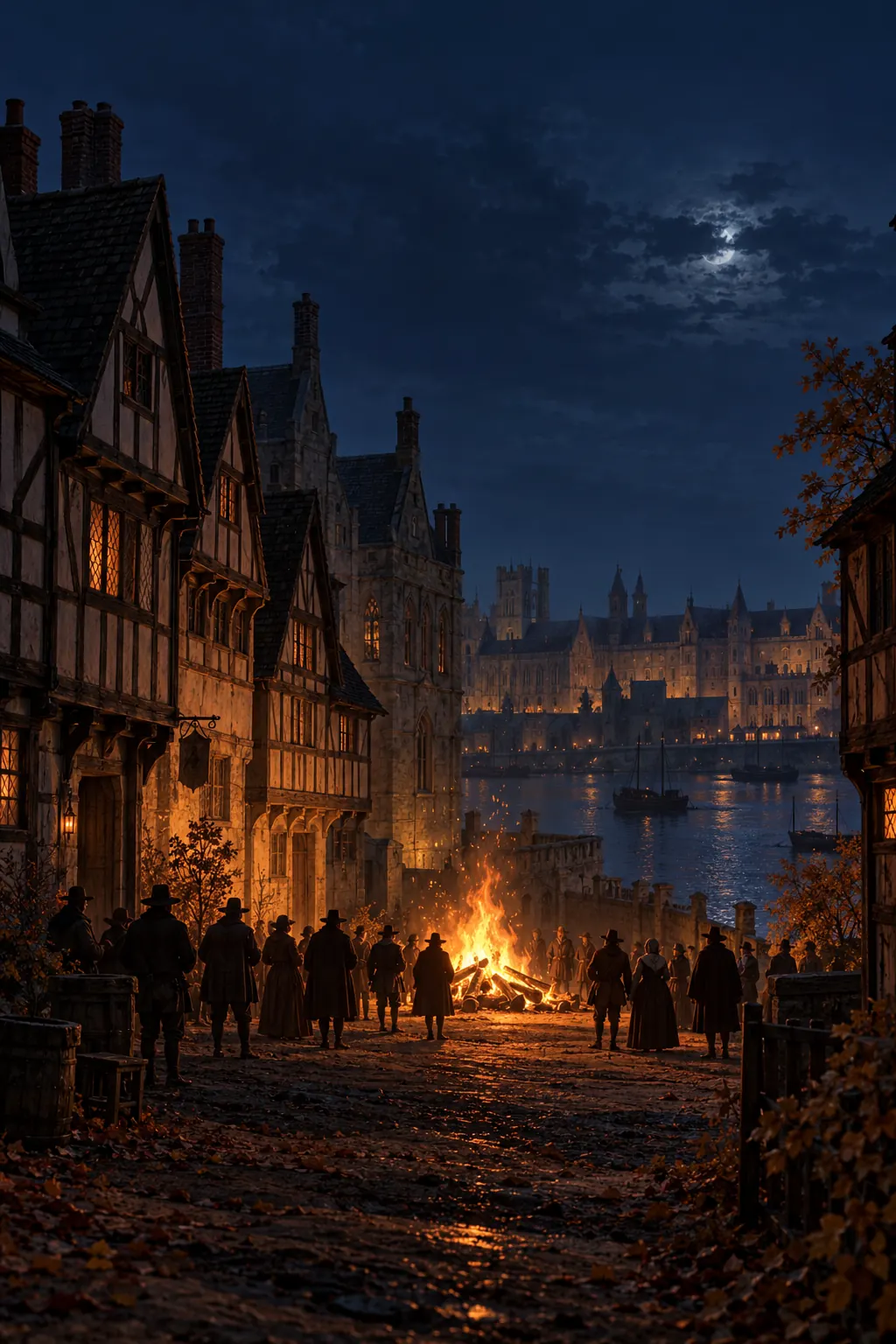
Parliament then passed an Act ordering that every 5 November be kept, with the Act read aloud in church. Nobody knows who wrote the letter. Britain still marks that night with bonfires, more than four hundred years on.
What the records say
The National Archives describes the Monteagle letter, delivered to Lord Monteagle’s servant on 26 October 1605, as unsigned and in a disguised hand, warning that the lords “shall receive a terrible blow this Parliament”; it says plainly that we do not know who wrote it. Its education pages record that the cellar under the House of Lords was searched on the night of 4 November and that a man calling himself John Johnson, later identified as Guy Fawkes, was found with the gunpowder.
The History of Parliament Trust notes the Commons record of thirty-six barrels and discusses the Catholic peers who might have been in the chamber. The Statutes of the Realm print the Act of 1606 ordering that 5 November be observed each year.
Sources
- "The Monteagle Letter" (SP 14/216) — The National Archives, UK www.nationalarchives.gov.uk
- "The Gunpowder Plot" — The National Archives, UK, Education www.nationalarchives.gov.uk
- "Catholic peers and the Gunpowder Plot" — History of Parliament Trust historyofparliament.com
- "Apprehending Guy Fawkes" — History of Parliament Trust historyofparliament.com
- Statutes of the Realm, vol. 4, 3 Jac. I c. 1 — Internet Archive archive.org
More stories

In 1908 something flattened a Siberian forest and left no crater
On 30 June 1908 an explosion over central Siberia flattened the forest near the Podkamennaya Tunguska river. No crater and no fragment were ever found.

In 1377 a port city made ships wait thirty days, and later the wait became forty
In 1377 Ragusa, now Dubrovnik, made ships from plague areas wait thirty days outside the city. The wait later grew to forty, which gave us the word quarantine.
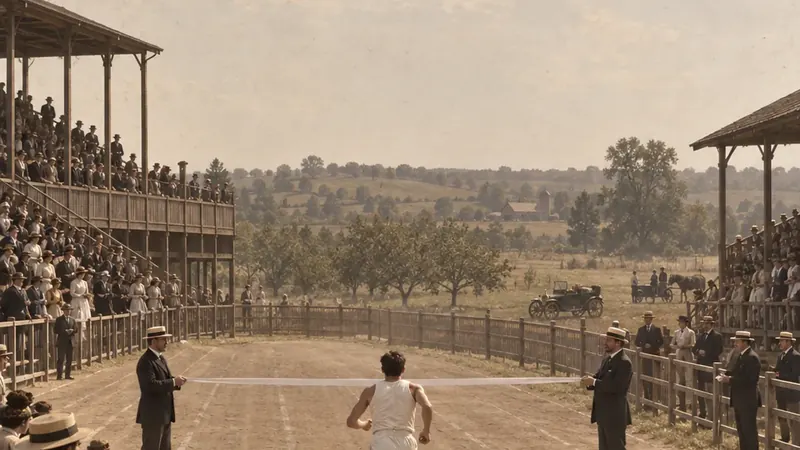
The first man across the line in the 1904 Olympic marathon had ridden in a car
At the 1904 St. Louis Olympics, Fred Lorz crossed the marathon line first after riding part of the way in a car. The winner was given strychnine.
Get the week in history
One email a week: the new articles, and what was happening elsewhere at the same moment. Free, no ads, unsubscribe any time. How we handle your email.
Text licensed CC BY-NC-ND 4.0. Found an error? Tell us.