Home › The Americas The Americas
Maya mathematics, Andean engineering and the lake-cities of Mexico developed with no contact with the Old World. These articles cover the civilisations of the Americas on their own terms, from the first cities to the encounters of the sixteenth century.
51 articles, oldest first
The Americas by era: Prehistory 6 Ancient world 6 Classical world 7 Medieval world 9 Early modern world 7 Modern era 8 Twentieth century 8
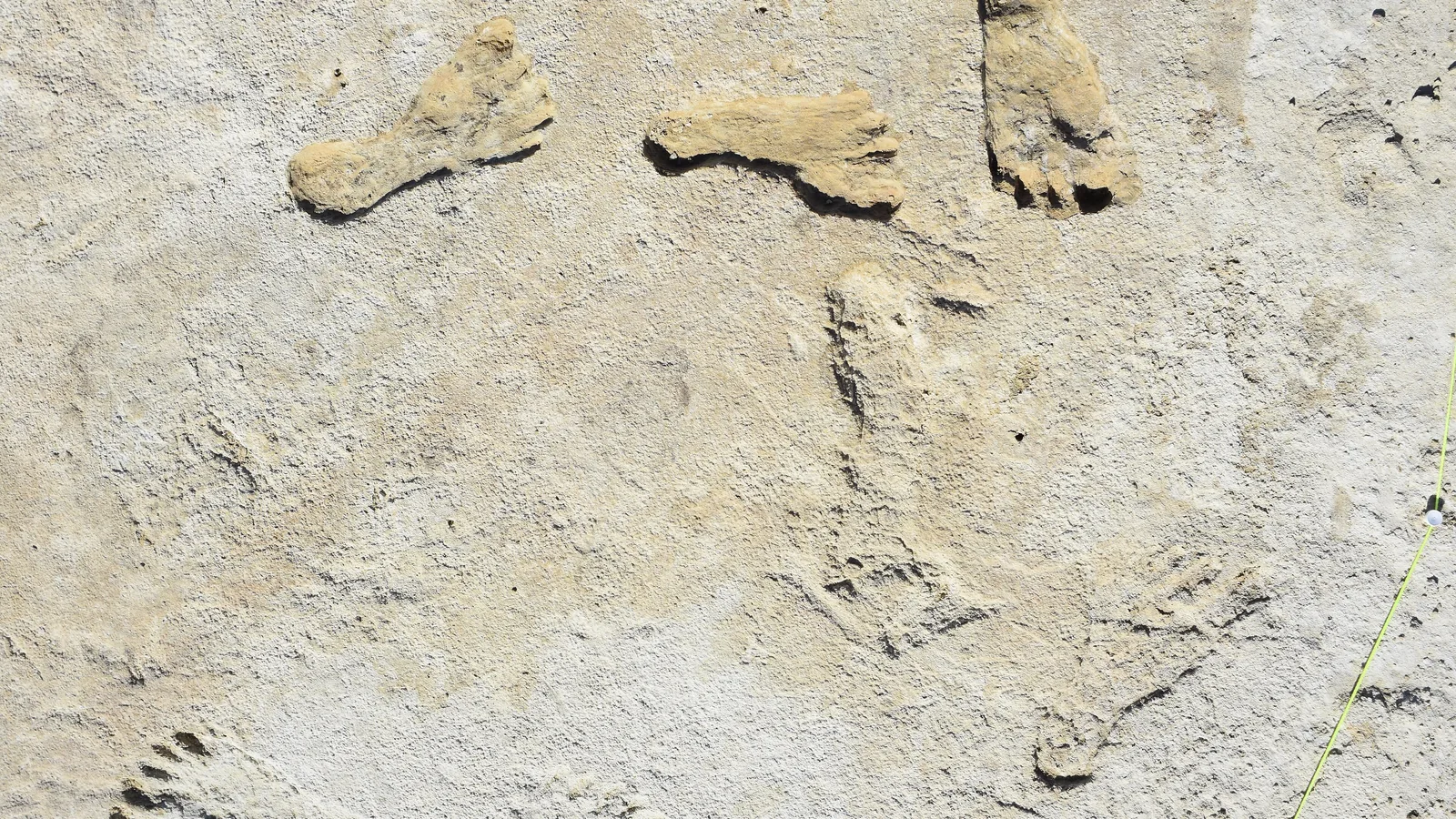
Record · Prehistory · The AmericasSeeds of a water plant dated human footprints at White Sands, New Mexico, to 23,000 to 21,000 years; pollen, quartz and lake mud were tested against them.
2026-09-22 · 21,000 BC
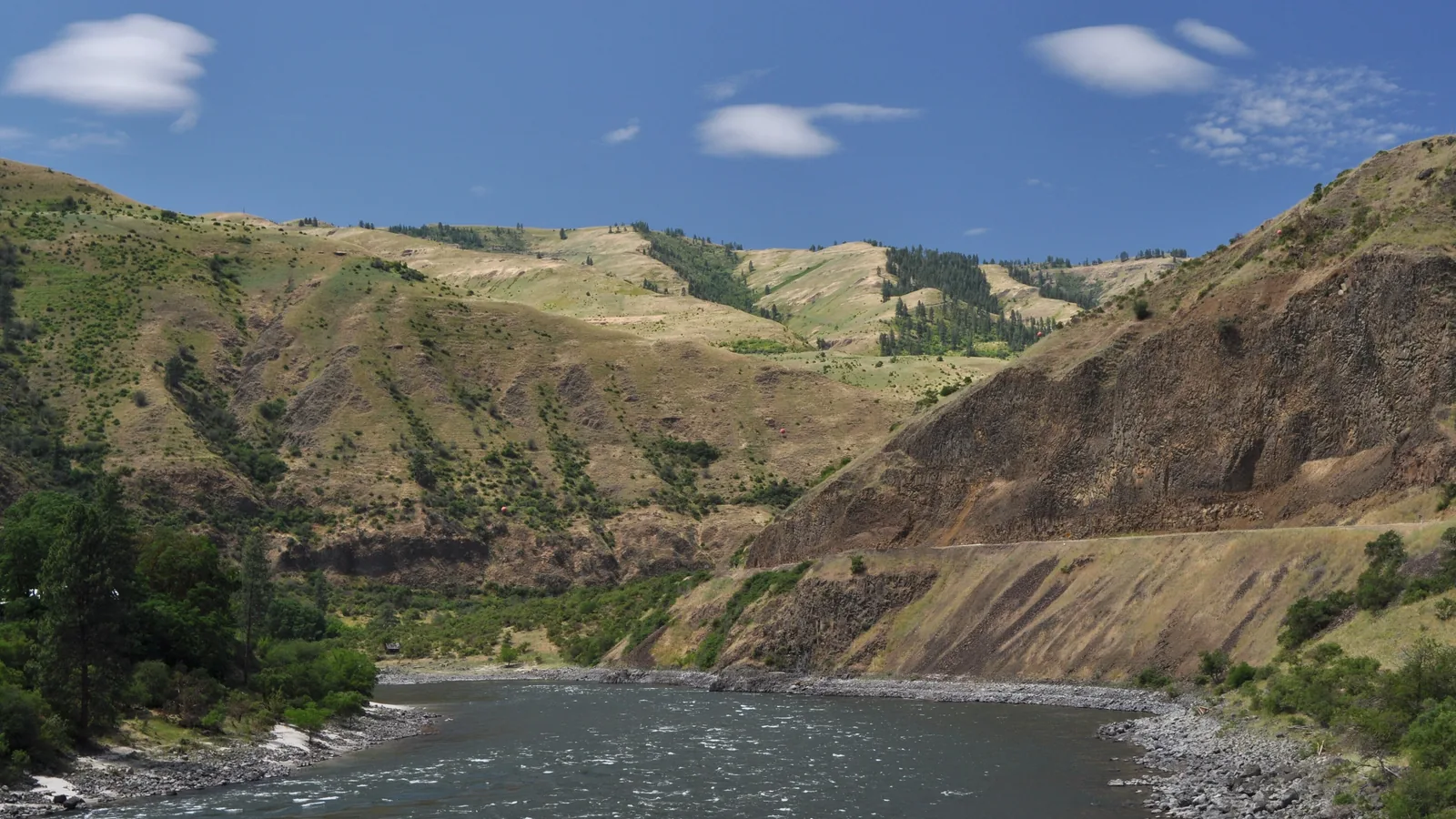
Record · Prehistory · The AmericasA 2019 Science paper put people at Cooper's Ferry, Idaho, from 16,560 to 15,280 years ago. A 2020 comment, a 2022 reanalysis and two replies followed.
2026-09-28 · 14,000 BC
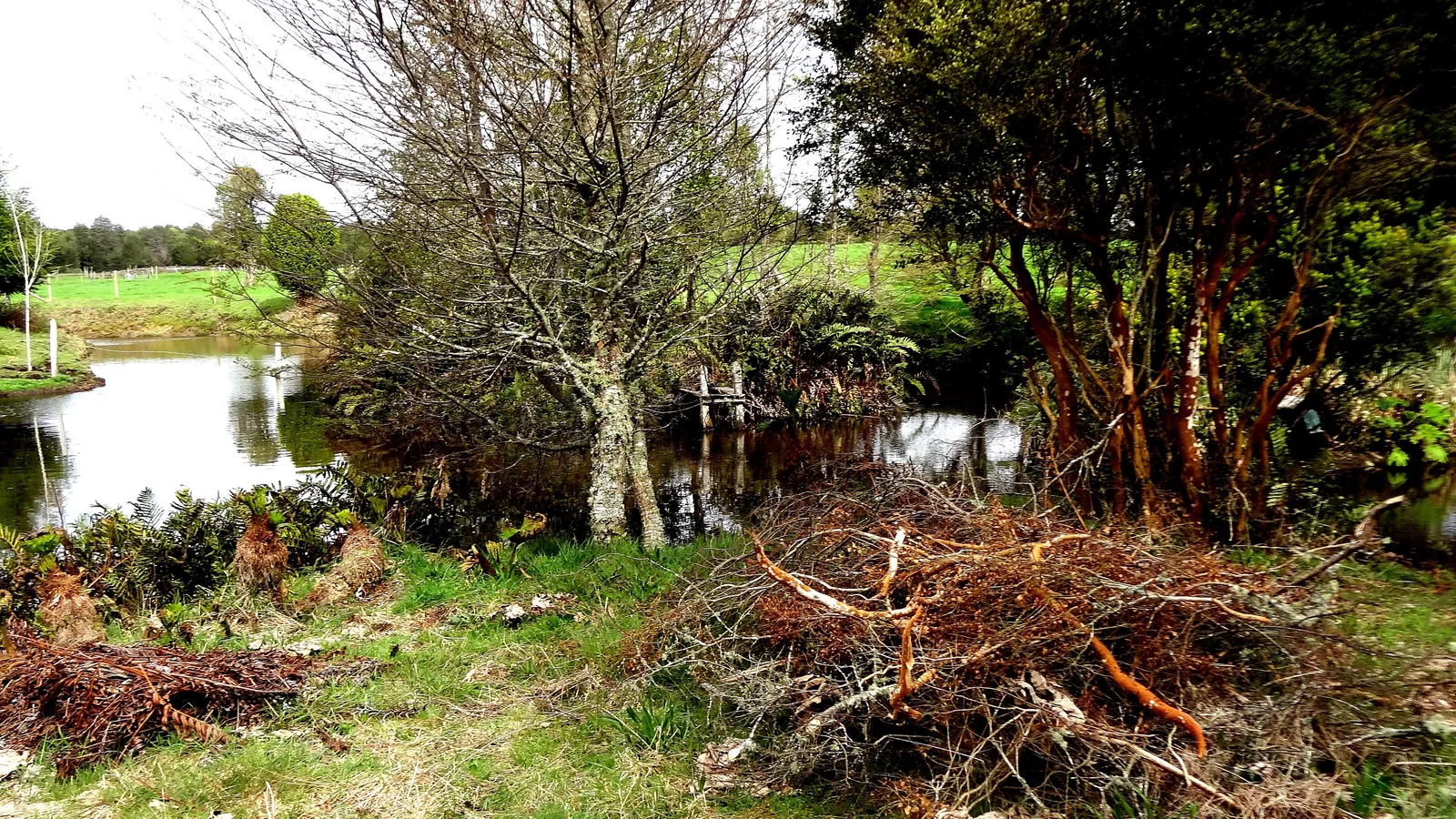
Record · Prehistory · The AmericasA camp under a Chilean bog, dated to about 14,500 years ago, put people in South America before the Clovis hunters. Later claims reach 23,000 years.
2026-09-21 · 12,500 BC
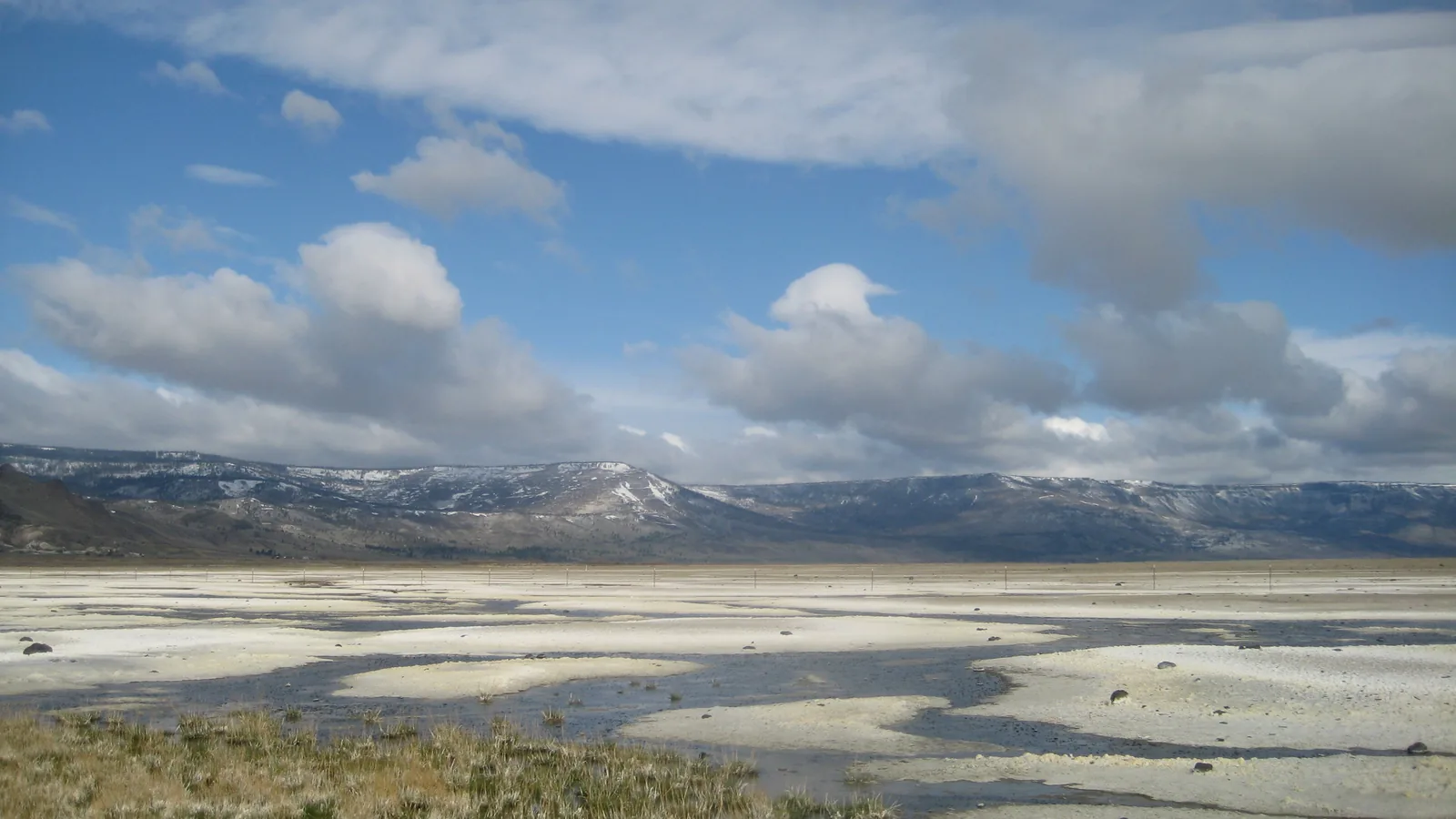
Record · Prehistory · The AmericasDried feces from an Oregon cave carried DNA a 2008 study dated to 12,300 radiocarbon years. Rebuttals, a 2012 recheck and a 2020 lipid study followed.
2026-09-28 · 12,300 BC
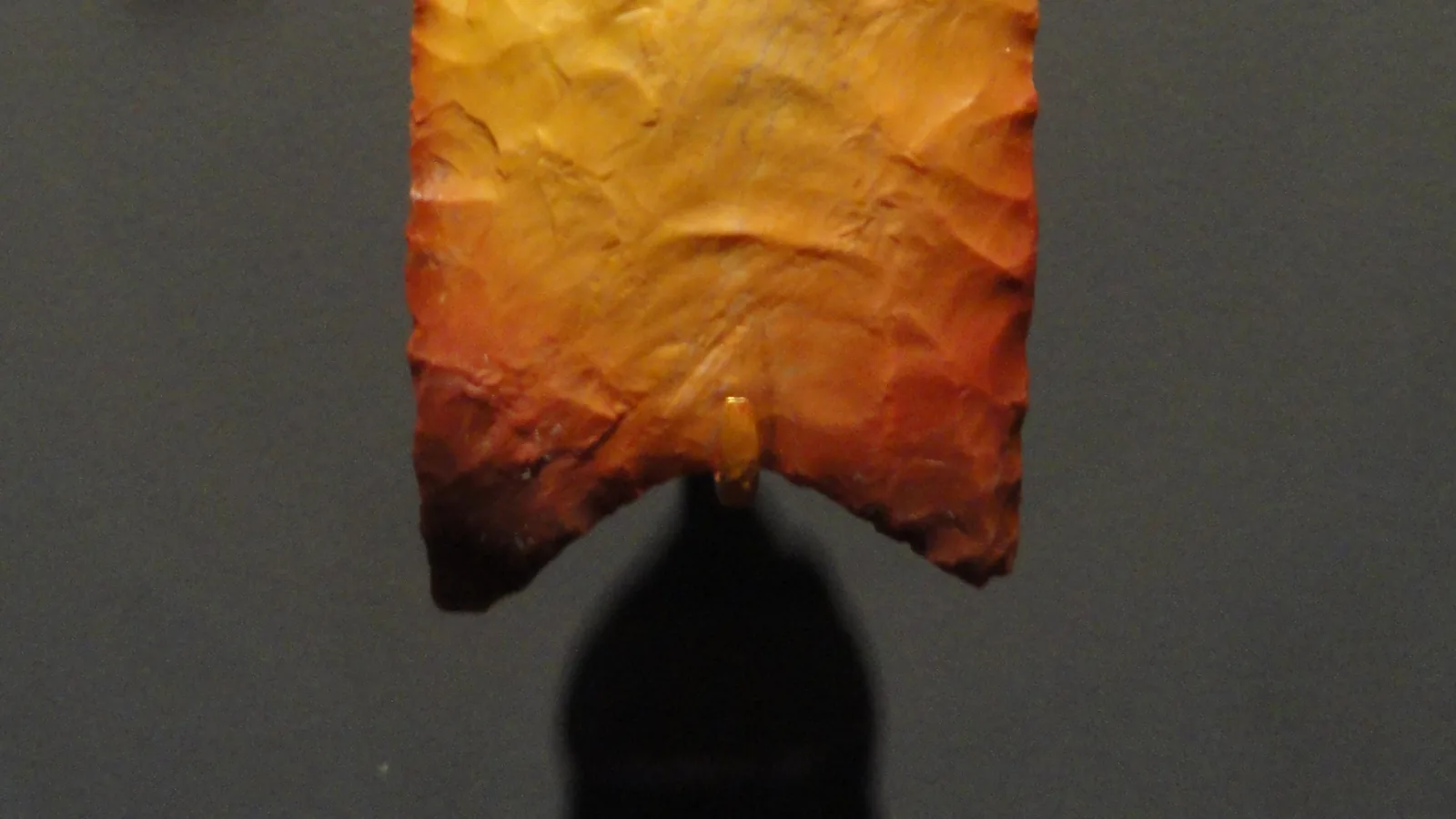
Record · Prehistory · The AmericasA 13,000-year-old mammoth kill, bison kill and camp in southeastern Arizona, sealed under black clay, and the fluted points that define Clovis.
2026-09-22 · 11,000 BC
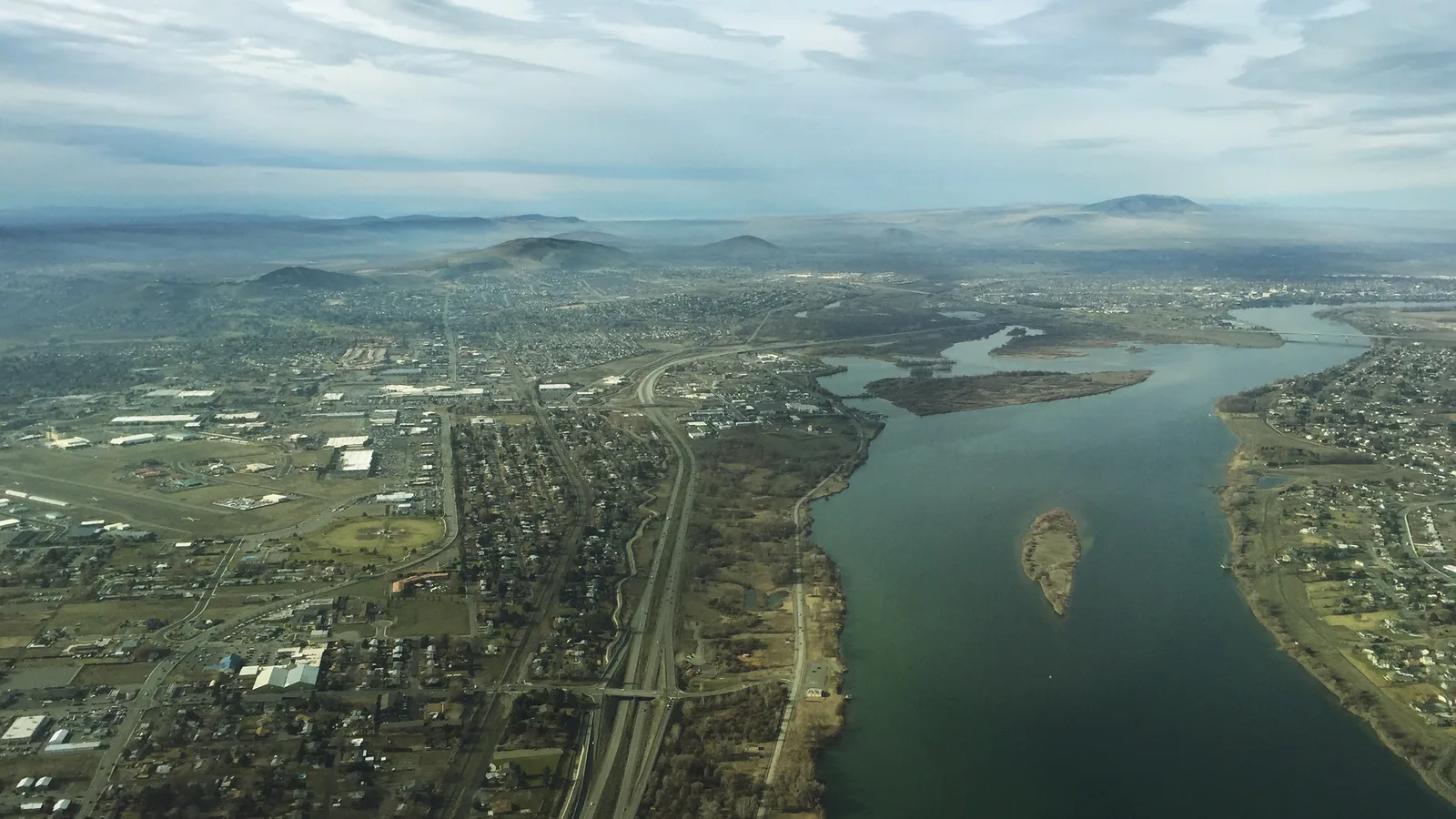
Record · Prehistory · The AmericasA skull found in the Columbia River in 1996 led to a lawsuit, a 2015 genome study and a 2016 law that sent Kennewick Man to five tribes in 2017.
2026-09-24 · 6500 BC
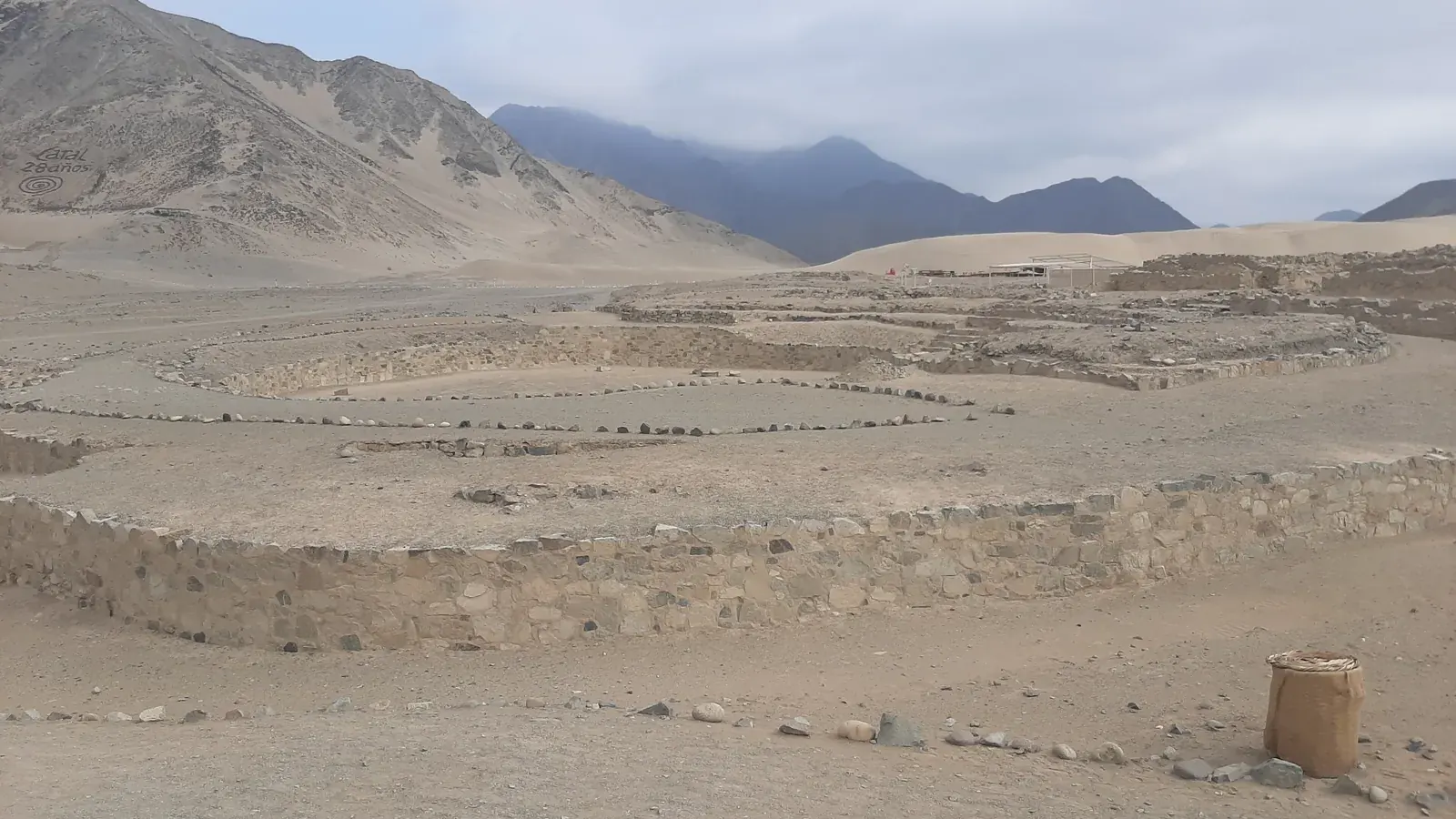
Record · Ancient world · The AmericasCaral, in Peru's Supe valley, raised pyramids by 2627 BC with no pottery or maize; its farmers grew cotton for fishing nets and traded it for fish.
2026-09-20 · 2600 BC
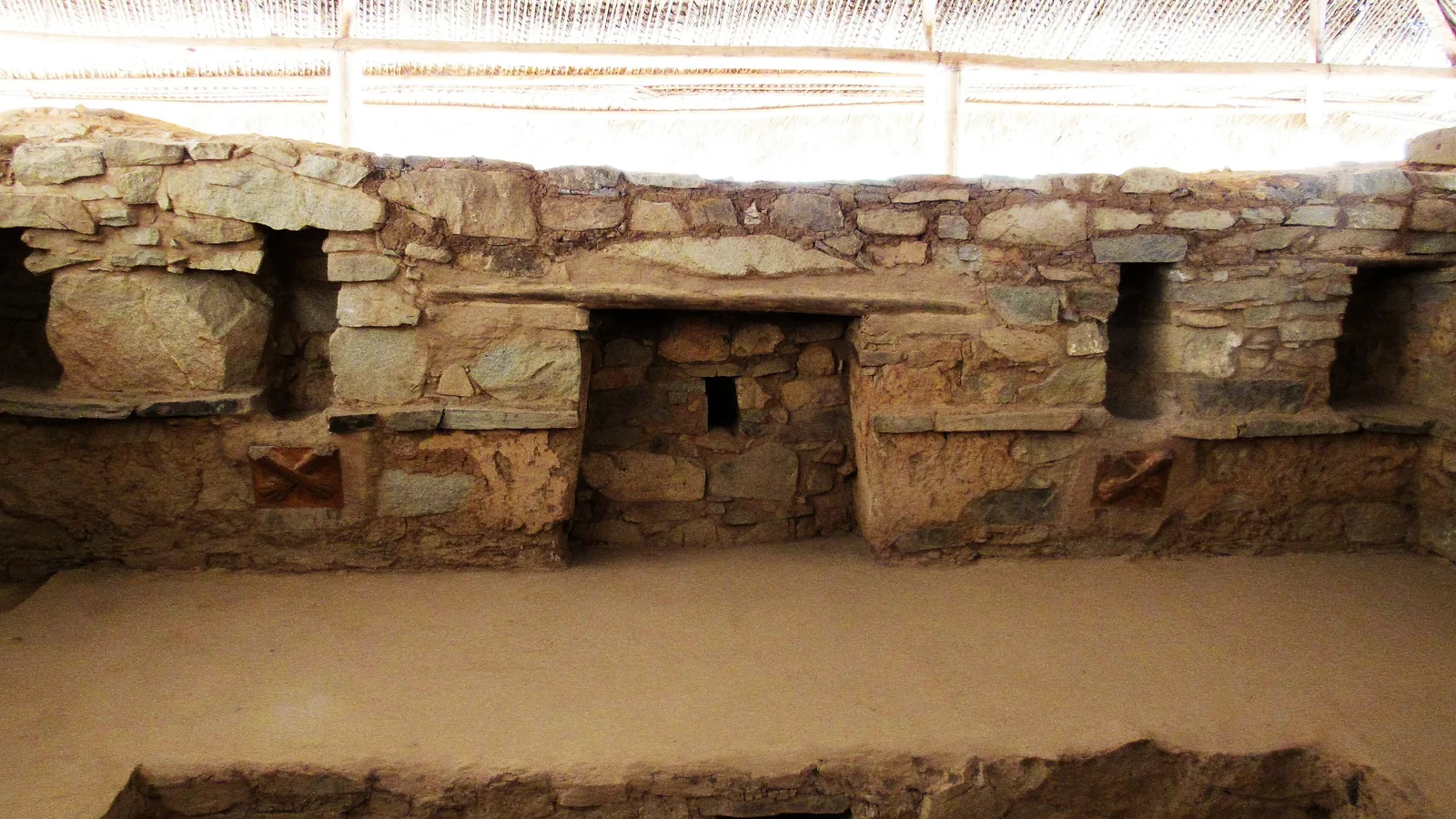
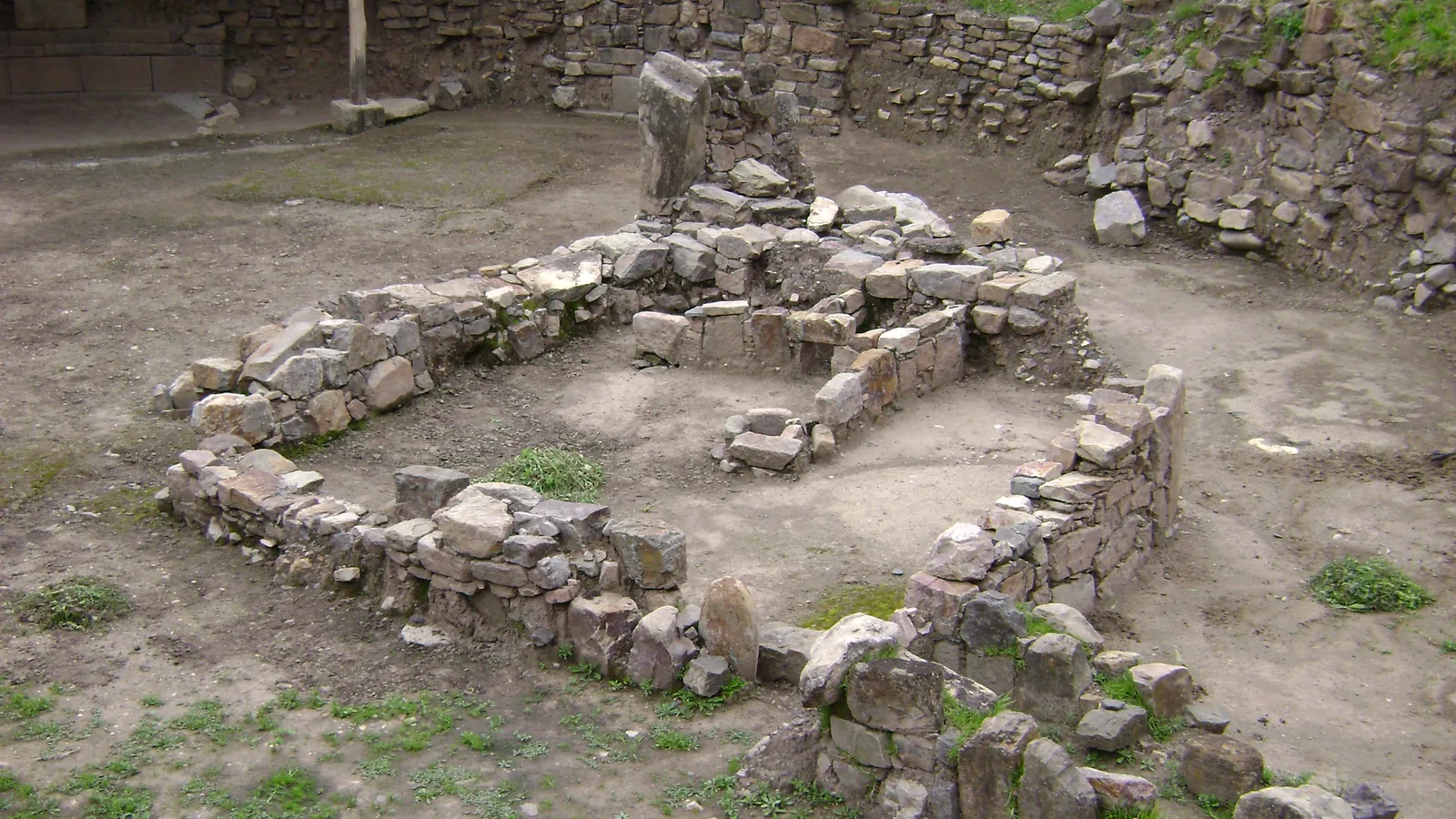
Record · Ancient world · The AmericasSeiichi Izumi's University of Tokyo team dug up two crossed-hands clay reliefs at Kotosh, Peru, in 1960 and 1963; sources disagree on their age.
2026-09-27 · 2000 BC
Record · Ancient world · The AmericasHunter-gatherers moved nearly 2 million cubic yards of earth at Poverty Point, Louisiana, 1700–1100 BC; Mound A took up to 15.5 million basket loads.
2026-09-22 · 1500 BC
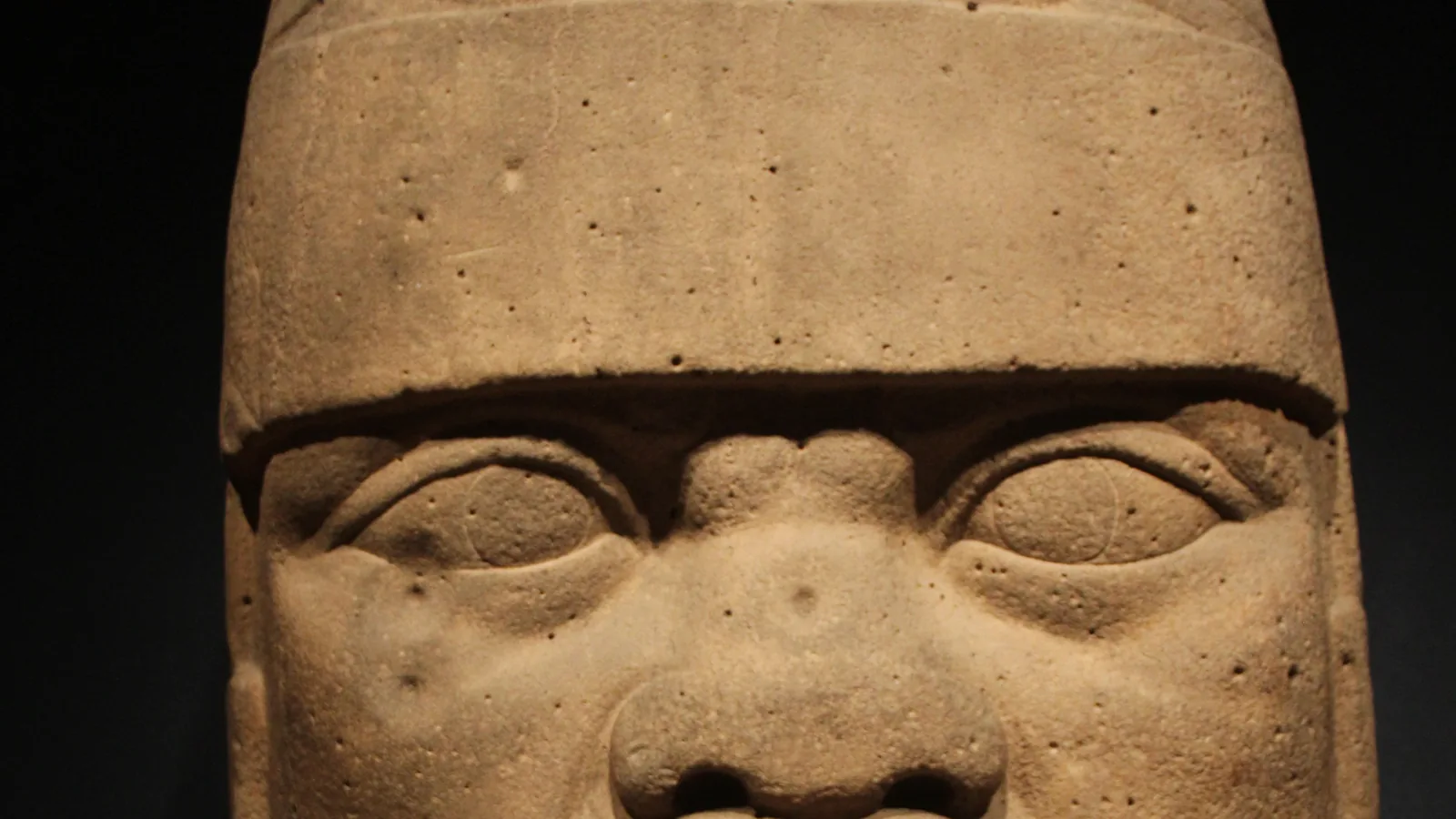
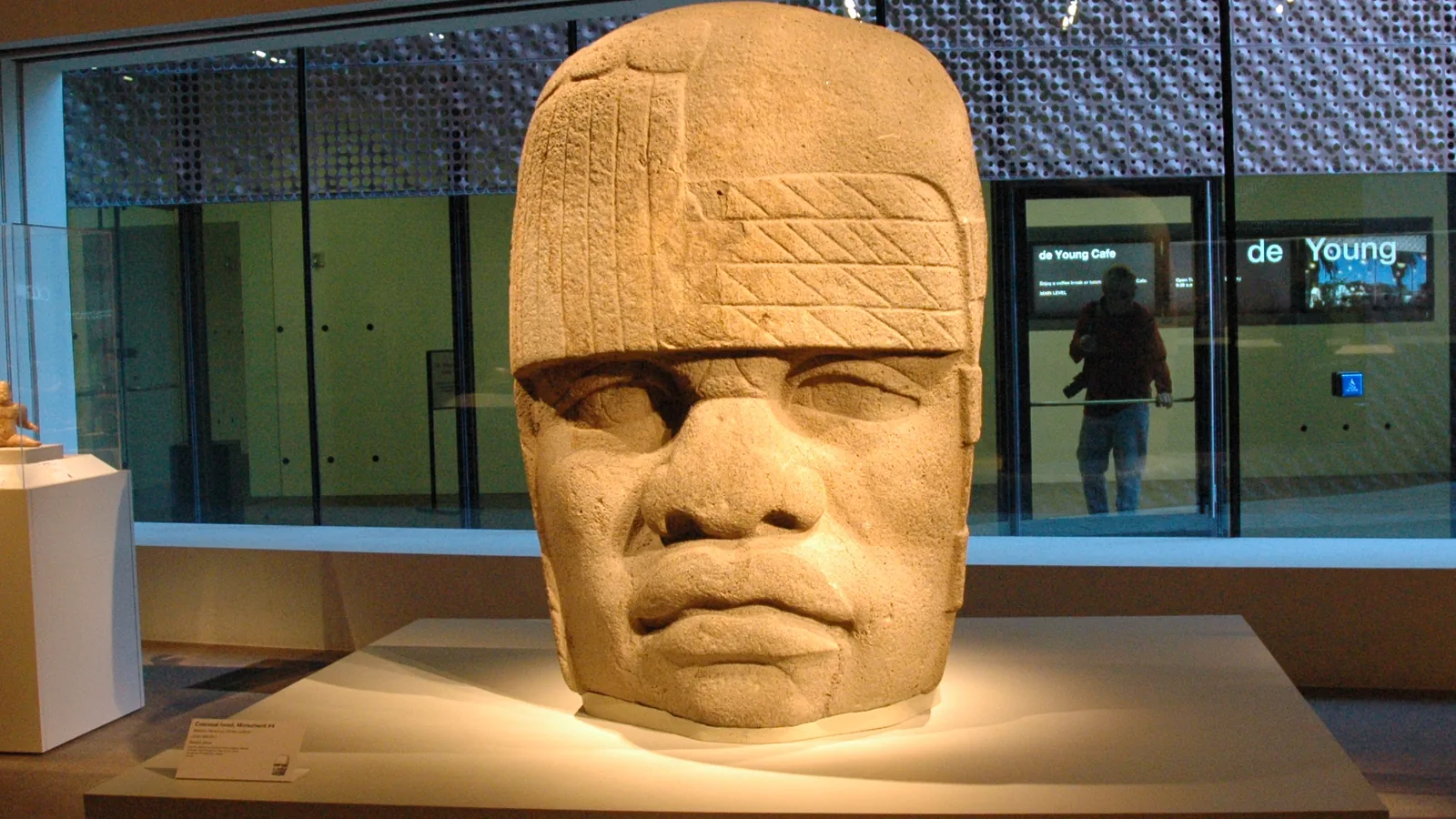
Record · Ancient world · The AmericasSeventeen Olmec colossal heads are known, from San Lorenzo, La Venta and Tres Zapotes; the first was found in 1862, the last at San Lorenzo in May 1994.
2026-09-22 · 1000 BC
Record · Ancient world · The AmericasA serpentine block with 62 signs from a Veracruz gravel quarry was reported in Science on September 15, 2006 as the oldest writing in the Americas.
2026-09-28 · 900 BC
Record · Ancient world · The AmericasTwenty shell trumpets came from Chavín's Caracolas Gallery in 2001. In 2025 PNAS reported vilca and tobacco alkaloids on six artifacts from Gallery 3.
2026-09-22 · 800 BC
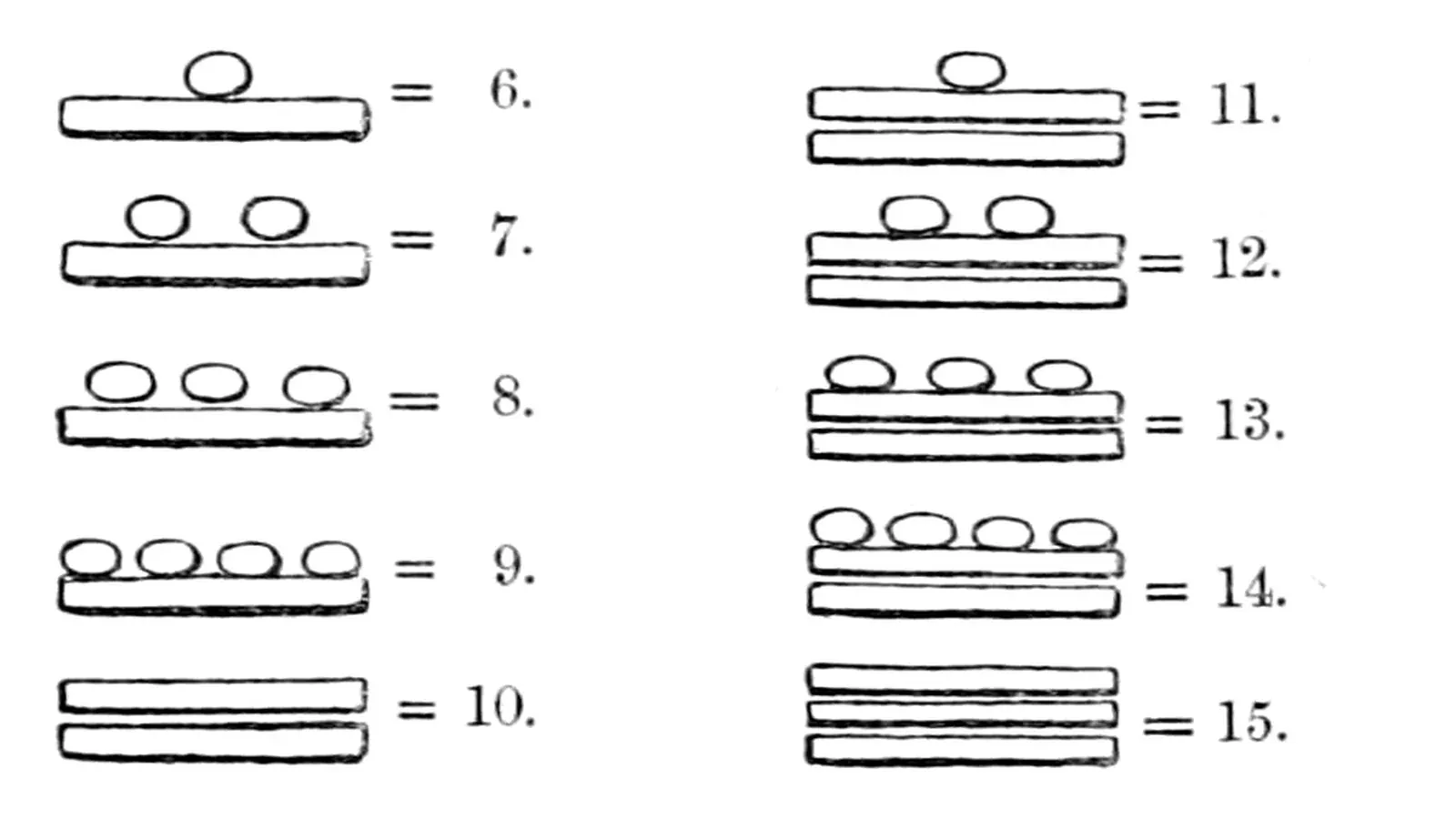
Record · Classical world · The AmericasThe Maya wrote zero as a shell glyph in base-20 numbers by 665. The Long Count dates to 40–20 BC; India's first agreed dated zero is 876.
2026-07-14 · 36 BC
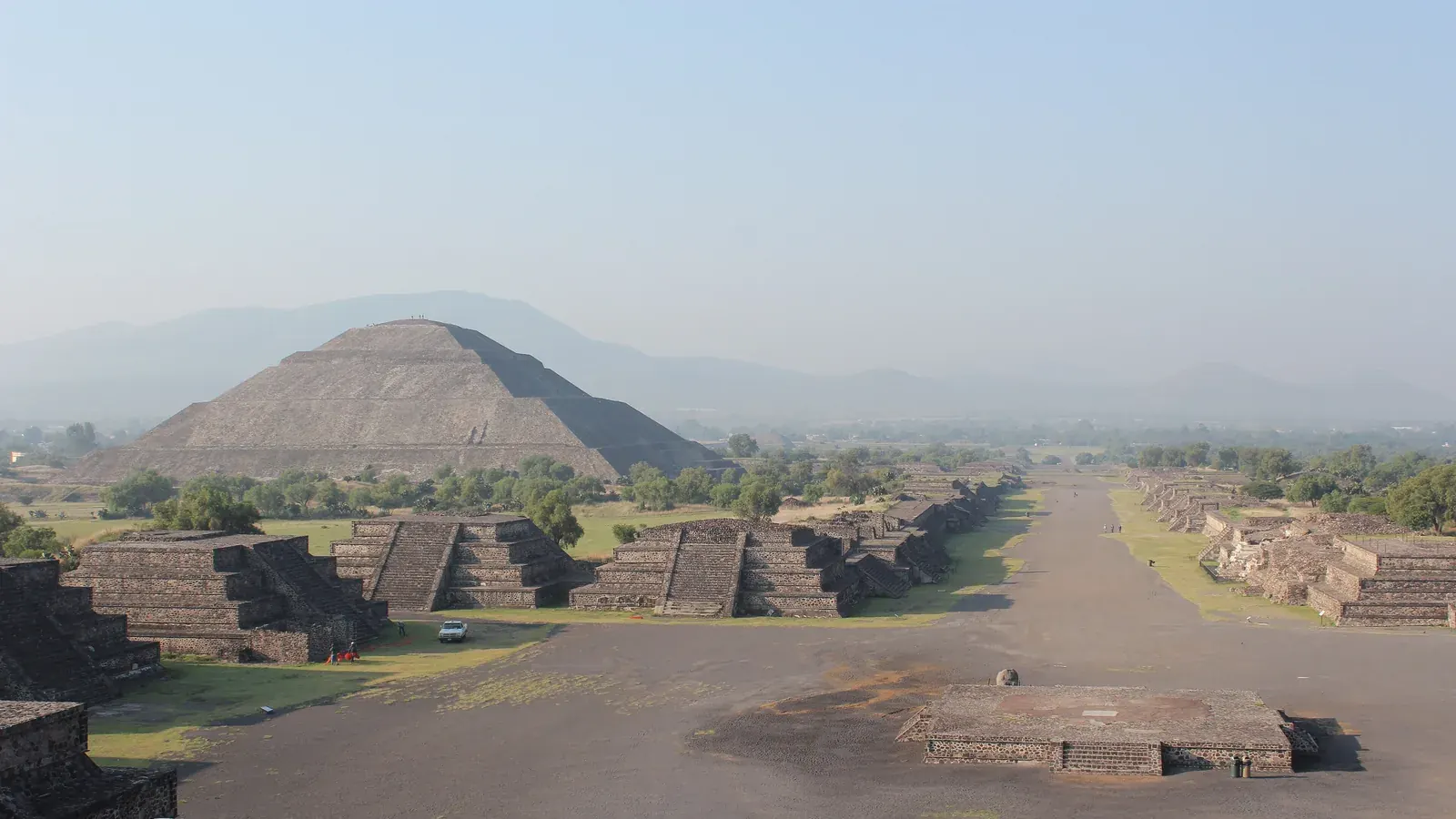
Record · Classical world · The AmericasTeotihuacan covered eight square miles and held 100,000 people or more by AD 400, yet no portrait or tomb of a king has been found. Its rulers are unknown.
2026-09-19 · AD 200
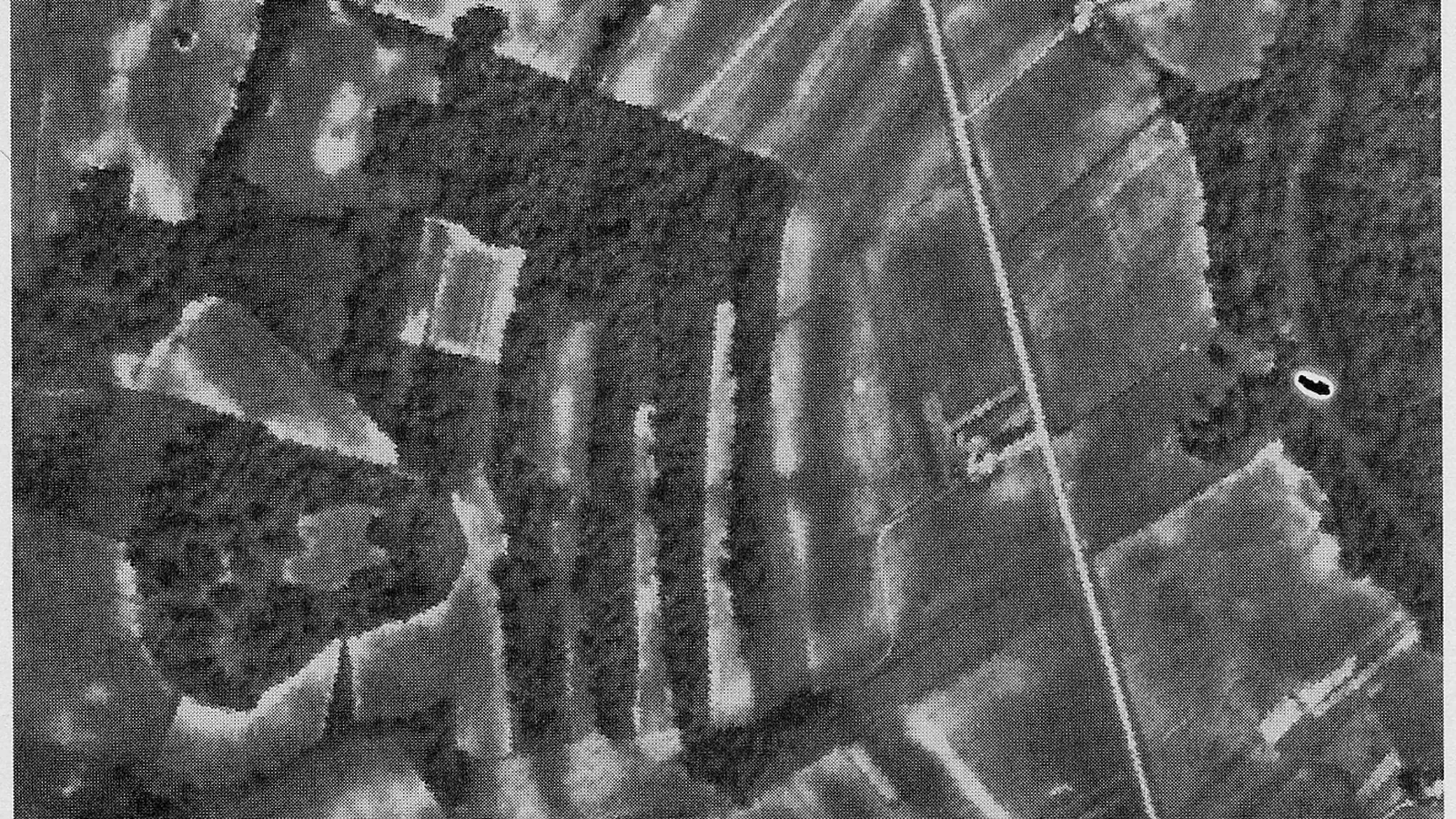
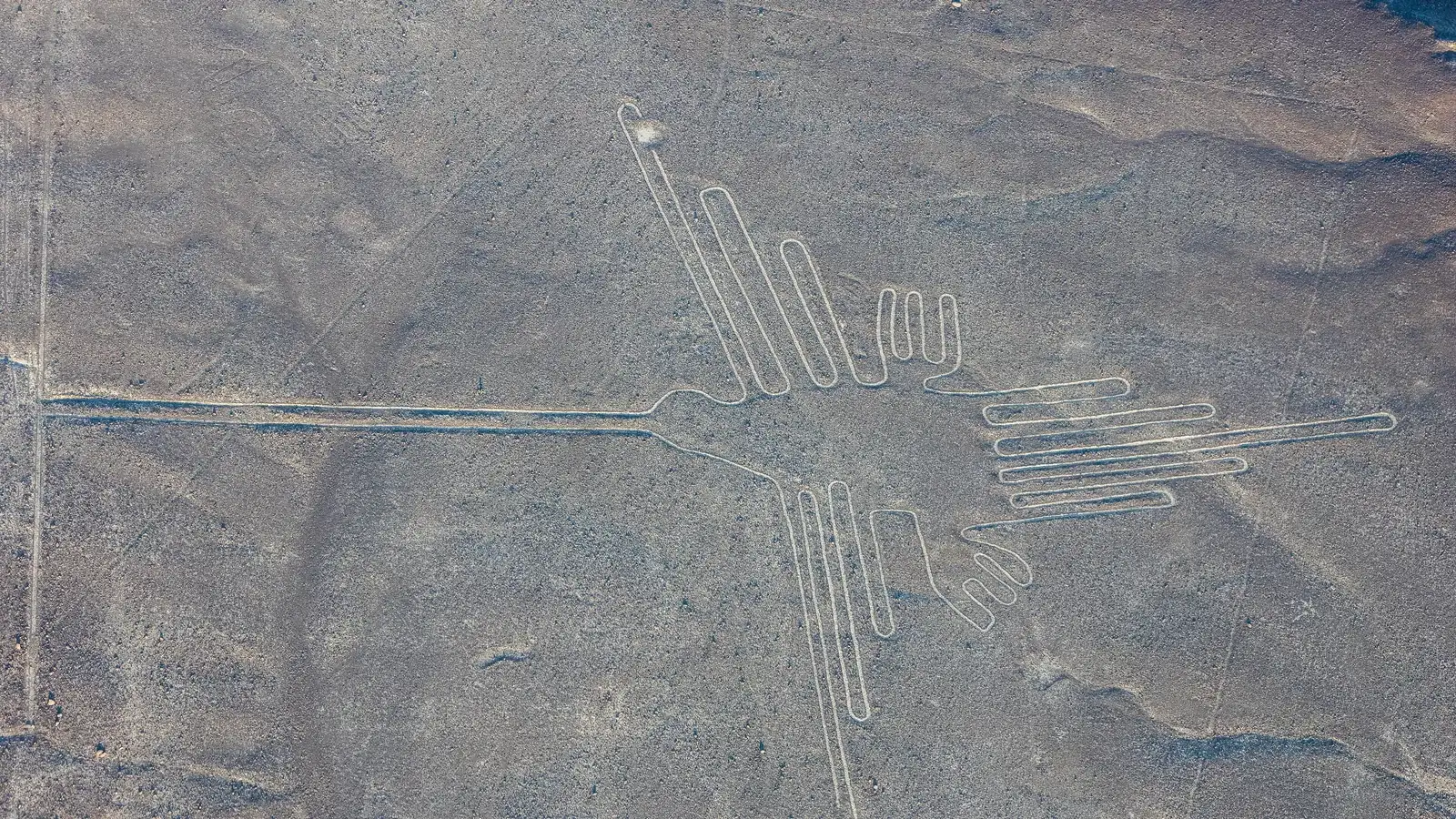
Record · Classical world · The AmericasThey cleared dark stones off the desert to expose pale ground, scaling up small designs; near-zero rain kept the lines intact for about 2,000 years.
2026-09-19 · AD 200
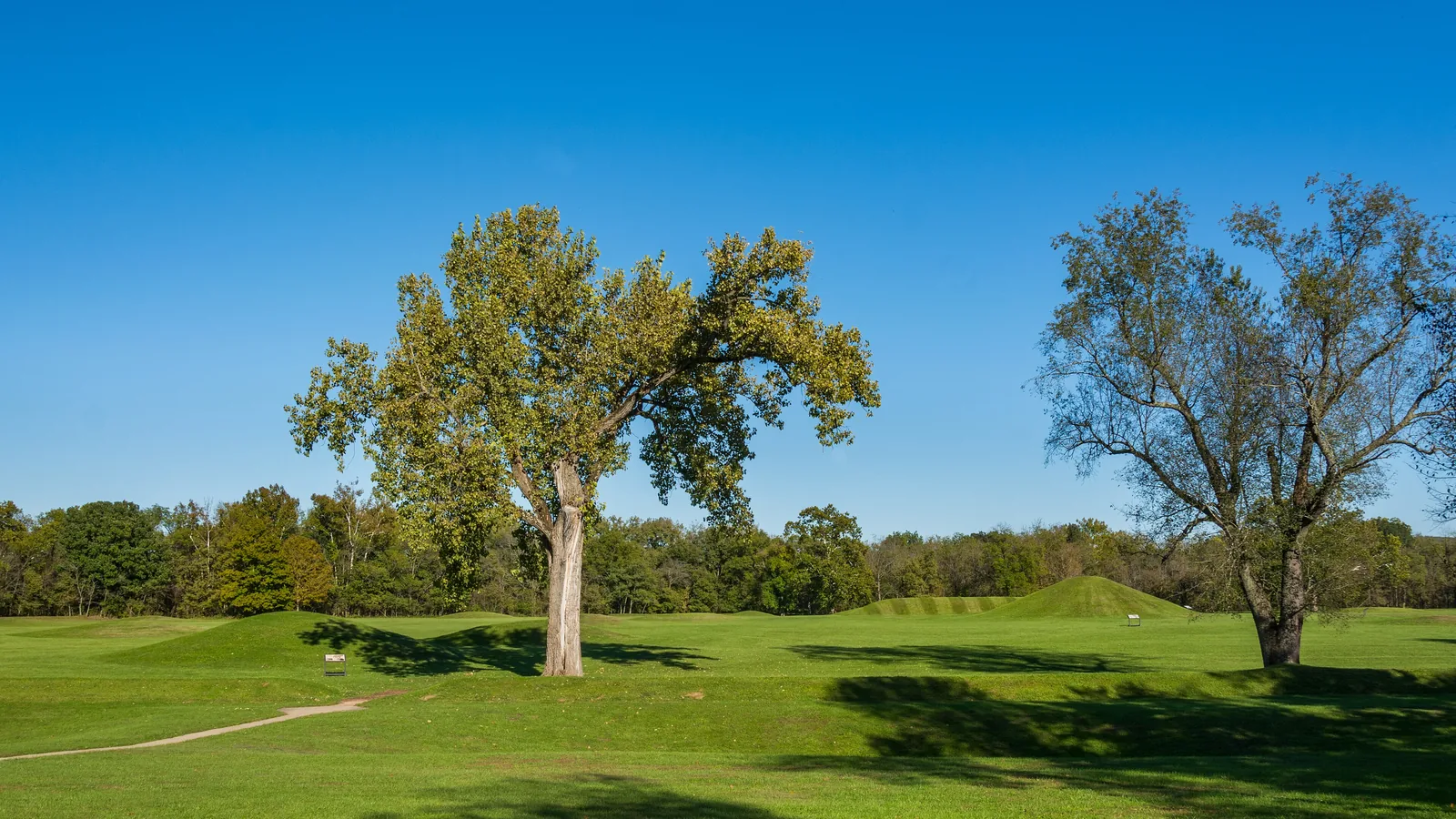
Record · Classical world · The AmericasSquier and Davis counted 24 mounds at Mound City in 1848. Camp Sherman covered them in 1917; Newark's Octagon left its golf lease on January 1, 2025.
2026-09-22 · AD 200
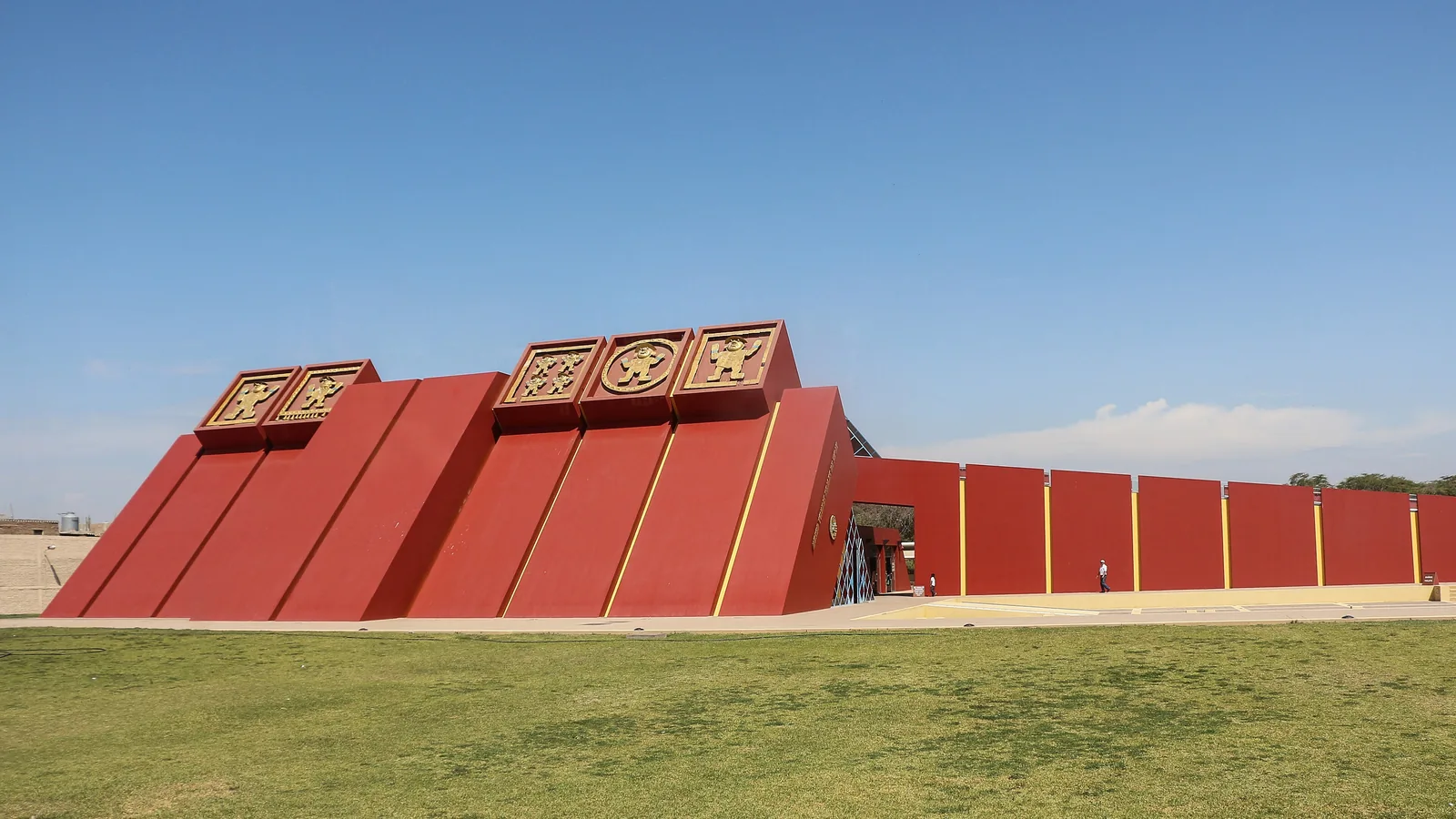
Record · Classical world · The AmericasPolice recovered looted gold at Sipán in February 1987. Walter Alva's team then recorded an intact Moche royal tomb at Huaca Rajada on July 20, 1987.
2026-09-30 · AD 250
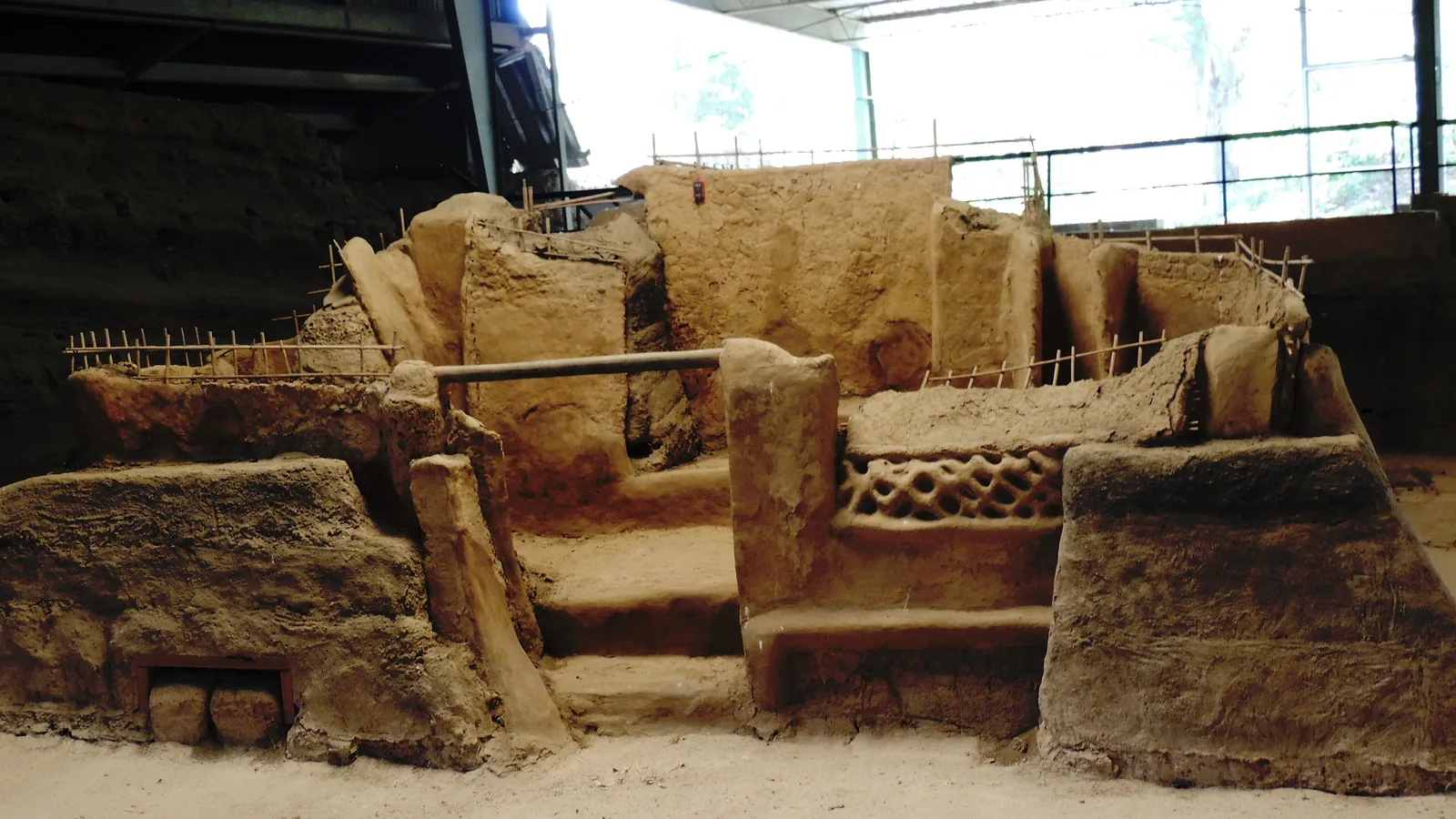
Record · Classical world · The AmericasA 1976 bulldozer cut into Joya de Cerén, a Maya village buried by Loma Caldera ash about AD 630-650. Digs found stocked houses, fields and no bodies.
2026-09-28 · AD 630
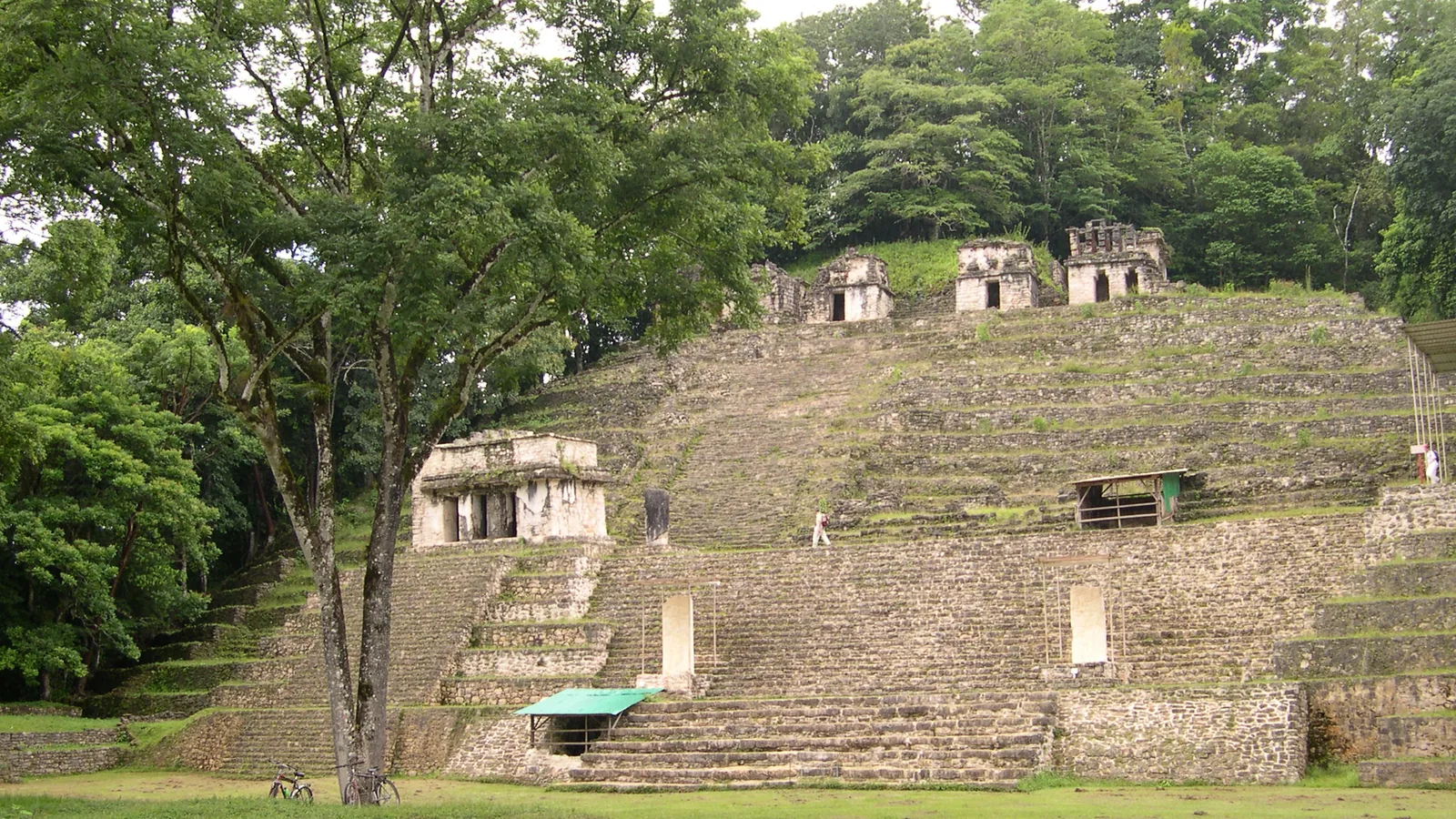
Record · Classical world · The AmericasINAH says Bonampak's Structure 1 has three rooms from c. 790-792 showing an heir, a battle with captives, and a ceremony, unseen by outsiders until 1946.
2026-09-27 · AD 790
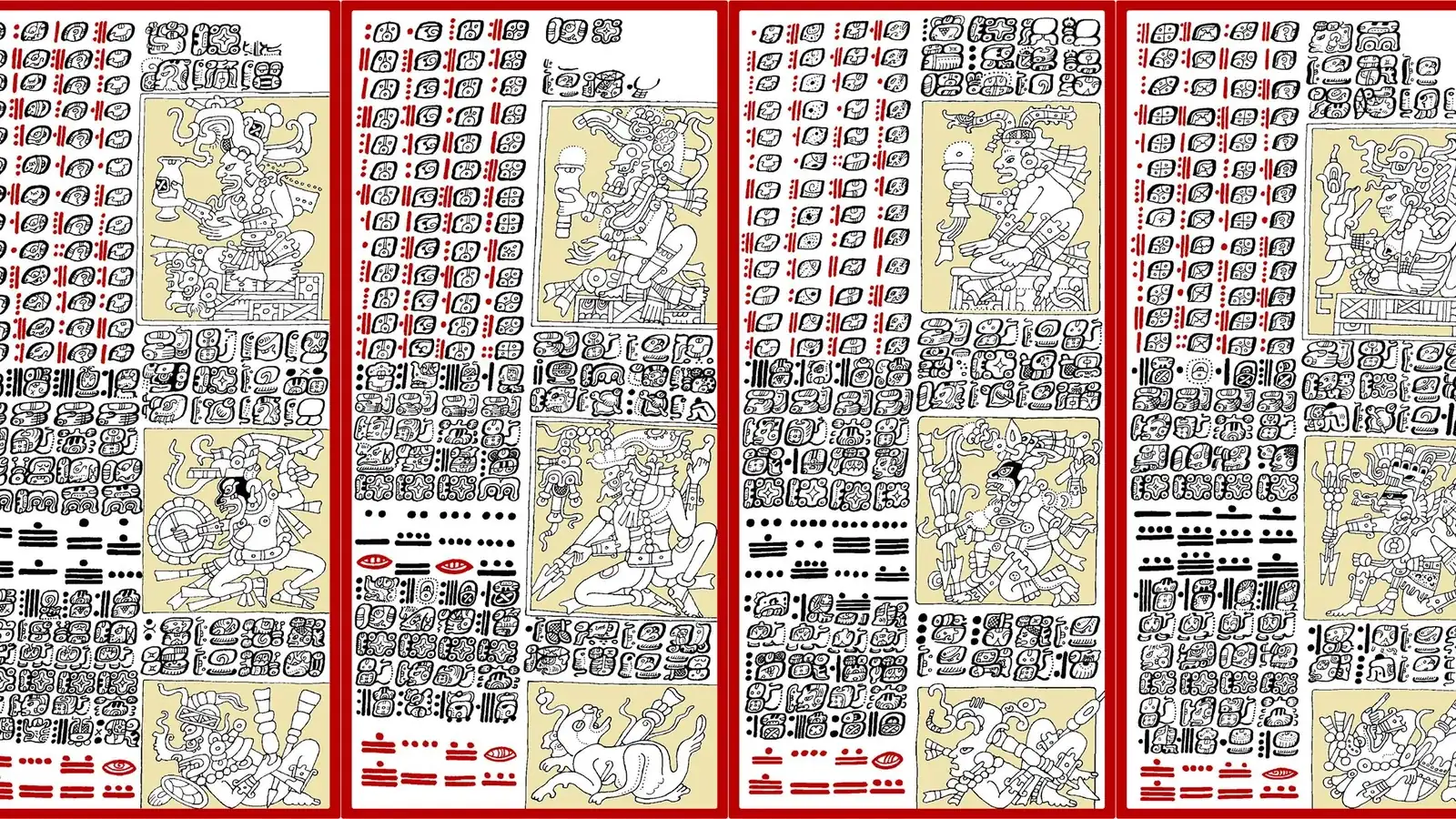
Record · Medieval world · The AmericasMaya astronomers put Venus's cycle at 584 days, near NASA's 583.92, and the year at 365.242 days, using sighting sticks. A Venus table survives in Dresden.
2026-08-07 · AD 900
Record · Medieval world · The AmericasSouthern Maya cities stopped dating monuments by AD 998. Lake cores, a stalagmite, Aguateca's walls and lidar each explain part of why they emptied.
2026-11-02 · AD 900
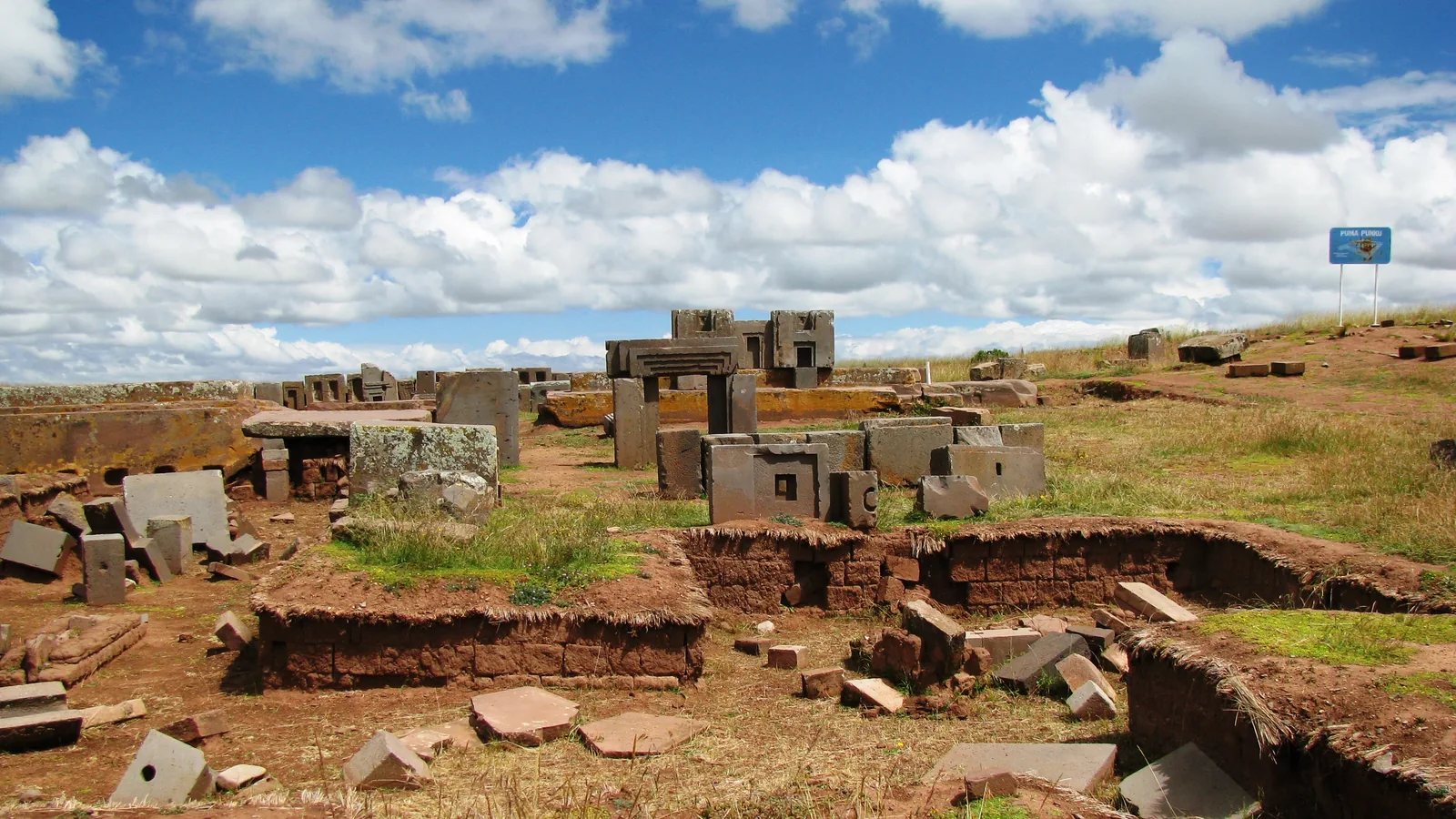
Record · Medieval world · The AmericasA 2023 PLOS ONE model of 102 radiocarbon dates puts Tiwanaku's monument building at AD 590 to 720 and its collapse at 1010 to 1050, before a drought.
2026-09-29 · 1010
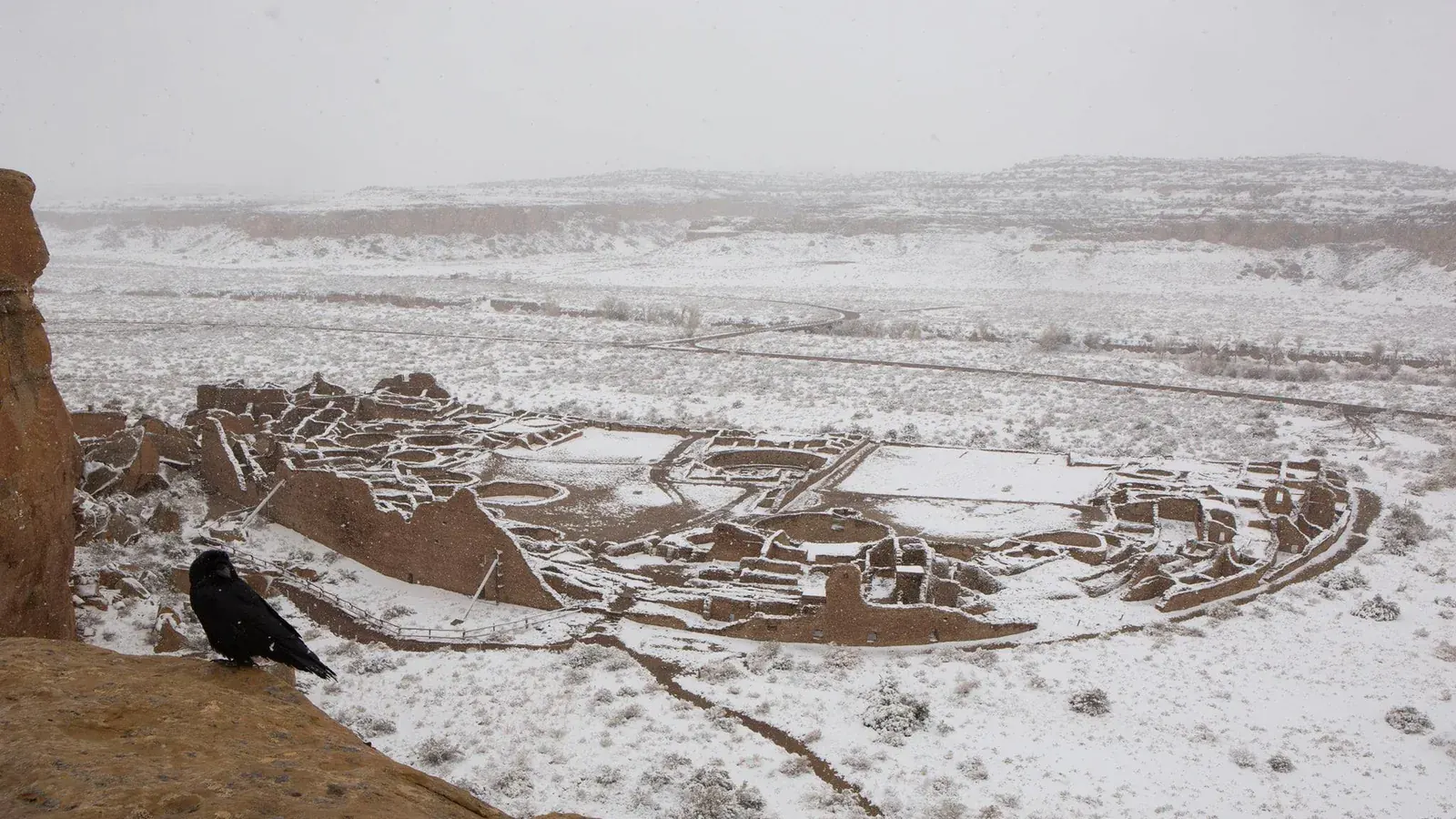
Record · Medieval world · The AmericasAncestral Pueblo people carried about 240,000 beams 75 km into Chaco Canyon from 850 to 1130, then moved on in a drought; 19 Pueblos and the Hopi claim it.
2026-09-20 · 1050
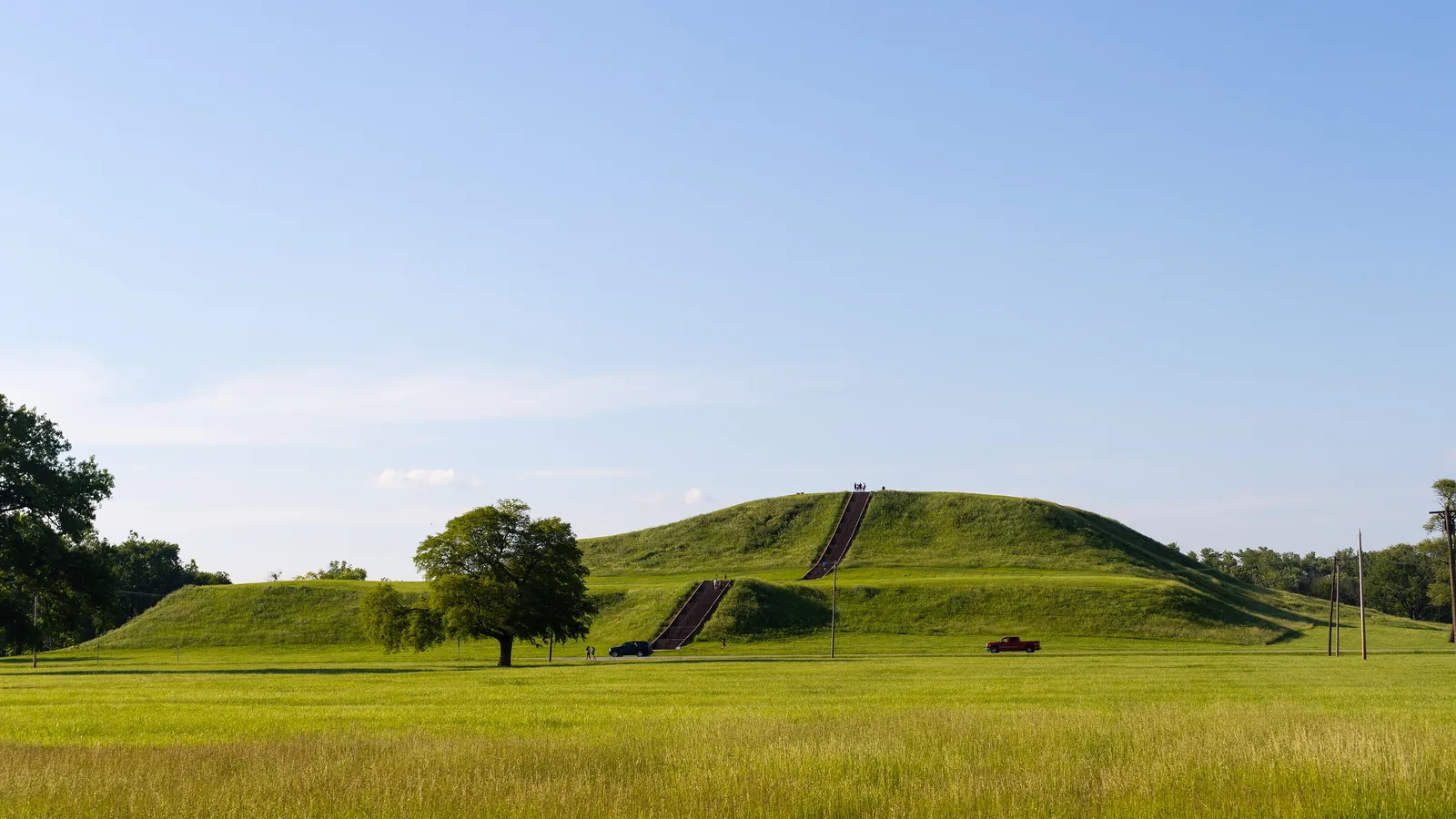
Record · Medieval world · The AmericasMonks Mound, 291 by 236 meters at one contour, anchored Cahokia in Illinois, a city of about 120 mounds and nearly 20,000 people about 1100, empty by 1350.
2026-09-22 · 1100