Record · Classical world · The Americas
The Maya shell zero, and the Long Count it served
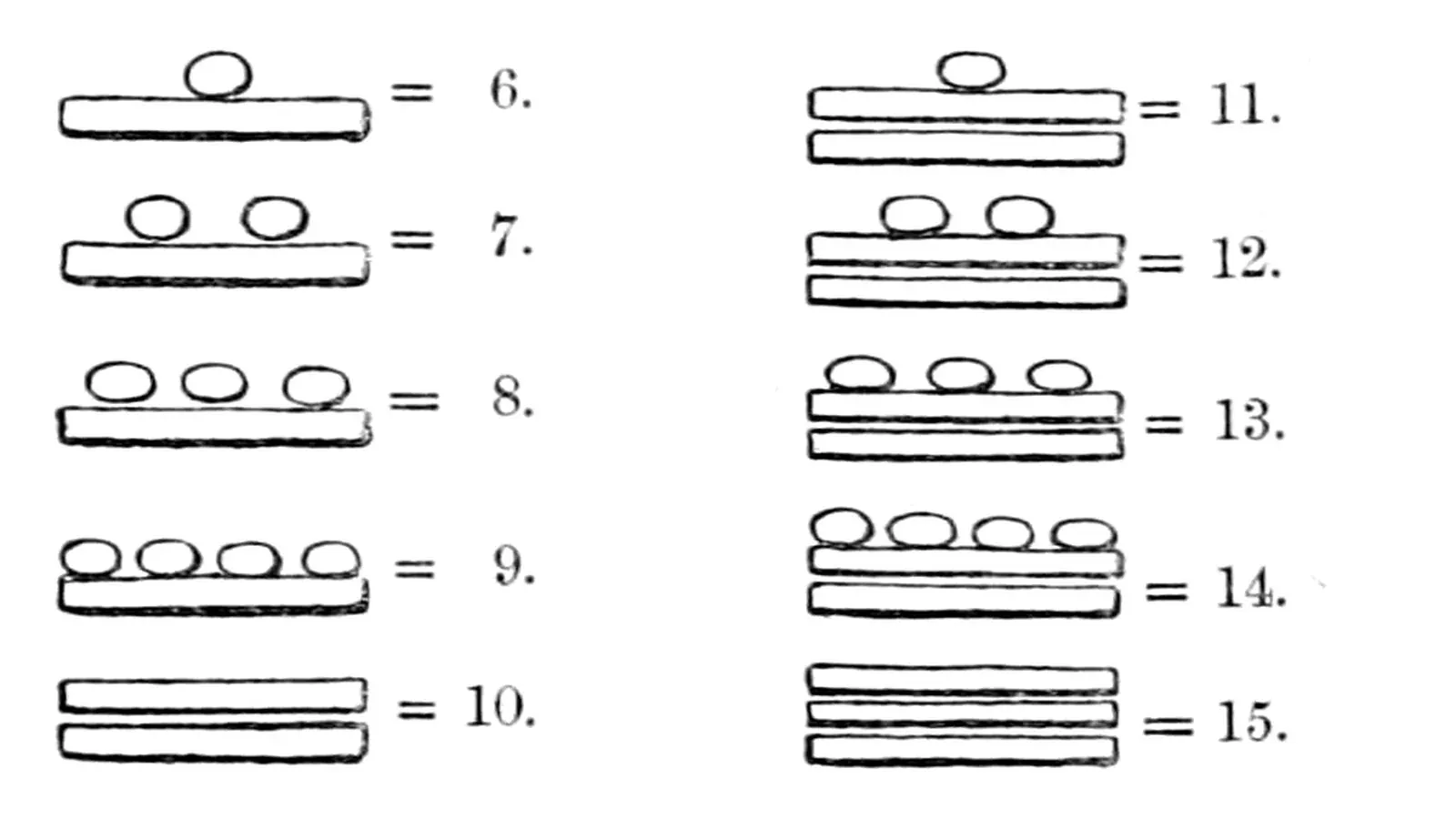
The Maya wrote zero as a shell glyph in base-20 numbers by 665. The Long Count dates to 40–20 BC; India's first agreed dated zero is 876.
· 36 BCThe Americas in the classical world (800 BC – AD 500). Greece, Rome, Persia, the Qin and Han, the Maya: the age of the great classical states and the written histories that describe them. These articles cover their rise, their wars and the everyday lives their ruins preserve.
The Maya wrote zero as a shell glyph in base-20 numbers by 665. The Long Count dates to 40–20 BC; India's first agreed dated zero is 876.
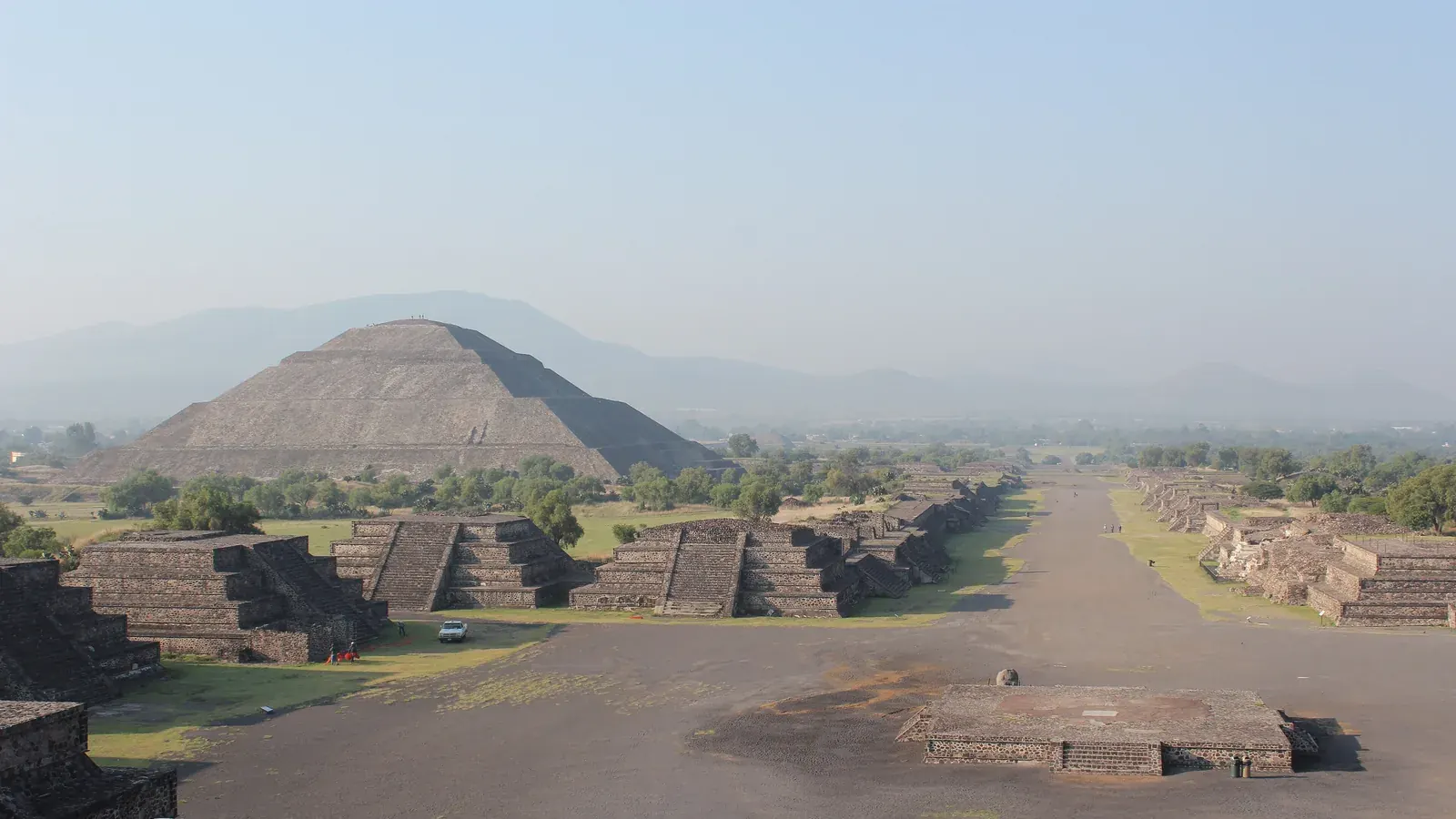
· 36 BCTeotihuacan covered eight square miles and held 100,000 people or more by AD 400, yet no portrait or tomb of a king has been found. Its rulers are unknown.
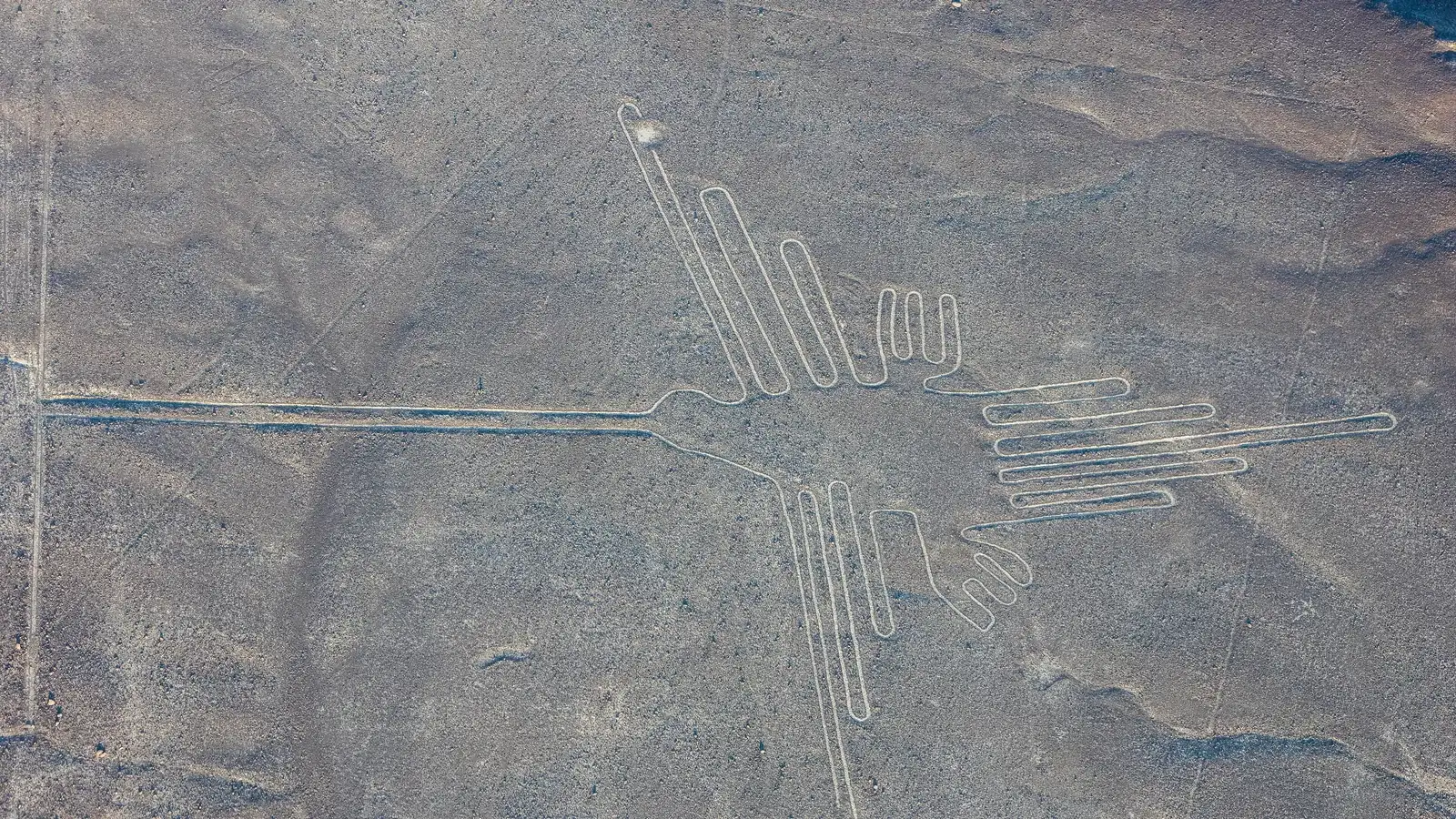
· AD 200They cleared dark stones off the desert to expose pale ground, scaling up small designs; near-zero rain kept the lines intact for about 2,000 years.
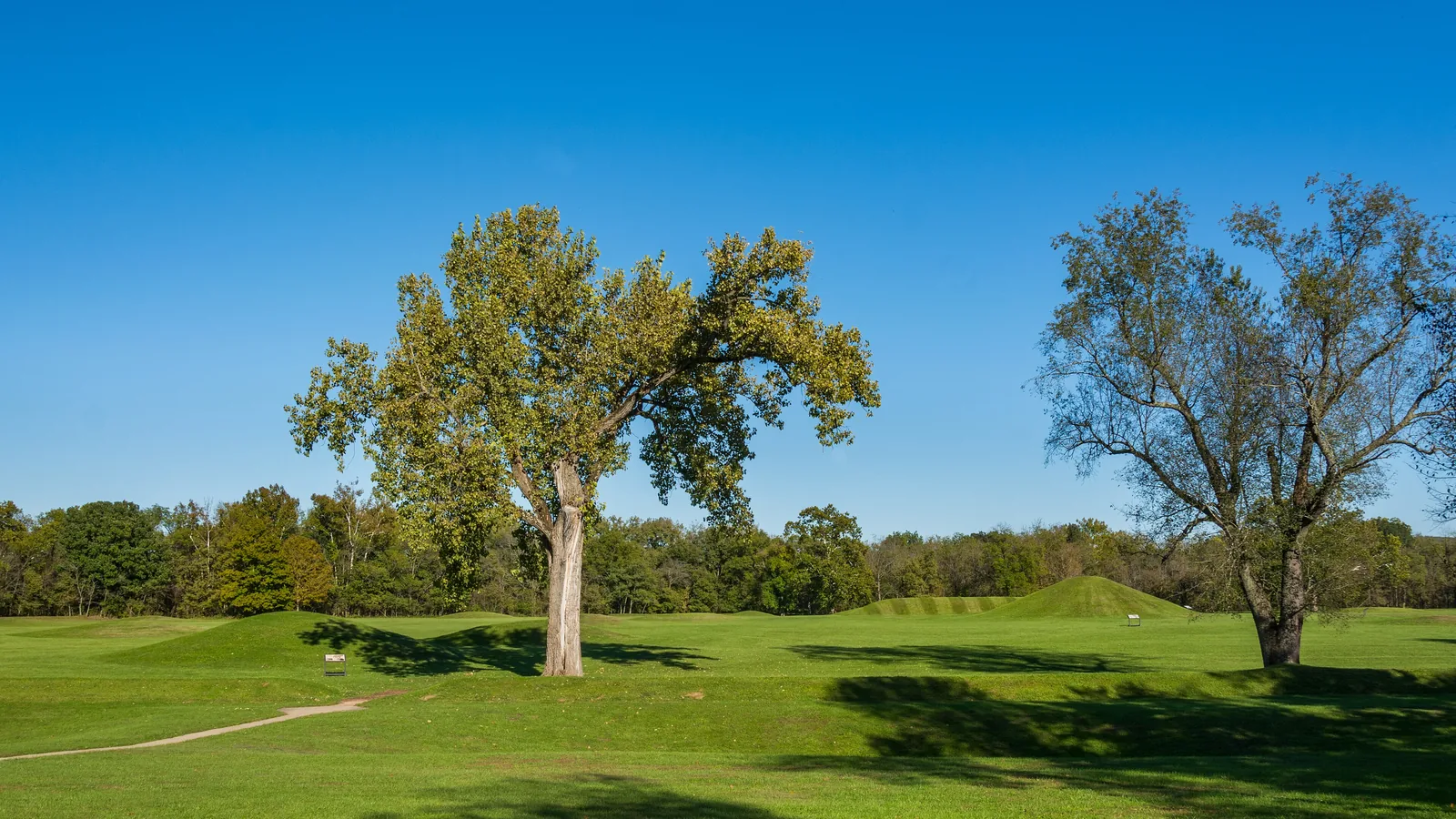
· AD 200Squier and Davis counted 24 mounds at Mound City in 1848. Camp Sherman covered them in 1917; Newark's Octagon left its golf lease on January 1, 2025.
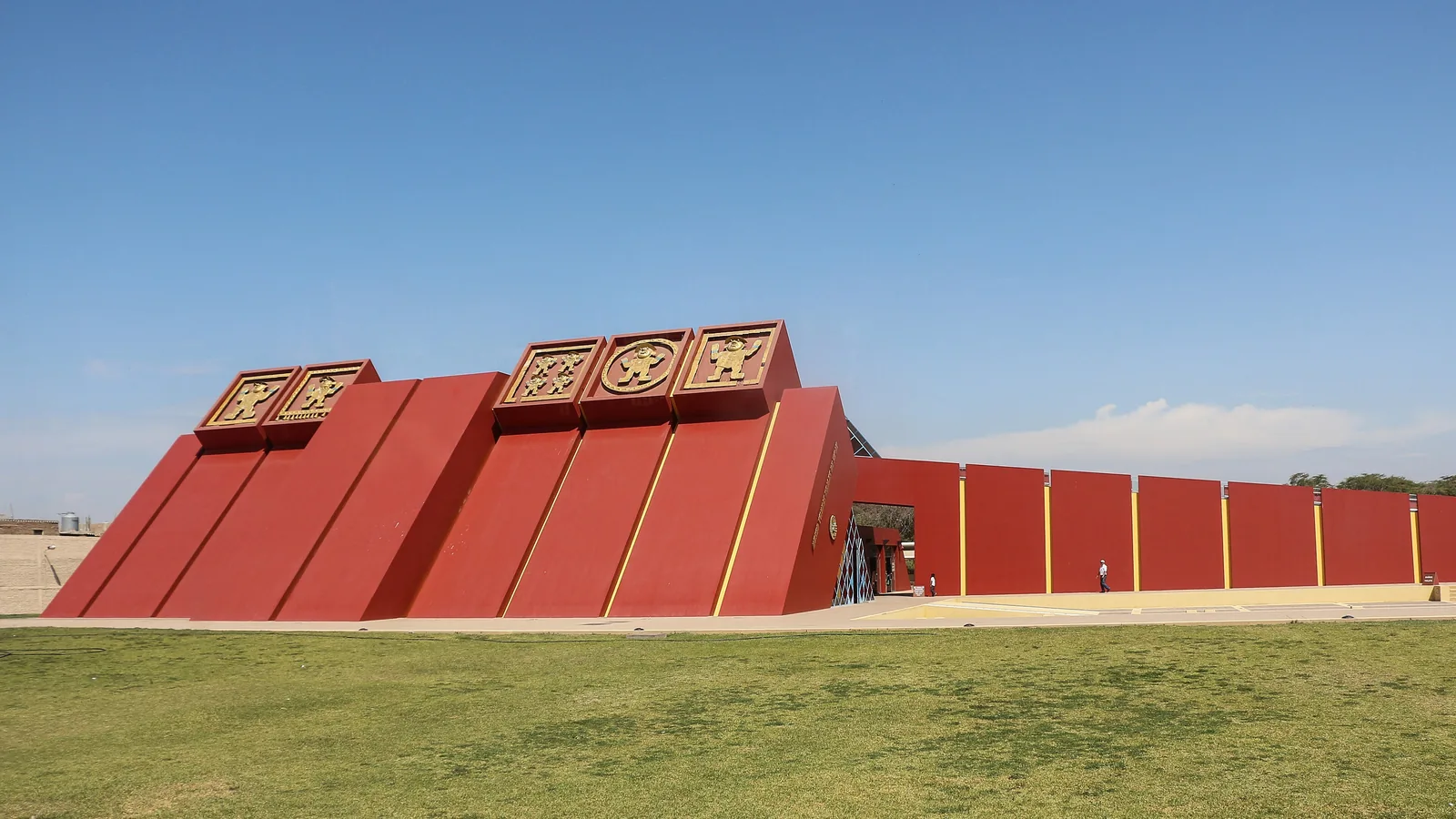
· AD 200Police recovered looted gold at Sipán in February 1987. Walter Alva's team then recorded an intact Moche royal tomb at Huaca Rajada on July 20, 1987.
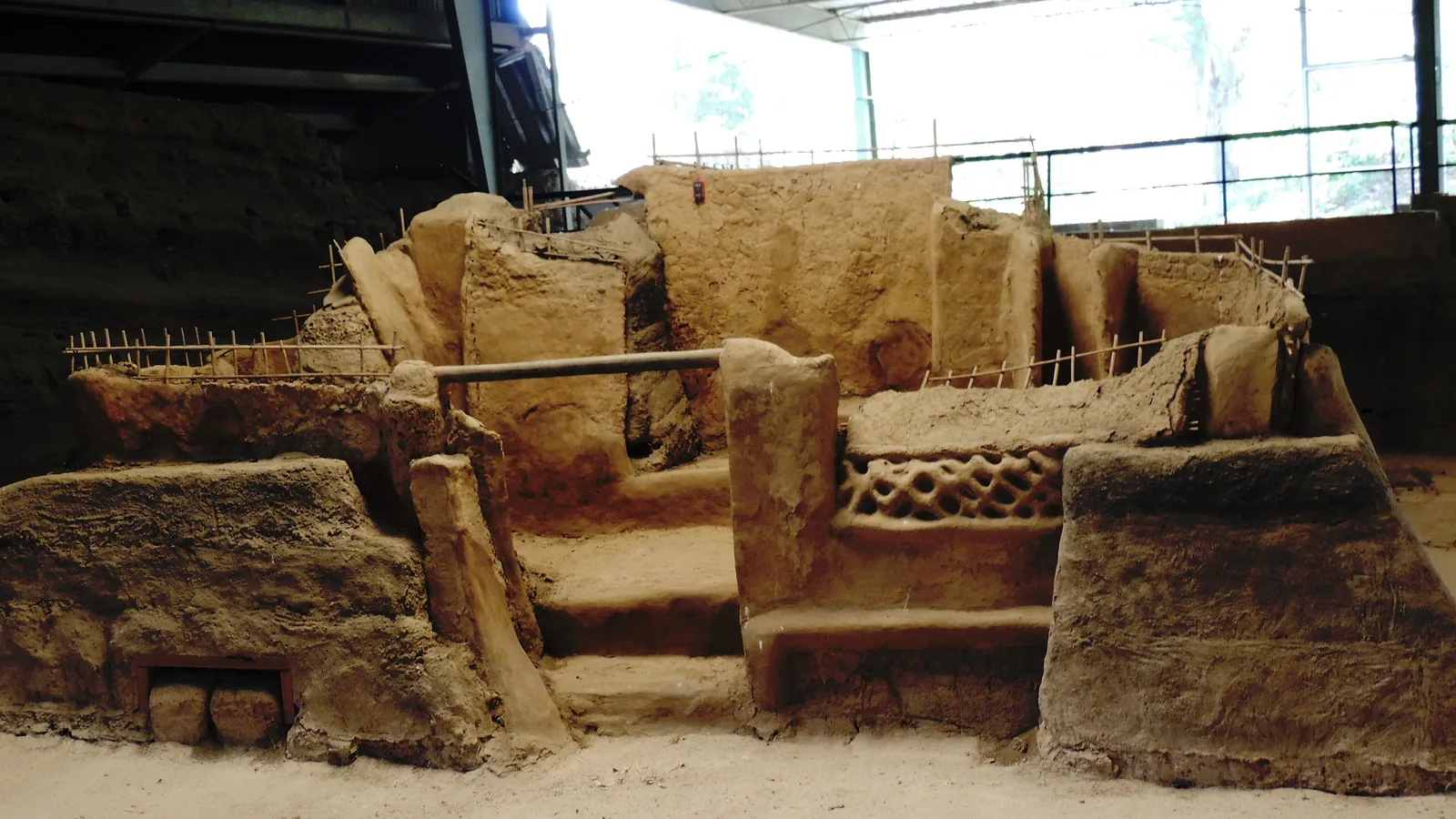
· AD 250A 1976 bulldozer cut into Joya de Cerén, a Maya village buried by Loma Caldera ash about AD 630-650. Digs found stocked houses, fields and no bodies.
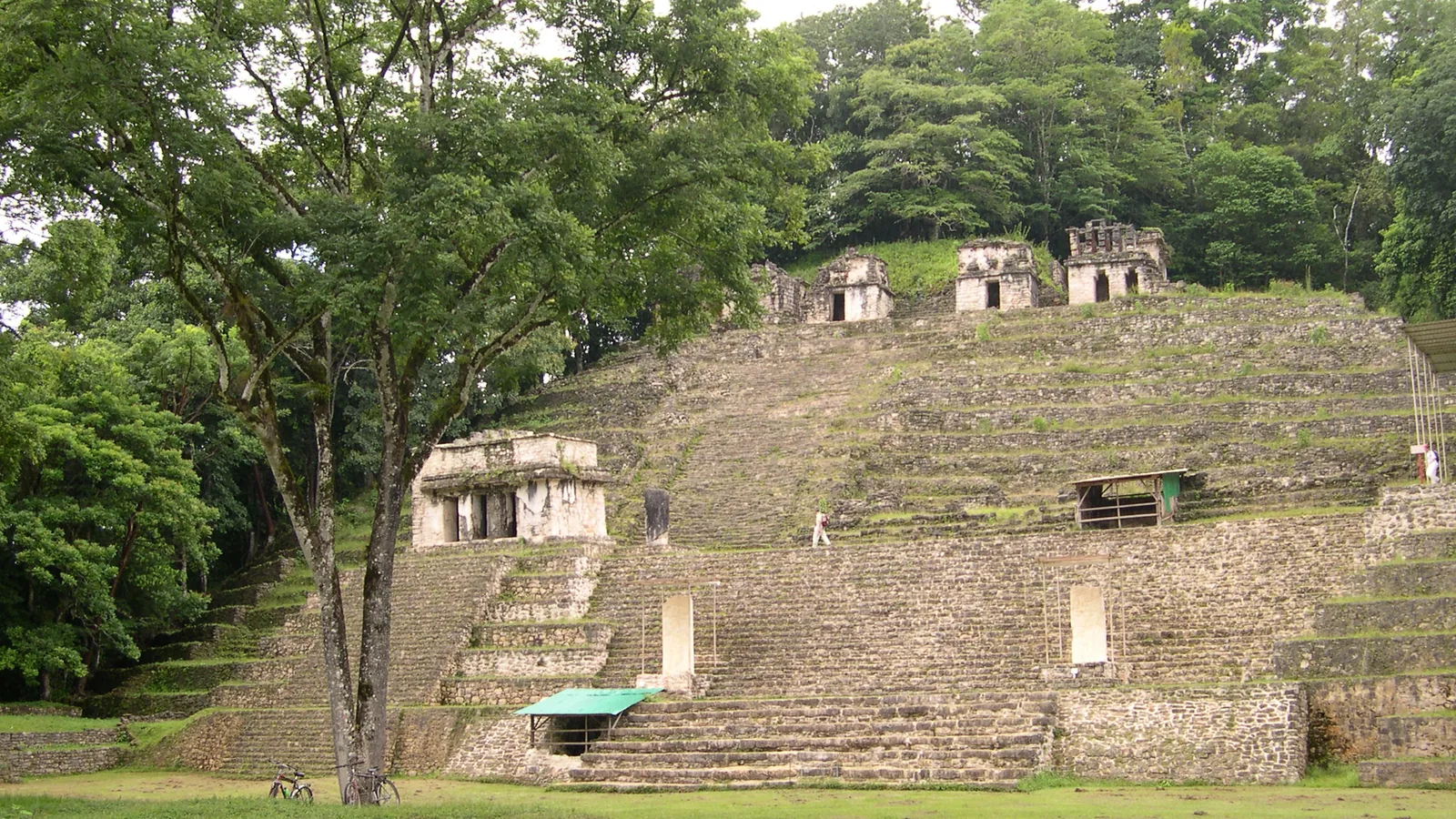
· AD 630INAH says Bonampak's Structure 1 has three rooms from c. 790-792 showing an heir, a battle with captives, and a ceremony, unseen by outsiders until 1946.
· AD 790