The Americas in the medieval world (500 – 1500). A thousand years of kingdoms, caliphates, steppe empires and trading cities between the fall of Rome and the voyages that joined the hemispheres.
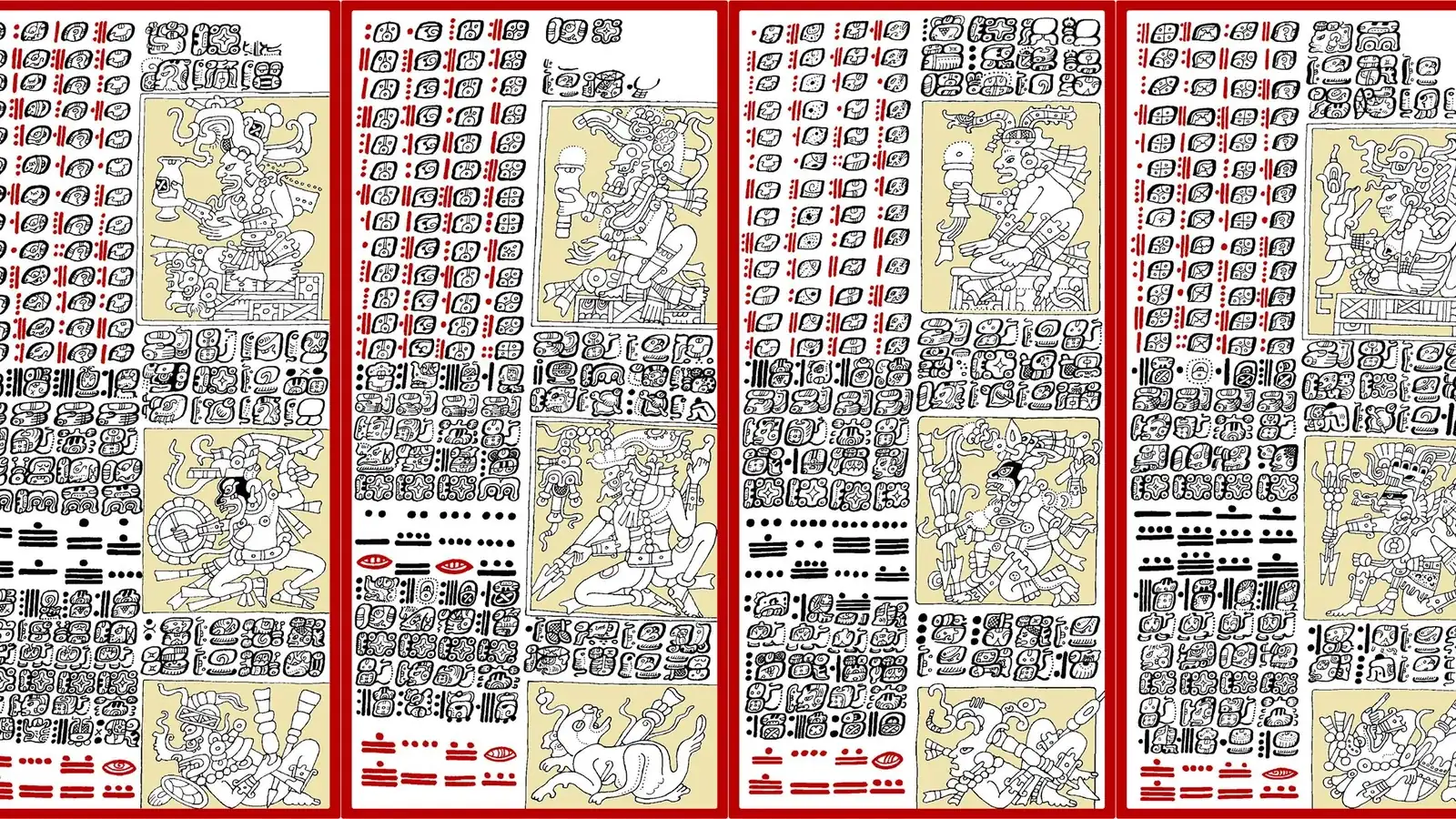
Maya astronomers put Venus's cycle at 584 days, near NASA's 583.92, and the year at 365.242 days, using sighting sticks. A Venus table survives in Dresden.
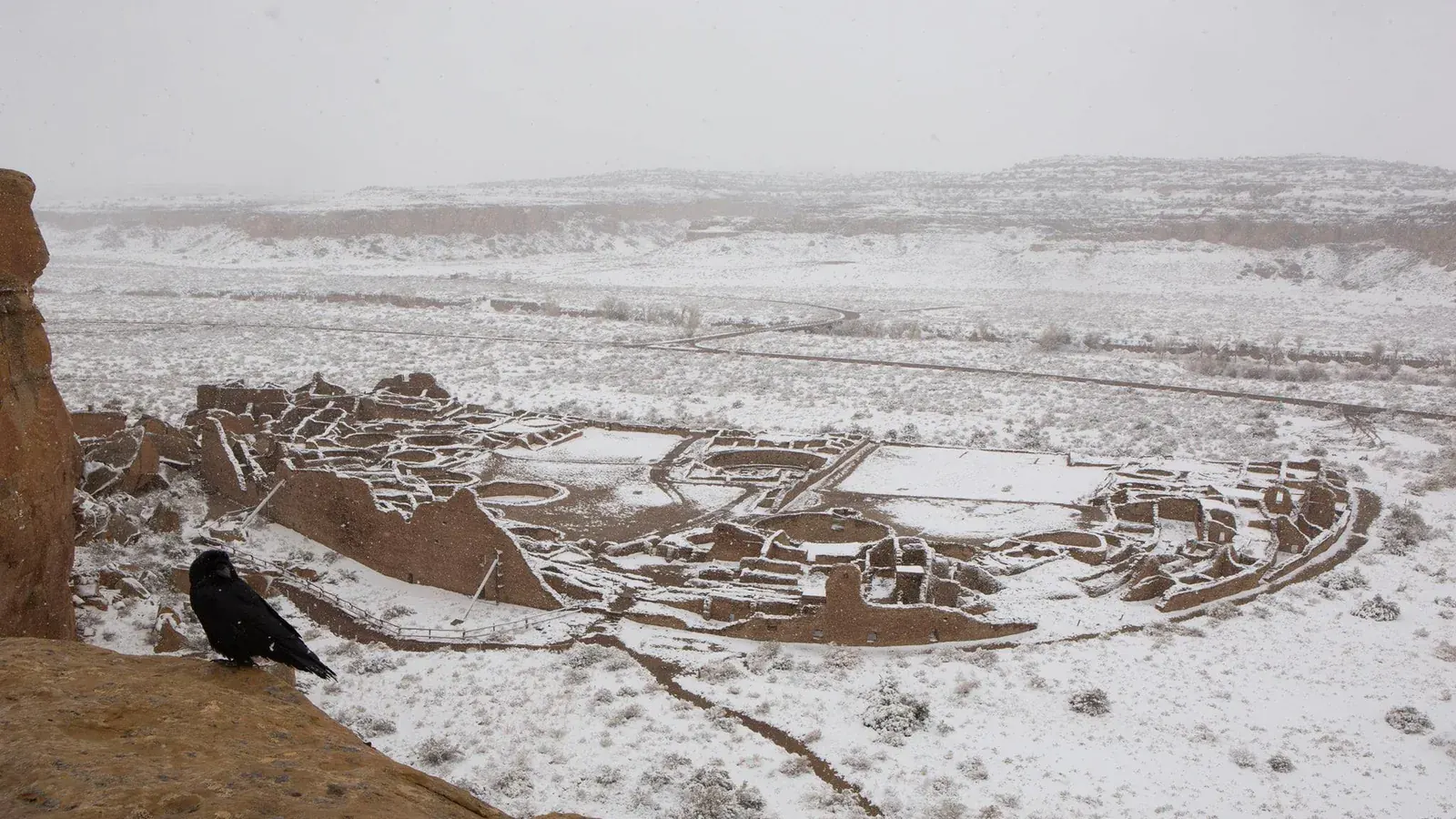
Ancestral Pueblo people carried about 240,000 beams 75 km into Chaco Canyon from 850 to 1130, then moved on in a drought; 19 Pueblos and the Hopi claim it.
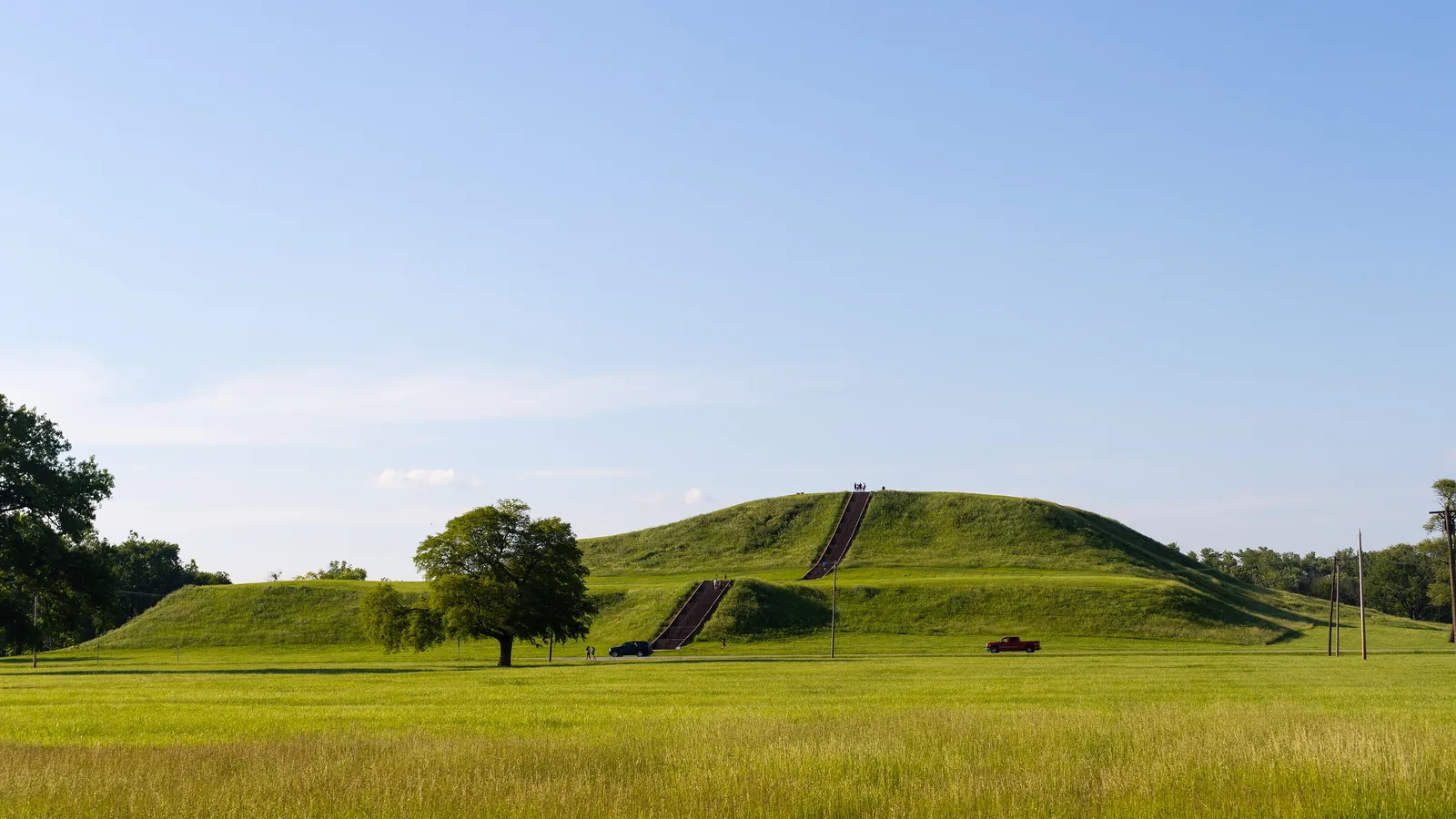
Monks Mound, 291 by 236 meters at one contour, anchored Cahokia in Illinois, a city of about 120 mounds and nearly 20,000 people about 1100, empty by 1350.
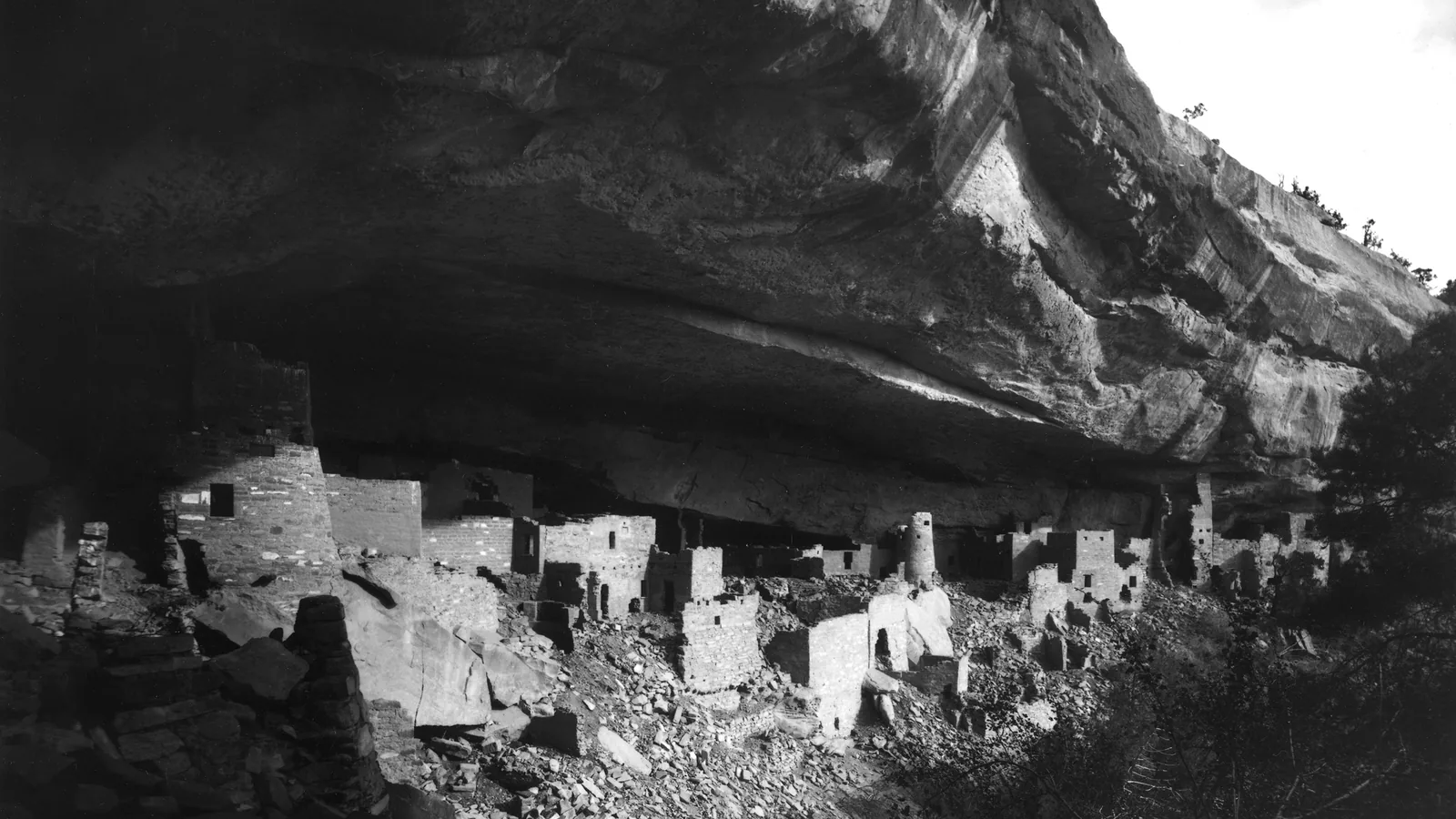
On December 18, 1888, two ranchers looking for cattle saw Cliff Palace. Eight collections, a Swedish dig and the Antiquities Act of June 8, 1906 followed.
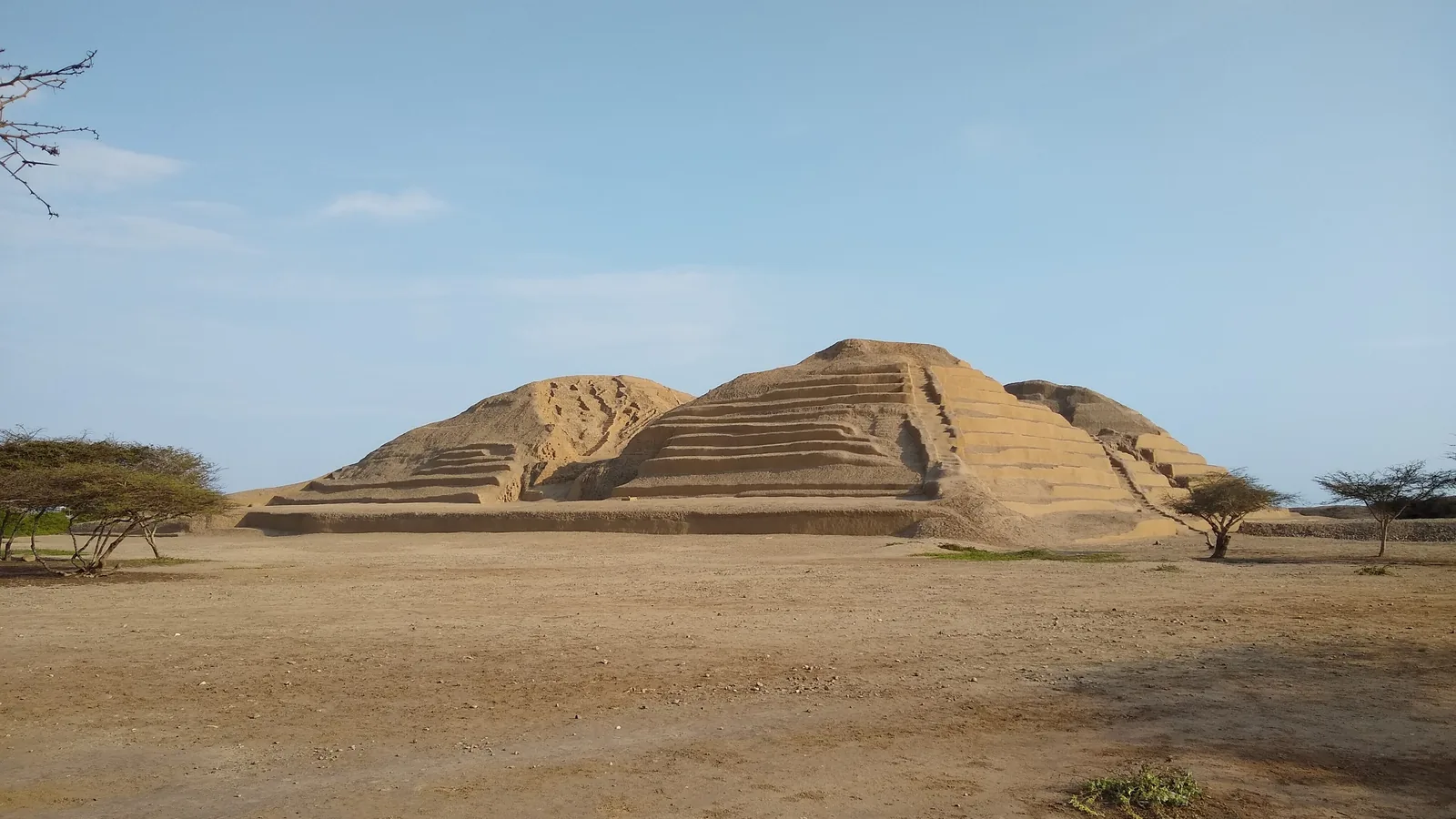
Peru's Ministry of Culture called Chan Chan a masterpiece of pre-Columbian design in 2016, the year Huaca Toledo was excavated and rain closed the site.