Chan Chan's adobe walls and the rains of 2016 and 2017

TL;DR — In 2016 Peru’s Ministry of Culture called Chan Chan a masterpiece of pre-Columbian city design, announced finds at Huaca Toledo and briefly closed the site for rain.
The Peruvian Ministry of Culture called Chan Chan’s layout, on November 29, 2016, “una absoluta pieza maestra del diseño de ciudades en América precolombina,” an absolute masterpiece of pre-Columbian city design. The Chan Chan Archaeological Complex lies in the Huanchaco district of Trujillo province, in Peru’s La Libertad region, on the northern edge of the Moche valley, a few miles from the city of Trujillo. It was the capital of the Chimú state, and in 1986 UNESCO listed it as a World Heritage Site and, the same year, placed it on the List of World Heritage in Danger. The World Monuments Fund later named the threats it has faced since: urban encroachment and illegal farming next to one of the most populated cities in Peru.
Quick facts
- When
- November 29, 2016 (30th anniversary statement) · September 9, 2016 (Huaca Toledo findings announced) · February 3, 2016 (rain closed the site) · March 26, 2017 (mud and trash cleanup) · 2025 (PNAS Nexus paper published)
- Where
- Chan Chan Archaeological Complex, Huanchaco district, Trujillo province, La Libertad region, Peru, on the northern edge of the Moche valley
- Who
- Peru's Ministry of Culture; the Special Project for the Chan Chan Archaeological Complex; director María Elena Córdova Burga; researcher Nadia Gamarra Carranza; the World Monuments Fund; Trujillo mayor Elidio Espinoza
- Outcome
- Chan Chan remains a UNESCO World Heritage Site and on the List of World Heritage in Danger, with one walled complex, Nik An, open to visitors; excavation, cleanup and valley-wide research continued through 2025
November 29, 2016: a single open complex and 120,000 visits a year
The ministry’s anniversary statement placed the site inside a long arc of coastal history, describing Chan Chan as “la culminación milenaria de un proceso histórico de la costa nor peruana que abarca desde el paleolítico (9,000 a.C.) hasta la formación de un estado de tipo imperial (siglo XV d.C.),” the millennial culmination of a historical process on the Peruvian north coast running from the Paleolithic, 9,000 BC, to the formation of an imperial-type state in the 15th century AD. The same statement described the design itself, calling the site’s “zonificación rigurosa, el uso diferenciado de los espacios y la construcción jerarquizada,” its strict zoning, differentiated use of space and hierarchical construction, a picture of a political and social ideal. By 2016 the ministry recorded more than 120,000 visits a year. All of them went to one walled complex, called Nik An, which the ministry said covers less than 1 percent of the protected zone.
María Elena Córdova and a building the walled palaces didn't explain
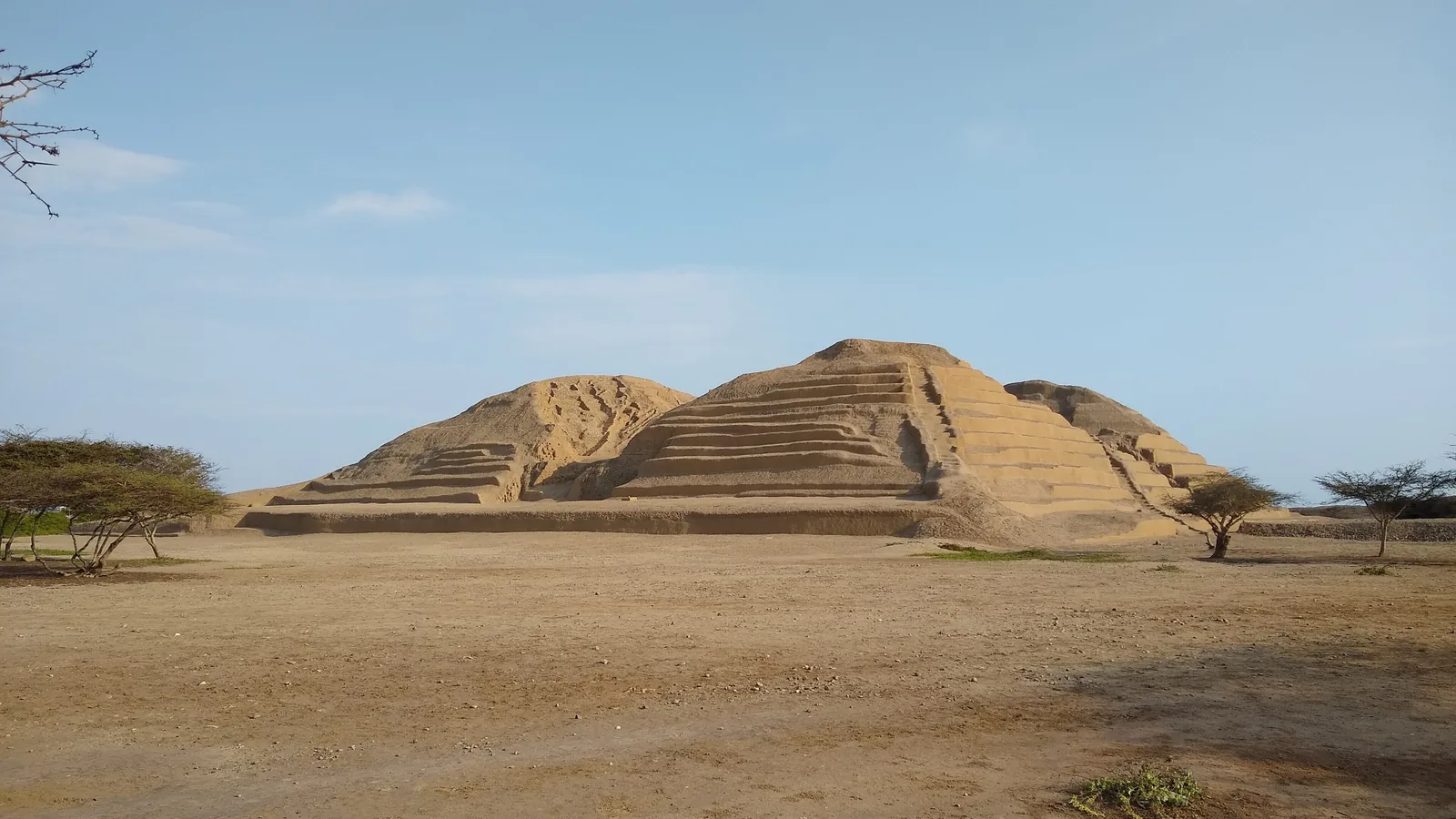
On September 9, 2016, the ministry’s Special Project for the Chan Chan Archaeological Complex announced new findings at Huaca Toledo, a structure built with a technique different from the walled palace complexes that had defined the site’s excavation until then. The ministry dated the building to the Late Chimú period, approximately AD 1350 to 1400, and described it as a stepped building more than 20 meters high and 90 meters to a side, its core made of stone and gravel cells faced with adobe to form finely plastered steps, reached by staircases at its northeast and northwest corners. María Elena Córdova Burga, the project’s director, said “Antes no se sabía nada de una huaca chimú, las investigaciones eran encaminadas a los conjuntos amurallados ubicados en la zona intangible de Chan Chan,” meaning that before this nothing was known of a Chimú huaca, since research had been directed only toward the walled complexes inside the protected zone. Nadia Gamarra Carranza, who led the research and conservation work, said the excavation showed the building was ceremonial, with public spaces that broke the pattern in both materials and construction technique. After twelve months of study, Gamarra Carranza said, “esta es una huaca sin decoración, es decir, no tiene carga simbólica,” a huaca without decoration, meaning without symbolic weight.
Heavy rain closed Chan Chan for hours in February 2016
Heavy rain fell on Chan Chan on February 3, 2016, and the regional culture office suspended tourist visits to the archaeological complex for several hours, the Ministry of Culture reported the same day. Rainwater pooled in parts of the site, including the main plaza. María Elena Córdova, the office’s director, said “Si las lluvias continuasen … tendríamos que cerrar,” meaning that if the rains continued, the office would have to close the site.
Seven mudslides hit Trujillo before a cleanup at Chan Chan in March 2017
A ravine at San Ildefonso sent seven separate mudslides into Trujillo in March 2017, and on March 26 the Ministry of Culture and the Trujillo city government carried out what the ministry called an intensive day of cleanup, removing solid waste and mud that had been dumped on the southern edge of Chan Chan’s restricted zone. The ministry said unidentified trucks had dumped the material, and that workers employed by the city appeared to have taken part, a finding the regional culture office raised with the mayor. Trujillo’s mayor, Elidio Espinoza, promised administrative and legal steps against those responsible. The cleanup at Chan Chan ran alongside recovery work in Trujillo’s historic district, which the same ravine had damaged.
"One of the largest urban settlements in the Americas"
“Chan Chan is the name given today to the ancient capital of the Chimú state. It is located in the northern margin of the Moche valley, only a few miles away from the modern city of Trujillo,” a 2019 paper in PLoS One states, calling it “one of the largest urban settlements of the Americas.” The World Monuments Fund had already flagged a gap around the walled complexes: by the time Chan Chan reached the 2014 World Monuments Watch, the fund said, its buffer zone and the surrounding huacas “had received little recognition,” and the listing was meant to encourage integrative planning around the site’s perimeter. In June 2015 the fund held a Watch Day at Trujillo National University’s archaeology museum, where local students took part in a drawing contest, and a proposal to turn the buffer zone into a series of public parks was folded into a new management plan for the site. The fund also said extra funding had been set aside for Chan Chan’s protection during the El Niño rains of 2015 and 2016. A 2025 paper in PNAS Nexus placed that record in a wider frame, listing Chan Chan among “major ancient centers” still on the List of World Heritage in Danger and citing a Landsat study of the surrounding Moche valley that found only 113 of the 477 archaeological sites documented fifty years earlier still remained.

Key facts
- Peru’s Ministry of Culture places Chan Chan in the Huanchaco district of Trujillo province, La Libertad region, on the northern edge of the Moche valley (Ministry of Culture, November 29, 2016).
- UNESCO listed Chan Chan as a World Heritage Site in 1986 and placed it on the List of World Heritage in Danger the same year (World Monuments Fund).
- The ministry’s 2016 anniversary statement recorded more than 120,000 visits a year, all to the walled complex Nik An, which it said covers less than 1 percent of the protected zone.
- On September 9, 2016, the ministry announced the excavation of Huaca Toledo, a stepped, adobe-faced building more than 20 meters high and 90 meters to a side, dated to the Late Chimú period, approximately AD 1350 to 1400.
- María Elena Córdova Burga, director of the Chan Chan special project, said research before Huaca Toledo had been directed only toward the walled complexes inside the protected zone.
- Heavy rain suspended tourist visits to Chan Chan for several hours on February 3, 2016, the Ministry of Culture reported.
- On March 26, 2017, the ministry and the Trujillo city government cleaned up solid waste and mud dumped on the southern edge of Chan Chan’s restricted zone after mudslides from the San Ildefonso ravine.
- A 2025 paper in PNAS Nexus cited a Landsat study finding that only 113 of the 477 archaeological sites documented fifty years earlier in the Moche valley still remained.
FAQ
What is Chan Chan?
Chan Chan was the capital of the Chimú state, on the northern edge of the Moche valley in what is now Trujillo, Peru. A 2019 paper in PLoS One calls it one of the largest urban settlements of the Americas, and Peru's Ministry of Culture describes its layout as a masterpiece of pre-Columbian city design.
When did Chan Chan become a World Heritage Site?
UNESCO added Chan Chan to the World Heritage List in 1986 and, the same year, placed it on the List of World Heritage in Danger, according to the World Monuments Fund.
What is Huaca Toledo?
Huaca Toledo is a stepped, adobe-faced building at Chan Chan that Peru's Ministry of Culture dated to the Late Chimú period, approximately AD 1350 to 1400, and announced in September 2016. The ministry said it was built with a different technique from the walled palace complexes that earlier research at Chan Chan had focused on.
Sources
- Ministerio de Cultura del Perú, press release "Chan Chan: 30 años como Patrimonio Mundial" (November 29, 2016).
- Ministerio de Cultura del Perú, press release "Nuevos descubrimientos en Huaca Toledo de Chan Chan" (September 9, 2016).
- Ministerio de Cultura del Perú, press release "Lluvias no afectaron estructuras de Chan Chan" (February 3, 2016).
- Ministerio de Cultura del Perú, press release "Complejo Arqueológico Chan Chan está a salvo" (March 26, 2017).
- World Monuments Fund, "Chan Chan" project page.
- G. Prieto, J. W. Verano, N. Goepfert and others, "A mass sacrifice of children and camelids at the Huanchaquito-Las Llamas site, Moche Valley, Peru," PLoS One 14, no. 3 (2019): e0211106.
- PNAS Nexus, "Preserving coastal environments requires an integrated natural and cultural resources management approach" (2025).
Cite this article
- APA
- LETTER. (2026, September 28). Chan Chan's adobe walls and the rains of 2016 and 2017. Our Earth's History. https://ourearthshistory.com/americas/medieval/chan-chan-chimu-adobe-capital-rains-2017-huaca-toledo/
- Chicago
- LETTER. “Chan Chan's adobe walls and the rains of 2016 and 2017.” Our Earth's History, September 28, 2026. https://ourearthshistory.com/americas/medieval/chan-chan-chimu-adobe-capital-rains-2017-huaca-toledo/.
- MLA
- LETTER. “Chan Chan's adobe walls and the rains of 2016 and 2017.” Our Earth's History, 28 Sep. 2026, https://ourearthshistory.com/americas/medieval/chan-chan-chimu-adobe-capital-rains-2017-huaca-toledo/.
Text licensed CC BY-NC-ND 4.0. Found an error? Tell us.