Knotted cords and a moved date: the Pueblo Revolt of August 10, 1680
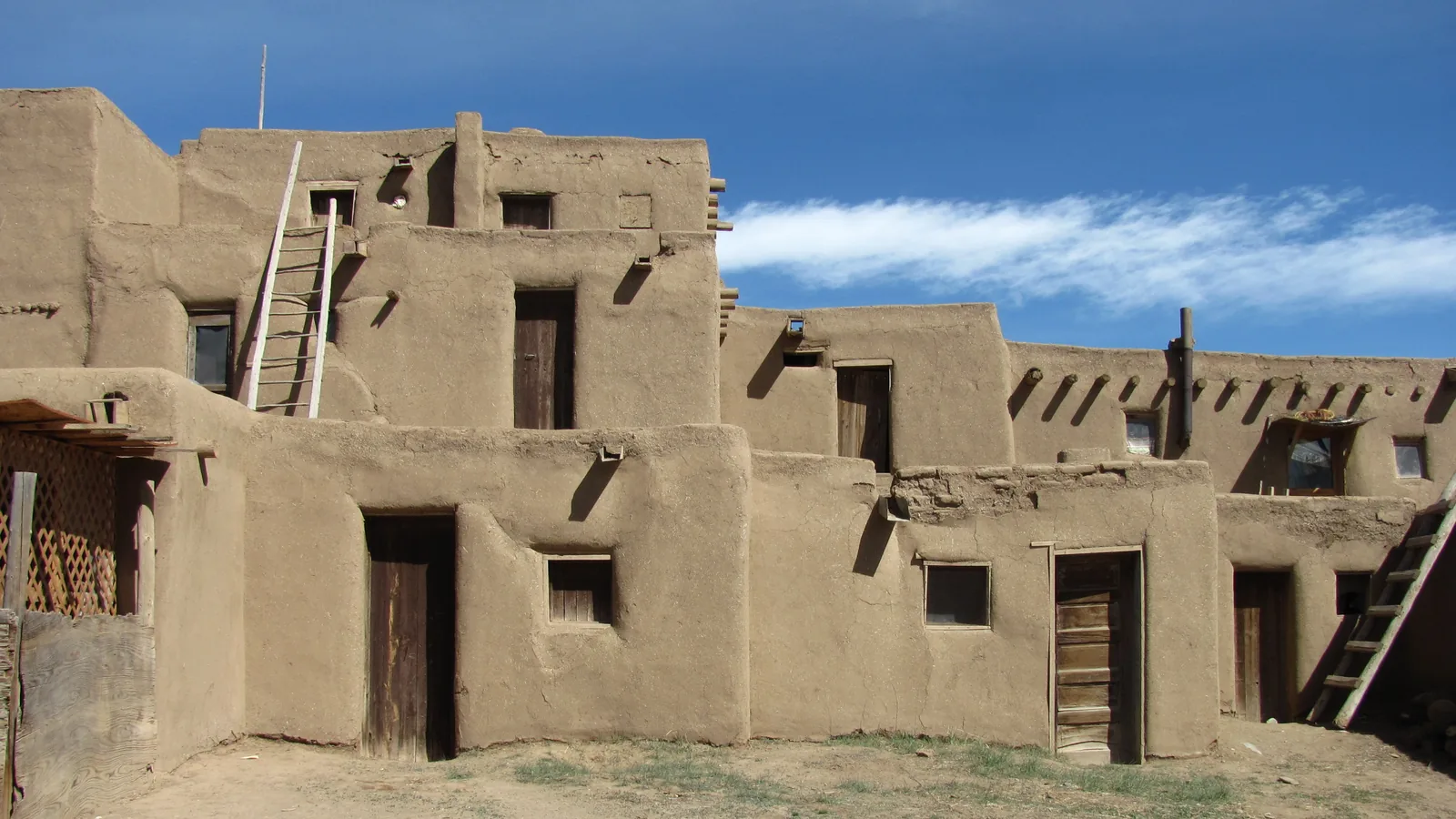

TL;DR — On August 10, 1680, arrested runners forced the Pueblo rising forward three days; Governor Antonio de Otermín fled Santa Fe, and Spain did not return for twelve years.
“On August 10, 1680, the Pueblo nations rose against Spanish colonizers after enduring . . . over eighty years [of] violence, cruelty, and hunger; exploitation of labor and resources; harassment and persecution,” the Indian Pueblo Cultural Center writes. The rising had been set for August 13, but “two runners with knotted cords were sent out to notify the distant Pueblos of the plans but were arrested and questioned,” and organizers moved the date forward. In Santa Fe, Governor Antonio de Otermín was besieged in the government buildings, broke out and led the survivors south toward El Paso del Norte. By the Center’s count, the Spaniards did not return for twelve years.
Quick facts
- When
- August 10, 1680 (rising begins) · September 8, 1680 (Otermín's letter) · September 13 and 18, 1680 (Fray Cristóbal and La Salineta) · 1692 (Vargas returns) · September 21, 2005 (H. Con. Res. 242)
- Where
- Ohkay Owingeh; Santa Fe; Fray Cristóbal and La Salineta near El Paso del Norte; Pecos; the U.S. Capitol, Washington
- Who
- Po'pay; Governor Antonio de Otermín; Fray Tomas de Torres of Nambe; Diego de Vargas; sculptor Cliff Fragua
- Outcome
- Otermín's column retreated south after the siege of Santa Fe; Spain did not send a governor back to New Mexico for twelve years, until Diego de Vargas returned in 1692; in 2005 Congress accepted a statue of Po'pay for National Statuary Hall
Po'pay and the knotted cords
Po’pay was born around 1630 in Ohkay Owingeh, known then as San Juan Pueblo, and worked there as a farmer and a member of a medicine society, the Indian Pueblo Cultural Center writes. In 1675 Spanish settlers convicted him of sorcery and flogged him for practicing traditional ceremonies. Five years later, Otermín’s own account named the nations that gathered for the attack on Santa Fe: Taos, Pecuries, Jemez, and Queres, assembling through the night before the attack at dawn. The Indian Pueblo Cultural Center calls the result “the most successful uprising against colonial intruders by an assembly of Indigenous people.”
September 8: Otermín's account of the siege
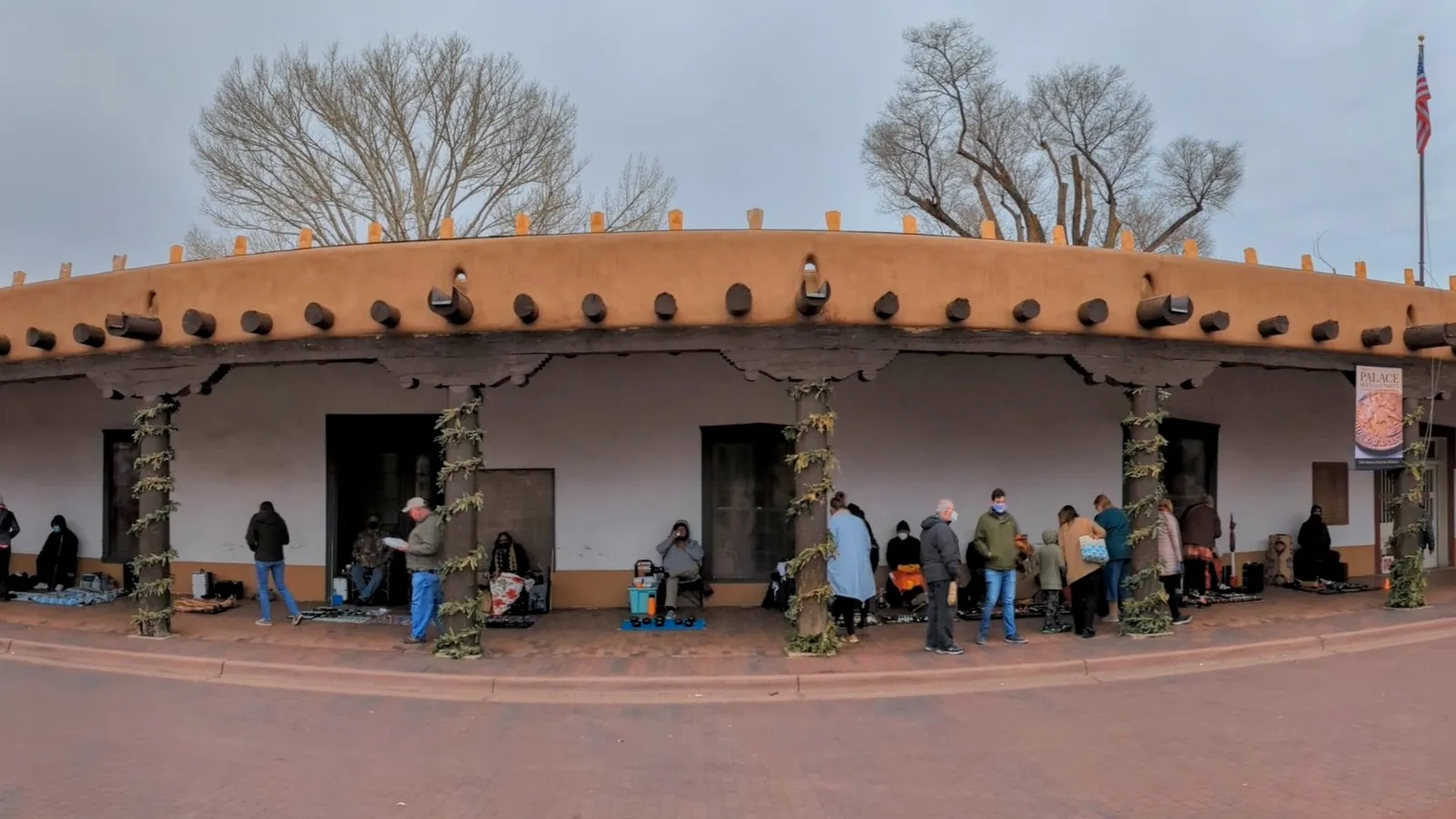
Otermín wrote his account from El Paso del Norte, in a letter to Fray Francisco de Ayeta dated September 8, 1680. He opened it “with tears in my eyes and deep sorrow in my heart.” That morning, he wrote, Indians had killed Fray Tomas de Torres, guardian of the mission at Nambe, along with his brother and the brother’s wife and child. By dawn, “more than 2,500 Indians fell upon us in the villa,” fortifying the houses and the entrances of the streets and cutting off the water. The attackers burned the church and set fire to the doors of the fortified tower of Nuestra Señora de las Casas Reales. Inside the residence Otermín counted about a thousand people, “most of them children and women,” dying of thirst, until he ordered a sortie: “I determined to take the resolution of going out in the morning to fight with the enemy until dying or conquering.” He gave a toll for that fighting at Santa Fe alone: “The deaths of both parties in this and the other encounters exceeded three hundred Indians.” The letter names no total for colonists killed. He left the villa with no bread, wheat, or maize, “with no other provision for the convoy of so many people except four hundred animals and two carts belonging to private persons.”

The retreat to La Salineta
The column Otermín led out of Santa Fe met a second group of refugees from Isleta at Fray Cristóbal, New Mexico, on September 13. W. H. Timmons’s account for the Texas State Historical Association’s Handbook of Texas records that the combined groups reached La Salineta, about four leagues north of the mission of Nuestra Señora de Guadalupe, on September 18. There a muster counted 1,946 soldiers, servants, women, children, and Indians, 317 of them from the four Piro pueblos of Senecú, Socorro, Alamillo, and Sevilleta together with “Tiguas” from Isleta. A supply train of twenty-four wagons under Fray Francisco de Ayeta reached the camp soon after and raised morale. At La Salineta, Otermín also decided to delay any attempt to retake New Mexico until the viceroy sent more aid. The entrada he led in November 1681 produced, in Timmons’s phrase, “only negative results”; retreating to the El Paso area in January he brought 305 more Tiguas from Isleta and settled them with other Tiguas at the mission of Corpus Christi de la Isleta. Ill health forced him to ask to be relieved late in 1682, and Domingo Jironza Petriz de Cruzate replaced him in mid-1683. The historian Hubert H. Bancroft, quoted in the same account, called the revolt “the greatest disaster that ever befell Spain on the northern frontier.”
"Awed by the warm welcome": Pecos, 1692
“The Spaniards were not able to successfully return for twelve years,” the Indian Pueblo Cultural Center writes of the years after the revolt. At Pecos, the National Park Service’s account of the pueblo says decades of Spanish demands had already strained the missions there, and that they “would fail when church and civil officials began to compete for the labor and loyalty of the natives,” a rivalry the same account ties to the resentment behind the 1680 rising. When Diego de Vargas came back in 1692, the National Park Service writes that he was “awed by the warm welcome at Pecos and by the Indians’ willingness to assist the Spaniard in his quest to reclaim the American Southwest.” The people of Pecos supplied Vargas with 140 warriors, and with that support the Spanish recaptured Santa Fe and began rebuilding the mission.
A statue for New Mexico's second seat
Congress took up Po’pay’s memory in 2005. House Concurrent Resolution 242, agreed to on September 21 of that year, accepted “the statue of Po’Pay, furnished by the people of New Mexico for placement in National Statuary Hall,” and authorized a presentation ceremony in the Capitol Rotunda on September 22, 2005. The resolution specified that the statue “shall be displayed in the Rotunda of the Capitol for a period of not more than 6 months,” after which it would move to its permanent place in the National Statuary Hall Collection. The Indian Pueblo Cultural Center credits the sculptor, Cliff Fragua, with carving the seven-foot figure from pink Tennessee marble. A Congressional Research Service report on the collection notes what the addition completed: the collection “has consisted of two statues per state since 2005, when New Mexico sent a statue of Po’pay.”
Key facts
- On August 10, 1680, Pueblo nations across New Mexico rose against Spanish rule; arrested runners carrying knotted cords had forced the date forward from August 13 (Indian Pueblo Cultural Center).
- Po’pay, born around 1630 in Ohkay Owingeh, was convicted of sorcery and flogged in 1675 for practicing traditional ceremonies (Indian Pueblo Cultural Center).
- Governor Antonio de Otermín wrote that “more than 2,500 Indians fell upon us in the villa” of Santa Fe (Otermín, letter of September 8, 1680, tr. Hackett).
- About a thousand people crowded into Otermín’s residence at Santa Fe, and a sortie followed in which “the deaths of both parties . . . exceeded three hundred Indians” (Otermín).
- Refugee columns met at Fray Cristóbal on September 13 and reached La Salineta on September 18, where a muster counted 1,946 people, 317 of them Indians (Handbook of Texas, Timmons).
- Otermín’s November 1681 entrada failed; in retreat he brought 305 more Tiguas from Isleta, and ill health forced his relief in 1683 (Handbook of Texas).
- Diego de Vargas returned to New Mexico in 1692; the National Park Service writes that he was “awed by the warm welcome at Pecos” (NPS).
- Congress accepted a statue of Po’pay for National Statuary Hall in 2005, the year the collection reached two statues per state (Statutes at Large; CRS R42812).
FAQ
Why did the Pueblo Revolt start on August 10 instead of August 13, 1680?
Two runners carrying knotted cords, sent to notify distant Pueblos of the plan, were arrested and questioned, so organizers moved the rising forward to August 10, the Indian Pueblo Cultural Center writes.
How many people died in the Pueblo Revolt of 1680?
Governor Antonio de Otermín's letter of September 8, 1680, records that combined deaths in the fighting around Santa Fe "exceeded three hundred Indians." No source read for this article gives a total figure for Spanish colonists killed across the revolt.
When did Spain return to New Mexico after the Pueblo Revolt?
Diego de Vargas re-entered the province in 1692, twelve years after the 1680 rising. The people of Pecos supplied him with 140 warriors before Santa Fe was recaptured, the National Park Service writes.
Sources
- Indian Pueblo Cultural Center, 'Pueblo Revolt' — used for Po'pay's biography, the August 10, 1680 rising, the knotted-cord runners, the twelve-year absence, and the statue's sculptor and material.
- National Park Service, 'New Mexico: Pecos National Historical Park' — used for the strain that led to the revolt and Diego de Vargas's return to Pecos in 1692.
- W. H. Timmons, 'Antonio de Otermín and the Pueblo Indian Revolt,' Handbook of Texas Online, Texas State Historical Association — used for the retreat route, the La Salineta muster, the 1681 entrada, Otermín's relief in 1683, and the Bancroft quotation.
- United States Statutes at Large, vol. 119, 119 STAT. 3671, H. Con. Res. 242, govinfo.gov — used for the acceptance and Rotunda display terms of the Po'pay statue.
- Congressional Research Service, Report R42812, 'National Statuary Hall Collection: Background and Legislative Options,' via EveryCRSReport.com — used for the two-statues-per-state line completed in 2005.
- Antonio de Otermín, letter of September 8, 1680, tr. C. W. Hackett (1937), as published by PBS, The West — used for the siege of Santa Fe, the casualty count, and the provisions for the retreat.
Cite this article
- APA
- Our Earth's History. (2026, September 24). Knotted cords and a moved date: the Pueblo Revolt of August 10, 1680. Our Earth's History. https://ourearthshistory.com/americas/early-modern/pueblo-revolt-august-10-1680-popay-knotted-cords-otermin-santa-fe/
- Chicago
- Our Earth's History. “Knotted cords and a moved date: the Pueblo Revolt of August 10, 1680.” Our Earth's History, September 24, 2026. https://ourearthshistory.com/americas/early-modern/pueblo-revolt-august-10-1680-popay-knotted-cords-otermin-santa-fe/.
- MLA
- “Knotted cords and a moved date: the Pueblo Revolt of August 10, 1680.” Our Earth's History, 24 Sep. 2026, https://ourearthshistory.com/americas/early-modern/pueblo-revolt-august-10-1680-popay-knotted-cords-otermin-santa-fe/.
Text licensed CC BY-NC-ND 4.0. Found an error? Tell us.