NASA's oral histories detail its role in the 2010 Chile mine rescue

TL;DR — NASA’s oral histories record a four-person team that advised Chile on nutrition, urine tests and the Fénix capsule during the 2010 San José mine rescue.
“On August 5, 2010, a section of Chile’s San José Mine collapsed, trapping 33 miners 2,300 feet below the Atacama Desert,” the NASA History Office writes. The EPMA Journal, in a 2015 paper by Russell J. Andrews and Leonidas M. Quintana, dates the collapse to August 4, 2010. Seventeen days later, on August 22, a rescue team found that the men, 32 Chileans and one Bolivian, had survived on almost no food or water. What followed is recorded in oral histories NASA took in 2011 from the four Americans who traveled to the mine.
Quick facts
- When
- August 5, 2010, collapse (NASA History Office; the EPMA Journal gives August 4, 2010) · survivors found 17 days later, on August 22 · NASA team in Chile August 30 to September 5 · rescue completed October 13, 2010, 69 days after the collapse
- Where
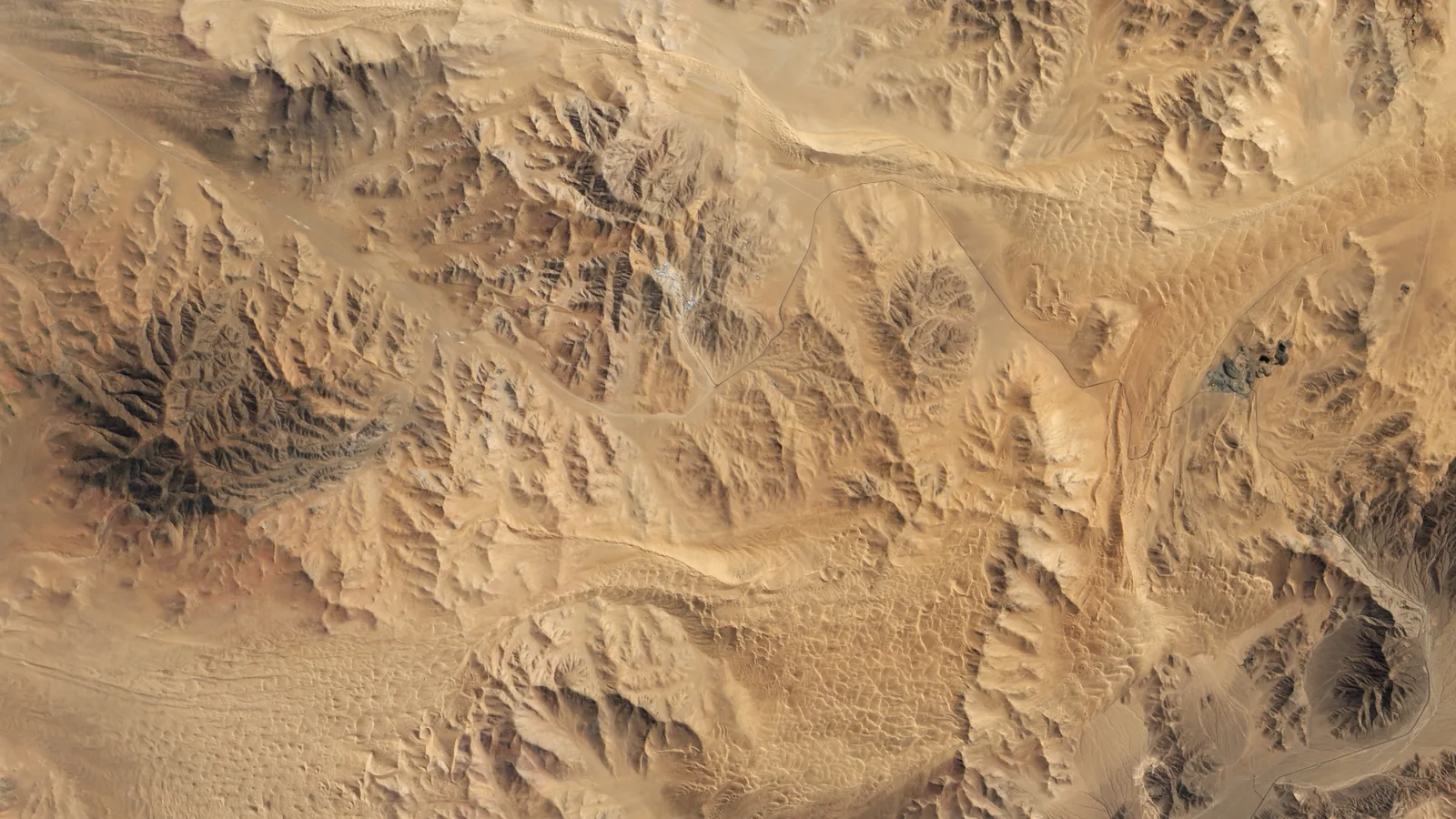
- the San José copper and gold mine near Copiapó, in Chile's Atacama Desert, with the trapped miners about 2,300 feet below the surface
- Who
- James Michael Duncan, James D. Polk, Albert W. Holland and Clinton H. Cragg of NASA's Johnson Space Center and Langley Research Center; Albert Condes of NASA's Office of International and Interagency Relations
- Outcome
- NASA's team advised on nutrition, medical monitoring and psychological support, then wrote engineering requirements for the Fénix rescue capsule that Chile's navy built; all 33 miners reached the surface alive on October 13, 2010
August 5, 2010: the request reaches NASA
James Michael Duncan, then deputy chief medical officer at NASA’s Johnson Space Center, told interviewer Rebecca Wright in 2011 that the miners “were trapped on August 5th, seventeen days of entrapment, so they were found on the 22nd, and it was by the 25th that we made our first contact by phone with the Minister of Health.” Albert Condes, of NASA’s Office of International and Interagency Relations, traced the request further back: an official from the Chilean space agency had met NASA deputy administrator Lori B. Garver at a United Nations meeting in June and later emailed asking for “psychological and medical support.” The NASA History Office says Chile sought “technical advice from NASA based on the agency’s experience in protecting humans in the hostile environment of space during long-duration missions.”
Duncan said the team left Houston on August 30 and reached Santiago on August 31. The four experts “were on the scene from August 30 through September 5, 2010,” the NASA History Office states. Condes said NASA itself ended up covering the cost. Holland said the agency acted for humanitarian reasons alone, with nothing coming back to it.
A re-feeding protocol built low and slow
James D. Polk, the team’s chief medical officer, told Wright in his May 2011 interview that the miners had survived on almost nothing: “essentially eating a spoonful of tuna, a quarter of a canned peach, and an ounce of dried milk every other day.” Polk’s advice followed a simple rule: “The typical rule is to go low and slow, so they went at 500 calories, then 1,000, then 1,200, then 1,500,” paired with a supplement called Ensure Plus, and “out of the thirty-three miners they had not a single complication.”
Polk also described adapting urine test strips, normally used to watch astronauts for kidney strain, to check the miners for muscle breakdown from sleeping on bare rock. “Sixteen out of thirty-three of the miners tested positive for high myoglobin,” he said, and raising fluid intake to “greater than 100 CCs an hour” cleared it: “All of the urine cleared on all of the sixteen.” After an open call for camp beds narrow enough for the rescue shaft, manufacturers sent prototypes within days, and Polk said “fifteen or sixteen cots” let the men rotate through sleep in shifts.
"Sprint thinking" to "marathon thinking"
Albert W. Holland, the team’s psychologist, said that before leaving Houston he had been told “there was only a 528-square-foot refuge.” On arrival he found the miners also had access to roughly a mile and a half of rough tunnel beyond it, space he judged important for easing the strain of confinement. His first task was shifting everyone, miners, families and the ground team, from “sprint thinking” to “marathon thinking,” a phrase Chile’s health minister then used at a briefing: “We’re looking at a marathon here.” Holland recalled that the earliest estimate for a rescue was “December” 2010, before a second drilling effort, “Plan B,” pushed the date forward. He also said “over two thousand family members” were camping at the site when he arrived, falling to “maybe four or five hundred” once psychological support began, a sign, he said, that relatives felt secure enough to go home.
Drawing on military experience with returning hostages, Holland proposed a two-day quarantine after rescue: a brief embrace with family at the surface, then a staged widening of contact starting with spouses, away from media, before hospital discharge in Copiapó. “The Chileans did that, and they did that very well,” he said. NASA also recommended “the miners be followed for at least six months, actively, by the government,” and Holland said “the government did, in fact, follow up with them for six months after their extraction.”
Cragg's capsule requirements went out within days
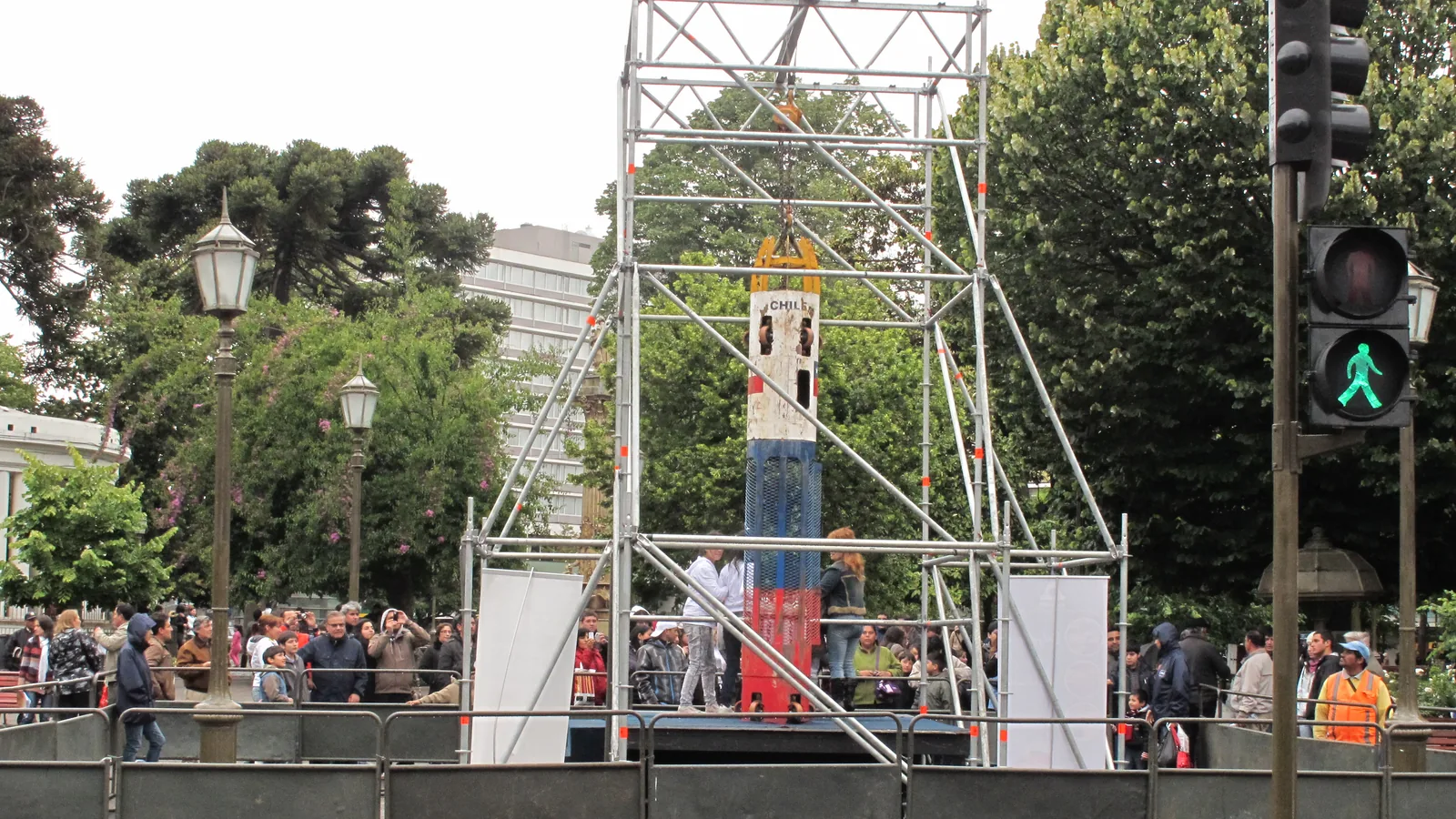
Clinton H. Cragg, of the NASA Engineering and Safety Center, met engineers from Chile’s naval shipyards and found their instructions had been limited to “the max diameter of this device can only be this big, it can only be this tall, and there was no limit on weight.” Back home, Cragg gathered the center’s “Tech Fellows” and worked three days before sending a requirements document to Chile: “By noon the next day I’d sent it down.” Duncan said officials called the resulting vehicle “the Phoenix [Fenix] capsule.”
The design’s central constraint, Cragg said, was the shaft’s width: “Once we understood what the mining guys were going to provide us, which was like a 26-inch borehole that went down a half mile, it became just really an engineering problem.” Polk gave the same figure, noting the design was “limited by the size of the drill bit at 26 inches.” The requirements drew on spaceflight practice: compression garments and pre-loading fluids against fainting on standing, escape levers to lower a stuck capsule back down, and spring-loaded wheels to absorb falling rock. Chile’s navy built the final capsule, designed, Polk said, “based on NASA requirements.” Before the capsule route was ready, a narrower bore carried supplies in a canister the miners called the “paloma,” Spanish for dove; Cragg timed one descent at “eight minutes and twenty-two seconds.”

All 33 miners reach the surface
All 33 miners reached the surface on October 13, 2010. The NASA History Office states that “consultations continued between the NASA team and Chilean government officials until the thirty-three miners were brought back to the surface sixty-nine days after the collapse, alive and surprisingly healthy after their ordeal.” The EPMA Journal confirms the date, recording that “on October 13, 2010, more than 2 months after the accident, this global rescue effort safely rescued all 33 miners.”
Key facts
- The NASA History Office dates the San José mine collapse to August 5, 2010; the EPMA Journal (2015) gives August 4, 2010.
- Survivors were found 17 days after the collapse, on August 22, 2010; NASA’s team made its first phone contact with Chile’s health minister on August 25.
- NASA’s four-person team, James Michael Duncan, James D. Polk, Albert W. Holland and Clinton H. Cragg, traveled from Houston on August 30 and left the mine site on September 5, 2010.
- Polk’s re-feeding plan raised calories in steps, “500 calories, then 1,000, then 1,200, then 1,500,” with Ensure Plus, and produced no complications among the 33 miners.
- Urine test strips adapted from spaceflight found high myoglobin in 16 of 33 miners; increased fluids cleared all 16 cases.
- Cragg’s engineering requirements for the Fénix capsule went to Chile within three days, built around a 26-inch borehole.
- Chile’s government followed the miners for six months after their release, at NASA’s recommendation, according to Holland.
- All 33 miners, 32 Chileans and one Bolivian, reached the surface alive on October 13, 2010, 69 days after the collapse.
FAQ
Why was NASA involved in the San José mine rescue?
Chile asked NASA for advice based on its experience keeping people healthy in confined, hostile environments during long-duration space missions, according to the NASA History Office. Albert Condes said the request began with an email from a Chilean space agency official after a June 2010 meeting with NASA deputy administrator Lori B. Garver.
Who were the members of NASA's team in Chile?
James Michael Duncan, deputy chief medical officer, and James D. Polk, chief medical officer, both of Johnson Space Center's space medicine division; Albert W. Holland, a senior operational psychologist; and Clinton H. Cragg, a principal engineer at the NASA Engineering and Safety Center. All four gave oral history interviews to NASA in 2011.
What was the Fénix capsule?
The rescue capsule that carried the miners to the surface through a 26-inch borehole, built by Chile's navy to engineering requirements that Clinton H. Cragg's team at NASA drafted in three days. James Michael Duncan said Chilean officials called it "the Phoenix [Fenix] capsule."
Sources
- NASA History Office, "Chilean Miners Rescue," Chilean Miners Rescue Oral History Project introduction page
- James Michael Duncan, oral history interview by Rebecca Wright, August 3, 2011, Chilean Miners Rescue Oral History Project, NASA Headquarters History Office
- James D. Polk, oral history interview by Rebecca Wright, May 27, 2011, Chilean Miners Rescue Oral History Project, NASA Headquarters History Office
- Albert W. Holland, oral history interview by Rebecca Wright and Sandra Johnson, April 25, 2011, Chilean Miners Rescue Oral History Project, NASA Headquarters History Office
- Clinton H. Cragg, oral history interview by Rebecca Wright, June 23, 2011, Chilean Miners Rescue Oral History Project, NASA Headquarters History Office
- Albert Condes, oral history interview by Rebecca Wright, Jennifer Ross-Nazzal and Bill Barry, August 2, 2011, Chilean Miners Rescue Oral History Project, NASA Headquarters History Office
- Russell J. Andrews and Leonidas M. Quintana, "Unpredictable, unpreventable and impersonal medicine: global disaster response in the 21st century," The EPMA Journal 6:2 (2015)
Cite this article
- APA
- LETTER. (2026, September 28). NASA's oral histories detail its role in the 2010 Chile mine rescue. Our Earth's History. https://ourearthshistory.com/americas/contemporary/san-jose-mine-2010-33-miners-nasa-team-oral-histories-rescue/
- Chicago
- LETTER. “NASA's oral histories detail its role in the 2010 Chile mine rescue.” Our Earth's History, September 28, 2026. https://ourearthshistory.com/americas/contemporary/san-jose-mine-2010-33-miners-nasa-team-oral-histories-rescue/.
- MLA
- LETTER. “NASA's oral histories detail its role in the 2010 Chile mine rescue.” Our Earth's History, 28 Sep. 2026, https://ourearthshistory.com/americas/contemporary/san-jose-mine-2010-33-miners-nasa-team-oral-histories-rescue/.
Text licensed CC BY-NC-ND 4.0. Found an error? Tell us.