Bougainville votes 176,928 to 3,043 for independence
.jpg)
TL;DR — The Bougainville Referendum Commission counted 176,928 votes for independence and 3,043 for autonomy on December 11, 2019; Papua New Guinea’s parliament must ratify the result.
“Number of votes for Greater Autonomy: 3,043 / Number of votes for Independence: 176,928,” the Bougainville Referendum Commission recorded of ballots counted after a vote held between November 23 and December 7, 2019. The commission counted 1,096 informal ballots, for a total of 181,067, and announced the result on December 11, 2019, before returning the writ to Papua New Guinea’s Governor-General on December 13. The referendum was the second of three pillars in the Bougainville Peace Agreement, signed at Arawa on August 30, 2001, and its outcome does not settle Bougainville’s status on its own: the agreement made the result subject to ratification by Papua New Guinea’s National Parliament.
Quick facts
- When
- August 30, 2001 (Bougainville Peace Agreement signed at Arawa) · November 23 to December 7, 2019 (referendum voting) · December 11, 2019 (result announced) · April 2022 (Era Kone Covenant signed)
- Where
- Arawa and the Panguna mine, Bougainville; Port Moresby, Papua New Guinea
- Who
- Bougainville Referendum Commission; Papua New Guinea Prime Minister Sir Mekere Morauta (2001); Bougainville President Ishmael Toroama; Papua New Guinea Prime Minister James Marape
- Outcome
- The Bougainville Referendum Commission counted 176,928 ballots for independence against 3,043 for greater autonomy out of 181,067 counted, a result that requires ratification by Papua New Guinea's National Parliament
Panguna, 1988: the origins of the conflict
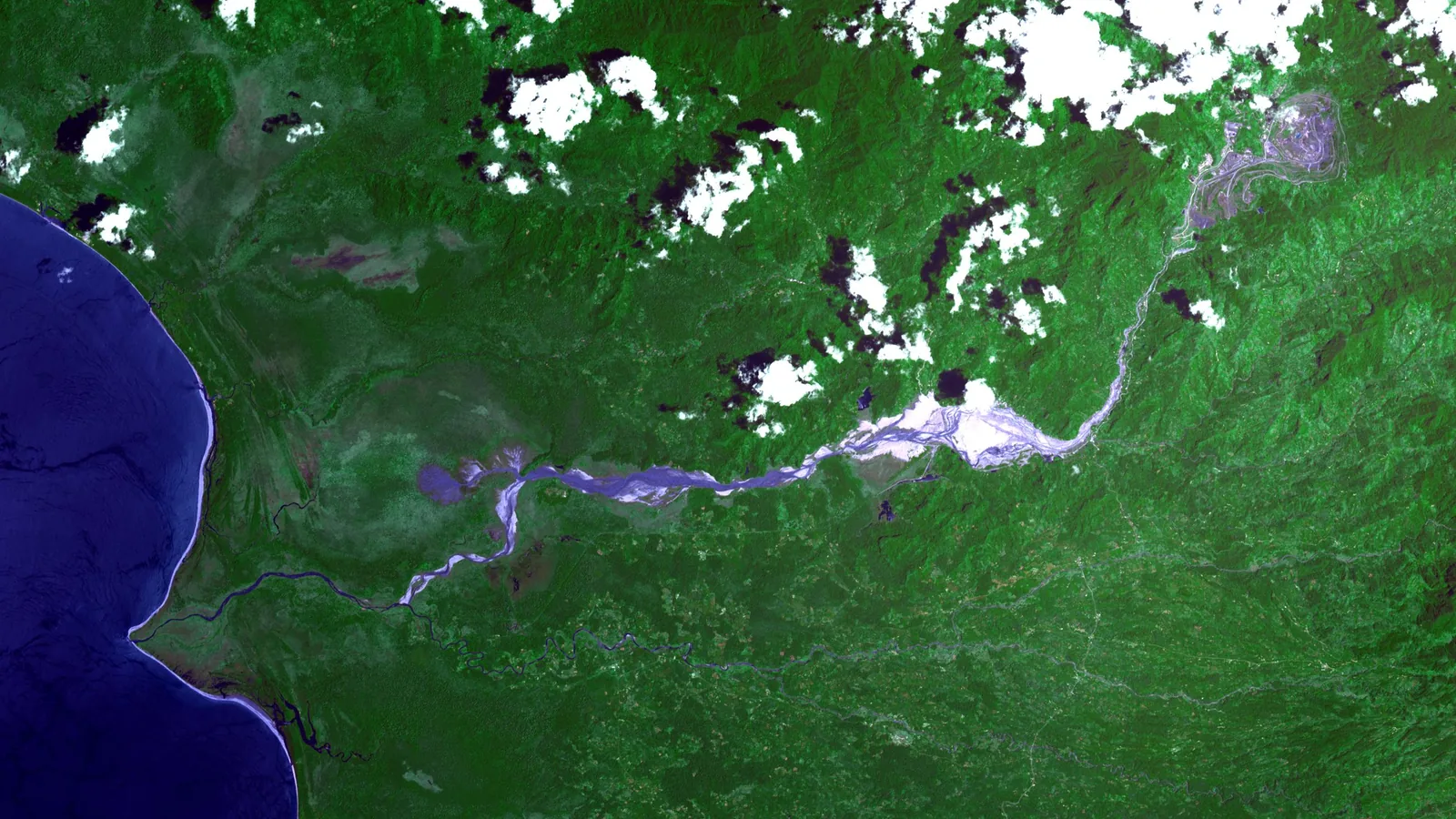
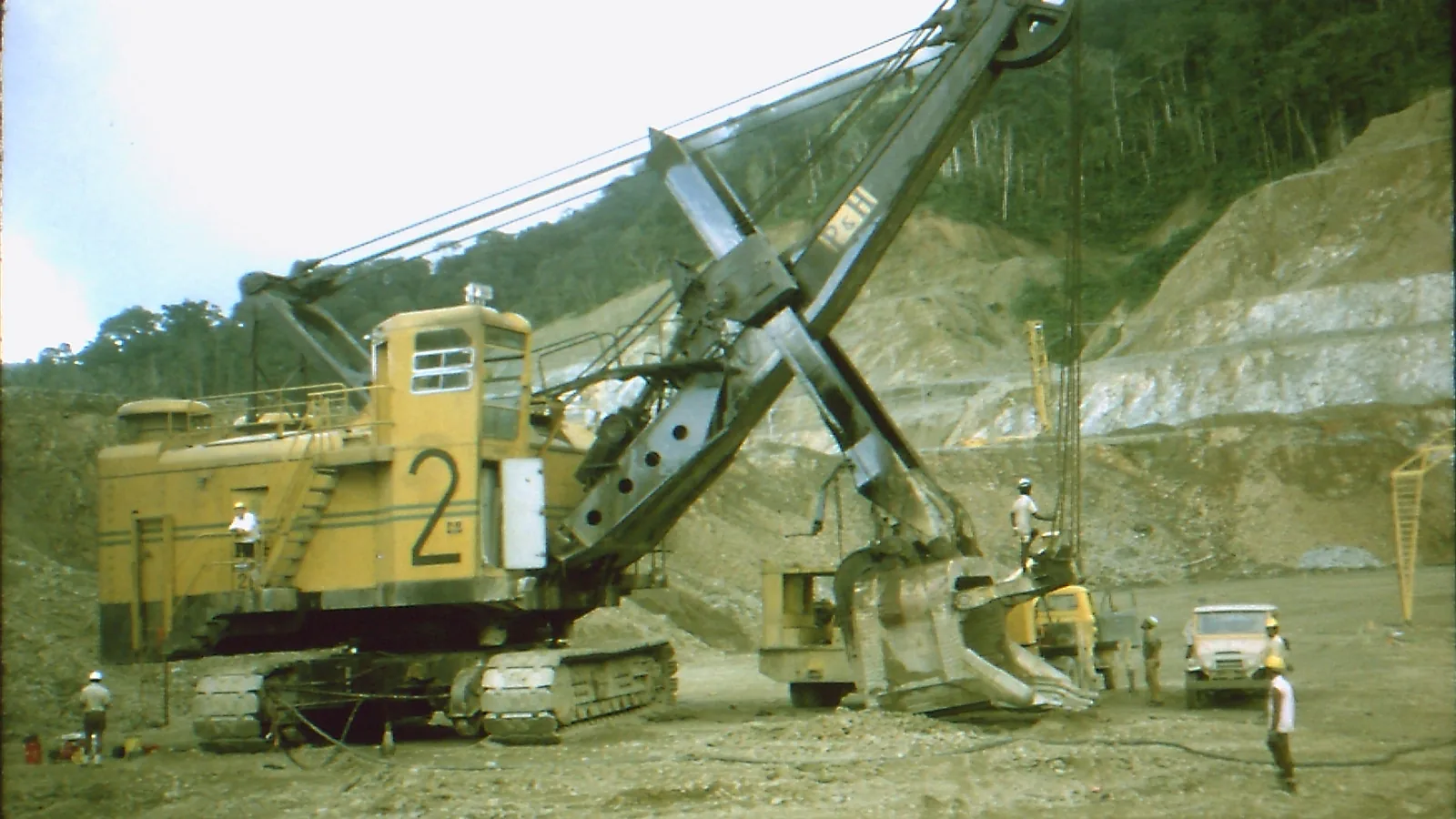
Conciliation Resources, in Accord Issue 12, traces the conflict to Francis Ona, a surveyor from the Nasioi language group who left the Bougainville Copper Limited mine at Panguna in 1987 and the next year formed the New Panguna Landowners Association. Ona’s group sent the company an ultimatum demanding “10 billion kina” in compensation, valued at the time at “A$14.7 billion.” When the company refused, a campaign of arson, explosives theft and attacks on power pylons followed. The mine had generated “A$6.2 billion in sales in the past 16 years,” Conciliation Resources reports, with taxes from the company alone accounting for “16 per cent of the young nation’s budget.” The mine was “officially mothballed on 7 January 1990,” and after a ceasefire that March the last police controller withdrew the remaining police force from the island; the government answered with a sea and air blockade using patrol boats donated by Australia. Conciliation Resources states that “the blockade became responsible for the deaths of thousands of civilians,” more than died in the fighting itself, without giving a total figure. On May 17, 1990, Ona’s supporters declared the Independent Republic of Bougainville.
Estimates of the death toll vary by institution. David Tierney and Paul Bolton, writing in the International Journal of Mental Health Systems in 2016, report that “estimates of the total number of deaths vary from 12,000 to 20,000,” citing a 2009 study by Volker Boege in Peace Review for the lower figure and the United Nations’ 2001 Papua New Guinea Common Country Assessment for the higher one, against a prewar population of about 160,000. The same study records that in 1993, “the Minister of Health had compiled the names of 10,000 people who had died.”
"Subject to ratification": the 2001 agreement's terms
The Bougainville Peace Agreement, transmitted to the UN Security Council by Papua New Guinea’s ambassador Peter D. Donigi and reproduced in Security Council document S/2001/988, describes itself in three parts: “1. Autonomy … 2. Referendum … 3. Weapons Disposal Plan.” It calls itself “a joint creation by the Government of the Independent State of Papua New Guinea and Leaders representing the people of Bougainville,” building on the earlier Burnham Truce and the Lincoln and Ceasefire Agreements. Its signatories included Papua New Guinea’s prime minister, Sir Mekere Morauta, Bougainville’s interim governor, John Momis, and representatives of the Bougainville Revolutionary Army and Resistance Forces.
Paragraph 312 states that constitutional amendments “will guarantee that the referendum will be held: no earlier than 10 years and, in any case, no later than 15 years after the election of the first autonomous Bougainville Government,” and only once conditions on “weapons disposal” and “good governance” were met. Paragraph 310 specifies that “the choices available in the referendum will include a separate independence for Bougainville,” while paragraph 311 sets the limit on what the vote could deliver: “the outcome will be subject to ratification (final decision-making authority) of the National Parliament.”

Weapons before elections: the agreement's third pillar
Paragraph 324 ties the disposal of weapons to elections themselves, providing that “agreed plans for weapons disposal will be fully implemented before elections for the autonomous Bougainville Government are held.” Secretary-General Kofi Annan’s letter forwarding the agreement to the Security Council assigned the United Nations Political Office in Bougainville a role chairing the peace process subcommittee on weapons disposal, at a cost he estimated at “$2.3 million for the period from January to December 2002.”
November 23 to December 11: the count
The commission, established under a charter issued by Papua New Guinea’s Governor-General on August 30, 2017, describes the vote it administered as “a non-binding referendum on Bougainville’s political future.” Voting ran from November 23 to December 7, 2019, and the commission’s archive gives the final tally as 176,928 ballots for independence and 3,043 for greater autonomy, with 1,096 informal ballots, out of 181,067 counted, putting independence at 97.7 percent of all ballots counted. The commission announced the result on December 11 and returned the writ two days later. A notice on its archive site records that “the Bougainville Referendum Commission formally wound up operations in accordance with its Charter on 31st May 2020,” and that the site remains online, hosted by Papua New Guinea’s National Research Institute.
After the count: a covenant and a timetable
The result did not by itself change Bougainville’s status, since the agreement had reserved that decision for Papua New Guinea’s parliament. In April 2022, at a Joint Supervisory Body meeting in Port Moresby, the two governments signed what Radio New Zealand reported as the Era Kone Covenant. Bougainville President Ishmael Toroama told the broadcaster the covenant set “a timeline - not before 2025 and no later than 2027 - and a roadmap for the ratification of the referendum results in the national parliament.” Papua New Guinea’s prime minister, James Marape, said at the same meeting that “it doesn’t matter who sits in this chair in 3 months’ time, the work for Bougainville has been set and the work we have set will continue on.”
Anthony Regan and Katy Le Roy, writing on the Australian National University’s Devpolicy Blog in July 2024, reported that “on 6 May 2024, the Autonomous Bougainville Government released the first draft of its proposed independence constitution.” Regan and Le Roy put Bougainville’s population at “about 350,000” and described its government’s ambition to become “the first independent country since South Sudan in 2011.” The Era Kone Covenant’s 2025-to-2027 ratification window had not yet come due when they published that account.
Key facts
- The Bougainville Peace Agreement, signed at Arawa on August 30, 2001, set out three pillars: autonomy, a referendum and a weapons disposal plan (UN Security Council document S/2001/988).
- Paragraph 312 of the agreement required the referendum to be held between 10 and 15 years after the first autonomous Bougainville government’s election, once weapons disposal and governance conditions were met.
- Paragraph 311 made the referendum’s outcome “subject to ratification (final decision-making authority) of the National Parliament” of Papua New Guinea.
- Conciliation Resources dates the mine dispute that triggered the conflict to Francis Ona’s 1988 ultimatum to Bougainville Copper Limited over the Panguna mine.
- Estimates of deaths in the 1988 to 1997 conflict range from 12,000 (Volker Boege, 2009) to 20,000 (the United Nations’ 2001 Papua New Guinea Common Country Assessment), according to Tierney and Bolton’s 2016 synthesis.
- The Bougainville Referendum Commission counted 176,928 votes for independence and 3,043 for greater autonomy, out of 181,067 ballots counted, in voting held November 23 to December 7, 2019.
- The commission announced the result on December 11, 2019, and returned the referendum writ to Papua New Guinea’s Governor-General on December 13, 2019.
- The Era Kone Covenant, signed in April 2022, set a parliamentary ratification window of “not before 2025 and no later than 2027,” according to Bougainville President Ishmael Toroama.
FAQ
What was the result of the 2019 Bougainville independence referendum?
The Bougainville Referendum Commission counted 176,928 votes for independence against 3,043 for greater autonomy, with 1,096 informal ballots, out of 181,067 counted. The commission announced the result on December 11, 2019.
Is the 2019 Bougainville referendum result binding?
No. The Bougainville Peace Agreement of 2001 states that the referendum's outcome is "subject to ratification (final decision-making authority) of the National Parliament" of Papua New Guinea.
What caused the Bougainville conflict that the 2001 agreement ended?
Conciliation Resources traces the conflict to a 1988 dispute over the Panguna copper mine, after landowner Francis Ona's compensation demand to Bougainville Copper Limited was refused and a sabotage campaign followed, leading to a government blockade of the island.
Sources
- United Nations Security Council, S/2001/988 (October 23, 2001), letter from the Secretary-General transmitting the Bougainville Peace Agreement, signed at Arawa, August 30, 2001
- Conciliation Resources, Accord Issue 12 (2002), "Key points of the Bougainville Peace Agreement"
- Conciliation Resources, Accord Issue 12 (2002), "The origins of the conflict"
- David Tierney and Paul Bolton, "The mental health and psychosocial impact of the Bougainville Crisis," International Journal of Mental Health Systems 10:18 (2016)
- Bougainville Referendum Commission, official archive site, "Referendum result"
- Radio New Zealand, "PNG and Bougainville sign key covenant to usher in referendum results" (April 25, 2022)
- Anthony Regan and Katy Le Roy, "Bougainville's home-grown independence constitution: Part 1," Devpolicy Blog, Australian National University (July 16, 2024)
Cite this article
- APA
- LETTER. (2026, September 28). Bougainville votes 176,928 to 3,043 for independence. Our Earth's History. https://ourearthshistory.com/oceania/contemporary/bougainville-referendum-2019-peace-agreement-2001-independence-vote/
- Chicago
- LETTER. “Bougainville votes 176,928 to 3,043 for independence.” Our Earth's History, September 28, 2026. https://ourearthshistory.com/oceania/contemporary/bougainville-referendum-2019-peace-agreement-2001-independence-vote/.
- MLA
- LETTER. “Bougainville votes 176,928 to 3,043 for independence.” Our Earth's History, 28 Sep. 2026, https://ourearthshistory.com/oceania/contemporary/bougainville-referendum-2019-peace-agreement-2001-independence-vote/.
Text licensed CC BY-NC-ND 4.0. Found an error? Tell us.