Paragraph 42: the sentence that ended terra nullius, June 3, 1992
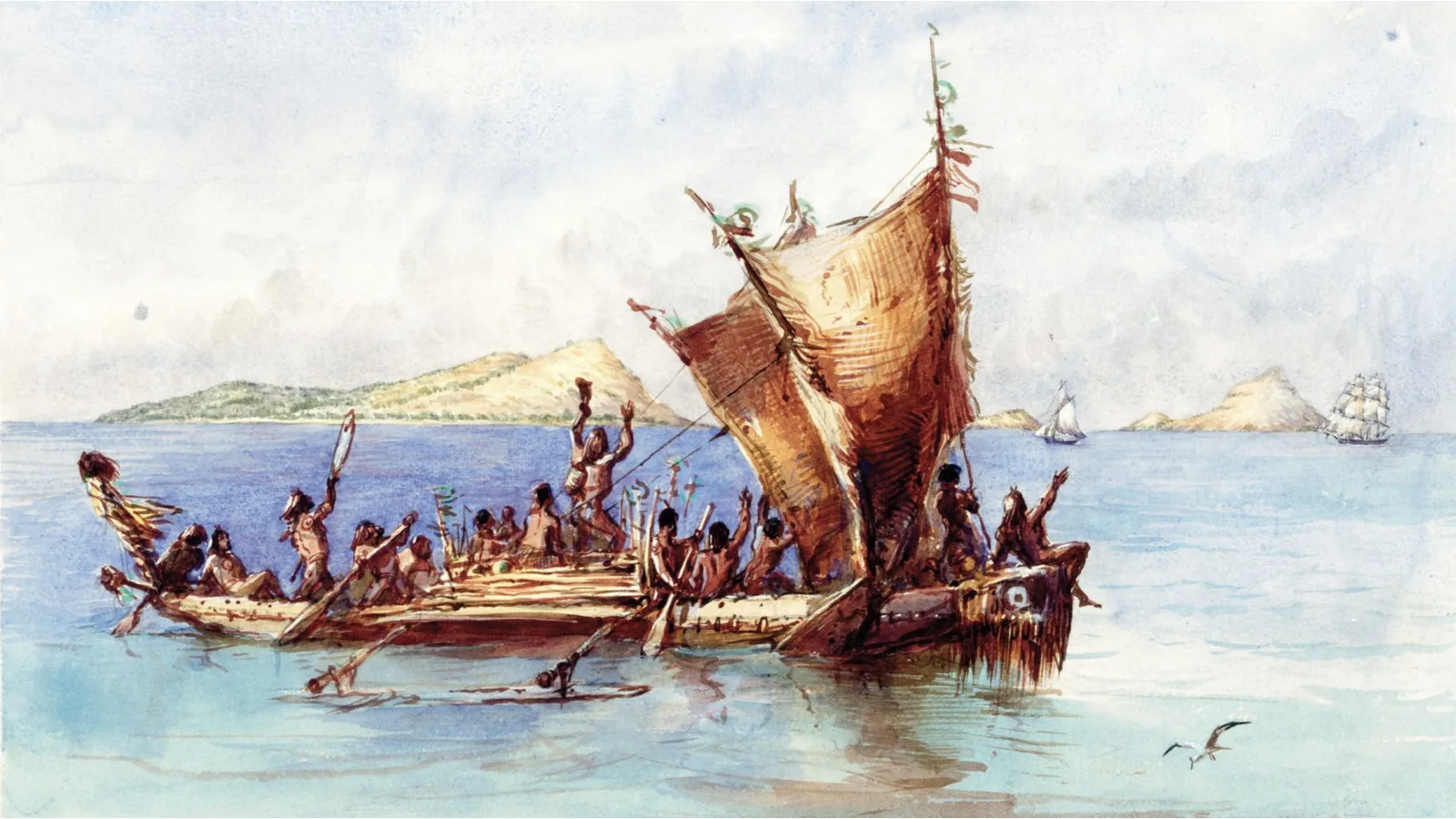

TL;DR — June 3, 1992: the High Court of Australia held six to one that Meriam native title to Mer survived annexation; terra nullius had no place in Australian law.
“The fiction by which the rights and interests of indigenous inhabitants in land were treated as non-existent was justified by a policy which has no place in the contemporary law of this country,” Justice Brennan wrote at paragraph 42 of Mabo v Queensland (No 2), which the High Court of Australia handed down in Canberra on June 3, 1992, by six judges to one. The Court declared that the Meriam people were entitled “as against the whole world” to the lands of the Murray Islands in the Torres Strait, and that this title had survived the islands’ annexation to Queensland in 1879. Justice Dawson dissented. The same Order stated that the Parliament and the Governor in Council of Queensland could still extinguish the title by a valid exercise of their powers. Eddie Koiki Mabo, the first named of the five plaintiffs who had filed the claim on May 20, 1982, was dead by the time it was read.
Quick facts
- When
- May 20, 1982 (claim filed in the High Court of Australia) · 1985 (Queensland Coast Islands Declaratory Act) · December 1988 (Mabo (No 1)) · January 21, 1992 (Eddie Koiki Mabo dies, by AIATSIS's date) · June 3, 1992 (judgment) · December 10, 1992 (Keating's Redfern speech) · 1993 (Native Title Act) · December 23, 1996 (Wik Peoples v Queensland)
- Where
- Mer, also called Murray Island, with Dauar and Waier, the easternmost of the Torres Strait's Eastern Islands, annexed to Queensland in 1879; the High Court sat in Canberra
- Who
- Eddie Koiki Mabo, the Reverend David Passi, Celuia Mapo Salee, Sam Passi and James Rice, the five Meriam plaintiffs; solicitor Greg McIntyre and barristers Ron Castan and Bryan Keon-Cohen; Justice Moynihan of the Supreme Court of Queensland; Mason CJ, Brennan, Deane, Dawson, Toohey, Gaudron and McHugh JJ
- Outcome
- By six to one, Dawson J dissenting, the Court declared the Meriam people entitled "as against the whole world" to the lands of the Murray Islands, and that Queensland could extinguish that title only by a valid exercise of its powers consistent with Commonwealth law
Five names from Mer, May 20, 1982
Eddie Koiki Mabo was born on June 29, 1936, at Las, a village on Mer, the island that Europeans called Murray Island, and was raised under Islander custom by his uncle Benny and aunt Maigo Mabo. Later, as a gardener at James Cook University, he sat at lunch one day with two historians, Noel Loos and Henry Reynolds. In the account AIATSIS prints, they told him that the land he spoke of owning on Mer was Crown land, and Loos recalled him saying “No way” and calling the land “ours.”
A Perth solicitor, Greg McIntyre, agreed to take a test case and recruited two barristers, Ron Castan and Bryan Keon-Cohen. On May 20, 1982, Mabo, the Reverend David Passi, Celuia Mapo Salee, Sam Passi and James Rice began their claim in the High Court of Australia for ownership of their lands on Mer. The case took the first plaintiff’s name.
Queensland's answer: the 1985 Act and Mabo (No 1)
The High Court sent the questions of fact to the Supreme Court of Queensland. While that hearing was underway, the Queensland Parliament passed the Queensland Coast Islands Declaratory Act 1985, a law that, in Brennan J’s later words, “purported to extinguish the plaintiffs’ native title.” The Meriam plaintiffs challenged it in February 1986, and in December 1988 the High Court held, in the case now called Mabo (No 1), that the Act “was nullified by operation of s.10 of the Racial Discrimination Act,” a Commonwealth law of 1975.
Justice Moynihan of the Supreme Court of Queensland took the evidence. By the National Museum of Australia’s count, 33 Meriam people produced 4,000 pages of transcript over the ten years of the case. Brennan J wrote that Moynihan J’s findings “unavoidably contain areas of uncertainty and elements of speculation” but gave “a sound basis” for what the Court needed to know about Meriam land holding at annexation. One finding he turned against terra nullius directly: “The Meriam people were, as Moynihan J. found, devoted gardeners,” who in 1879 “were living peacefully in a land-based society under some sort of governance by the Mamoose and the London Missionary Society.”
Paragraphs 41 and 42
Mabo died of cancer on January 21, 1992, aged 56, five months before the judgment, by AIATSIS’s date. By the day of judgment, the National Museum records, three of the five plaintiffs, Mabo, Sam Passi and Celuia Mapo Salee, had died.
Brennan J built to paragraph 42 through the Privy Council’s 1919 decision In re Southern Rhodesia, which had held that some peoples were “so low in the scale of social organization” that it was “idle to impute to such people some shadow of the rights known to our law.” Doctrines resting on that notion, he wrote at paragraph 41, “can hardly be retained,” because “the common law should neither be nor be seen to be frozen in an age of racial discrimination.” Then came the sentence of paragraph 42, and after it the policy he meant: the Privy Council’s own words of 1919 that “the maintenance of their rights was fatally inconsistent with white settlement of the country.”
Chief Justice Mason and Justice McHugh agreed with Brennan J’s reasons. Justices Deane, Gaudron and Toohey wrote separately to the same result. Mason CJ and McHugh J recorded that “six members of the Court (Dawson J. dissenting) are in agreement that the common law of this country recognizes a form of native title.”
The Order, and the power it left with Queensland
The Court’s Order declared “that the Meriam people are entitled as against the whole world to possession, occupation, use and enjoyment of the lands of the Murray Islands,” and then, in its third paragraph, “that the title of the Meriam people is subject to the power of the Parliament of Queensland and the power of the Governor in Council of Queensland to extinguish that title by valid exercise of their respective powers, provided any exercise of those powers is not inconsistent with the laws of the Commonwealth.”
Extinguishment had two rules. At paragraph 75: “the exercise of a power to extinguish native title must reveal a clear and plain intention to do so, whether the action be taken by the Legislature or by the Executive.” At paragraph 81: “A Crown grant which vests in the grantee an interest in land which is inconsistent with the continued right to enjoy a native title in respect of the same land necessarily extinguishes the native title.” On what followed from that, the majority split. Mason CJ and McHugh J wrote that neither they nor Brennan J accepted the view of Deane, Toohey and Gaudron JJ that extinguishment by inconsistent grant “is wrongful and gives rise to a claim for compensatory damages.” Toohey J’s own draft declaration, at paragraph 128 of his reasons, said the title “may not be extinguished without the payment of compensation or damages”; the Court’s Order followed Brennan J’s draft instead and said nothing about compensation.
Redfern Park, the Act, and the pastoral leases
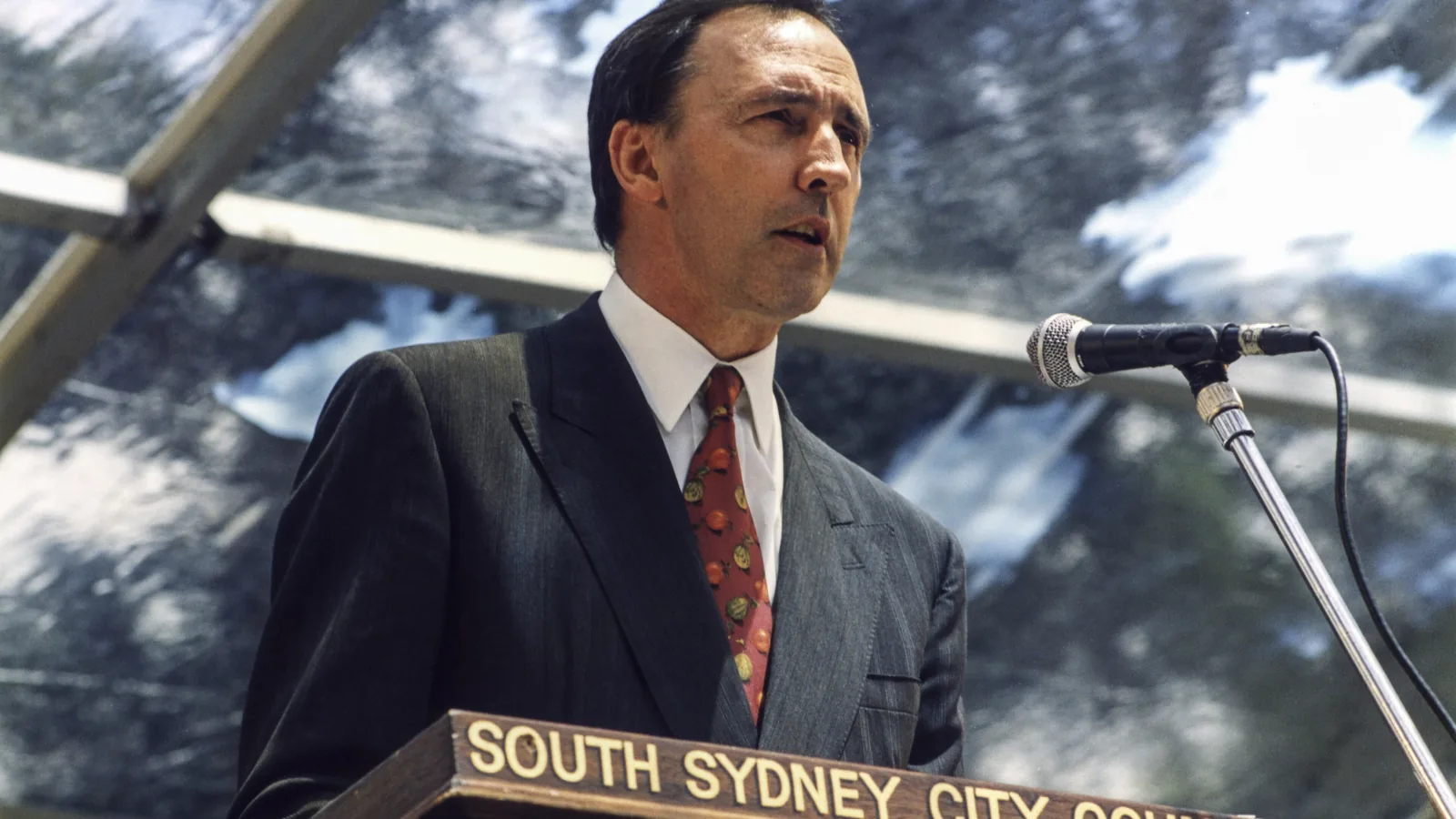
On December 10, 1992, at Redfern Park in Sydney, opening Australia’s 1993 International Year for the World’s Indigenous People, Prime Minister Paul Keating said: “By doing away with the bizarre conceit that this continent had no owners prior to the settlement of Europeans, Mabo establishes a fundamental truth and lays the basis for justice.” The Commonwealth Parliament then passed the Native Title Act 1993. On December 23, 1996, in Wik Peoples v Queensland, the High Court held that Queensland’s pastoral leases “do not necessarily extinguish native title,” that the lessees’ rights “will prevail, to the extent of any inconsistency with native title,” and that “the fundamental rule in Mabo [No 2] is unaffected.”
Key facts
- Eddie Koiki Mabo, the Reverend David Passi, Celuia Mapo Salee, Sam Passi and James Rice filed their claim in the High Court of Australia on May 20, 1982 (AIATSIS).
- The Queensland Coast Islands Declaratory Act 1985 “purported to extinguish the plaintiffs’ native title”; in December 1988 the High Court held it “nullified by operation of s.10 of the Racial Discrimination Act” (Mabo (No 2), paragraph 92; National Museum of Australia).
- Justice Moynihan of the Supreme Court of Queensland found the facts; 33 Meriam witnesses produced 4,000 pages of transcript (National Museum of Australia).
- Mabo died on January 21, 1992, aged 56, by AIATSIS’s date, five months before the judgment.
- The High Court heard the case in Canberra on May 28 to 31, 1991, and gave judgment on June 3, 1992, six to one, Dawson J dissenting (the judgment).
- Paragraph 42 of Brennan J’s reasons called terra nullius a “fiction” justified by a policy “which has no place in the contemporary law of this country.”
- The Order declared the Meriam people entitled “as against the whole world” to the lands of the Murray Islands, subject to Queensland’s power to extinguish the title by valid exercise of its powers consistent with Commonwealth law.
- Keating’s Redfern speech followed on December 10, 1992, the Native Title Act in 1993, and Wik Peoples v Queensland on December 23, 1996.
FAQ
What did the Mabo decision actually decide?
That the common law of Australia recognizes native title, and that the Meriam people's title to the lands of the Murray Islands survived annexation to Queensland in 1879. The Order also declared that Queensland's Parliament and Governor in Council could extinguish that title by a valid exercise of their powers.
Did Eddie Mabo live to see the judgment?
No. AIATSIS gives his death as January 21, 1992, five months before the June 3 judgment. Two other plaintiffs, Sam Passi and Celuia Mapo Salee, had also died.
Which judges decided Mabo v Queensland (No 2)?
Mason CJ, Brennan, Deane, Dawson, Toohey, Gaudron and McHugh JJ. Six agreed that native title existed; Dawson J dissented. Mason CJ and McHugh J joined Brennan J's reasons, and the Court's Order followed the declaration he proposed.
Sources
- High Court of Australia, Mabo v Queensland (No 2) [1992] HCA 23; (1992) 175 CLR 1, June 3, 1992 — AustLII text (www8.austlii.edu.au/cgi-bin/viewdoc/au/cases/cth/HCA/1992/23.html), read in the Arquivo.pt archived copy of November 27, 2019; paragraph numbers are those printed in each judge's reasons.
- High Court of Australia, Wik Peoples v Queensland [1996] HCA 40; (1996) 187 CLR 1, December 23, 1996 — AustLII text, read in the Arquivo.pt archived copy of February 16, 2020.
- PM Transcripts, Department of the Prime Minister and Cabinet — Paul Keating, "Australian Launch of the International Year for the World's Indigenous People, Redfern," December 10, 1992, transcript 8765.
- Australian Institute of Aboriginal and Torres Strait Islander Studies (AIATSIS) — "Eddie Koiki Mabo," biography with the 1982 filing, the plaintiffs' names and the date of his death; read in the Arquivo.pt archived copy of February 15, 2023.
- National Museum of Australia — "Defining Moments: Mabo decision," the 1985 Act, Mabo (No 1), the evidence before the Supreme Court of Queensland and the three plaintiffs who died before judgment; read in the Arquivo.pt archived copy of March 5, 2019.
- Federal Register of Legislation — Native Title Act 1993, No. 110, 1993, table of contents.
Cite this article
- APA
- Our Earth's History. (2026, September 22). Paragraph 42: the sentence that ended terra nullius, June 3, 1992. Our Earth's History. https://ourearthshistory.com/oceania/contemporary/mabo-1992-high-court-terra-nullius/
- Chicago
- Our Earth's History. “Paragraph 42: the sentence that ended terra nullius, June 3, 1992.” Our Earth's History, September 22, 2026. https://ourearthshistory.com/oceania/contemporary/mabo-1992-high-court-terra-nullius/.
- MLA
- “Paragraph 42: the sentence that ended terra nullius, June 3, 1992.” Our Earth's History, 22 Sep. 2026, https://ourearthshistory.com/oceania/contemporary/mabo-1992-high-court-terra-nullius/.
Text licensed CC BY-NC-ND 4.0. Found an error? Tell us.