Appointed day: the Ghana Independence Act, 1957, clause by clause
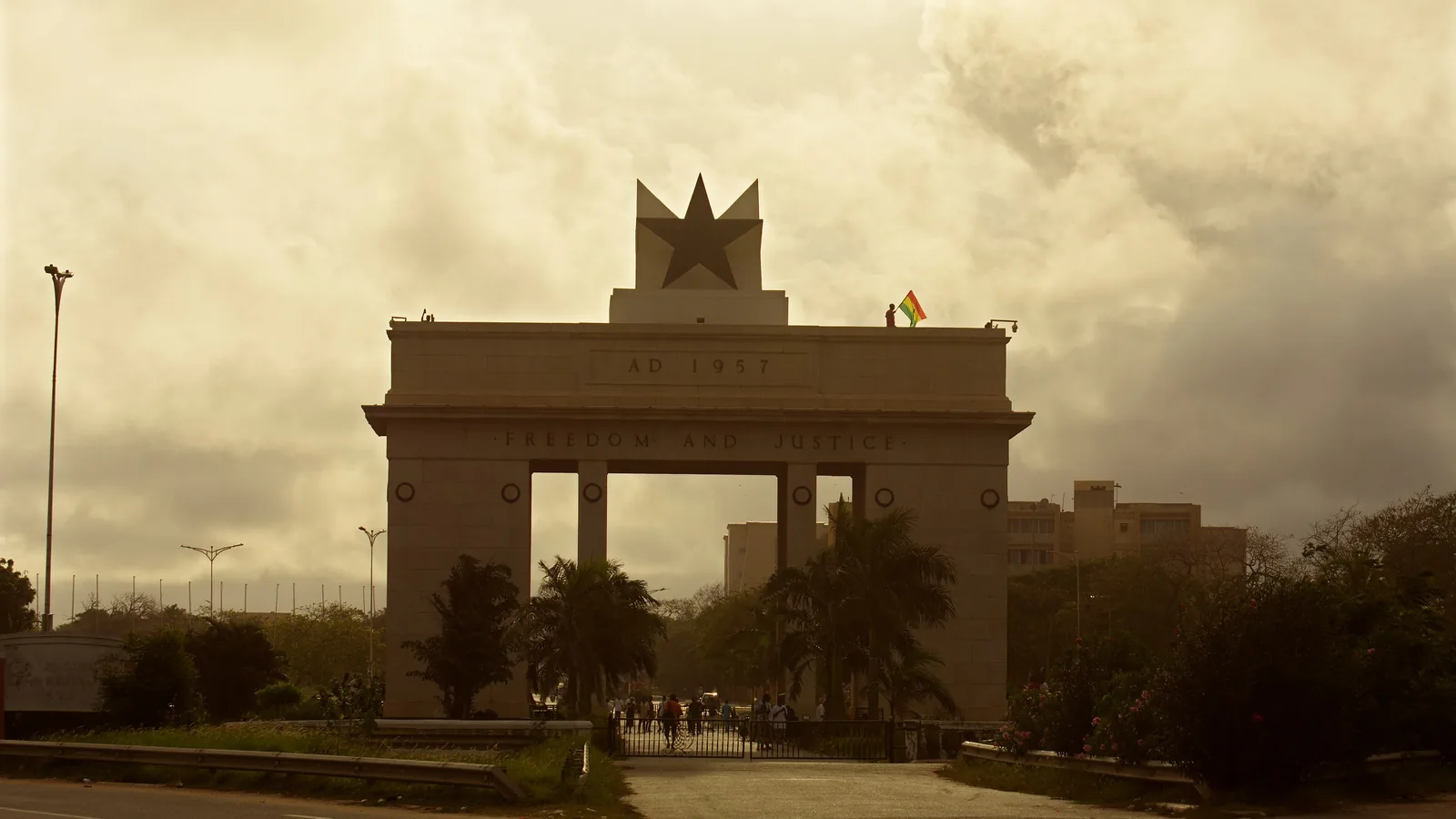

TL;DR — Royal Assent on February 7, 1957; appointed day March 6, 1957. From that day the Gold Coast was Ghana and the United Kingdom had no responsibility for its government.
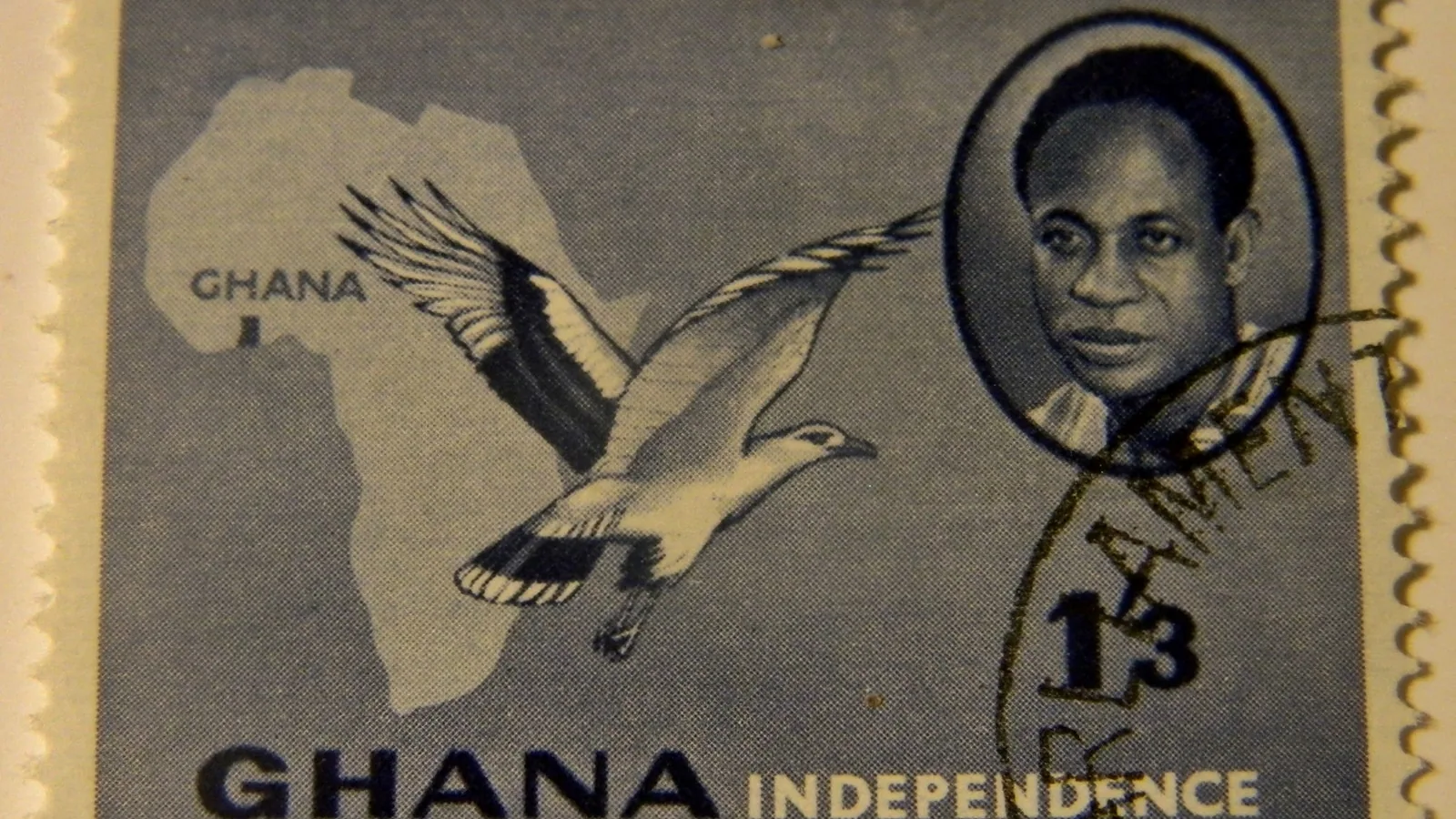
“An Act to make provision for . . . the attainment by the Gold Coast of fully responsible status within the British Commonwealth of Nations”: so runs the long title of the Ghana Independence Act, 1957, chapter 6, which received the Royal Assent on February 7, 1957. Section 5(2) defined “the appointed day” as “the sixth day of March, nineteen hundred and fifty-seven, unless before that date Her Majesty has by Order in Council appointed some other day.” From that day, section 1 provided, the territories of the Gold Coast formed “part of Her Majesty’s dominions under the name of Ghana,” and the government in London “shall have no responsibility for the government of Ghana or any part thereof.” Lord John Hope, Under-Secretary of State for Commonwealth Relations, moved the second reading on December 11, 1956 and told the Commons the bill would create “the first of the British dependent territories in tropical Africa to attain full self-government as a sovereign and independent nation.” The road to that sentence ran through a shooting in Accra in 1948 and a prison cell in 1951.
Quick facts
- When
- February 28, 1948 (shooting at the Christiansborg crossroads, Accra) · June 12, 1949 (Convention People's Party launched) · January 8, 1950 (Positive Action) · February 8 and 12, 1951 (election won from prison; Nkrumah released) · July 12 and 17, 1956 (general election) · August 3, 1956 (Assembly votes for independence, 72 to none) · September 18, 1956 (date fixed) · December 11, 1956 (second reading) · February 7, 1957 (Royal Assent) · March 6, 1957 (appointed day)
- Where
- Accra, on the Gulf of Guinea, capital of the Gold Coast; James Fort Prison in Accra; Kumasi and Ashanti; the Northern Territories; British Togoland, a United Nations trust territory; the House of Commons at Westminster
- Who
- Kwame Nkrumah, Leader of Government Business from 1951 and prime minister from 1952; Lord John Hope, who moved the bill; Alan Lennox-Boyd, Colonial Secretary; Roy Mason, the member for Barnsley; the National Liberation Movement and the Asanteman Council; Richard M. Nixon, in Accra on March 4, 1957; Harold Macmillan
- Outcome
- The Act gave the Gold Coast "fully responsible status within the British Commonwealth" under the name Ghana from March 6, 1957; the United Kingdom ceased to have responsibility for its government; British Togoland's trusteeship expired the same day; Ghana joined the Commonwealth
Five sections and two schedules
The Act was short. Section 1 barred any Act of the United Kingdom Parliament passed on or after the appointed day from extending to Ghana unless it declared that the Parliament of Ghana “has requested, and consented to” it. The First Schedule freed the Parliament of Ghana from the Colonial Laws Validity Act, 1865 and gave it “full power to make laws having extra-territorial operation.” Section 5 named the day, and Hope told the Commons it “will only be varied if unforeseen and compelling circumstances should arise.” None arose.
From the Christiansborg crossroads to James Fort, 1948 to 1951
George Padmore, whose book The Gold Coast Revolution appeared in London in 1953, traced that clause back to a shooting. On February 28, 1948, he wrote, “unarmed ex-servicemen were shot down by the police at the Christiansborg cross-roads” in Accra, and riots and looting followed. A commission under the barrister Aiken Watson, K.C., inquired; on its report the governor appointed an all-African committee under Justice J. Henley Coussey, which issued a draft constitution in August 1949. Kwame Nkrumah, removed from the secretaryship of the United Gold Coast Convention, went with its youth wing, and the Convention People’s Party “was launched at Accra on June 12, 1949.”
When talks on the Coussey draft stalled, Nkrumah proclaimed “Positive Action,” a campaign of non-violent non-cooperation, “as from midnight on January 8, 1950.” The government declared a state of emergency, and he and other party leaders were sentenced to “periods of imprisonment ranging from six months to two years.” The party won the general election of February 8, 1951 with its leader in jail, and at one o’clock on February 12 Nkrumah walked out of James Fort Prison in Accra to a crowd Padmore put at more than 100,000. On February 26 the new Assembly approved eight African ministers, with “Dr Kwame Nkrumah, Leader of Government Business” among them; the title of prime minister followed in 1952, a change Hope also dated to early that year.
Seventy-two seats, and a vote of 72 to none
Hope gave the Commons the arithmetic of 1956. A general election on July 12 and 17 returned the Convention People’s Party “with only a slightly reduced majority”; it held “72 of the 104 seats” and “won 57 per cent. of the votes cast throughout the country.” Roy Mason put the figure at 71 seats later in the same debate. On August 3 the new Assembly took up the government’s motion for independence within the Commonwealth; the opposition stayed away, and it “was passed by 72 votes to none.” On September 18 the Colonial Secretary published his reply, promising a bill “at the first available opportunity” and independence on March 6, 1957.
Ghana, the Bond of 1844 and the demand for federation
Two choices in the bill were, in Hope’s words, made “in accordance with local wishes.” The first was the name. Ghana “was the name of an ancient kingdom, in what is now French territory south of the Sahara, which has acquired great historic significance in the Gold Coast.” The second was the date: March 6 was “the anniversary of the signing of the Bond of 1844 from which British jurisdiction generally derives.”
Not all of the Gold Coast wanted one state. The National Liberation Movement, the Northern People’s Party and the Asanteman Council had sent the Colonial Secretary formal resolutions asking for “separate independence to be awarded to Ashanti and the Northern Territories” and for a Partition Commission. The government’s reply was that partition “is not in the interests of the Gold Coast as a whole or of any of its component parts.” Mason told the House that opposition leaders “including Professor Busia” had spoken of secession if there was no agreement on the constitution by independence day. Alan Lennox-Boyd, the Colonial Secretary, answered that Sir Frederick Bourne, sent out as constitutional adviser in December 1955, “came down firmly against a federal constitution.”
Togoland's plebiscite, Nixon in Accra and the day itself
British Togoland, a United Nations trust territory administered with the Gold Coast, voted on May 9, 1956 under United Nations supervision: 93,095 voters, or 58 percent, favored integration with an independent Gold Coast and 67,492 opposed it, by the State Department’s count in Foreign Relations of the United States. The General Assembly approved the union on December 13, 1956, and on March 6, 1957 the trusteeship agreement expired. Richard M. Nixon, the American vice president, met Nkrumah in Accra on March 4, 1957 and “congratulated the Prime Minister on his country’s joining the family of nations.” The BBC reported the Legislative Assembly prorogued at midnight, Sir Charles Arden-Clarke sworn in as first Governor-General, and Nkrumah replying to a message from the Queen: “My government fully realises both the advantages and the responsibilities involved in the achievement of independence.”
Harold Macmillan’s letter to Nkrumah, dated March 1, 1957 and printed in the Commons written answers on March 6, opened: “I am very happy to be able, through the Home Secretary and Lord Privy Seal, who is leading the United Kingdom Delegation, to send you a message welcoming Ghana on this auspicious day to Independence and to Membership of the Commonwealth.” On February 24, 1966, Lord Carrington asked the Lords for a statement on “the events in Ghana,” and the Earl of Longford spoke of “the great concern that is felt throughout the country at the news to-day from Ghana”; the BBC’s account is that Nkrumah was deposed that year by a military coup while he was on a trip to Peking.

Key facts
- The Ghana Independence Act, 1957 (chapter 6) received the Royal Assent on February 7, 1957; section 5(2) set “the appointed day” as March 6, 1957 unless changed by Order in Council.
- Section 1 made the Gold Coast territories “part of Her Majesty’s dominions under the name of Ghana” and ended the United Kingdom government’s responsibility for governing them.
- Padmore dated the Christiansborg crossroads shooting and riots to February 28, 1948, the launch of the Convention People’s Party to June 12, 1949, and Positive Action to midnight on January 8, 1950.
- Nkrumah’s party won the election of February 8, 1951 while he was in prison; he left James Fort Prison on February 12, 1951 and became Leader of Government Business on February 26.
- In the election of July 12 and 17, 1956 the party held 72 of 104 seats with 57 percent of the vote, by the government’s figures given to the Commons; the Assembly voted 72 to none for independence on August 3, 1956.
- The name Ghana and the date March 6, the anniversary of the Bond of 1844, were chosen “in accordance with local wishes” (Lord John Hope, December 11, 1956).
- The British government rejected partition of the Gold Coast into separate Ashanti and northern states, calling it against the interests of “the Gold Coast as a whole or of any of its component parts.”
- British Togoland voted 93,095 to 67,492 for union on May 9, 1956; the General Assembly approved the union on December 13, 1956 and the trusteeship expired on March 6, 1957.
FAQ
What did the Ghana Independence Act 1957 actually do?
It gave the Gold Coast "fully responsible status within the British Commonwealth of Nations" under the name Ghana from the appointed day, March 6, 1957. From that day no United Kingdom Act extended to Ghana without the Ghana Parliament's request and consent, the United Kingdom government had no responsibility for governing Ghana, and the Colonial Laws Validity Act, 1865 ceased to apply to Ghana's laws.
Why was March 6 chosen as Ghana's independence day?
Lord John Hope told the Commons on December 11, 1956 that the date was "selected in accordance with local wishes" as "the anniversary of the signing of the Bond of 1844 from which British jurisdiction generally derives." The Act allowed the Queen to appoint another day by Order in Council; none was.
Did Ashanti and the Northern Territories want to join Ghana?
The National Liberation Movement, the Northern People's Party and the Asanteman Council asked in 1956 for separate independence for Ashanti and the Northern Territories and a Partition Commission. The British government refused, and the Colonial Secretary told the Commons that its constitutional adviser had come down against a federal constitution. Roy Mason reported opposition talk of secession if no agreement was reached by independence day.
Sources
- legislation.gov.uk (The National Archives) — Ghana Independence Act 1957, 1957 c. 6, as enacted, February 7, 1957, sections 1 to 5 and First and Second Schedules.
- UK Parliament, Historic Hansard — "Ghana Independence Bill," second reading, HC Deb December 11, 1956, vol 562 cc229-326 (Lord John Hope, Roy Mason, Alan Lennox-Boyd).
- UK Parliament, Historic Hansard — "Royal Assent," HC Deb February 7, 1957, vol 564 c644.
- UK Parliament, Historic Hansard — "Ghana (Membership of Commonwealth)," written answers, HC Deb March 6, 1957, vol 566 c76W (Harold Macmillan's letter of March 1, 1957).
- UK Parliament, Historic Hansard — "Ghana," HL Deb February 24, 1966, vol 273 c336 (Lord Carrington, the Earl of Longford).
- George Padmore, The Gold Coast Revolution: The Struggle of an African People from Slavery to Freedom (London: Dennis Dobson, 1953); full text on the Internet Archive.
- US Department of State, Office of the Historian — Foreign Relations of the United States, 1955–1957, Africa, Volume XVIII, Document 122, Editorial Note (the Togoland plebiscite and General Assembly Resolution 1044(XI)).
- US Department of State, Office of the Historian — Foreign Relations of the United States, 1955–1957, Africa, Volume XVIII, Document 129, Memorandum of a Conversation, Accra, March 4, 1957 (Nixon and Nkrumah).
- BBC News, On This Day — "1957: Ghana celebrates independence," March 6, 1957.
Cite this article
- APA
- Our Earth's History. (2026, September 22). Appointed day: the Ghana Independence Act, 1957, clause by clause. Our Earth's History. https://ourearthshistory.com/africa/contemporary/ghana-independence-act-1957-appointed-day/
- Chicago
- Our Earth's History. “Appointed day: the Ghana Independence Act, 1957, clause by clause.” Our Earth's History, September 22, 2026. https://ourearthshistory.com/africa/contemporary/ghana-independence-act-1957-appointed-day/.
- MLA
- “Appointed day: the Ghana Independence Act, 1957, clause by clause.” Our Earth's History, 22 Sep. 2026, https://ourearthshistory.com/africa/contemporary/ghana-independence-act-1957-appointed-day/.
Text licensed CC BY-NC-ND 4.0. Found an error? Tell us.