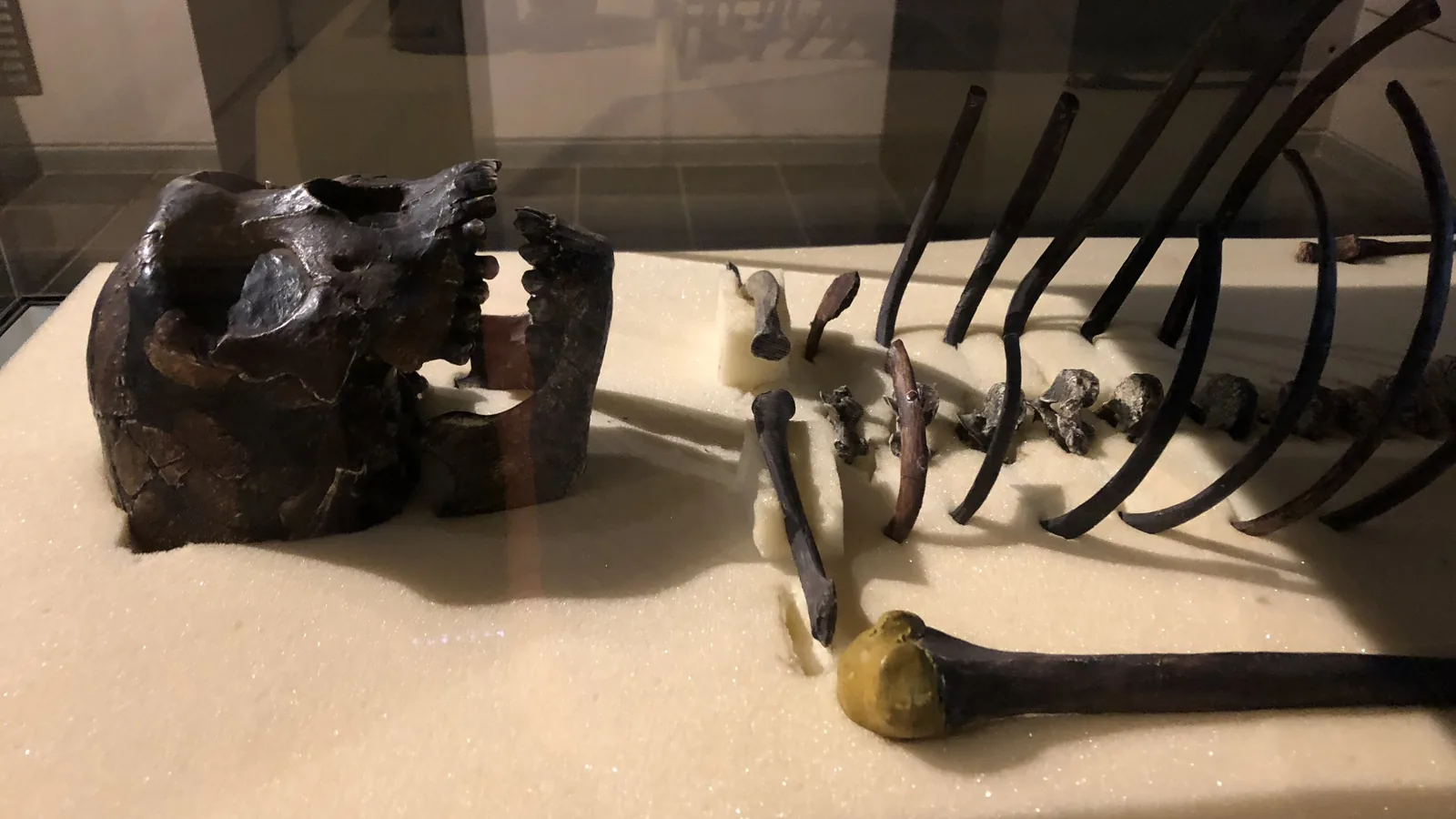
The Homo erectus skeleton Kamoya Kimeu found beside the dry Nariokotome River in 1984, dated 1.60 ± 0.05 million years, with each institution's figures.
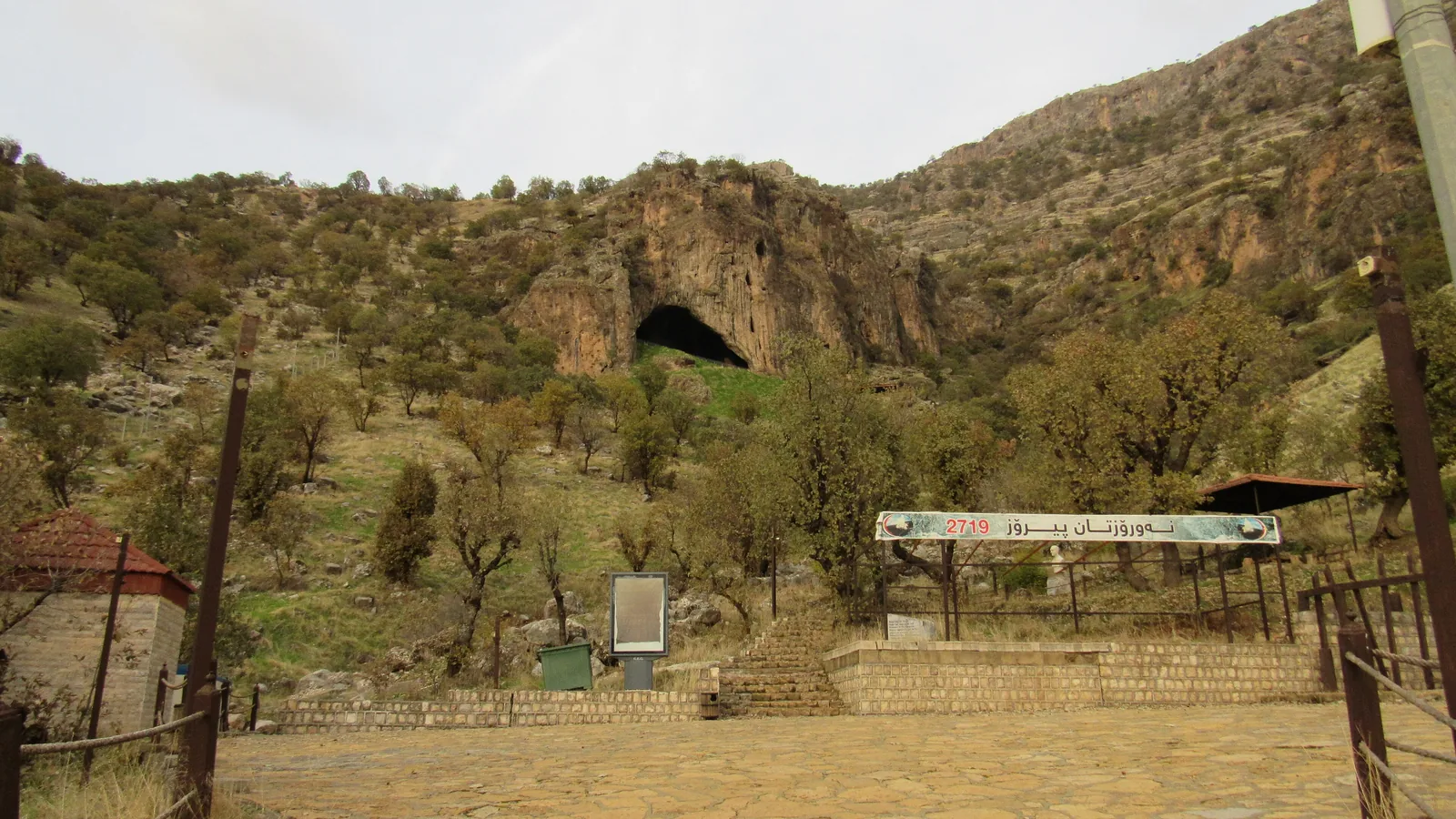
Solecki's 1951 to 1960 trench at Shanidar Cave held 10 Neanderthals. In 2020 a Cambridge-led team reported an adult buried in a pit dug beside Shanidar 4.
Science Advances, June 12, 2020: 130 bone points at Fa-Hien Lena cave, Sri Lanka, are sized and hafted like arrows, dated to 48,000 to 34,000 years ago.
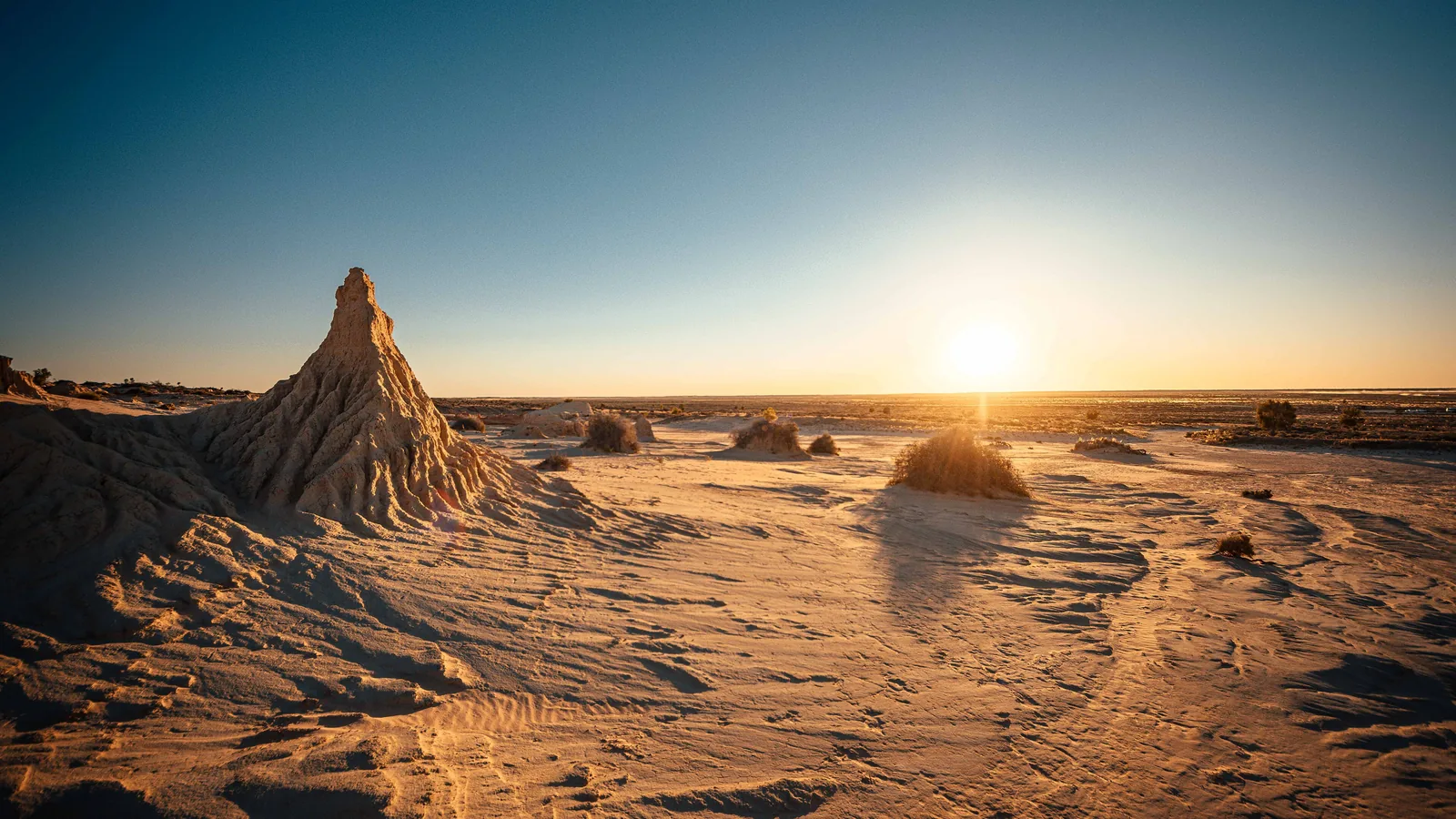
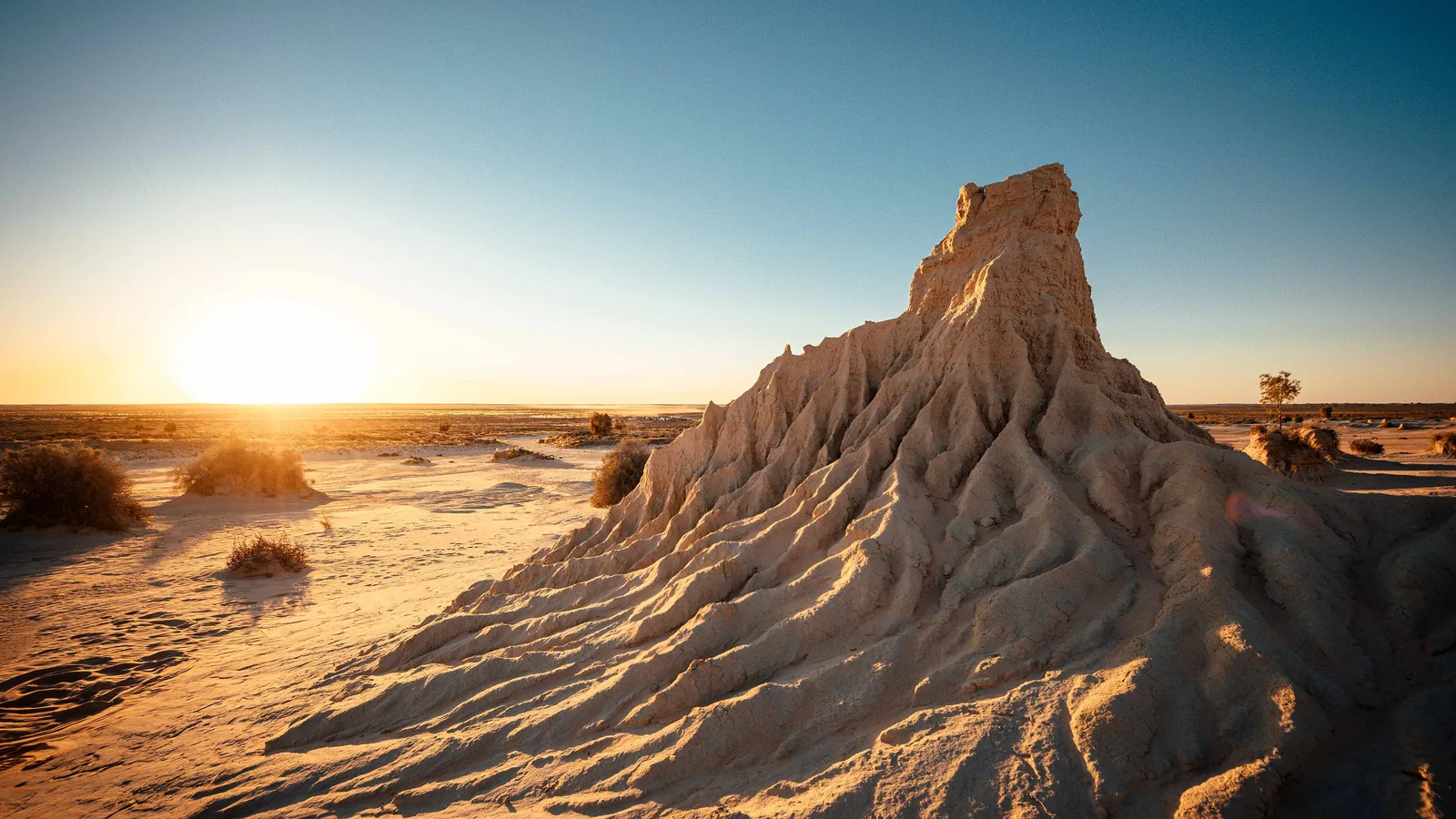
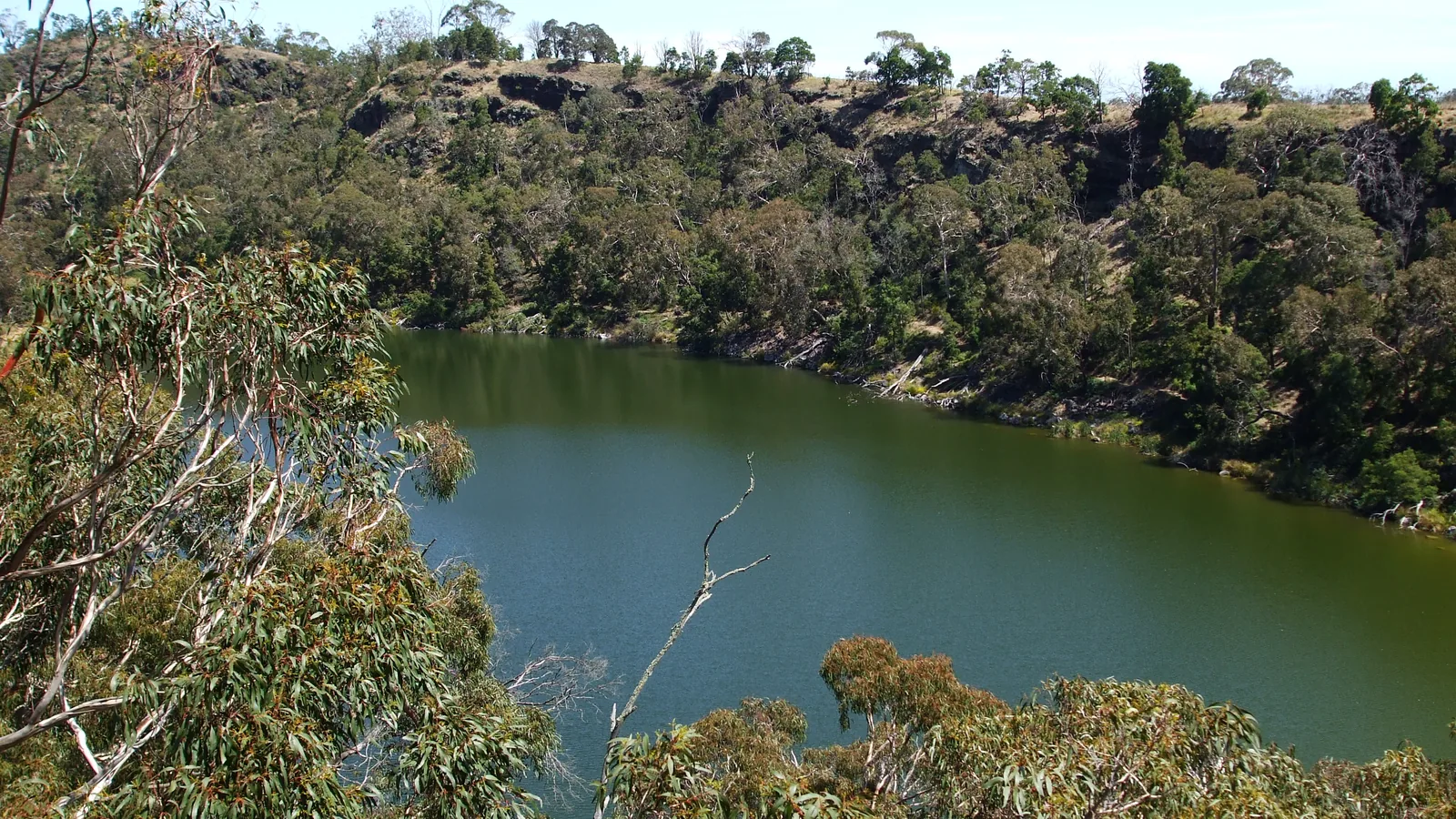
Jim Bowler found burnt bones on the shore of Lake Mungo on July 15, 1968. Dated to 40,000 years in 2003, Mungo Lady and Mungo Man were reburied in 2022.
Mary Pappin Jr. found the first Willandra Lakes footprints in August 2003. Optically dated to 19,000 to 23,000 years, the count rose from 124 to 563 by 2007.
Foragers at Odai Yamamoto in northern Japan fired plain pots about 13,000 BC and cooked fish in them; by 3900 BC Sannai-Maruyama ate chestnuts and fish.
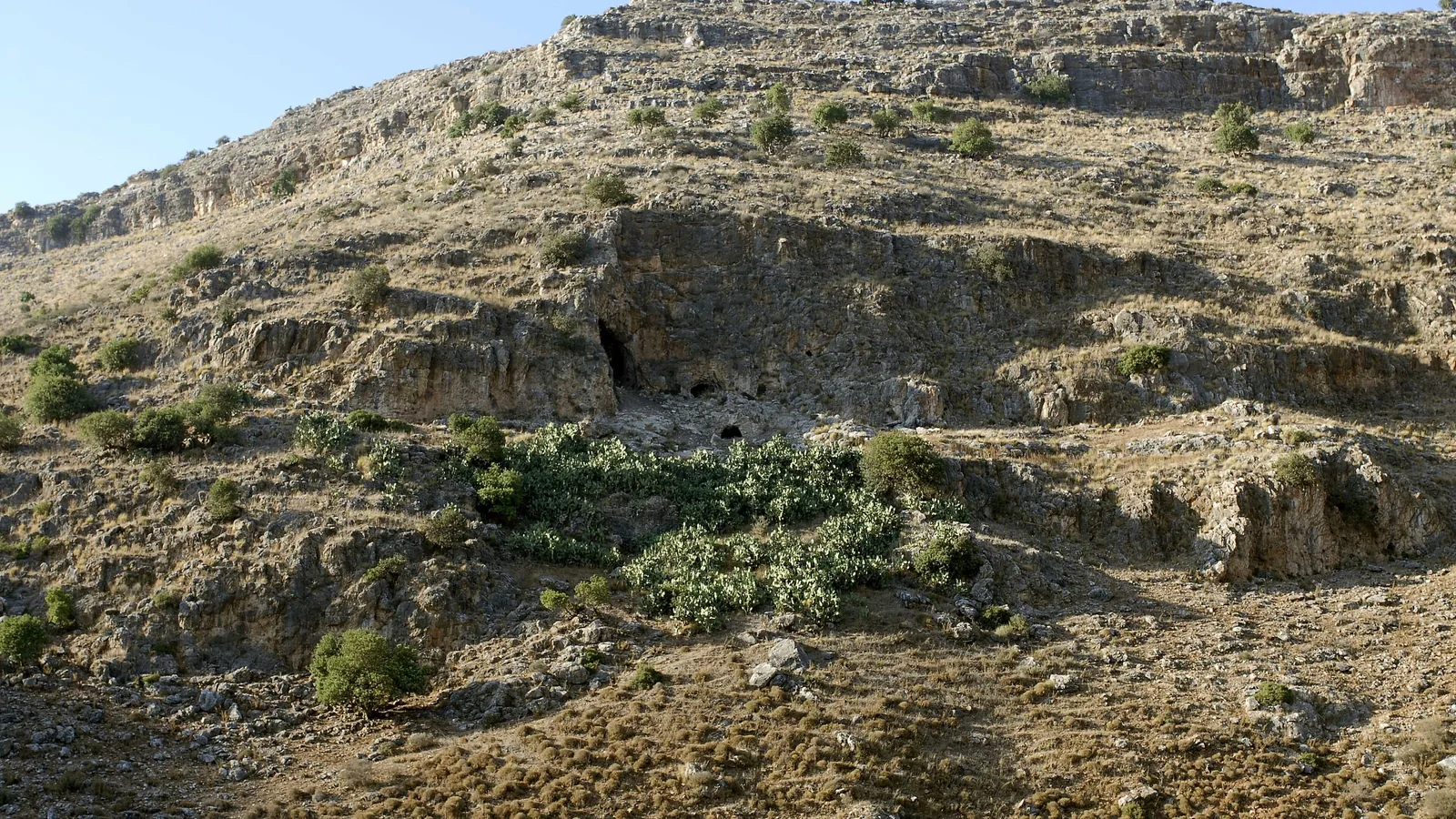
A Natufian woman of about 45 was buried at Hilazon Tachtit, Galilee, 12,400–12,000 cal BP, with over 50 tortoise shells, a leopard pelvis and a human foot.
Grahame Clark dug Star Carr three weeks a summer, 1949 to 1951. Excavations of 2004 to 2015 recounted the finds and dated a posthole hollow to 9300 BC.
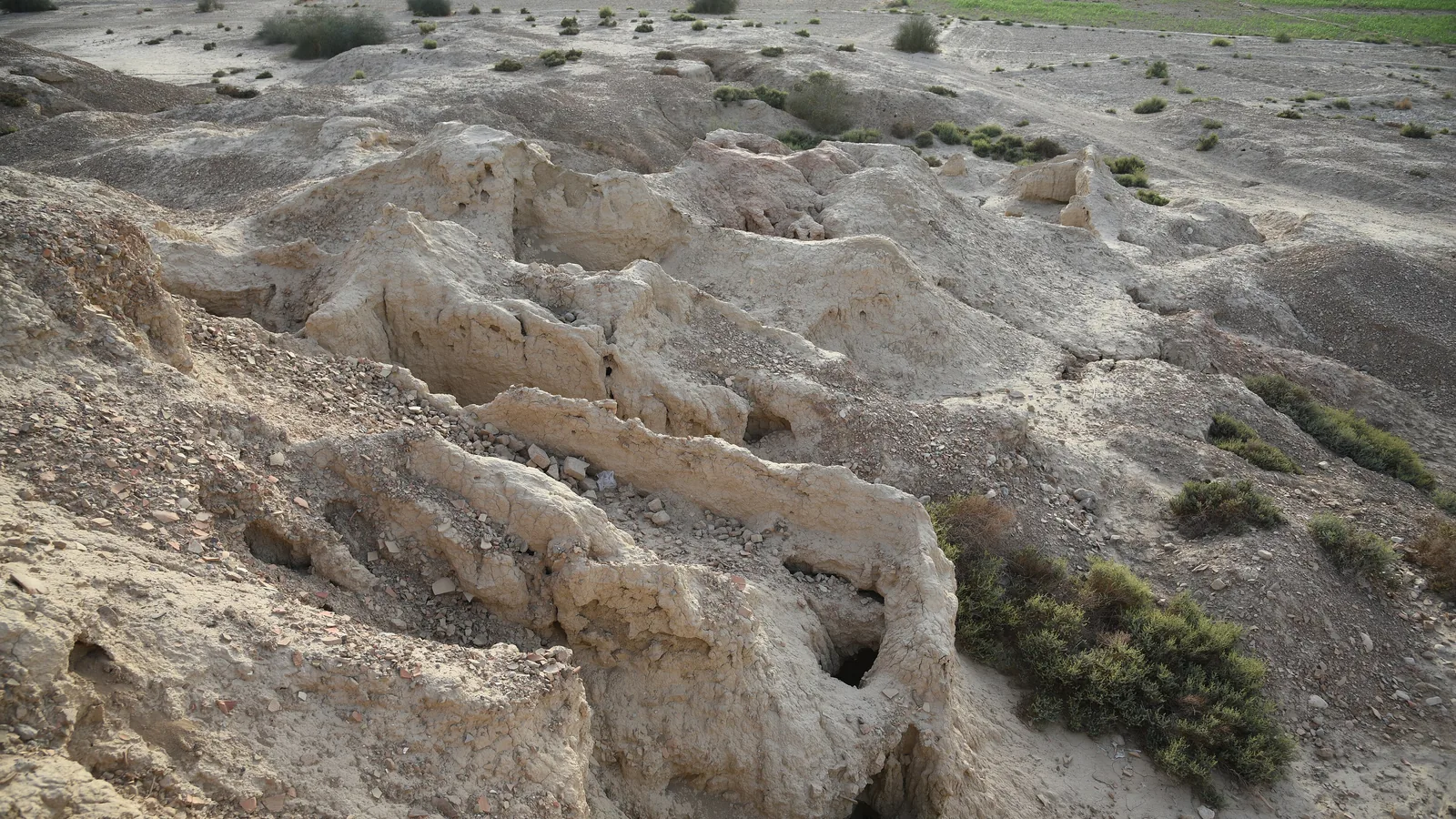
Mehrgarh, Pakistan: the oldest known lost-wax casting, molars drilled 7,500 to 9,000 years ago and cotton thread in a copper bead, before the Indus cities.
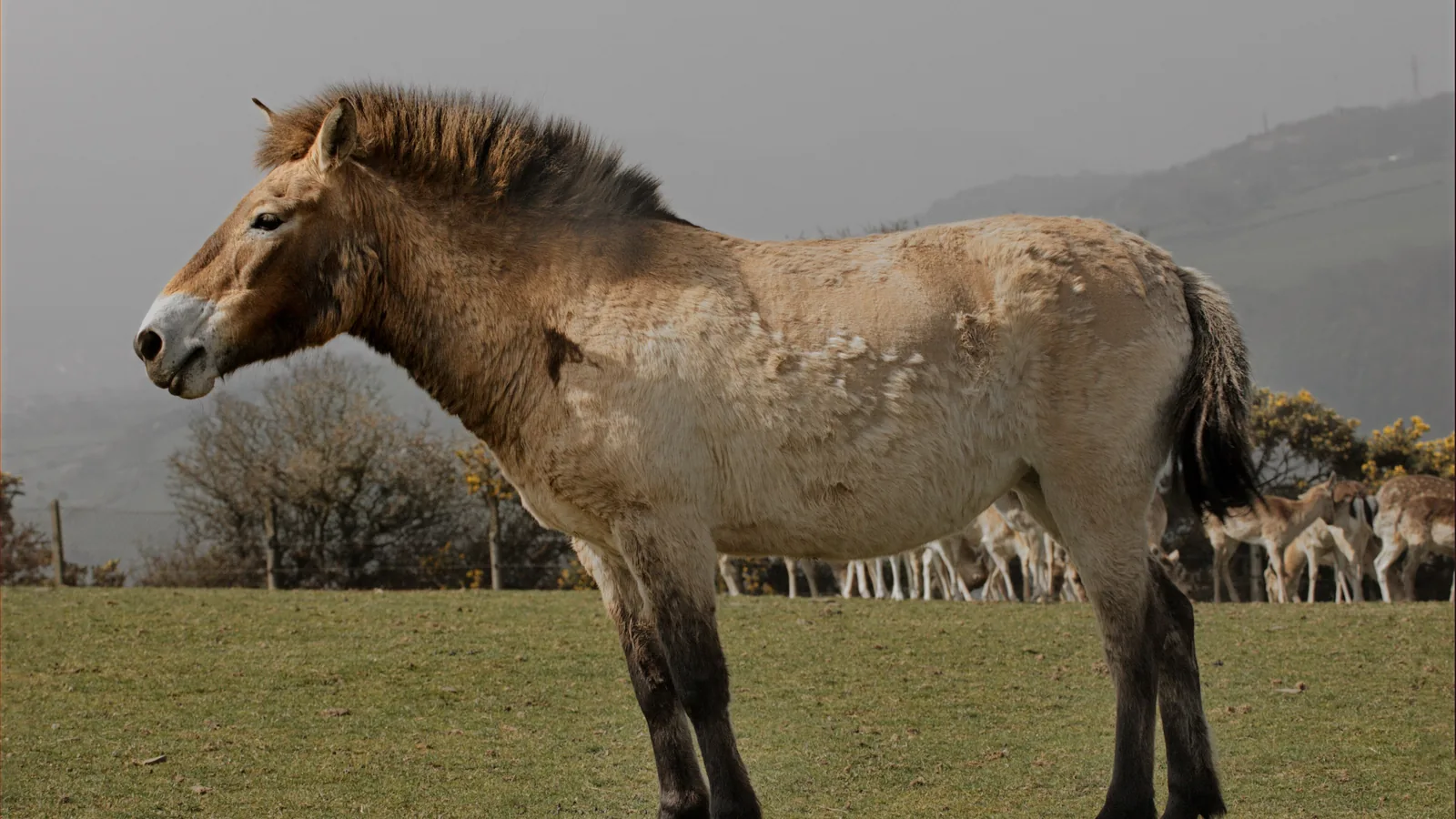
Named in 2009 as the earliest horse-domestication site, Botai in Kazakhstan lost that claim in 2018 when DNA made its horses the ancestors of Przewalski's.
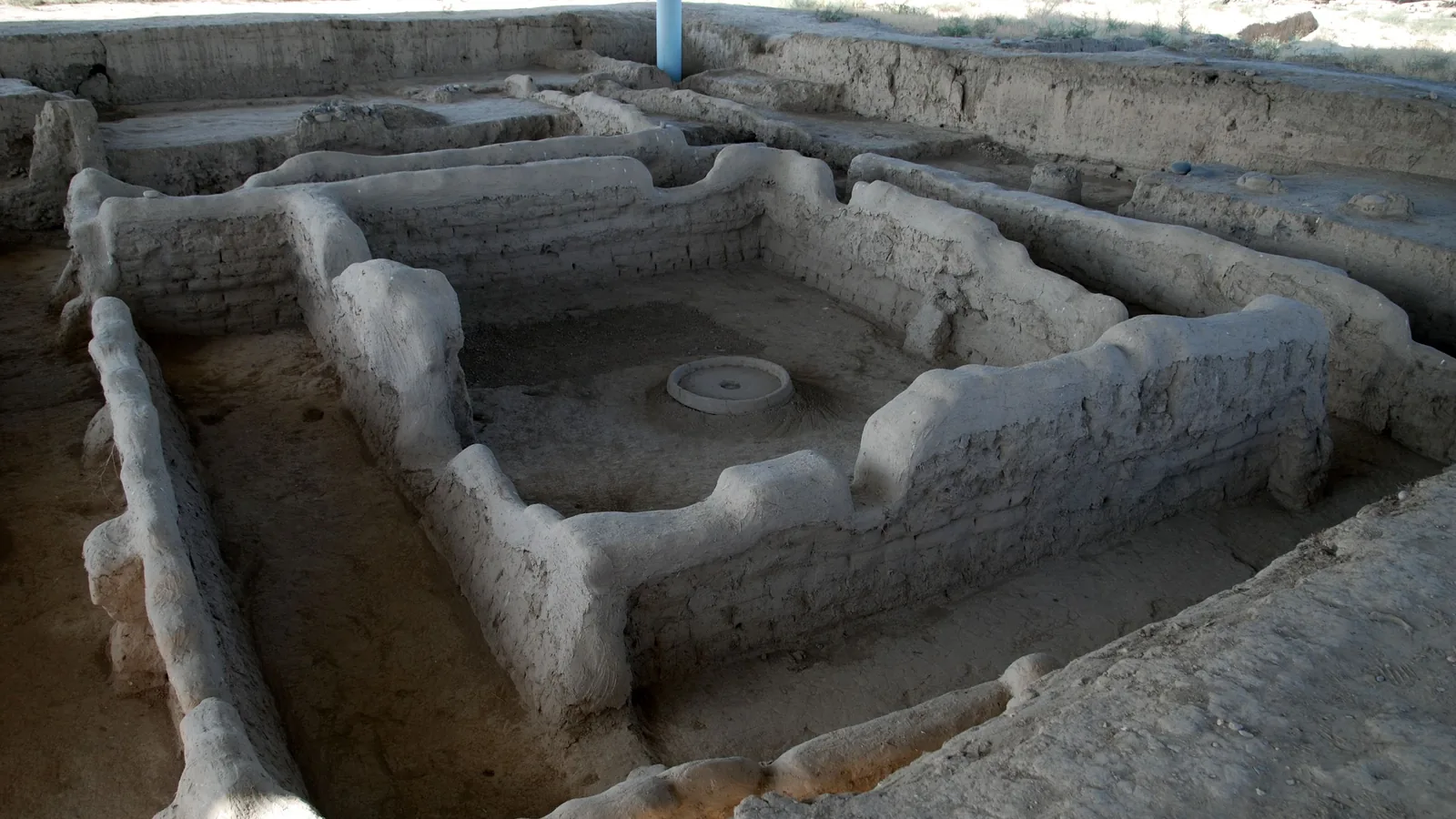
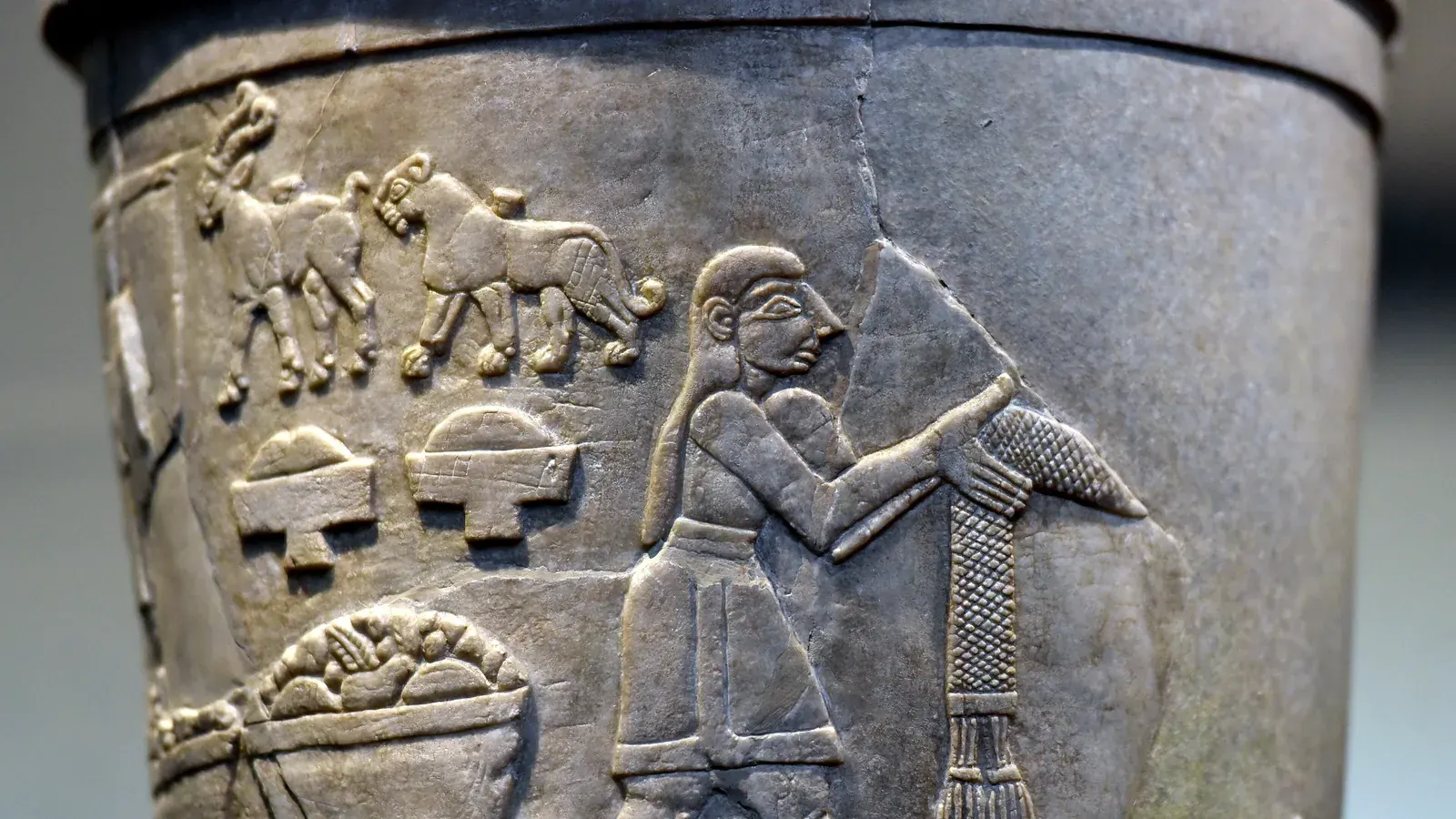
Germany's archaeological institute calls Uruk one of the world's earliest metropolises: 200 hectares, perhaps 40,000 people, writing from about 3300 BC.
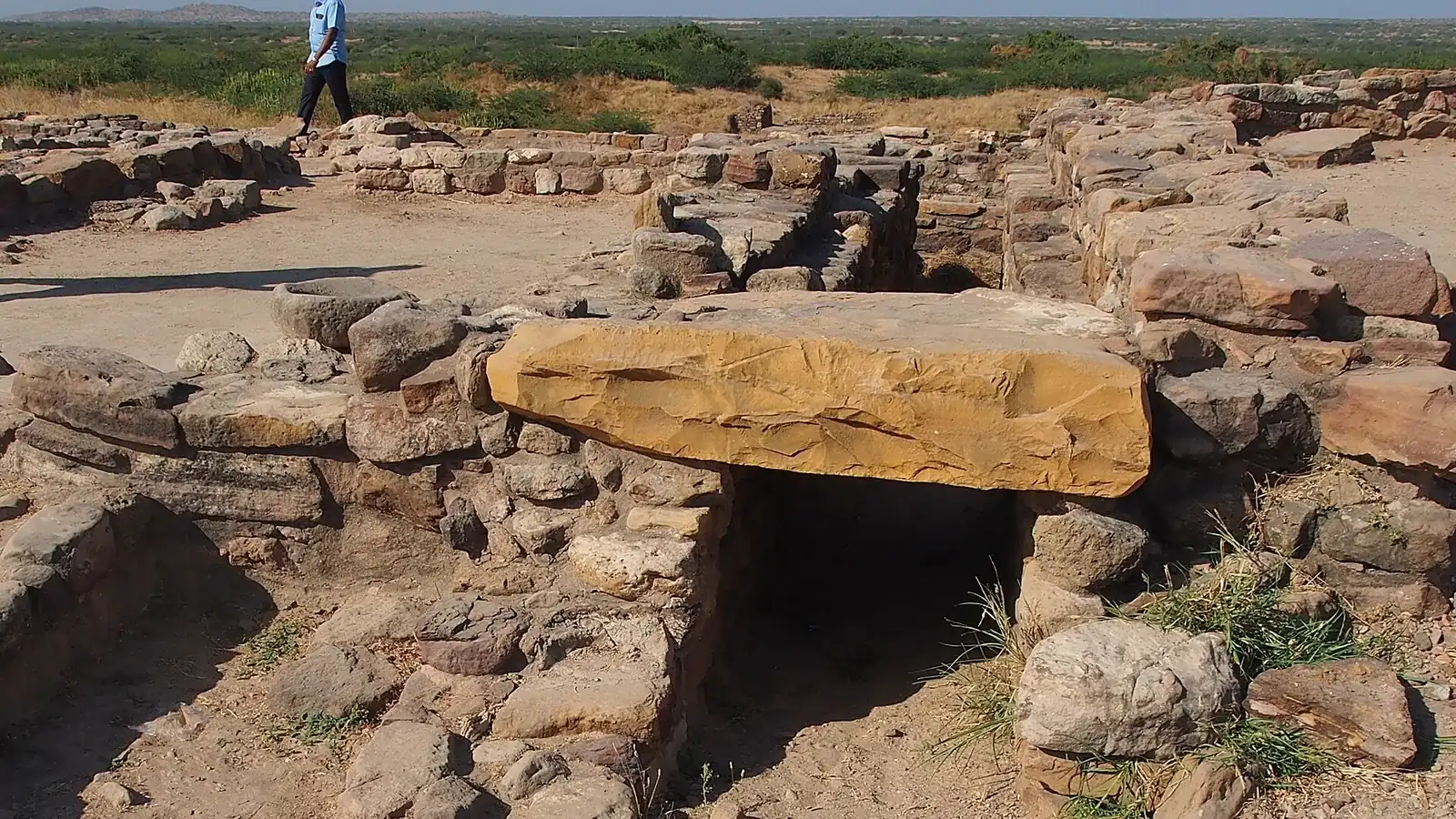
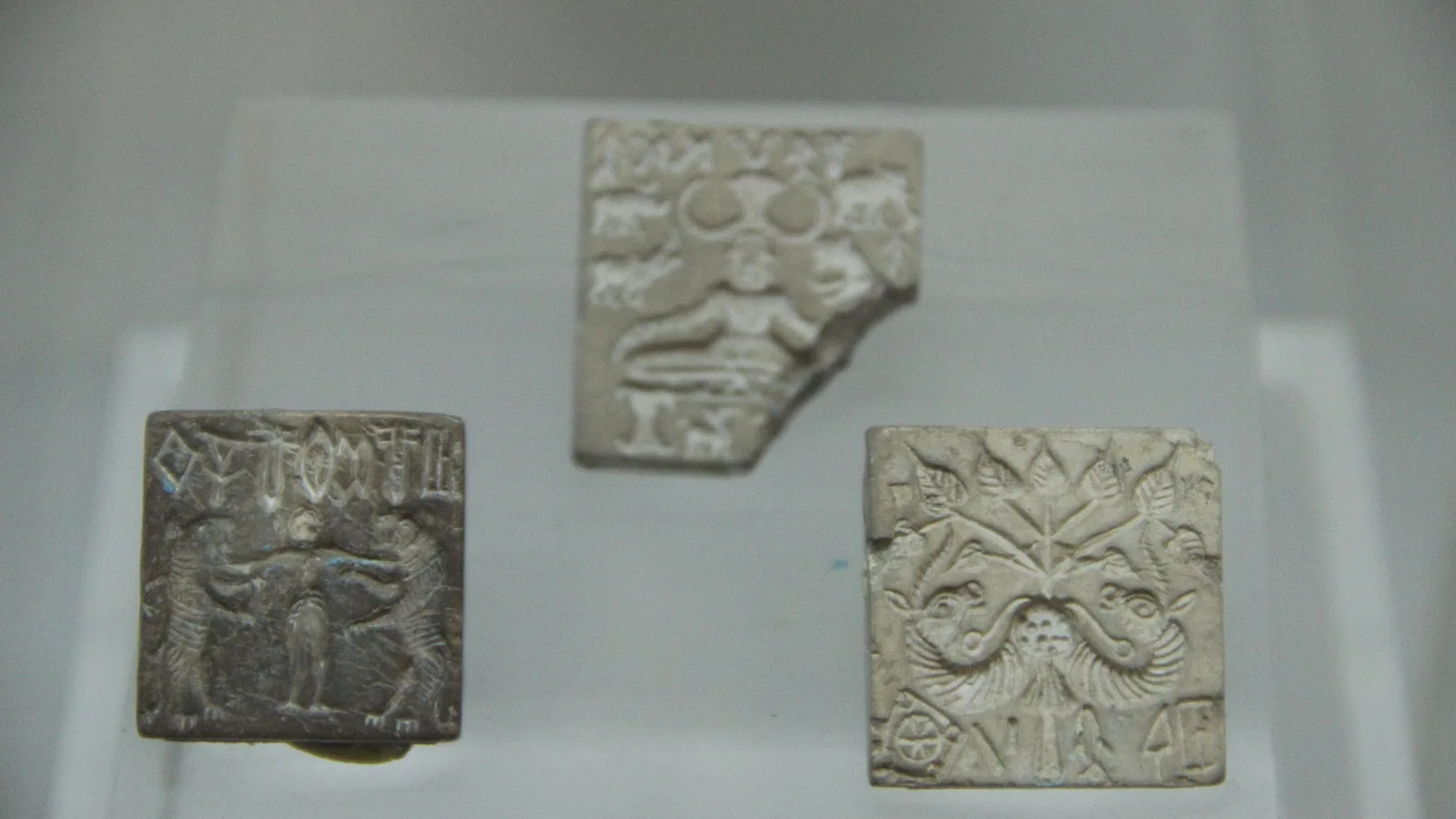
At Mohenjo-daro almost every house had a bathing area draining to covered street drains big enough for workmen to enter; only two brick toilets are known.
Powder from 61 skeletal samples at the Rakhigarhi cemetery gave one usable ancient genome. Cell published it on September 5, 2019, with no Steppe ancestry.
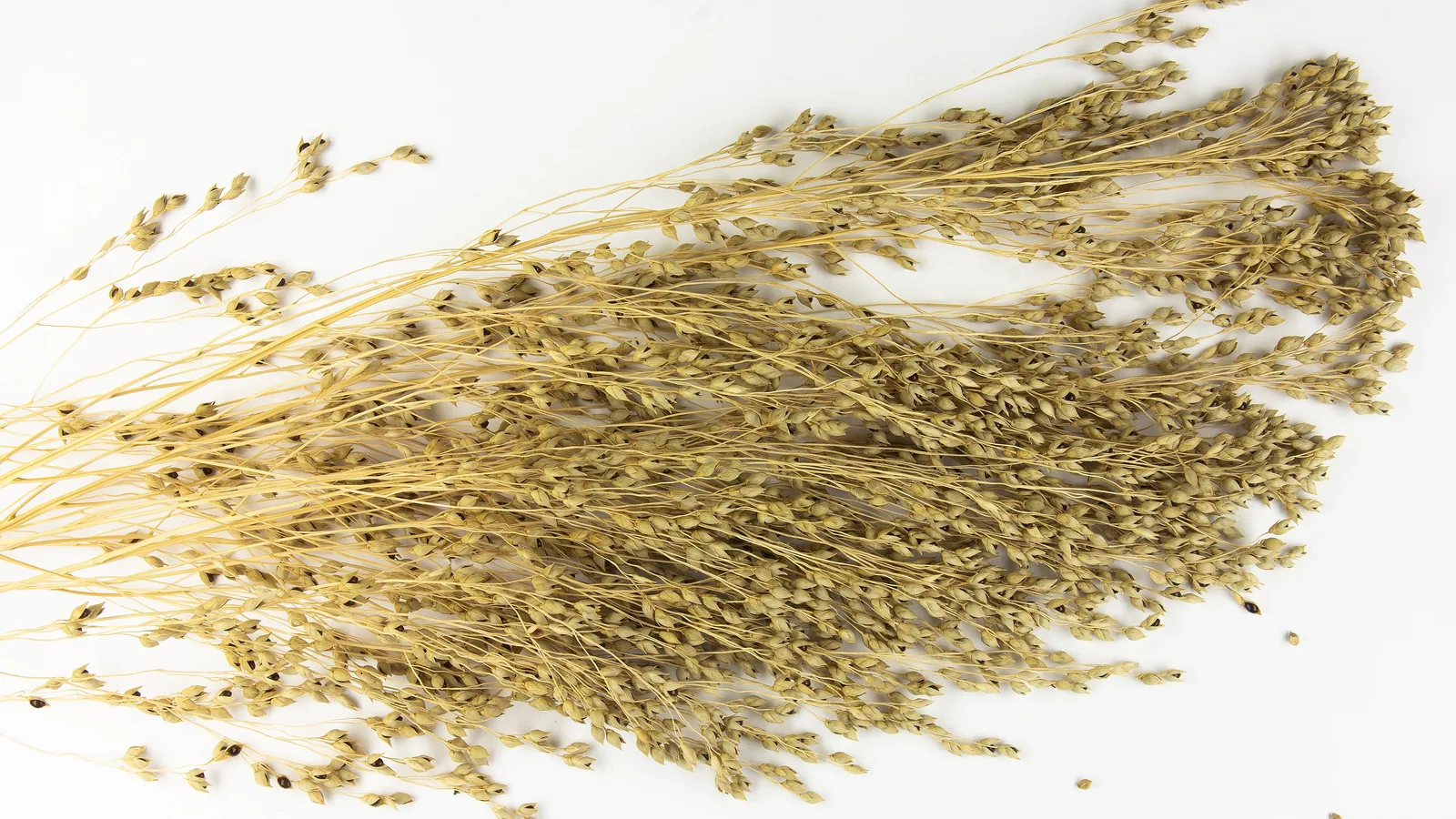
Charred millet, wheat and barley from cremation cists at Begash and Tasbas in Kazakhstan date to about 2300 BC; their excavators later doubted what they show.