The Pacific was settled by the most ambitious voyaging in human history, and Australia holds the longest continuous cultures on Earth. These articles follow navigators, islands and the societies that grew between them.
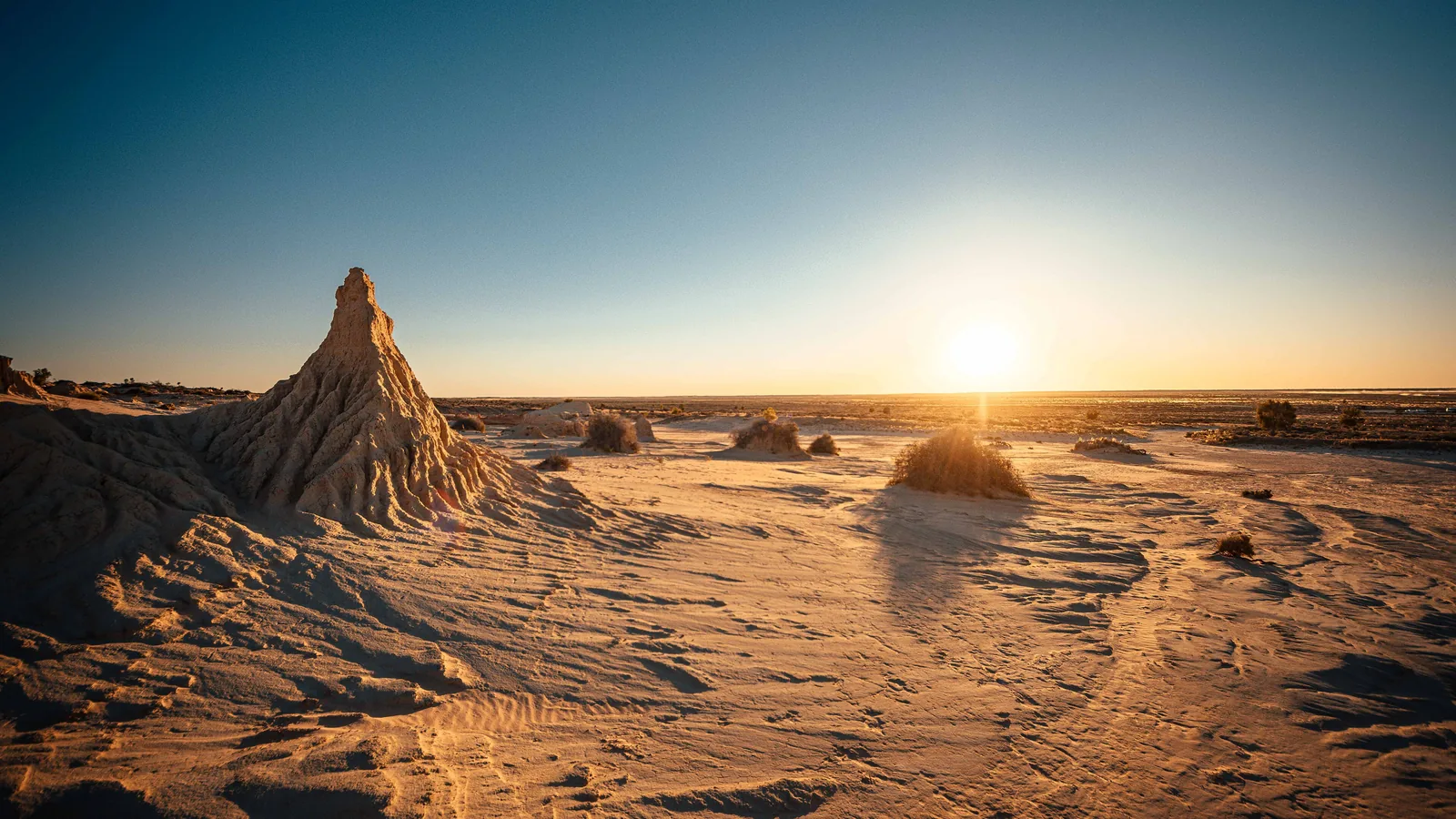
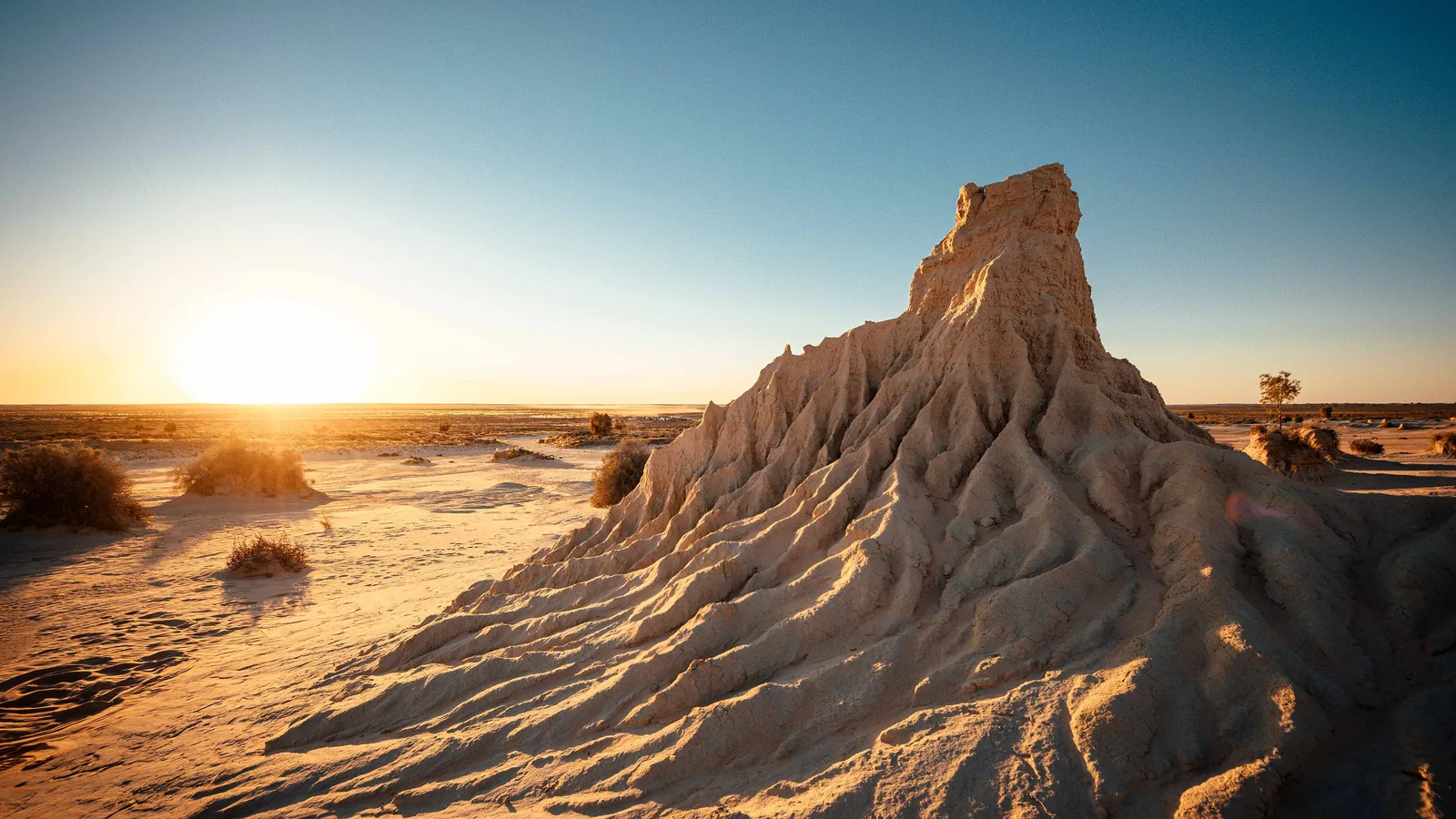
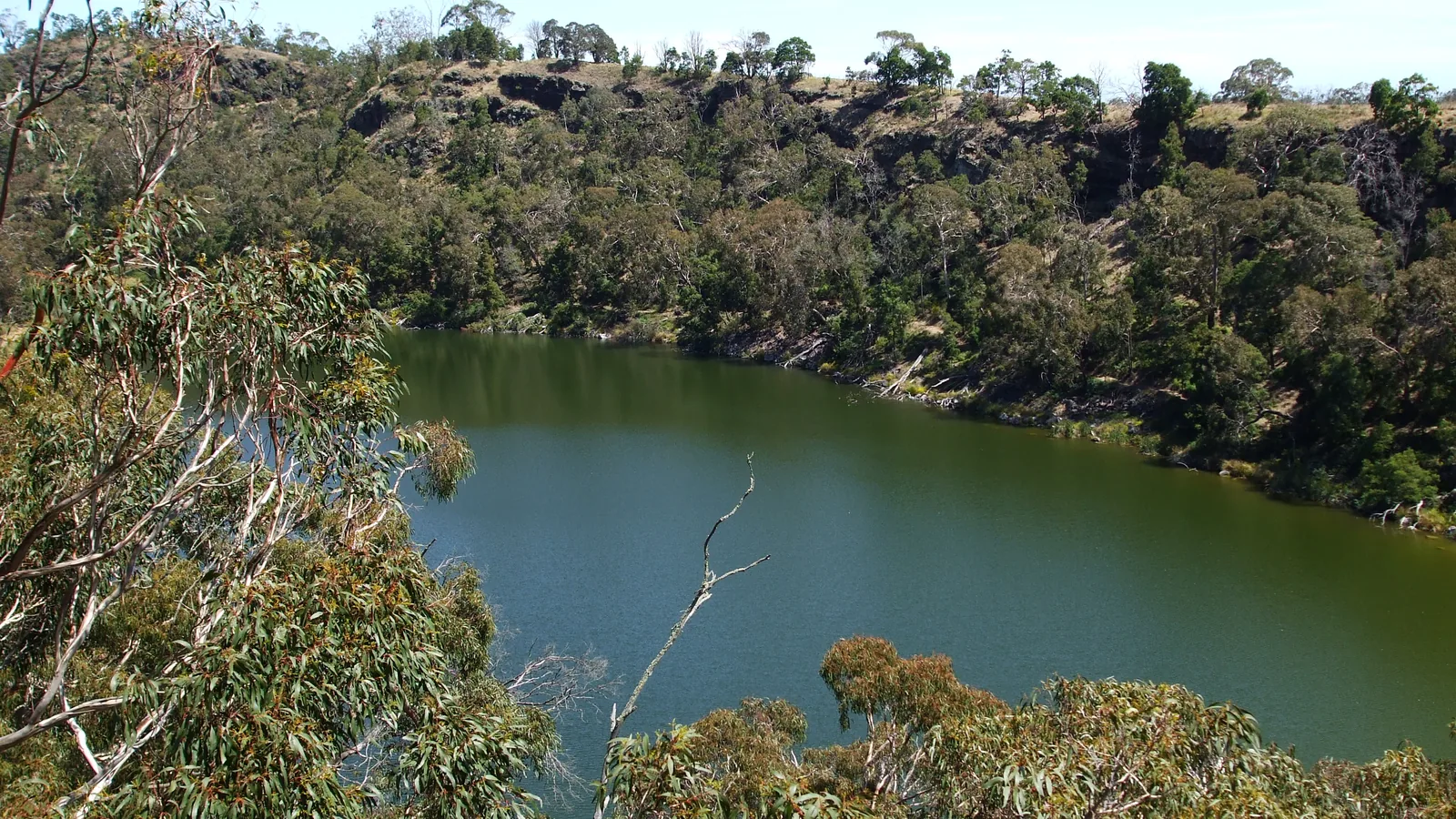
Jim Bowler found burnt bones on the shore of Lake Mungo on July 15, 1968. Dated to 40,000 years in 2003, Mungo Lady and Mungo Man were reburied in 2022.
Mary Pappin Jr. found the first Willandra Lakes footprints in August 2003. Optically dated to 19,000 to 23,000 years, the count rose from 124 to 563 by 2007.
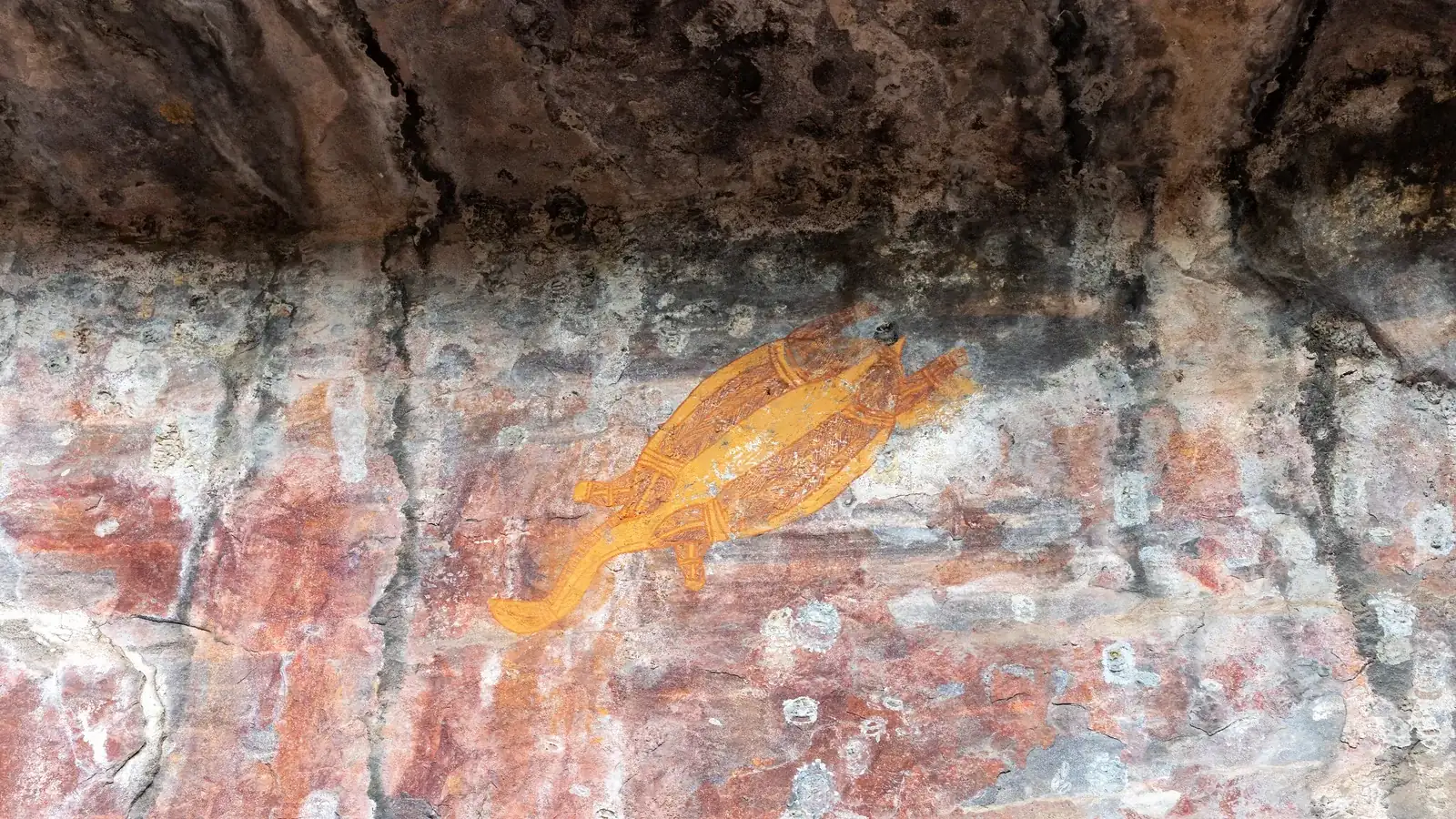
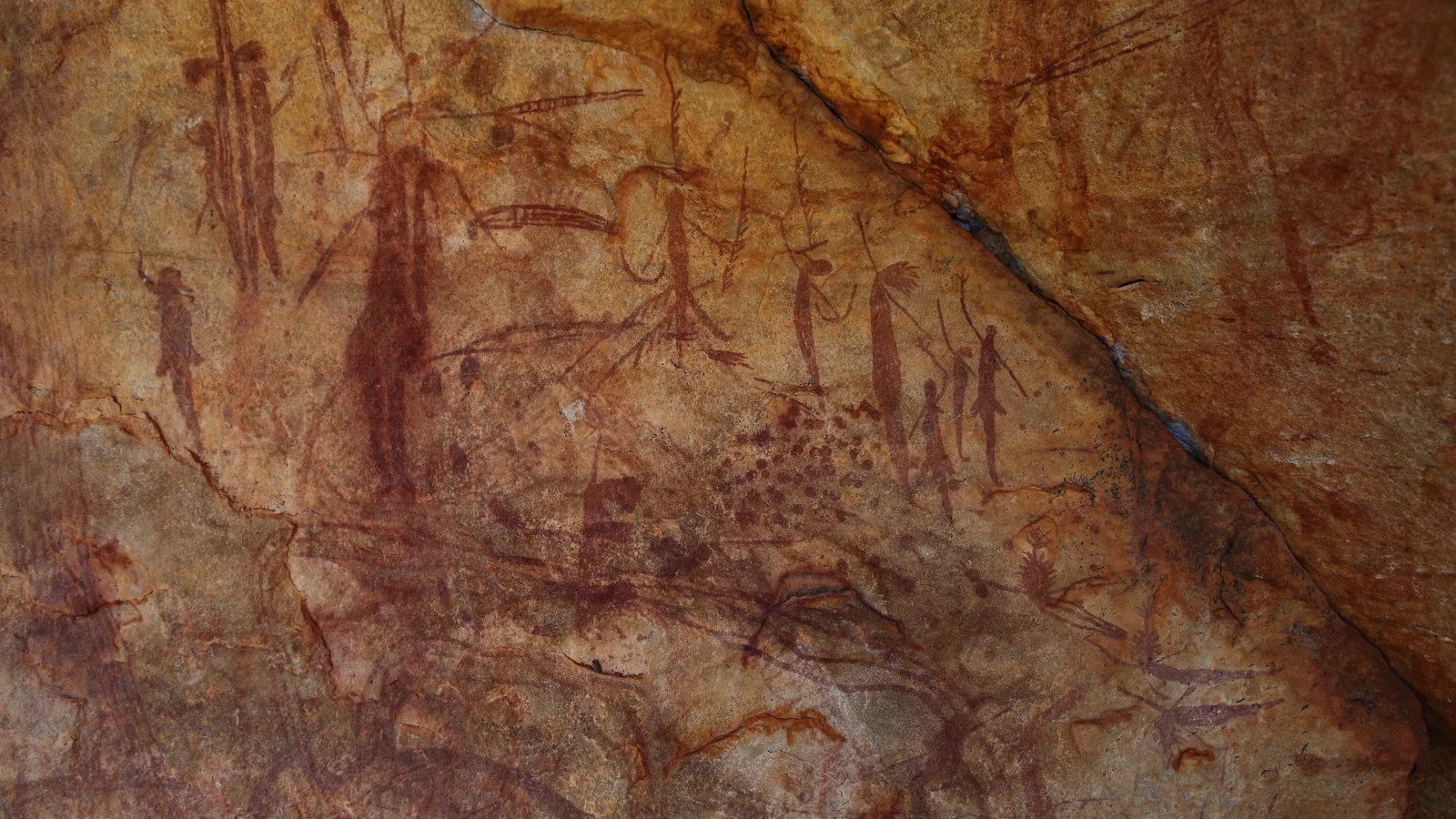
Radiocarbon dates on 24 mud-wasp nests over and under 21 Gwion figures gave 11,500 to 12,700 years in 2020. A kangaroo painting dated in 2021 is older.
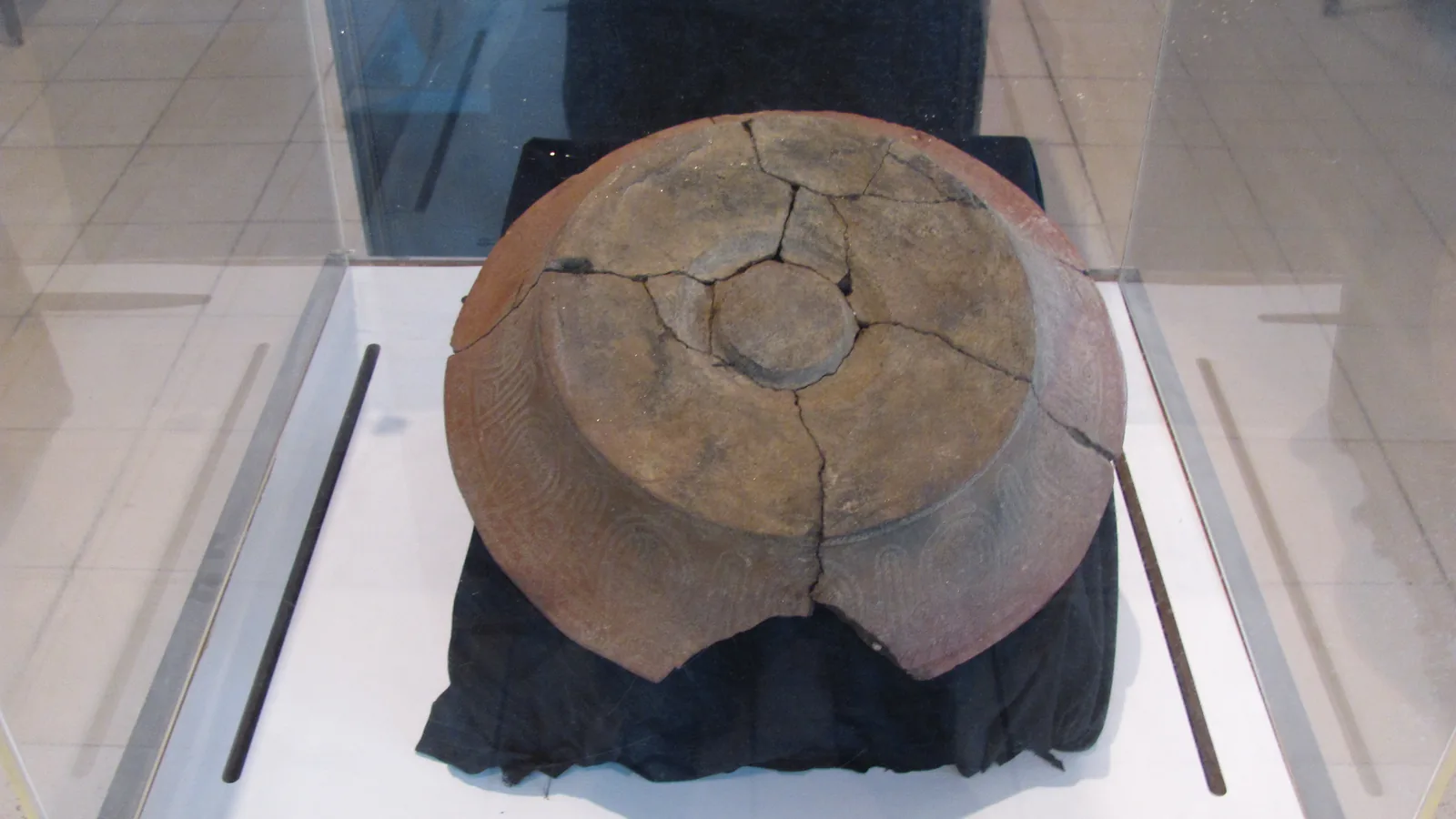
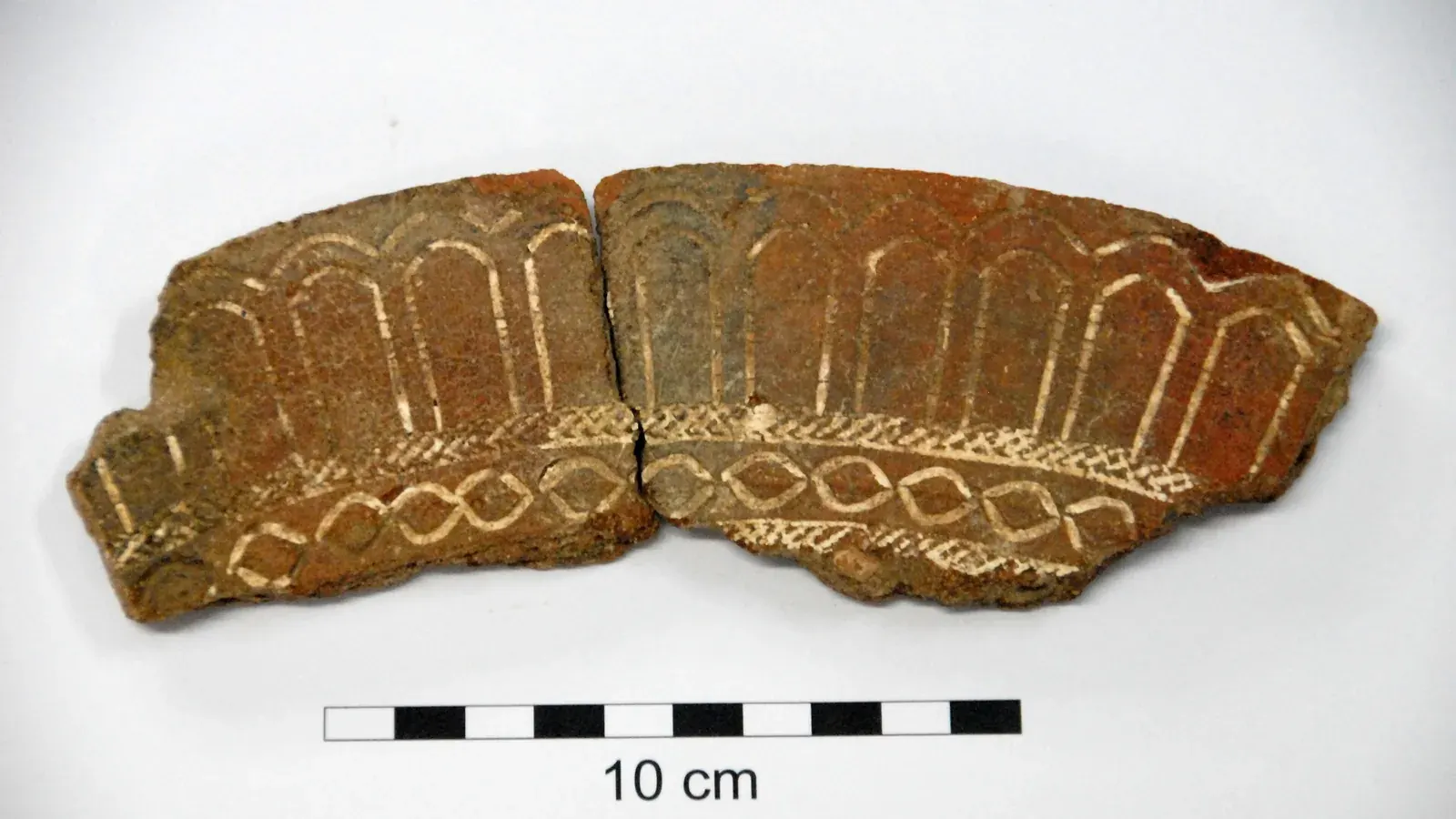
In August 1985 Patrick Kirch's team found a waterlogged Lapita stilt-village at Talepakemalai on Eloaua Island, Mussau, with pottery and obsidian intact.
Lapita settlers landed at Nukuleka, Tonga, about 2,800 years ago. Descendants stayed in Tonga and Samoa until about AD 1025, then settled East Polynesia.
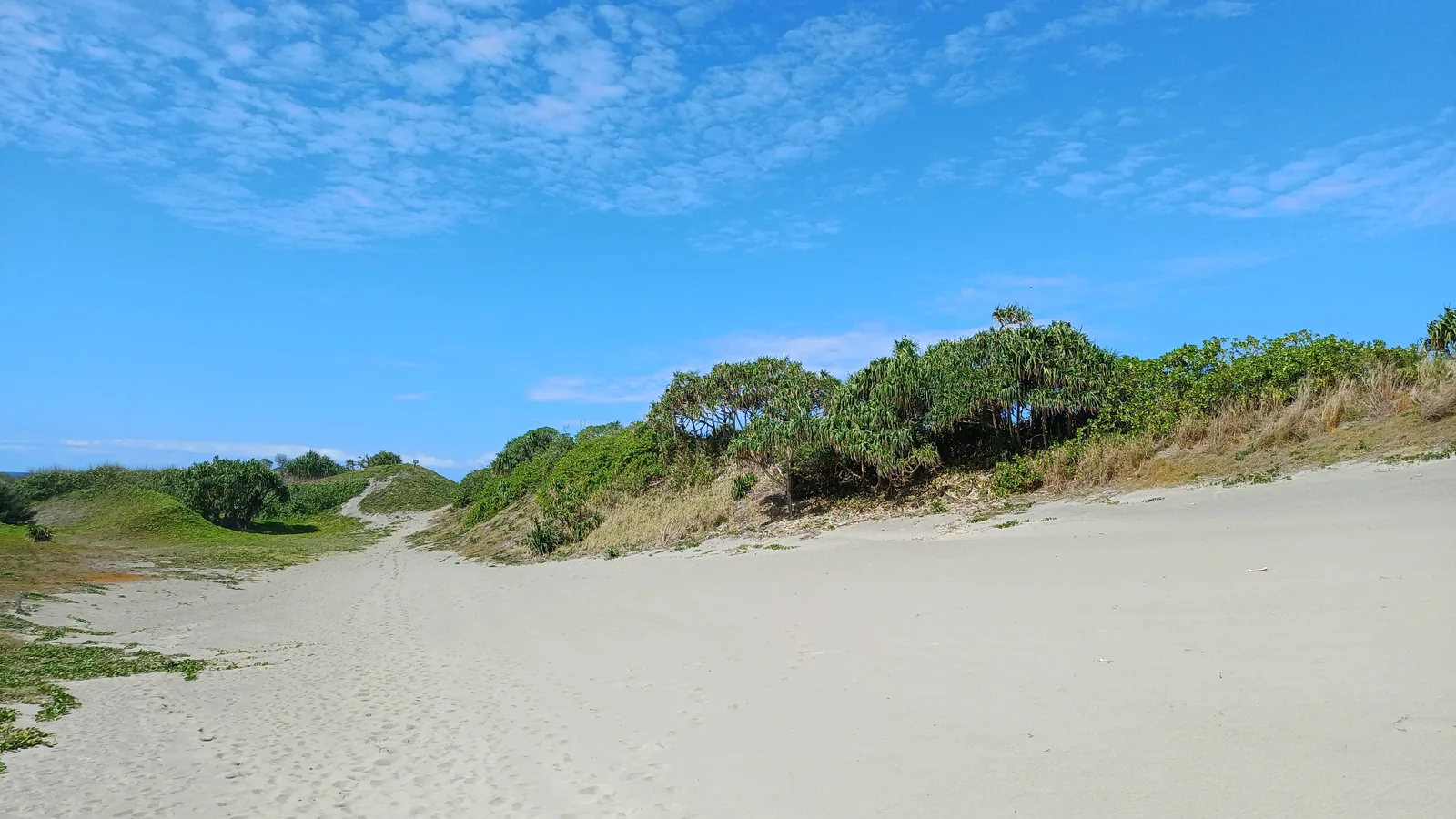
Birks dug 2,700 square meters of Fiji's Sigatoka dunes in 1965–66 and found three buried soils. Level 2, the Navatu layer, dates 1,700 to 1,300 cal BP.
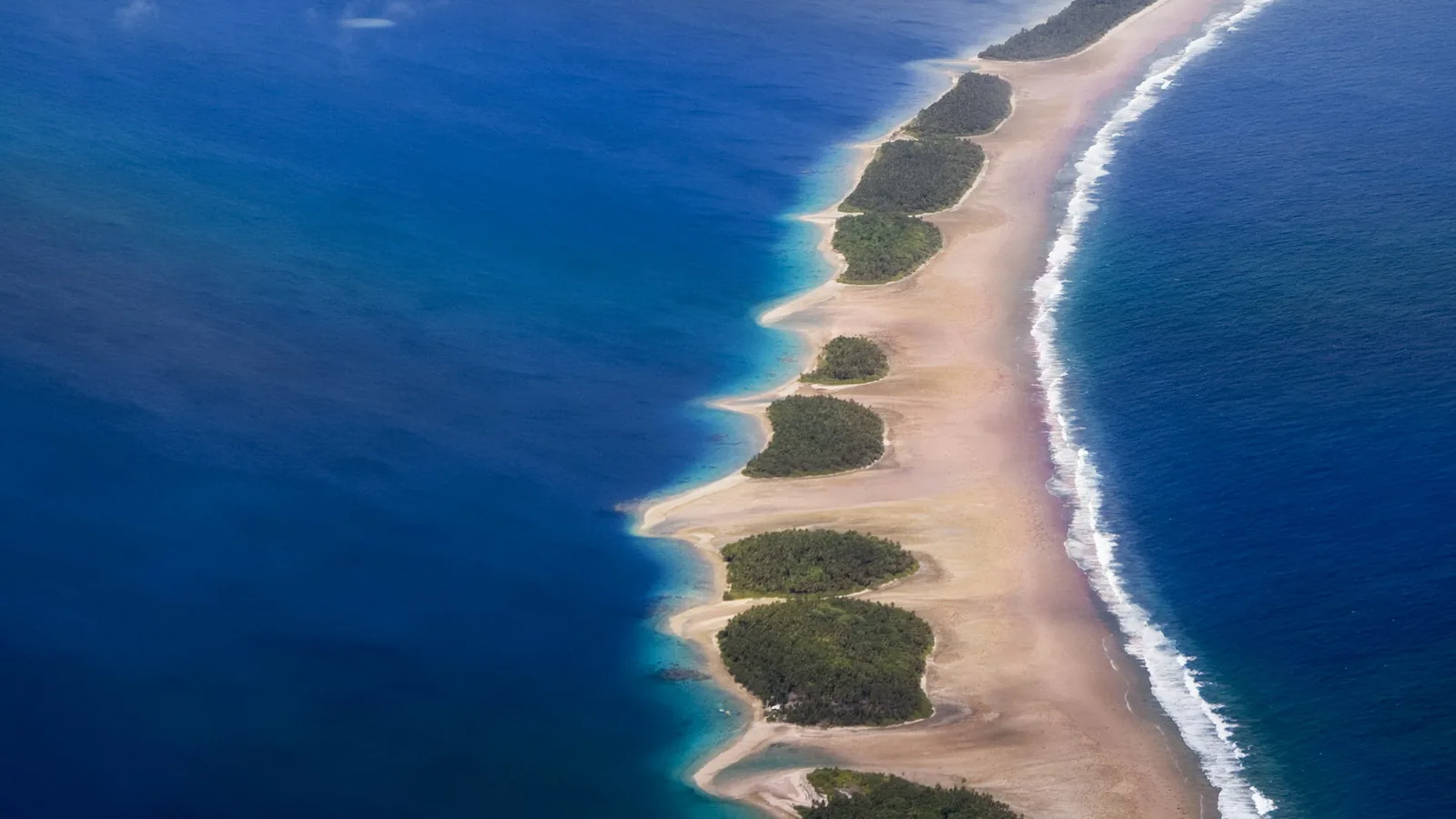
A 2022 PNAS study ties Pacific atoll settlement to sea-level fall after a highstand. Digs date Ebon occupation to two millennia and Utrōk to the first centuries AD.
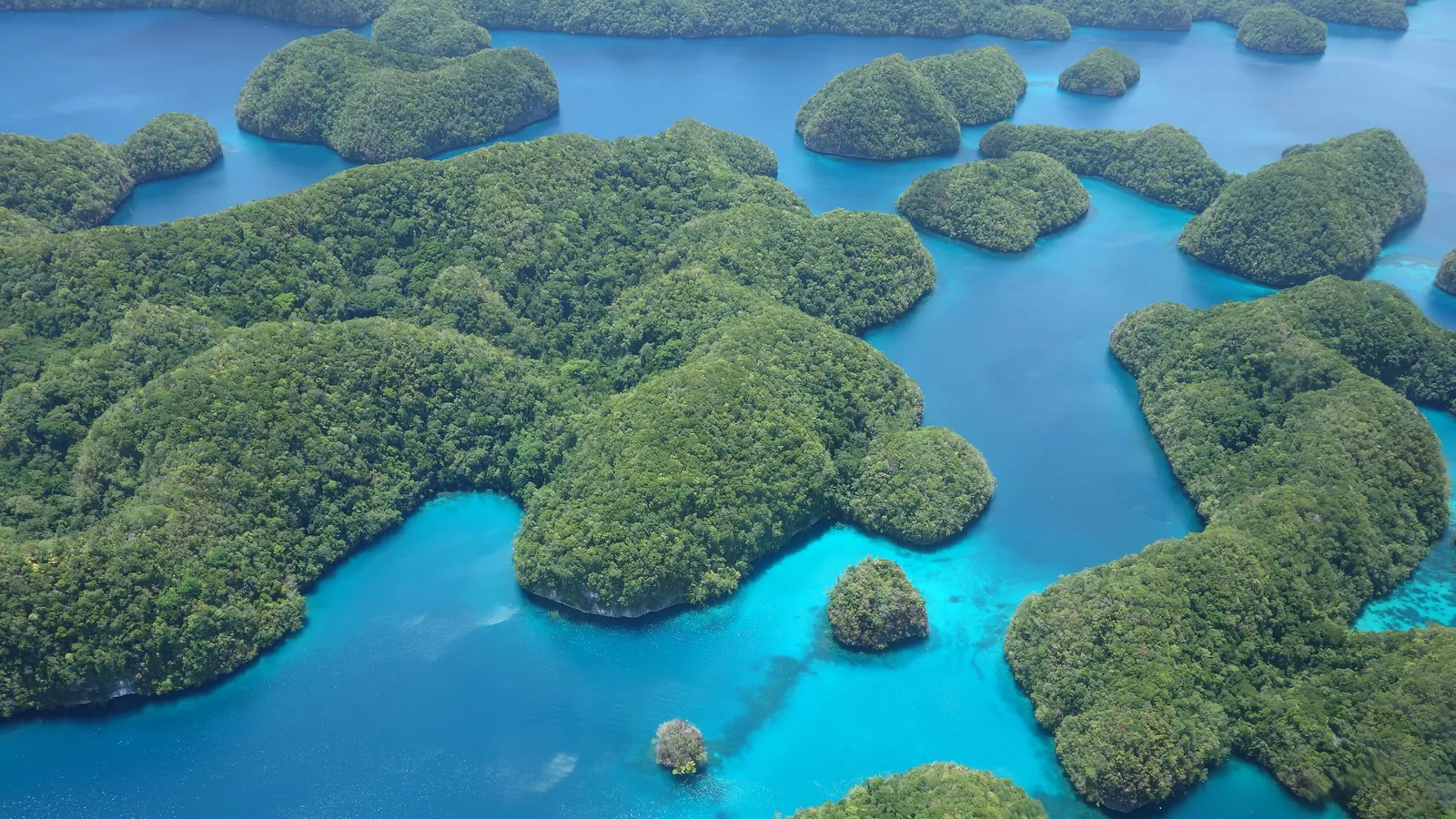
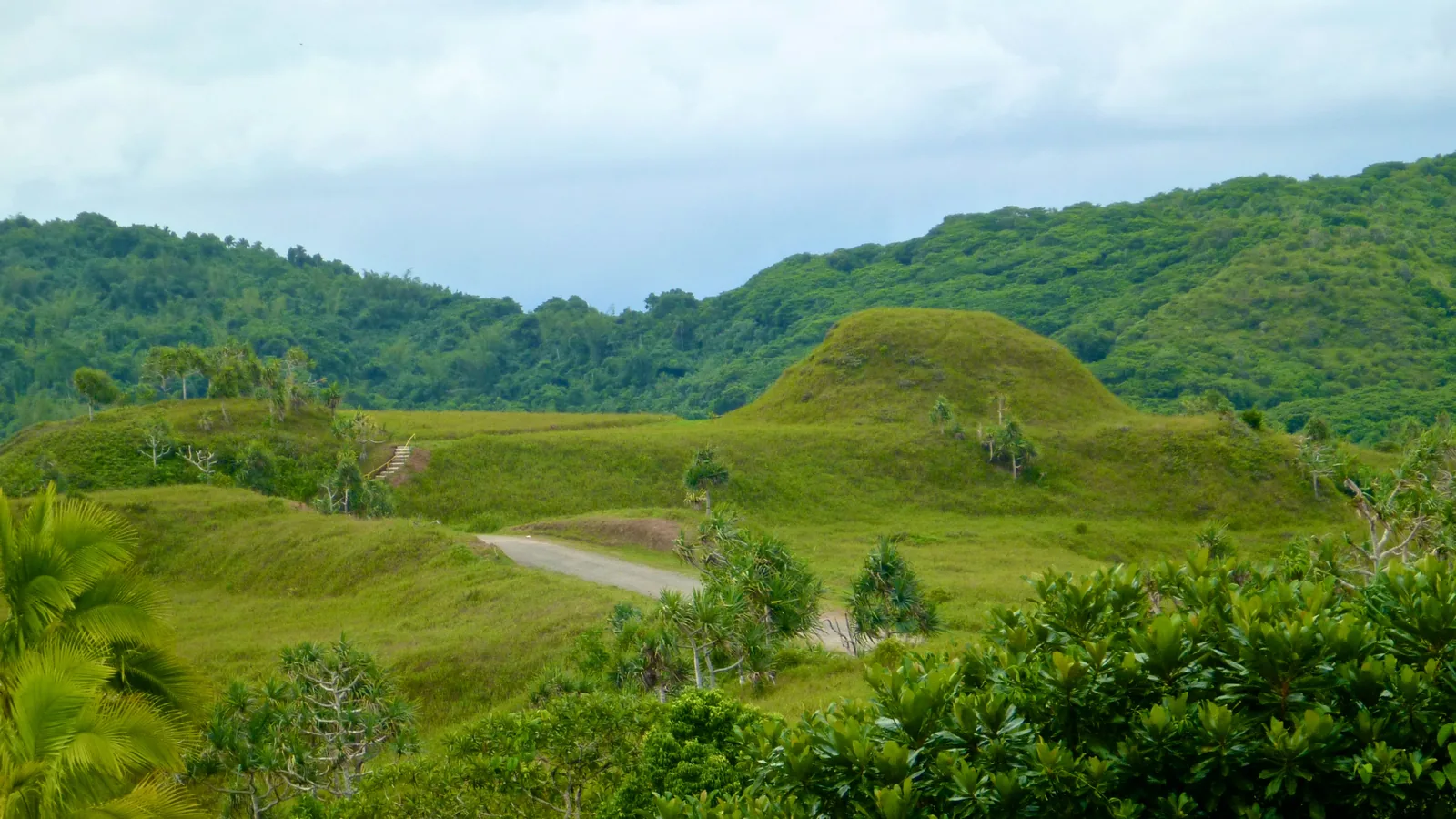
Earthwork terraces cover an estimated 20 percent of Babeldaob, Palau, built about 500 BC to AD 650 and left by about AD 1000 for coastal villages of stone.
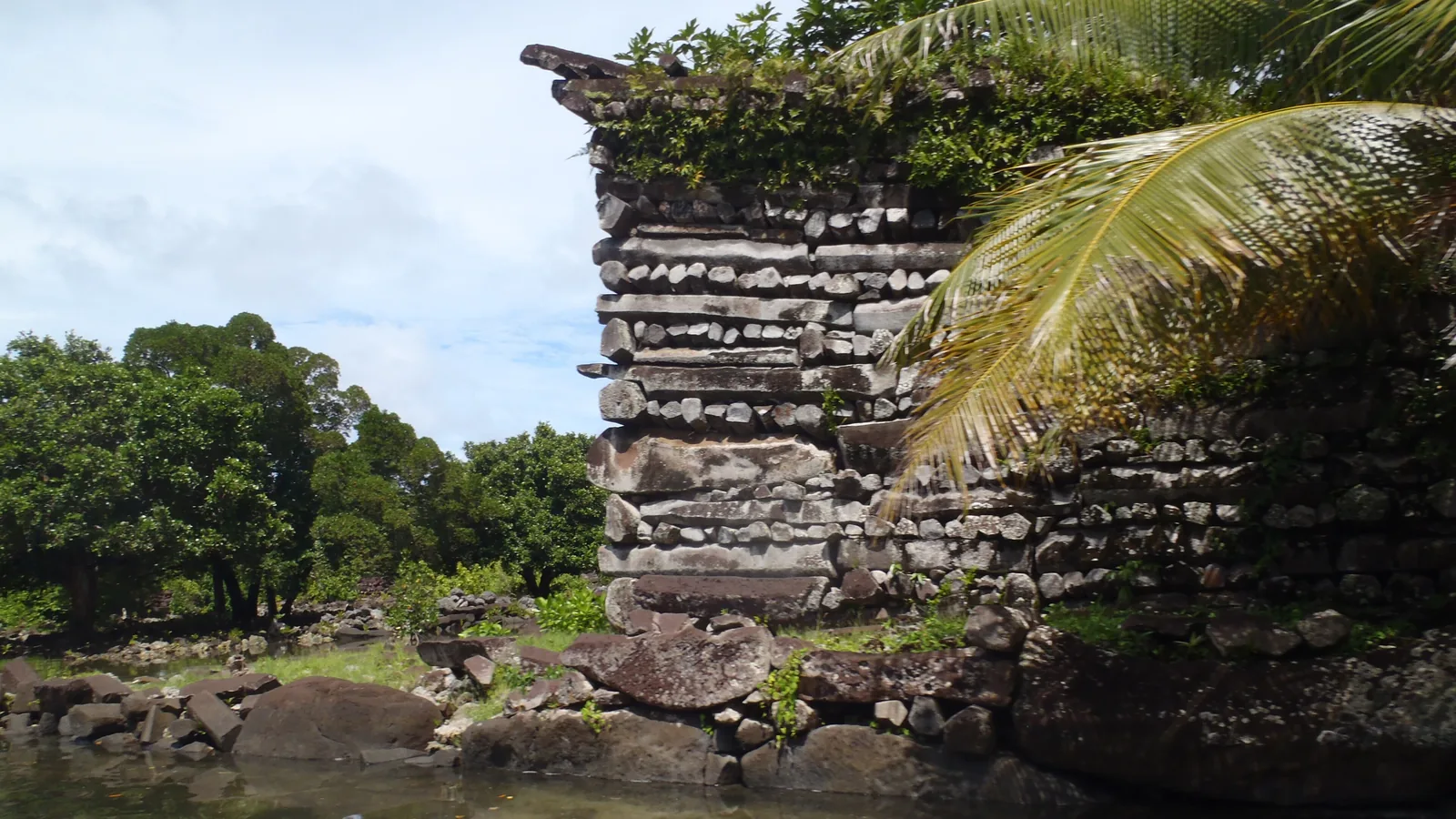
Nan Madol is 92 to 100 islets of stacked basalt columns on a reef off Pohnpei. Coral from its first chief's tomb dates the monuments to AD 1180 to 1200.
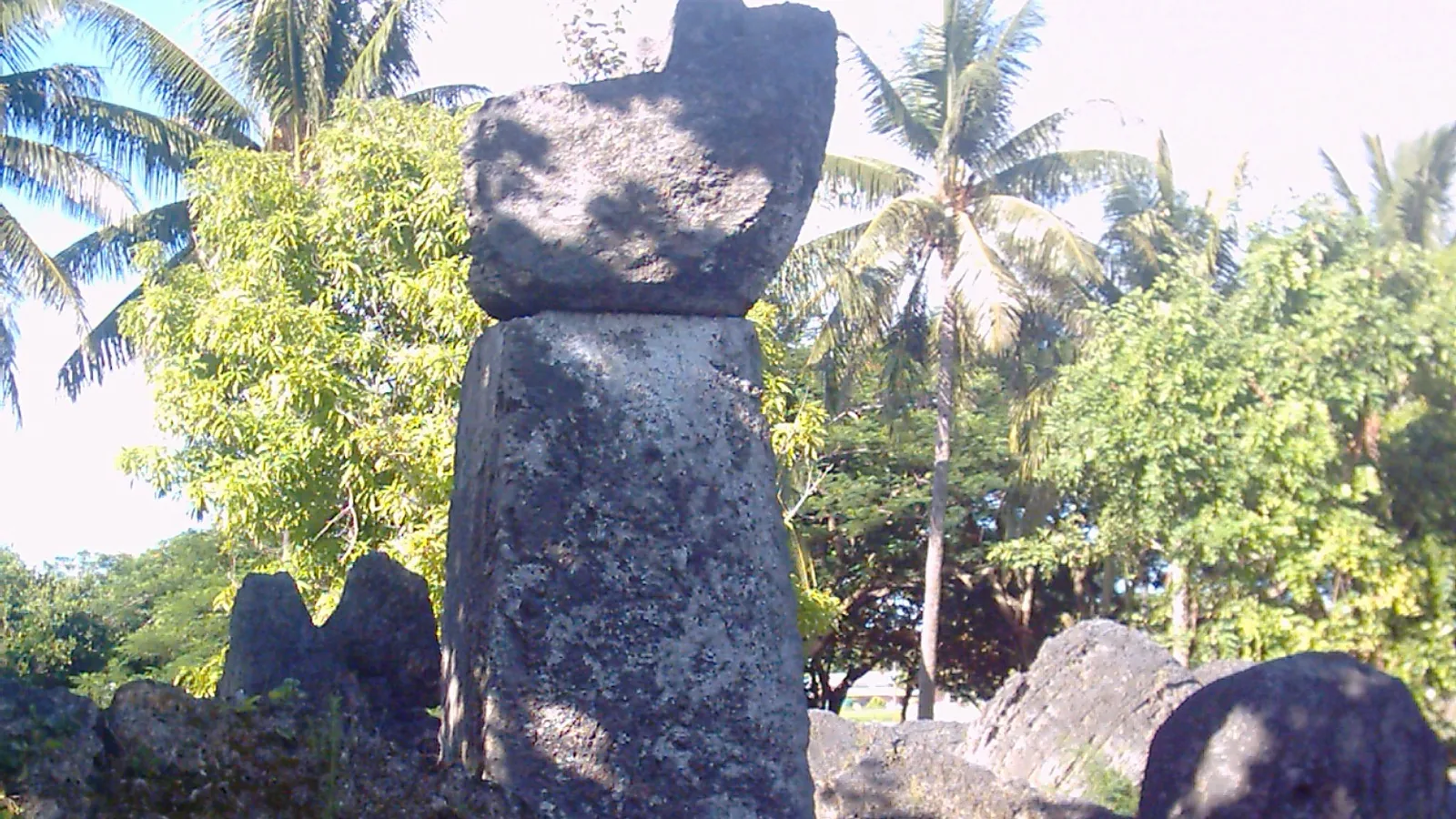
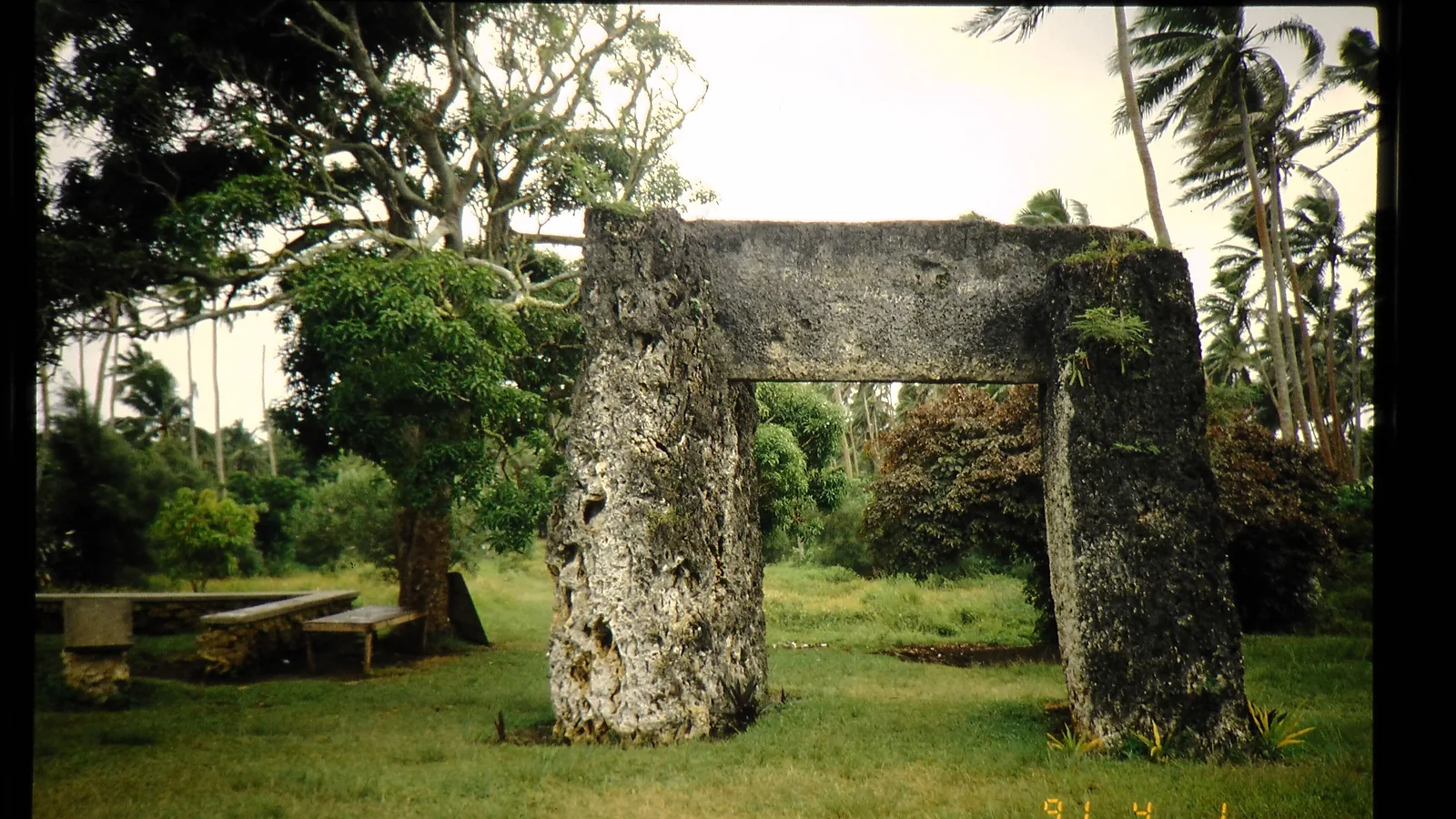
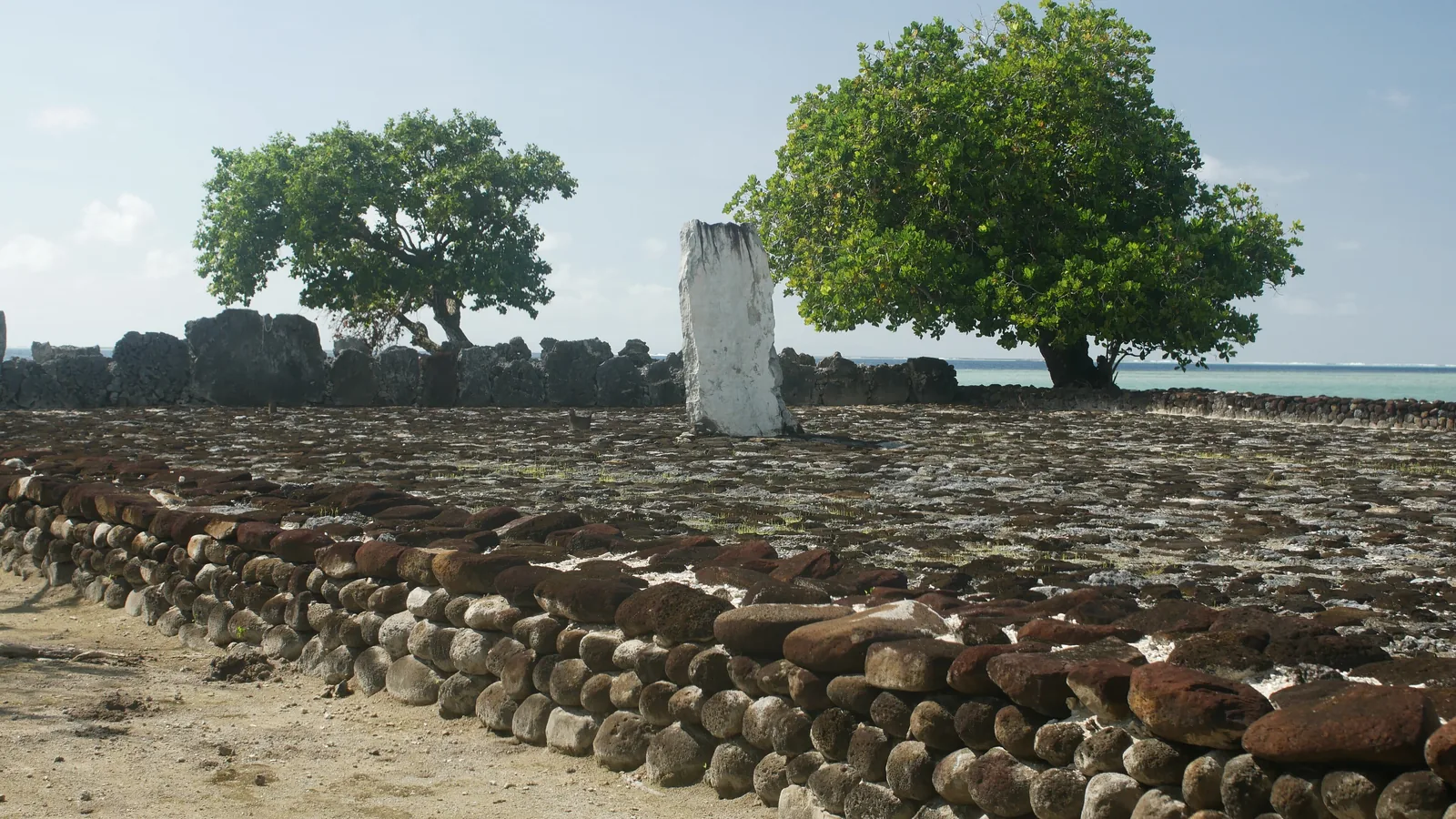
David Burley calls the Haʻamonga ʻa Maui trilithon at Heketa the most impressive commemorative site on Tongatapu, its uprights tied to the 11th Tuʻi Tonga's two sons.
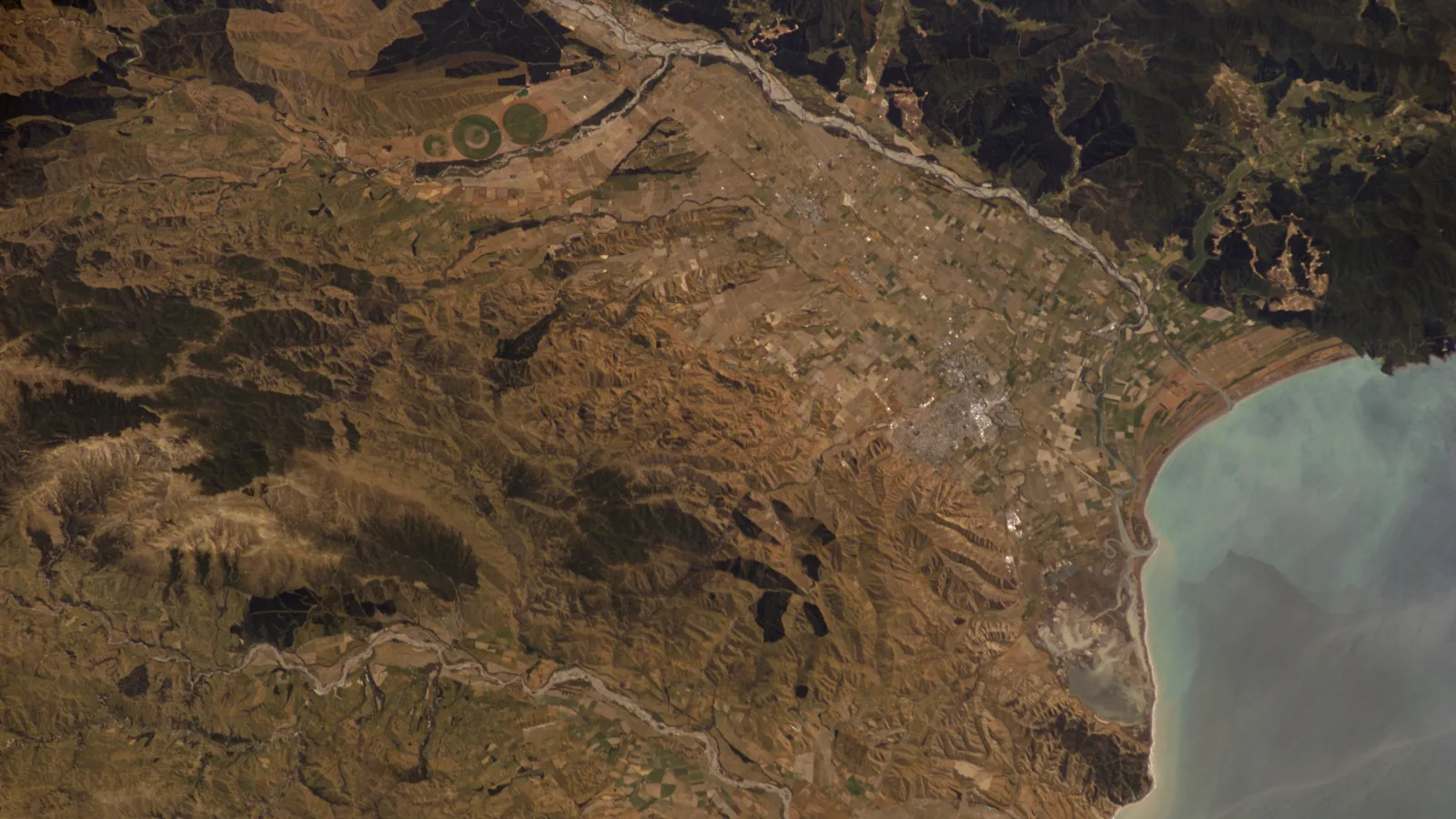
In 1939 Jim Eyles, 13, found a burial site at Wairau Bar with moa eggs and tools. Radiocarbon dates the graves to the 1200s-1300s; 42 koiwi came home in 2009.
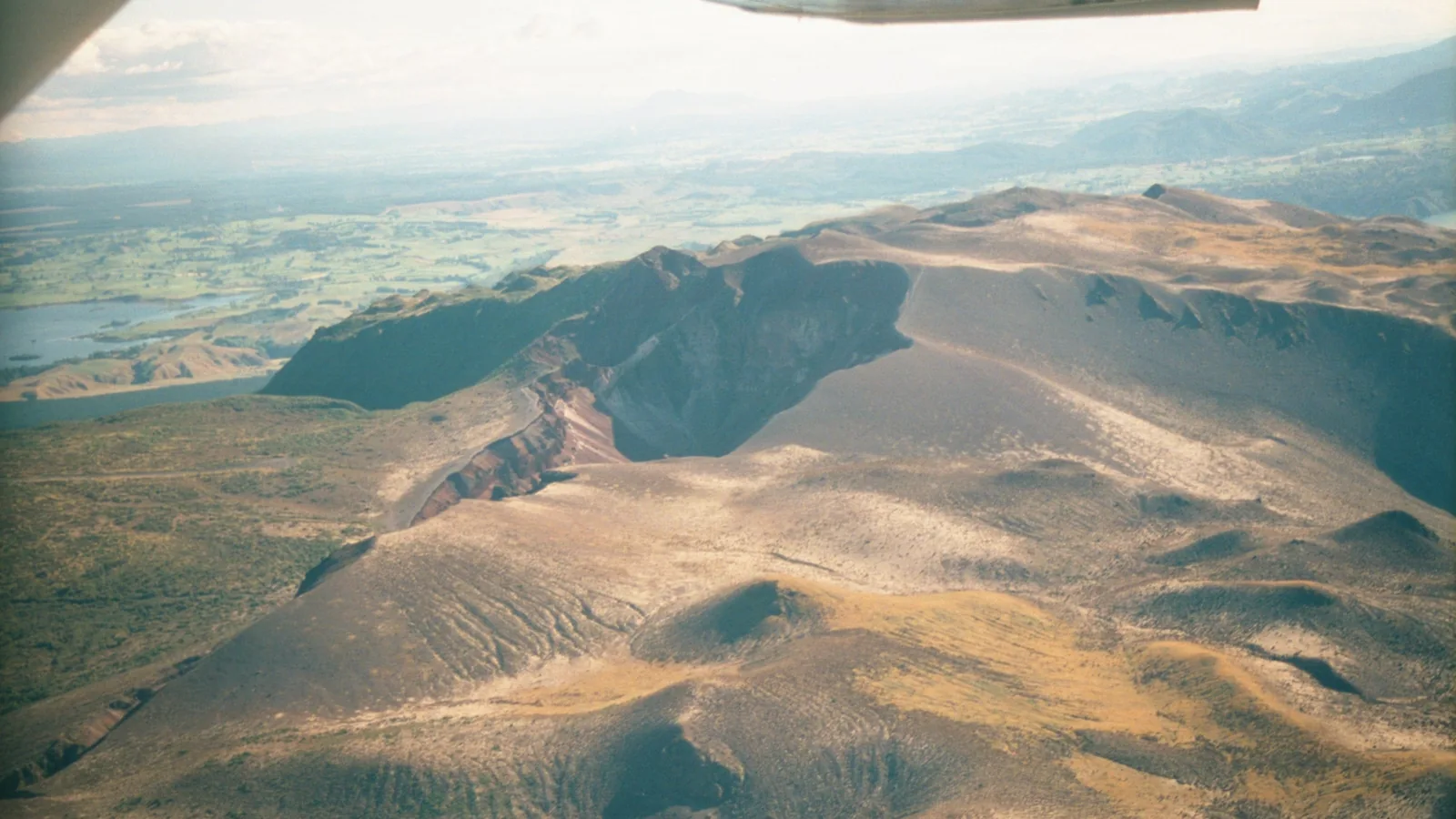
Tarawera's Kaharoa ash, dated to about AD 1314, holds rat-gnawed seeds. Rat bones, lake charcoal and a 2022 study date the first settlers decades earlier.
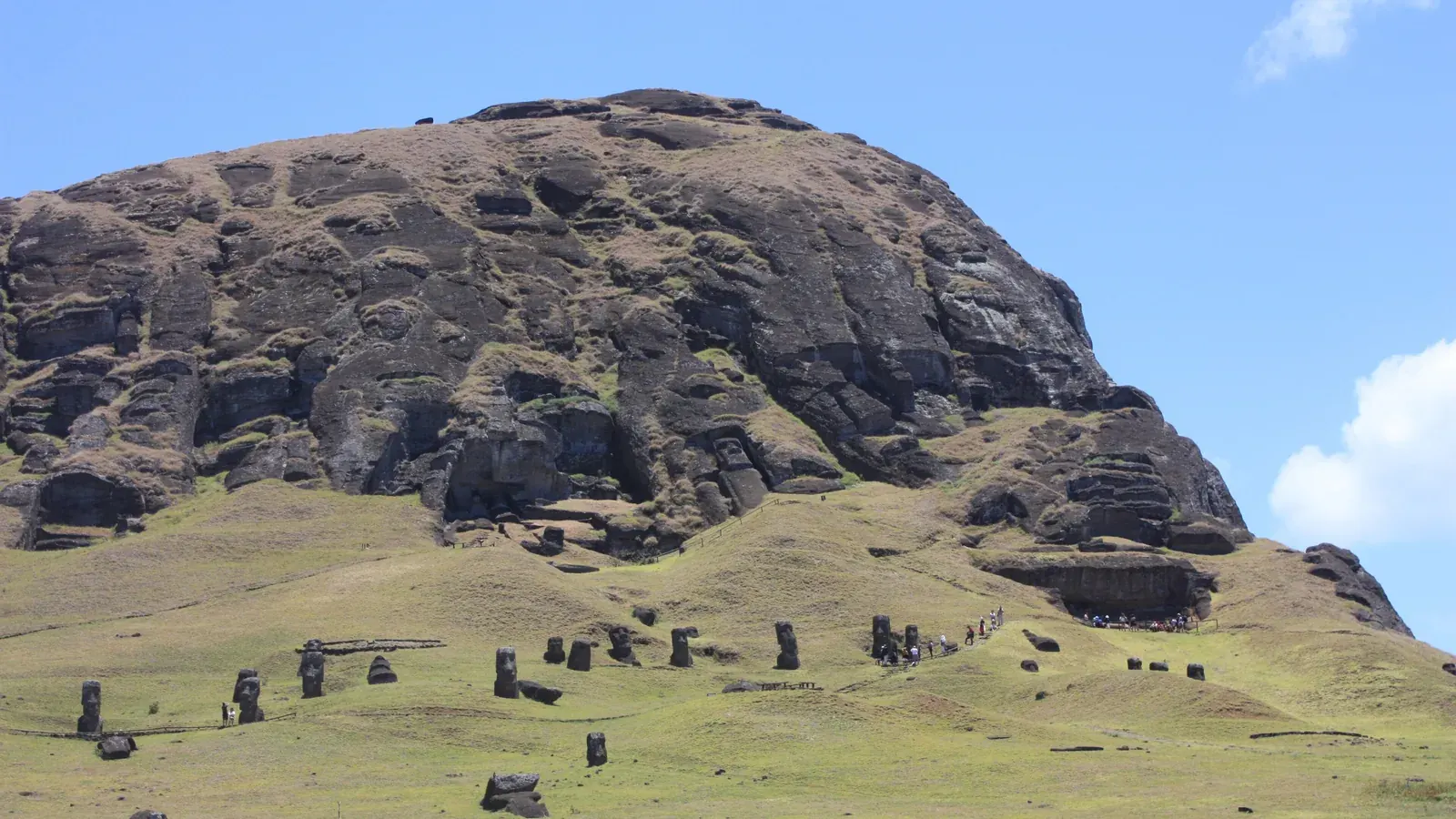
In 2012 Terry Hunt and Carl Lipo rocked a 5-ton replica moai upright with 18 people and three ropes. The road statues, the forest debate and the 1860s.