A 13-year-old's find at Wairau Bar in 1939, and a return in 2009
.jpg)
TL;DR — A boy’s 1939 find at Wairau Bar exposed graves of the 1200s-1300s; 42 koiwi tangata were returned in 2009 and the iwi signed a site agreement in 2026.
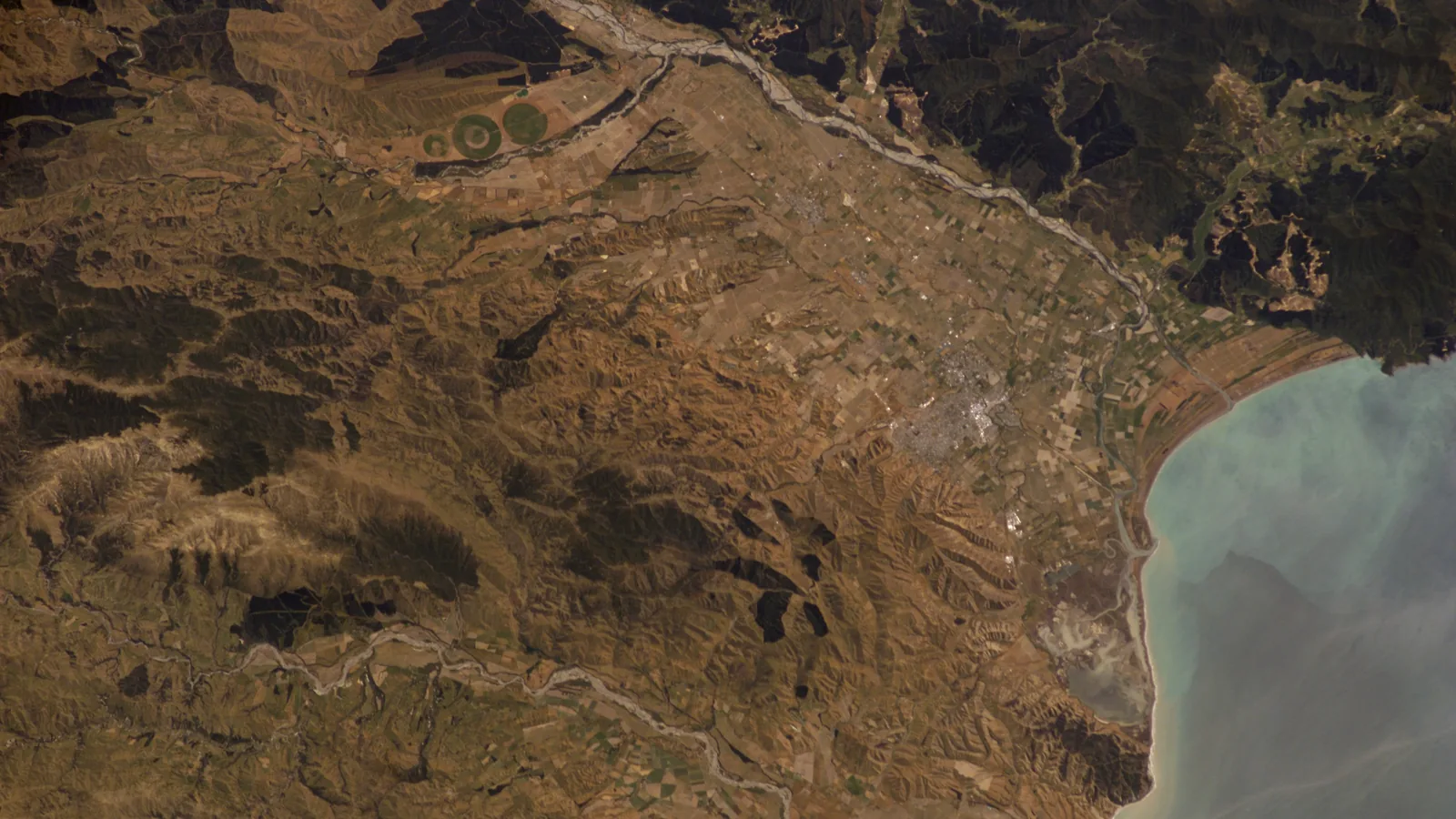
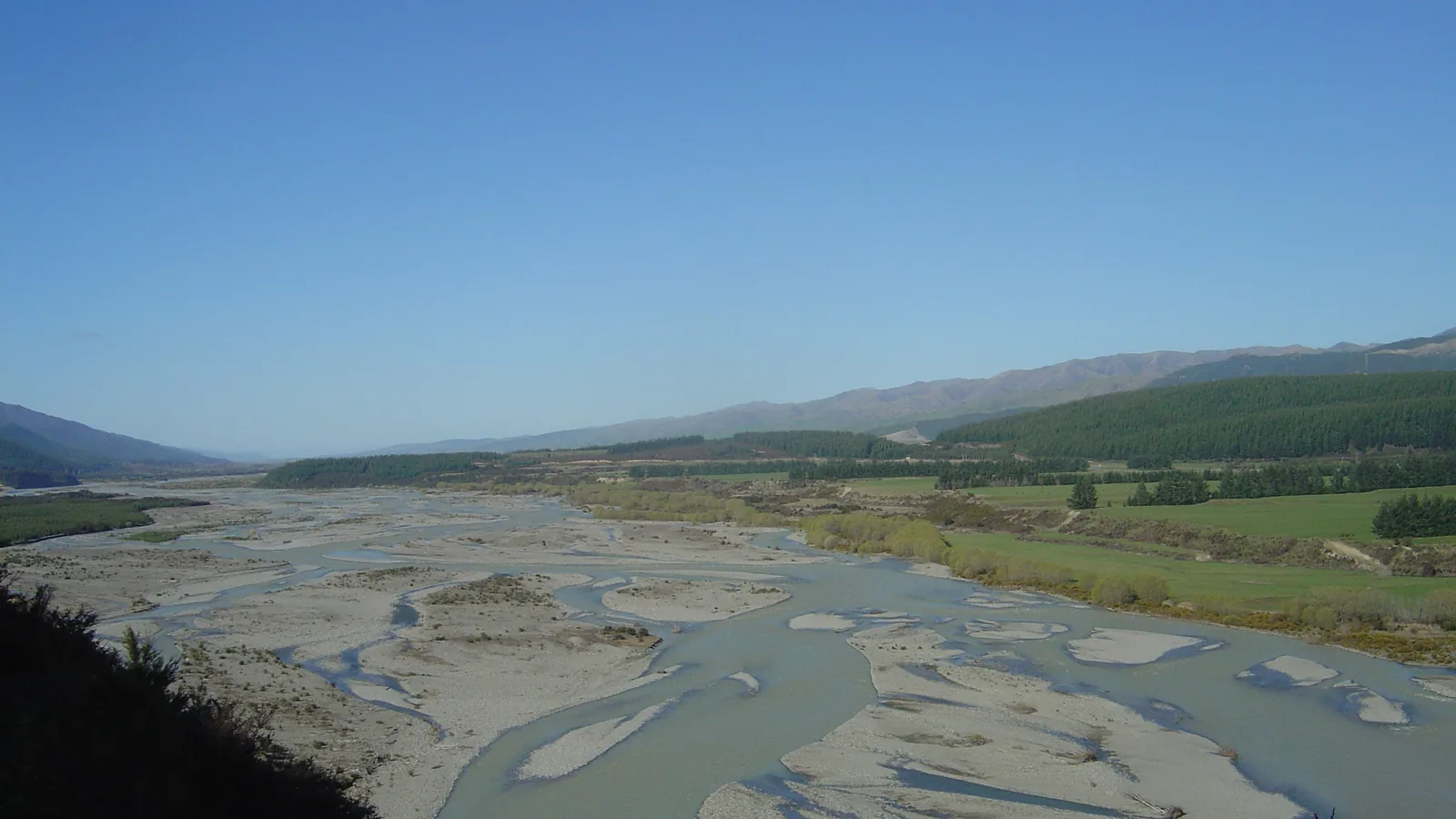
In 1939 Jim Eyles, a 13-year-old schoolboy, found a burial site at Wairau Bar. DigitalNZ describes it as containing “perforated moa eggs and tools and ornaments believed to be from East Polynesia.” The NZ Herald adds what he found that day: “a large necklace, a sperm whale tooth, a 20cm moa egg and the remains of what scientists maintain were this land’s first settlers.” Eyles worked with number eight wire, the paper says. The site sits on a gravel bar at Te Pokohiwi o Kupe, where the Wairau River meets the sea at Cloudy Bay on the South Island’s northeastern coast.
Quick facts
- When
- 1939 (discovery); 1939-1964 (Duff's excavations, Canterbury Museum); late 13th-early 14th century AD (radiocarbon date of the occupation); April 2009 (repatriation); 27 June 2012 (Heritage New Zealand listing); 27 February 2026 (Control and Manage Agreement)
- Where
- Te Pokohiwi o Kupe / Wairau Bar, at the mouth of the Wairau River, Cloudy Bay, Marlborough, New Zealand's South Island
- Who
- Jim Eyles, aged 13; Roger Duff of Canterbury Museum; Rangitane o Wairau, including elder Hohua Peter MacDonald; researchers Rebecca Kinaston, Richard Walter, Lisa Matisoo-Smith and Michael Knapp
- Outcome
- Duff's 1939-1964 digs uncovered burials numbered to 44 and hundreds of artifacts. Radiocarbon and mitochondrial DNA work dated the site to the first generation of East Polynesian settlement. Forty-two koiwi tangata were repatriated and reburied in 2009; land title followed under treaty settlement; a further management agreement was signed in 2026
Duff's excavations, 1939 to 1964
Roger Duff of Canterbury Museum led archaeological work at the site from 1939 to 1964, DigitalNZ states, on what it calls one of the twentieth century’s most significant archaeological sites. RNZ describes the same span as “over the subsequent 20 years,” during which Duff’s Canterbury Museum-led excavations uncovered 44 skeletons and hundreds of artifacts. The digs produced, in DigitalNZ’s list, “bones, some manufactured into tools, ornaments, necklaces, cloak pins, needles with case, tattooing chisels, and stone fish-hook shanks,” along with cooking ovens and dwellings pointing to a large village. Duff set out the results in his book The Moa Hunter Period of Maori Culture. The isotope study published in PLOS ONE in 2013 confirms the burial numbering directly, noting that most of a third group of graves “were found in what Duff called ‘the southern burial ground’ (burials 12-44).”
Radiocarbon dates the graves to the 1200s and 1300s
Rebecca Kinaston of the University of Otago and her coauthors reported carbon, nitrogen and strontium isotope results from what they call the oldest prehistoric skeletons found in New Zealand, in a 2013 PLOS ONE paper. Their radiocarbon results were consistent: “All radiocarbon dates agree that this occupation most likely occurred during the late 13th and early 14th centuries AD and thus the midden and burials must be considered broadly contemporaneous.” The paper goes on to propose that one burial group, given its early date and isotope signature, “may represent a founding population.” RNZ quotes University of Otago archaeologist Richard Walter on the same picture: people from Hawaiki moved along the coastline quickly, and “within a few years, within the first generation, Wairau Bar emerged as the largest settlement.”
Objection: MacDonald's protest in the 1940s
Historian Peter Meihana, writing in Public History Review in 2022, records that during the 1940s, excavations led primarily by Canterbury Museum’s Roger Duff saw koiwi tangata (ancestral remains) and artefacts taken to Christchurch. Tribal elder Hohua Peter MacDonald, the grandson of Meihana Kereopa, protested, but failed in his attempts to stop the excavations, Meihana writes. Duff, for his part, argued that the Rangitane community had no connection to the remains at Te Pokohiwi, asserting they belonged to an earlier, unrelated people.
Forty-two koiwi tangata return, 2009
Meihana gives the number for the repatriation directly: “Public and scholarly interest in Te Pokohiwi has grown since 2009, when 42 koiwi tangata (ancestral remains) were repatriated back to their original resting place.” The return did not stand apart from the wider settlement process. “The repatriation occurred at a time when Rangitane was in treaty settlement negotiations with the Crown,” Meihana writes. “As part of Rangitane’s treaty settlement, the area in which the koiwi tangata were reinterred was returned to the iwi in fee simple title.” Sampling for research preceded the reburial rather than following it: ABC Science reports that “the Rangitane-ki-Wairau tribal group approved DNA sampling before repatriation.”
What the DNA said about the first arrivals
That sampling fed a 2012 study covered by phys.org, which reports that researchers mapped complete mitochondrial genomes of four of the Rangitane tupuna (ancestors) buried at Wairau Bar more than 700 years earlier. The University of Otago’s Lisa Matisoo-Smith, who led the work, described the result: “We found that three of the four individuals had no recent maternal ancestor in common, indicating that these pioneers were not simply from one tight-knit kin group, but instead included families that were not directly maternally related.” ABC Science quotes coauthor Michael Knapp on the same four genomes: “Each individual that we got DNA sequences from Wairau Bar was different - they had unique mutations.” The same report calls these “the first complete ancient mitochondrial genomes sequenced in the Pacific” and dates the sampled remains to 1285-1300 AD. Heritage New Zealand entered the site on its List as wāhi tapu, number 9561, on June 27, 2012. Meihana notes what remained: “The return of kōiwi tangata back to Te Pokohiwi was a high point for Rangitāne, but there remains some unfinished business: the return of taonga still held by Canterbury Museum.” The iwi’s own notice records the latest step: “On 27 February 2026, Rangitāne o Wairau formally entered into a Control and Manage Agreement for Te Pokohiwi o Kupe at Ūkaipō in Grovetown.”

Key facts
- Jim Eyles, 13, uncovered the burial site in 1939, finding perforated moa eggs, a necklace, a sperm whale tooth and human remains (DigitalNZ; NZ Herald).
- Roger Duff of Canterbury Museum led excavations from 1939 to 1964, uncovering burials numbered to 44 and hundreds of artifacts (DigitalNZ; RNZ; PLOS ONE).
- Radiocarbon dating placed the occupation in “the late 13th and early 14th centuries AD” (Kinaston et al., PLOS ONE, 2013).
- Elder Hohua Peter MacDonald protested the 1940s removal of koiwi tangata and artefacts to Christchurch but could not stop the excavations (Meihana, Public History Review, 2022).
- Forty-two koiwi tangata were repatriated and reburied in 2009, alongside a fee simple land return under Rangitane’s treaty settlement (Meihana, 2022).
- A 2012 mitochondrial genome study of four tupuna found three of the four shared no recent maternal ancestor (Matisoo-Smith, via phys.org; Knapp, via ABC Science).
- Heritage New Zealand entered the site as Wahi Tapu, List Number 9561, on 27 June 2012 (Heritage New Zealand List).
- On 27 February 2026, Rangitane o Wairau entered into a Control and Manage Agreement for Te Pokohiwi o Kupe (Rangitane o Wairau).
FAQ
Who found the Wairau Bar burial site?
Jim Eyles, a 13-year-old schoolboy, uncovered the site in 1939, finding perforated moa eggs, a necklace, a sperm whale tooth and human remains, according to DigitalNZ and the NZ Herald.
How old are the Wairau Bar burials?
Kinaston and coauthors, publishing in PLOS ONE in 2013, found that radiocarbon dates agreed the occupation occurred during the late 13th and early 14th centuries AD, among the earliest dated human activity in New Zealand.
When did the remains return to Rangitane o Wairau?
Forty-two koiwi tangata were repatriated and reburied in April 2009, Meihana's 2022 Public History Review article states, in a process tied to Rangitane's treaty settlement with the Crown.
Sources
- RNZ (Radio New Zealand), "Wairau Bar: How it all began," Our Changing World
- Heritage New Zealand Pouhere Taonga, "Wairau / Te Pokohiwi," List Number 9561
- Rebecca L. Kinaston, Richard K. Walter, et al., "The First New Zealanders: Patterns of Diet and Mobility Revealed through Isotope Analysis," PLOS ONE 8(5): e64580 (2013)
- Peter N. Meihana, "Navigating the Politics of Remembering," Public History Review vol. 29 (2022), UTS ePress
- "Wairau Bar surrenders our nation's history," NZ Herald
- "The Wairau Bar," DigitalNZ
- phys.org, "Complete mitochondrial genome sequences of ancient New Zealanders"
- ABC Science, "Ancient DNA sheds light on Maori settlement"
- Te Runanga a Rangitane o Wairau, "Control and Manage Agreement for Te Pokohiwi o Kupe"
Cite this article
- APA
- Our Earth's History. (2026, September 24). A 13-year-old's find at Wairau Bar in 1939, and a return in 2009. Our Earth's History. https://ourearthshistory.com/oceania/medieval/wairau-bar-1939-jim-eyles-moa-egg-koiwi-returned-2009/
- Chicago
- Our Earth's History. “A 13-year-old's find at Wairau Bar in 1939, and a return in 2009.” Our Earth's History, September 24, 2026. https://ourearthshistory.com/oceania/medieval/wairau-bar-1939-jim-eyles-moa-egg-koiwi-returned-2009/.
- MLA
- “A 13-year-old's find at Wairau Bar in 1939, and a return in 2009.” Our Earth's History, 24 Sep. 2026, https://ourearthshistory.com/oceania/medieval/wairau-bar-1939-jim-eyles-moa-egg-koiwi-returned-2009/.
Text licensed CC BY-NC-ND 4.0. Found an error? Tell us.