Pelsaert's journal, June 4, 1629: the Batavia on Morning Reef

TL;DR — Pelsaert’s journal records the Batavia’s grounding on June 4, 1629, the killings that followed, the September trial, and the wreck’s 1963 rediscovery off Western Australia.
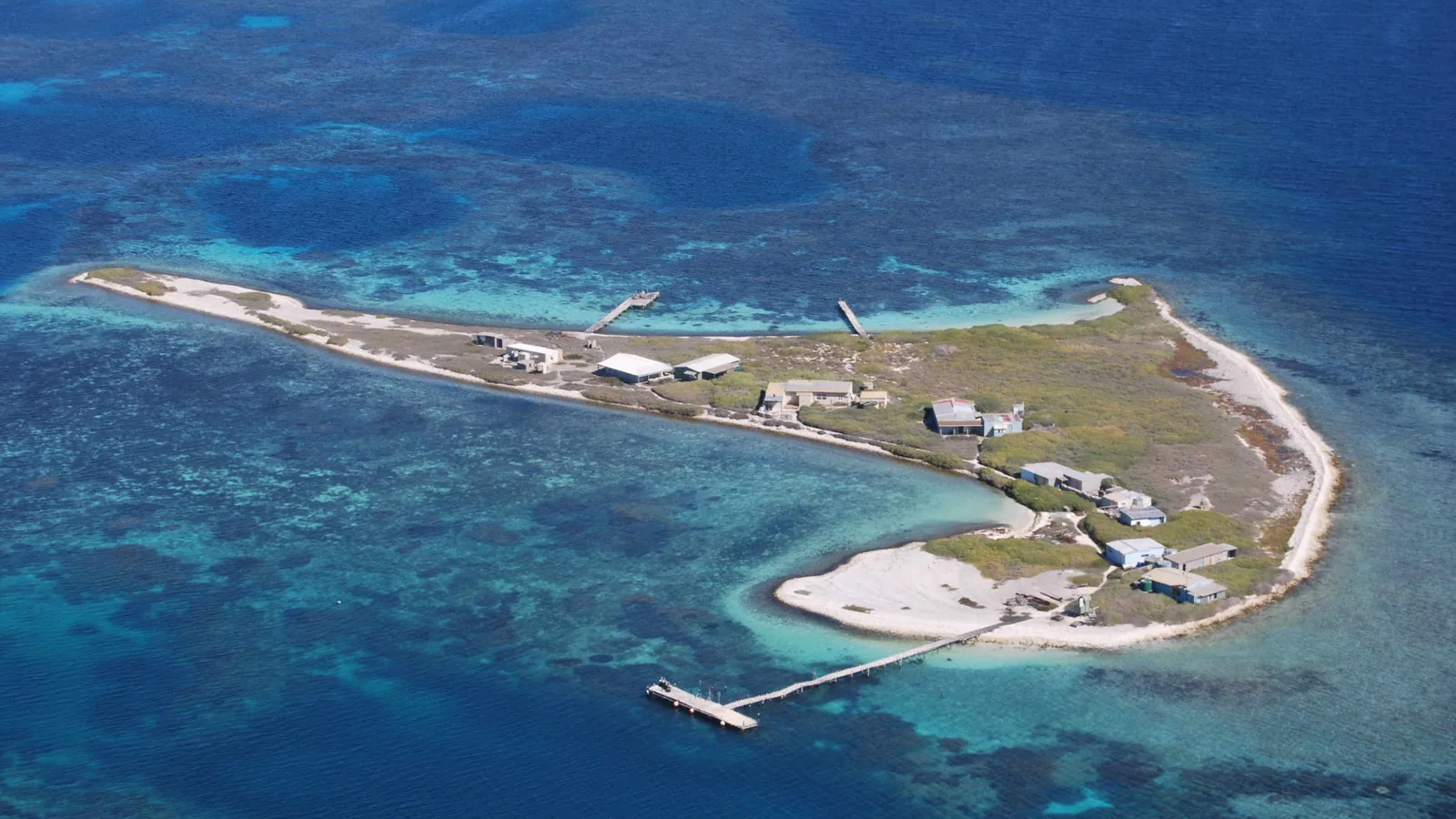
“Sad daily notes on the loss of our ship Batavia . . . sailed on the Abrolhos or Reef of Frederick Houtman, situated on the latitude of 28⅓ degrees, 9 miles from Southland on the Fourth of June, being Monday morning . . . I was lying in my bunk feeling ill and felt suddenly, with a rough terrible movement, the bumping of the ship’s rudder,” Francisco Pelsaert wrote in the journal he kept as commandeur of the wrecked Dutch East India Company ship. Morning Reef, where the Batavia struck, lies in the Houtman Abrolhos, an island group off the coast of Western Australia, according to the Western Australian Museum. The ship had sailed from Texel on October 27, 1628, under Pelsaert and skipper Ariaen Jacobsz, and most of those aboard reached the nearby islands after the grounding. In Pelsaert’s absence, a group on the islands killed dozens of the survivors, a council later tried and hanged the group’s leaders, and in 1963 divers located the wreck itself.
Quick facts
- When
- June 4, 1629 (grounding) · July 7, 1629 (Pelsaert reaches Batavia's roads) · September 17, 1629 (Sardam reaches the wreck site) · September 28, 1629 (verdict) · October 2, 1629 (executions) · November 16, 1629 (Loos and Pelgrom marooned) · 1963 (wreck located again) · April 7, 2006 (National Heritage List)
- Where
- Morning Reef in the Houtman Abrolhos, off Western Australia; Seal Island; the Southland mainland near latitude 27 degrees 51 minutes; Fremantle
- Who
- Francisco Pelsaert, commandeur; Ariaen Jacobsz, skipper; Jeronimus Cornelisz, undermerchant; Wiebbe Hayes, soldier; Wouter Loos and Jan Pelgrom de Bije
- Outcome
- Eight men including Cornelisz were hanged on Seal Island on October 2, 1629; Loos and Pelgrom were put ashore on the mainland on November 16; the wreck was located again in 1963 and the site entered Australia's National Heritage List on April 7, 2006
The ship and its people
The Batavia was a newly built VOC ship sailing under commandeur Francisco Pelsaert and skipper Ariaen Jacobsz. The Western Australian Museum’s Maritime Archaeology Databases entry for the wreck states that the ship “sailed from Texel 27 October 1628 for the Dutch East Indies with bullion, goods and silver,” under Pelsaert and Jacobsz. The same entry records that “of the 322 aboard 40 drowned and the rest got ashore” after the grounding on Morning Reef on June 4, 1629. Survivors reached a scatter of low islands in the Houtman Abrolhos in the days that followed.
July 7, 1629: an arrival in Batavia's roads
On June 8, 1629, Pelsaert signed a resolution to search the mainland and nearby islands for water and, failing that, to sail on directly to report what his journal calls “this sad and unprecedented disaster.” He took a small boat north along the mainland coast but found no water there; he reached the coast of Java on July 7 and took on fresh water before continuing. “On 7 do. we arrived at night at the fall of darkness in the roads of Batavia. God be praised and thanked,” the journal records. Governor-General Jan Pietersen Coen then sent the yacht Sardam to the wreck site. Pelsaert titled the record of the return voyage “Daily notes on my return journey to the Southland, sent by the Hon. Lord General Jan Pietersen Coen, with the yacht Sardam, to search for and to bring back the people of our wrecked ship Batavia.” The Sardam left Batavia on July 15 and reached the wreck site on September 17.
Wiebbe Hayes and the killings
When Pelsaert landed on September 17, his journal records, “a very small yawl with four men rowing round the northerly point” approached, and one of them, “named Wiebbe Haijes, sprang ashore and ran towards me, calling from afar, welcome, but go back aboard immediately, for there is a party of miscreants on the islands near the wreck, with two sloops, who have the intention to seize the yacht.” Hayes described himself as “capiteijn” over “47 souls” and reported that the group on the other islands had “murdered more than 125 persons, men, women and children as well.” The journal names the leader of that group as Jeronimus Cornelisz, “of Haarlem, apothecary, and late under merchant of the ship Batavia.” Hayes and his party had held a separate island against three attacks from Cornelisz’s group, according to the resolution Pelsaert later signed in Hayes’s honor. The Journal of the Royal Society of Western Australia dates the stone fort Hayes and his men built there to “built in July 1629 and occupied until September of that year,” raised from “loose blocks of calcrete scattered nearby on the surface.” Excavation there recovered “barrel hoop-irons and nails,” the same journal states, and the structure measures 7.9 by 3 meters, up to 1.2 meters high.

"More than 120 persons": the verdict of September 28
Pelsaert convened a council that tried Cornelisz and others on the islands. The verdict, dated September 28, 1629, recorded that the accused had killed “more than 120 persons, men, women and children as well,” a count that differs from Hayes’s own report, two days earlier, of “more than 125 persons”; both figures appear in Pelsaert’s journal. On October 2, 1629, eight condemned men were taken to Seal Island and executed there according to their sentences, and the journal records that Cornelisz himself “died stubborn.” Two younger prisoners were sentenced separately: Wouter Loos, a soldier from Maastricht “aged about 24 years,” and Jan Pelgrom de Bije, a former cabin boy from Bemmel “aged about 18 years,” were ordered on November 13 to be set ashore on the Southland. On November 16 the Sardam put the two men ashore near a small inlet the journal places “on the latitude of 27 degrees 51 minutes.” Pelsaert’s journal does not record what became of them afterward.
Ninety-seven blocks: the wreck found again
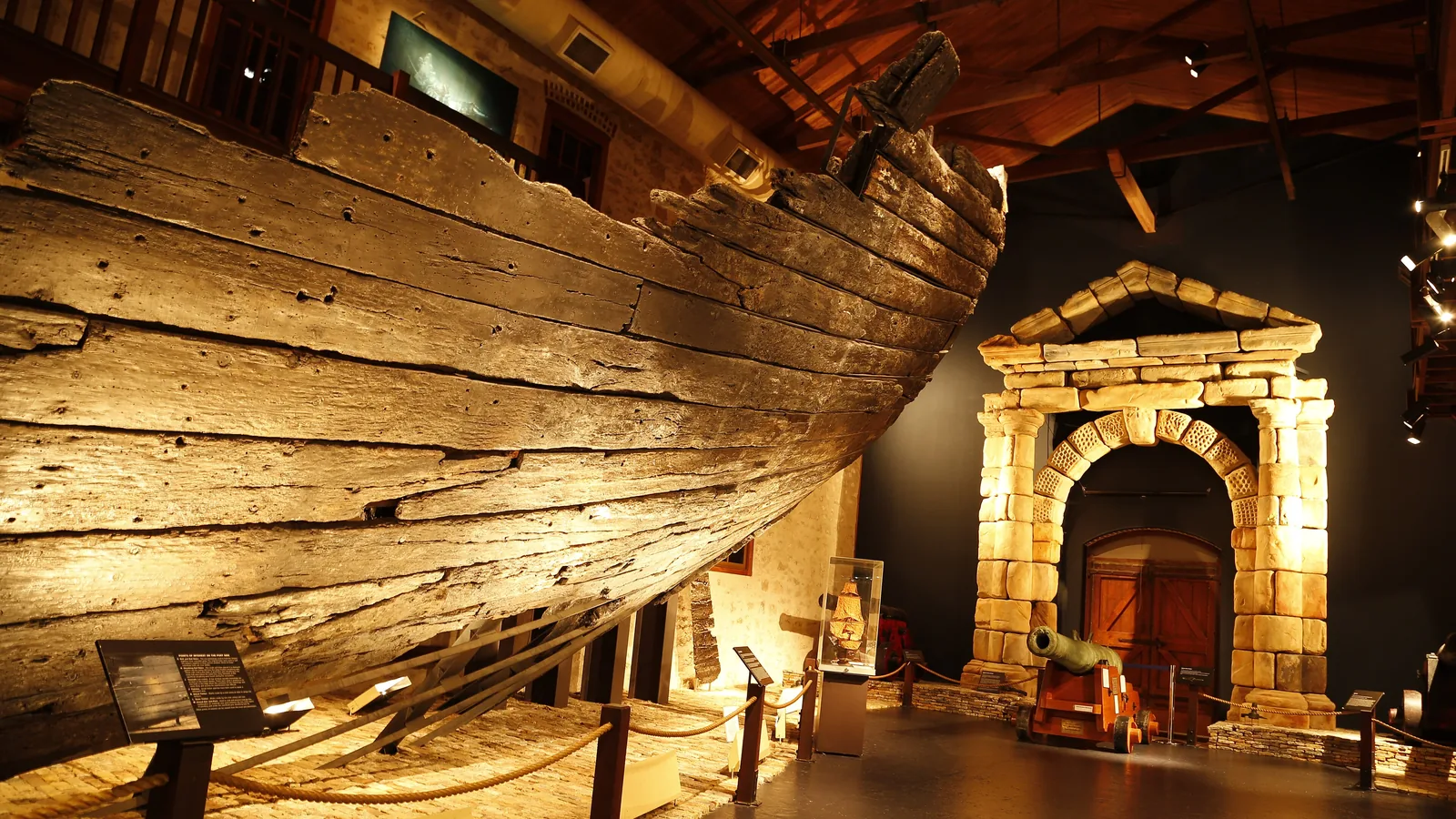
The wreck went unlocated for more than three centuries. The Western Australian Museum’s account of “Batavia’s history, 1628-1963” records that rock lobster fishers found skeletal remains and a “trumpet garland dated 1628” on Beacon Island in 1960, and that in 1963 Dave Johnson located the wreck on Morning Reef, after which Hugh Edwards recovered four cannon, two astrolabes, coins and ceramic material. Between 1972 and 1976 the museum’s Department of Maritime Archaeology excavated the site, a record held by Zenodo states, raising a stone portico of “97 of a total of 149 blocks weighing over 36 tonnes,” which archival research traced to either “the Land Port or the Waterport for the Castle at Batavia.” The ship’s stern timbers were rebuilt and now stand in the Batavia Gallery of the museum’s Shipwreck Galleries in Fremantle, alongside a bronze 28-pound cannon “cast in Amsterdam in 1616” and recovered by a navy diving team in 1963, the gallery’s own page states. The Heritage Council of Western Australia’s inHerit database lists the wreck and survivor camp site on the National Heritage List, with the entry dated “07 Apr 2006.”
Key facts
- The Batavia sailed from Texel on October 27, 1628, under commandeur Francisco Pelsaert and skipper Ariaen Jacobsz (WA Museum, Maritime Archaeology Databases).
- Of 322 people aboard, 40 drowned when the ship struck Morning Reef on June 4, 1629, and the rest reached the islands (WA Museum).
- Pelsaert reached Batavia’s roads on July 7, 1629, after searching the mainland coast for water in a small boat (Pelsaert’s journal).
- The yacht Sardam, sent by Governor-General Jan Pietersen Coen, reached the wreck site on September 17, 1629 (Pelsaert’s journal).
- Wiebbe Hayes reported the group on the islands had “murdered more than 125 persons”; the council’s verdict of September 28 recorded “more than 120 persons” (Pelsaert’s journal).
- Eight men, including Jeronimus Cornelisz, were executed on Seal Island on October 2, 1629 (Pelsaert’s journal).
- Wouter Loos and Jan Pelgrom de Bije were put ashore on the Southland mainland on November 16, 1629; the journal does not record their fate afterward (Pelsaert’s journal).
- Dave Johnson located the wreck again in 1963, and the site entered Australia’s National Heritage List on April 7, 2006 (WA Museum; Heritage Council of WA, inHerit).
FAQ
Who found the wreck of the Batavia?
Dave Johnson located the wreck on Morning Reef in 1963, according to the Western Australian Museum's account of the ship's history; Hugh Edwards then recovered four cannon, two astrolabes, coins and ceramic material from the site.
How many people did the group on the islands kill?
Pelsaert's journal gives two figures. Wiebbe Hayes's verbal report on September 17, 1629, stated "more than 125 persons," while the council's official verdict of September 28, 1629, recorded "more than 120 persons."
What happened to Wouter Loos and Jan Pelgrom after they were marooned?
The Sardam put them ashore on the Southland mainland on November 16, 1629, near latitude 27 degrees 51 minutes. Pelsaert's journal does not record what happened to either man afterward.
Sources
- Francisco Pelsaert (edited and translated by Marit van Huystee), "The Batavia Journal of Francois Pelsaert" (ARA Document 1630: 1098 QQ II, fol. 232-316), Report No. 136, Department of Maritime Archaeology, Western Australian Museum, 1994.
- Western Australian Museum, "Batavia's history, 1628-1963."
- Western Australian Museum, "Batavia, 1629."
- Western Australian Museum, Maritime Archaeology Databases, "Batavia (1629/06/04)."
- Western Australian Museum, "Batavia Gallery," Shipwreck Galleries, Fremantle.
- Heritage Council of Western Australia, inHerit, "Batavia Shipwreck Site and Survivor Camp Area 1629, Houtman Abrolhos," Place Number 18596.
- Journal of the Royal Society of Western Australia, "Wiebbe Hayes Fort, Abrolhos Islands, Western Australia: Construction of the Oldest European Building in Australia."
- Zenodo, excavation record of the Batavia stone portico.
Cite this article
- APA
- Our Earth's History. (2026, September 25). Pelsaert's journal, June 4, 1629: the Batavia on Morning Reef. Our Earth's History. https://ourearthshistory.com/oceania/early-modern/batavia-wreck-june-4-1629-houtman-abrolhos-pelsaert-journal-1963/
- Chicago
- Our Earth's History. “Pelsaert's journal, June 4, 1629: the Batavia on Morning Reef.” Our Earth's History, September 25, 2026. https://ourearthshistory.com/oceania/early-modern/batavia-wreck-june-4-1629-houtman-abrolhos-pelsaert-journal-1963/.
- MLA
- “Pelsaert's journal, June 4, 1629: the Batavia on Morning Reef.” Our Earth's History, 25 Sep. 2026, https://ourearthshistory.com/oceania/early-modern/batavia-wreck-june-4-1629-houtman-abrolhos-pelsaert-journal-1963/.
Text licensed CC BY-NC-ND 4.0. Found an error? Tell us.