Radiocarbon says 1420: Machu Picchu's age and its return from Yale
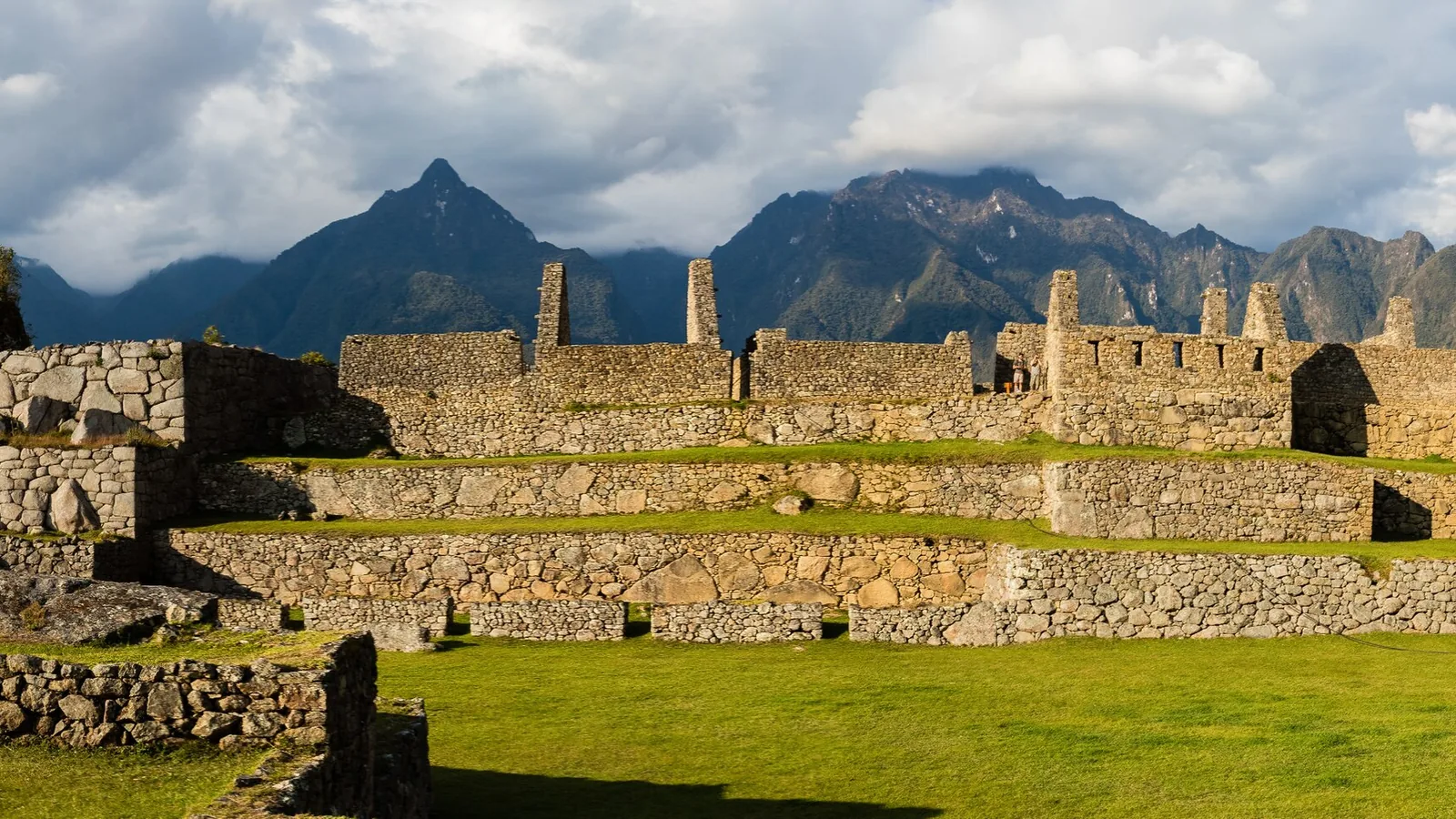

TL;DR — Antiquity’s 2021 AMS study moved Machu Picchu’s founding to about 1420, two decades before Pachacuti’s 1438 accession; Yale’s excavated collection returned to Peru by 2012.
“The results show that the site was occupied from c. AD 1420–1532, with activity beginning two decades earlier than suggested by the textual sources that associate the site with Emperor Pachacuti’s rise to power in AD 1438,” Antiquity reported in 2021, in a paper by Richard L. Burger, Lucy C. Salazar, Jason Nesbitt, Eden Washburn and Lars Fehren-Schmitz. Yale’s Department of Anthropology announced the study on August 11, 2021, writing that the dates “push the founding of the iconic royal Inca retreat back minimally 20 years, from 1440 to 1420.” The samples were bone and teeth from 26 individuals that Yale’s own 1912 excavation had recovered from four cemeteries around the site.
Quick facts
- When
- c. AD 1420 (occupation start, per Burger and colleagues' 2021 AMS dating) · 1438 (Pachacuti's accession, the date tied to the site in chronicle-based tradition) · July 24, 1911 (Bingham's visit) · July to November 1912 (Yale excavation season) · 1983 (World Heritage listing) · 2011 to 2012 (Yale's return shipments) · 2022 (Huayna Picchu name study reported)
- Where
- Machu Picchu, in the Cusco region of Peru; the Temple of the Three Windows and four surrounding cemeteries; Casa Concha in Cusco, where the returned collection is held; New Haven, Connecticut, home of Yale University
- Who
- Richard L. Burger, Lucy C. Salazar, Jason Nesbitt, Eden Washburn and Lars Fehren-Schmitz (2021 AMS study); Hiram Bingham III; guide Melchor Arteaga; farmers Toribio Richarte, Anacleto Álvarez and Tomás Fuentes; Agustín Lizárraga; Yale president Richard C. Levin; Donato Amado Gonzales and Brian S. Bauer (2022 name study)
- Outcome
- AMS dating moved the site's founding from a traditional 1438 to about 1420. Bingham's 1911 visit and Yale's 1912 excavation were followed by a century-long dispute over the excavated collection, which Yale returned to Peru in shipments from 2011 to 2012. A 2022 study argues the Inca name for the site was Huayna Picchu.
Pachacuti took a valley that was not his own, a chronicler wrote
The earliest written link between Machu Picchu and the Inca emperor Pachacuti is a 1572 line from the chronicler Pedro Sarmiento de Gamboa: Pachacuti “tomó para su recámara el valle de Tambo sin ser suyo,” took the valley of Tambo for his private retreat though it was not his, and built “suntuosos edificios,” sumptuous buildings, there. Peru’s Ministry of Culture preserves the line in a 2020 paper by José M. Bastante and three co-authors, which reports that later researchers, among them Luis E. Valcárcel, Ann Kendall and John H. Rowe, agree Pachacuti built the group of sites between Ollantaytambo and Machu Picchu. Citing María Rostworowski’s classification of Inca land tenure, the paper places the site among the state’s general lands rather than a private royal holding. The 1438 date attached to Machu Picchu is not a recorded construction date; it derives from Pachacuti’s accession, a reference point later chroniclers used.
July 24, 1911: Melchor Arteaga leads Bingham to the terraces
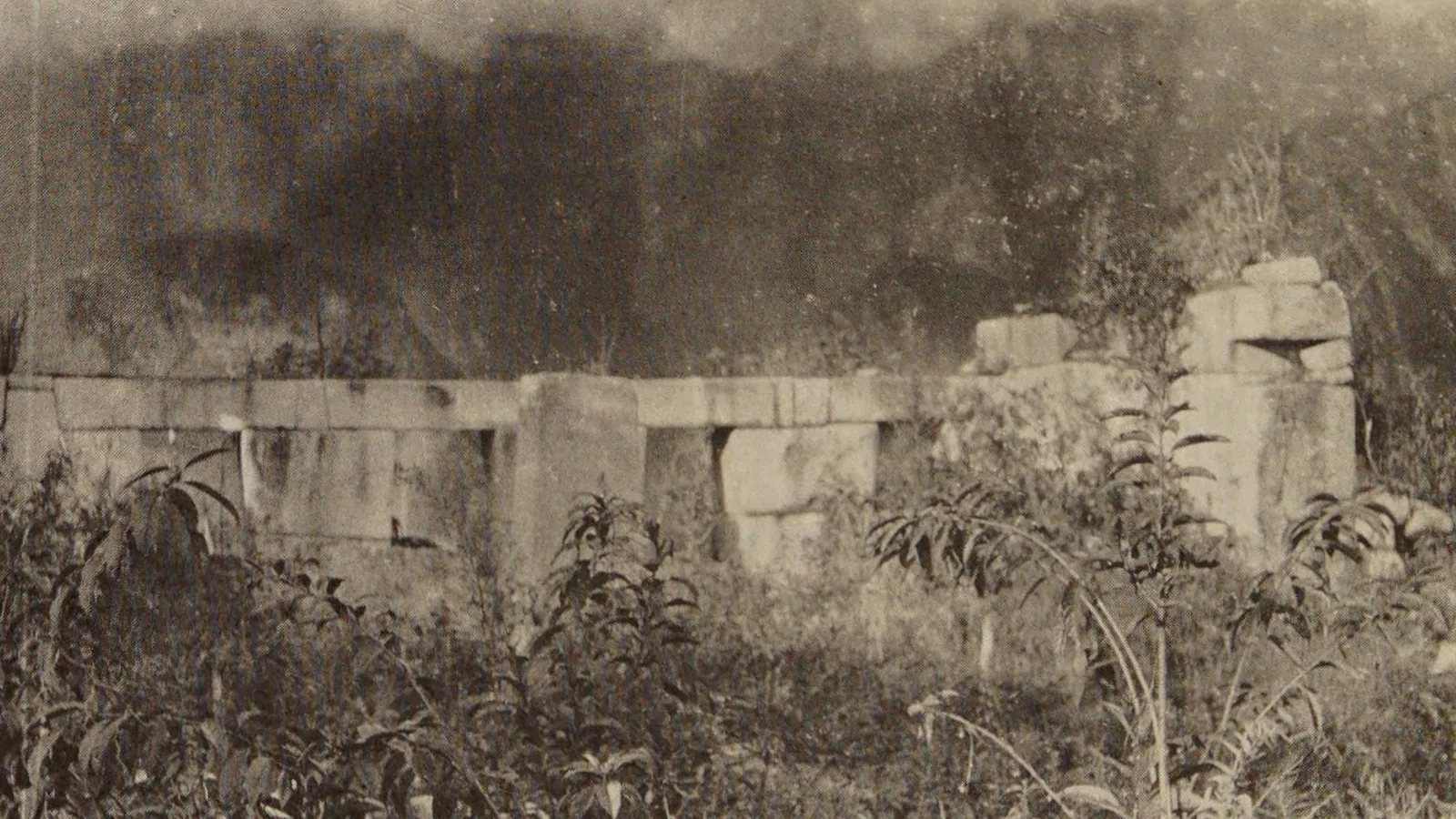
Bastante’s account of the Yale expeditions states that on July 24, 1911, Hiram Bingham III, leading the first Yale Peruvian Expedition, reached Mandorpampa six days out of Cusco and climbed to the ruins guided by tenant farmer Melchor Arteaga and Guardia Civil sergeant Fabián Carrasco. Bingham did not find an empty site: tenant farmers Toribio Richarte, Anacleto Álvarez and Tomás Fuentes were living there with their families and working the terraces, and Bingham stayed under three hours before moving on toward Vilcabamba, his real target. In the Temple of the Three Windows he found “Lizárraga 1902” written in charcoal, a signature José Gabriel Cosio confirmed in January 1912; Arteaga had told Bingham that Agustín Lizárraga was locally considered the site’s discoverer. Lizárraga drowned on February 11, 1912, crossing to an island in the Vilcanota River where he grew corn. Yale’s full excavation ran from July to November 1912 under George Eaton and Ellwood Erdis, whose 149-page field diary survives in Yale’s archives.

The collection returns to Peru after a century
Yale and Peru reached what YaleNews called “a historic accord” in November 2010 for the return of the materials Bingham’s expeditions had excavated. In February 2011 Yale and the Universidad Nacional de San Antonio Abad del Cusco, UNSAAC, signed an agreement establishing a joint center in Cusco for the study of Machu Picchu and Inca culture. Yale shipped its collection to Peru in March 2011, in time for the July 2011 centennial of Bingham’s visit, then in December 2011 and November 2012. Yale’s president, Richard C. Levin, said the partnership fulfilled “one of Yale’s primary missions, the collection and dissemination of knowledge.” The collection is now held at the Museo Machu Picchu in Casa Concha, a historic Inca palace in Cusco, with free admission for Cusco residents.
"Huayna Picchu": a 2022 study reconsiders the name
A study reported by the University of Illinois Chicago on March 22, 2022, argued that the name used since Bingham’s time may not be the Inca name for the site. Historian Donato Amado Gonzales, of Peru’s Ministry of Culture, and UIC archaeologist Brian S. Bauer reviewed Bingham’s field notes, a 1904 map and colonial land documents and concluded that “the Incas originally called it Huayna Picchu, for the rocky summit that lies nearest to the site, and not Machu Picchu, which is the name of the highest mountain near the ancient city.” Bauer said: “There is significant data which suggest that the Inca city actually was called Picchu or more likely, Huayna Picchu.” The 1904 map already listed a ruin called Huayna Picchu, and in 1912 the son of a local landowner told Bingham the site went by that name.
Machu Picchu entered the World Heritage List in 1983
The World Heritage Datasheet compiled by the UNEP-WCMC records that Machu Picchu was “Inscribed on the World Heritage List under Cultural Criteria i & iii and Natural Criteria vii & ix” in 1983. The same datasheet describes the property as “a uniquely sited royal winter retreat, religious sanctuary and mausoleum of the I[nca].”
Key facts
- Antiquity’s 2021 AMS study found occupation “from c. AD 1420–1532,” two decades before the 1438 date tied to Pachacuti’s accession.
- The dated samples were bone and teeth from 26 individuals excavated from four cemeteries during Yale’s 1912 season.
- Sarmiento de Gamboa wrote in 1572 that Pachacuti “tomó para su recámara el valle de Tambo sin ser suyo” and built “suntuosos edificios” there.
- On July 24, 1911, Melchor Arteaga guided Bingham to the site, where farmers Toribio Richarte, Anacleto Álvarez and Tomás Fuentes already lived and worked the terraces.
- Agustín Lizárraga had signed “Lizárraga 1902” in the Temple of the Three Windows and was locally considered the site’s discoverer before Bingham arrived; he drowned on February 11, 1912.
- Yale and Peru reached a return accord in November 2010, and Yale shipped its collection to Peru in March 2011, December 2011 and November 2012.
- UIC Today reported in 2022 that Donato Amado Gonzales and Brian S. Bauer found evidence the Inca name for the site was Huayna Picchu, not Machu Picchu.
- The UNEP-WCMC datasheet records Machu Picchu’s 1983 World Heritage inscription under cultural criteria i and iii and natural criteria vii and ix.
FAQ
How much older did the 2021 radiocarbon study make Machu Picchu?
About 20 years. Antiquity's 2021 paper found occupation beginning around AD 1420, not the traditional AD 1438 tied to Pachacuti's accession.
Who guided Hiram Bingham to Machu Picchu in 1911?
The tenant farmer Melchor Arteaga, on July 24, 1911, with Guardia Civil sergeant Fabián Carrasco. Farming families were already living on the terraces.
When did Yale return the excavated collection to Peru?
In three shipments: March 2011, December 2011 and November 2012, after a November 2010 accord between Yale and Peru and a February 2011 agreement with UNSAAC.
Sources
- Cambridge University Press, Antiquity — Richard L. Burger, Lucy C. Salazar, Jason Nesbitt, Eden Washburn and Lars Fehren-Schmitz, "New AMS dates for Machu Picchu: results and implications" (2021).
- Yale University, Department of Anthropology — "Dr. Richard Burger's study demonstrates Machu Picchu older than believed" (August 11, 2021).
- Ministerio de Cultura del Peru / Parque Arqueológico Nacional de Machupicchu — José M. Bastante, Fernando Astete, Alicia Fernández and Alex I. Usca, "Estado de la cuestión: historia y arqueología de la llaqta de Machupicchu," in Machupicchu. Investigaciones Interdisciplinarias, Tomo I (2020).
- Ministerio de Cultura del Peru / machupicchu.gob.pe — José M. Bastante, "Los trabajos de las Expediciones Peruanas de Yale en la llaqta de Machupicchu," in Machupicchu. Investigaciones Interdisciplinarias, Tomo I (2020).
- Yale University, YaleNews — "Peru-Yale Partnership for the Future of Machu Picchu Artifacts" (June 4, 2015).
- UNEP-WCMC (United Nations Environment Programme World Conservation Monitoring Centre) — "World Heritage Datasheet: Historic Sanctuary of Machu Picchu."
- University of Illinois Chicago, UIC Today — "Study reconsiders name of Peru's Machu Picchu" (March 22, 2022).
Cite this article
- APA
- Our Earth's History. (2026, September 26). Radiocarbon says 1420: Machu Picchu's age and its return from Yale. Our Earth's History. https://ourearthshistory.com/americas/medieval/machu-picchu-radiocarbon-1420-pachacuti-estate-bingham-1911-yale-return/
- Chicago
- Our Earth's History. “Radiocarbon says 1420: Machu Picchu's age and its return from Yale.” Our Earth's History, September 26, 2026. https://ourearthshistory.com/americas/medieval/machu-picchu-radiocarbon-1420-pachacuti-estate-bingham-1911-yale-return/.
- MLA
- “Radiocarbon says 1420: Machu Picchu's age and its return from Yale.” Our Earth's History, 26 Sep. 2026, https://ourearthshistory.com/americas/medieval/machu-picchu-radiocarbon-1420-pachacuti-estate-bingham-1911-yale-return/.
Text licensed CC BY-NC-ND 4.0. Found an error? Tell us.