Europe in the medieval world (500 – 1500). A thousand years of kingdoms, caliphates, steppe empires and trading cities between the fall of Rome and the voyages that joined the hemispheres.
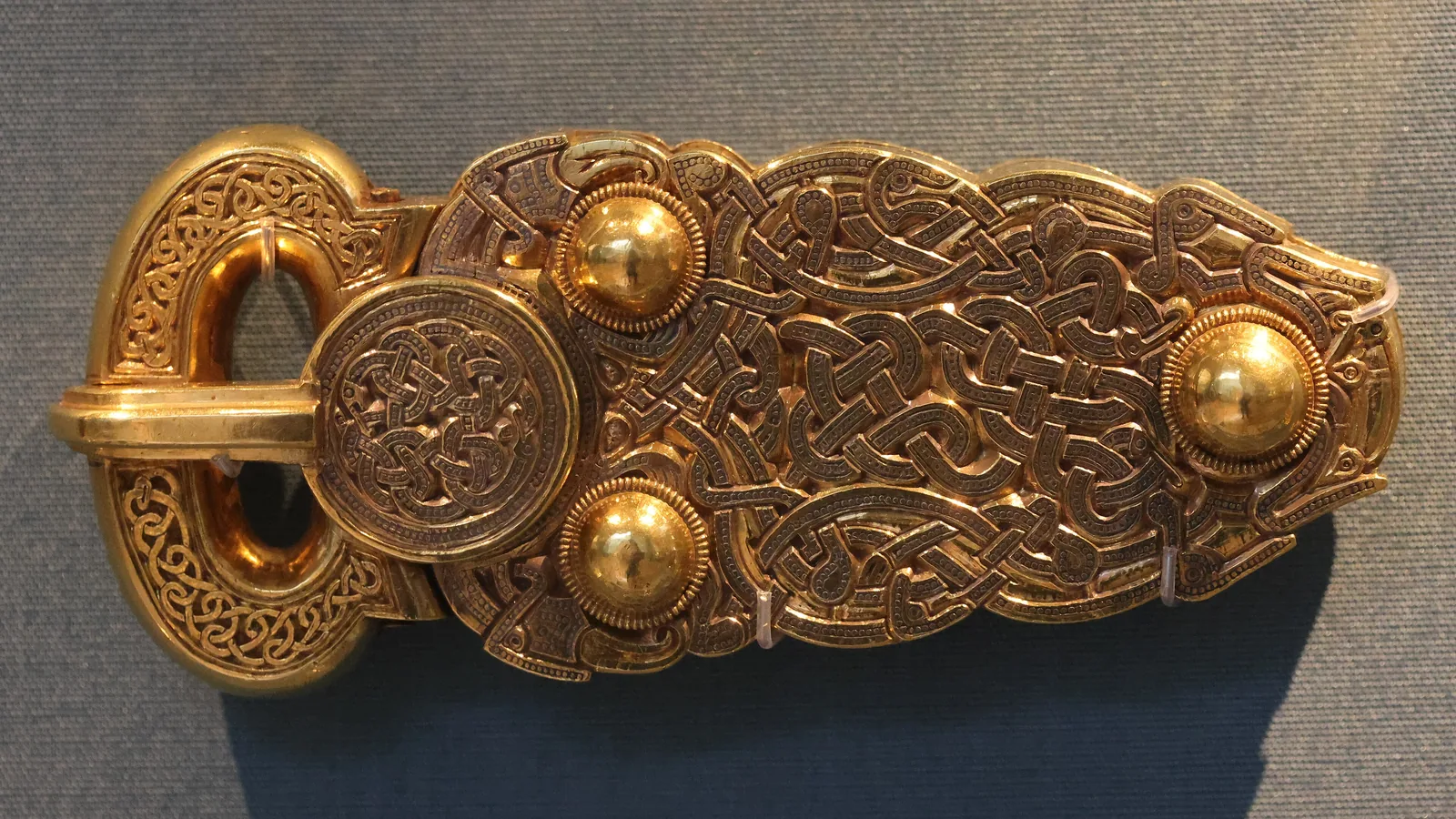
In 1939 Basil Brown excavated a 27-meter ship burial at Sutton Hoo for Edith Pretty; an inquest gave the find to her, who gave it to the British Museum.
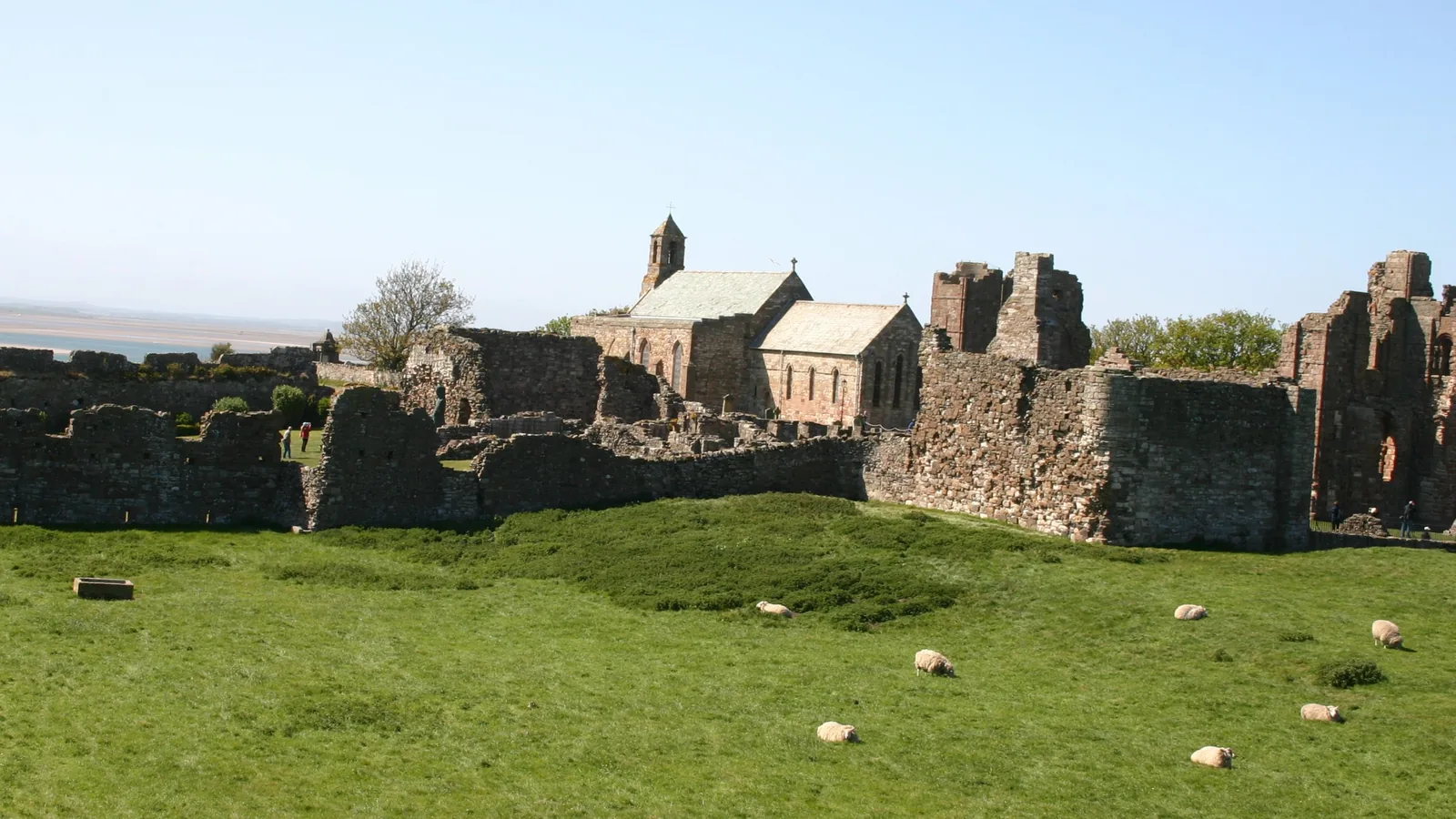
Alcuin's two letters and two Anglo-Saxon Chronicle texts record the Lindisfarne raid of 793. Digs since 2016 found graves of adults, children and babies.
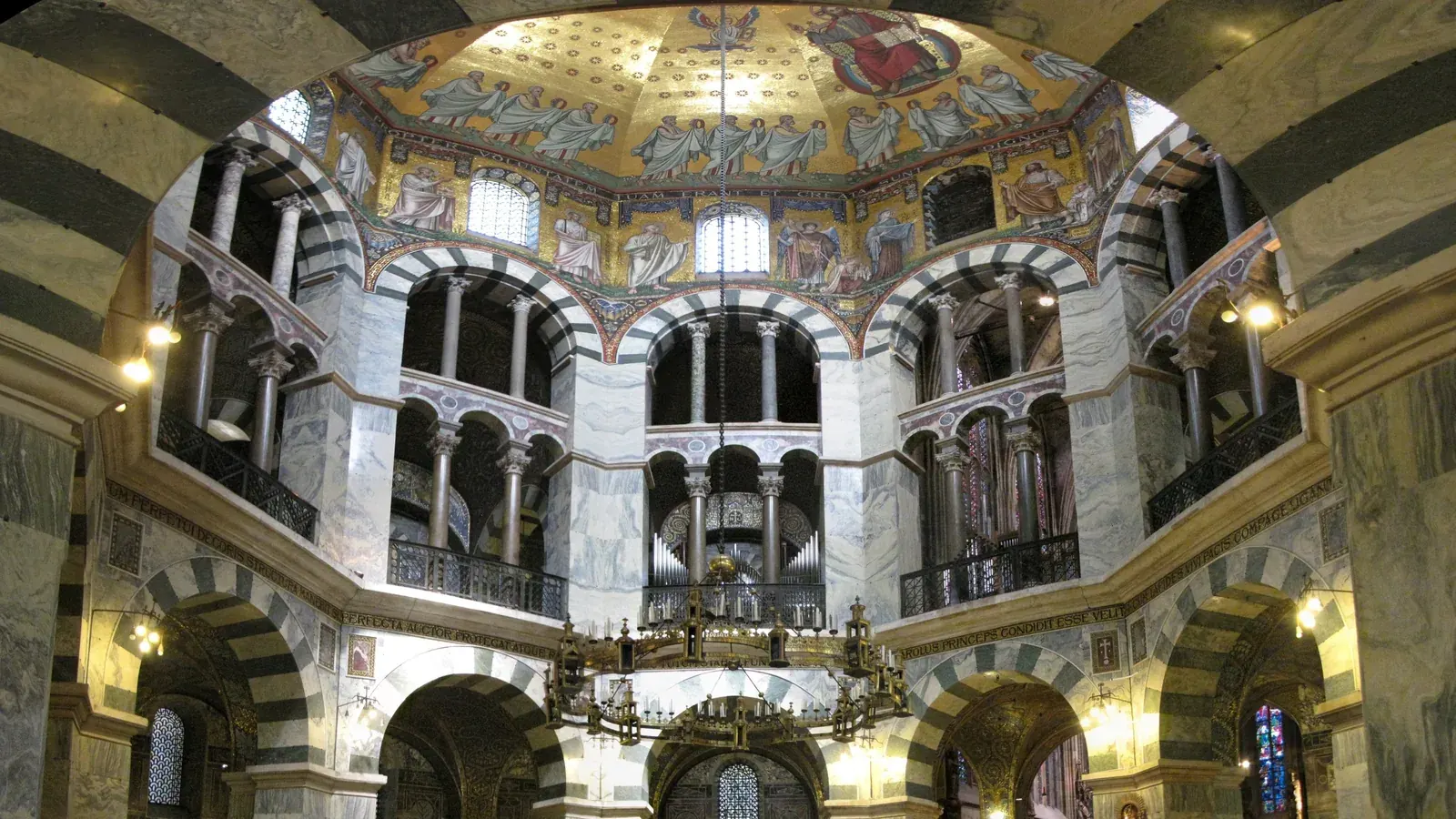
Four accounts of Christmas Day 800 disagree on who planned it. Einhard wrote Charlemagne would have stayed away; the court annals recorded an acclamation.
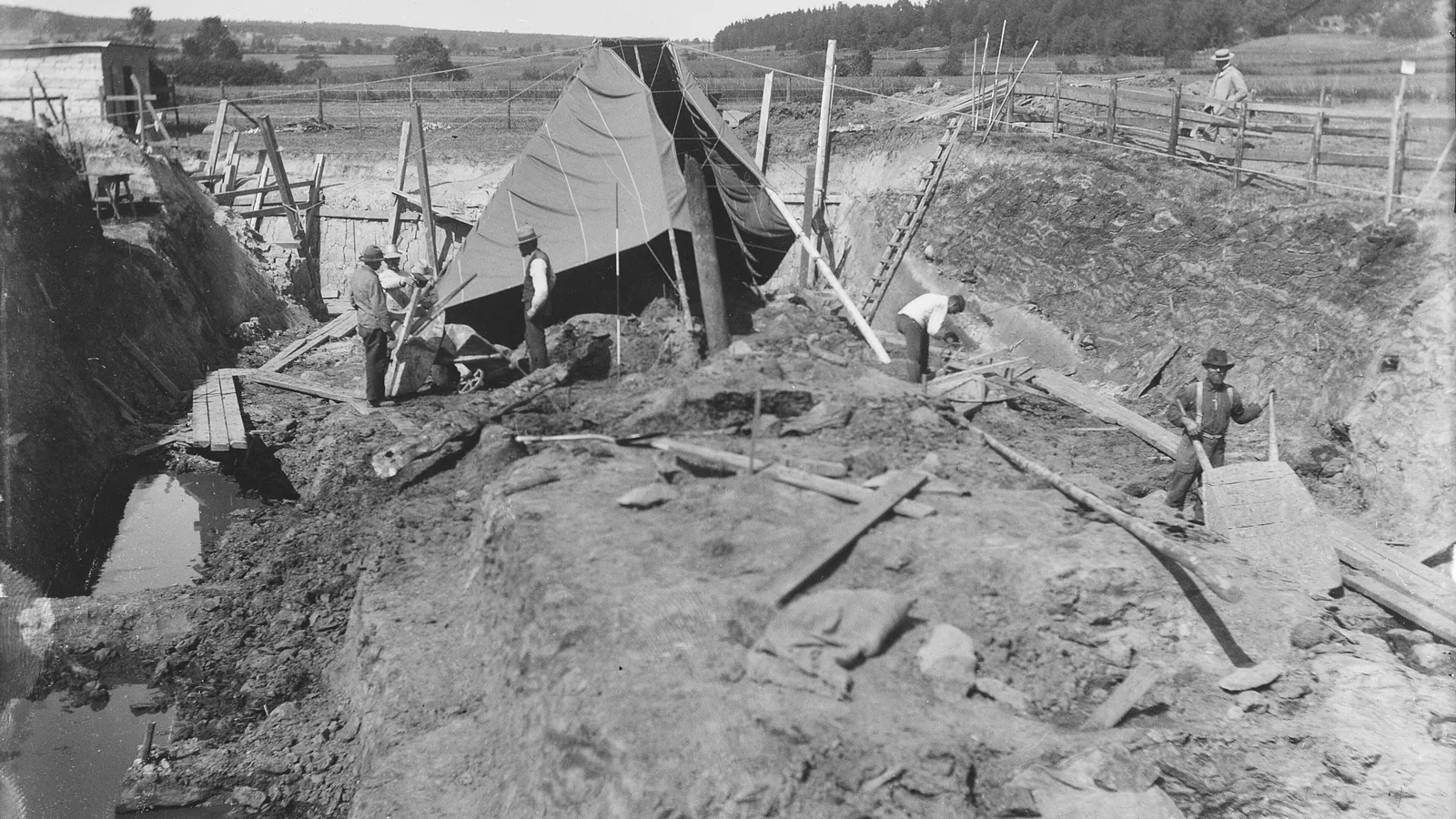
Tree-ring dating puts the Oseberg ship's timber at about 820 and its burial at 834; Gabriel Gustafson excavated it in 1904 after a farmer's report in 1903.
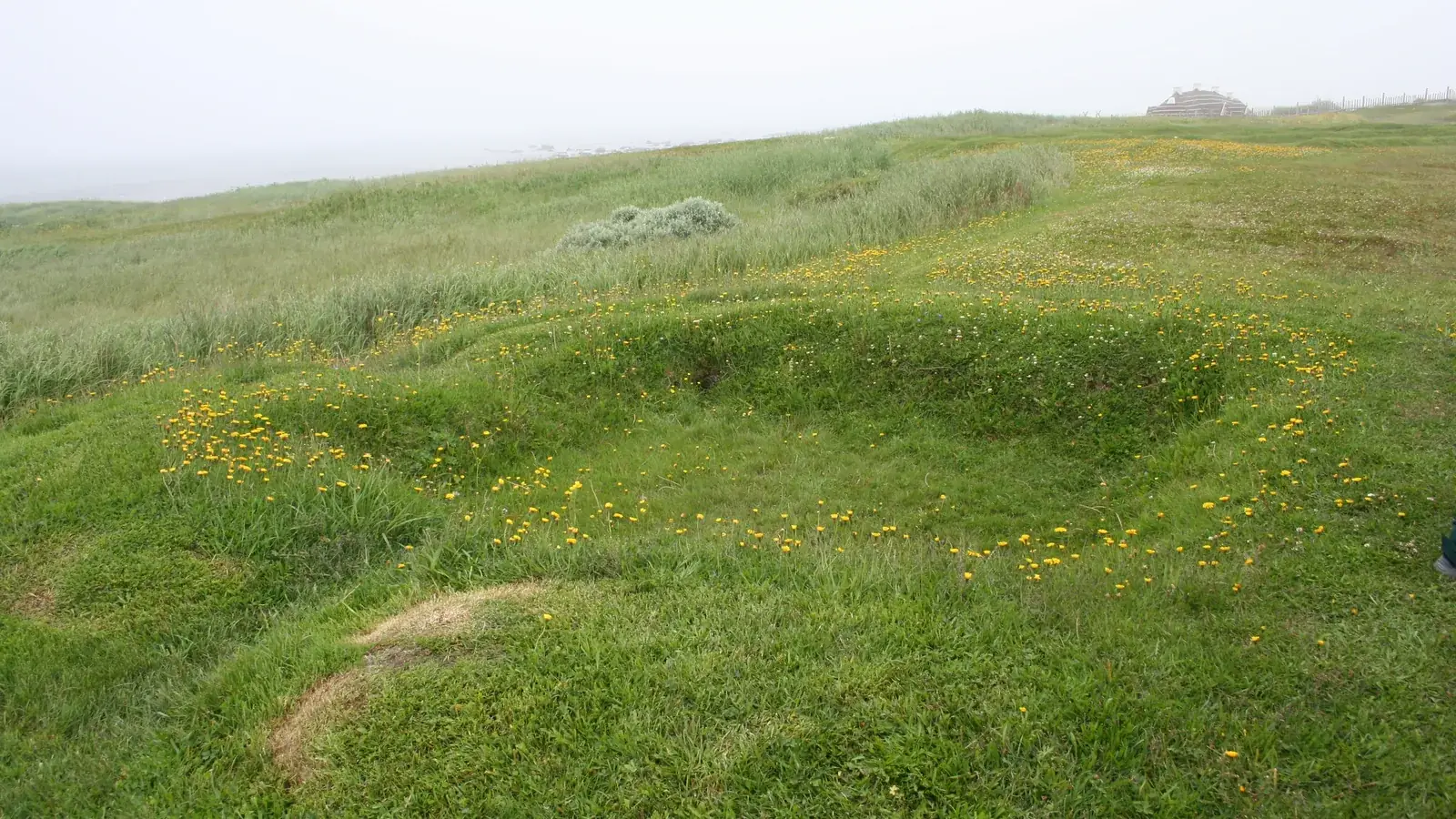
Wood cut at L'Anse aux Meadows, Newfoundland, dates to AD 1021 by a radiocarbon spike from a 993 solar storm. It is the cutting year, not the arrival year.
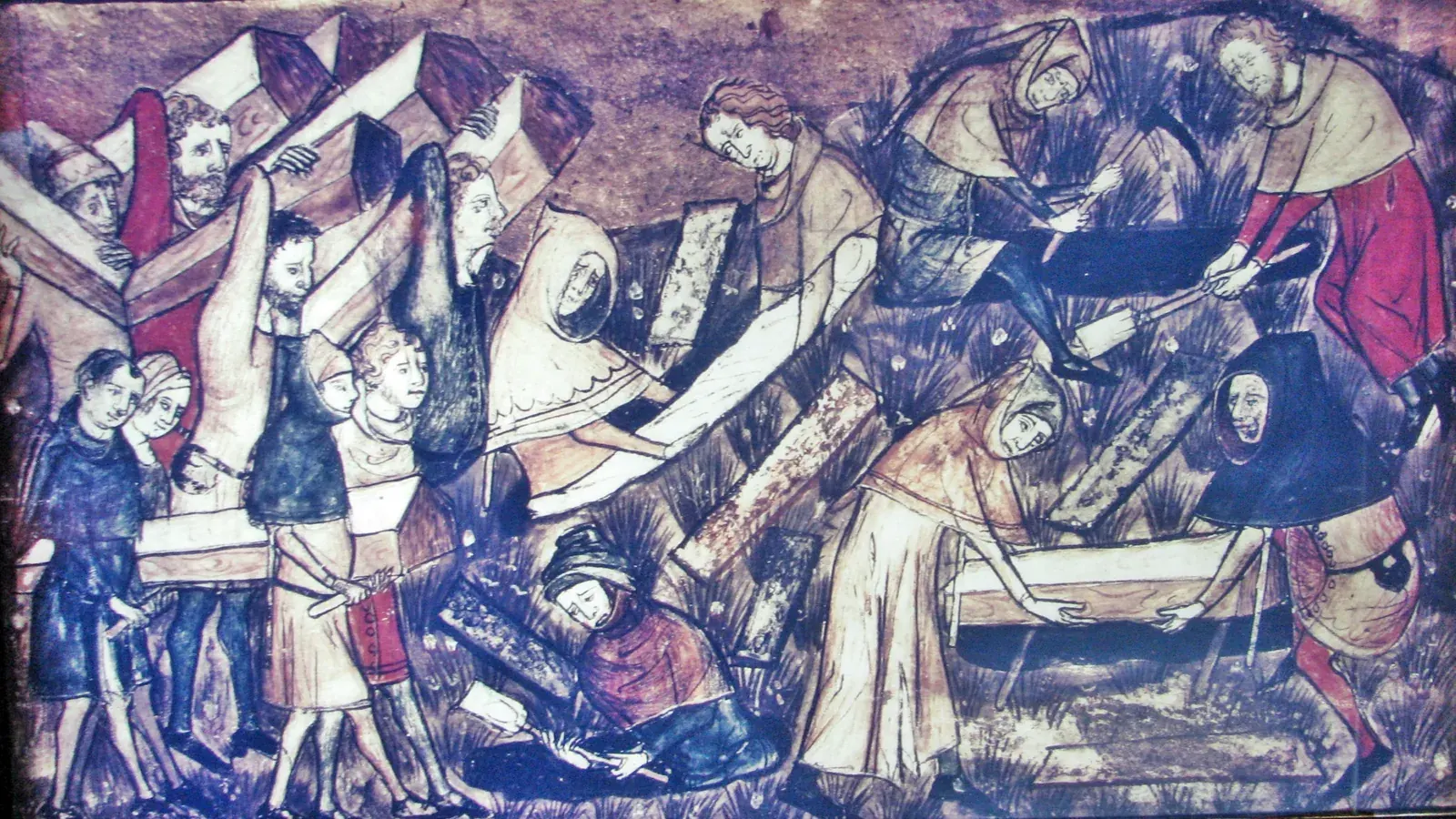
Ancient DNA from graves dated 1338 near Lake Issyk-Kul, in what is now Kyrgyzstan, put the Black Death's source strain at the root of the plague family tree.
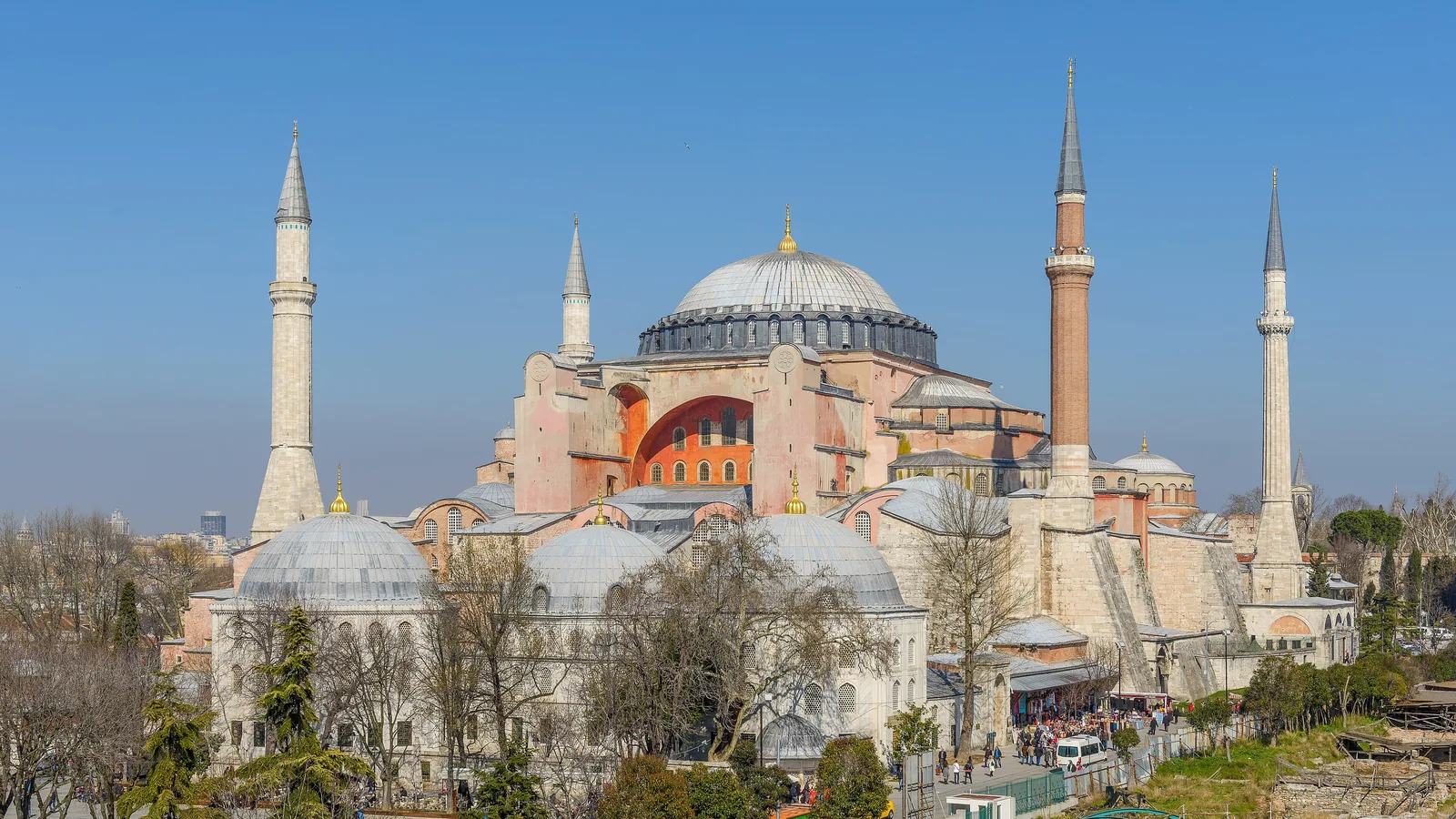
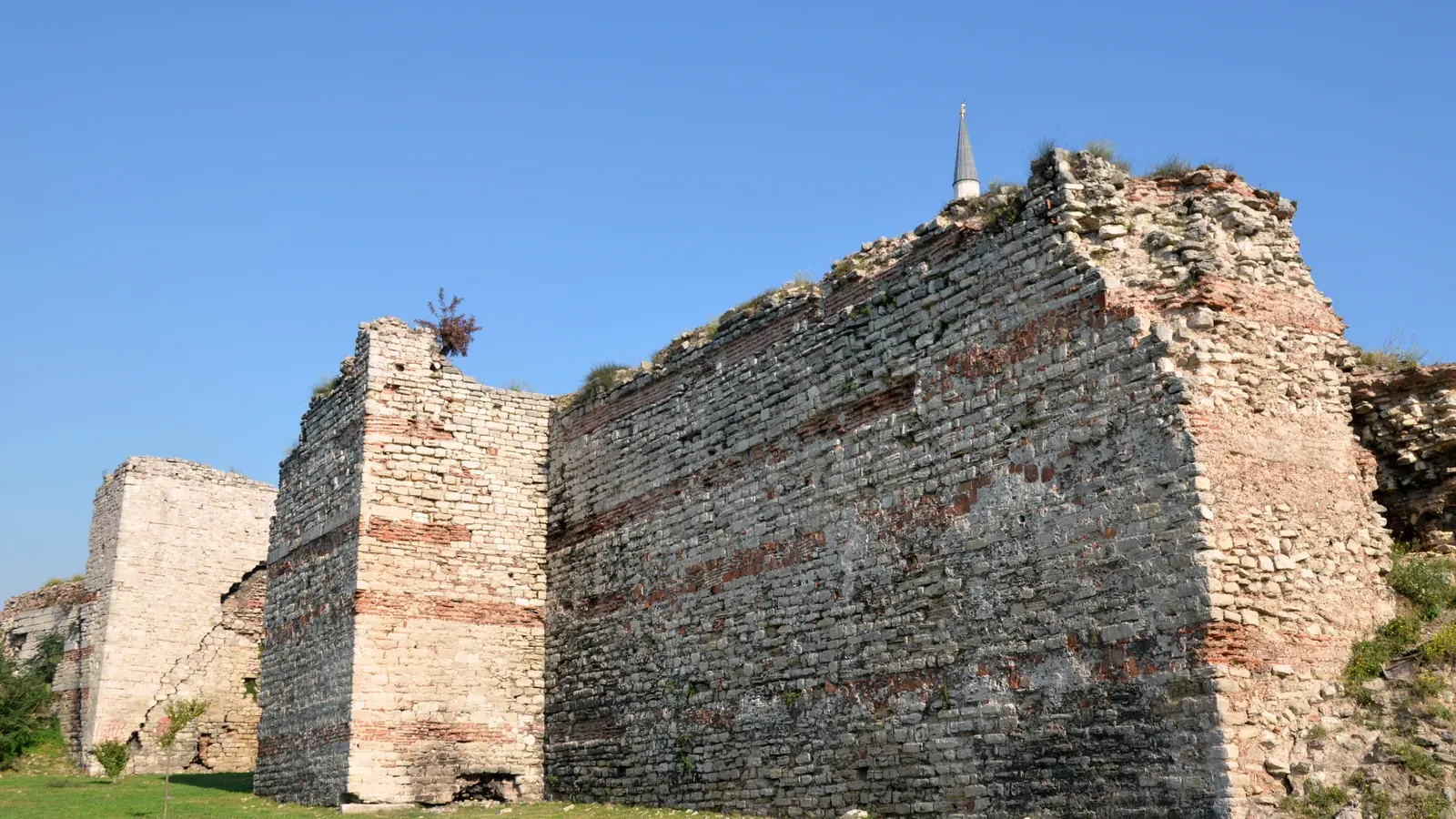
Mehmed II took Constantinople on May 29, 1453, with a giant cannon, ships hauled overland past the harbor chain, and 53 days against under 5,000 defenders.