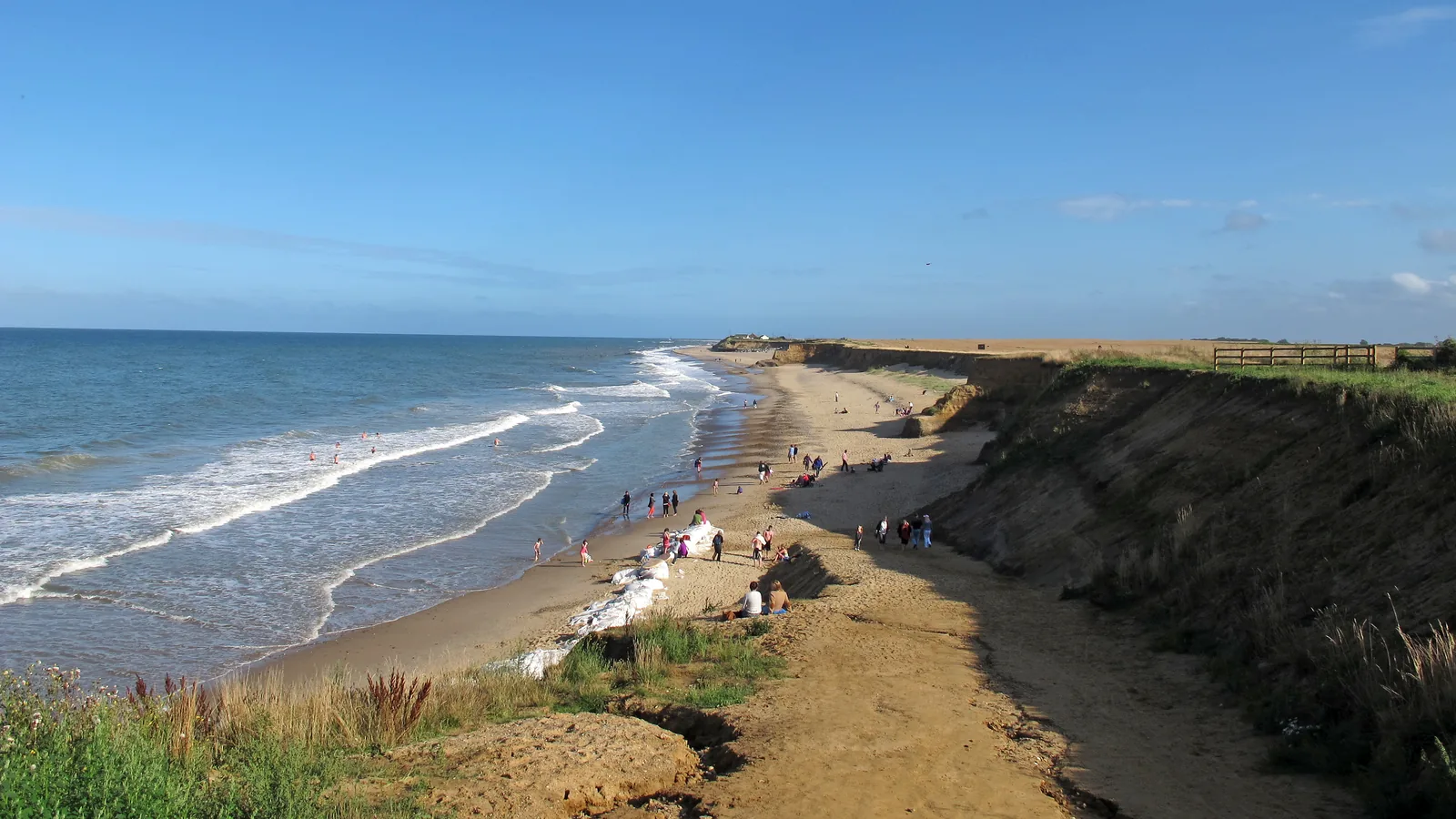
Footprints on a Norfolk beach, May 2013: the Happisburgh prints
Footprints were exposed at Happisburgh, Norfolk, in May 2013; tides erased them within weeks. Ashton's team dated the surface to 1-0.78 million years.
· 850,000 BCEurope in the prehistory (before 3500 BC). Before writing, the record is stone, bone and DNA. These articles cover human origins, the ice ages and the first farmers, up to the moment cities and script appear.
Footprints were exposed at Happisburgh, Norfolk, in May 2013; tides erased them within weeks. Ashton's team dated the surface to 1-0.78 million years.
· 850,000 BCAurignacian hunters drew Chauvet about 37,000 to 33,500 years ago; Lascaux was painted about 21,500 years ago. Radiocarbon on charcoal and bone says so.
· 34,000 BCGrahame Clark dug Star Carr three weeks a summer, 1949 to 1951. Excavations of 2004 to 2015 recounted the finds and dated a posthole hollow to 9300 BC.
· 9300 BCAn excavator operator found gold near Varna in October 1972. The cemetery has been counted at 270, 294, 312 and 315 graves and dated two ways.
· 4600 BCTwo hikers found a body at 3,210 meters on the Tisenjoch on September 19, 1991. A survey put it 92.56 meters inside Italy; an X-ray found an arrow.
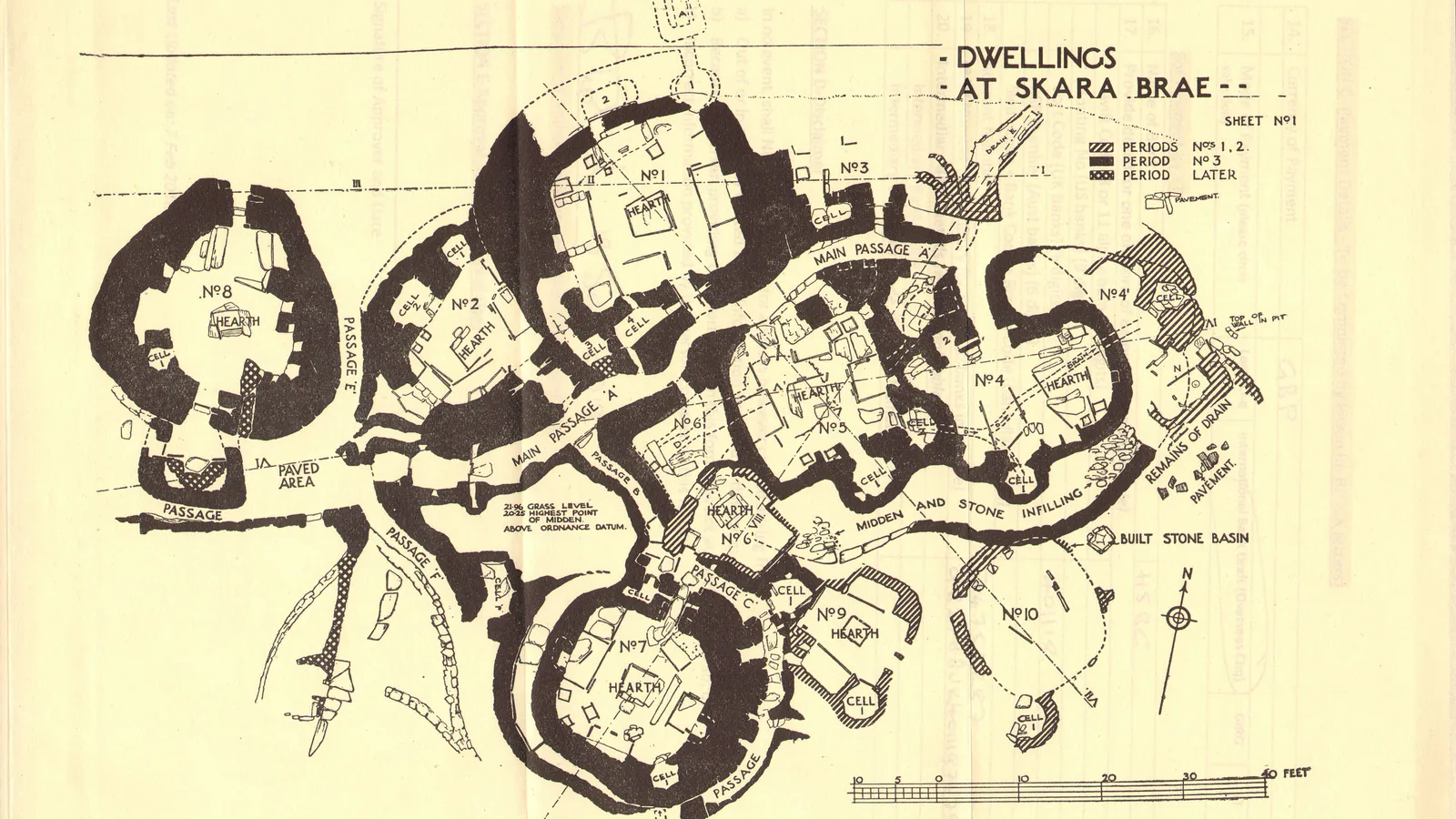
· 3300 BCA storm around 1850 stripped a dune at the Bay of Skaill, Orkney, and bared a kitchen midden 15 or 16 feet high. Petrie, Childe and Bayliss followed.
· 2900 BC