Europe in the early modern world (1500 – 1800). Oceans became highways, gunpowder empires rose, and the scientific revolution began. These articles cover the three centuries in which the world's regions first became one system.
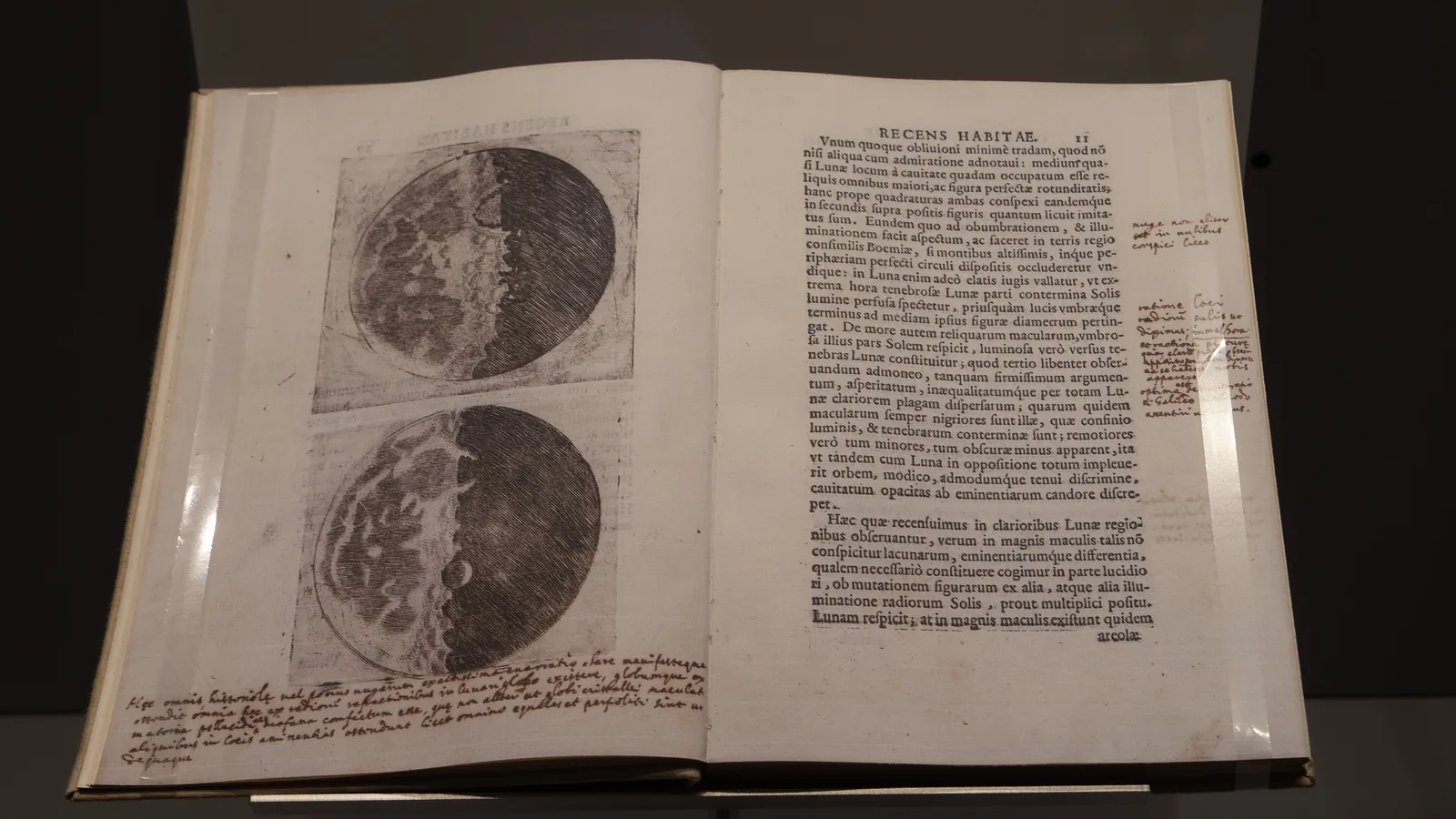
Galileo's Sidereus Nuncius, printed by Baglioni in Venice in 550 copies, reported a rough Moon and four bodies circling Jupiter, seen from January 7, 1610.
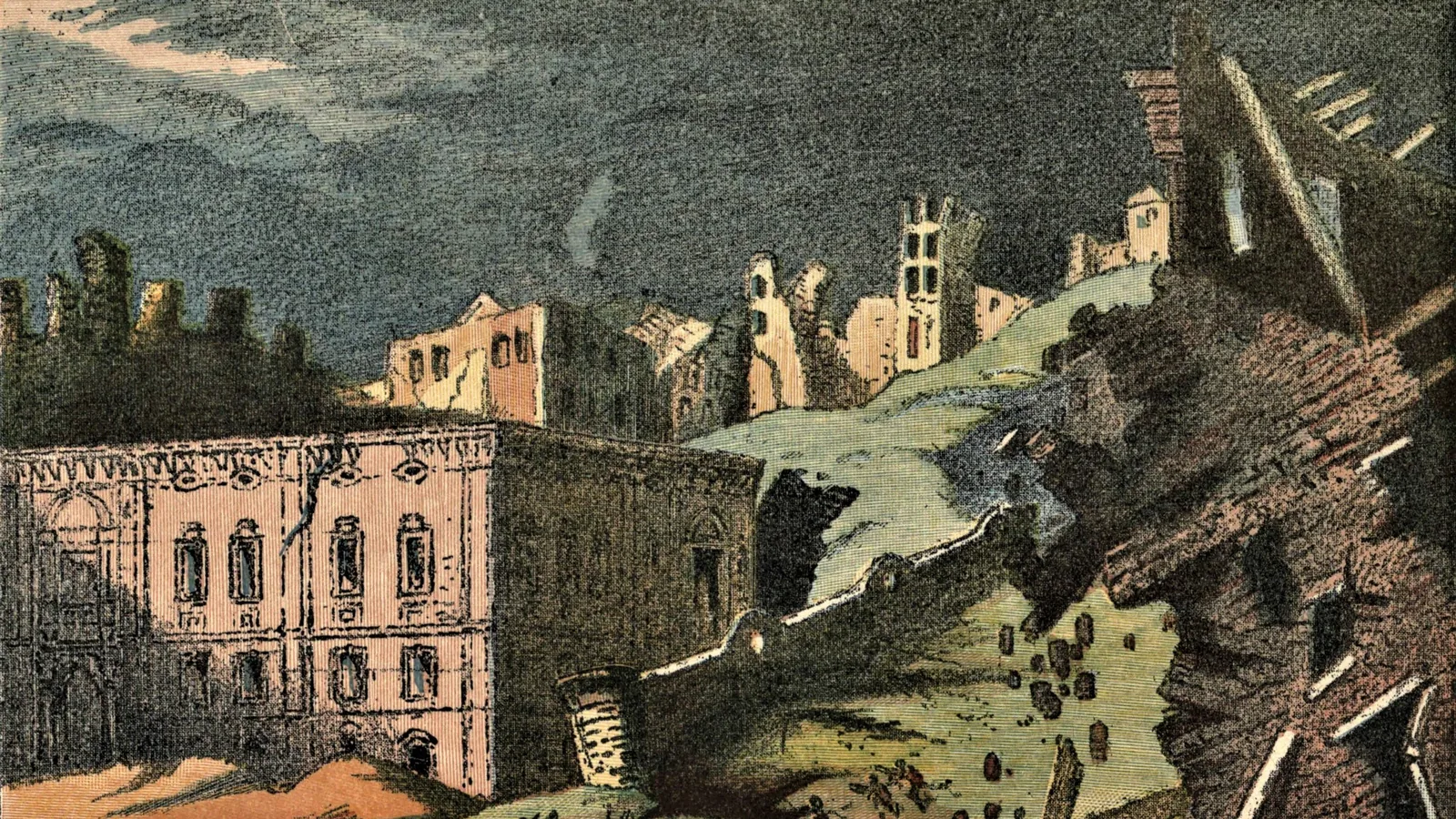
NOAA lists the Lisbon earthquake of November 1, 1755 at Mw 8.5 with 50,000 dead, then writes 60,000 to 100,000. Pombal told his governors 6,000 to 8,000.
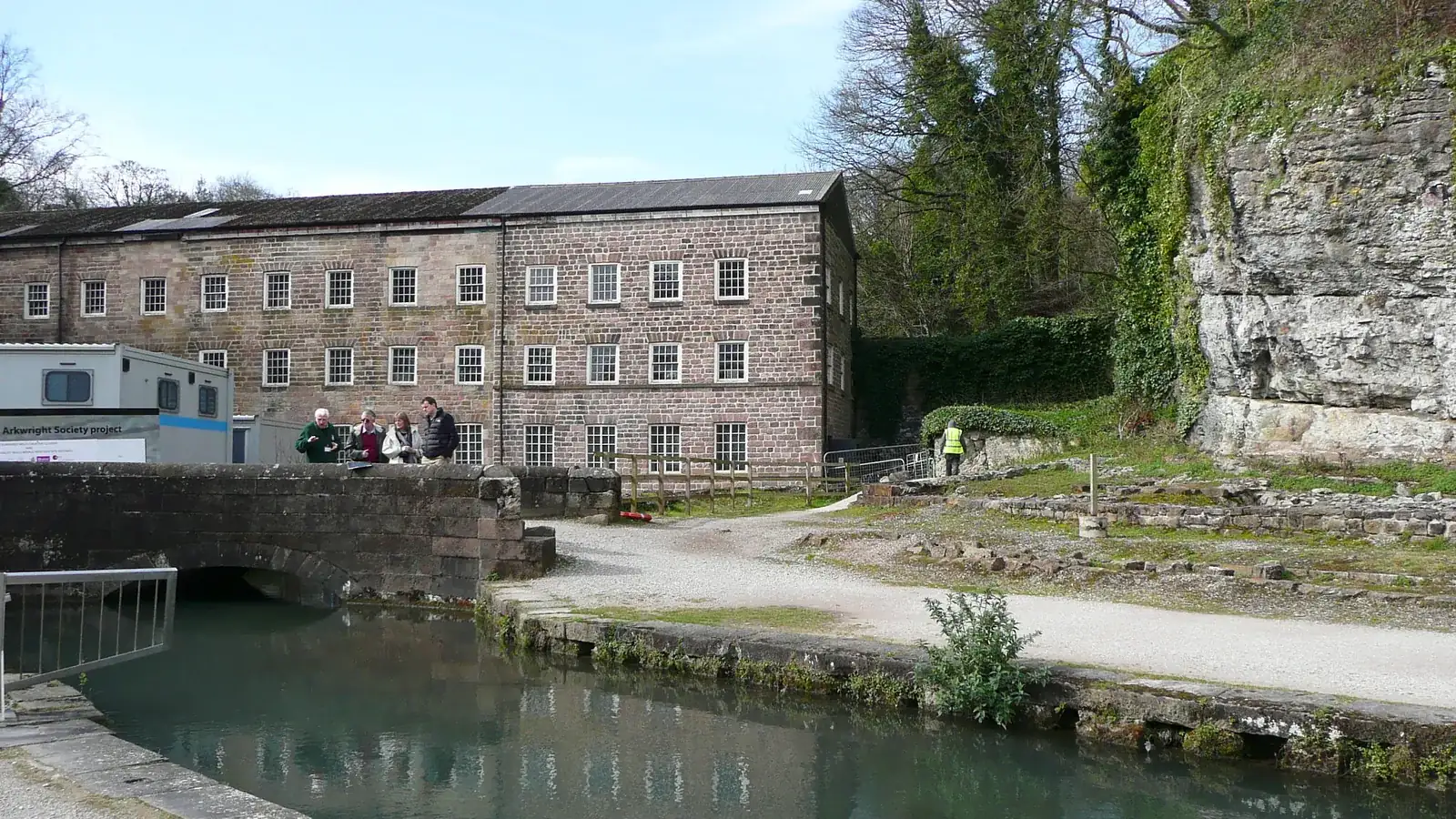
Lancashire machines from 1764, the Cromford mill of 1771, high wages and cheap coal explain why cotton factories appeared first in the English Midlands and North.