Why did the revolutions of 1848 spread in weeks and fail in a year?
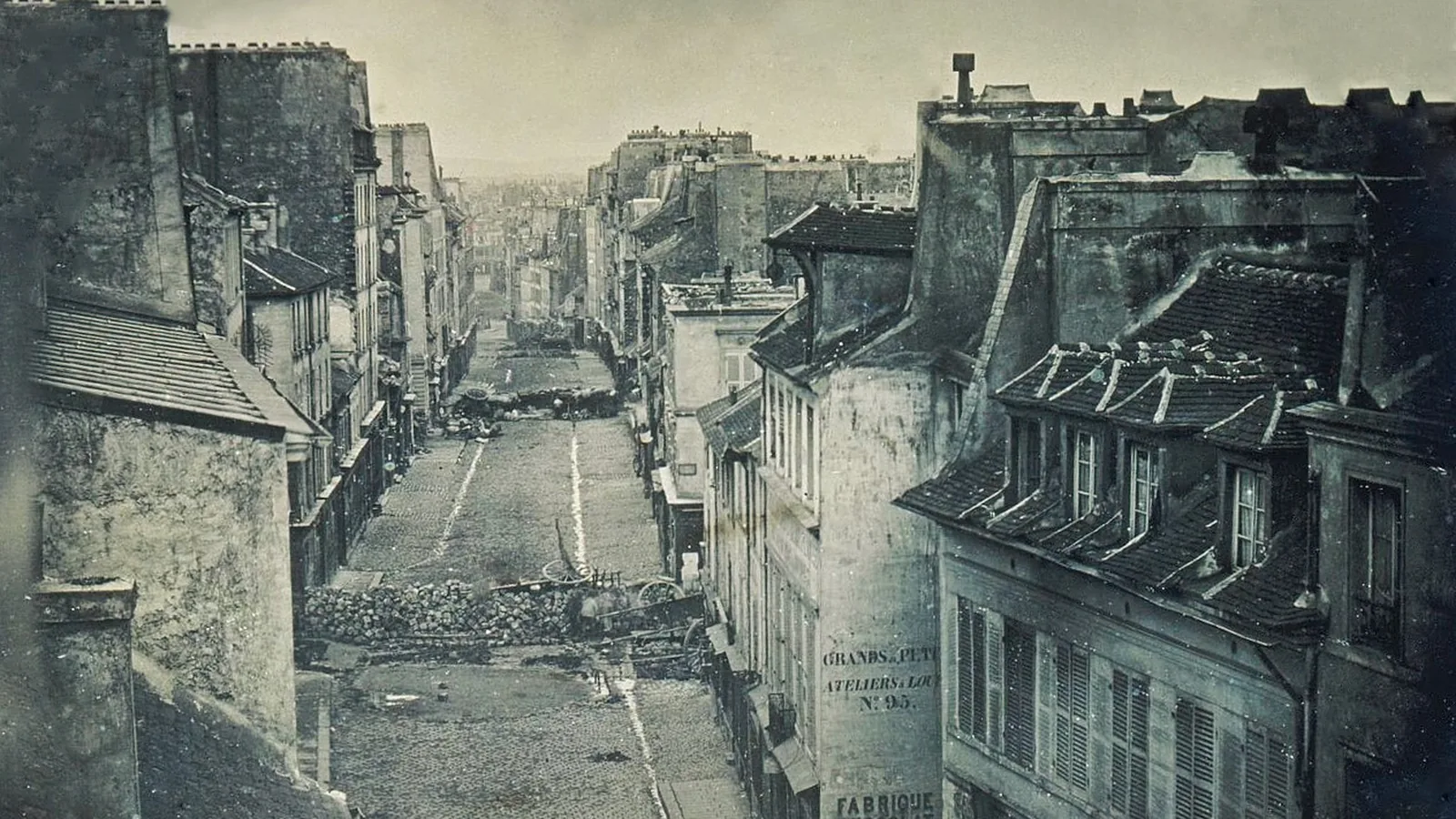
Paris fell on February 24, 1848 and four capitals followed by March 22; by 1849 liberals had split from workers, nations from nations, and armies won.
· 1848Europe in the modern era (1800 – 1914). Revolutions, industry, nation-states and empires that spanned the globe. These articles cover the long nineteenth century.
Paris fell on February 24, 1848 and four capitals followed by March 22; by 1849 liberals had split from workers, nations from nations, and armies won.
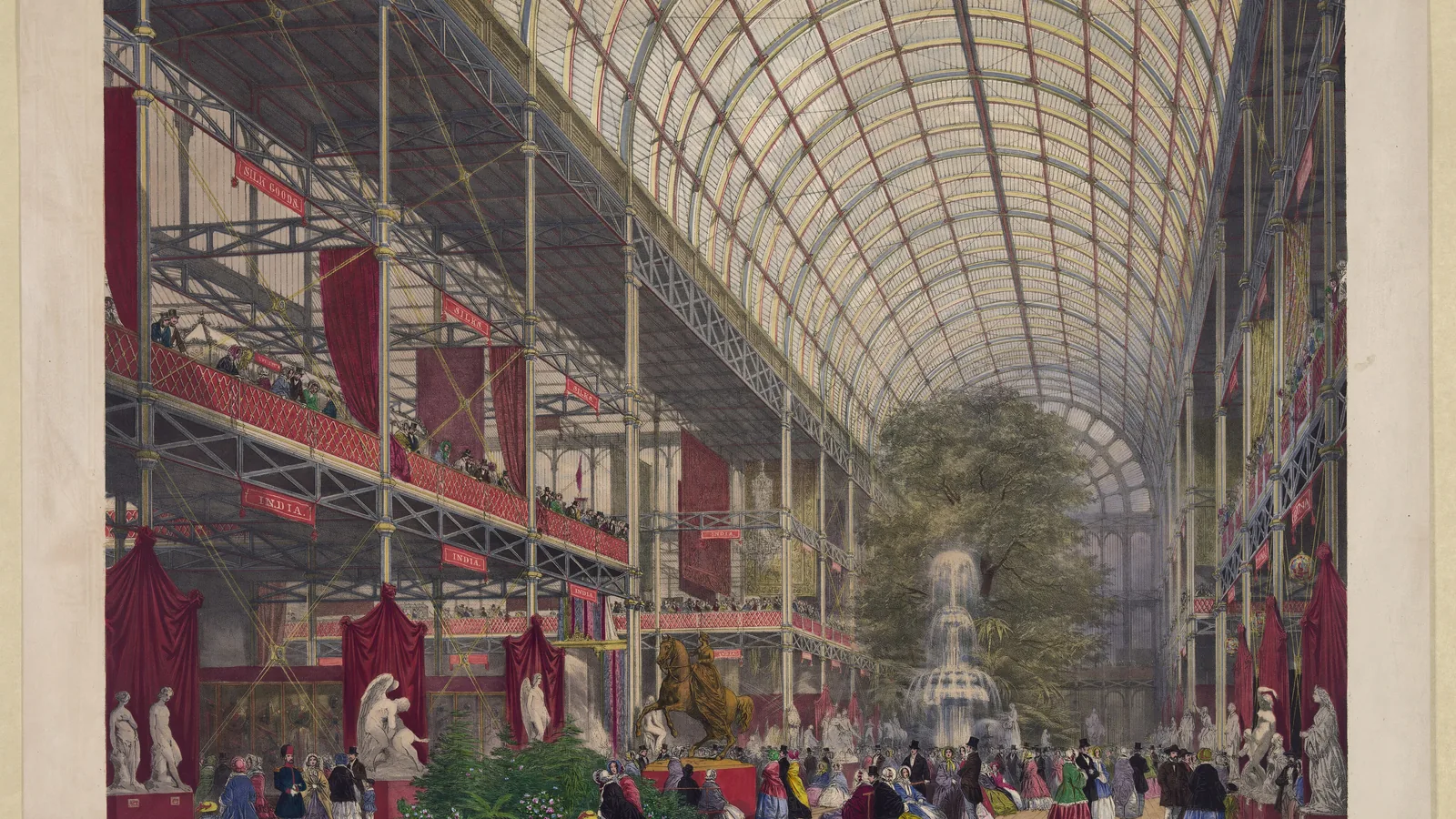
· 1848Queen Victoria opened the Great Exhibition in Hyde Park on May 1, 1851. The Royal Commission put its glass hall at 1,851 feet; its catalogue, 1,848.
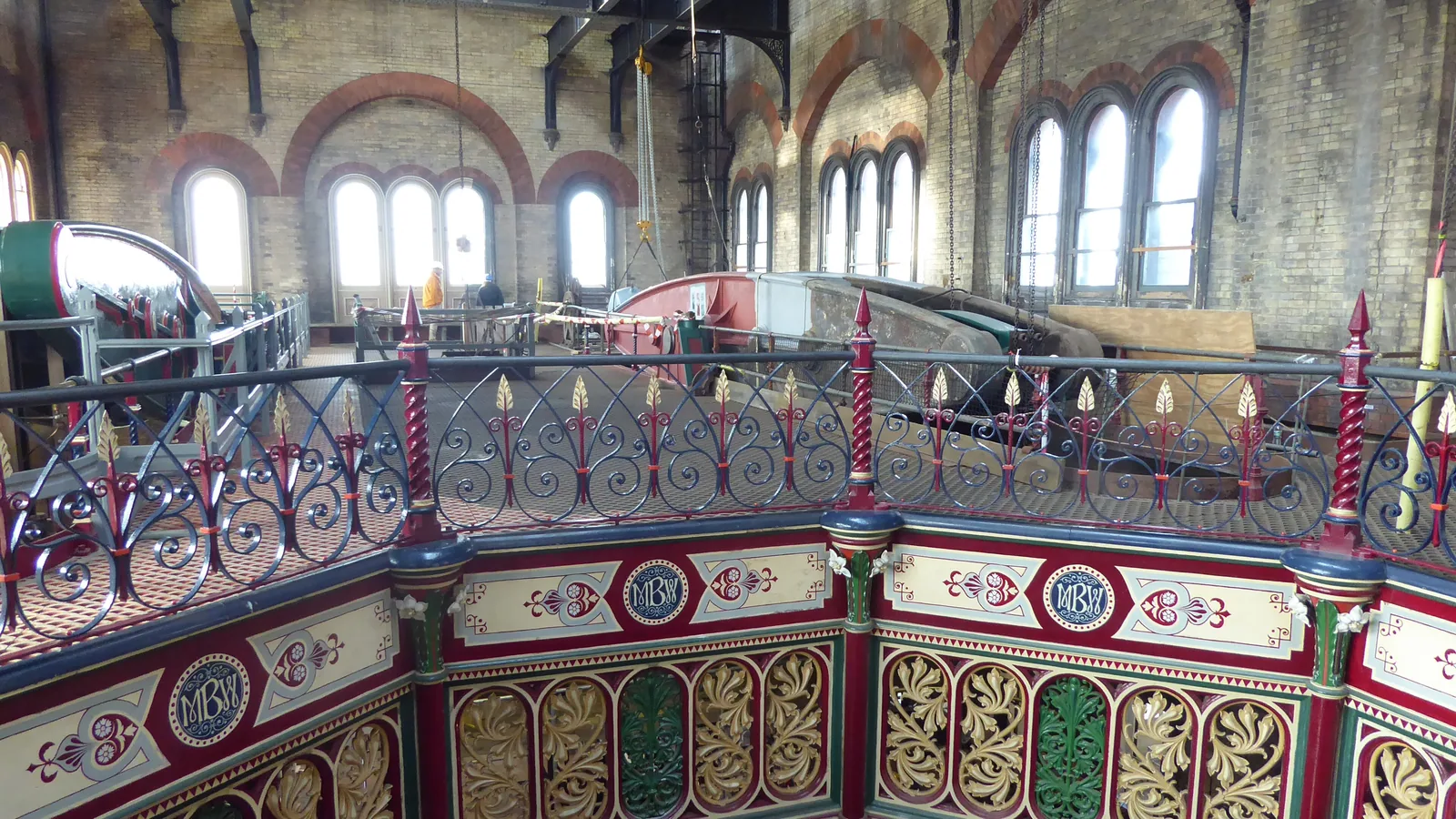
· 1851MPs asked in June 1858 how to protect Parliament from the Thames; on July 15 Disraeli called the river a Stygian pool and named a 3,000,000 pound plan.
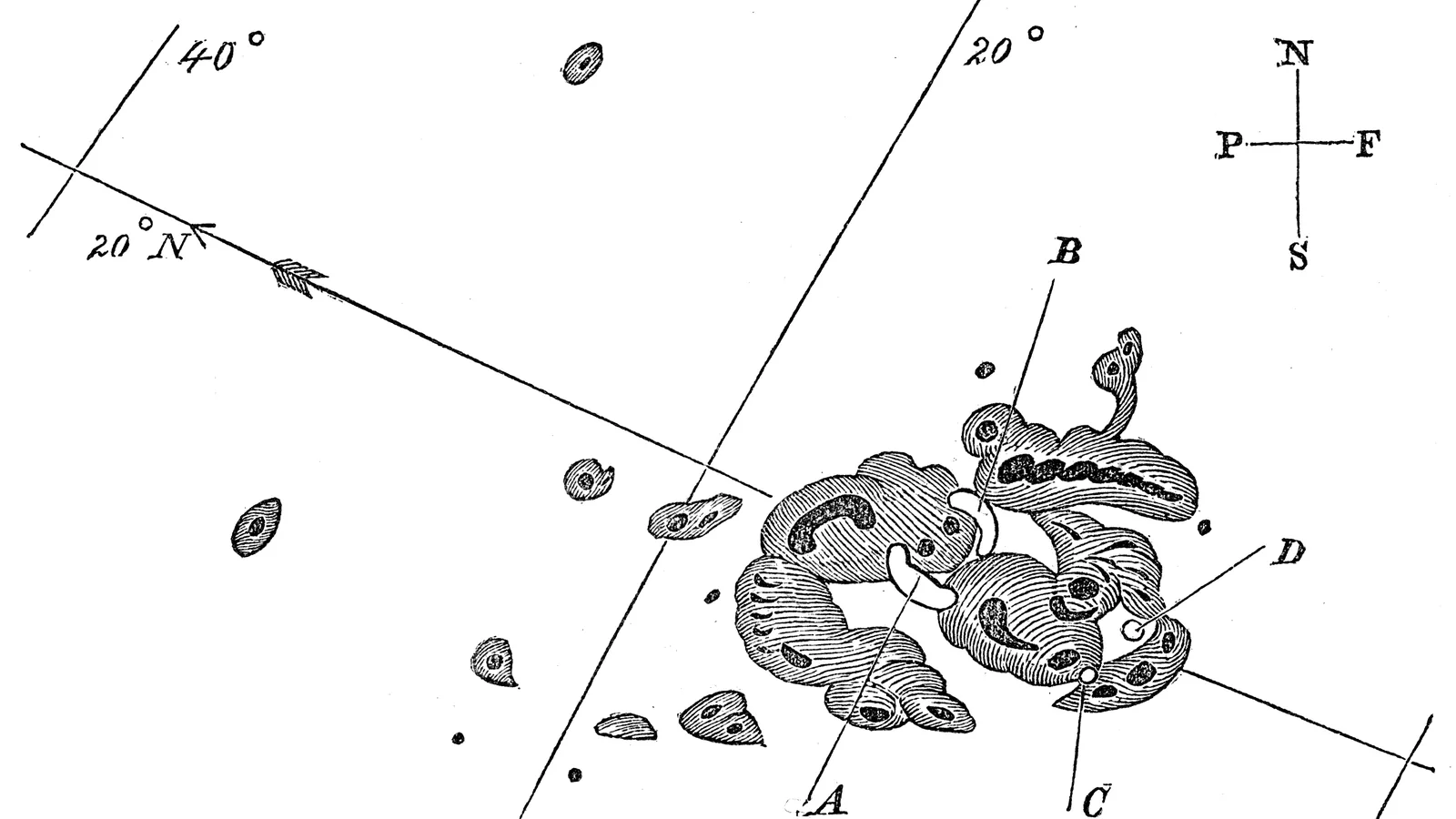
· 1858Carrington and Hodgson each saw a white-light flare on September 1, 1859, as Kew's magnetographs jumped. Auroras and telegraph failures followed.
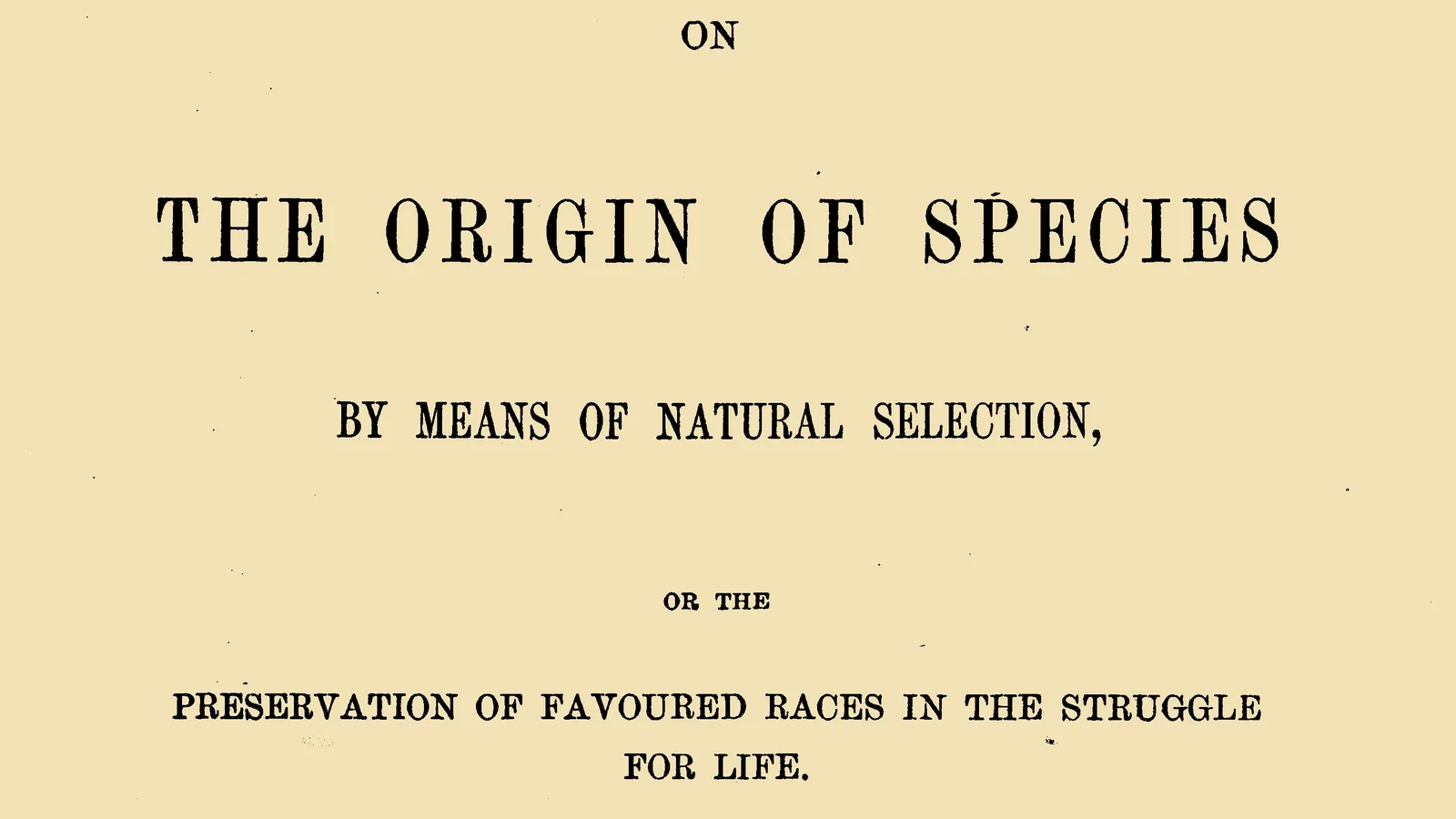
· 1859Darwin's diary says the 1,250 copies of the Origin sold on publication day, November 24, 1859; Murray's trade sale had already taken orders for 1,500.
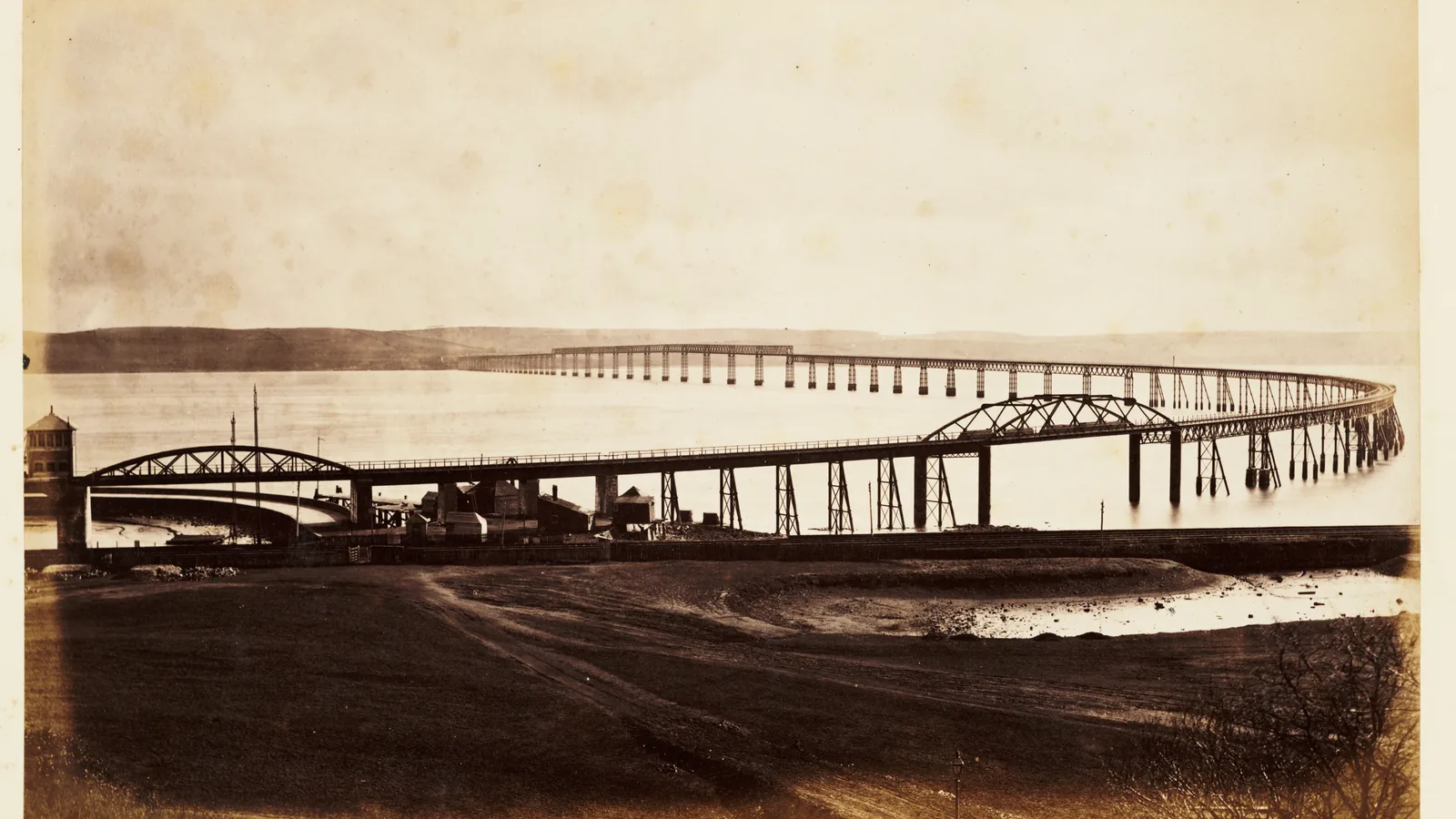
· 1859Historic Environment Scotland records the Tay Bridge high girders falling on December 28, 1879. The 1880 inquiry split into a joint report and Rothery's own.
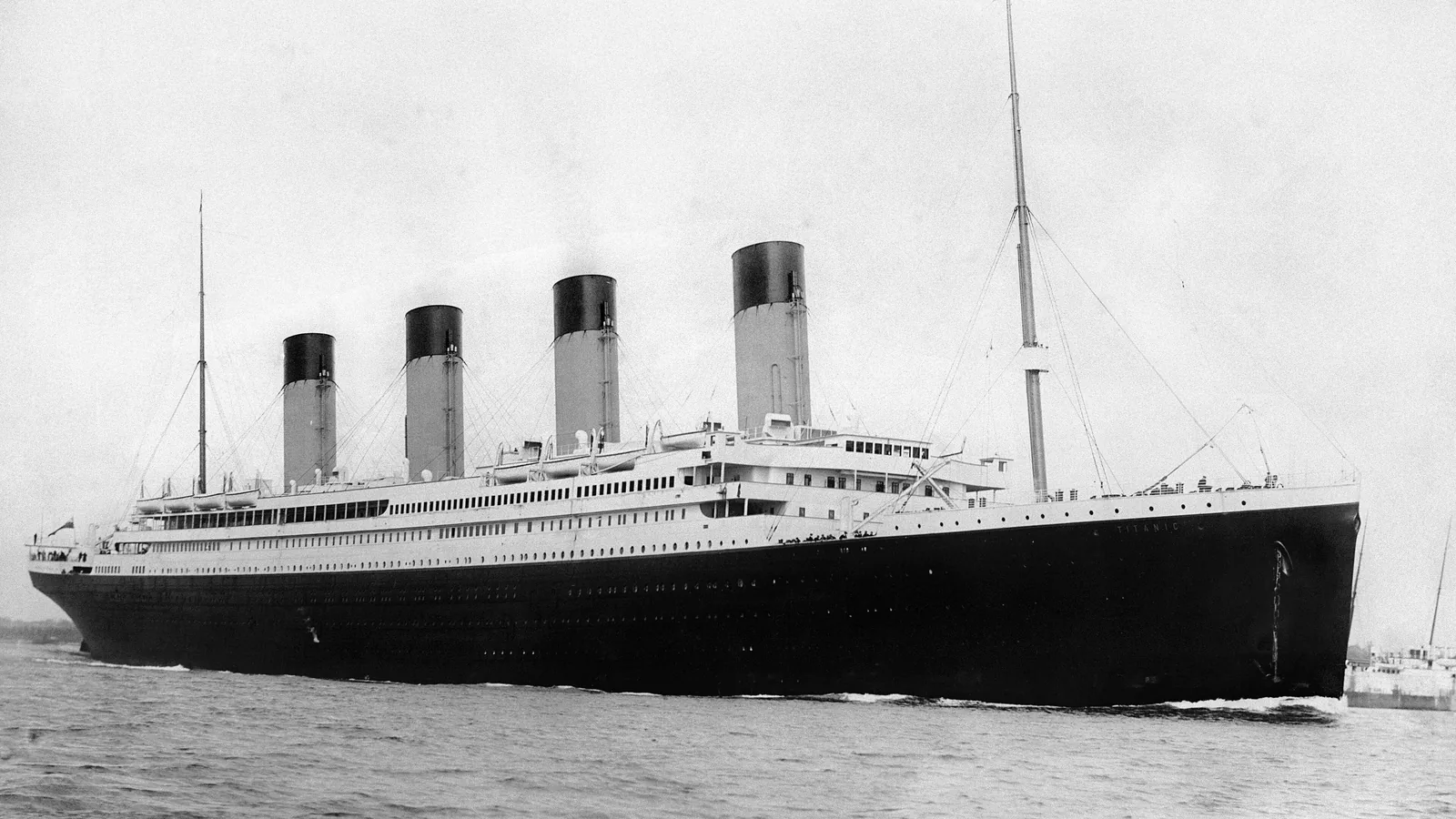
· 1879Lord Mersey's report of July 30, 1912, blamed excessive speed; Senator William Alden Smith's May 28 speech named Captain Smith's "overconfidence and neglect."
· 1912