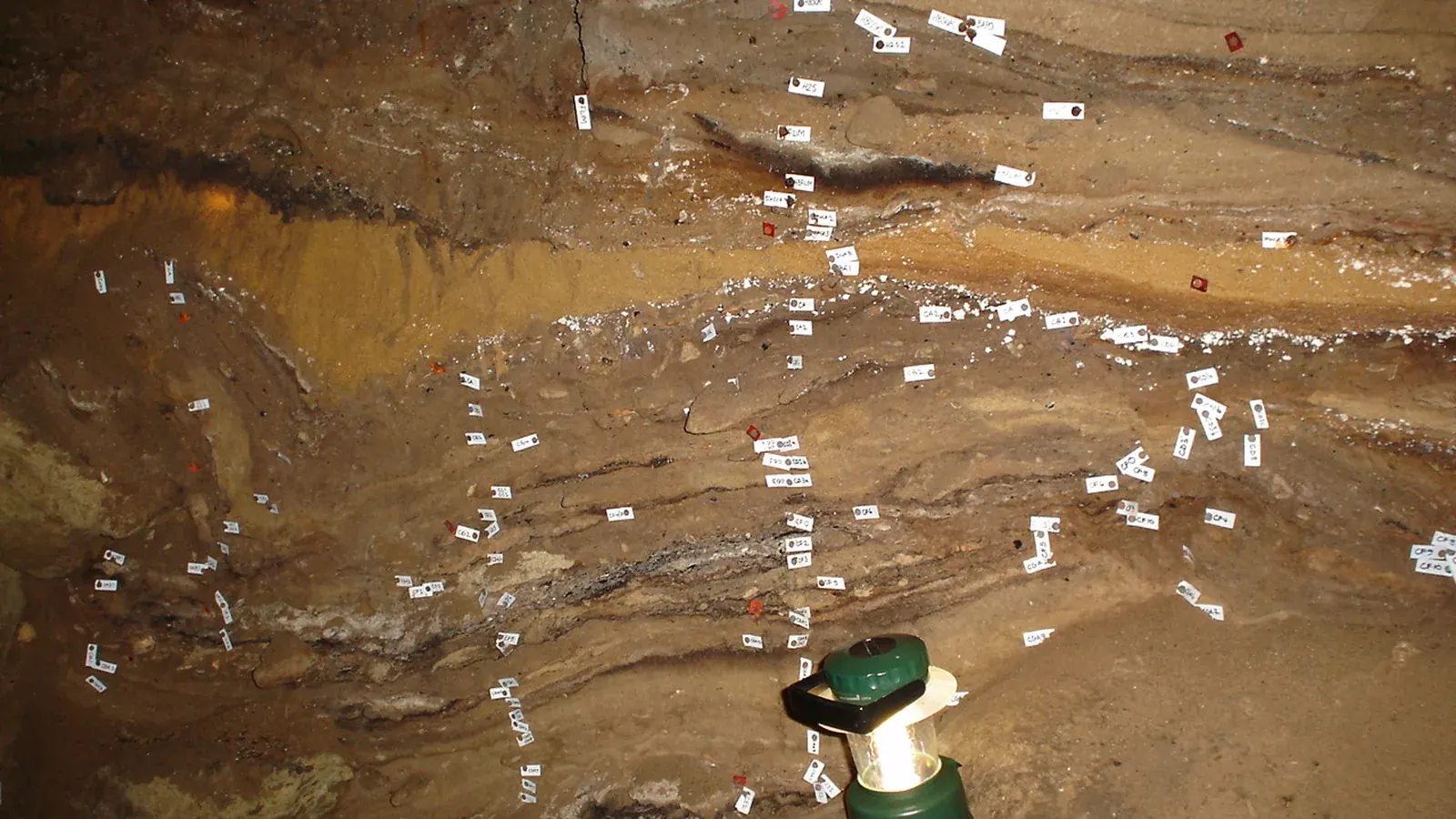
Three walkers, then five, then two kinds: the Laetoli footprints
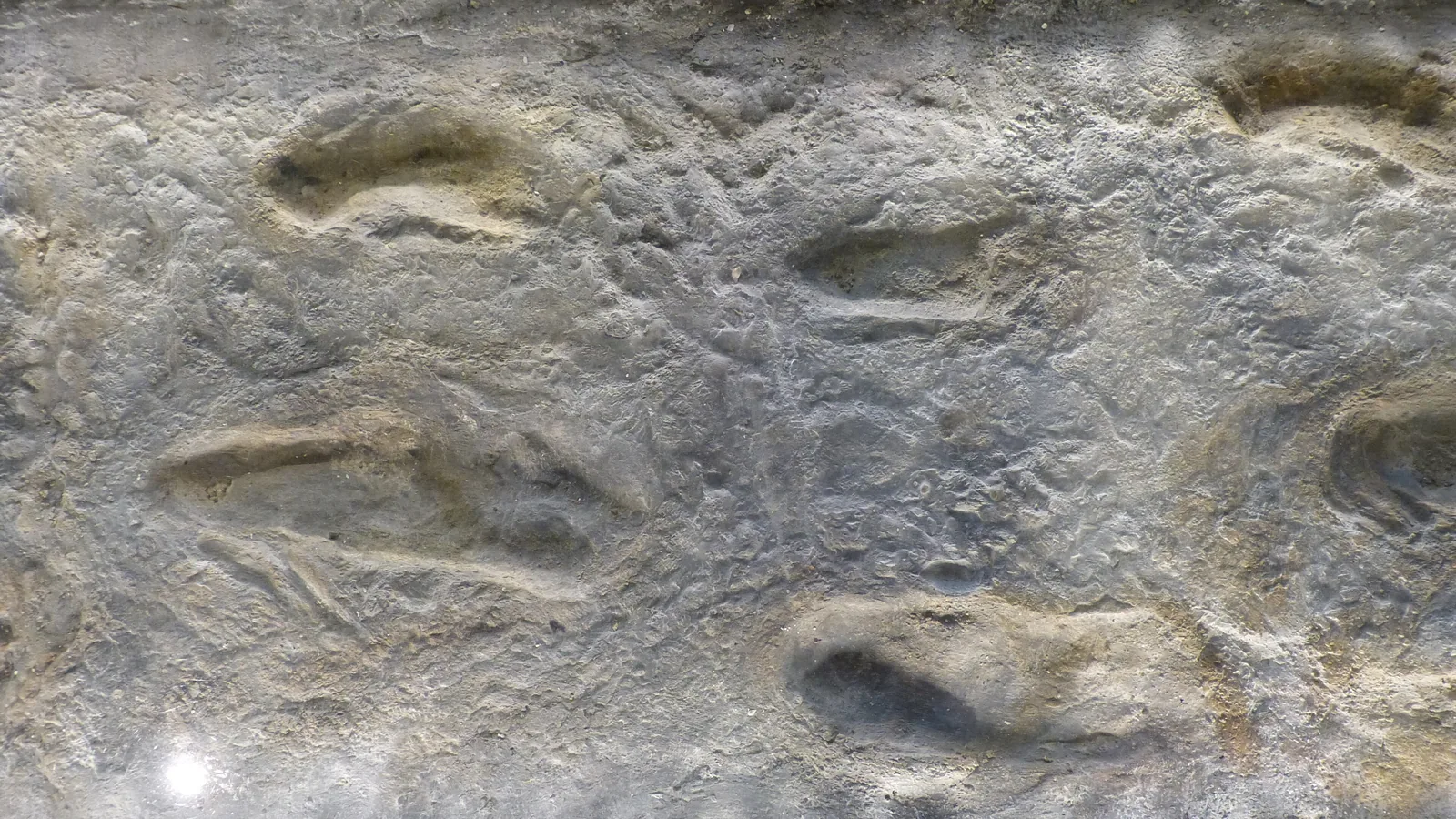
Site G's 1978 trackway was read as three walkers; Site S added two in 2016, and Site A, redug in 2019, led to a claim of two hominin kinds at Laetoli.
· 3,660,000 BCAfrica in the prehistory (before 3500 BC). Before writing, the record is stone, bone and DNA. These articles cover human origins, the ice ages and the first farmers, up to the moment cities and script appear.
Site G's 1978 trackway was read as three walkers; Site S added two in 2016, and Site A, redug in 2019, led to a claim of two hominin kinds at Laetoli.
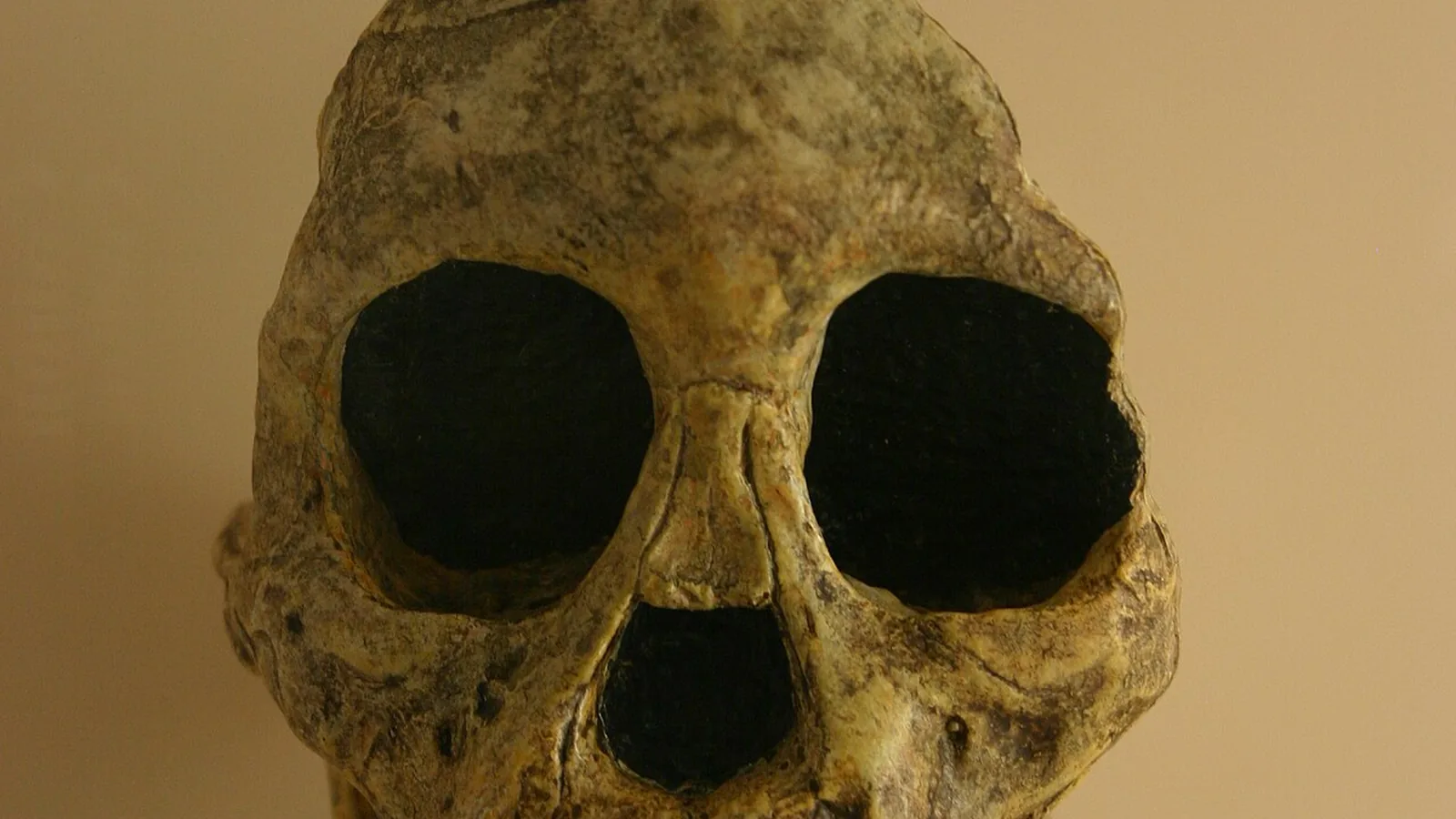
· 3,660,000 BCA skull blasted from a South African quarry in 1924 became Australopithecus africanus when Raymond Dart named it in Nature on February 7, 1925.
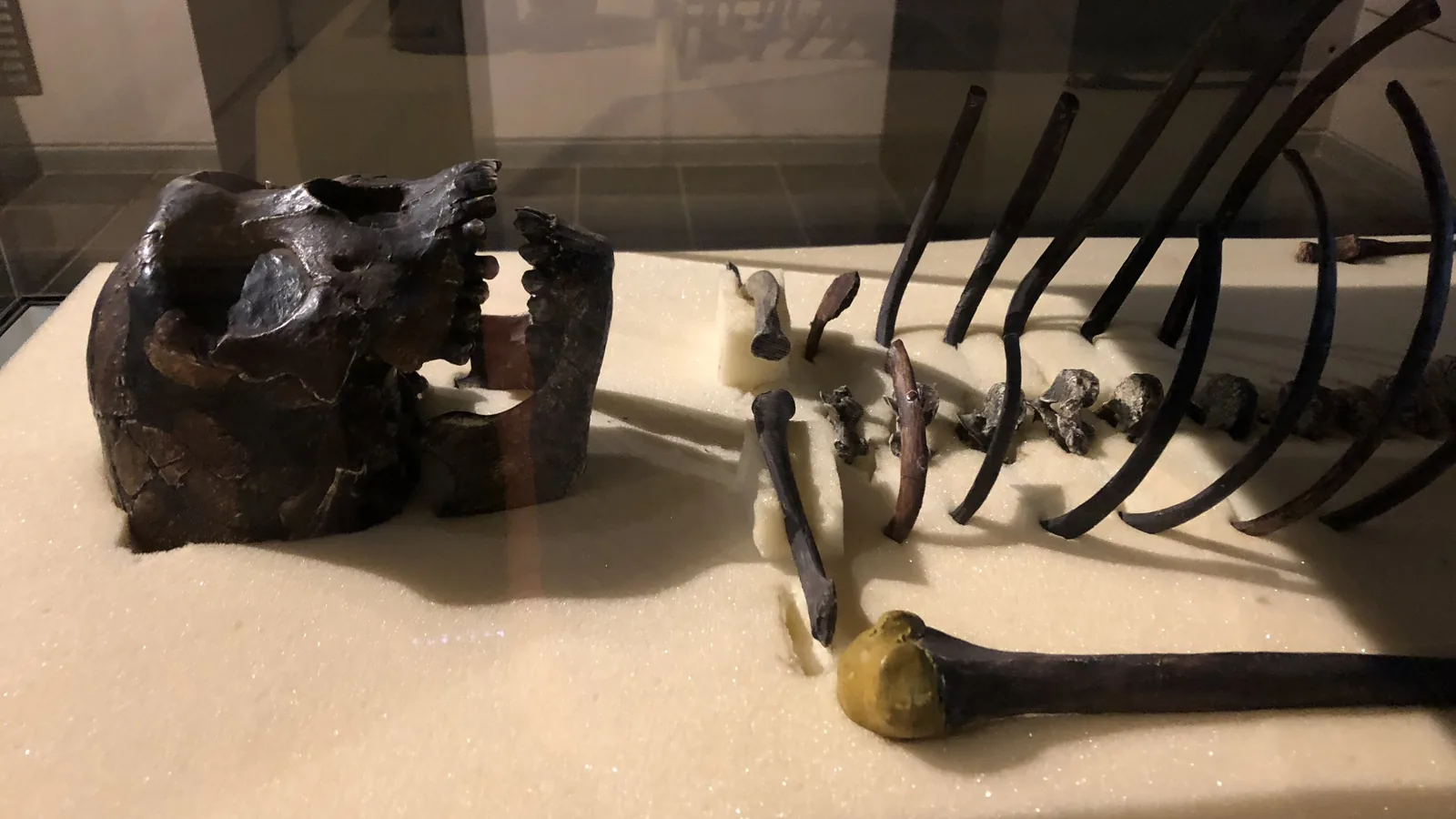
· 2,500,000 BCThe Homo erectus skeleton Kamoya Kimeu found beside the dry Nariokotome River in 1984, dated 1.60 ± 0.05 million years, with each institution's figures.
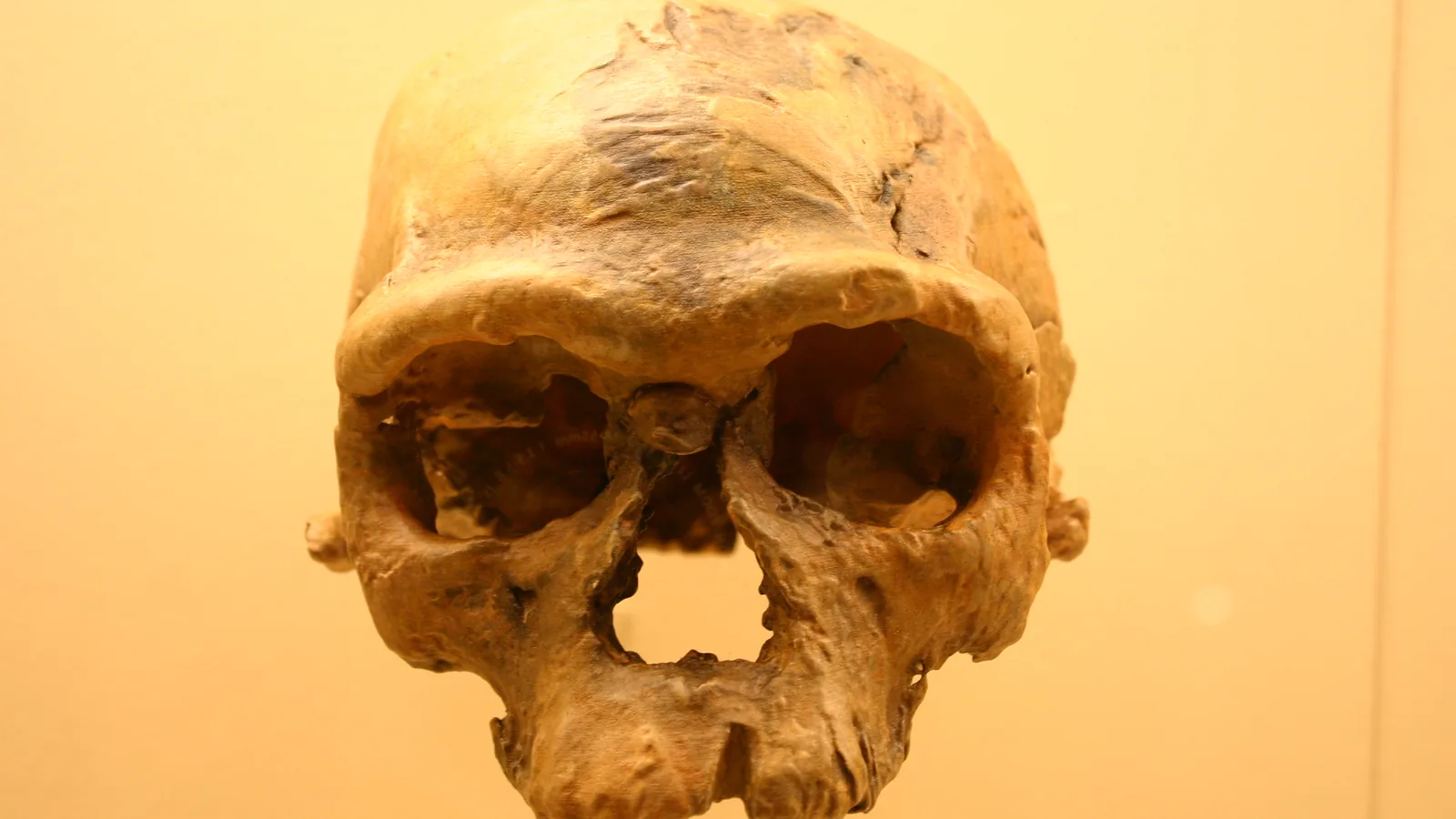
· 1,600,000 BCNature published two 2017 papers on skulls unearthed at Jebel Irhoud, Morocco, first in a 1961 mining accident, dated by thermoluminescence to 315,000 years.
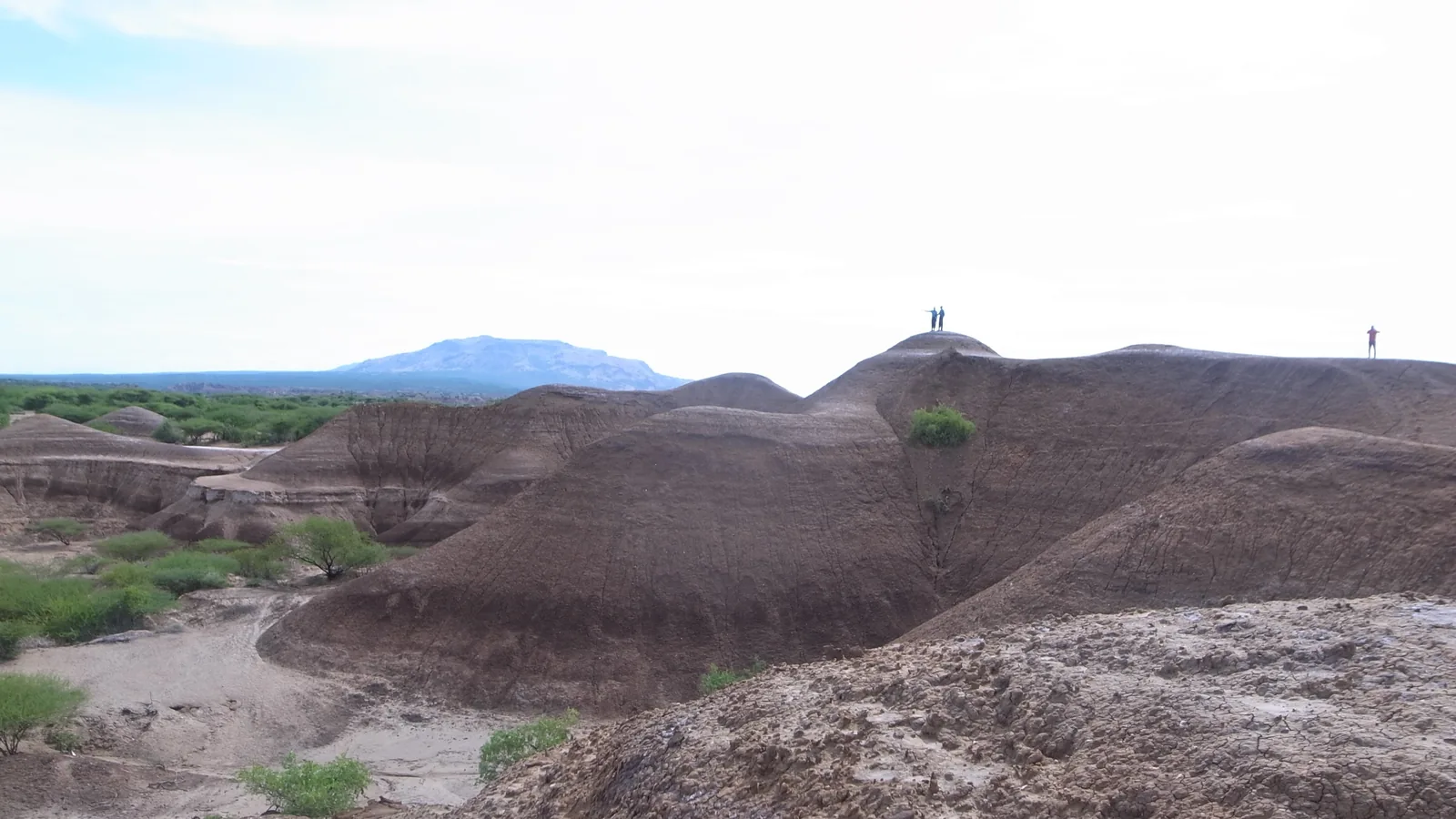
· 300,000 BCOmo I and Omo II, found in the Kibish Formation, Ethiopia, in 1967, were dated to 195 ± 5 kyr in 2005; a 2022 Nature paper gives a minimum of 233 ± 22 kyr.
· 231,000 BCNine ochre lines on a stone flake from Blombos Cave, South Africa, about 73,000 years old, drawn by Homo sapiens and reported in Nature in 2018.
· 71,000 BC