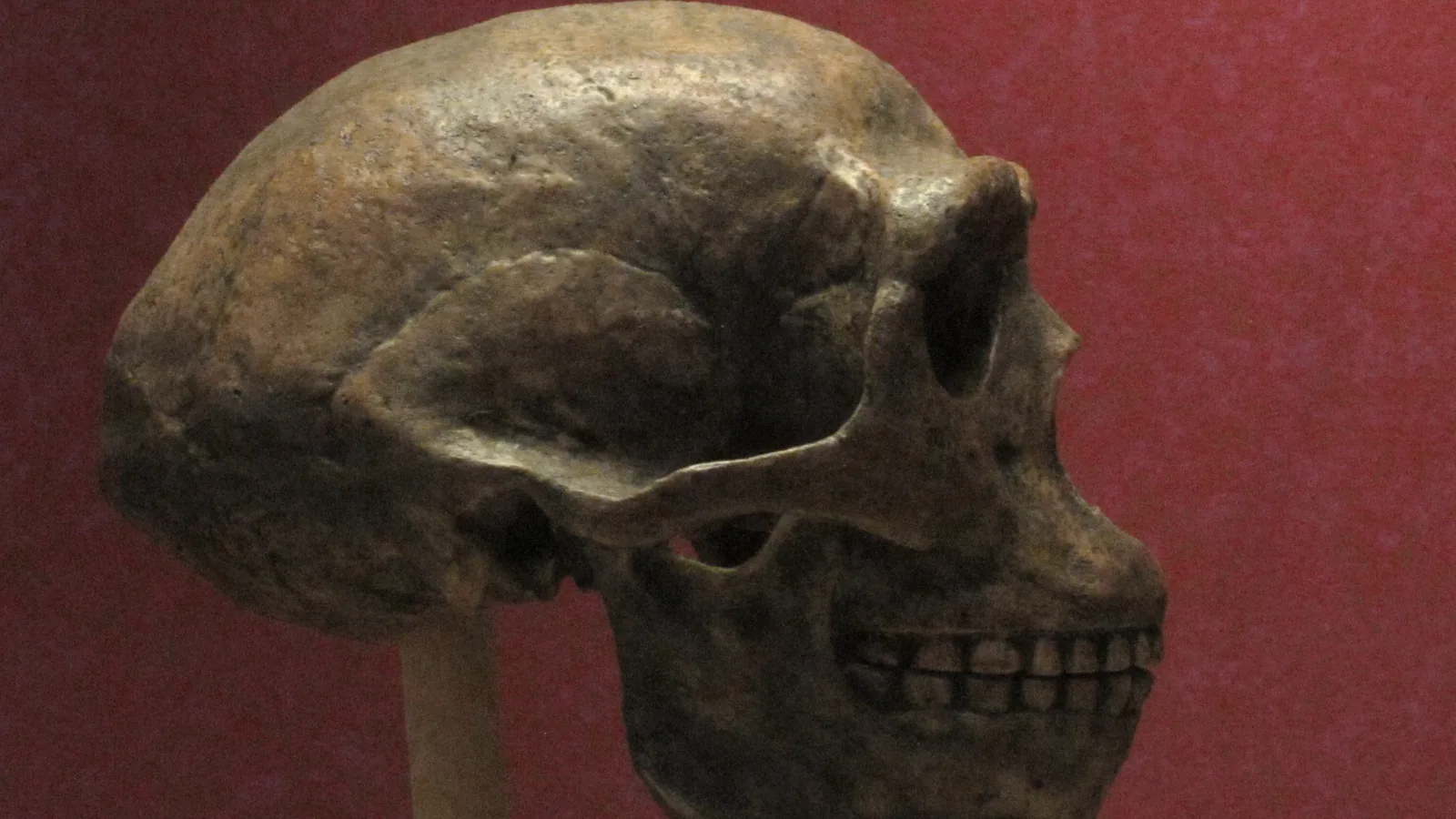
December 2, 1929: the first Peking Man skull and the casts that remain
Pei Wenchung found the first Peking Man skull at Zhoukoudian on December 2, 1929; about 40 individuals by 1937, originals lost in 1941, casts survive.
· 770,000 BCEast Asia in the prehistory (before 3500 BC). Before writing, the record is stone, bone and DNA. These articles cover human origins, the ice ages and the first farmers, up to the moment cities and script appear.
Pei Wenchung found the first Peking Man skull at Zhoukoudian on December 2, 1929; about 40 individuals by 1937, originals lost in 1941, casts survive.
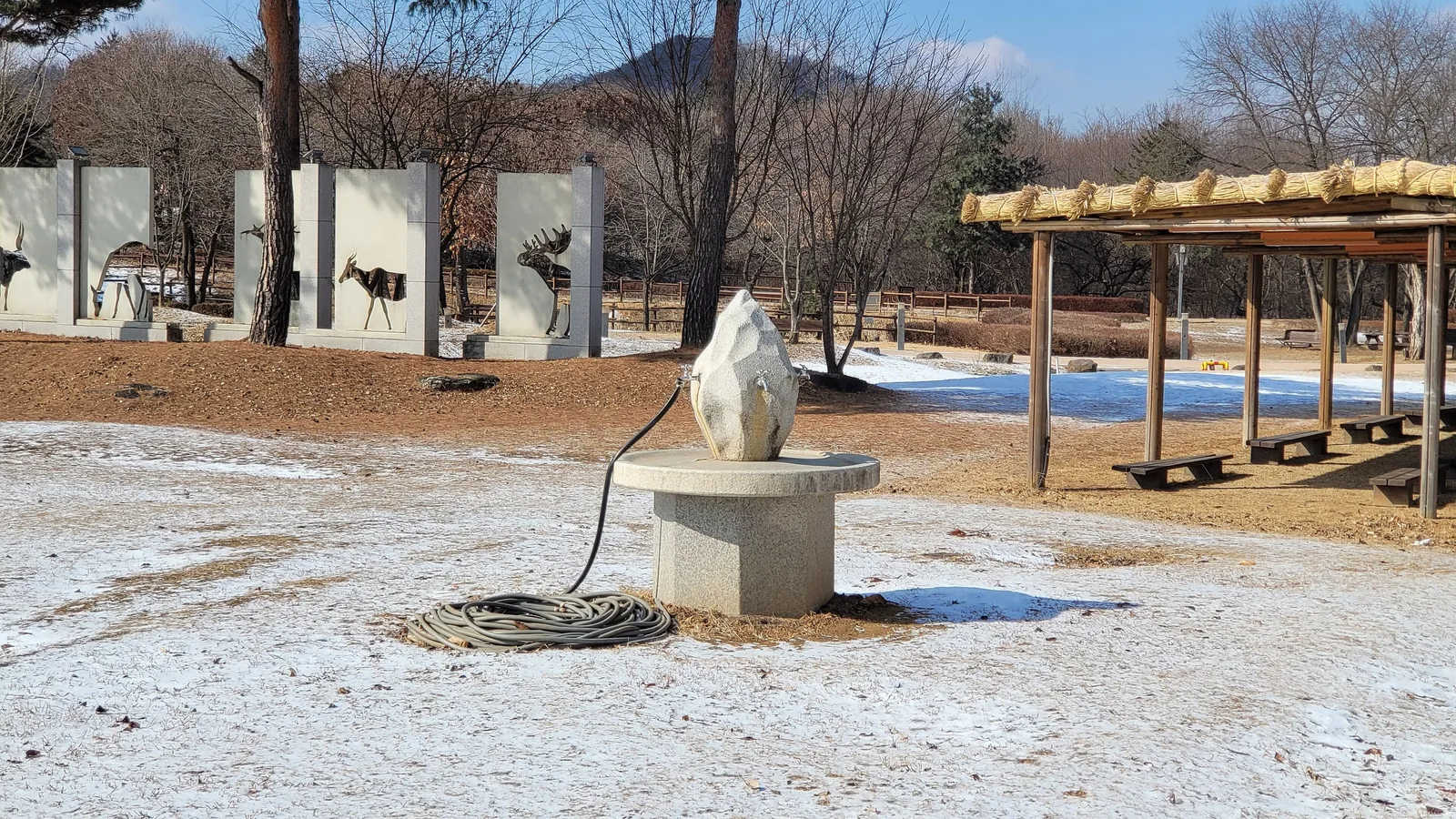
· 770,000 BCGreg Bowen, a US soldier at Dongducheon, found a stone handaxe by the Hantan River in 1978. Excavation began in 1979; the age is still disputed.
· 200,000 BCA cranium found in Harbin in 1933 was named Homo longi in 2021 and dated to over 146,000 years. In 2025 its dental calculus yielded Denisovan mtDNA.
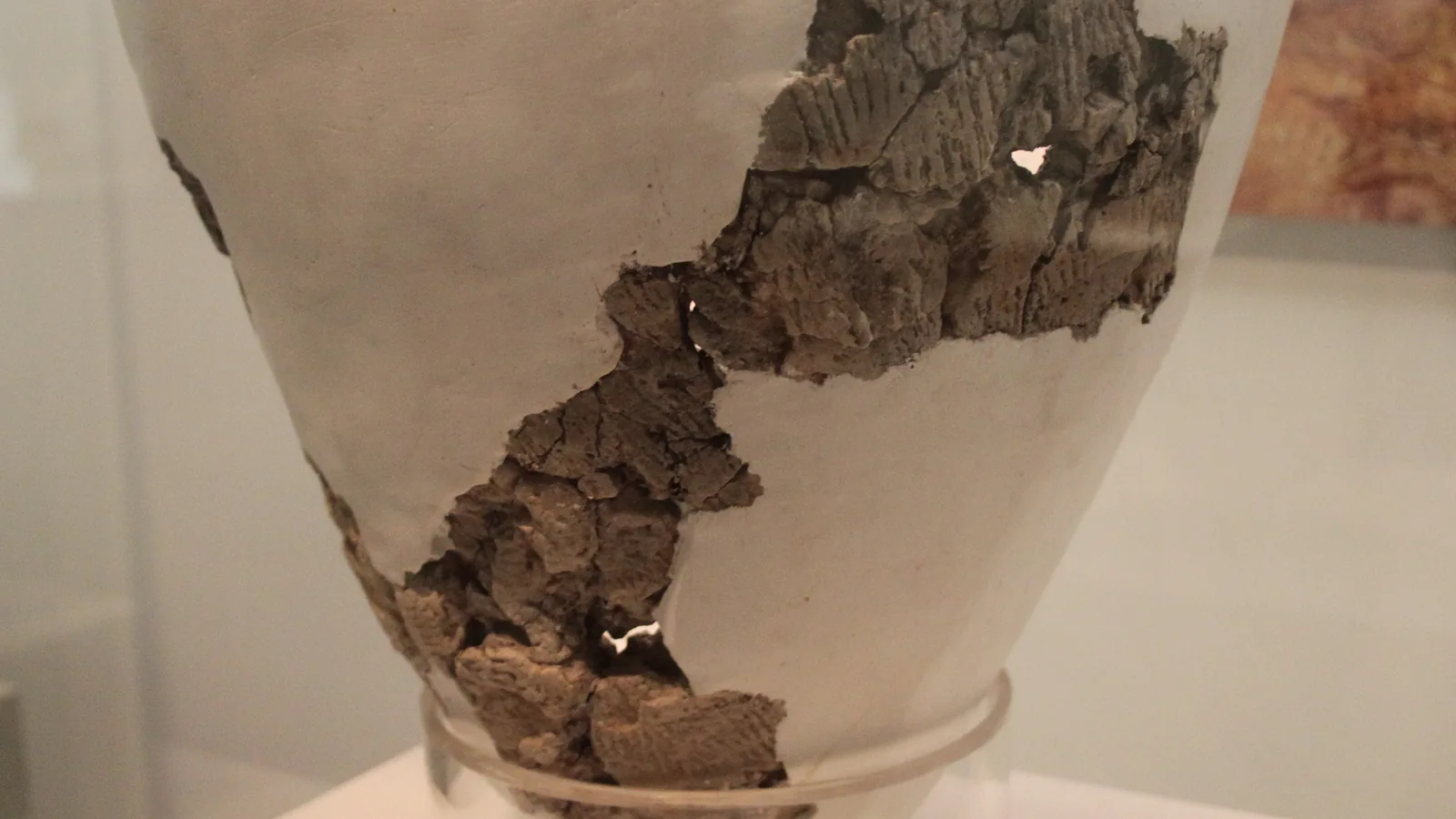
· 146,000 BCXianrendong's sherds lie in layers dated 20,000 to 19,000 cal BP; Yuchanyan's cauldron dates 18,300 to 15,430 cal BP. Foragers in southern China made both.
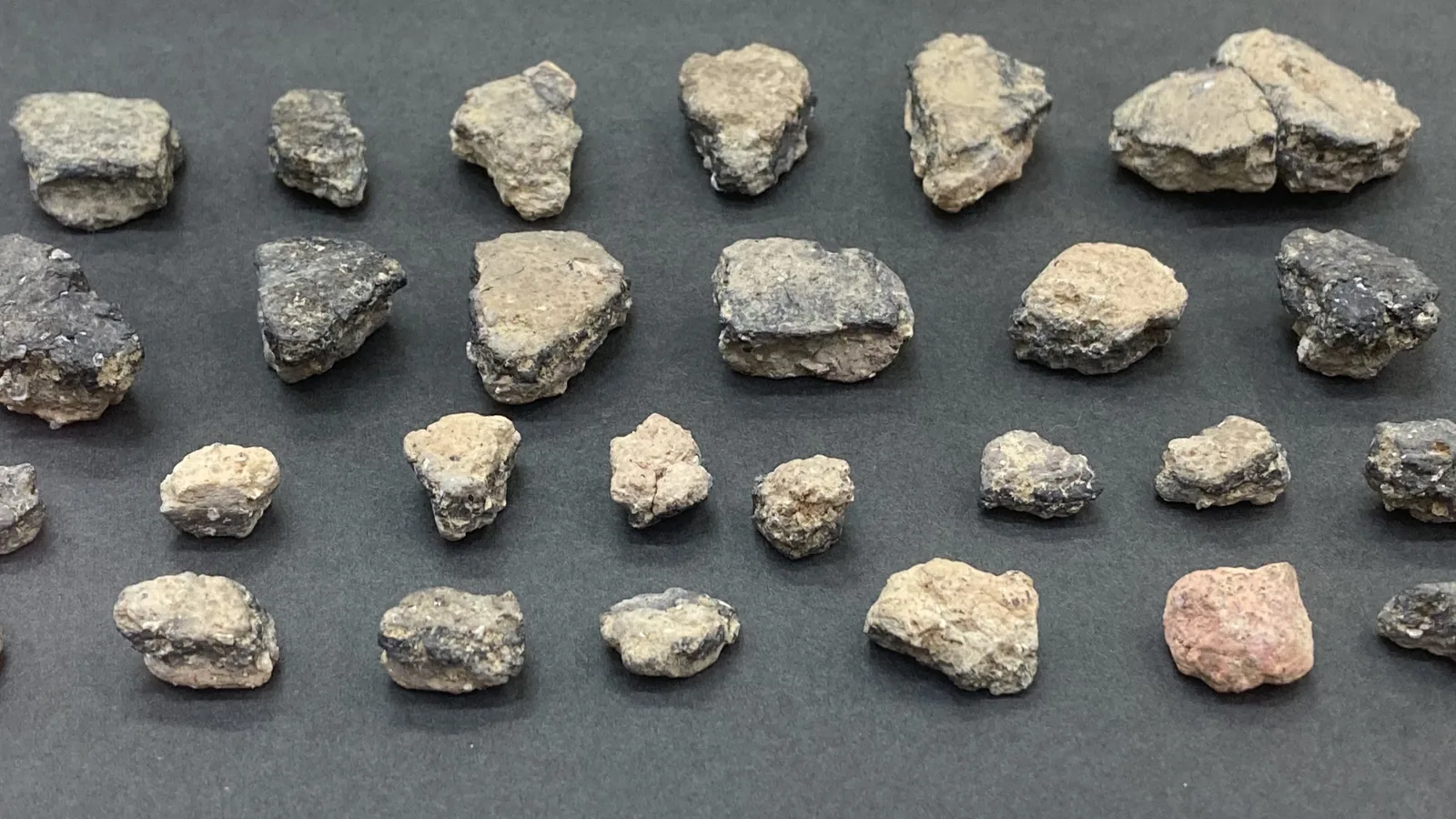
· 18,000 BCForagers at Odai Yamamoto in northern Japan fired plain pots about 13,000 BC and cooked fish in them; by 3900 BC Sannai-Maruyama ate chestnuts and fish.
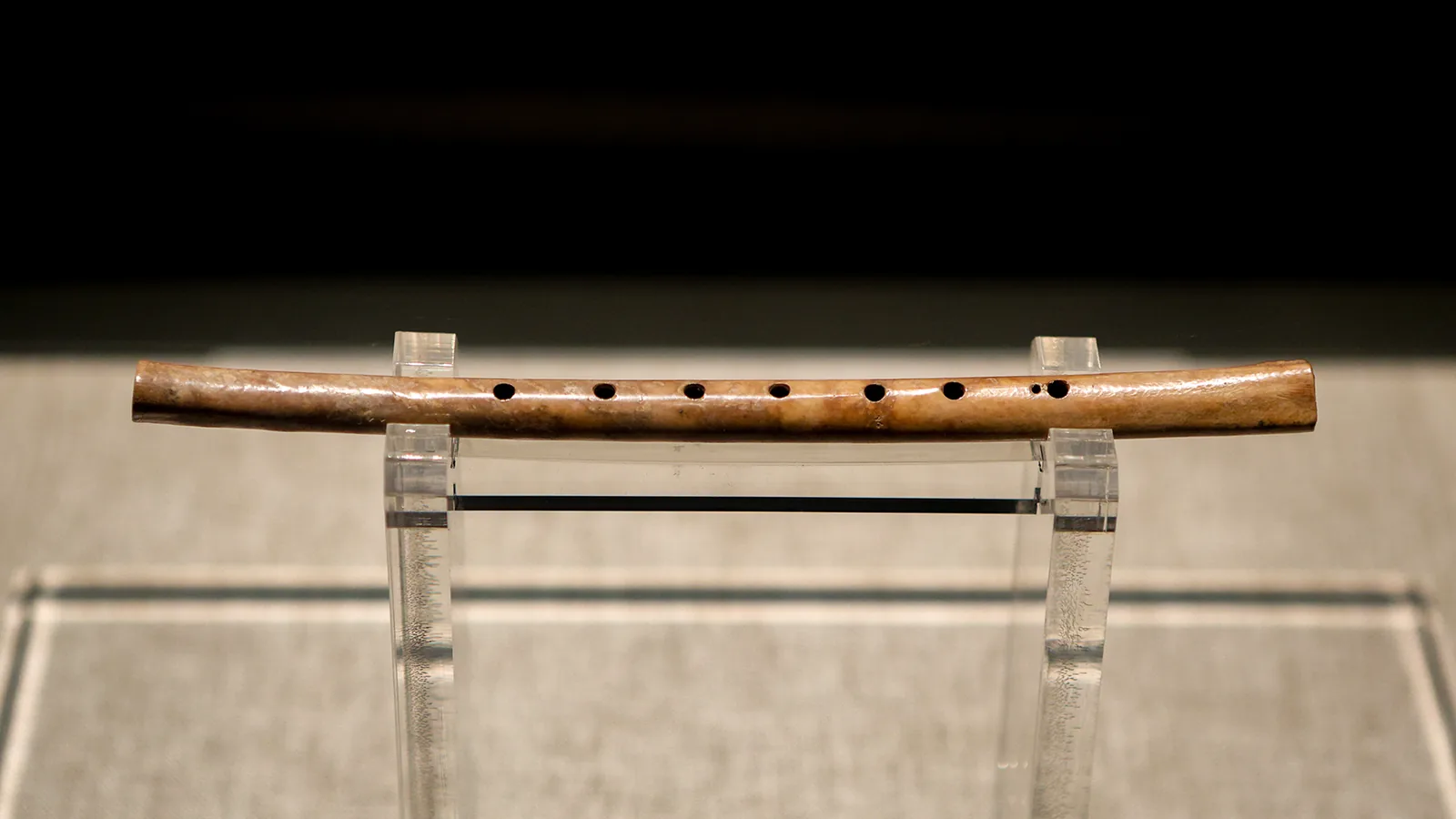
· 13,000 BCSix crane-bone flutes from Jiahu, China, date to 7000-5700 BC. Nature called them the earliest complete, playable, tightly-dated multinote instruments.
· 7000 BC