Central Asia in the prehistory (before 3500 BC). Before writing, the record is stone, bone and DNA. These articles cover human origins, the ice ages and the first farmers, up to the moment cities and script appear.
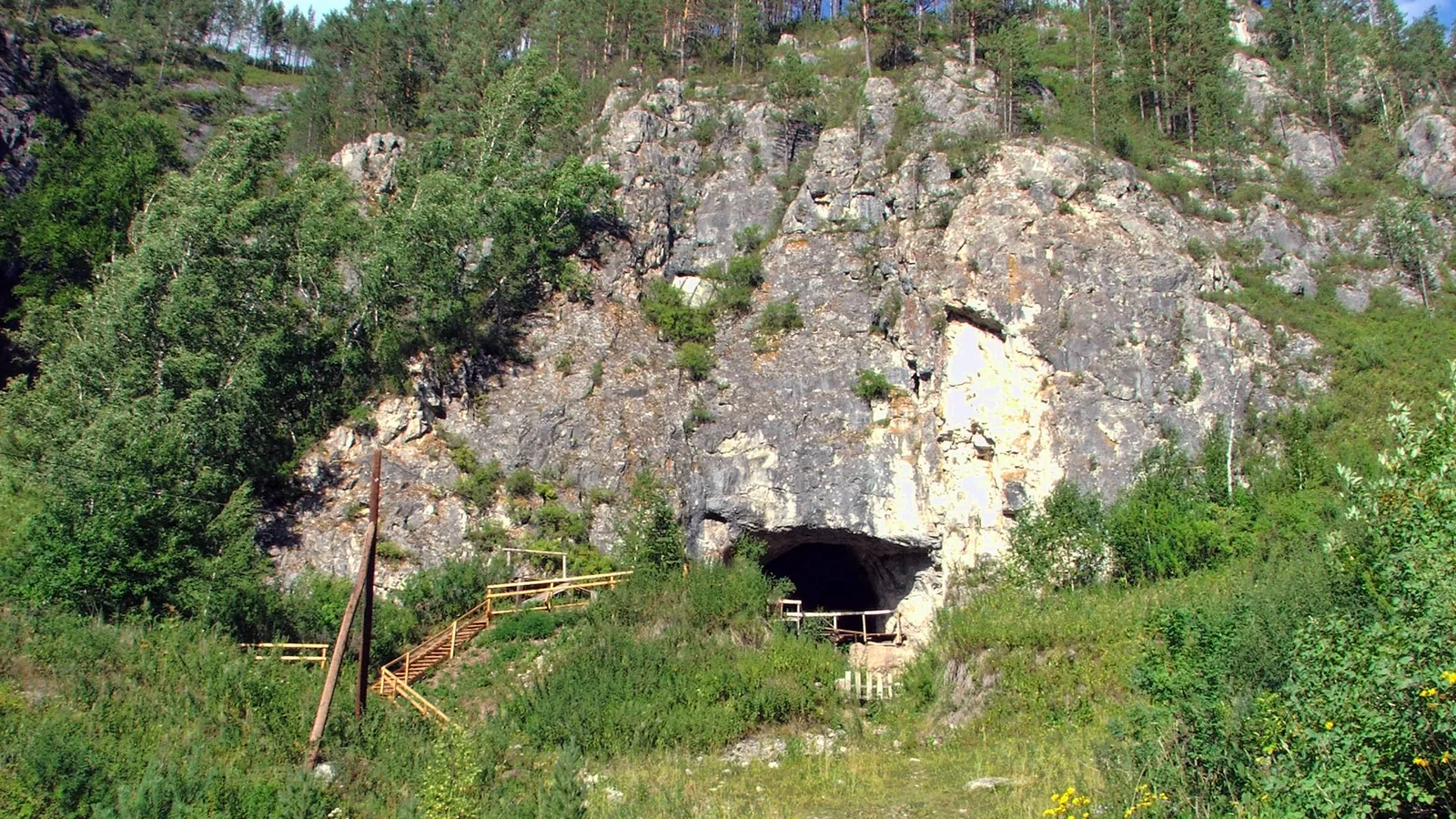
A fingertip bone dug up in 2008 at Denisova Cave in the Altai held DNA unlike any Neanderthal or modern human. Its kin live on in Tibetan and Papuan DNA.
Raphael Pumpelly dug the two mounds at Anau in 1904 in two-foot levels, found wheat and barley chaff, and argued that drying oases sent people outward.
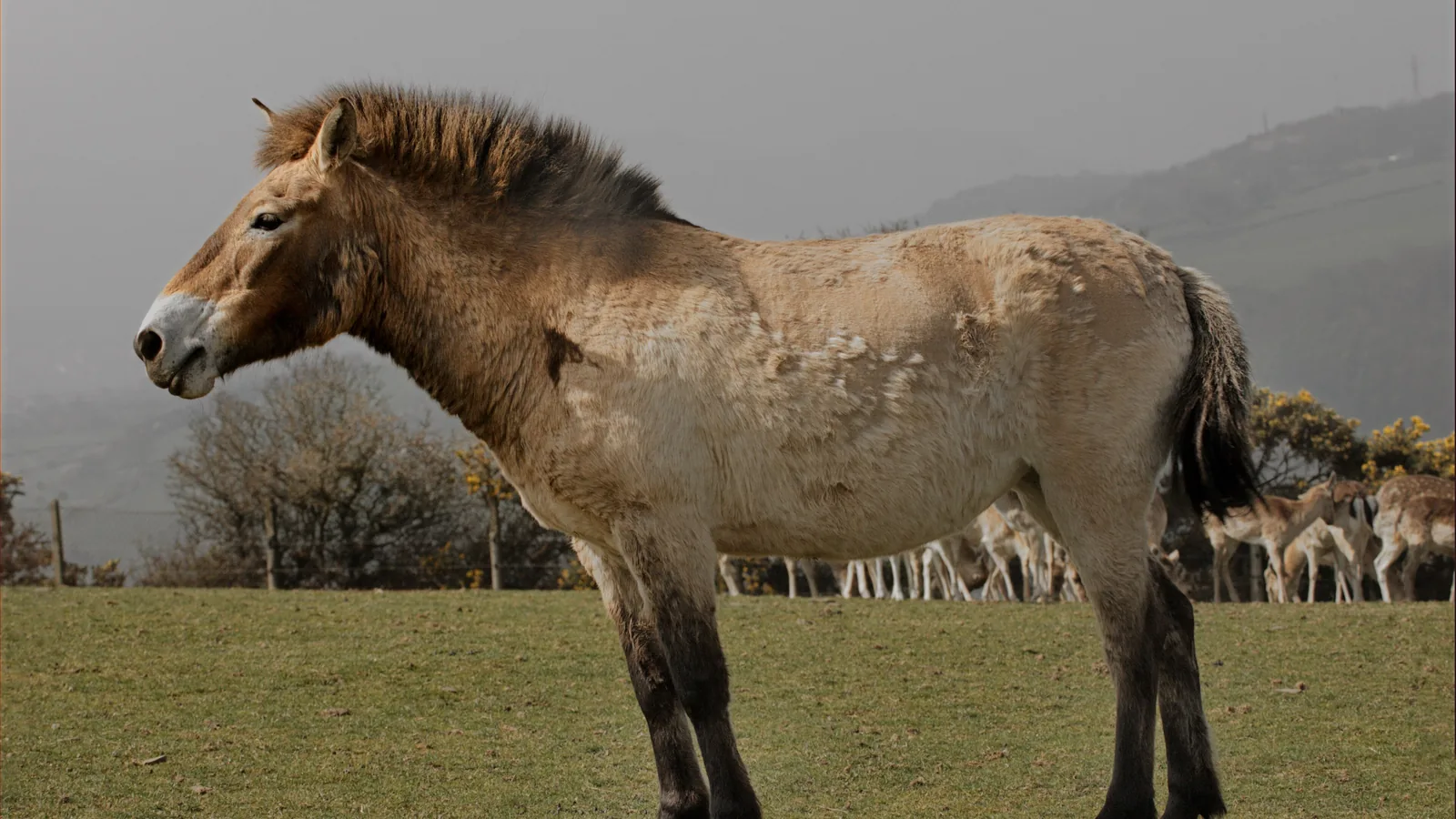
Named in 2009 as the earliest horse-domestication site, Botai in Kazakhstan lost that claim in 2018 when DNA made its horses the ancestors of Przewalski's.