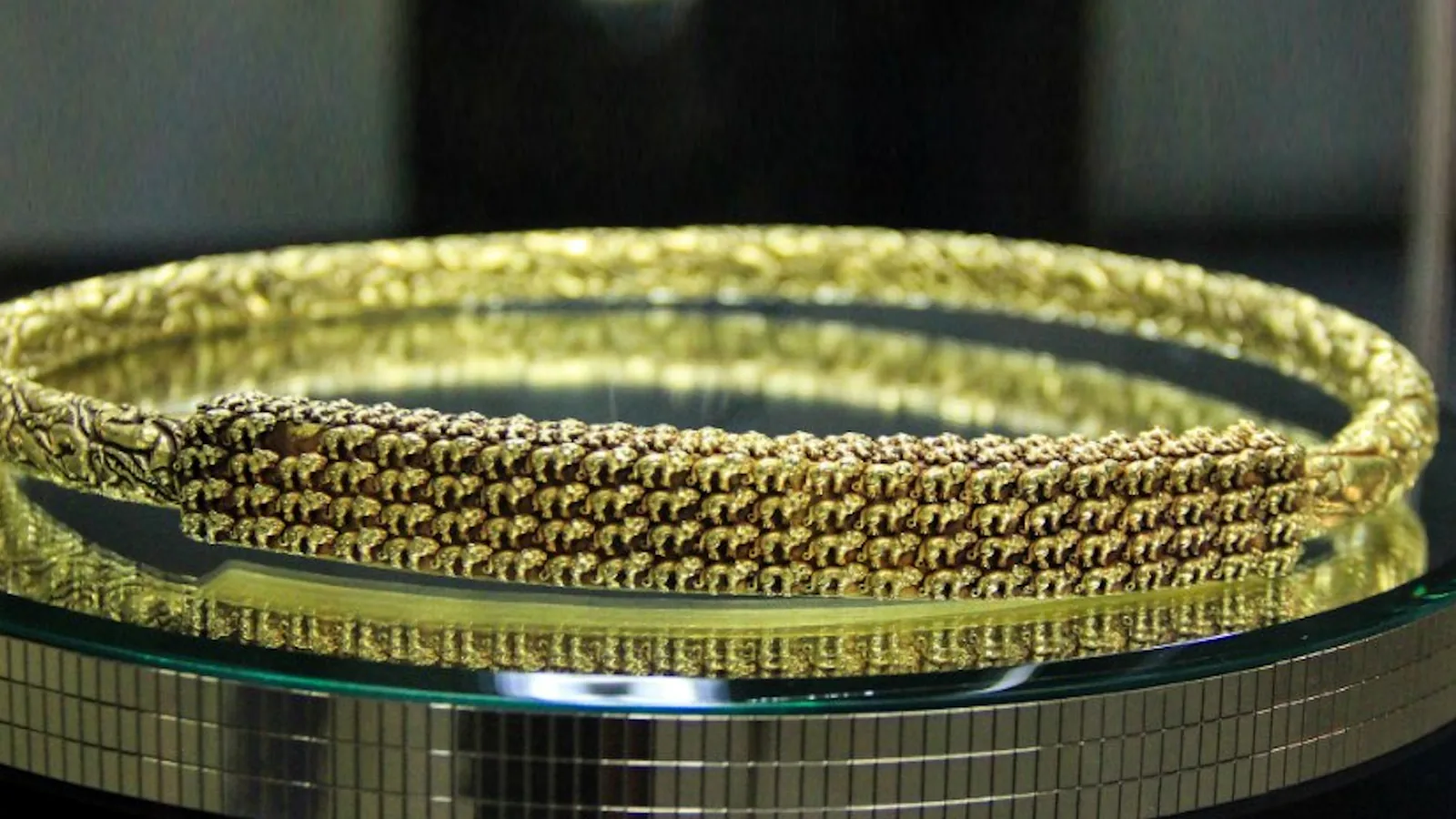
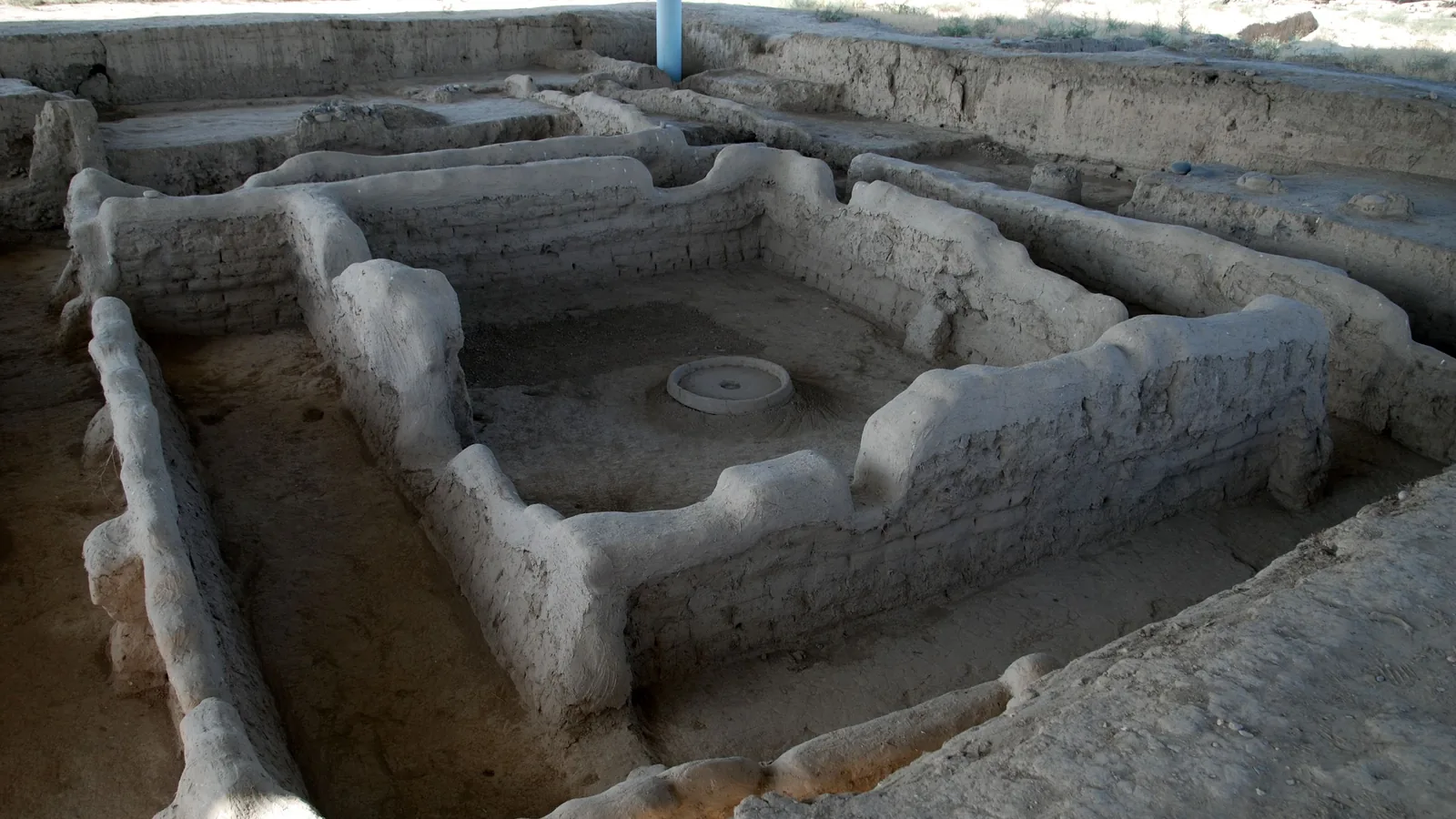
A gold necklace, a lead ingot: Sarazm on the Zeravshan, 1976 or 1979
Tajikistan's physical-technical institute dates Sarazm's first dig to 1976; Roland Besenval's 1987 paper says Isakov discovered the site in 1979.
· 3500 BCCentral Asia in the ancient world (3500 BC – 800 BC). The first cities, the first writing, the first kings who called themselves gods. These articles cover Mesopotamia, Egypt, the Indus and the Bronze Age world that connected them.
Tajikistan's physical-technical institute dates Sarazm's first dig to 1976; Roland Besenval's 1987 paper says Isakov discovered the site in 1979.
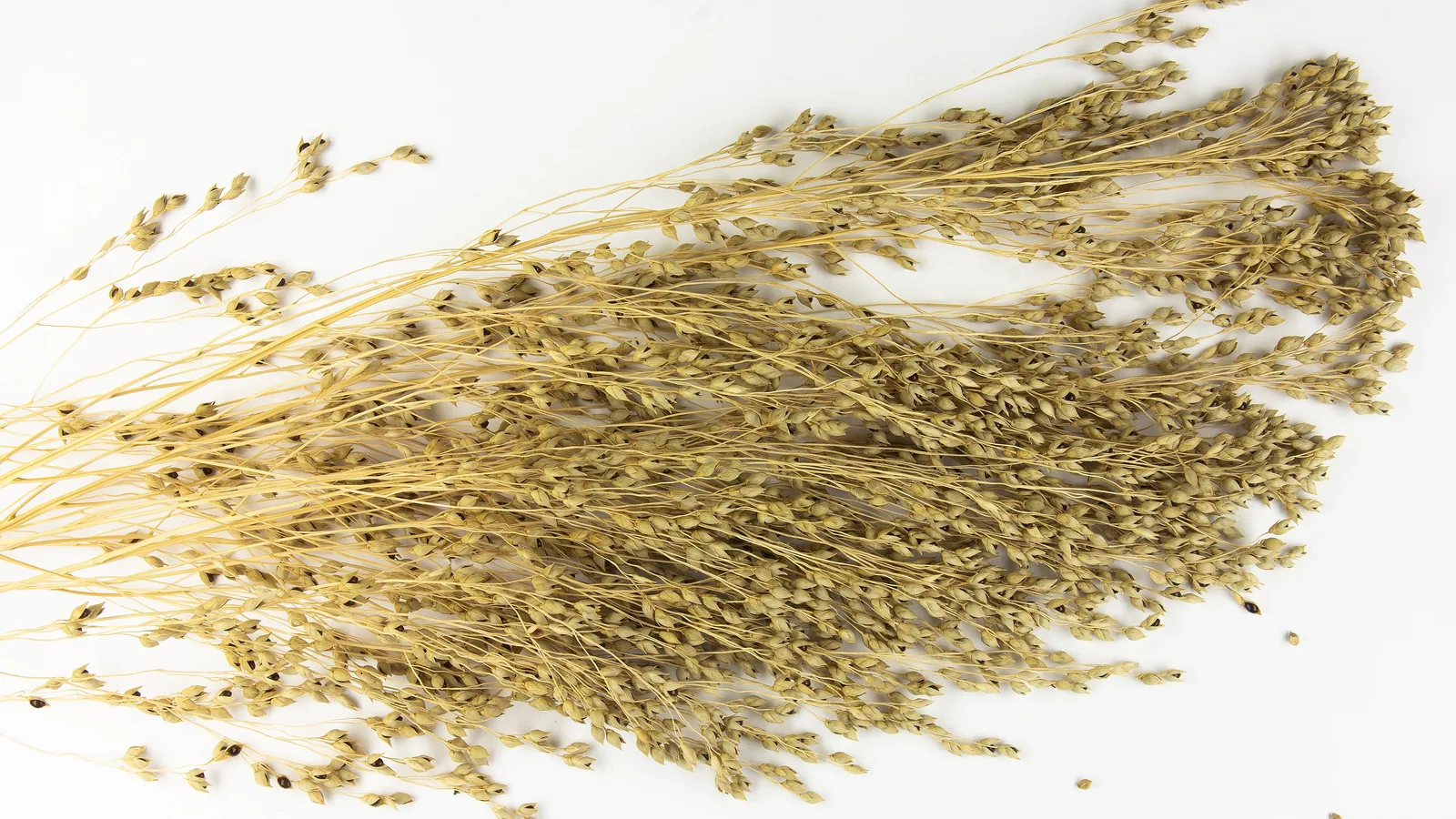
· 3500 BCCharred millet, wheat and barley from cremation cists at Begash and Tasbas in Kazakhstan date to about 2300 BC; their excavators later doubted what they show.
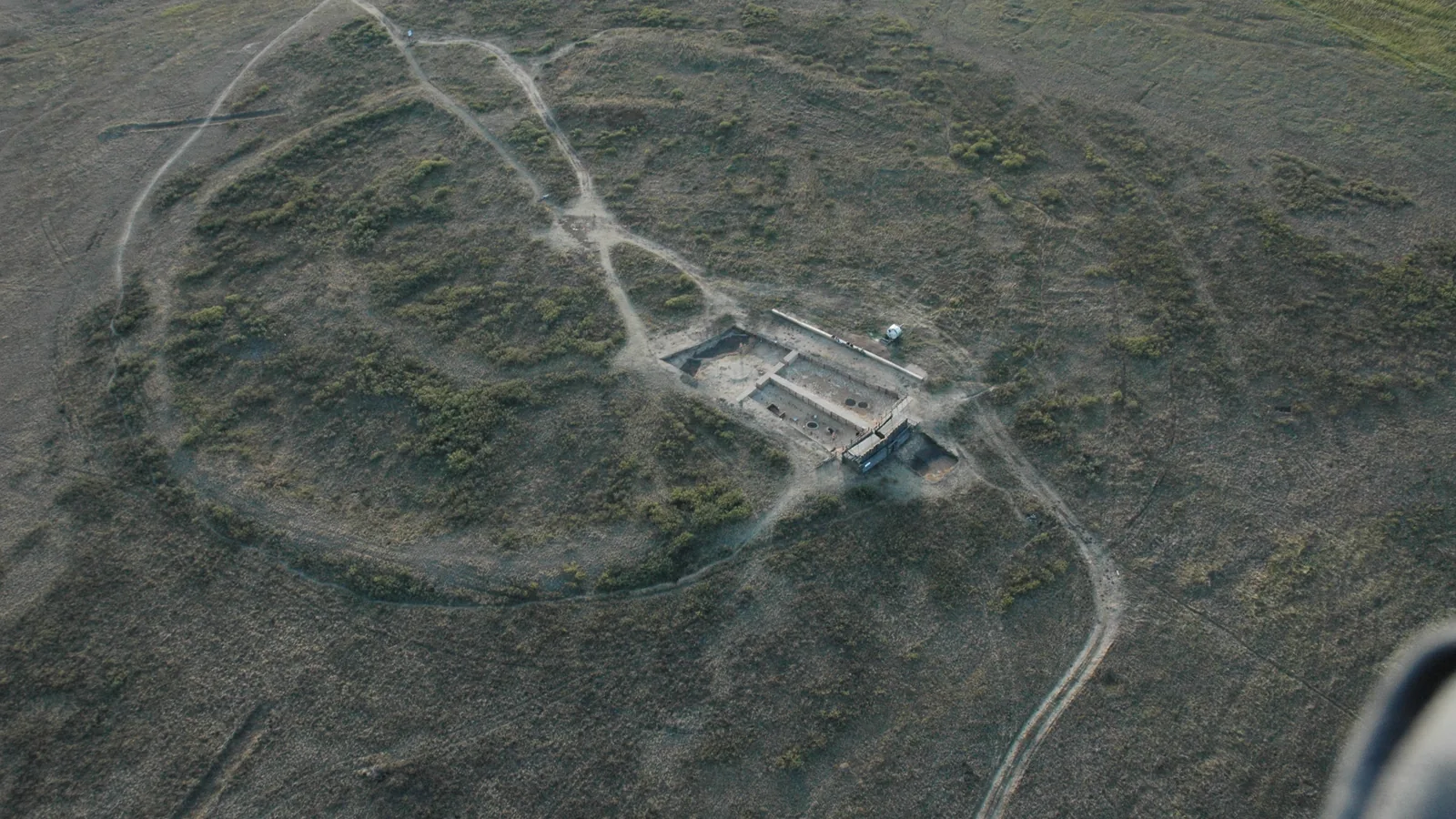
· 2300 BCArkaim reserve records say dam work began in November 1986; a 1987 survey found a ringed Bronze Age settlement, and the reservoir was canceled in April 1991.
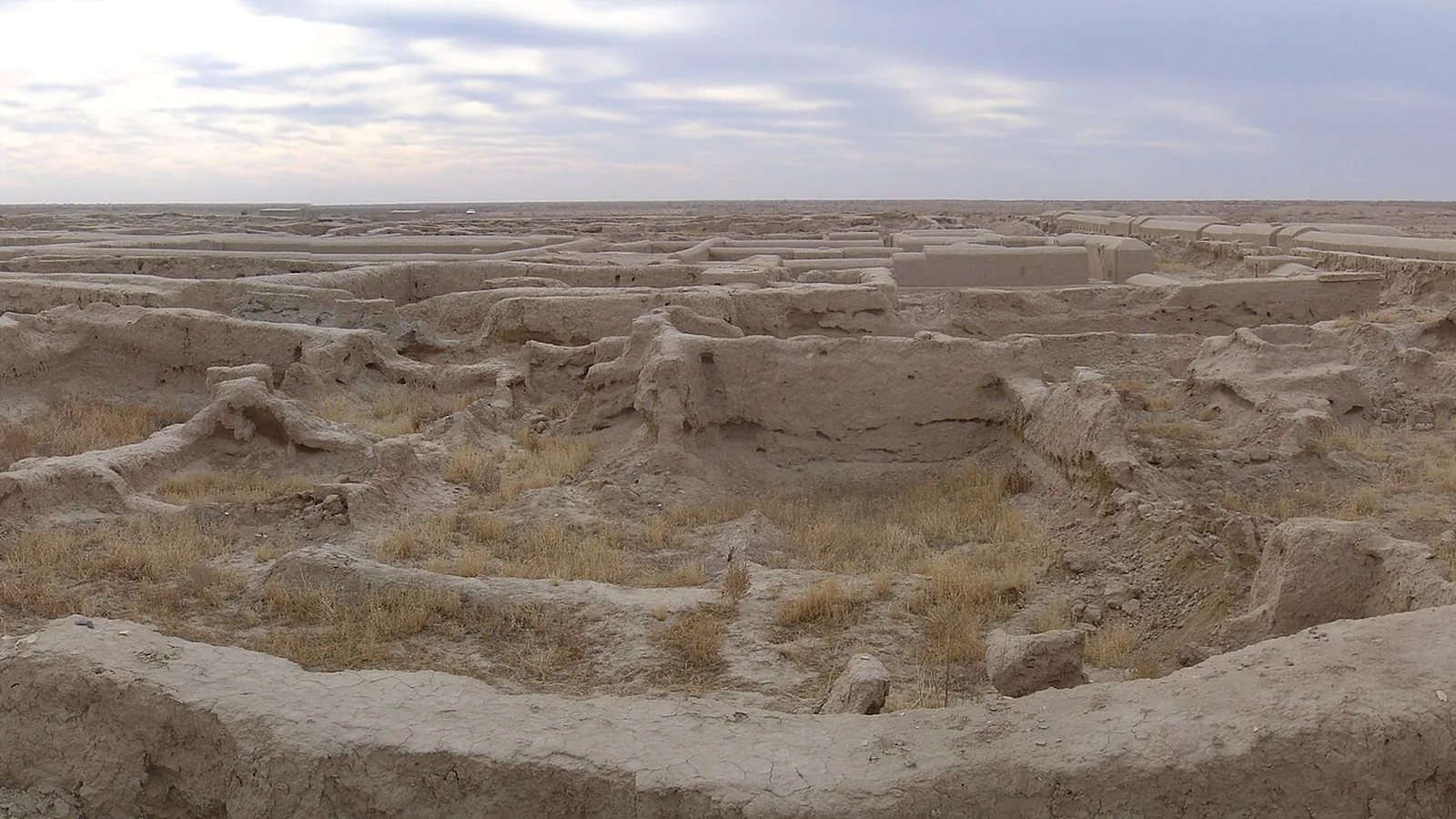
· 2000 BCA Soviet expedition found the Gonur oasis in Turkmenistan's Karakum desert in 1974. Its Bronze Age city traded with the Indus; its dates are disputed.
· 2000 BCIn 1934 Folke Bergman counted 120 coffins by the Small River. A 2021 Nature study of 18 genomes found the Tarim mummies had no western ancestry.
· 1900 BCUnder the Arzhan 2 mound in Tuva, southern Siberia, a man and a woman of the 7th century BC lay with 33 other people, 14 horses and over 40 pounds of gold.
· 650 BC