Home › The Americas › Ancient world Ancient world The Americas
The Americas in the ancient world (3500 BC – 800 BC). The first cities, the first writing, the first kings who called themselves gods. These articles cover Mesopotamia, Egypt, the Indus and the Bronze Age world that connected them.
6 articles, oldest first
Other eras in The Americas: Prehistory 6 Classical world 7 Medieval world 9 Early modern world 7 Modern era 8 Twentieth century 8 Ancient world elsewhere: Africa 6 West Asia 11 Europe 7 East Asia 6 South Asia 6 Central Asia 6 Oceania 6
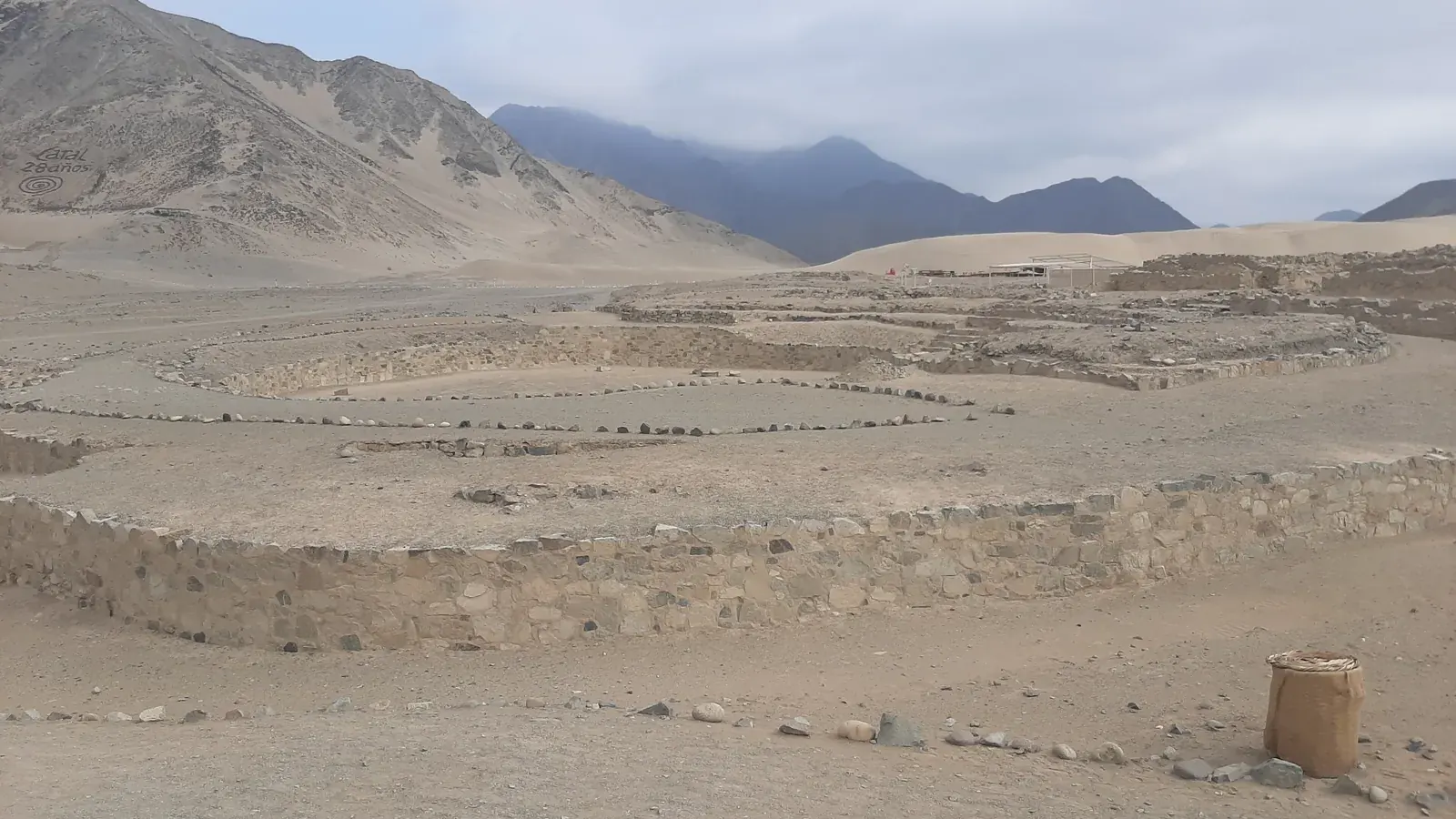
Record · Ancient world · The AmericasCaral, in Peru's Supe valley, raised pyramids by 2627 BC with no pottery or maize; its farmers grew cotton for fishing nets and traded it for fish.
2026-09-20 · 2600 BC
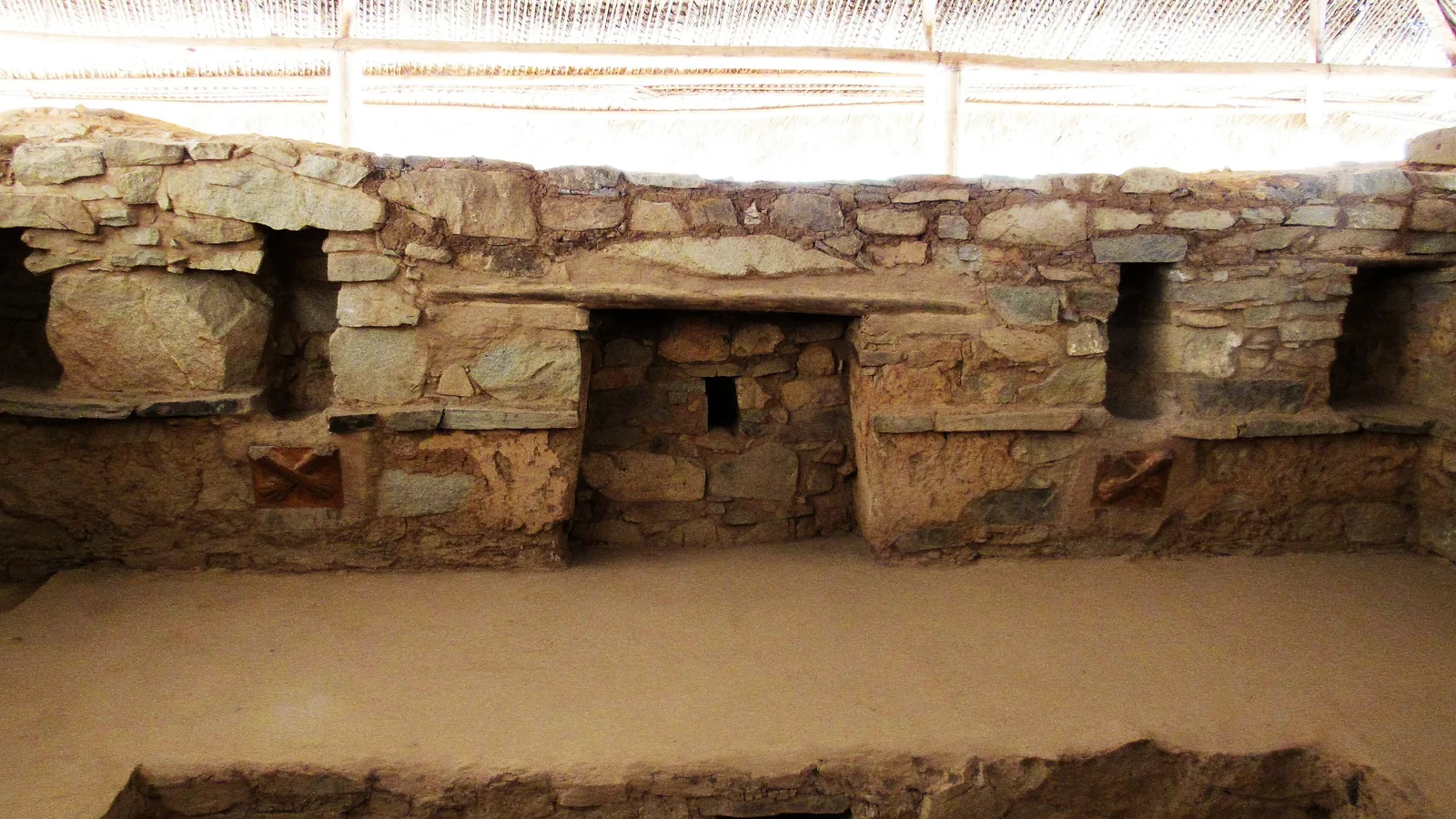
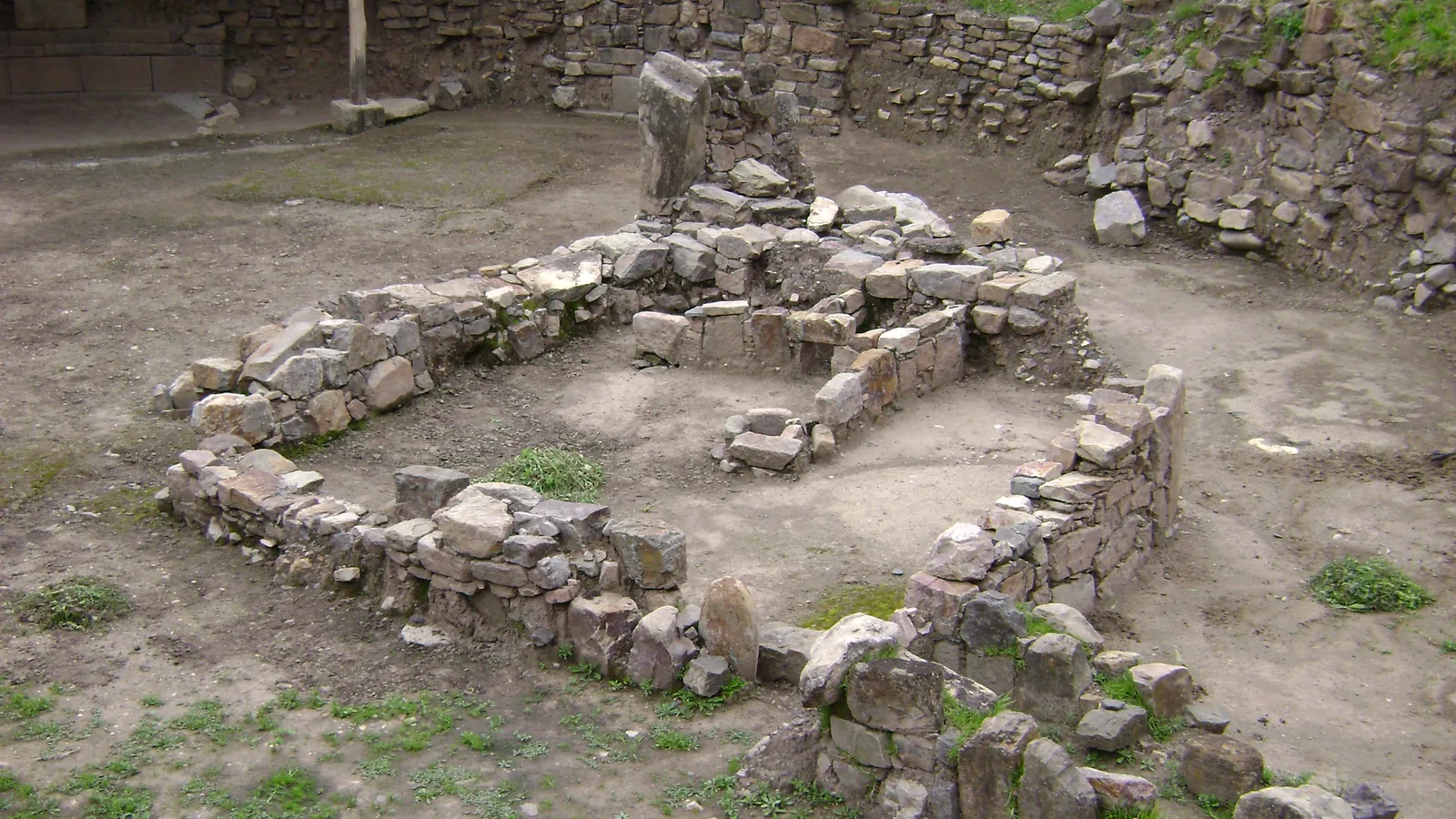
Record · Ancient world · The AmericasSeiichi Izumi's University of Tokyo team dug up two crossed-hands clay reliefs at Kotosh, Peru, in 1960 and 1963; sources disagree on their age.
2026-09-27 · 2000 BC
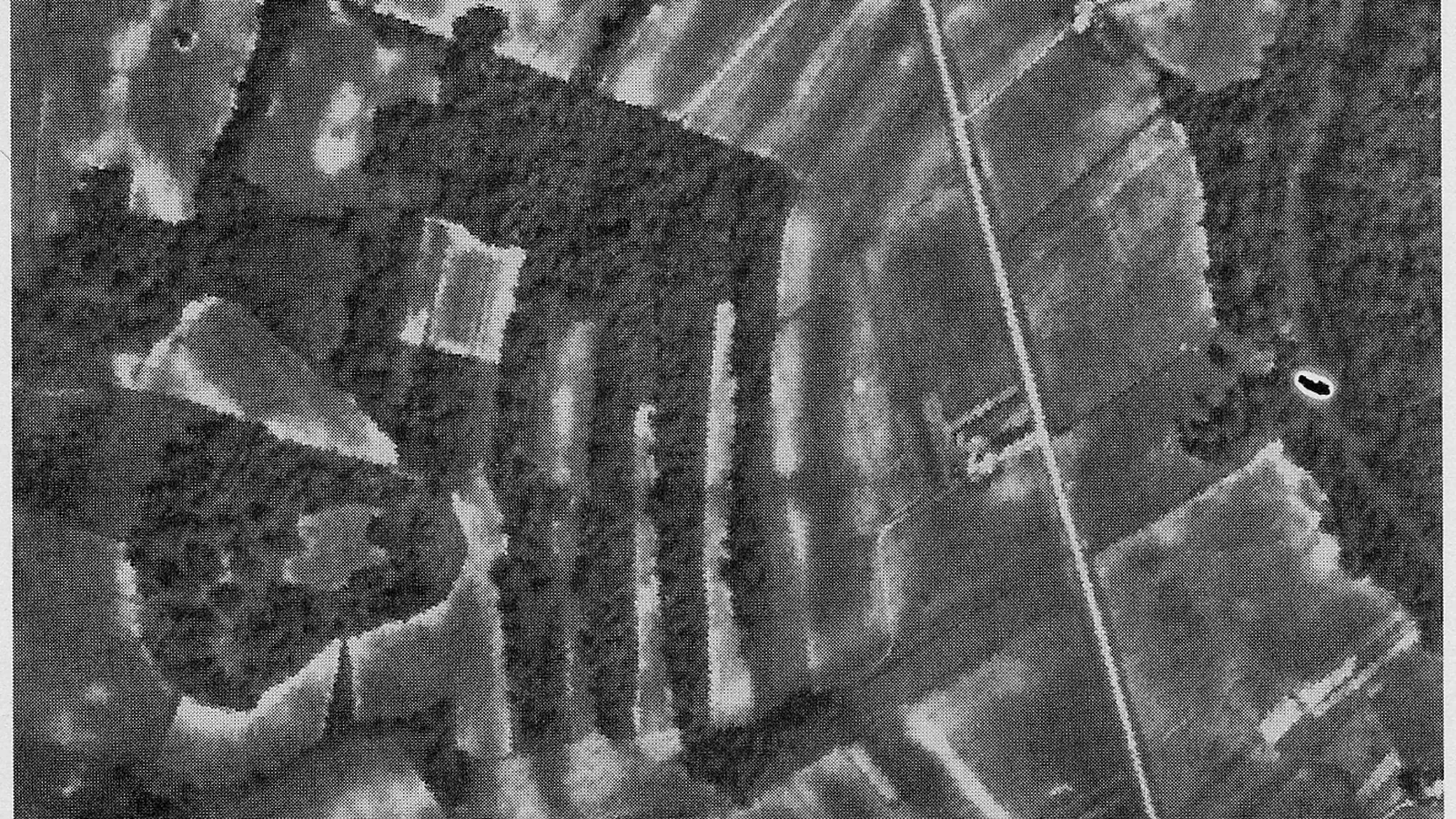
Record · Ancient world · The AmericasHunter-gatherers moved nearly 2 million cubic yards of earth at Poverty Point, Louisiana, 1700–1100 BC; Mound A took up to 15.5 million basket loads.
2026-09-22 · 1500 BC
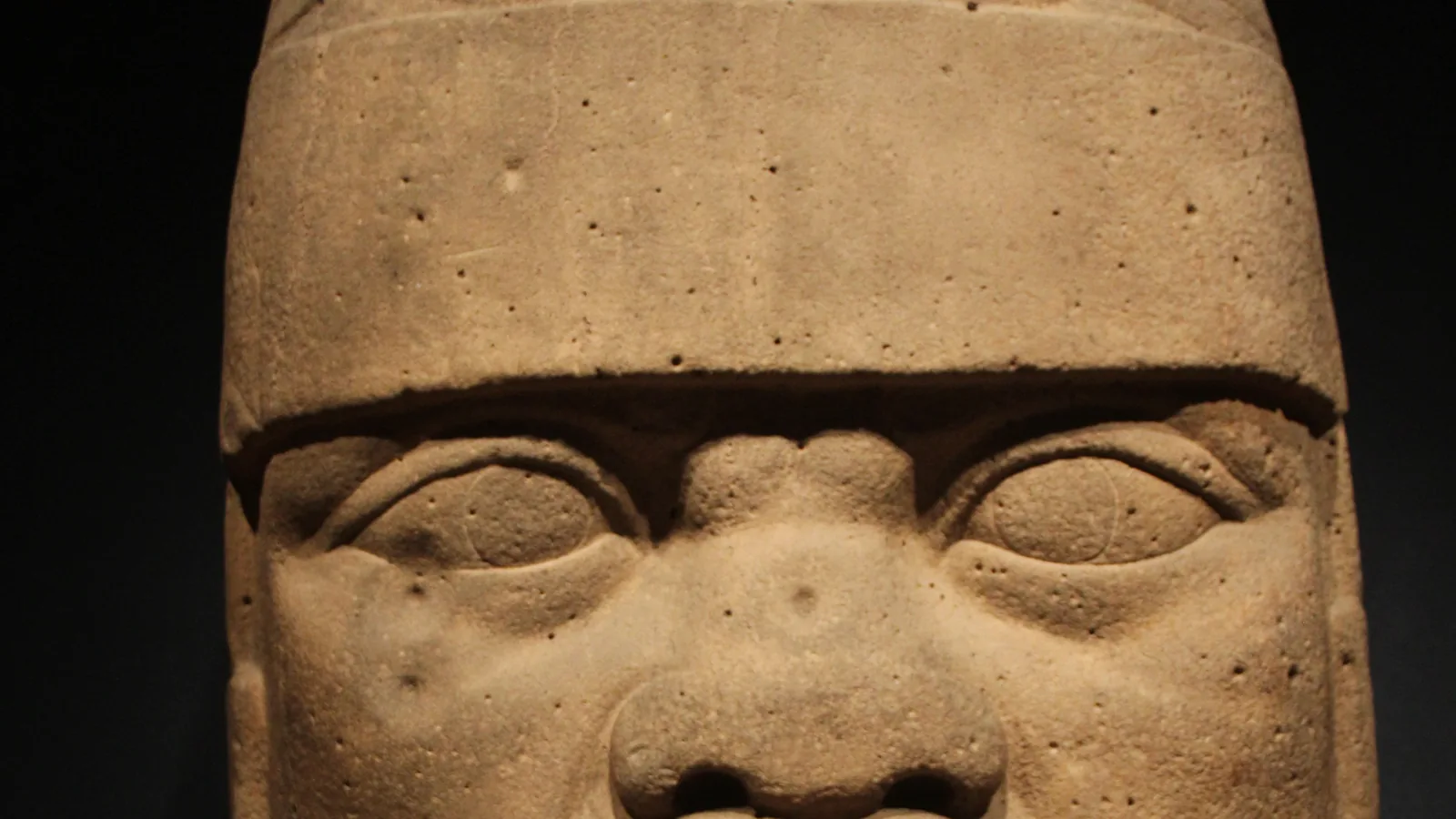
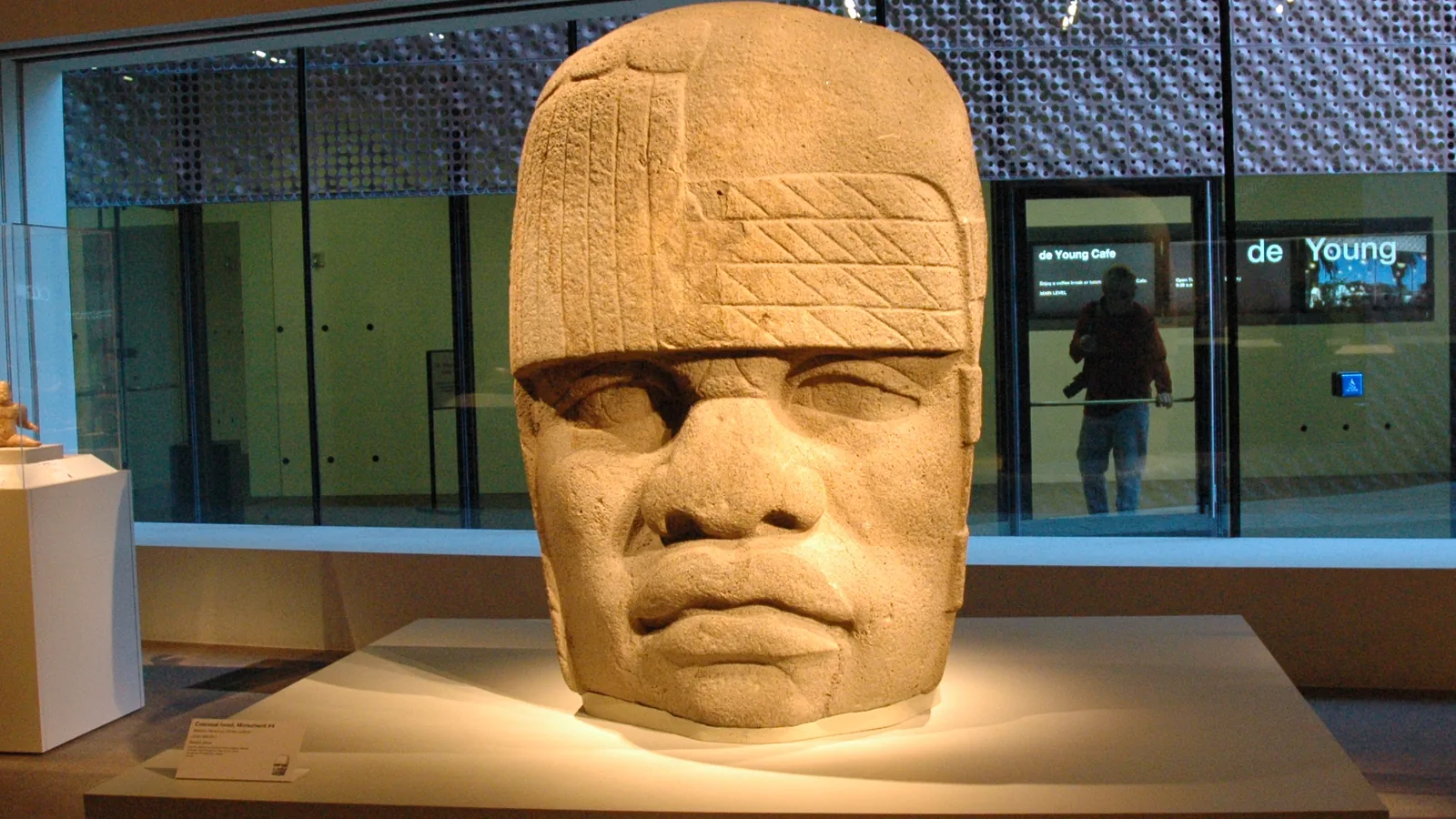
Record · Ancient world · The AmericasSeventeen Olmec colossal heads are known, from San Lorenzo, La Venta and Tres Zapotes; the first was found in 1862, the last at San Lorenzo in May 1994.
2026-09-22 · 1000 BC
Record · Ancient world · The AmericasA serpentine block with 62 signs from a Veracruz gravel quarry was reported in Science on September 15, 2006 as the oldest writing in the Americas.
2026-09-28 · 900 BC
Record · Ancient world · The AmericasTwenty shell trumpets came from Chavín's Caracolas Gallery in 2001. In 2025 PNAS reported vilca and tobacco alkaloids on six artifacts from Gallery 3.
2026-09-22 · 800 BC