Central Asia in the classical world (800 BC – AD 500). Greece, Rome, Persia, the Qin and Han, the Maya: the age of the great classical states and the written histories that describe them. These articles cover their rise, their wars and the everyday lives their ruins preserve.
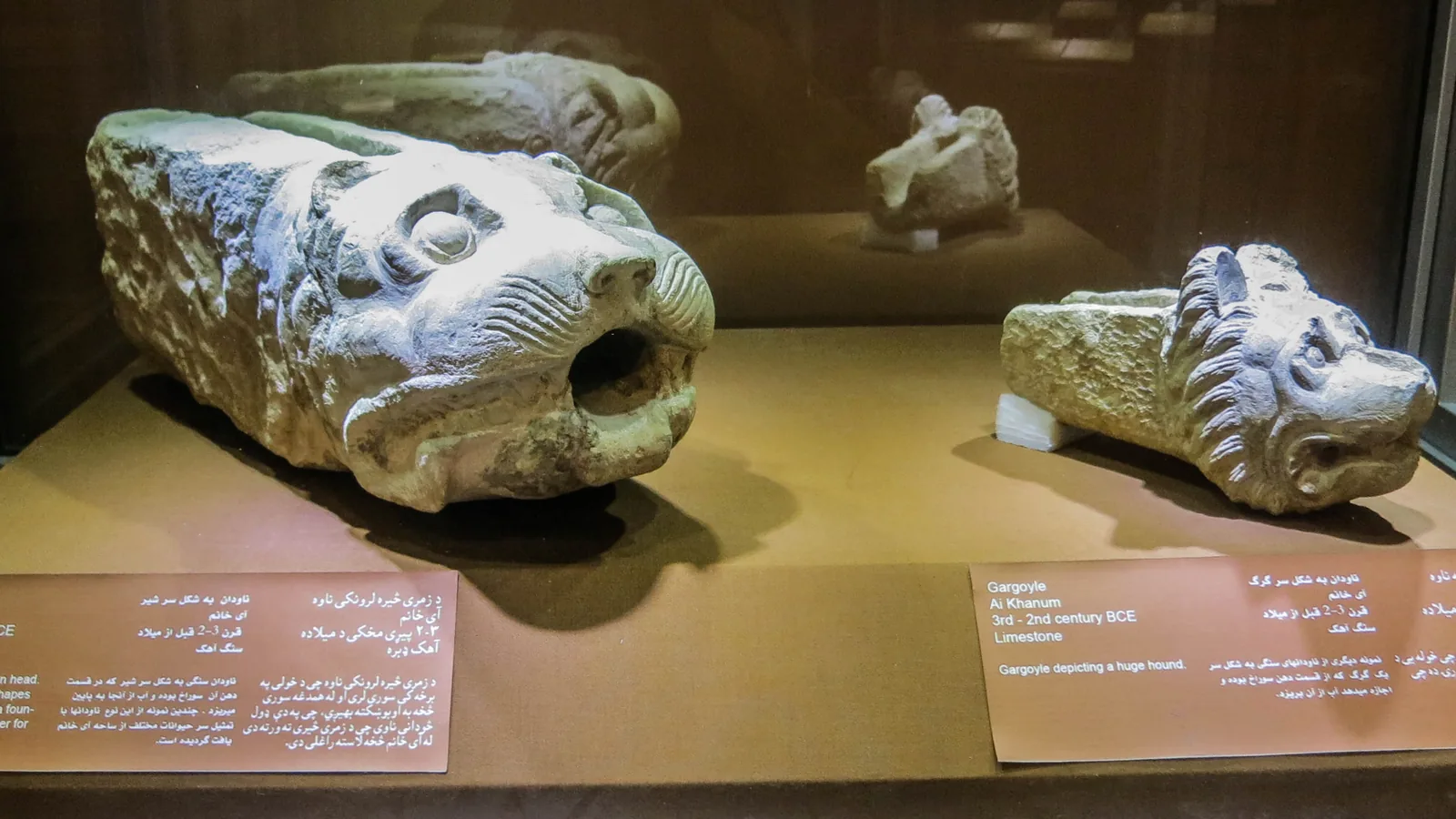
Found on a royal hunt in 1961 and dug by a French mission until 1978, Ai Khanoum in north Afghanistan held a Greek theater, gymnasium and Delphic maxims.
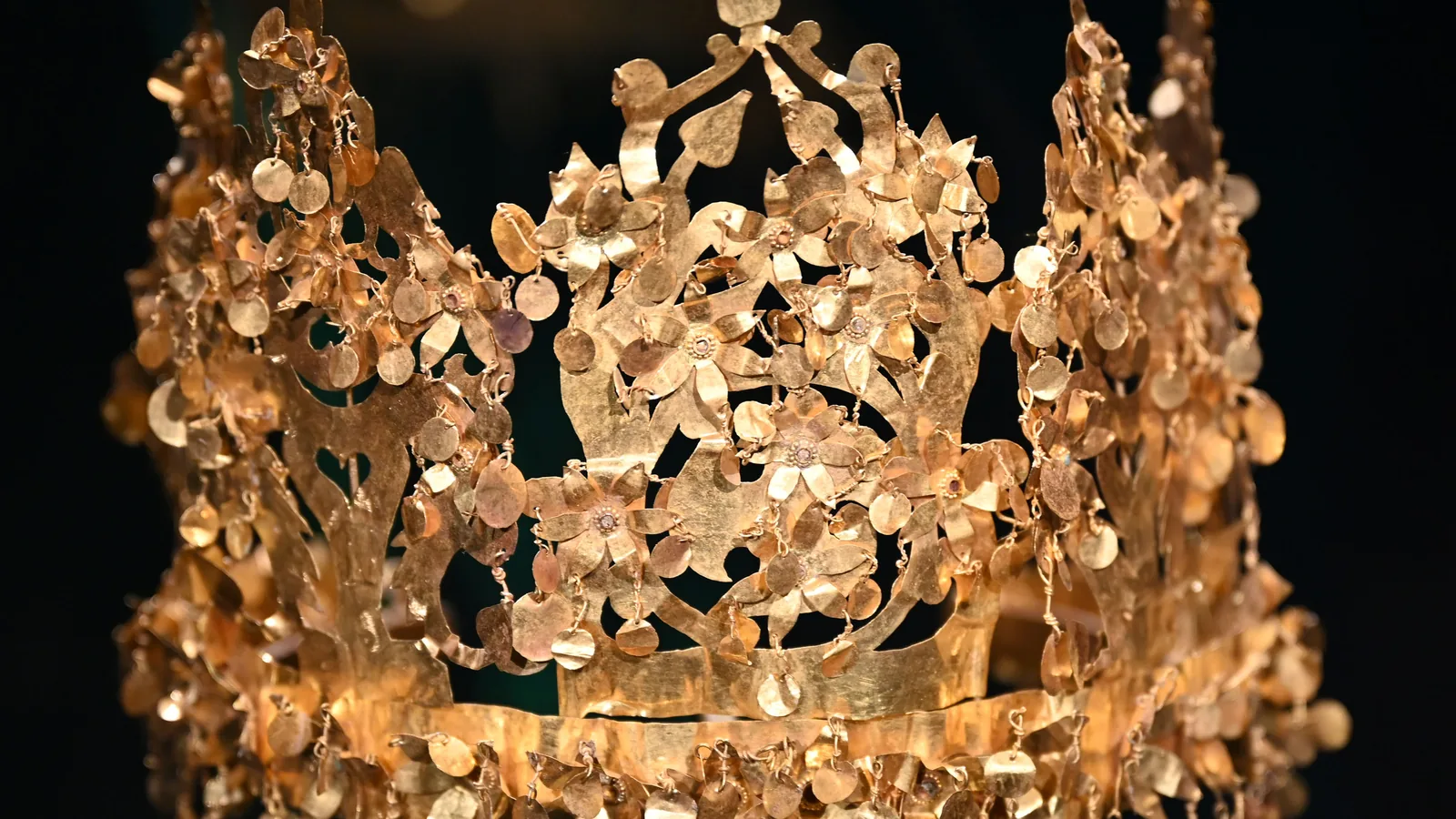
From November 15, 1978, Viktor Sarianidi's team found six unlooted graves at Tillya Tepe, Afghanistan, with a Tiberius aureus and about 20,000 gold objects.
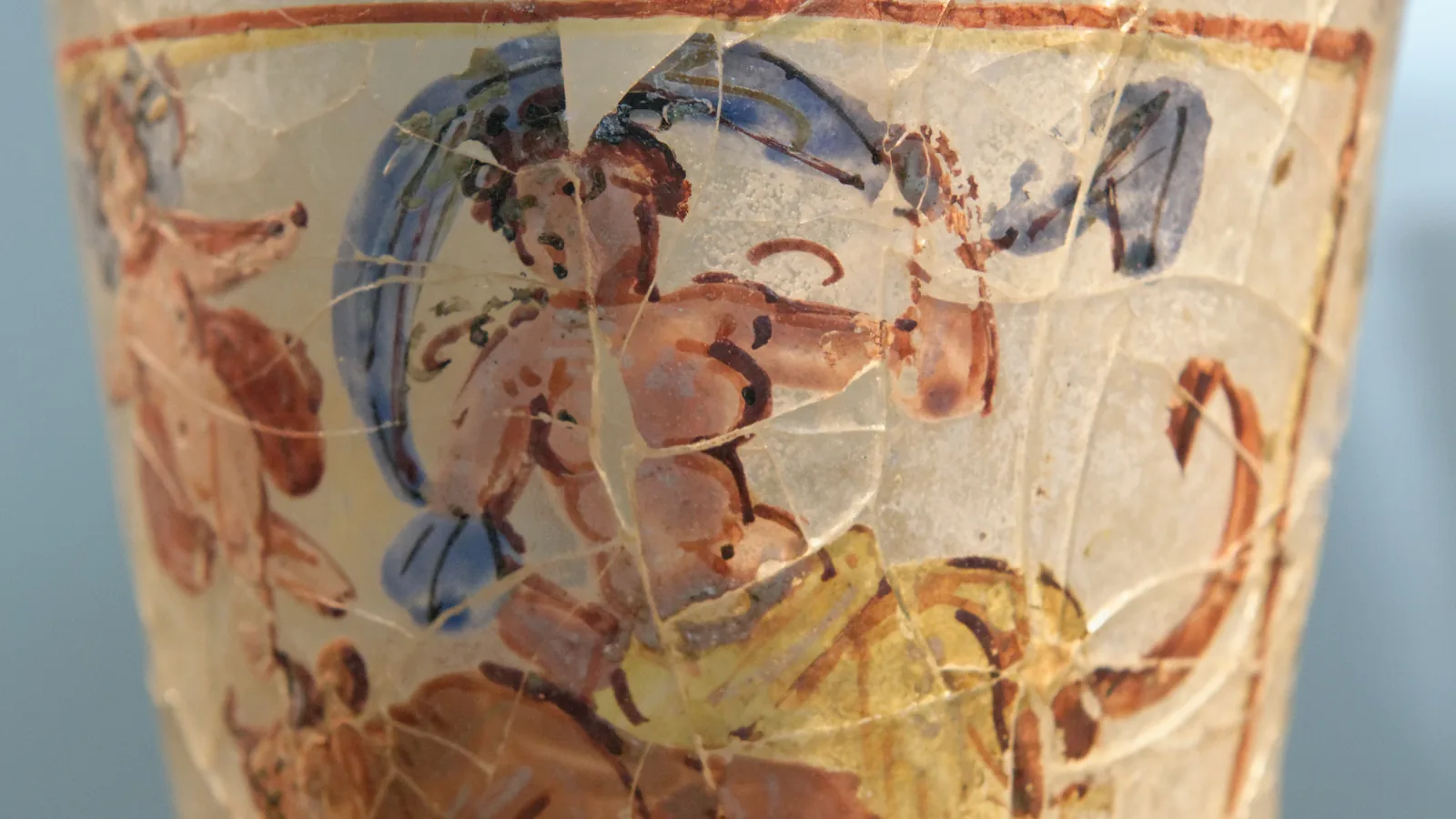
Two walled-up rooms at Begram, 1937 and 1939, held Roman glass, Indian ivory and Han lacquer. Half went to Paris; 20 ivories returned to Kabul in 2012.
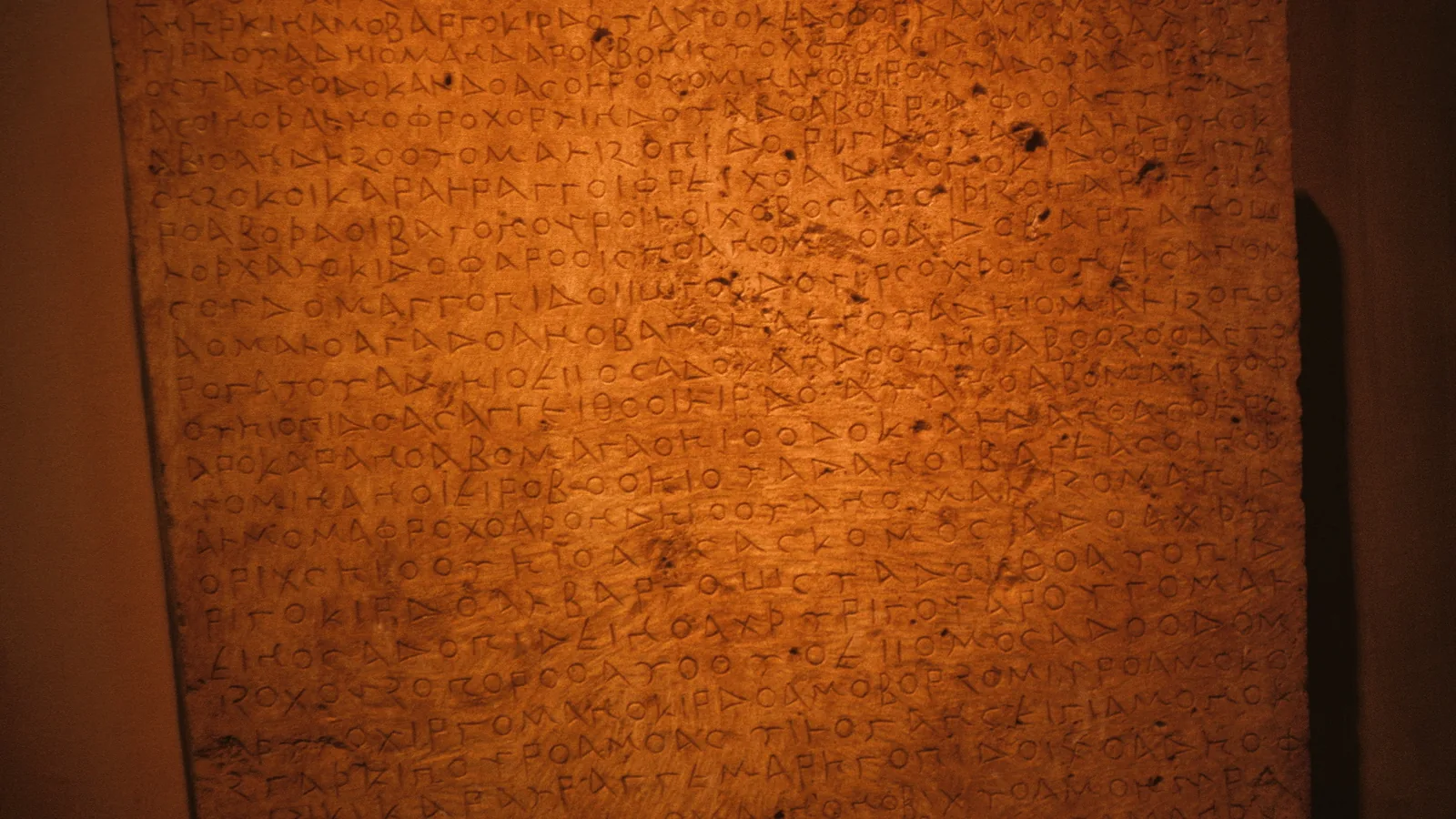
A Bactrian stone unearthed in 1993 in Baghlan gives Kanishka's year one, four generations of Kushan kings, a switch from Greek and four Gangetic cities.