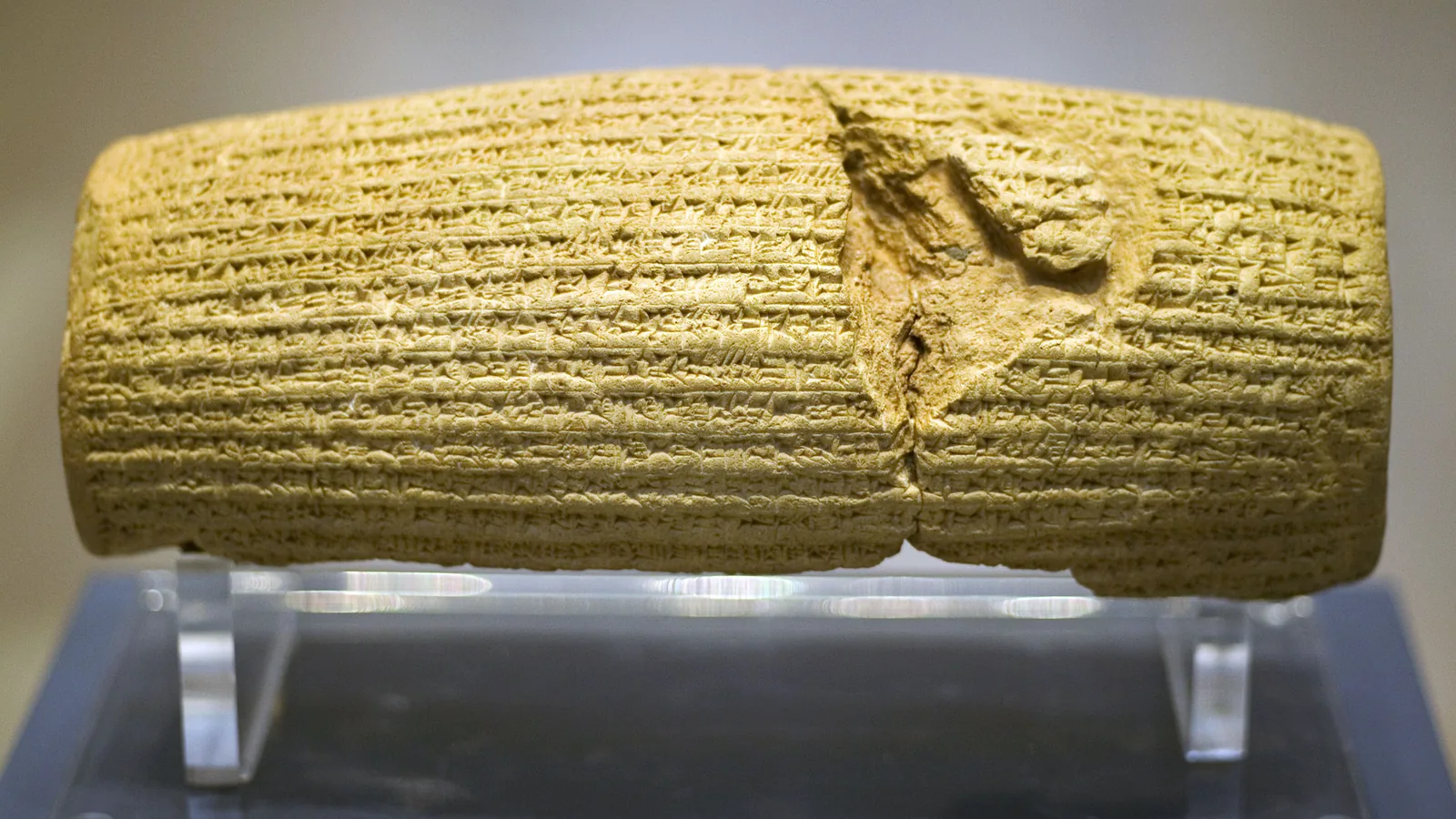
A cylinder from Babylon, 1879: a building text called a rights charter
Hormuzd Rassam dug the Cyrus Cylinder out of Babylon in 1879. The British Museum reads it as a building text; in 1971 it became a human rights symbol.
· 539 BCWest Asia in the classical world (800 BC – AD 500). Greece, Rome, Persia, the Qin and Han, the Maya: the age of the great classical states and the written histories that describe them. These articles cover their rise, their wars and the everyday lives their ruins preserve.
Hormuzd Rassam dug the Cyrus Cylinder out of Babylon in 1879. The British Museum reads it as a building text; in 1971 it became a human rights symbol.
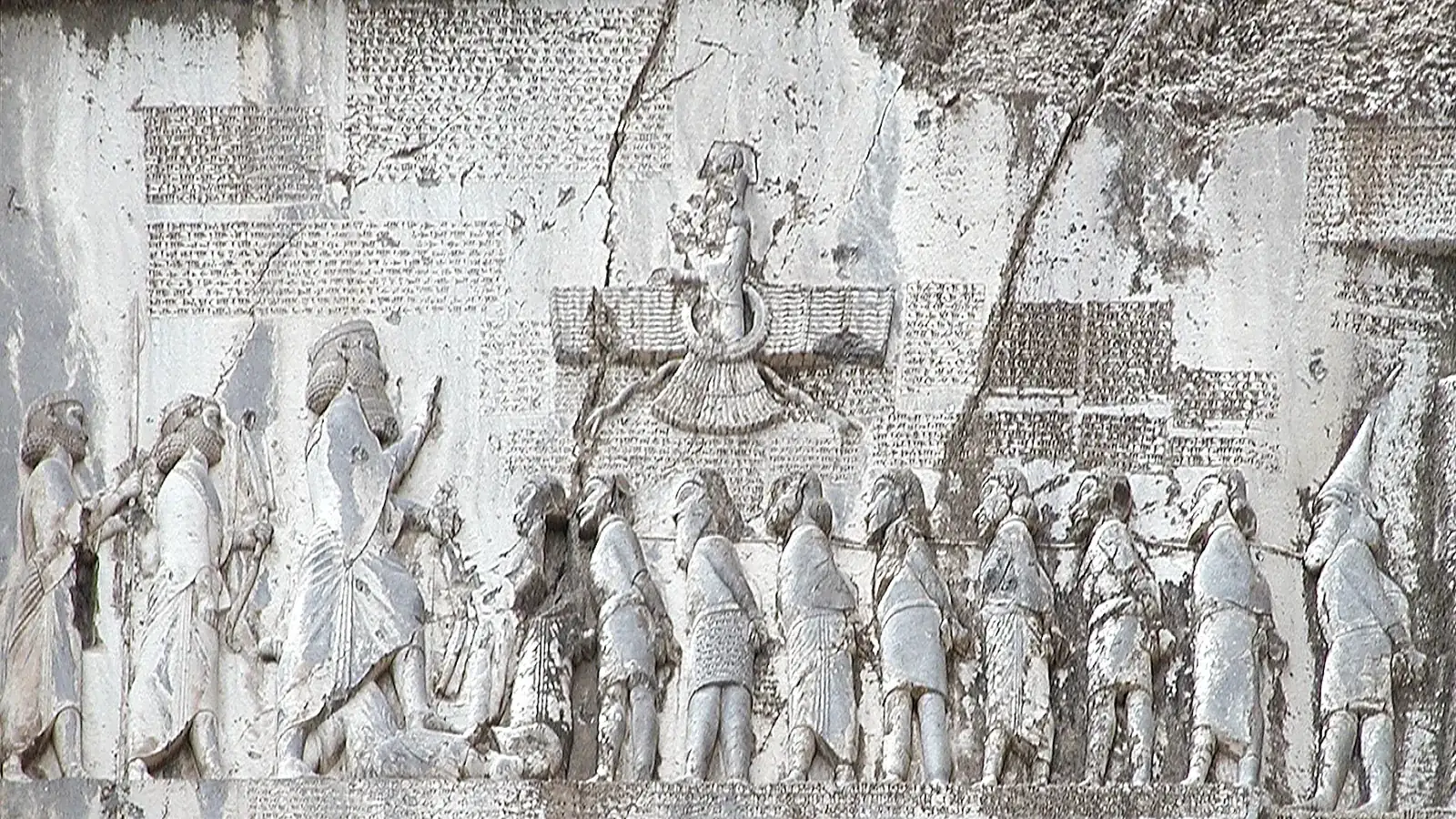
· 539 BCDarius I cut the Achaemenid empire into tax districts, linked them with a road of 111 stations and relay couriers, and paid in gold darics.
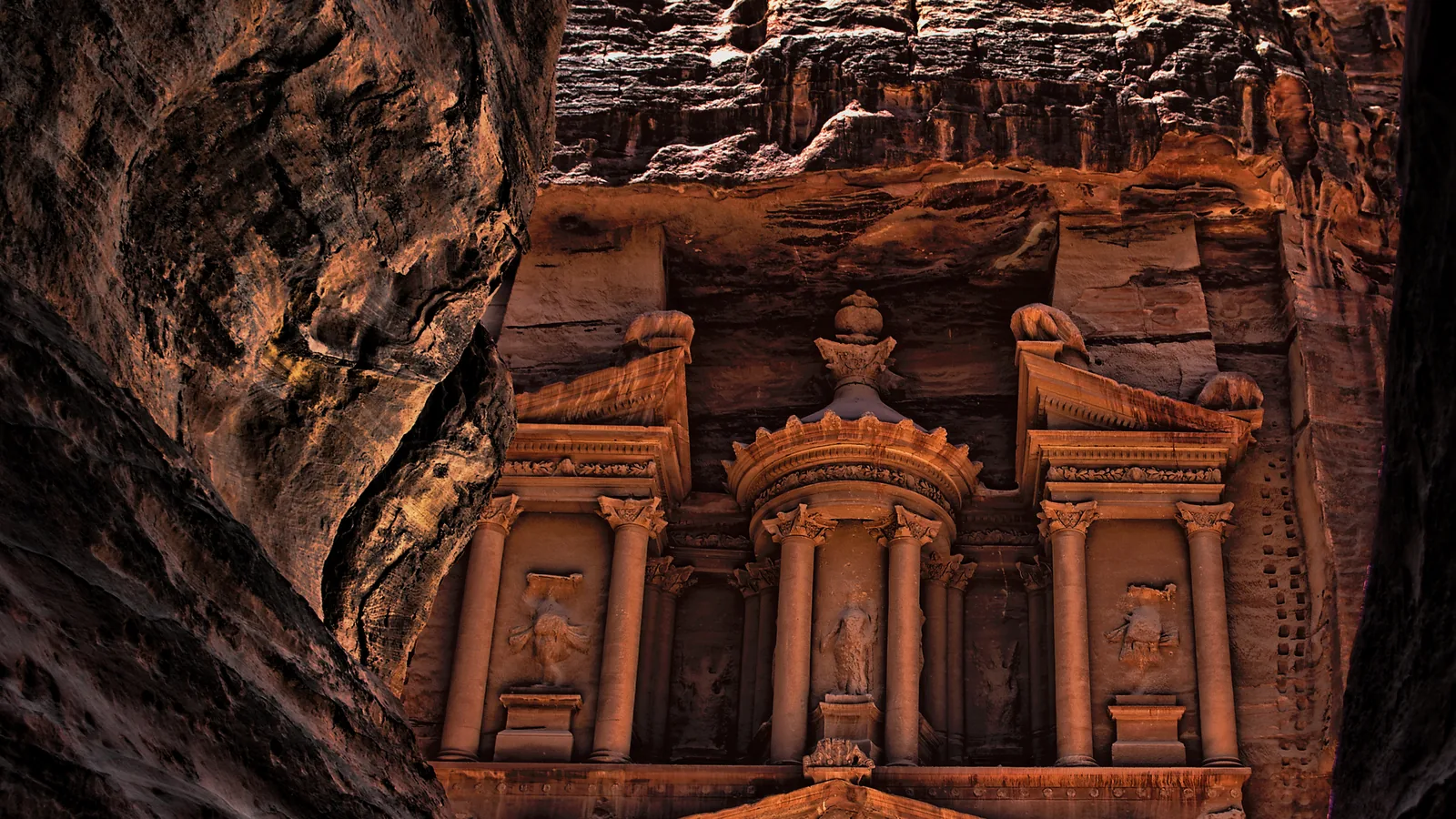
· 500 BCJohann Ludwig Burckhardt entered the valley of Petra on August 22, 1812, after telling his guide he had vowed to sacrifice a goat at the tomb of Aaron.
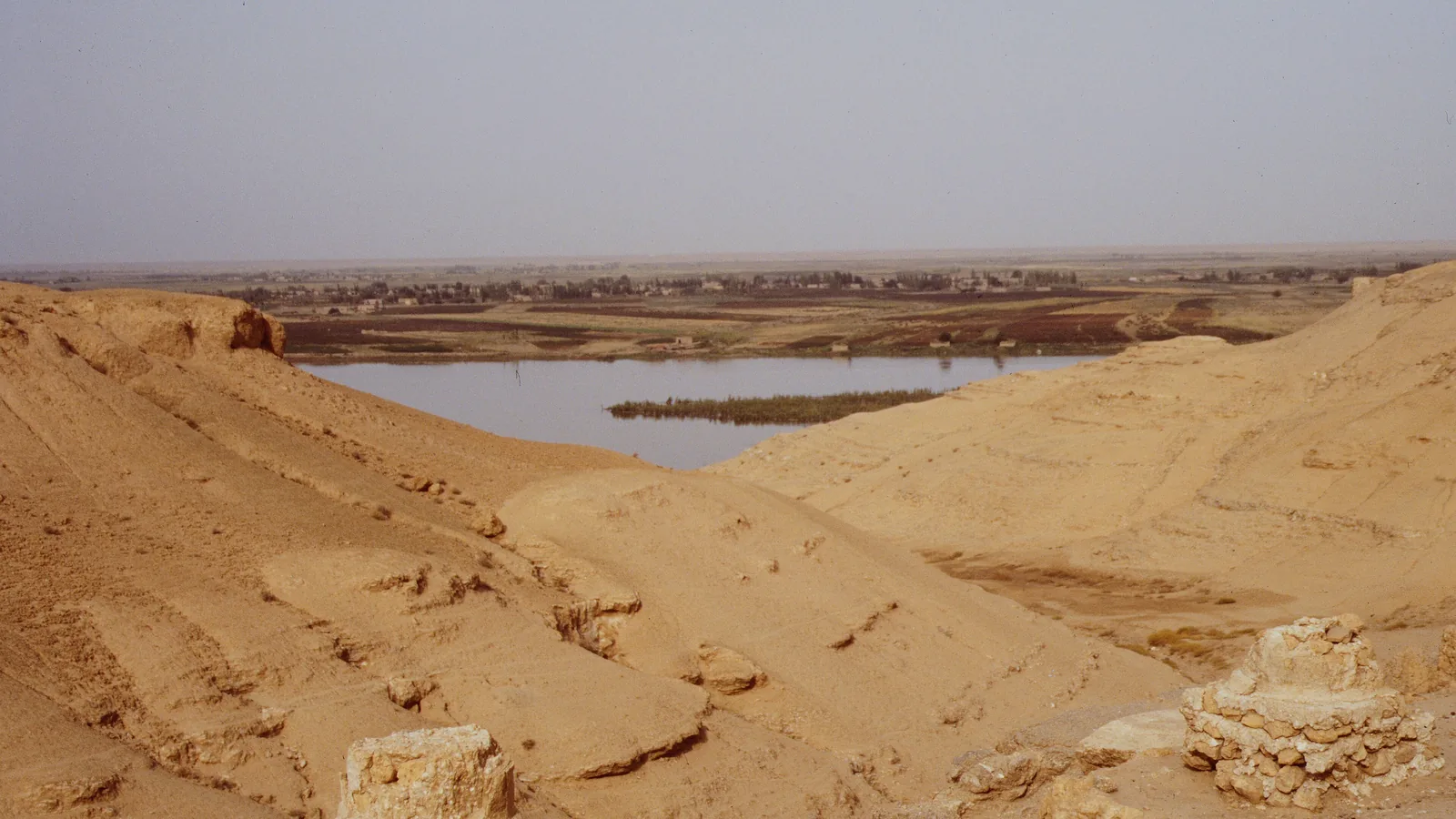
· AD 100Wall paintings found in a trench in March 1920 led to the Yale-Académie digs at Dura-Europos; its synagogue went to Damascus, its baptistery to Yale.
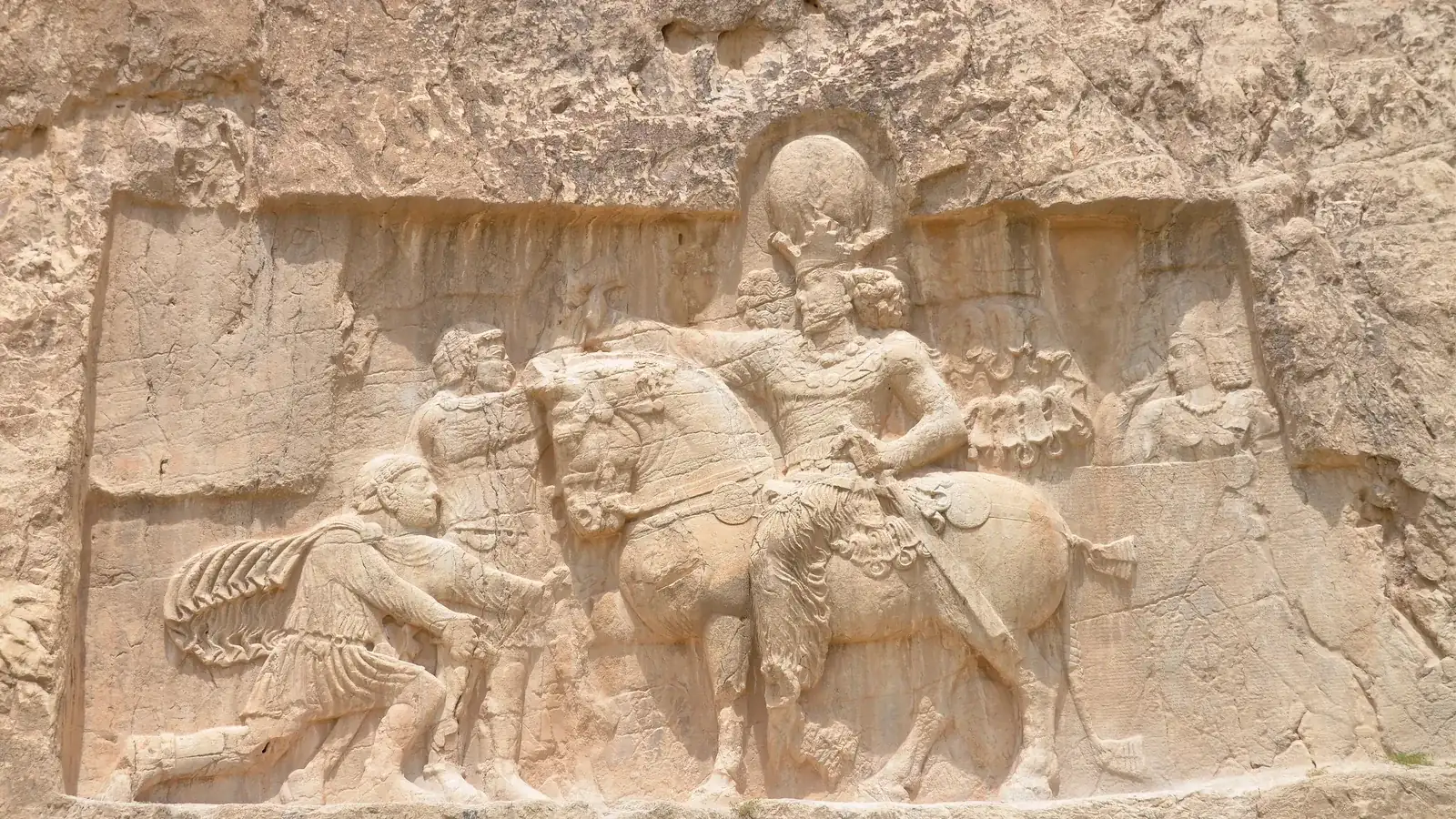
· AD 245Shapur I took Valerian prisoner near Edessa in AD 260 and recorded it in a trilingual inscription and rock reliefs in Fars. Rome told it differently.
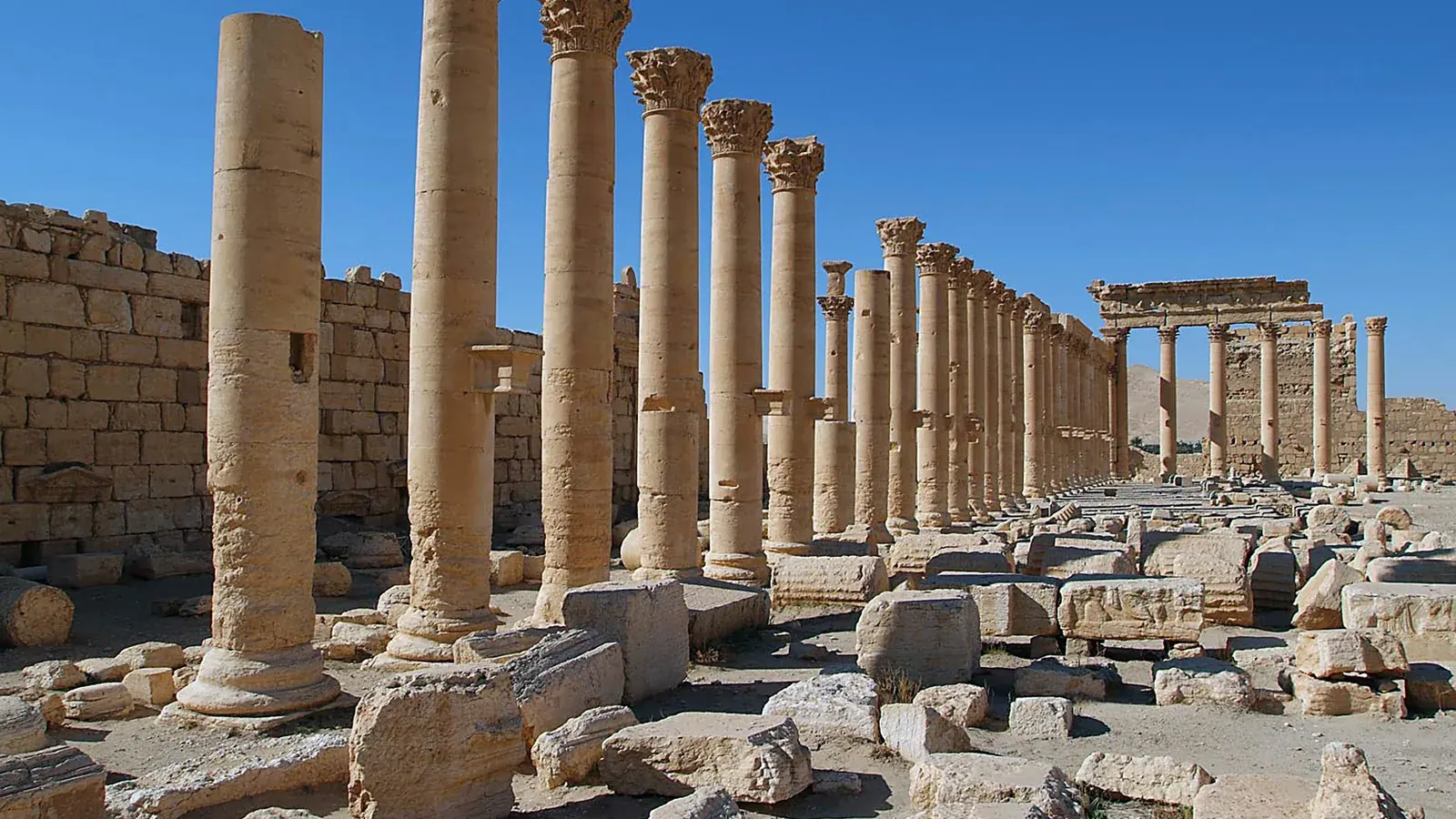
· AD 260Palmyra taxed the caravans carrying Gulf and Indian goods across the desert to Rome. That wealth let Odaenathus and Zenobia rule the Roman East until AD 272.
· AD 270