Record · Medieval world · South Asia
Act No. 39 of 2010 and the Nalanda that Xuanzang described
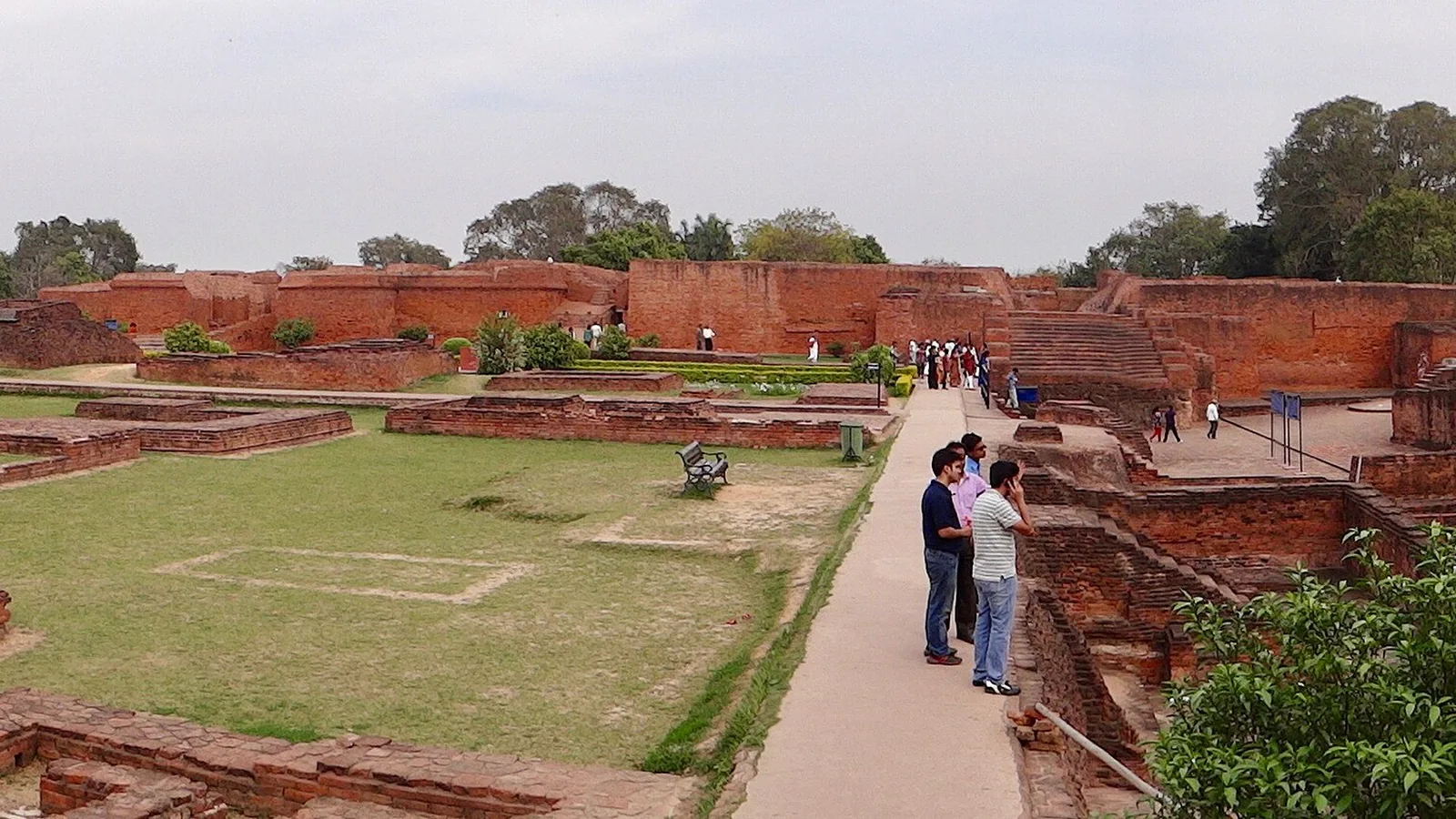
Xuanzang recorded Nalanda's gatekeeper and debates; the ASI dug the site in 1915–37 and 1974–82; an Act of September 21, 2010 revived the name.
· AD 629South Asia in the medieval world (500 – 1500). A thousand years of kingdoms, caliphates, steppe empires and trading cities between the fall of Rome and the voyages that joined the hemispheres.
Xuanzang recorded Nalanda's gatekeeper and debates; the ASI dug the site in 1915–37 and 1974–82; an Act of September 21, 2010 revived the name.
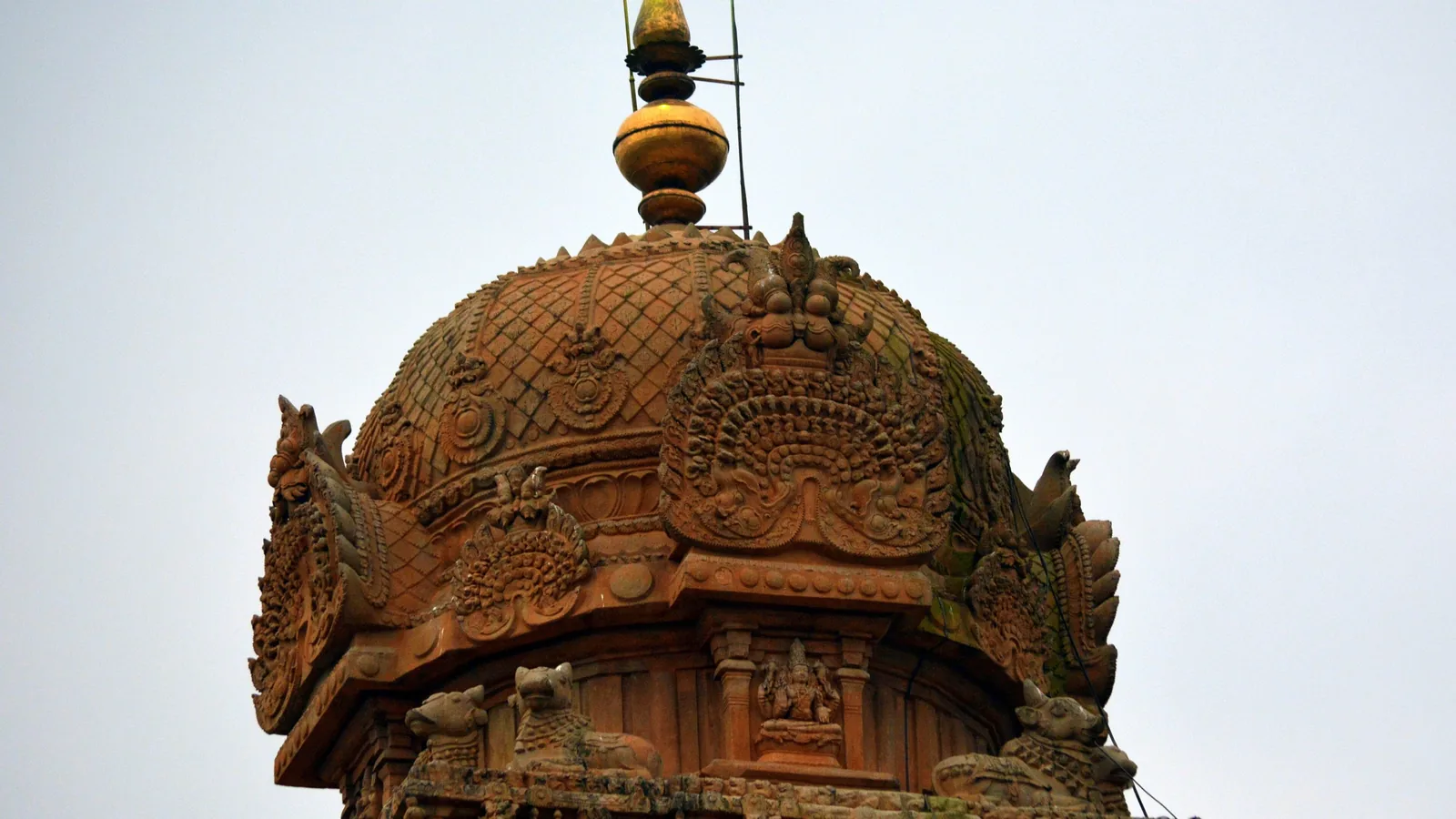
· AD 629Rajendra I's inscriptions list the ports his ships took, from Srivijaya to Kadaram, but give no reason for the war. Historians read the gap differently.
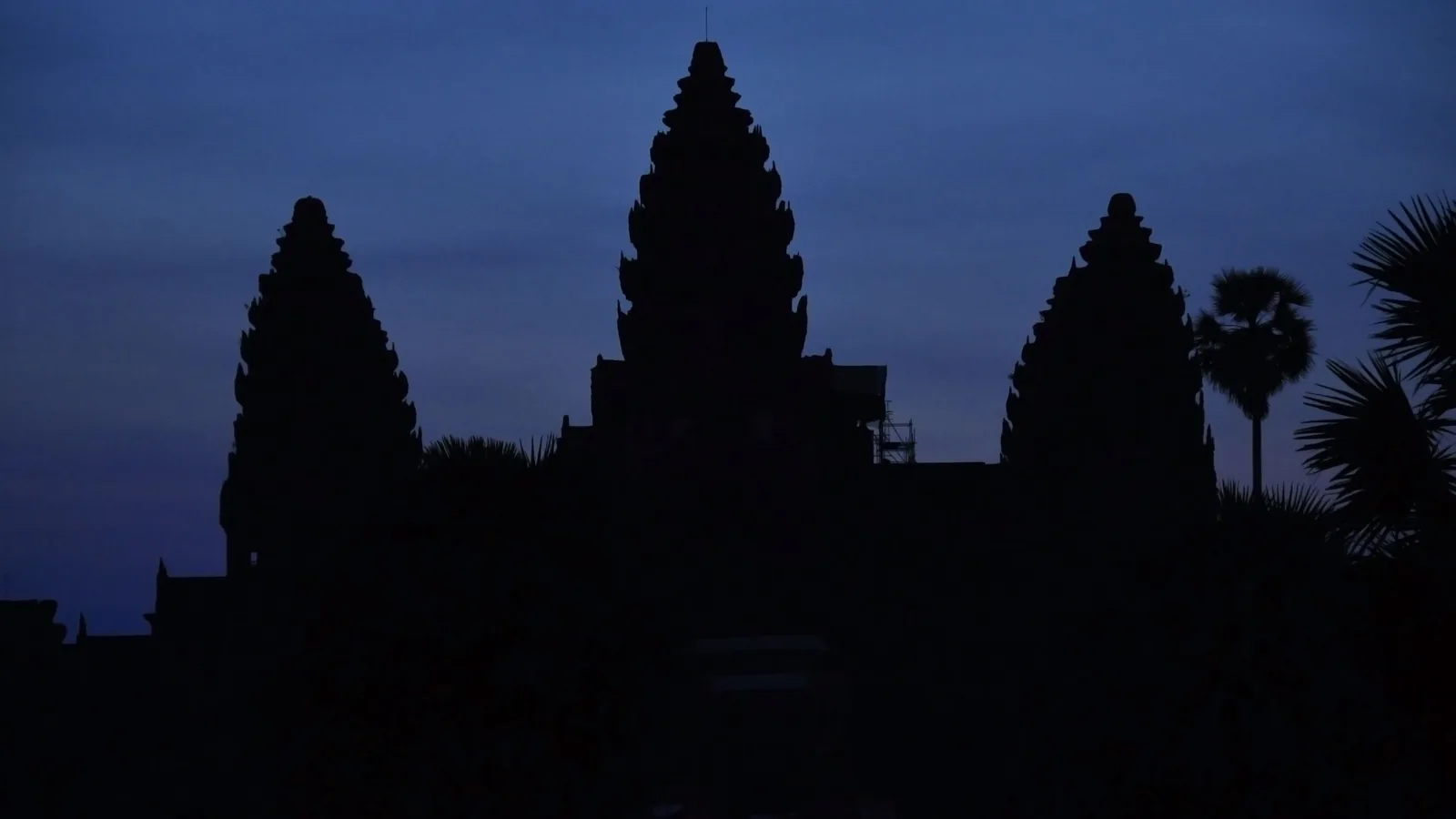
· 1025Angkor Wat was built in the reign of Suryavarman II (anointed 1113). A Chinese envoy of 1296 called it only the tomb of Lu Ban; later books credited Rome.
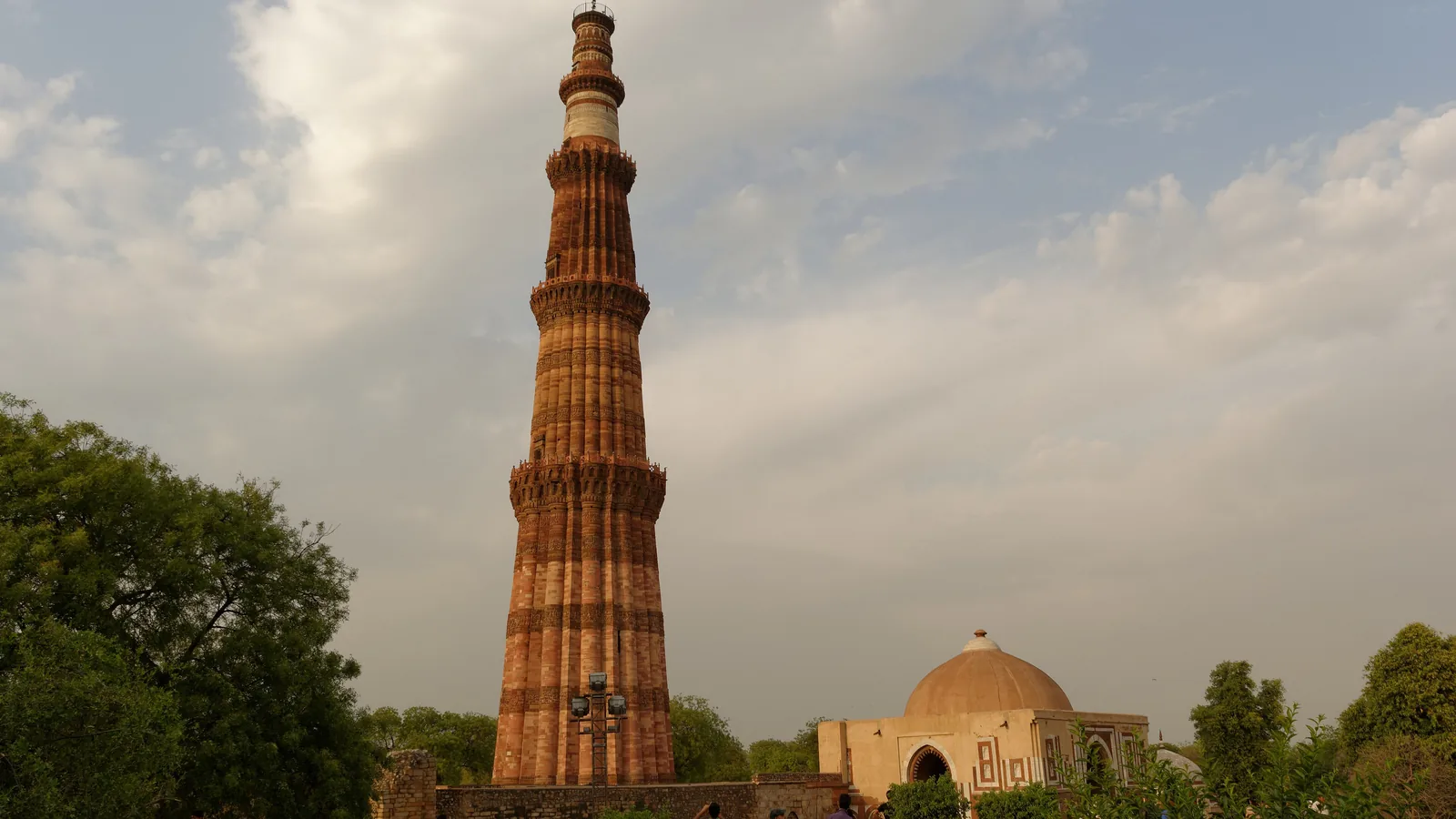
· 1113The Archaeological Survey of India dates the Qutb Minar to 1199; a metallurgist traces its courtyard iron pillar to Udayagiri, centuries earlier.
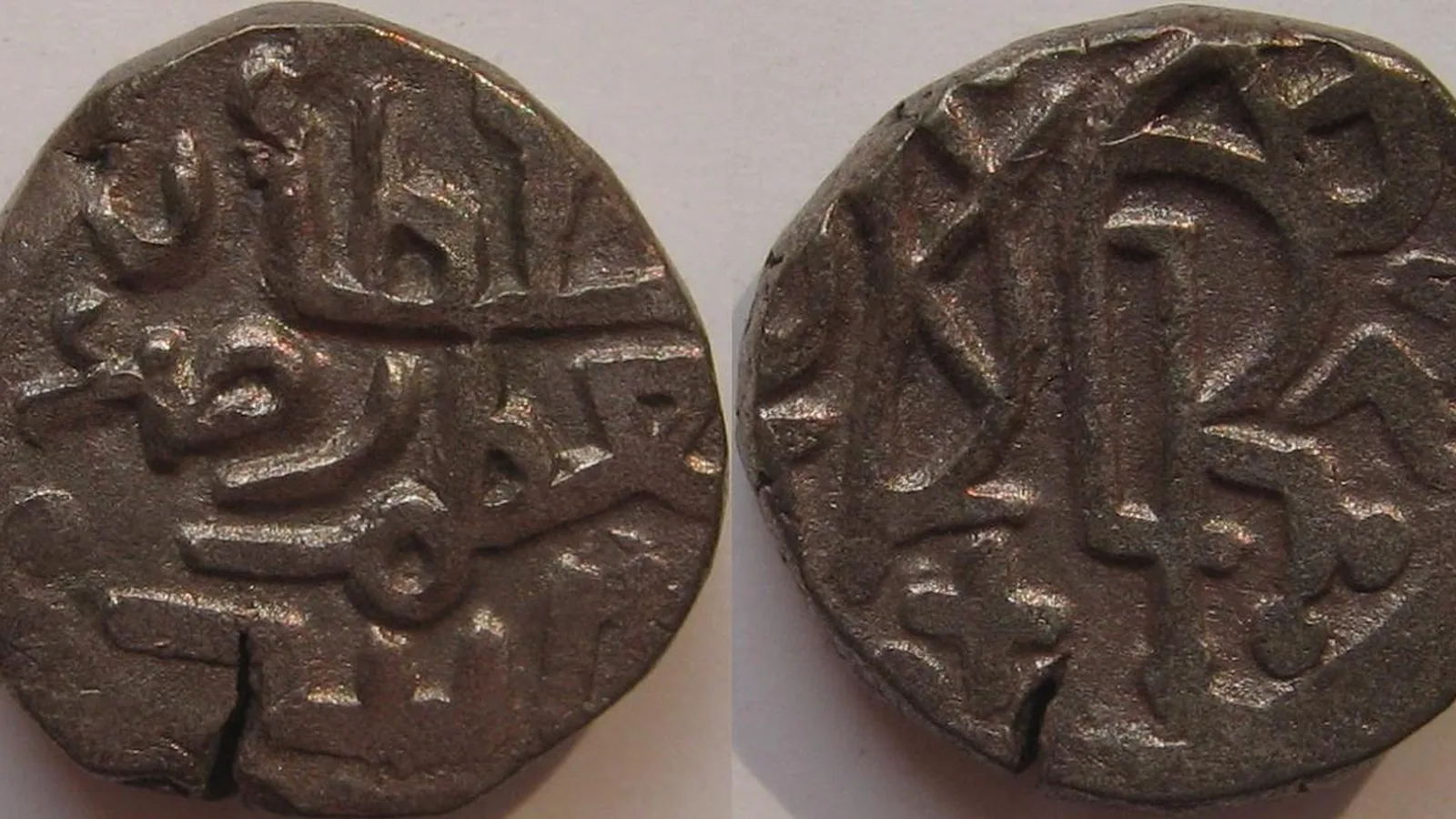
· 1199Minhaj's Tabaqat-i Nasiri records Iltutmish naming his daughter Raziyya heir over his sons. She ruled Delhi 1236-1240 and died near Kaithal in 1240.
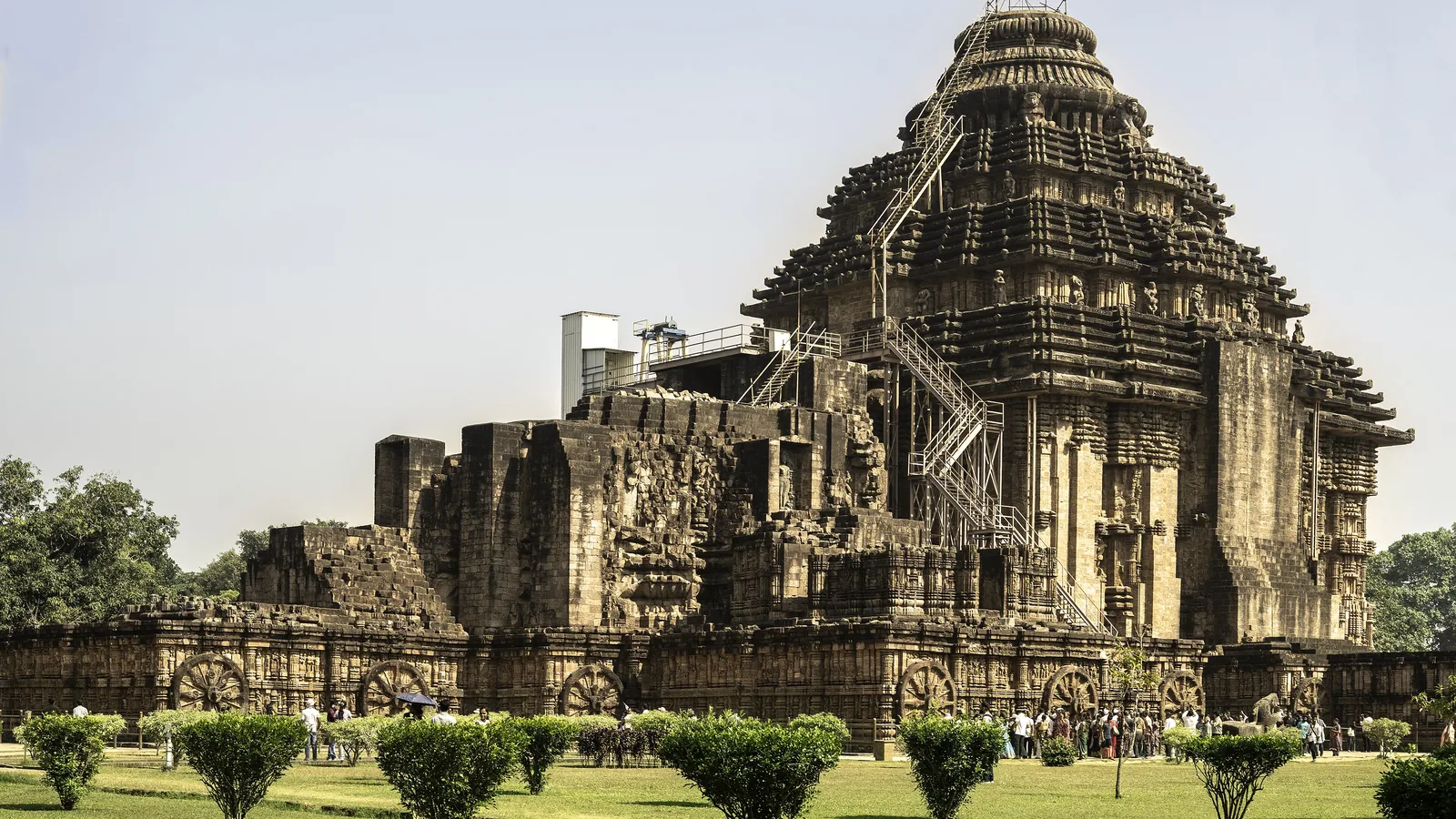
· 1236The Archaeological Survey of India calls Konark's Sun Temple a stone chariot with twelve pairs of wheels and seven horses; its hall held sand until 2022.
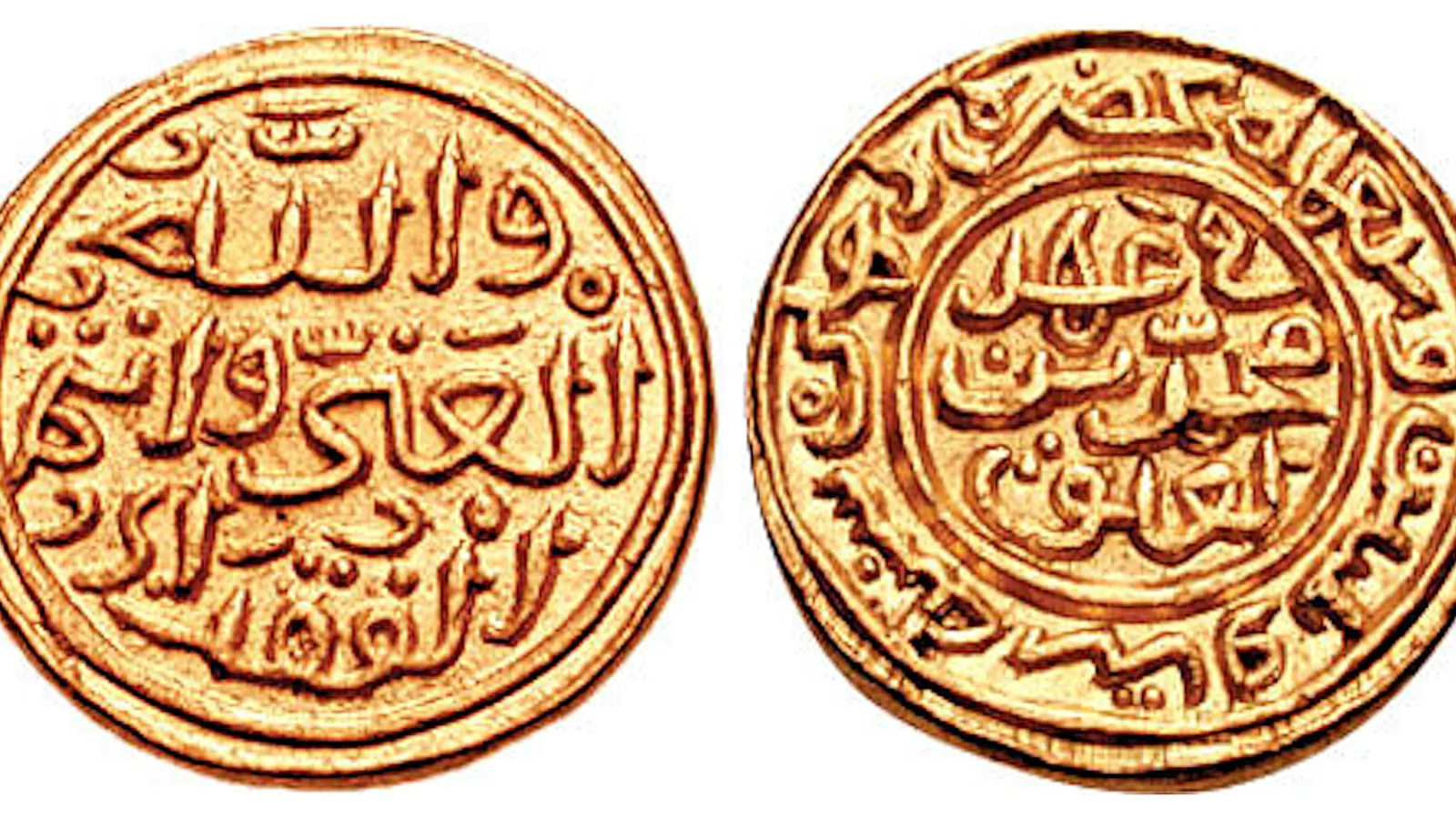
· 1250Ibn Battuta met Muhammad bin Tughluq on June 8, 1334, and served as qadi at 12,000 dinars a year. In 1342 he left for China and was wrecked at Calicut.
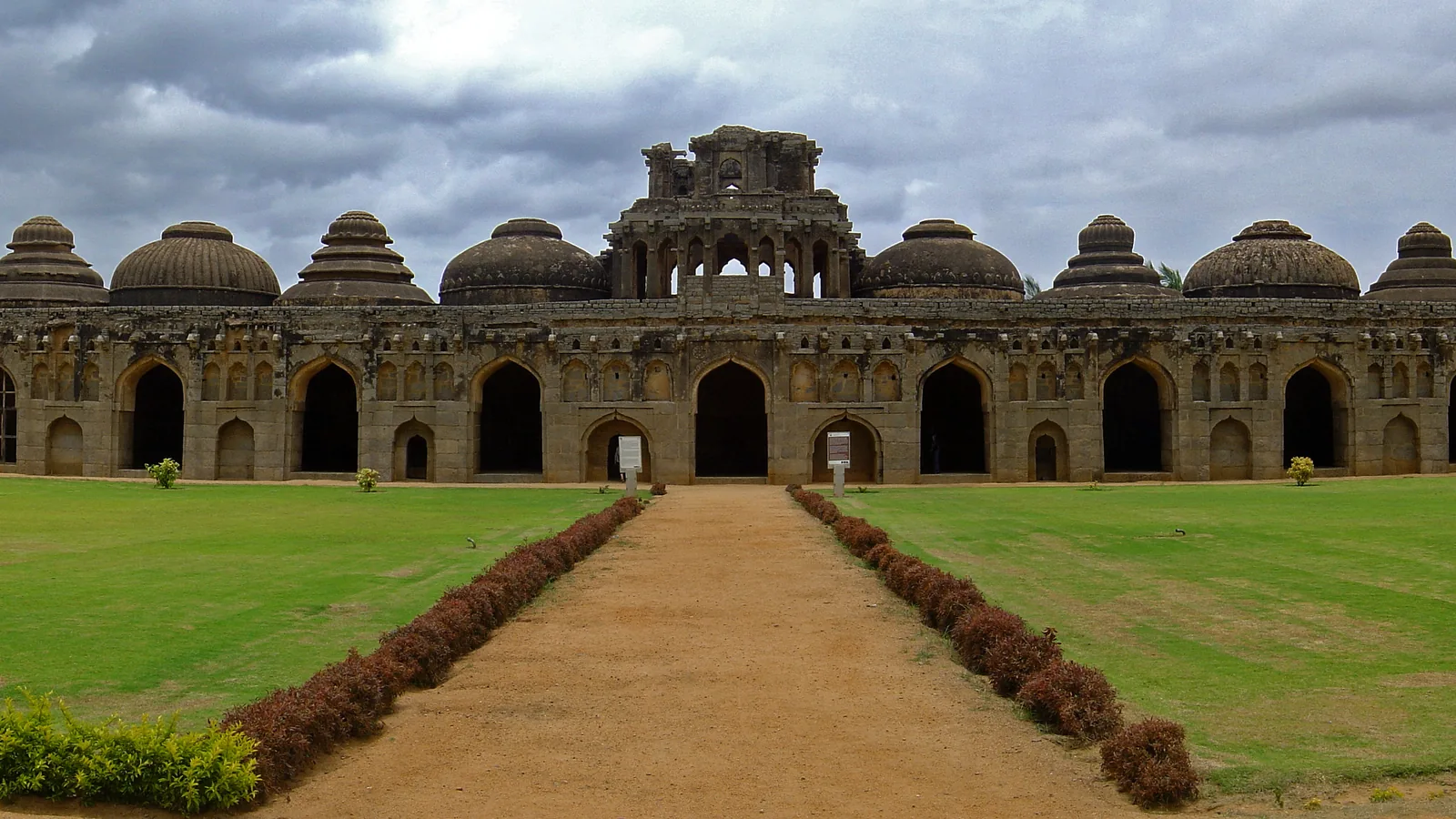
· 1334A Herat envoy reached Vijayanagara in April 1443 and described seven walls, rose bazaars and elephant stables. The city was sacked after January 23, 1565.
· 1443