'Almost impossible to establish any relationship': Kennewick Man
.jpg)
TL;DR — A skull found in the Columbia River in 1996 set off a lawsuit, a 2015 genome study and a 2016 law that sent Kennewick Man to five tribes in 2017.
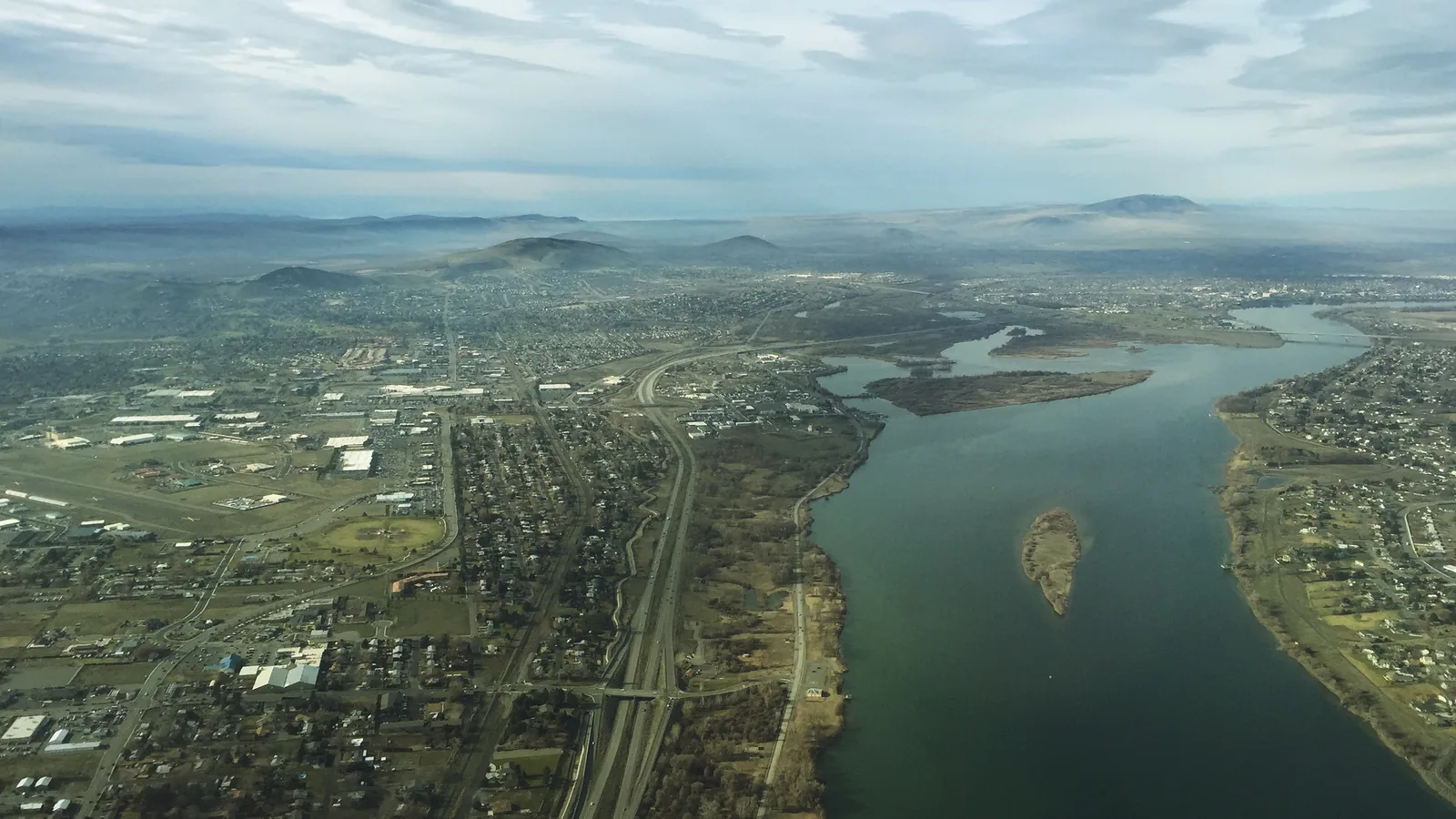
The Burke Museum’s account of the discovery states that “on July 28, 1996, two men at Columbia Park in Kennewick, Washington, accidentally found part of a human skull on the bottom of the Columbia River, about ten feet from shore.” The Ninth Circuit’s 2004 opinion in the case that followed describes the same event differently, recording that “teenagers going to a boat race discovered a human skull and bones near the shore of the Columbia River just outside Kennewick, Washington.” Later searches turned up a nearly complete skeleton, which the museum calls the Ancient One and Kennewick Man. Eight scientists sued after the Army Corps of Engineers moved to transfer the bones to tribes under a federal repatriation law, and the Ninth Circuit sided with the scientists in 2004. A genome study published in 2015 reversed an earlier finding on the skeleton’s ancestry, and Congress ordered its transfer to five tribes in December 2016.
Quick facts
- When
- July 28, 1996 (discovery); September 10, 1996 (Army Corps seizure); April 19, 2004 (Ninth Circuit ruling); September 2014 (Owsley morphology finding); July 23, 2015 (Nature genome study); December 16, 2016 (Public Law 114-322); February 17 and 18, 2017 (return and reburial)
- Where
- Columbia Park on the Columbia River, Kennewick, Washington; the Burke Museum in Seattle; the U.S. District Court for the District of Oregon and the Ninth Circuit Court of Appeals
- Who
- James Chatters; Douglas Owsley; Robson Bonnichsen and seven co-plaintiff scientists; Judge John Jelderks; Morten Rasmussen and his co-authors; Eske Willerslev; the Confederated Tribes of the Colville Reservation, the Confederated Tribes and Bands of the Yakama Nation, the Nez Perce Tribe, the Confederated Tribes of the Umatilla Indian Reservation and the Wanapum Band of Priest Rapids
- Outcome
- The Ninth Circuit affirmed in 2004 that study could continue because no relationship to present-day tribes had been shown; a 2015 genome study found the opposite, a link to modern Native Americans; Congress ordered the remains transferred to five tribes in December 2016, and they were reburied in February 2017
James Chatters and a stone point in the pelvis
James Chatters, a forensic anthropologist working under an Archaeological Resources Protection Act permit for the county coroner, recovered the bones from the riverbank. The skull’s shape at first suggested an early European settler to Chatters, until a stone projectile point in the pelvis was identified as a style that predated European contact, the Ninth Circuit’s opinion states. A laboratory that tested a small sample of metacarpal bone reported the age as “between 8340 and 9200 years old,” the opinion adds. On August 31, 1996, Douglas Owsley, the Smithsonian Institution’s physical anthropology curator, arranged with Chatters to bring the bones to the National Museum of Natural History. Four tribes invoked the Native American Graves Protection and Repatriation Act and asked for immediate burial, and the Corps, which controlled the land where the bones lay, agreed. It “seized the remains on September 10, 1996, shortly before they could be transported to the Smithsonian,” the opinion states, and stopped DNA testing already underway.
Eight scientists and a NAGPRA definition
The scientists who sued were Robson Bonnichsen, director of the Center for the Study of the First Americans at Oregon State University, and included C. Loring Brace, a curator at the University of Michigan’s anthropology museum; four anthropology professors, George Gill, Vance Haynes, Richard Jantz and D. Gentry Steele; and two Smithsonian scientists, Owsley and Dennis Stanford, head of the museum’s Paleo Indian Program. Their case turned on how NAGPRA defines its subject. The Ninth Circuit’s opinion explains that “NAGPRA mandates a two-part analysis. The first inquiry is whether human remains are Native American within the statute’s meaning,” and that the law defines remains as Native American only if they are “of, or relating to, a tribe, people, or culture that is indigenous to the United States.” Judge John Jelderks of the District of Oregon ruled for the scientists in 2002, permitting study rather than transfer for burial. The Ninth Circuit agreed, writing that “the age of Kennewick Man’s remains, given the limited studies to date, makes it almost impossible to establish any relationship between the remains and presently existing American Indians.” The Burke Museum records that the appellate court affirmed the district court on April 19, 2004.
1998: the Burke Museum's neutral custody
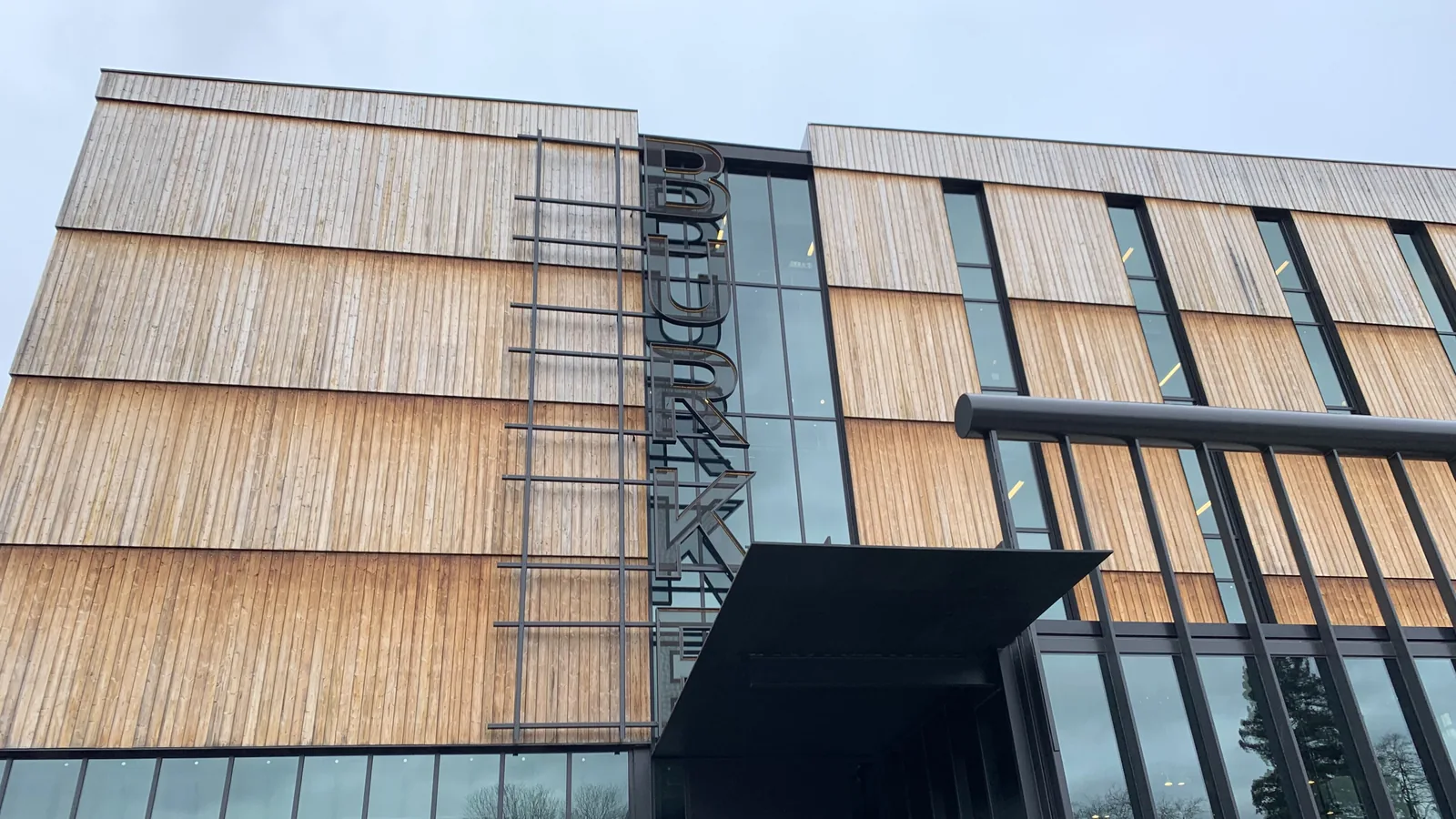
During the litigation, the court named the Burke Museum, the Washington State Museum of Natural History and Culture in Seattle, as what the museum calls “the most suitable neutral place for the safekeeping of The Ancient One.” The Corps’ Northwestern Division contracted the museum for curatorial services beginning in 1998, and the museum states that “The Ancient One was never displayed.” After the 2004 ruling, the plaintiffs and their colleagues made three research visits to the museum. Those studies refined the skeleton’s age to 8,358 plus or minus 21 radiocarbon years before present, or 8,400 to 8,690 calibrated years, and found evidence that, as Morten Rasmussen and his co-authors wrote in Nature in 2015, “the body had been intentionally buried and had eroded out shortly before discovery.”

'Closer to modern Native Americans than to any other population'
In September 2014, Owsley, a plaintiff in the case, presented findings based on skull shape. The Burke Museum summarizes his conclusion: the skeleton’s morphology indicated it was not of Native American affinity and “may have been more closely related to Circum-Pacific groups such as the Ainu and Polynesians.” Owsley and Richard Jantz set out the full study that year in Kennewick Man: The Scientific Investigation of an Ancient American Skeleton, a 669-page volume from Texas A&M University Press. Ten months later, Rasmussen and his co-authors reached the opposite conclusion. They sequenced roughly a single-fold coverage of the genome from 200 milligrams of the metacarpal specimen and published the results in Nature on July 23, 2015, work the Burke Museum says was led by the University of Copenhagen geneticist Eske Willerslev. The paper states that “Kennewick Man is closer to modern Native Americans than to any other population worldwide,” and that the Confederated Tribes of the Colville Reservation, one of five tribes claiming him, appear descended from a population closely related to his. The same paper revisited the cranial evidence and concluded that “it is not possible on that basis to affiliate Kennewick Man to specific contemporary groups.”
Public Law 114-322 and five claimant tribes
Congress acted in December 2016. Section 1152 of Public Law 114-322, the Water Infrastructure Improvements for the Nation Act, approved December 16, 2016, states that “notwithstanding any other provision of Federal law, including the Native American Graves Protection and Repatriation Act,” the Secretary, “acting through the Chief of Engineers,” had 90 days to transfer the remains to the Washington State Department of Archaeology and Historic Preservation for repatriation. The law names five claimant tribes: the Confederated Tribes of the Colville Reservation, the Confederated Tribes and Bands of the Yakama Nation, the Nez Perce Tribe, the Confederated Tribes of the Umatilla Indian Reservation and the Wanapum Band of Priest Rapids. The Burke Museum records that “on Friday, February 17, 2017, the remains of The Ancient One, otherwise known as Kennewick Man, were returned to the tribes who claim him as their ancestor,” and that they “were reburied in a private ceremony and location, according to the traditions of the tribes.” HistoryLink, a nonprofit online encyclopedia of Washington state history, dates the reburial itself to the early morning of February 18, 2017, with about 200 people from the five tribes in attendance.
Key facts
- On July 28, 1996, two men found part of a skull in the Columbia River at Kennewick, Washington (Burke Museum); the Ninth Circuit’s 2004 opinion describes the finders as “teenagers going to a boat race.”
- The first laboratory estimate put the bones at “between 8340 and 9200 years old” (Bonnichsen v. United States, 2004).
- The Army Corps of Engineers seized the remains on September 10, 1996, before Douglas Owsley could bring them to the Smithsonian, and halted DNA testing already underway.
- The Ninth Circuit affirmed a 2002 district ruling for the scientist-plaintiffs on April 19, 2004, finding it “almost impossible to establish any relationship” to present-day tribes.
- Later study refined the age to 8,358 plus or minus 21 radiocarbon years before present, or 8,400 to 8,690 calibrated years (Rasmussen et al., Nature, 2015).
- Owsley’s September 2014 morphological study found Circum-Pacific affinity “such as the Ainu and Polynesians”; the 2015 Nature genome study found the opposite, that Kennewick Man is “closer to modern Native Americans than to any other population worldwide.”
- Public Law 114-322, approved December 16, 2016, ordered the remains transferred to Washington state within 90 days, “notwithstanding” NAGPRA, for return to five claimant tribes.
- The Burke Museum returned the remains to the tribes on February 17, 2017; HistoryLink dates the reburial to the early morning of February 18, 2017, with about 200 people present.
FAQ
Who found Kennewick Man?
The Burke Museum records that two men found part of a skull at Columbia Park in Kennewick, Washington, on July 28, 1996. The Ninth Circuit's 2004 opinion in Bonnichsen v. United States describes the finders as "teenagers going to a boat race."
Why did scientists sue over the remains?
Eight scientists, including Robson Bonnichsen, Douglas Owsley and Dennis Stanford, sued after the Army Corps of Engineers moved to transfer the bones to tribes under NAGPRA. The Ninth Circuit ruled in 2004 that the remains' age made it "almost impossible to establish any relationship" to present-day tribes, and allowed study to continue.
What did the 2015 genome study find?
Rasmussen and his co-authors sequenced about a single-fold coverage of the genome from a metacarpal bone sample and reported in Nature that Kennewick Man "is closer to modern Native Americans than to any other population worldwide," a reversal of an earlier morphological finding.
Sources
- Burke Museum, "The Ancient One, Kennewick Man," published February 20, 2017.
- Bonnichsen v. United States, 367 F.3d 864 (9th Cir. 2004), full opinion via FindLaw.
- Texas A&M University Press, book page for Kennewick Man: The Scientific Investigation of an Ancient American Skeleton, ed. Douglas W. Owsley and Richard L. Jantz (2014).
- Morten Rasmussen et al., "The Ancestry and Affiliations of Kennewick Man," Nature 523 (July 23, 2015): 455-458, author manuscript via PMC (PMC4878456).
- Water Infrastructure Improvements for the Nation Act, Public Law 114-322, Sec. 1152, "Kennewick Man," via govinfo.gov.
- HistoryLink, File 21141, "Columbia Plateau tribes rebury the Ancient One (Kennewick Man) on February 18, 2017."
Cite this article
- APA
- Our Earth's History. (2026, September 24). 'Almost impossible to establish any relationship': Kennewick Man. Our Earth's History. https://ourearthshistory.com/americas/prehistory/kennewick-man-july-28-1996-bonnichsen-2004-genome-2015-reburial-2017/
- Chicago
- Our Earth's History. “'Almost impossible to establish any relationship': Kennewick Man.” Our Earth's History, September 24, 2026. https://ourearthshistory.com/americas/prehistory/kennewick-man-july-28-1996-bonnichsen-2004-genome-2015-reburial-2017/.
- MLA
- “'Almost impossible to establish any relationship': Kennewick Man.” Our Earth's History, 24 Sep. 2026, https://ourearthshistory.com/americas/prehistory/kennewick-man-july-28-1996-bonnichsen-2004-genome-2015-reburial-2017/.
Text licensed CC BY-NC-ND 4.0. Found an error? Tell us.