The Mona Lisa was stolen in 1911, and that is when the world learned its name
On 21 August 1911 the Mona Lisa was taken from the Louvre. It was missing for over two years; the Louvre says the theft made the painting world-famous.
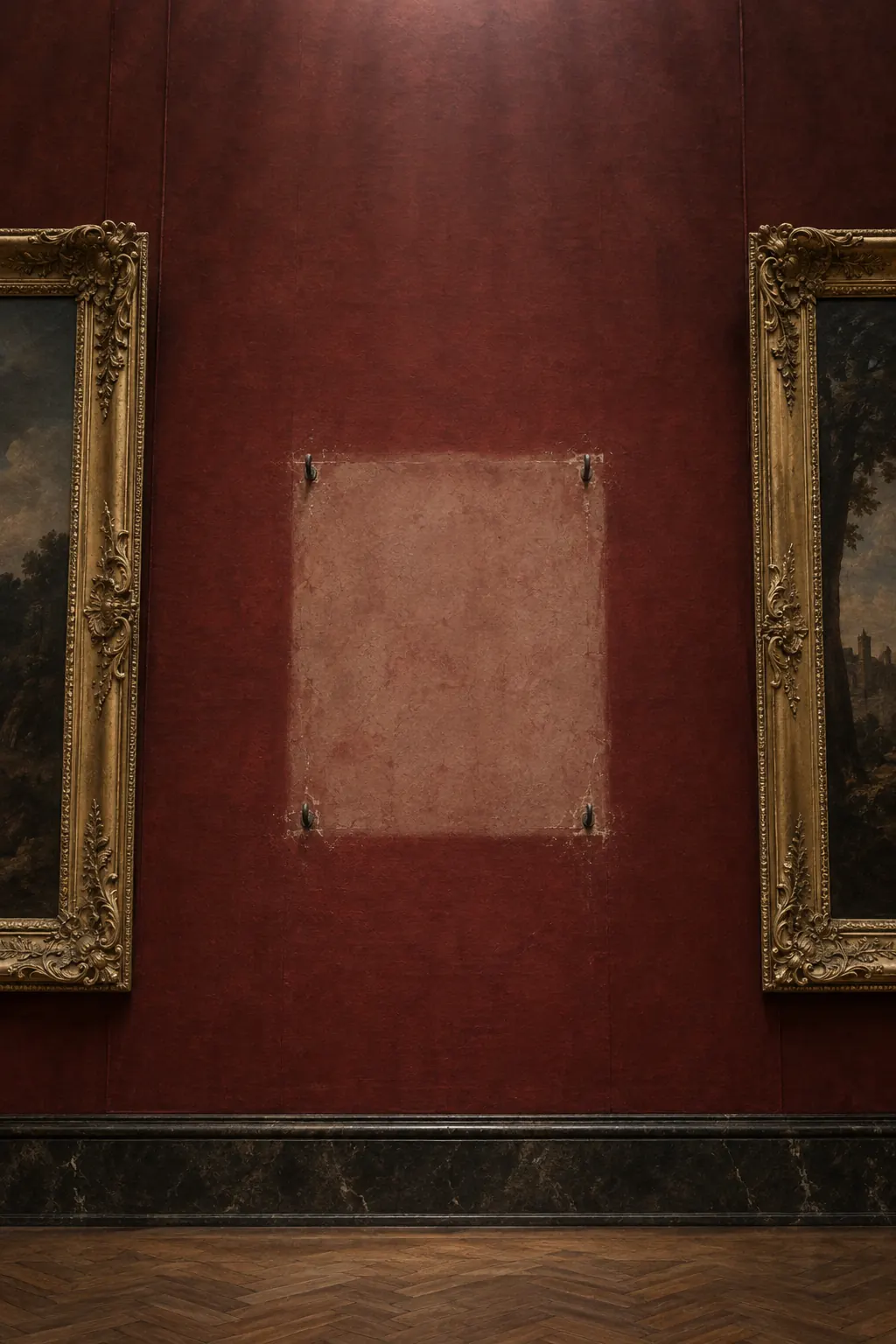
Why thousands queued to see the empty wall where the Mona Lisa had hung.
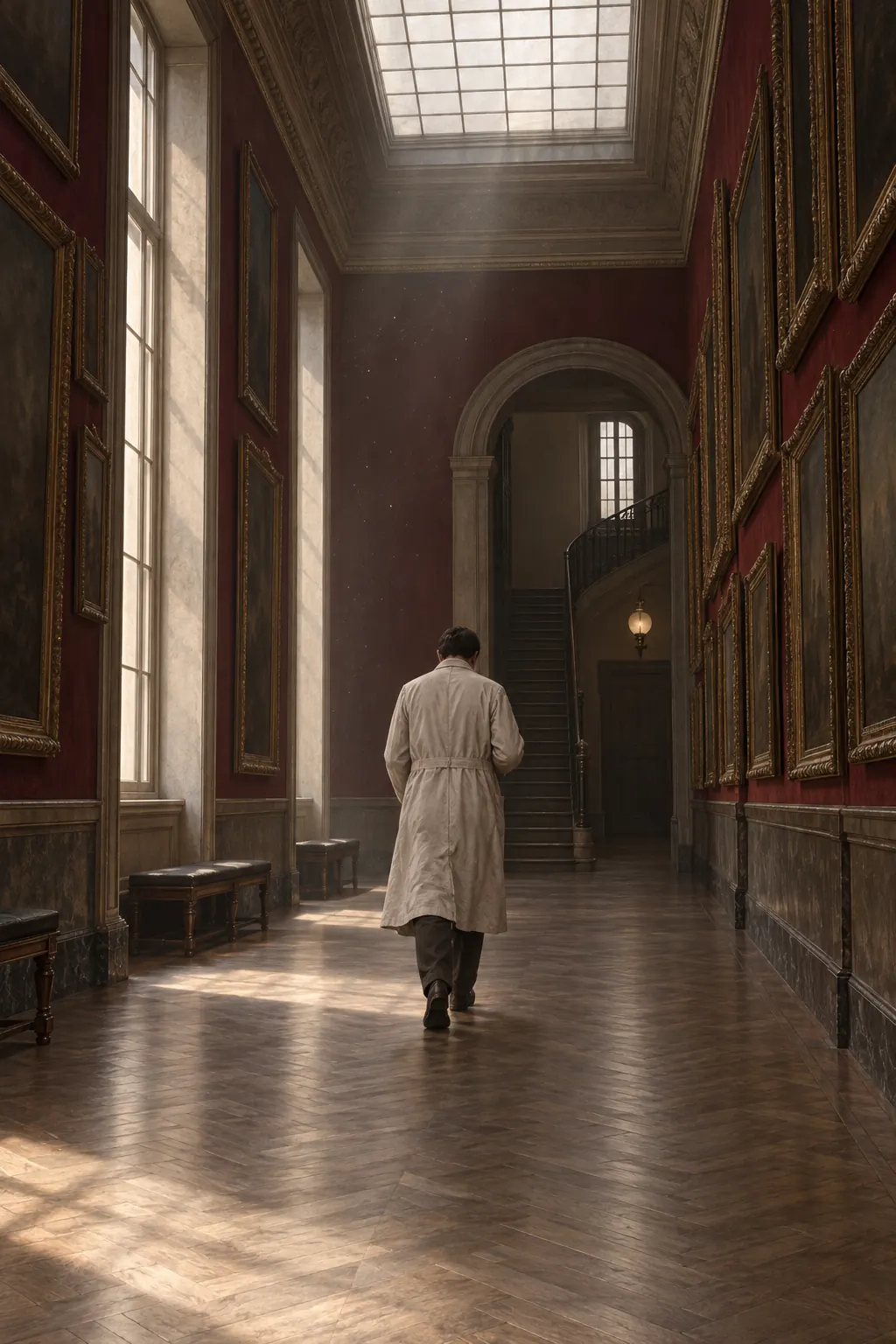
Monday 21 August 1911, the day the Louvre in Paris was closed. That morning a man in a white workman's smock walked out with a small painting hidden under it.
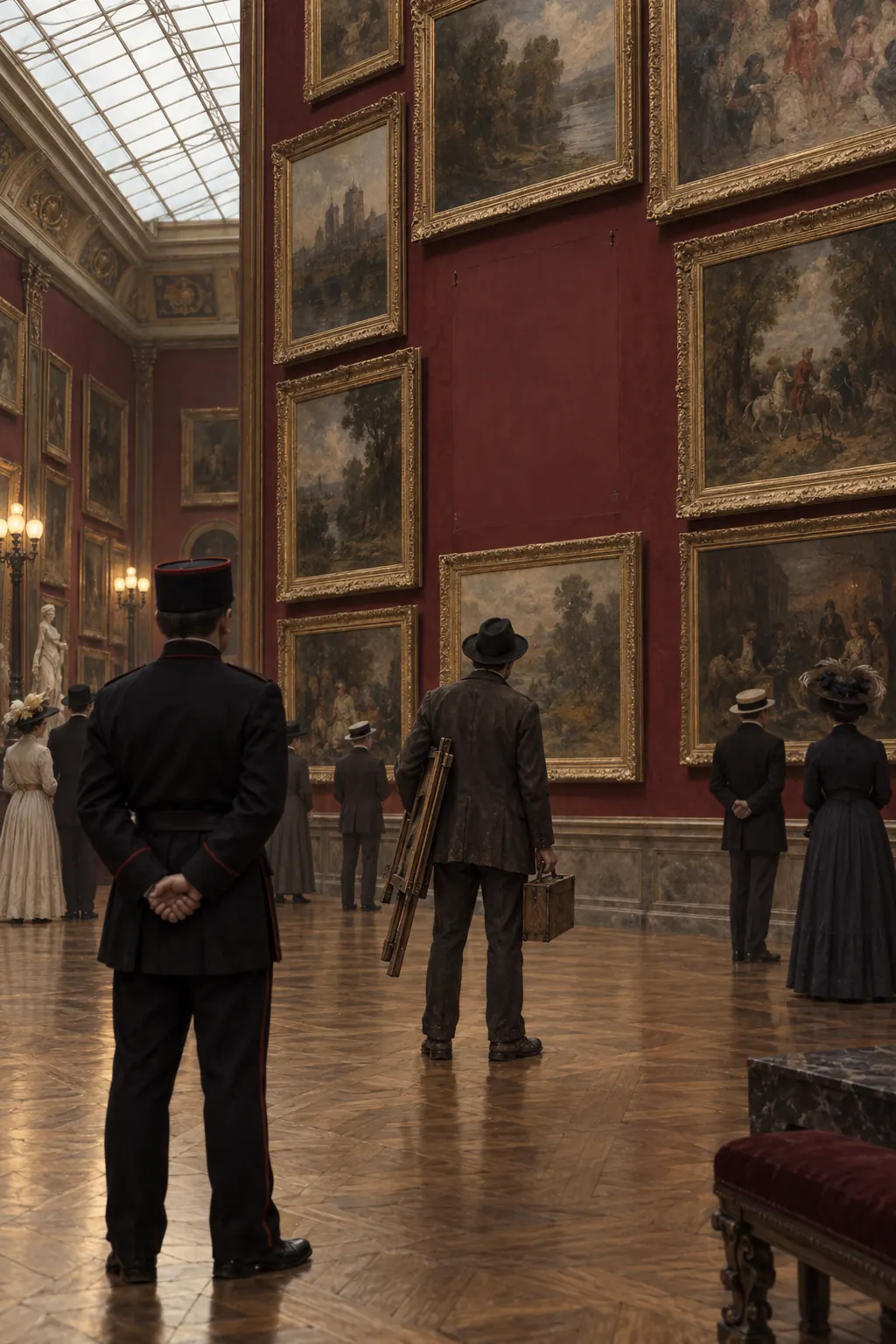
Nobody noticed for more than a day. Paintings were often taken down for a while to be photographed. It was only when an artist who came in to paint found the space empty that the alarm went up.
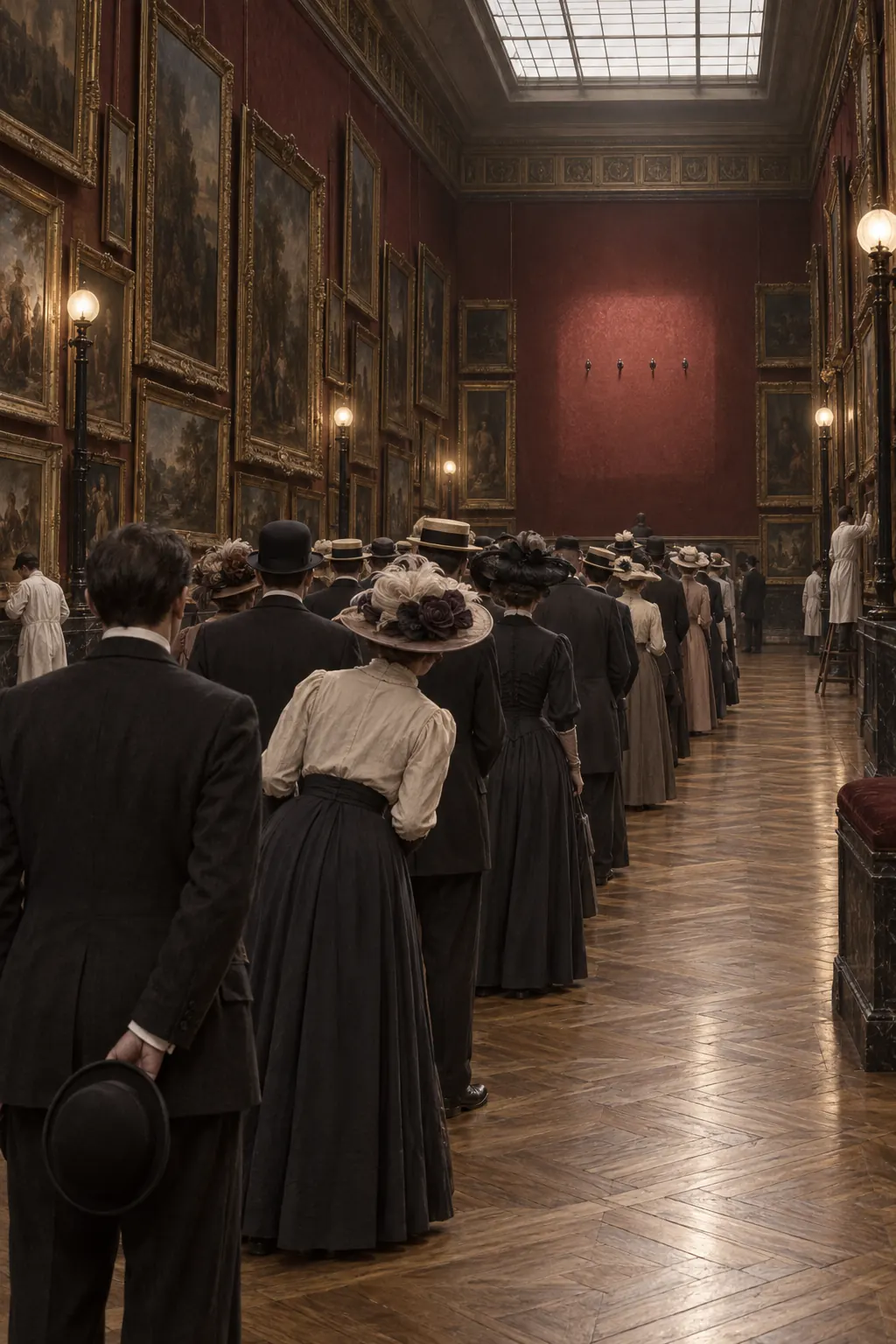
The missing painting was Leonardo da Vinci's Mona Lisa. When the museum reopened about a week later, thousands queued up to look at the empty wall where it had hung.
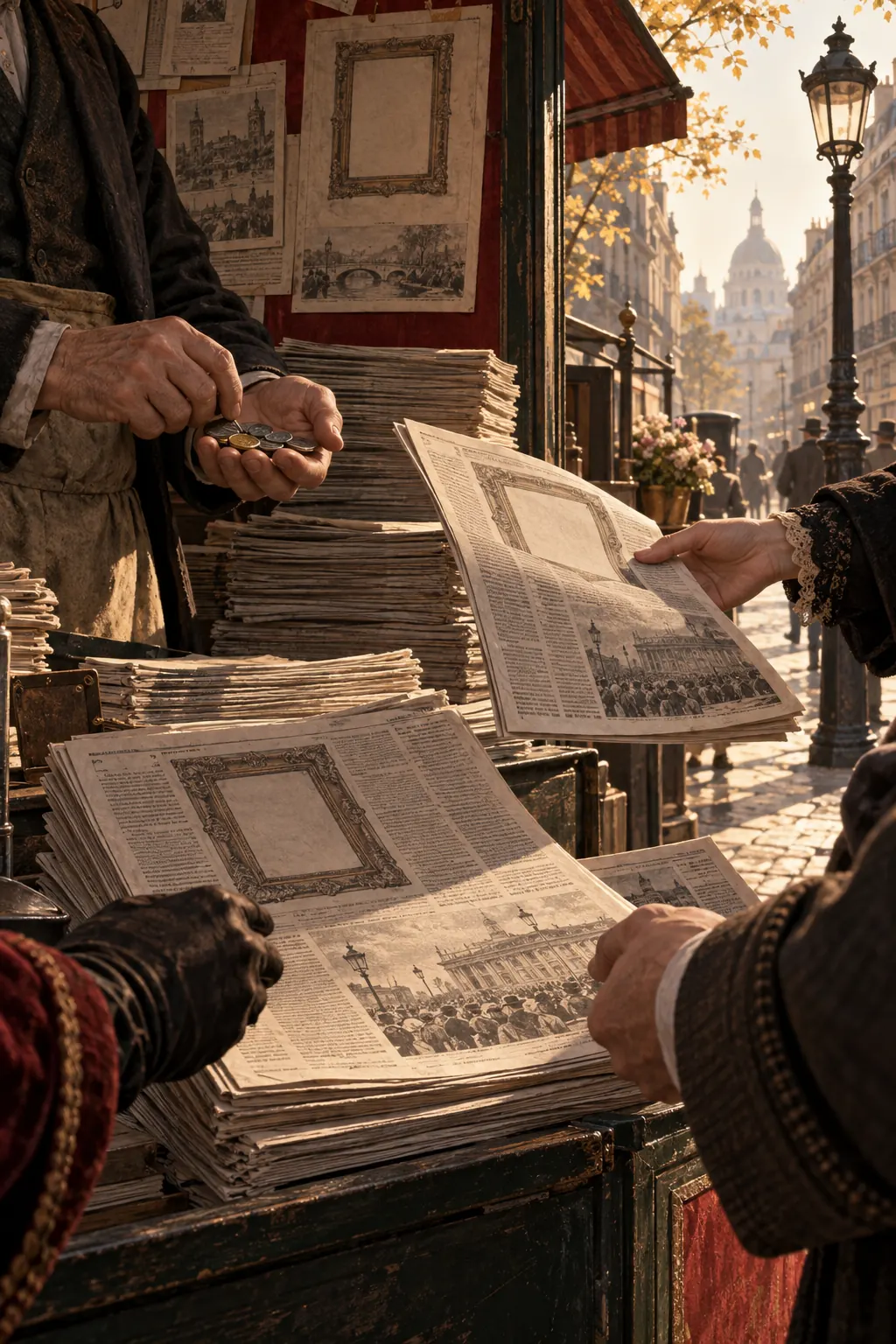
The strange part is what came before. Until it was stolen, the Mona Lisa was not the most visited picture in the Louvre. Once it vanished, newspapers around the world were full of it.
The investigation made headlines too, and for months it led nowhere. The painting itself had never left Paris.

The theft did not make it a masterpiece. Critics and writers had rated it highly since the nineteenth century. What the theft changed was not its reputation among experts, but how many people knew its name.
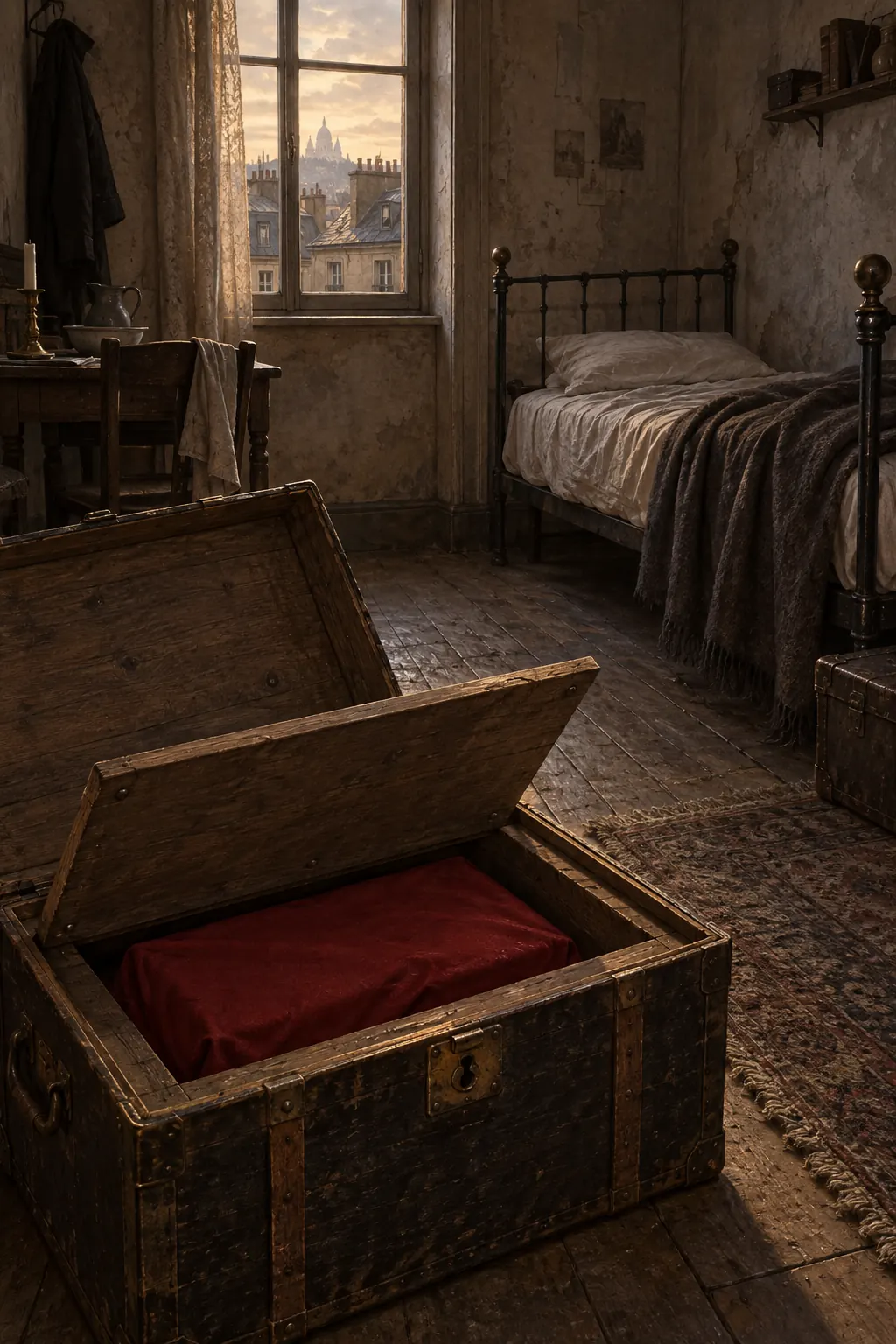
For more than two years the painting sat in a wooden trunk in a rented room in Paris. In December 1913 the man who had it took it to an art dealer in Florence, who alerted the police, and he was arrested.
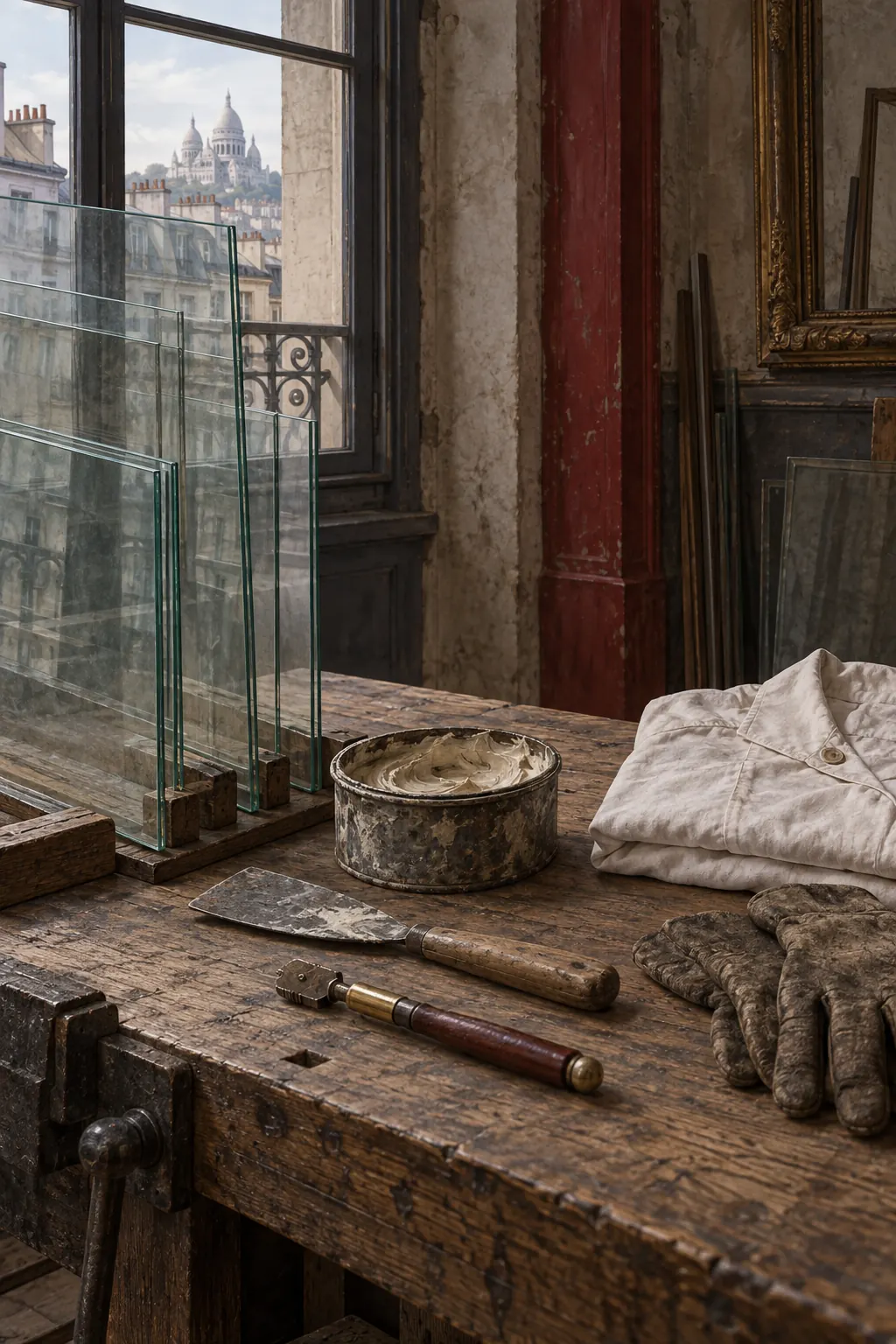
He was Vincenzo Peruggia, a glazier who had worked at the Louvre putting paintings under glass. The Louvre's own description of the painting still says that the 1911 theft gave the Mona Lisa its worldwide fame.
What the records say
The Louvre’s own account records that the Mona Lisa was found missing on 21 August 1911 and that nothing was heard of it for more than two years, until the thief tried to sell it to an Italian art dealer, who alerted the authorities. The museum’s collection record names him as Vincenzo Peruggia, a glazier who had worked at the Louvre, and says that the theft gave the painting worldwide and above all popular fame; the same record notes that writers and critics had praised it since the nineteenth century.
The Library of Congress guide to Chronicling America lists American newspaper reports of the case, including the recovery and arrest in December 1913.
Sources
- "From the Mona Lisa to The Wedding Feast at Cana" — Musée du Louvre www.louvre.fr
- "Portrait de Lisa Gherardini, dite Monna Lisa, la Joconde", collection record — Musée du Louvre collections.louvre.fr
- "Theft of Mona Lisa: Topics in Chronicling America" — Library of Congress research guide guides.loc.gov
More stories

In 1859 a storm from the Sun ran the telegraph lines with the batteries unplugged
On 1 September 1859 Richard Carrington saw a white-light flare on the Sun. Within a day auroras filled the sky and telegraph operators worked without batteries.
The night of the Martian broadcast: most of America was not listening
On 30 October 1938 a radio play reported Martians landing in New Jersey. A ratings survey that night found only 2% of homes it called were listening.
Locked under the lead roof of the Doge's Palace, Casanova got out through the ceiling
In July 1755 Giacomo Casanova was locked in the Leads, the cells under the roof of the Doge's Palace. On 1 November 1756 he escaped across the roof.
Get the week in history
One email a week: the new articles, and what was happening elsewhere at the same moment. Free, no ads, unsubscribe any time. How we handle your email.
Text licensed CC BY-NC-ND 4.0. Found an error? Tell us.