The night of the Martian broadcast: most of America was not listening
On 30 October 1938 a radio play reported Martians landing in New Jersey. A ratings survey that night found only 2% of homes it called were listening.
Why America did not panic over the Martian invasion broadcast.
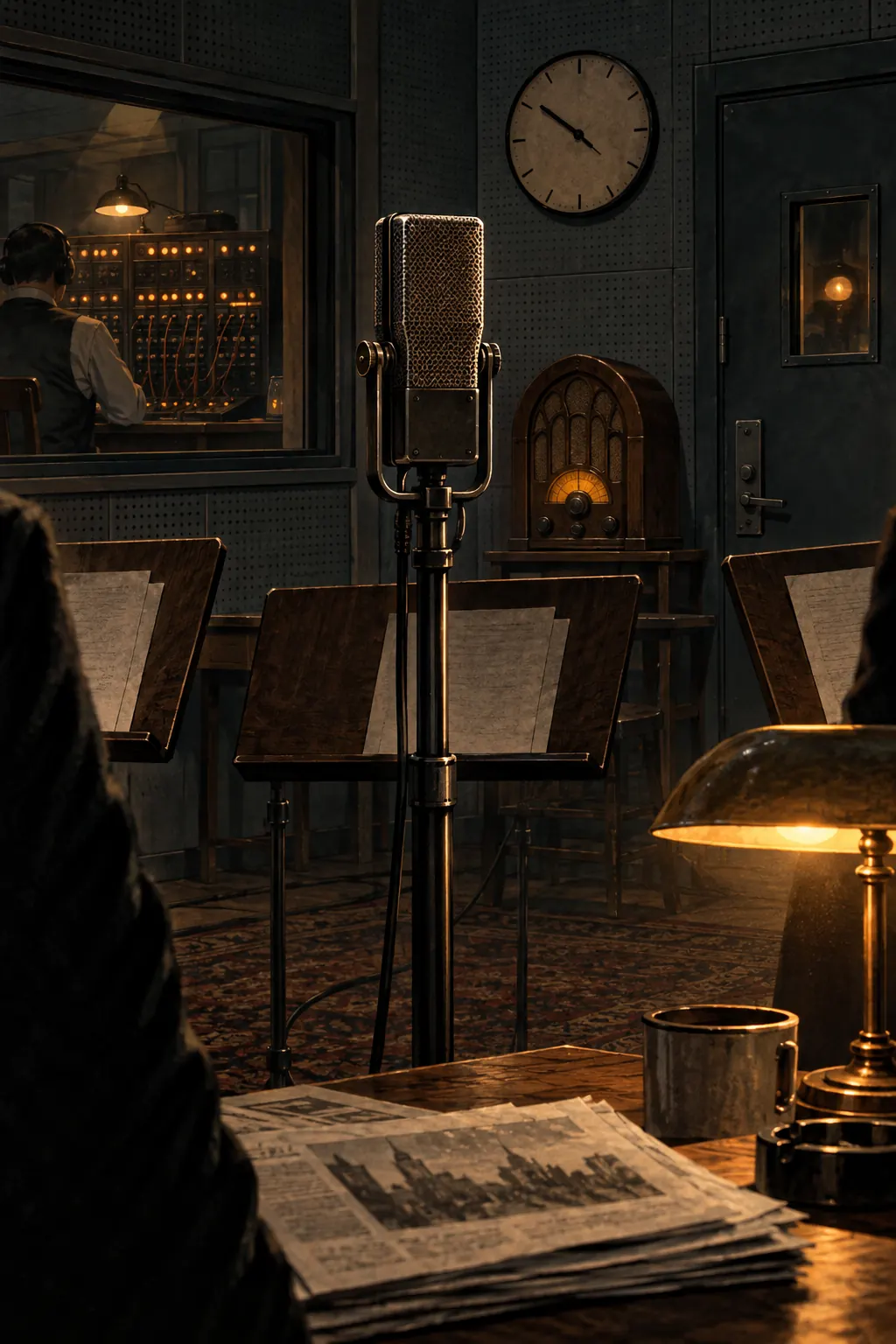
On the evening of 30 October 1938 a radio play went out from a studio in New York. The story was that Martians had come down in New Jersey.
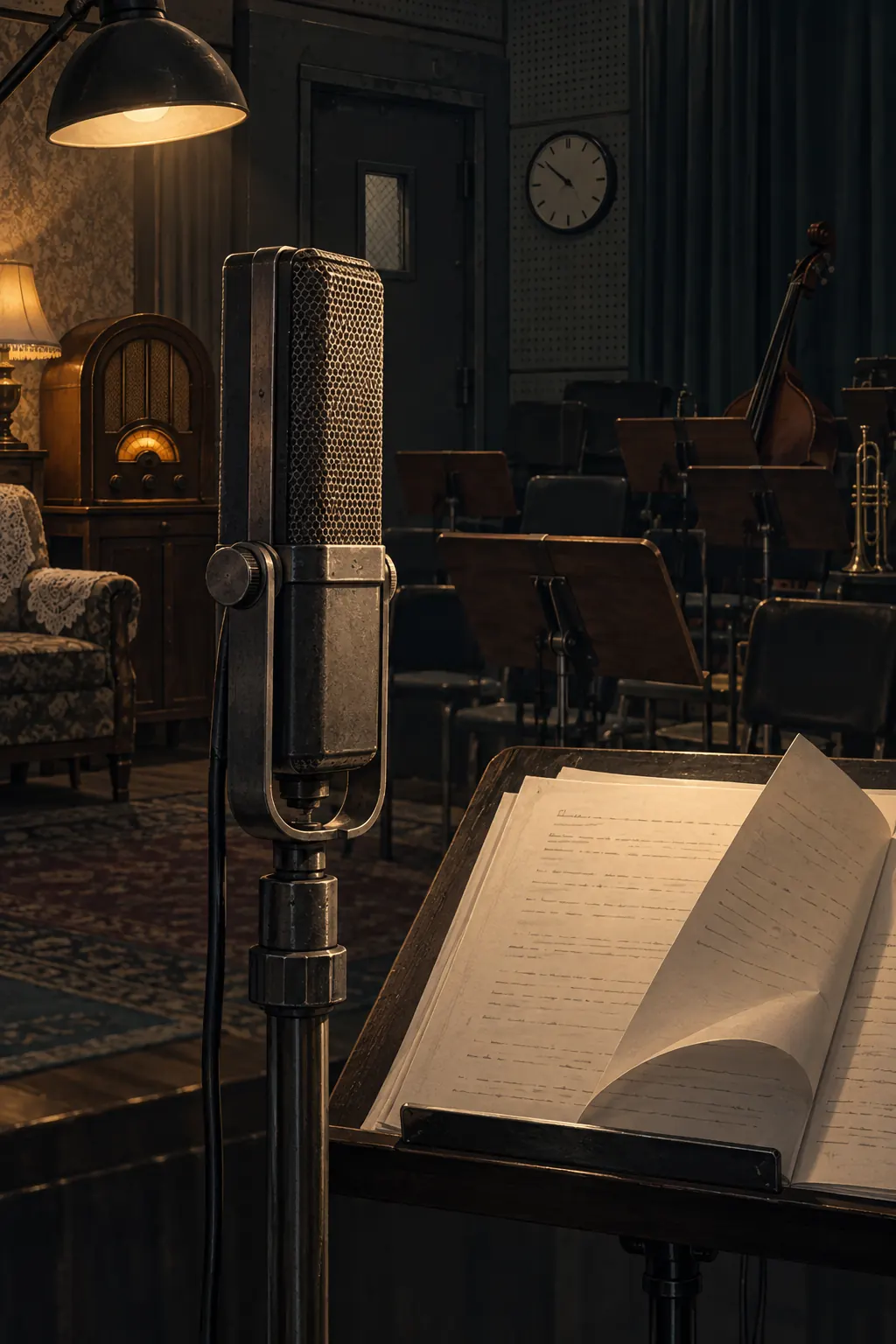
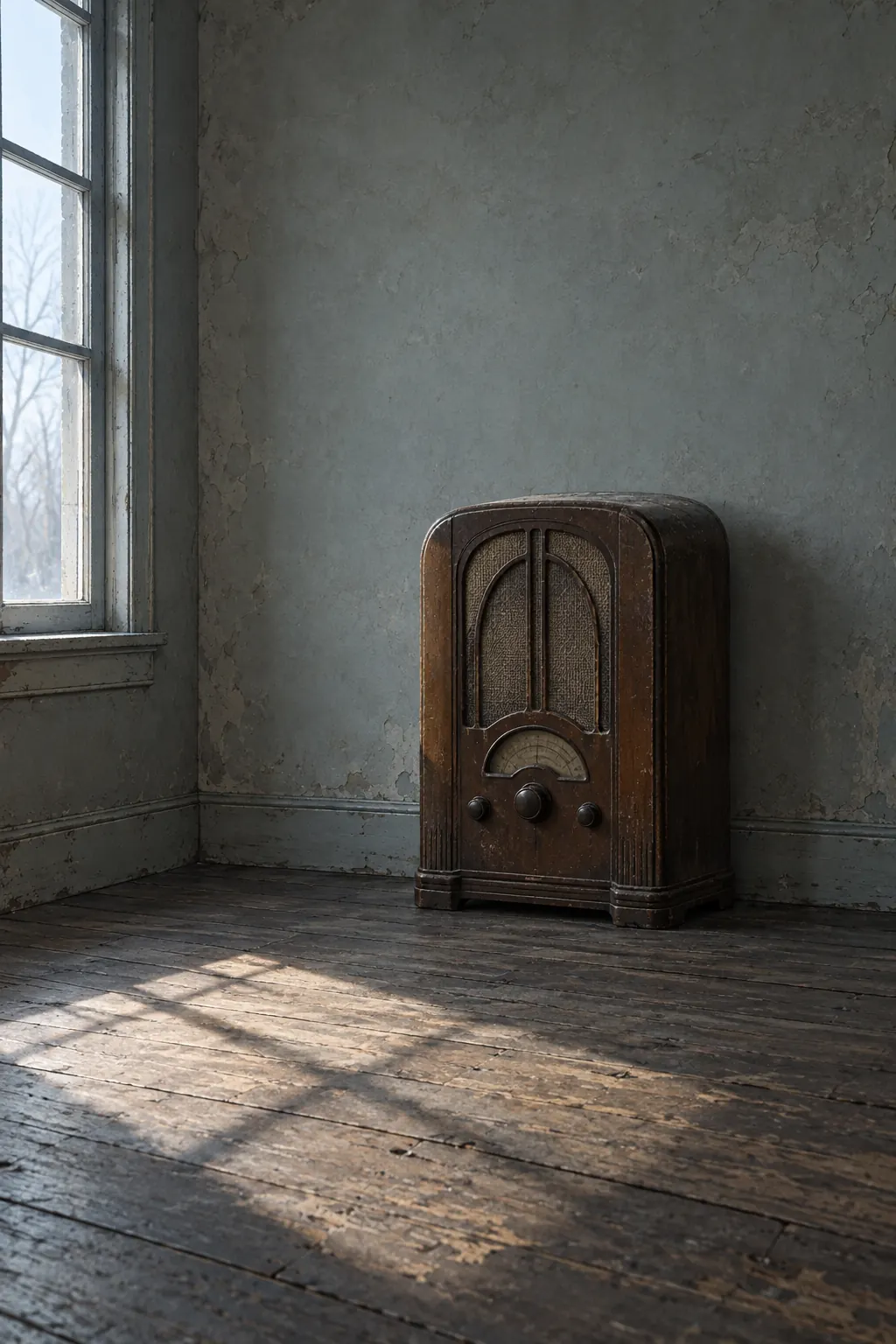
What was distinctive was the opening, built to sound like breaking news. Music playing, then cut into, then a reporter speaking from the scene. Anyone joining partway could take it for a real bulletin.
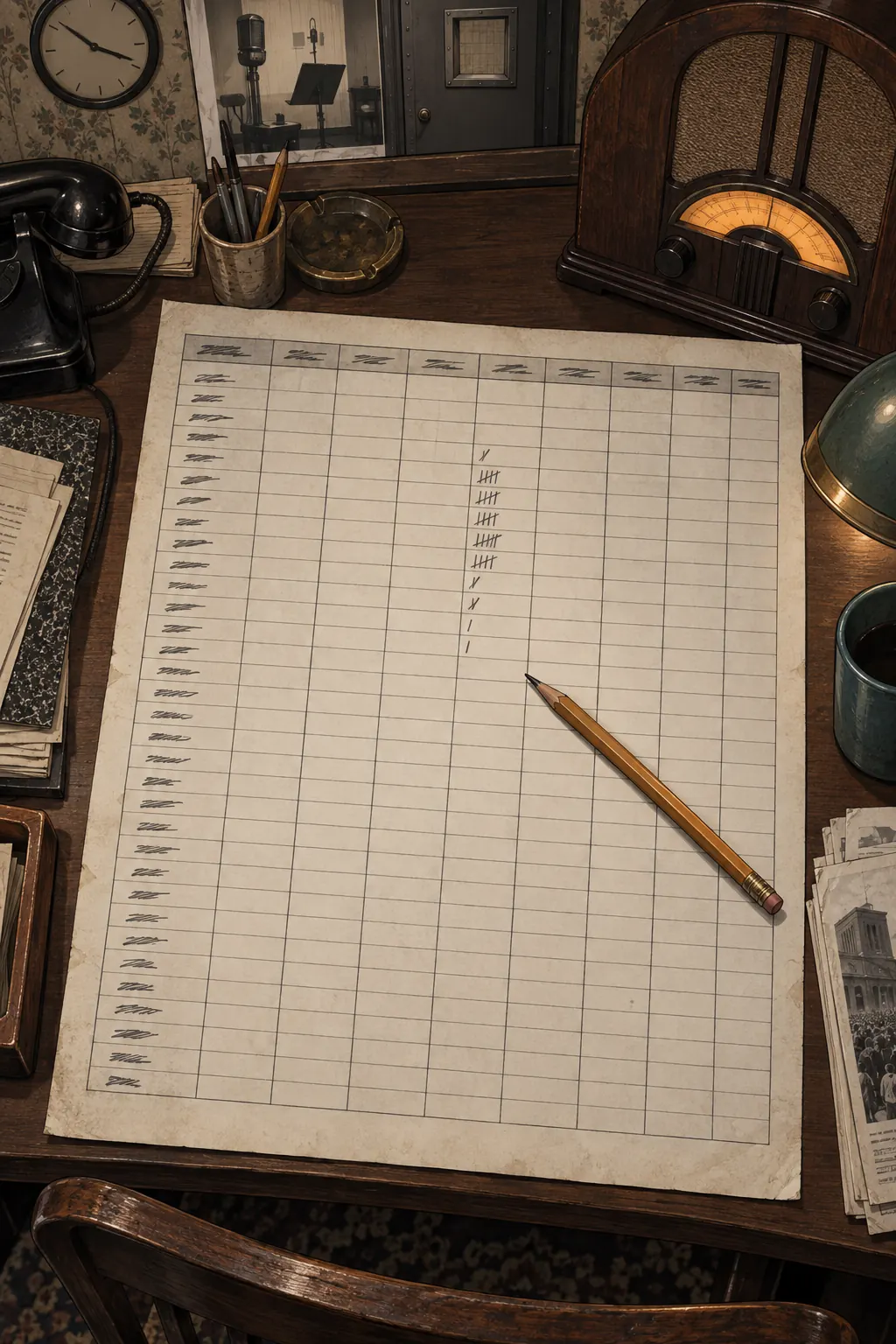
Very few people, though, were listening to that broadcast at that hour. In the audience survey taken at the time, only two per cent of respondents nationally said they had it on.
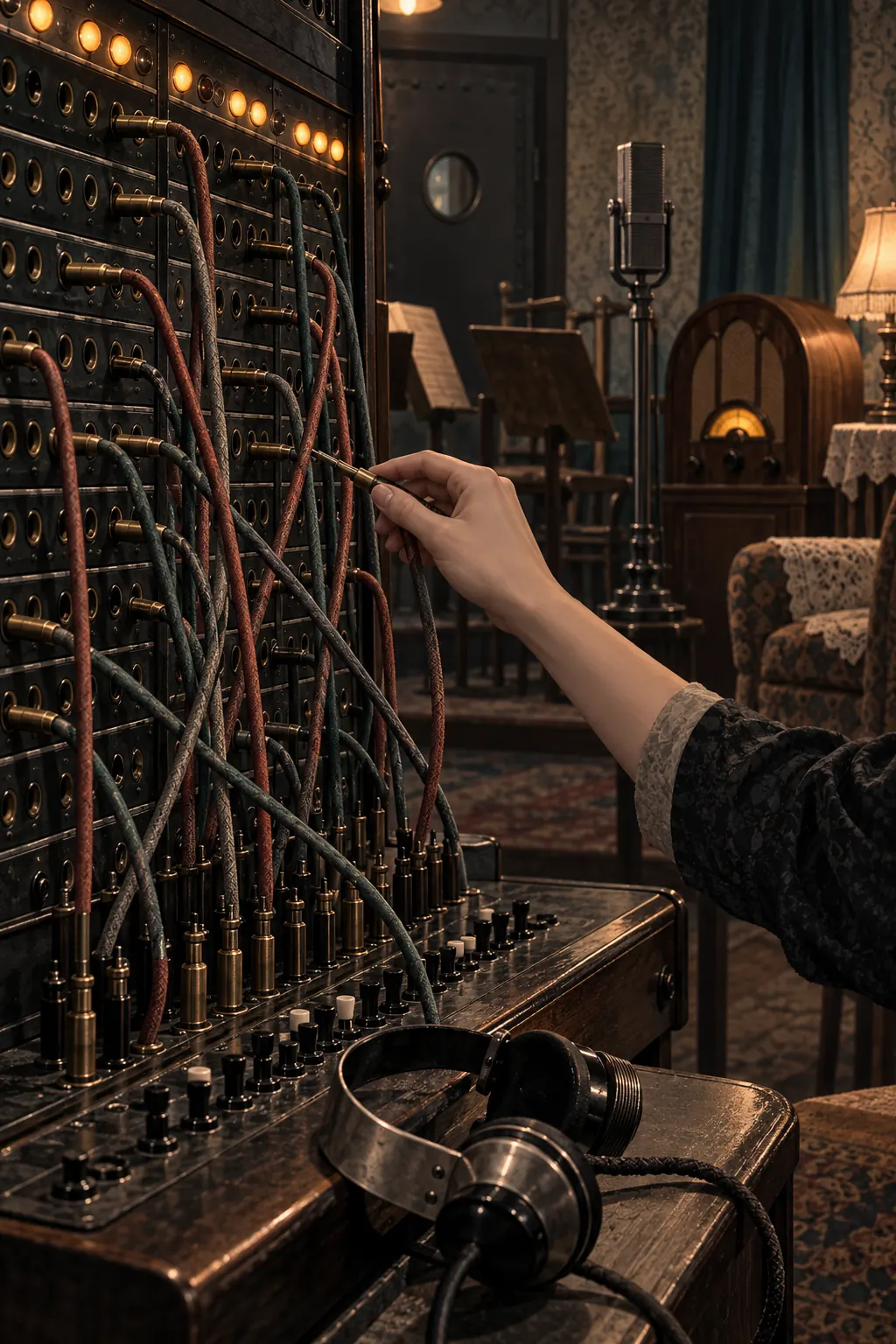
Some were alarmed enough to telephone newspapers and police stations to ask whether it was real. When those calls arrived together, it looked from the receiving end as though something large was happening.
The next day the papers reported the country in uproar. Anecdotes of hysteria ran alongside, most of which were never verified, and no paper managed to confirm a suicide connected to the broadcast.
That does not mean nobody was frightened. People were frightened, and they made those calls. What was never established is the scale the legend carries, the crowds said to have run into the streets.
Newspapers were losing advertising to radio around then. An impression that radio could not be trusted worked in print's favour, and that is the leading explanation for how large the story ran.
There is no basis, though, for saying the press conspired to fabricate it. Unverified accounts ran large, and they hardened into fact over more than eighty years. That much is what the record supports.
What the records say
The trade journal Broadcasting reported on 15 November 1938 that the ratings firm C. E. Hooper Inc. had found only 2% of the homes it called that night listening to the Mercury Theatre’s War of the Worlds on CBS. The same issue reported that police switchboards had slight delays but no great difficulty.
The media historians Jefferson Pooley and Michael Socolow write that no newspaper reported a verified suicide connected to the broadcast. They argue that newspapers, which had lost advertising to radio during the Depression, played up the panic to show advertisers and regulators that radio was irresponsible. Some listeners were frightened; the nationwide scale of the legend is not supported by the record.
Sources
- Broadcasting, 15 November 1938, "Divided Reaction to Mars Broadcast" (C. E. Hooper survey) — World Radio History archive www.worldradiohistory.com
- Jefferson Pooley and Michael J. Socolow, "The Myth of the War of the Worlds Panic", Slate, 28 October 2013 slate.com
- Pooley and Socolow, "Checking Up on The Invasion from Mars", International Journal of Communication 7 (2013) ijoc.org
More stories

In 1859 a storm from the Sun ran the telegraph lines with the batteries unplugged
On 1 September 1859 Richard Carrington saw a white-light flare on the Sun. Within a day auroras filled the sky and telegraph operators worked without batteries.
Locked under the lead roof of the Doge's Palace, Casanova got out through the ceiling
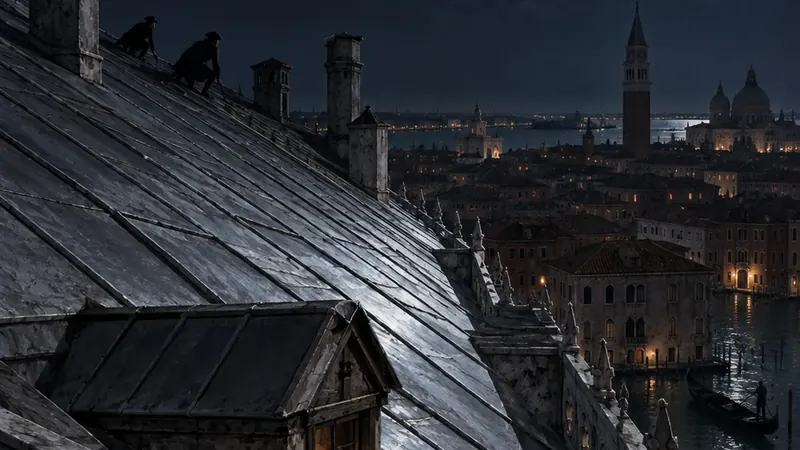
In July 1755 Giacomo Casanova was locked in the Leads, the cells under the roof of the Doge's Palace. On 1 November 1756 he escaped across the roof.
A tank of molasses burst in Boston and the street was buried
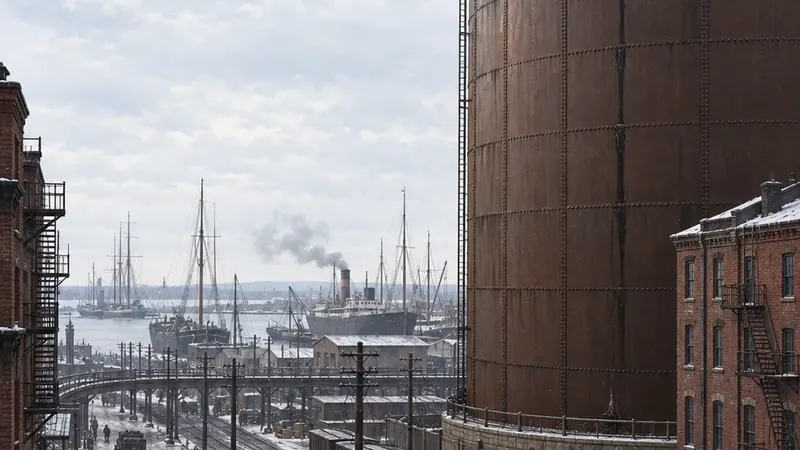
On 15 January 1919 a molasses tank in Boston's North End burst. The tank had leaked from the start and had never been tested; a court found it unsound.
Get the week in history
One email a week: the new articles, and what was happening elsewhere at the same moment. Free, no ads, unsubscribe any time. How we handle your email.
Text licensed CC BY-NC-ND 4.0. Found an error? Tell us.