A king put his wife on trial in Parliament, and the country turned on him
In 1820 George IV tried to end his marriage to Queen Caroline through Parliament. The streets took her side, and the bill was dropped.
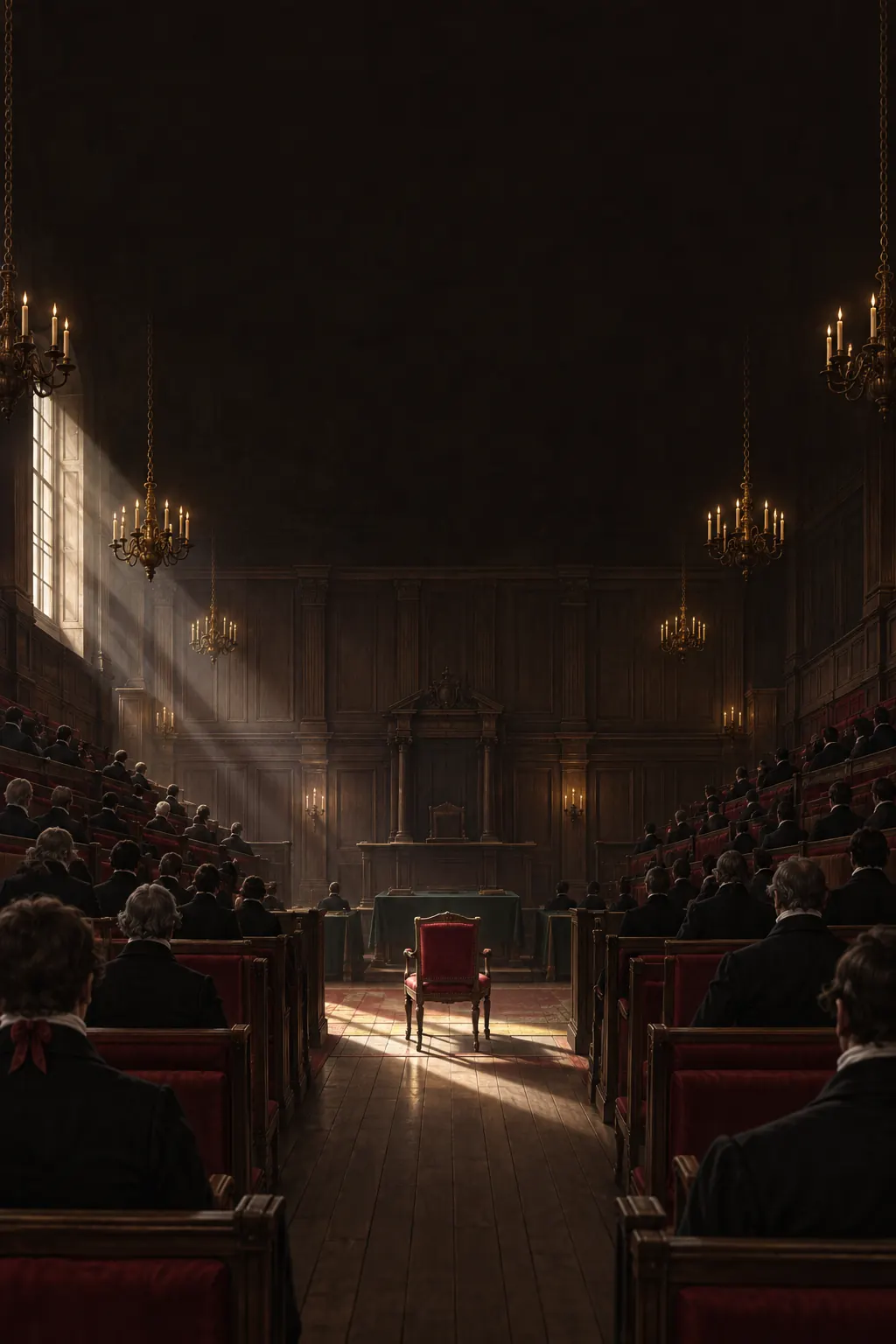
Why a king who put his wife on trial ended up the one being booed.
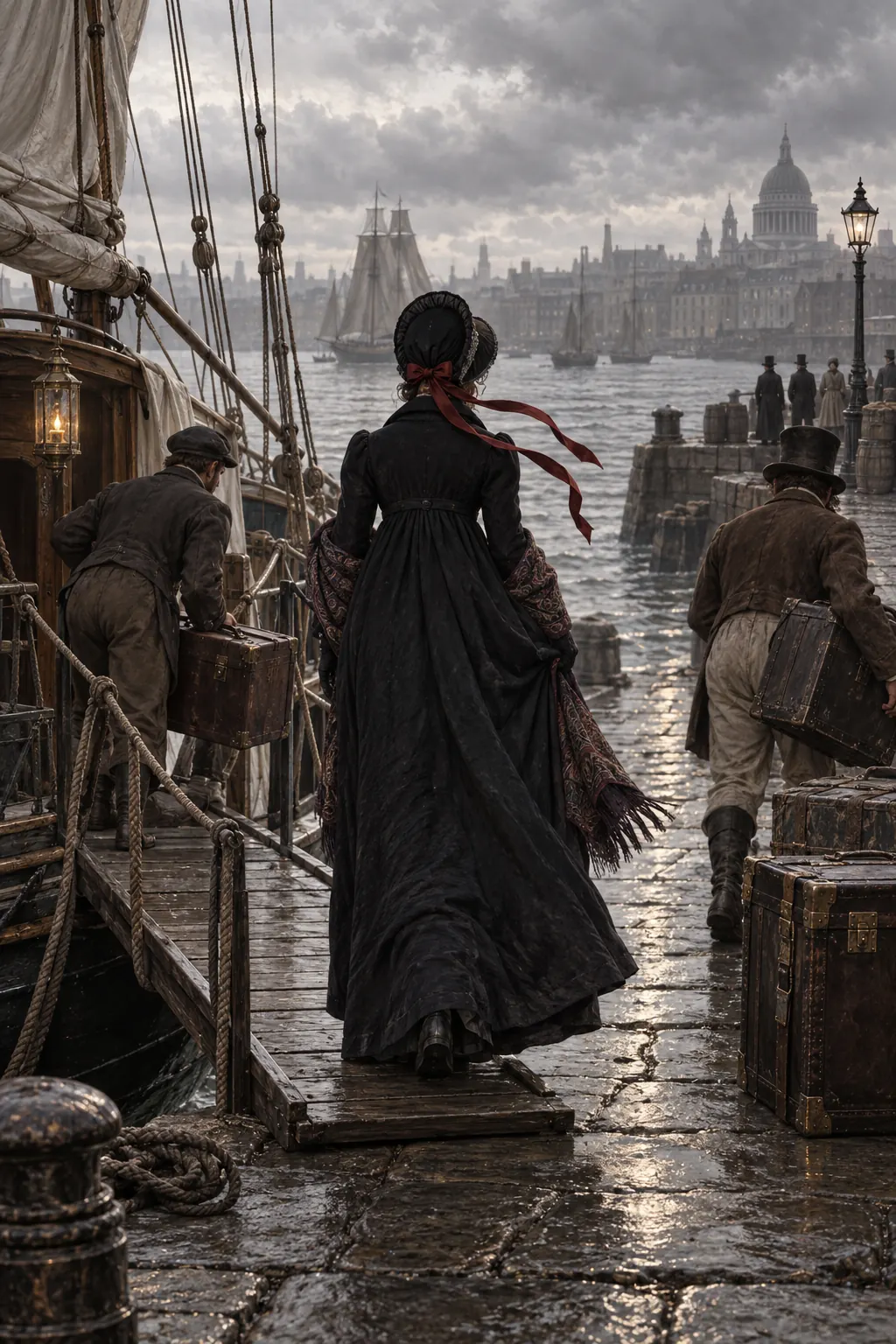
In June 1820 Caroline, the British queen who had spent years living abroad, came home. She meant to be treated as queen beside her husband, George IV, who had just become king. He wanted the opposite.

The king chose Parliament rather than a court. A bill went to the House of Lords accusing her of adultery abroad, to end the marriage and strip her of the title of queen. The procedure, though, was odd.
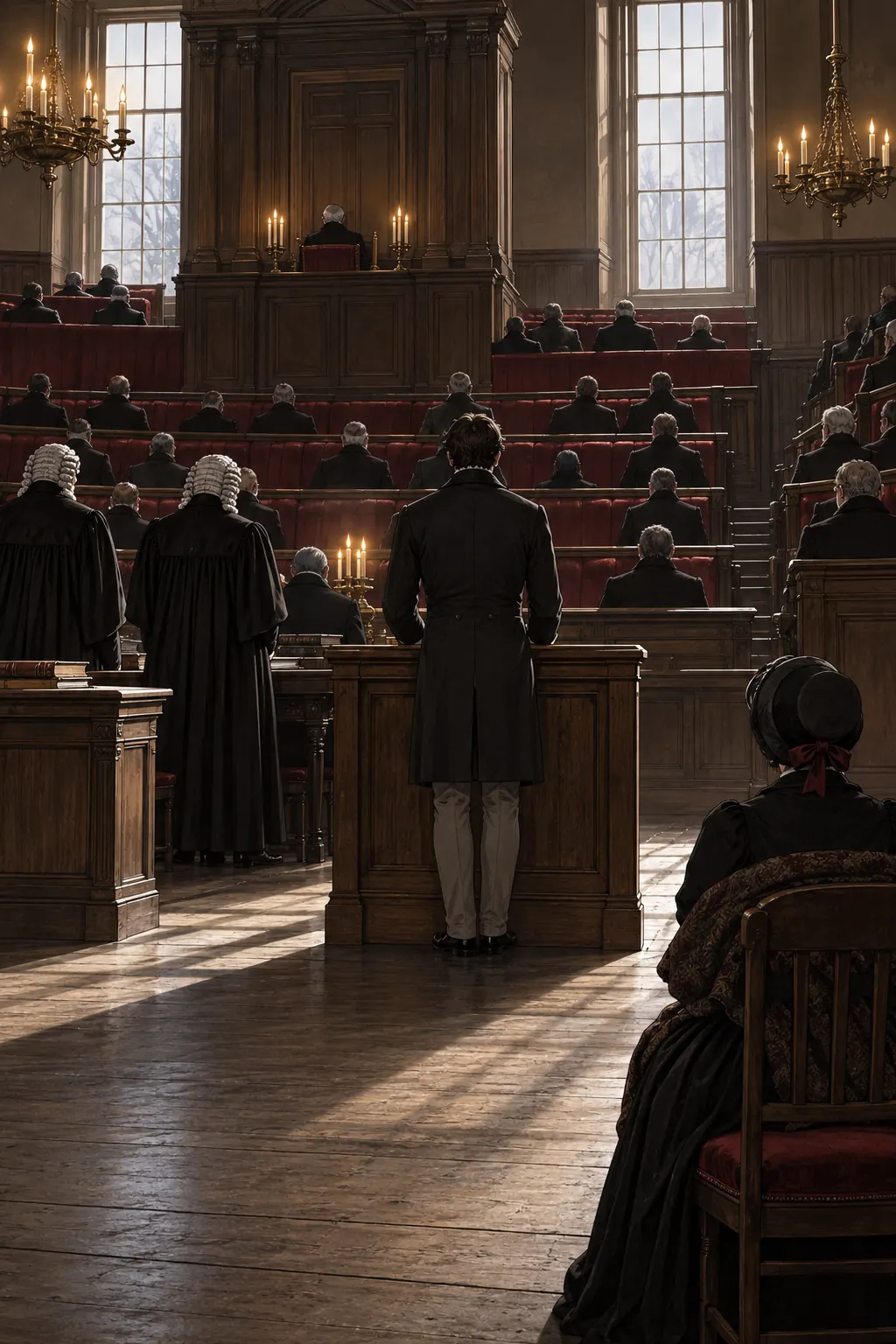
The Lords called witnesses and kept the hearings going from summer into autumn. It looked like a trial, yet the queen could sit in the room but could not give evidence. Behind the accusation stood the king. Outside, people began to boil over.
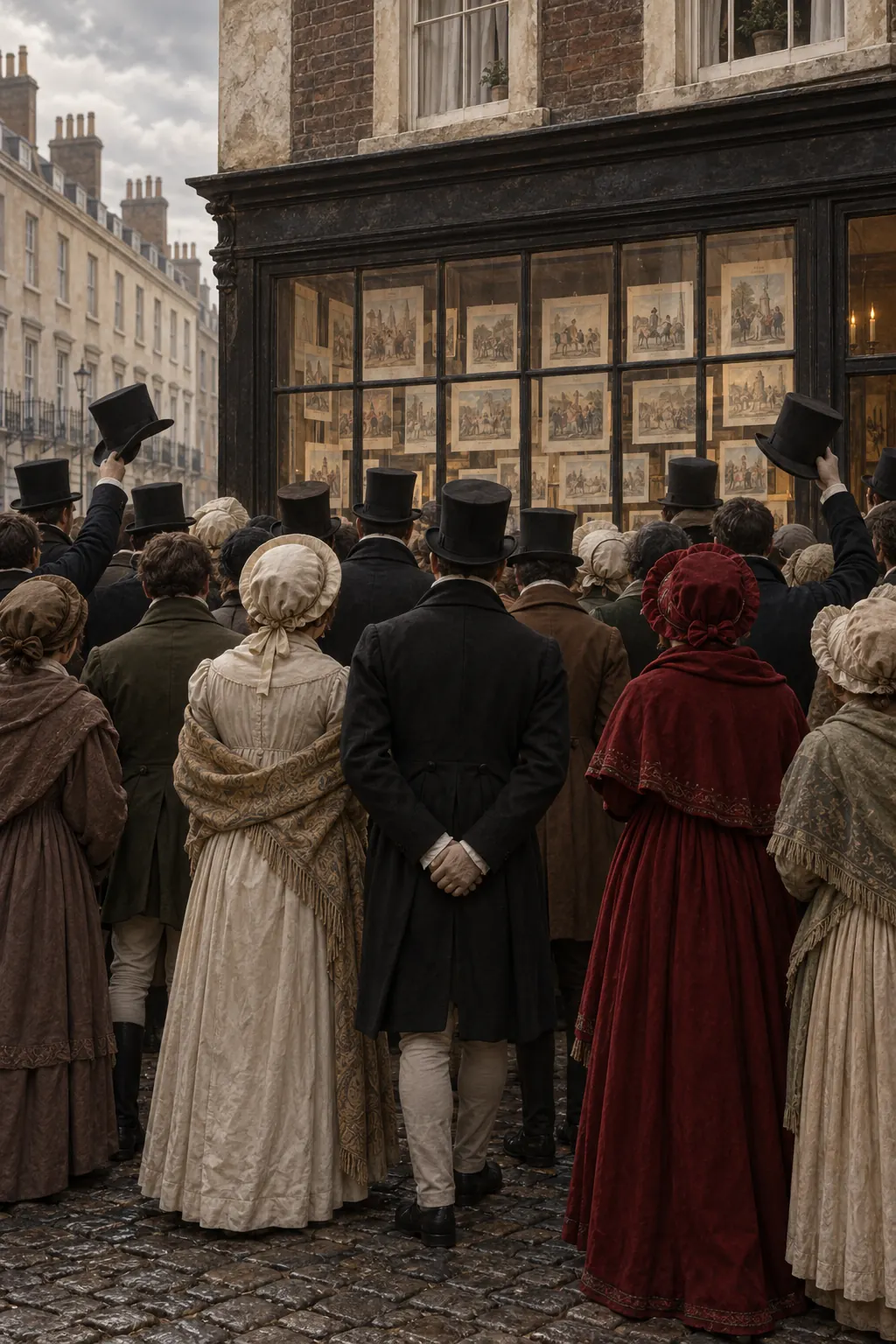
The streets were on the queen's side. Meetings across the country sent her messages of support, and caricatures showed her leading a crowd. To many people she was a wife being hounded unfairly.
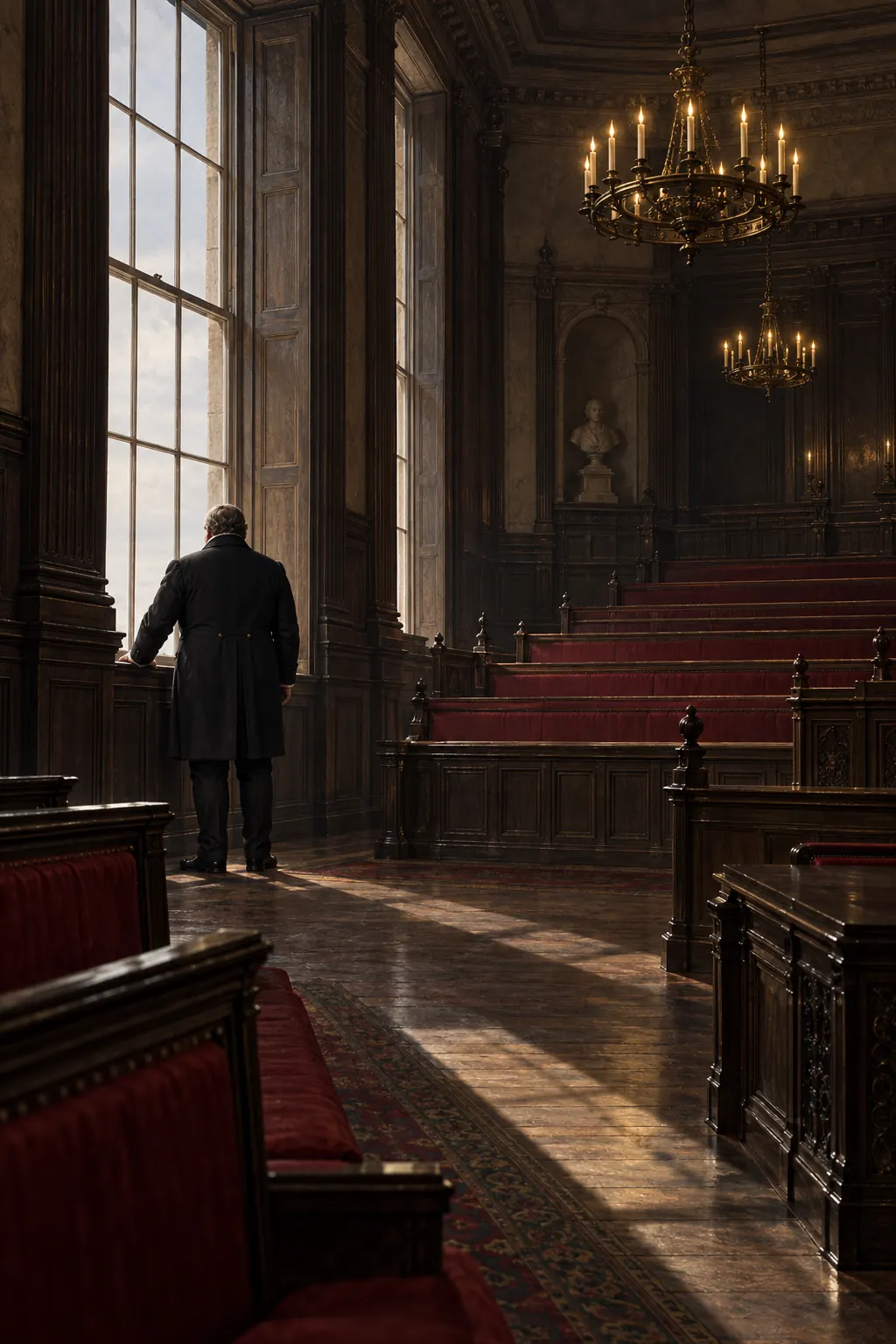
By 1820 the couple had long been estranged, and Caroline had spent the last six years living abroad. Now her husband was using Parliament to push her out, and many saw the whole fight as the king's own doing. Then, in November, came the vote.
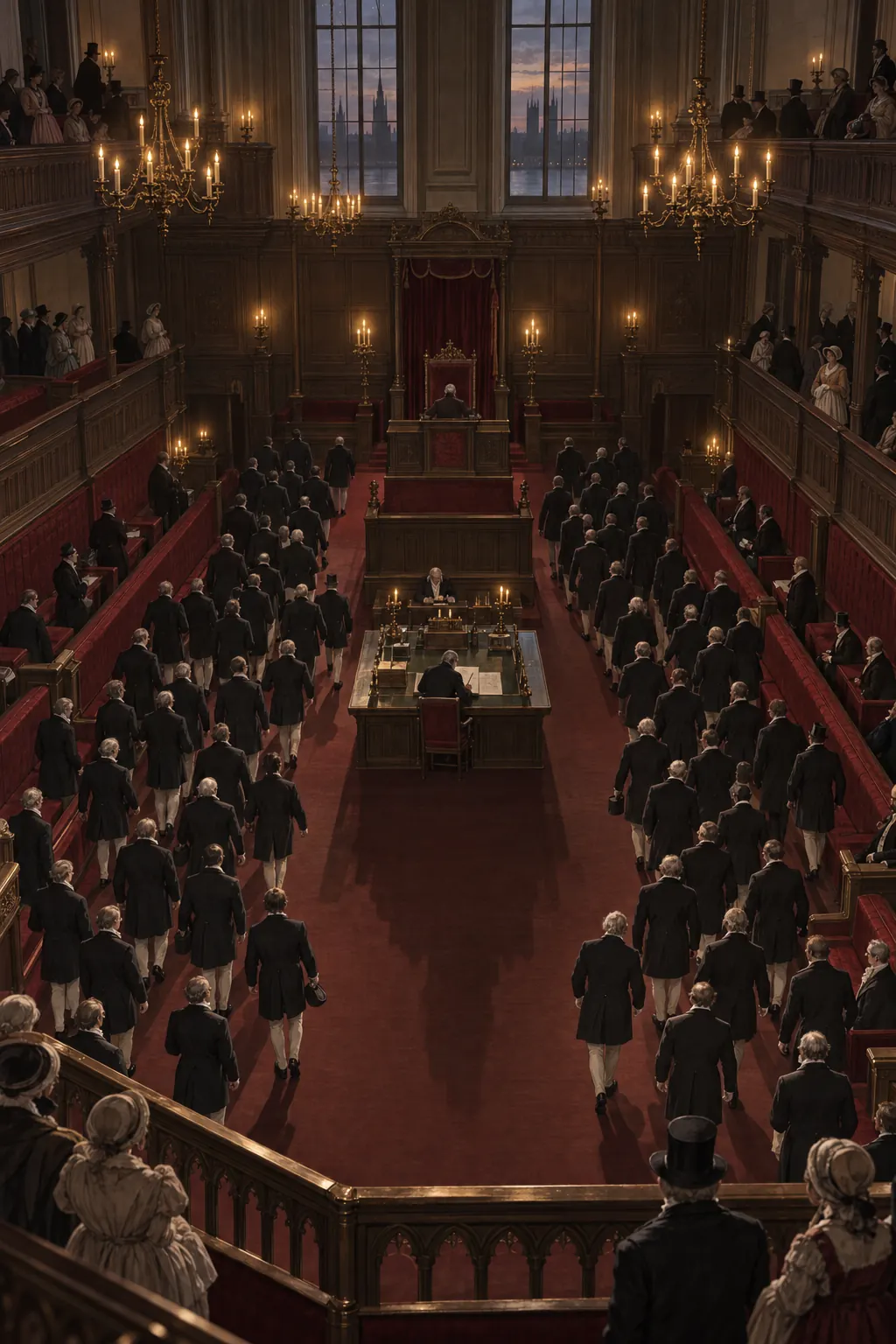
In November 1820 the Lords voted on the bill's third reading. For, 108. Against, 99. The bill passed, but by nine votes, far fewer than at the earlier reading. The prime minister made his decision on the spot.

Lord Liverpool, the prime minister, said he could not ignore the state of public feeling and would take the bill no further. It had no chance in the Commons. The streets celebrated. The king had lost.
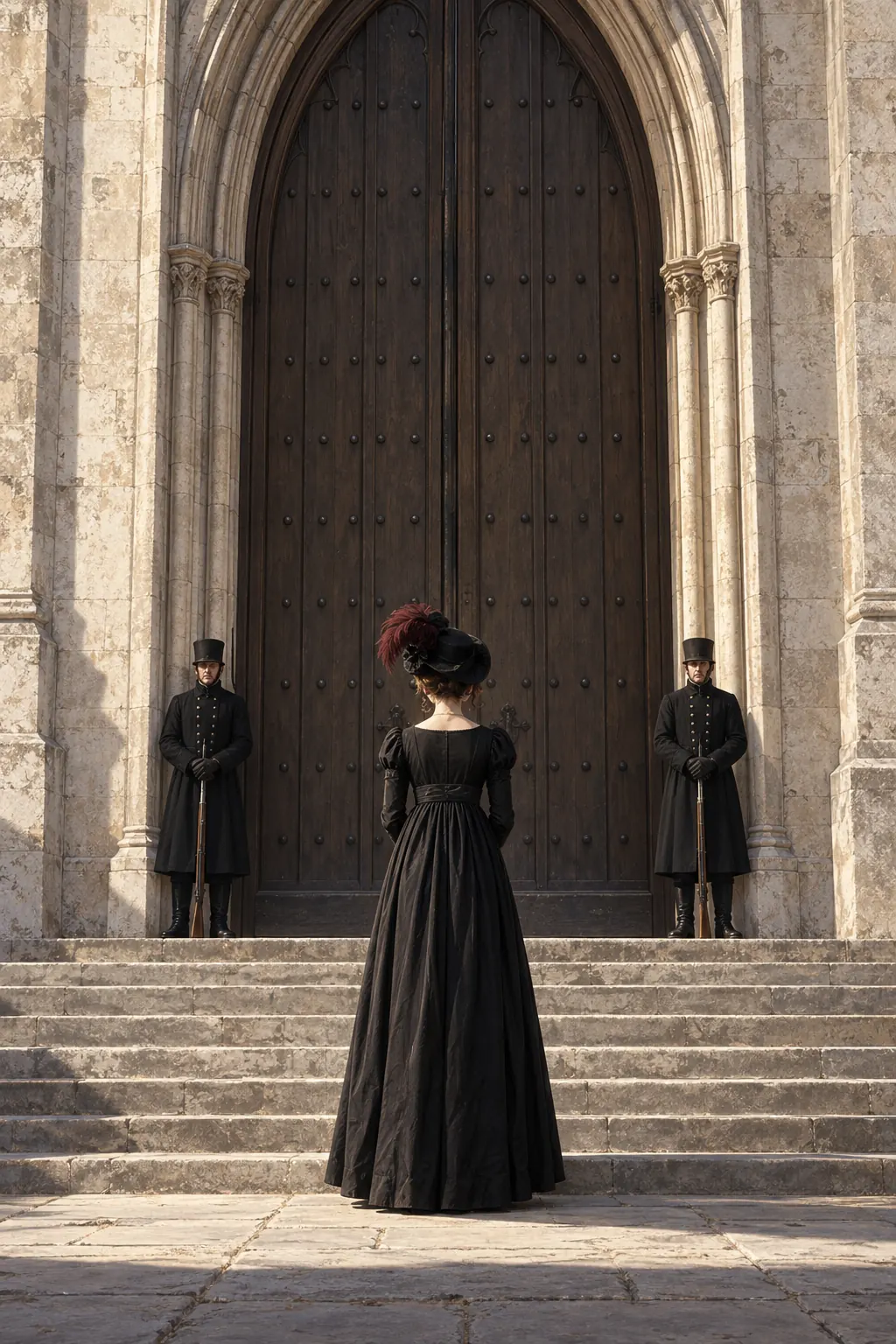
That did not prove the queen innocent; plenty of peers still thought her guilty. The next July she tried to attend her husband's coronation and was shut out at the door of Westminster Abbey. Within a month she was dead.
What the records say
The measure was a bill of pains and penalties, a law aimed at one person, introduced in the House of Lords. It would have ended the marriage and taken away Caroline’s title. The Lords heard witnesses, but Caroline could attend without giving evidence.
The third reading passed 108 to 99, a majority of nine, in the Hansard record of the sitting dated 10 November 1820; the History of Parliament account dates the vote to 9 November, so the story says only “November”. Lord Liverpool then said he could not ignore the state of public feeling and dropped the bill, which had no chance in the Commons.
The result was a political defeat for the king, not a verdict on the queen: several peers said in the debate that they were satisfied of her guilt. In July 1821 Caroline was shut out of Westminster Abbey at the coronation, and she died within a month.
Sources
- UK Parliament, Hansard 1803–2005, House of Lords, sitting of 10 November 1820 (vol. 3 cc1732–50) api.parliament.uk
- History of Parliament Trust (Terry Jenkins), "The Queen Caroline Affair, 1820" (Internet Archive copy) web.archive.org
- The National Archives (UK), Education, "Royal divorce" (TS 11/115/326; Internet Archive copy) web.archive.org
More stories
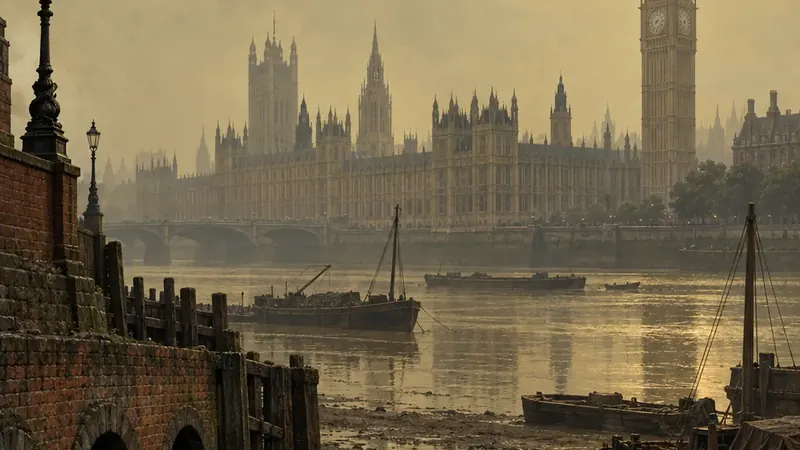
The river stank so badly that Parliament passed a sewer law in eighteen days
In the hot summer of 1858 the Thames stank outside the Houses of Parliament. A bill to borrow £3 million for new sewers became law eighteen days later.

Gold for his guests, wood for himself: the feast where Attila wanted to be seen
In 448 or 449 a Roman envoy watched Attila eat from a wooden plate while his guests drank from gold, on an embassy carrying a secret plot to kill him.

Starving in a besieged city, they guarded a room full of food and never ate it
In besieged Leningrad, staff of a plant institute guarded seeds, grain and potatoes through the winter of 1941–42. Several starved. The seeds survived.
Get the week in history
One email a week: the new articles, and what was happening elsewhere at the same moment. Free, no ads, unsubscribe any time. How we handle your email.
Text licensed CC BY-NC-ND 4.0. Found an error? Tell us.