Gold for his guests, wood for himself: the feast where Attila wanted to be seen
In 448 or 449 a Roman envoy watched Attila eat from a wooden plate while his guests drank from gold, on an embassy carrying a secret plot to kill him.
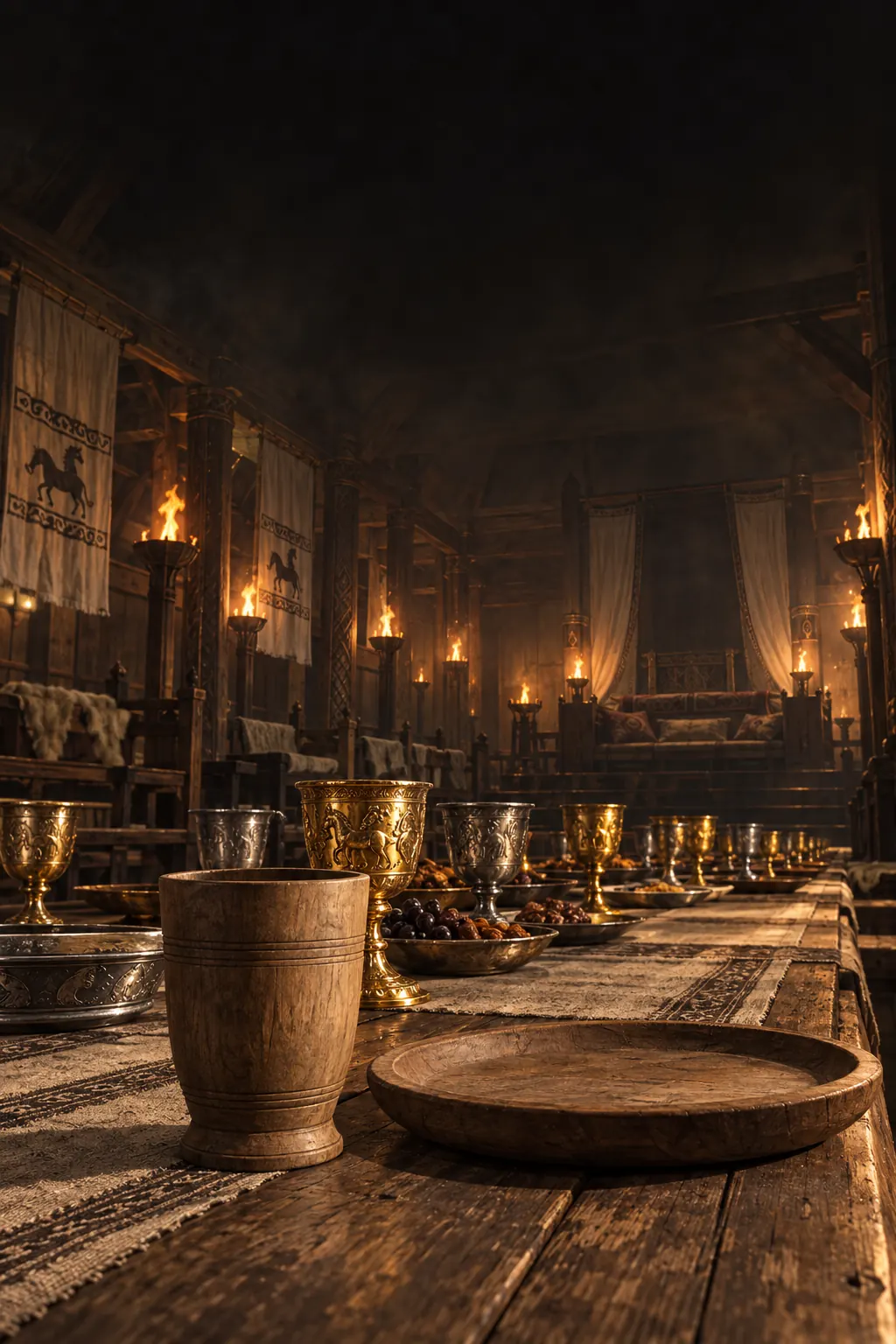
Why the king of the Huns set aside gold and drank from wood.
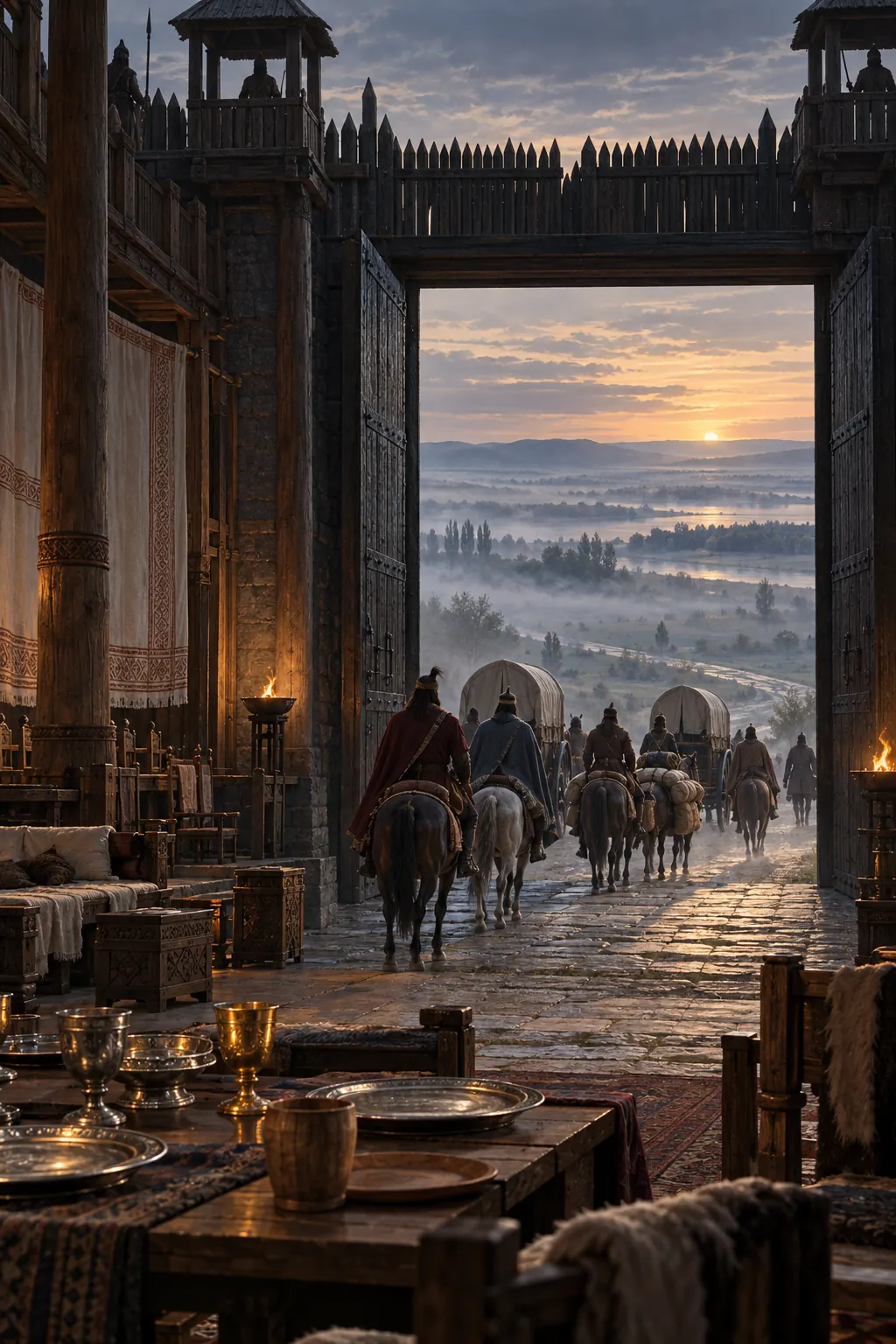
In 448 or 449 an embassy left Constantinople, the eastern Roman capital, for Attila, king of the Huns. It was led by Maximinus, and his assistant Priscus wrote the journey down.
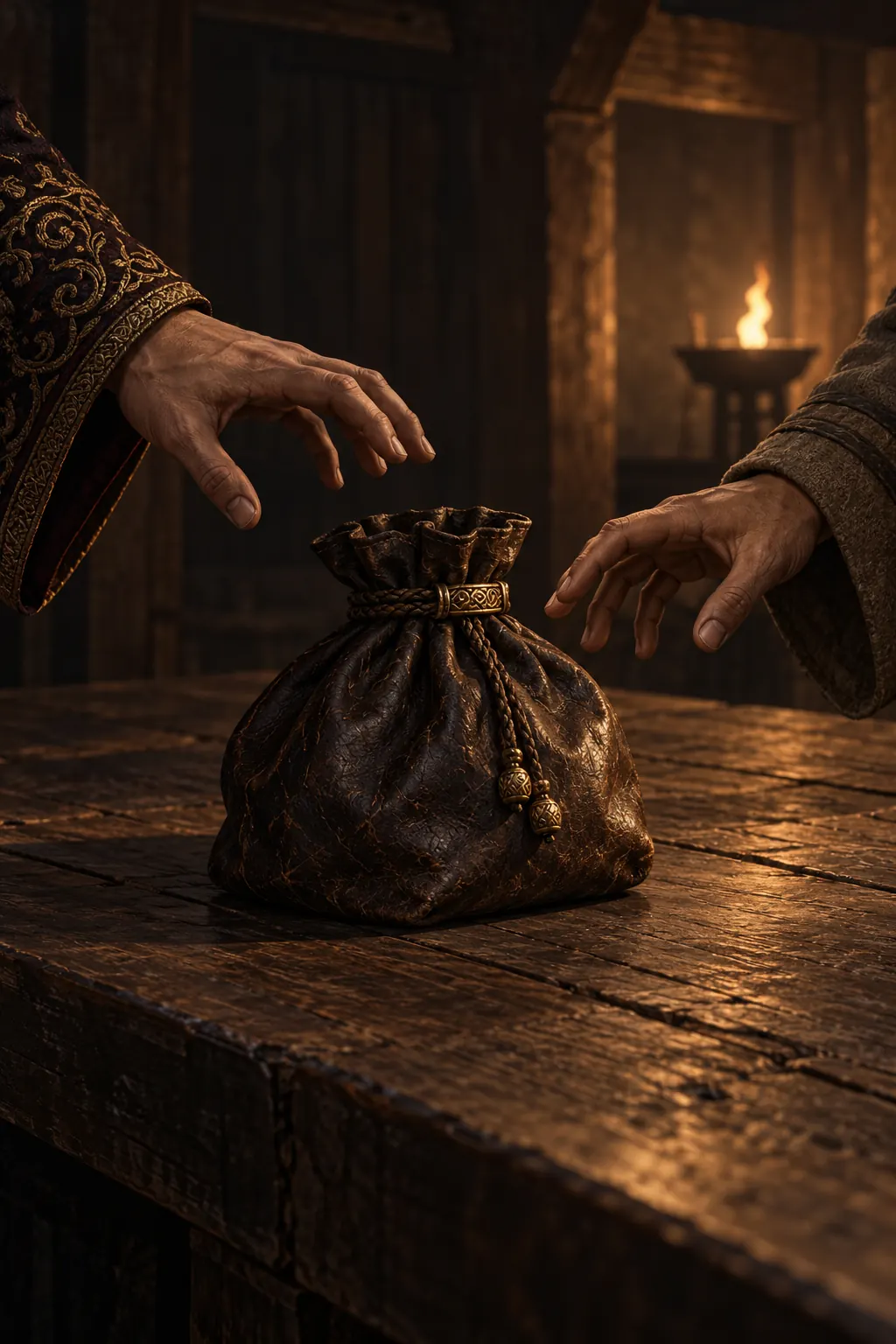
The embassy carried a secret. Chrysaphius, a eunuch close to the emperor, had paid Attila's man Edecon to kill his king. But Edecon went home and told Attila the whole plan.
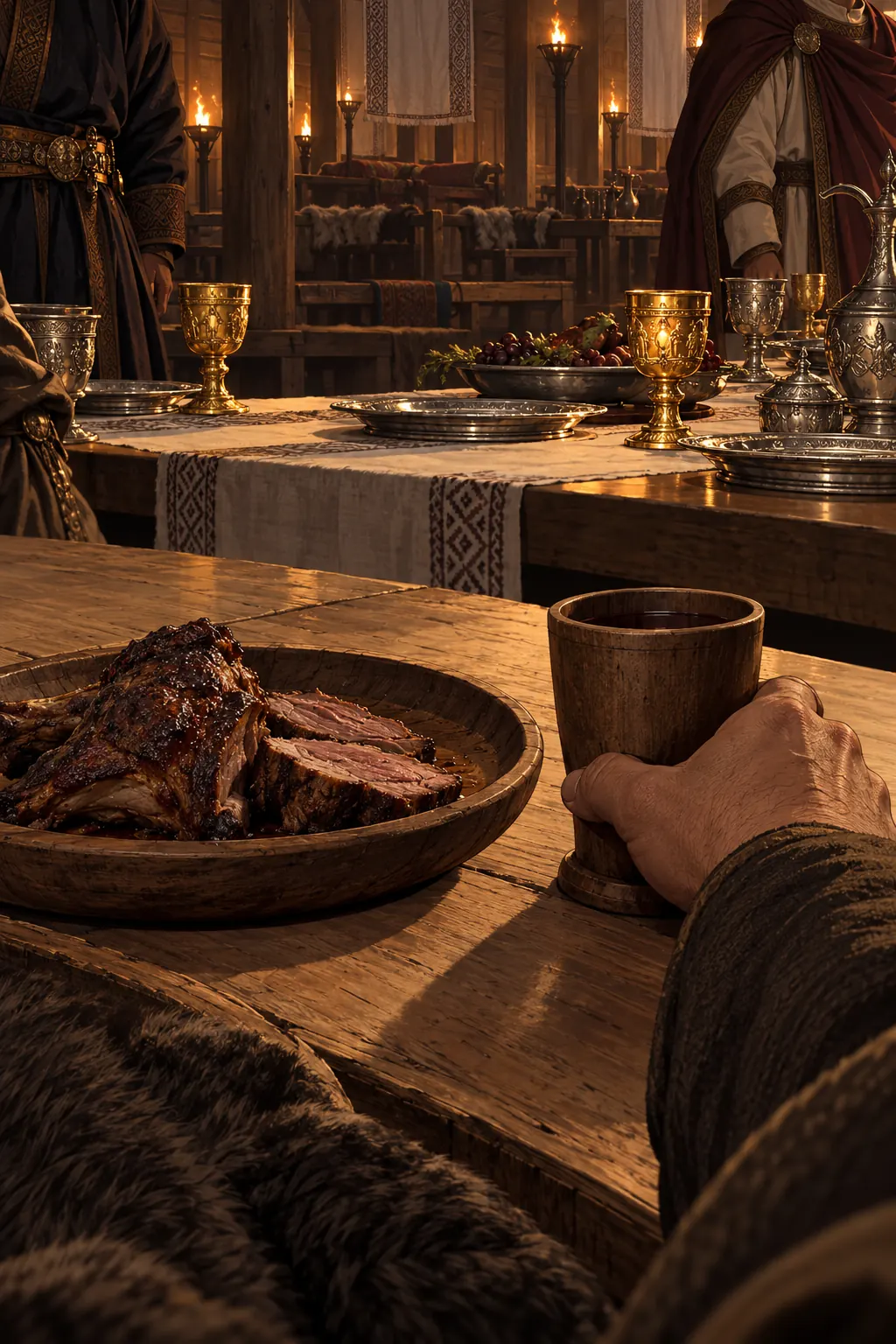
Knowing all of it, Attila still seated the envoys at his feast. The guests had silver plates and cups of gold and silver. Attila ate only meat from a wooden trencher, and his cup was wood.
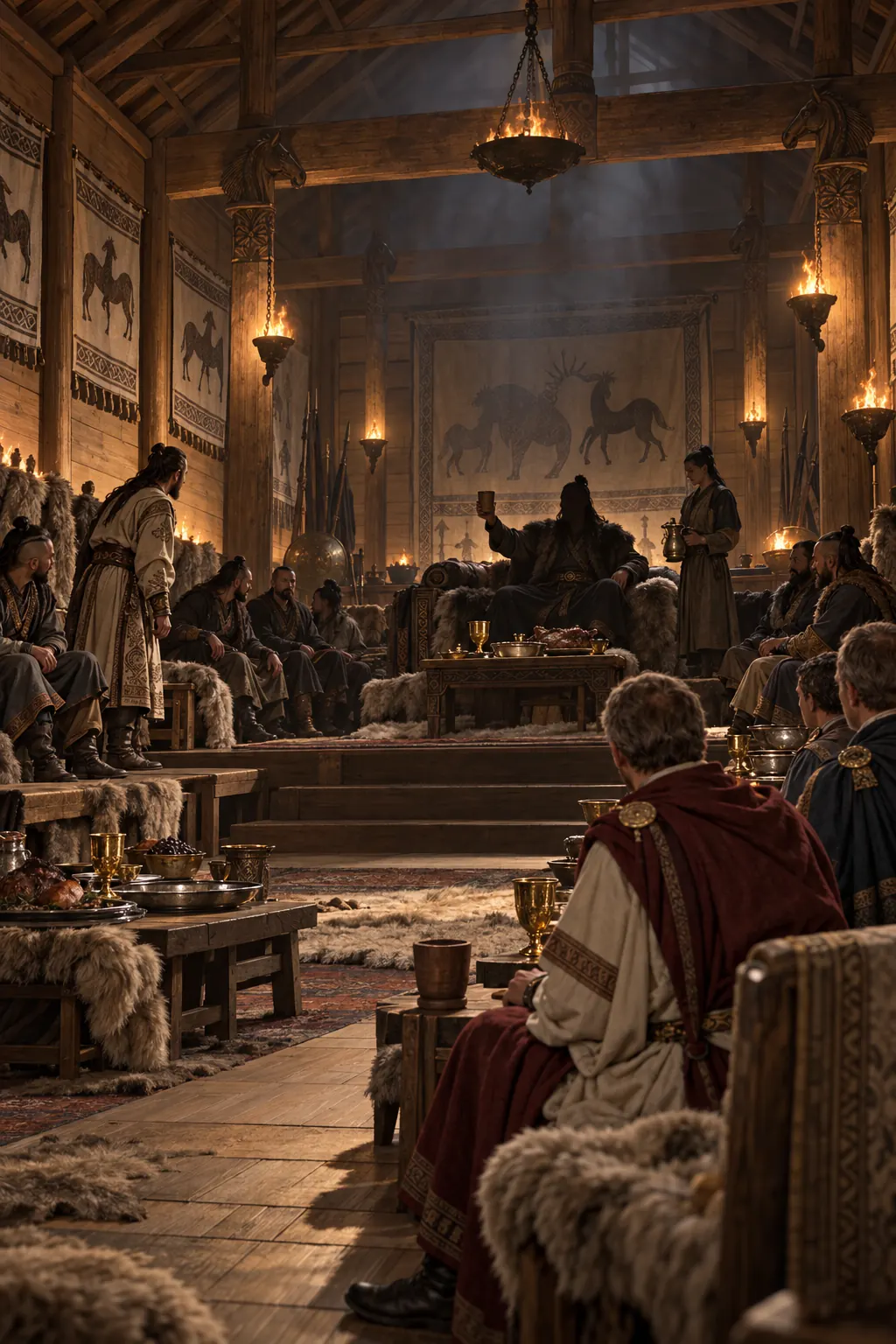
Seating had its order. The right of the king was the place of honour; the Romans sat on the left. A cup-bearer handed Attila his wooden cup, he saluted each guest in turn, and each one saluted had to stand.
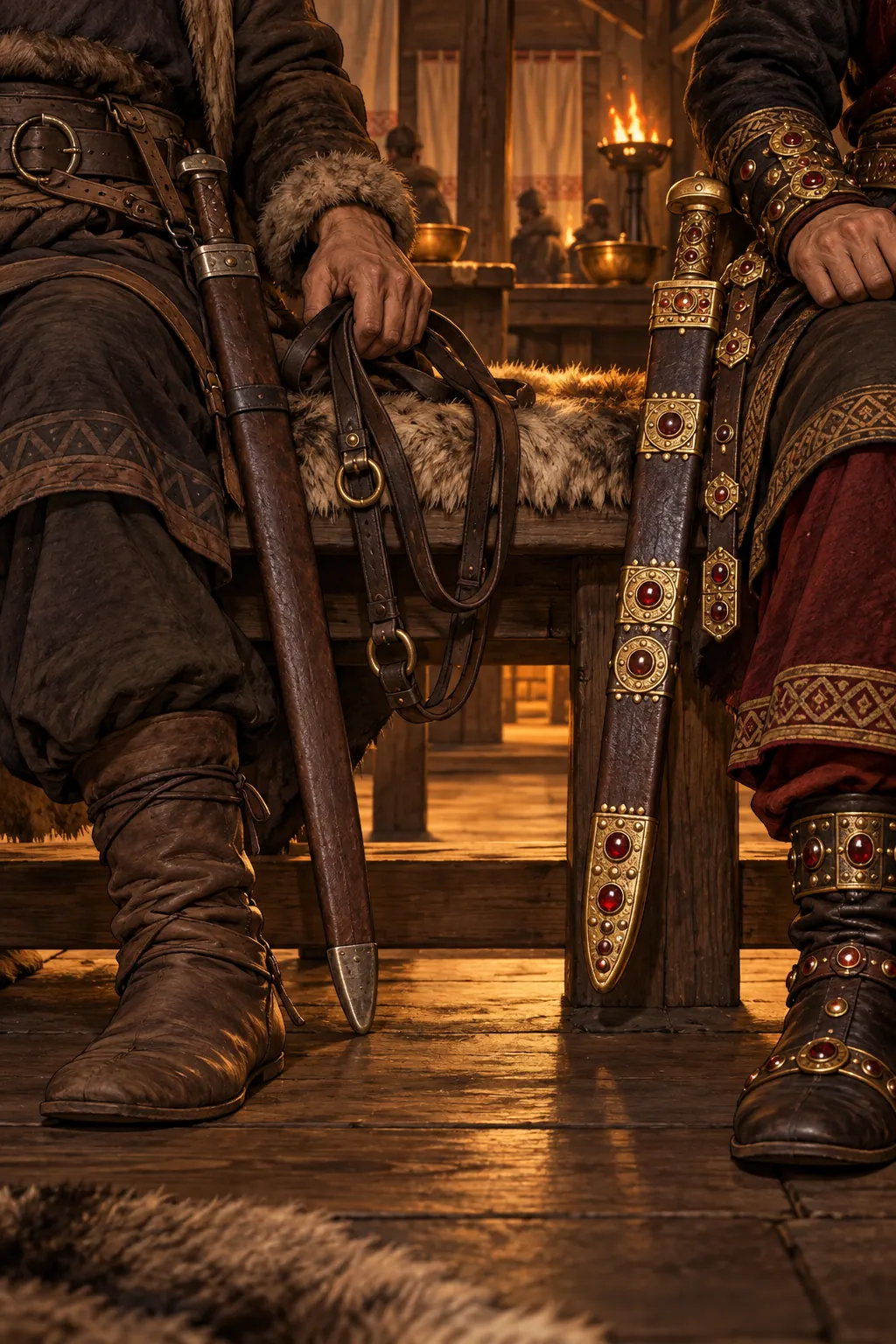
His dress was plain, as if clean was all it needed to be. Other Huns decorated sword, shoe laces and bridle with gold and gems; he did not. Priscus called it temperance.
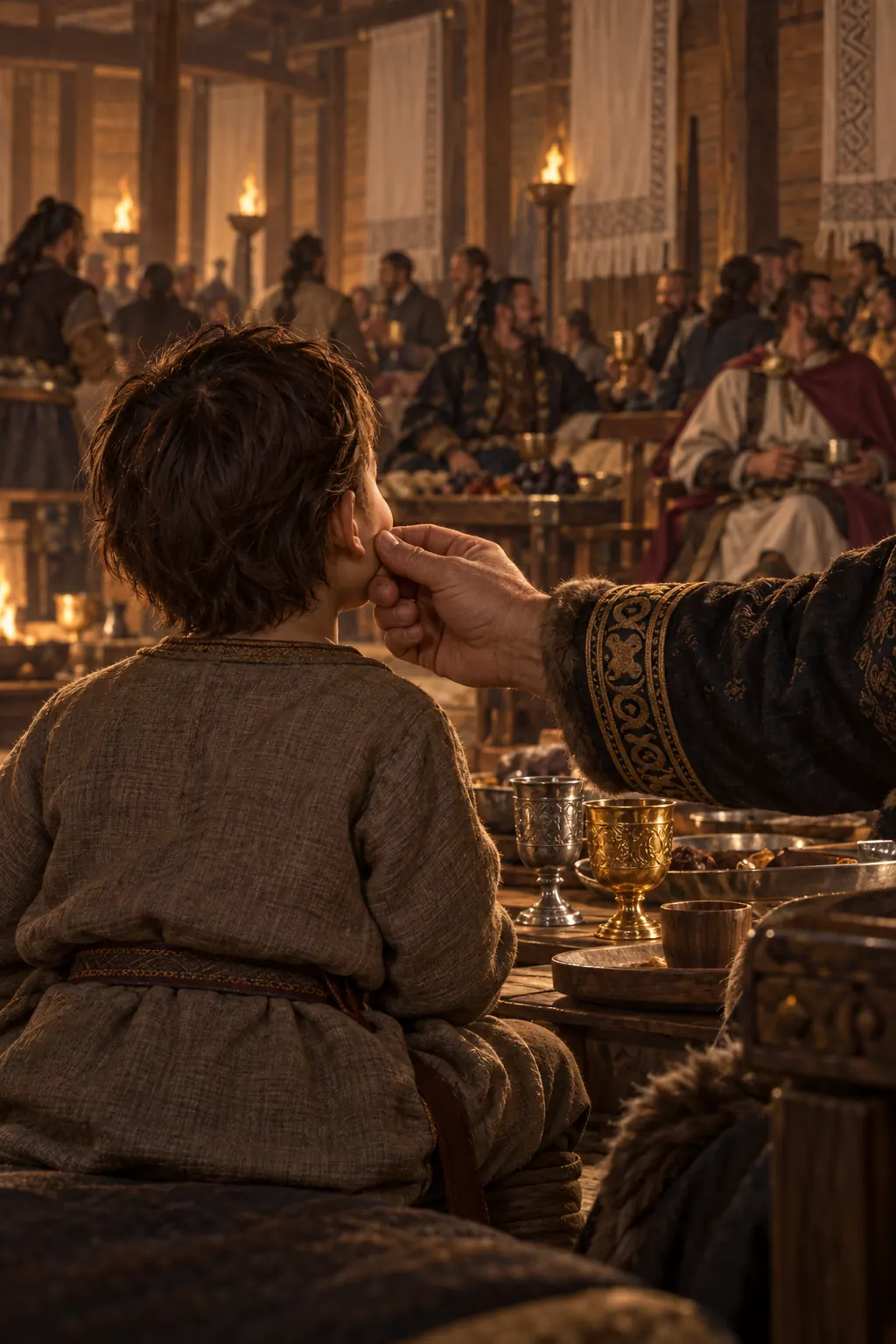
A jester came in, and the hall shook with laughter, but Attila's face did not change. Only once, when his youngest son Ernas came in, did he pull the boy by the cheek. After the feast, there was still something to settle.
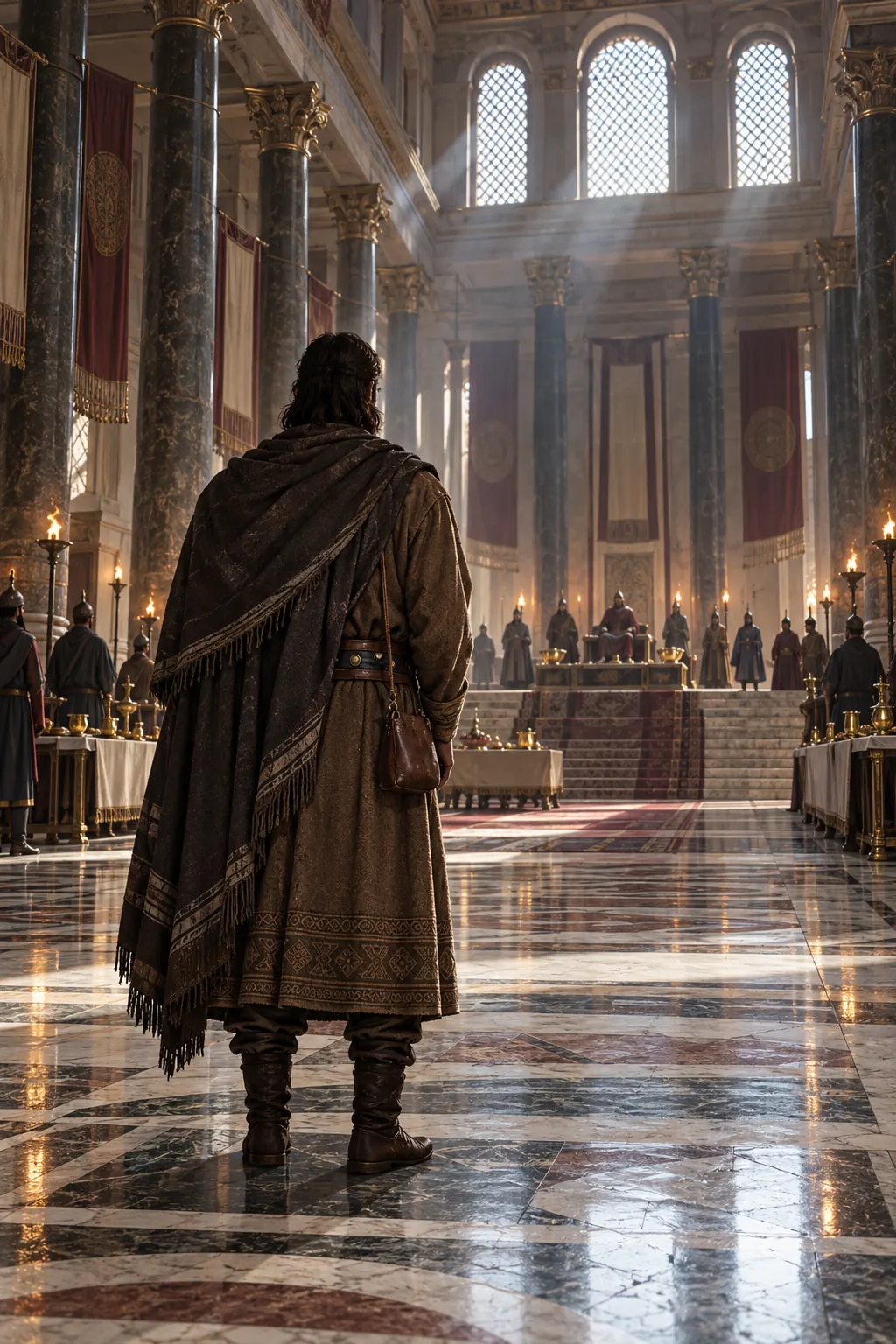
Attila sent his envoy Orestes to Constantinople with the bag that had held the bribe hung round his neck, to ask Chrysaphius, in front of the emperor, whether he recognised it.
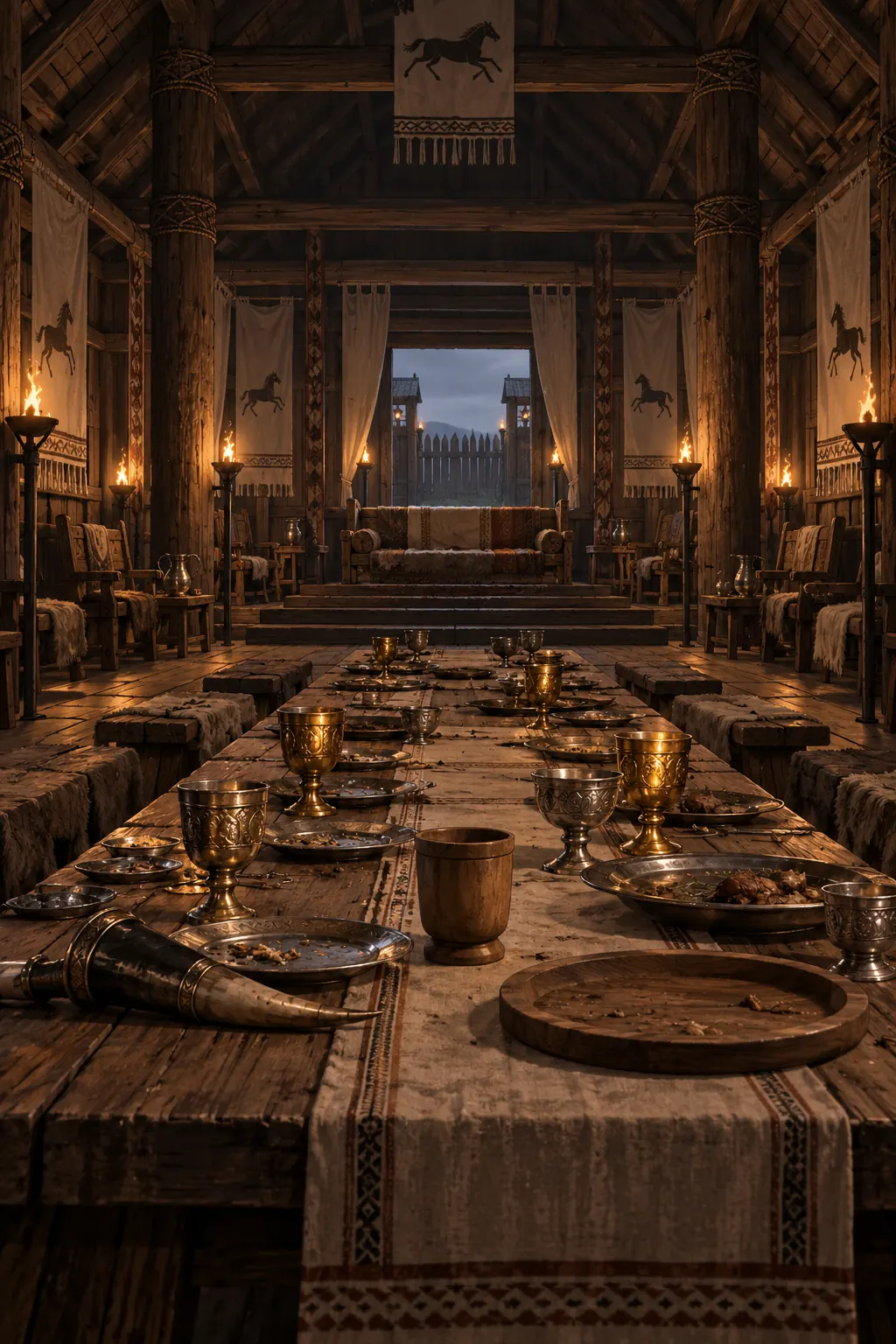
No record gives Attila's own reasons. What survives is the account of a Roman who was there. It was the Roman court that tried to buy the king's life with gold; at that feast the gold cups went to the guests, and the king's cup was wood.
What the records say
Priscus of Panium, a Roman official who travelled with the 448/449 embassy to Attila, recorded that at a feast Attila ate only meat from a wooden trencher and drank from a wooden cup while his guests were given gold and silver vessels; Priscus called his dress and manner “temperate.” The same embassy secretly carried a Byzantine plot, paid for by the eunuch Chrysaphius, to have Attila’s man Edecon kill his king; the plot was revealed to Attila, who later sent his envoy Orestes to Constantinople with the bribe bag hung round his neck to confront Chrysaphius before the emperor. Priscus also describes the feast’s seating order, its drinking ritual, Attila’s plain dress and unadorned weapons, and the one moment his face softened, when his youngest son Ernas came in. No surviving source records Attila’s own reasons. Everything above comes from Priscus’s eyewitness account, which survives only in fragments; the translations used here are J. B. Bury’s and Thomas Hodgkin’s.
Sources
- Priscus, fragment 8, trans. J. B. Bury — Fordham University, Internet Medieval Sourcebook sourcebooks.fordham.edu
- J. B. Bury, History of the Later Roman Empire, vol. 1, ch. 9 — LacusCurtius, University of Chicago penelope.uchicago.edu
- Thomas Hodgkin, Italy and Her Invaders, book II, ch. 2 — LacusCurtius, University of Chicago penelope.uchicago.edu
- "Fugitives and ethnography in Priscus of Panium", Byzantine and Modern Greek Studies (abstract) — Cambridge Core www.cambridge.org
- "Huns" — Encyclopaedia Iranica www.iranicaonline.org
More stories
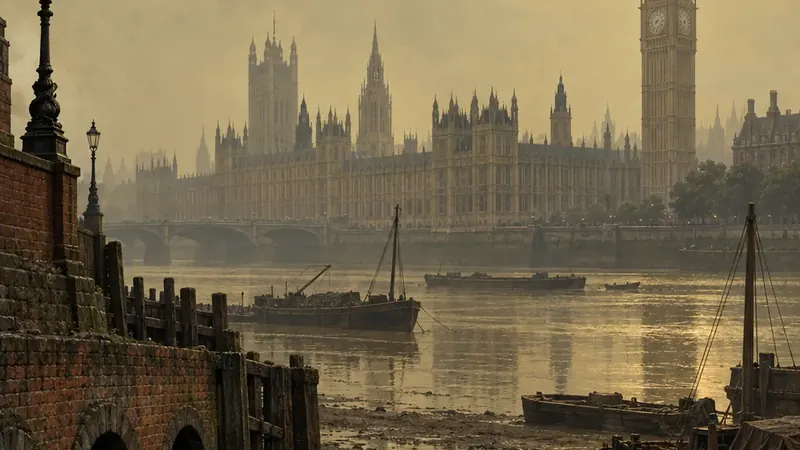
The river stank so badly that Parliament passed a sewer law in eighteen days
In the hot summer of 1858 the Thames stank outside the Houses of Parliament. A bill to borrow £3 million for new sewers became law eighteen days later.
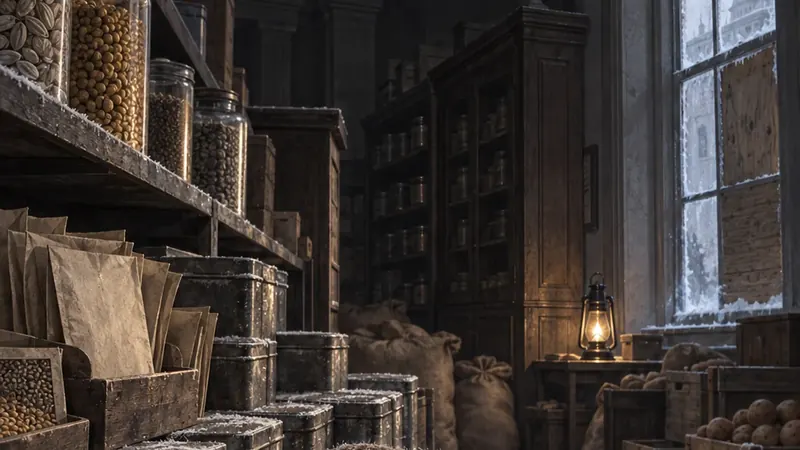
Starving in a besieged city, they guarded a room full of food and never ate it
In besieged Leningrad, staff of a plant institute guarded seeds, grain and potatoes through the winter of 1941–42. Several starved. The seeds survived.

Enemies in the trenches sang to each other, then climbed out to meet: Christmas 1914
On Christmas Eve 1914 carols crossed no man's land, and next day British and German soldiers met between the trenches. No one had ordered it.
Get the week in history
One email a week: the new articles, and what was happening elsewhere at the same moment. Free, no ads, unsubscribe any time. How we handle your email.
Text licensed CC BY-NC-ND 4.0. Found an error? Tell us.