Enemies in the trenches sang to each other, then climbed out to meet: Christmas 1914
On Christmas Eve 1914 carols crossed no man's land, and next day British and German soldiers met between the trenches. No one had ordered it.
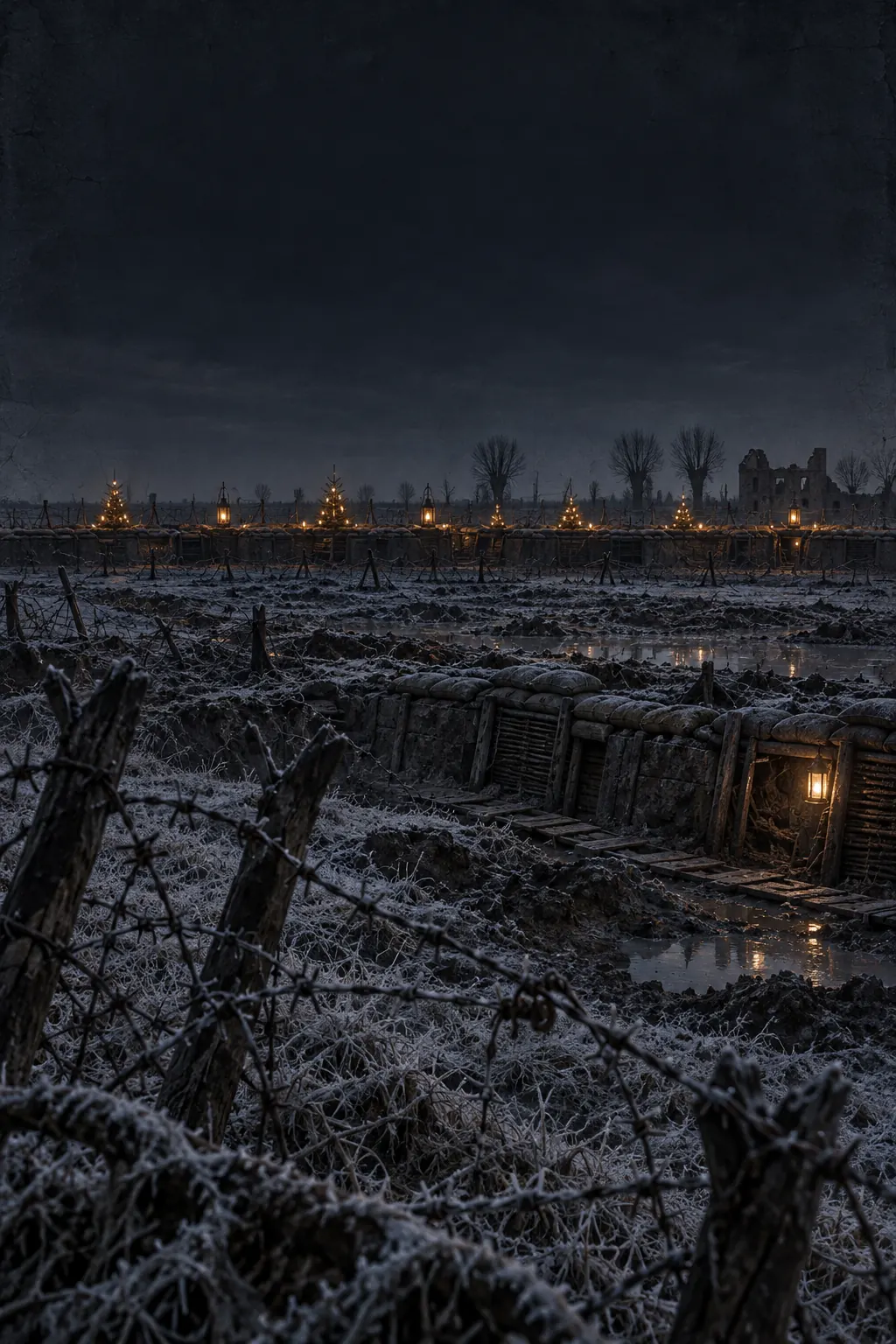
How British and German soldiers put down their rifles at Christmas.
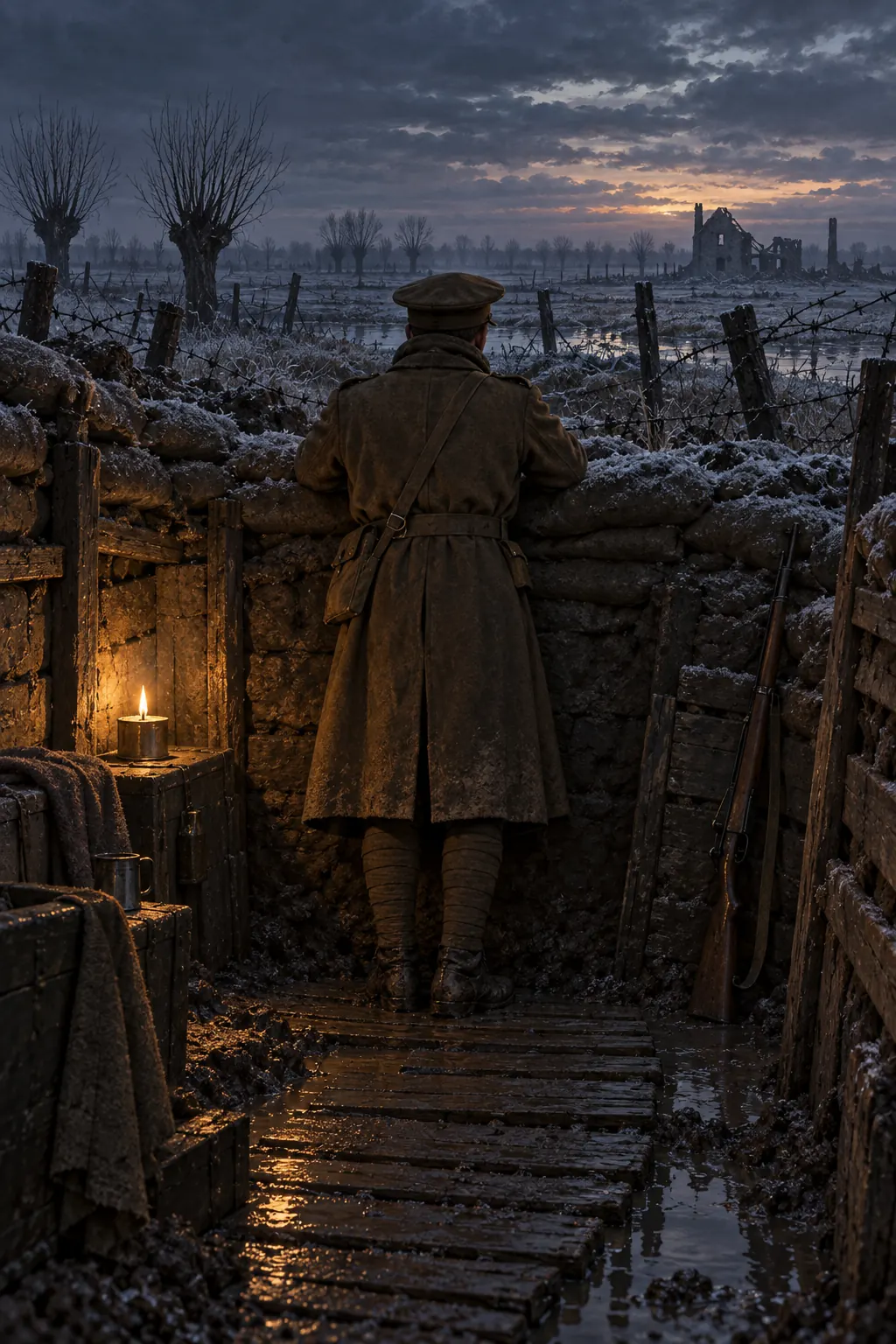
December 1914, the Western Front across Belgium and France. British and German troops faced each other from trenches in rain and frost. The ground between them was called no man's land.
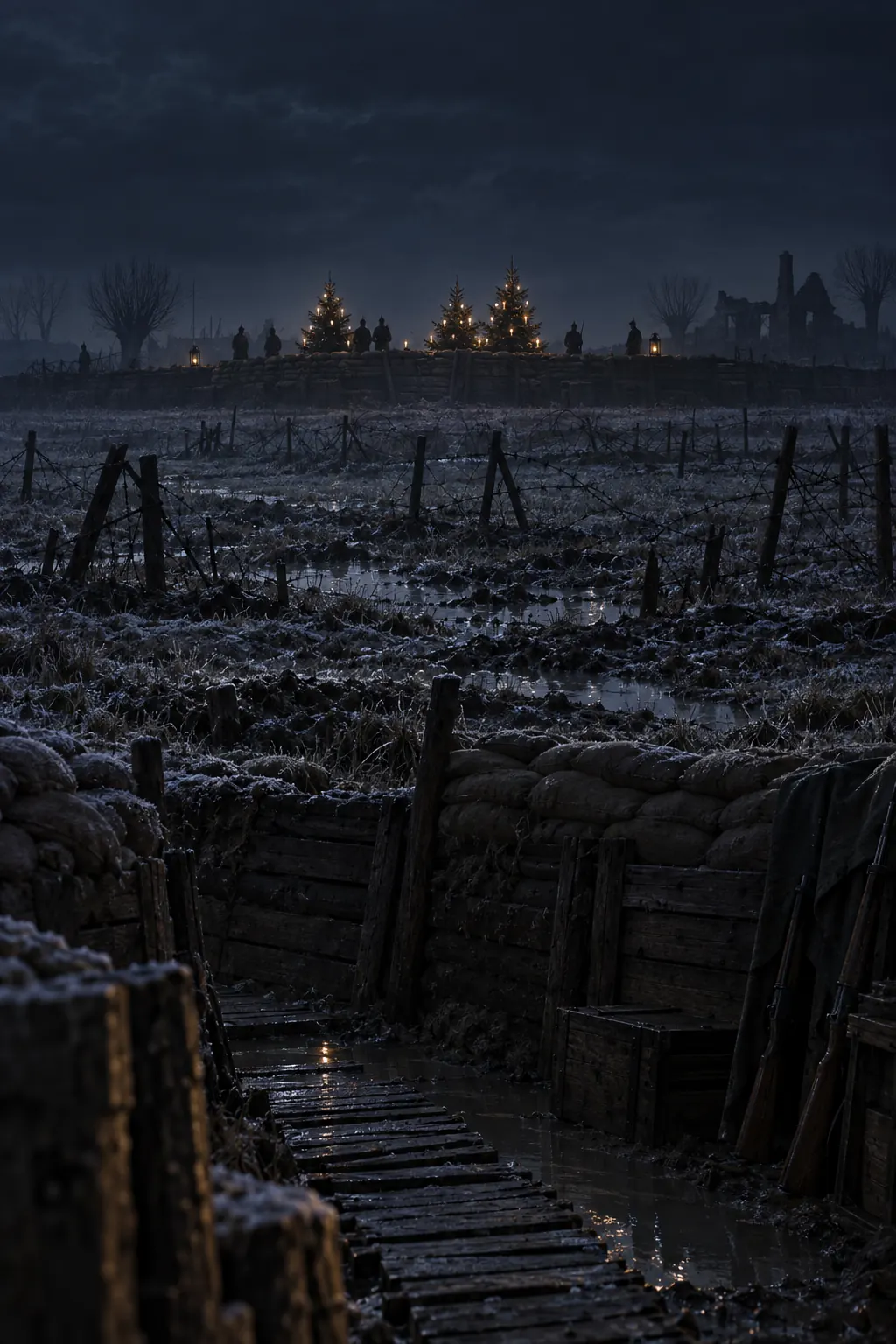
On Christmas Eve, lights began to appear along the top of the German trenches opposite. Small fir trees and candles. Then came the sound of singing.
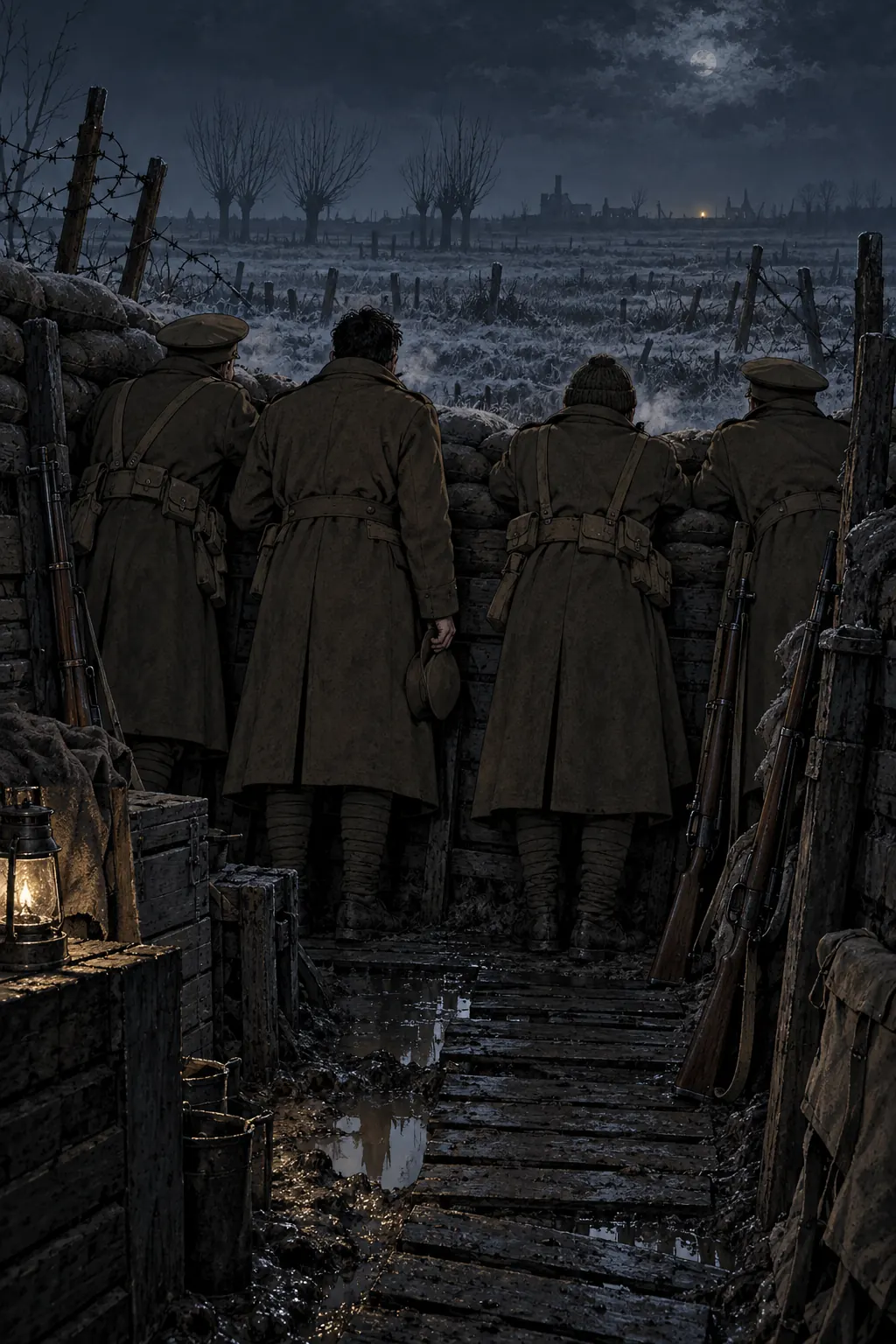
They were carols. The British side sang back, and greetings went across between the trenches. Each side called on the other to come over. No headquarters had ordered any of it.
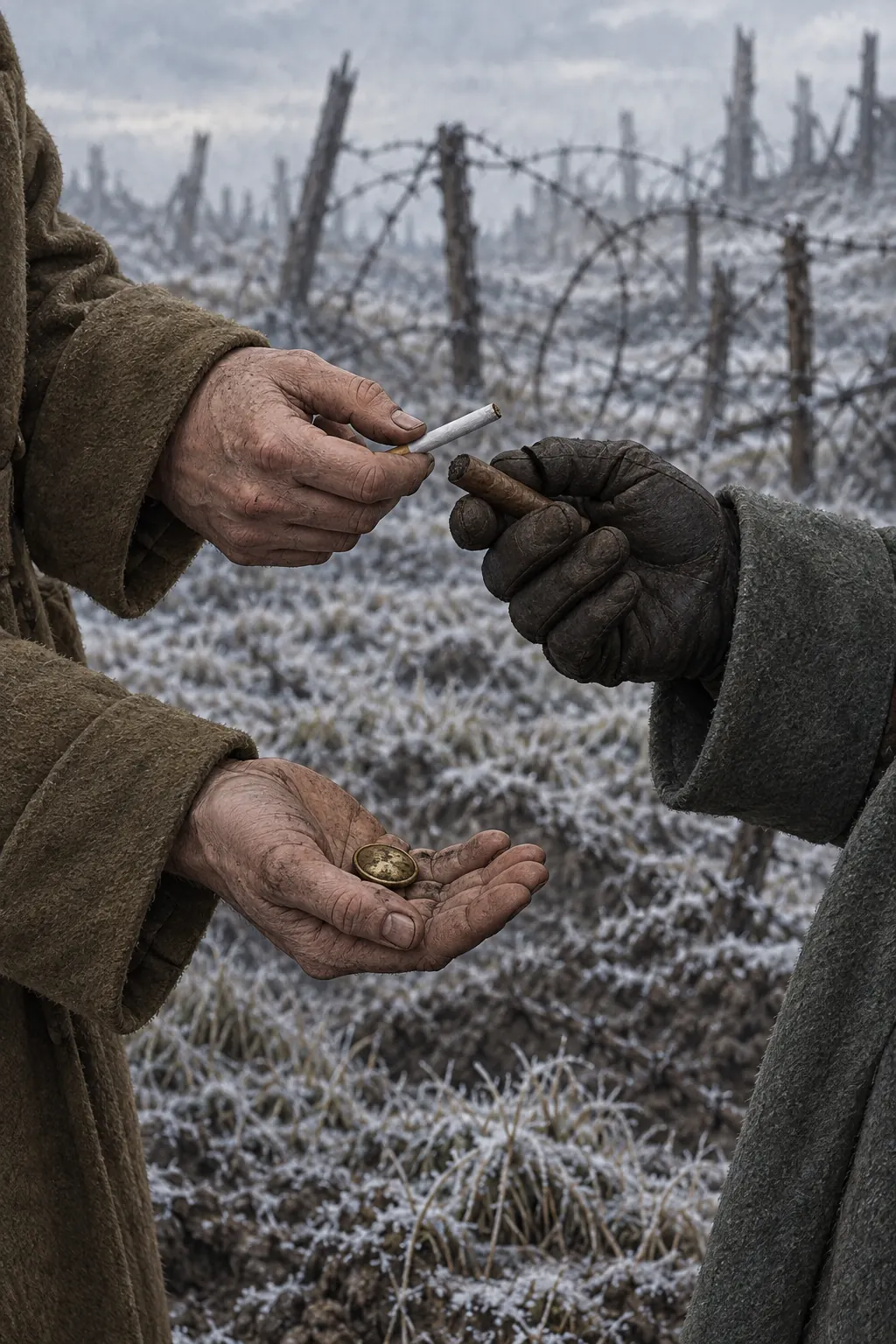
On Christmas Day, men from both sides climbed out and met in no man's land. They handed over cigarettes and cigars and swapped small things as souvenirs. Some took photographs.
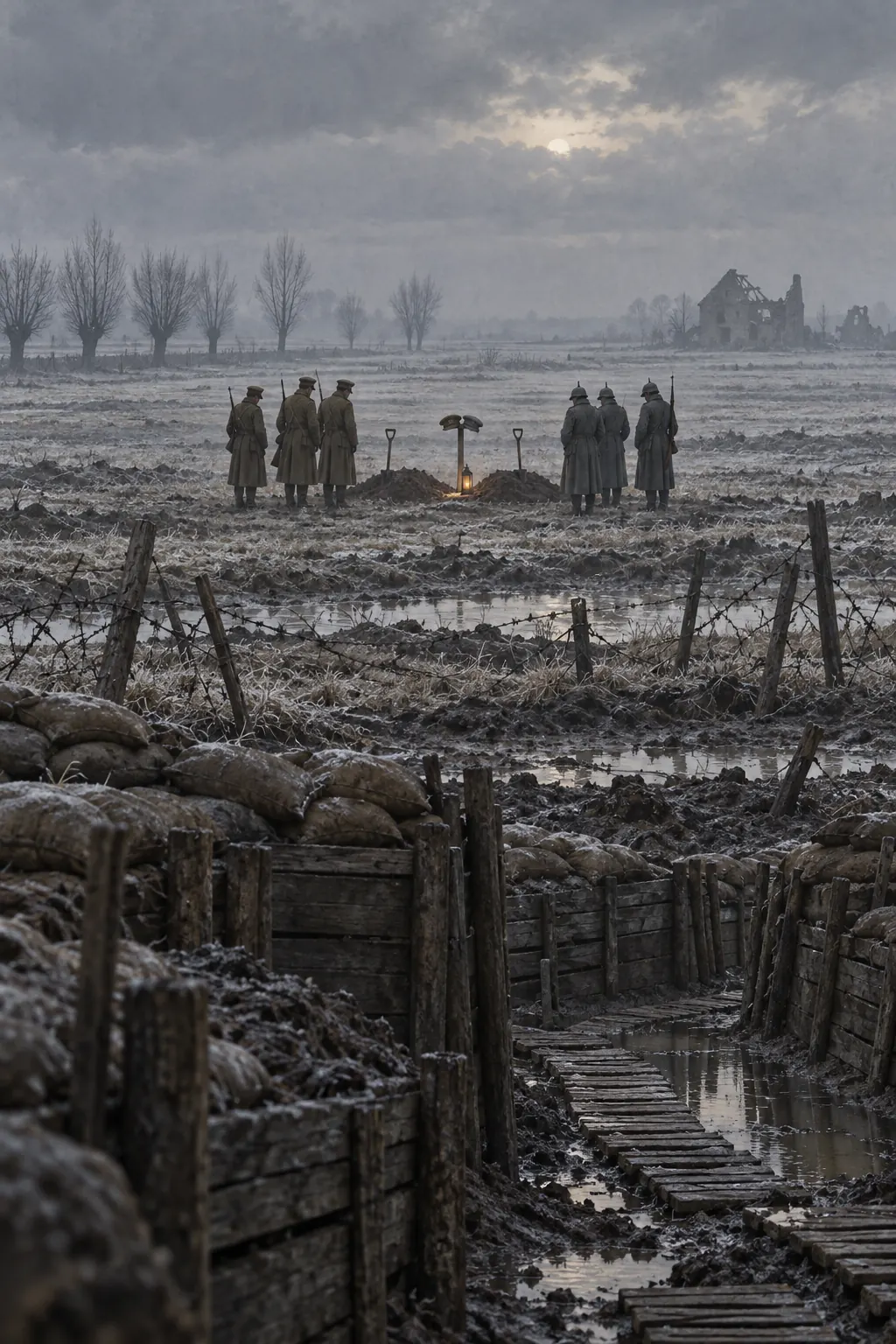
The fallen who had been lying out in no man's land were collected and buried. In at least one place, British and German soldiers dug the graves together. But the most famous scene of the day is another one.
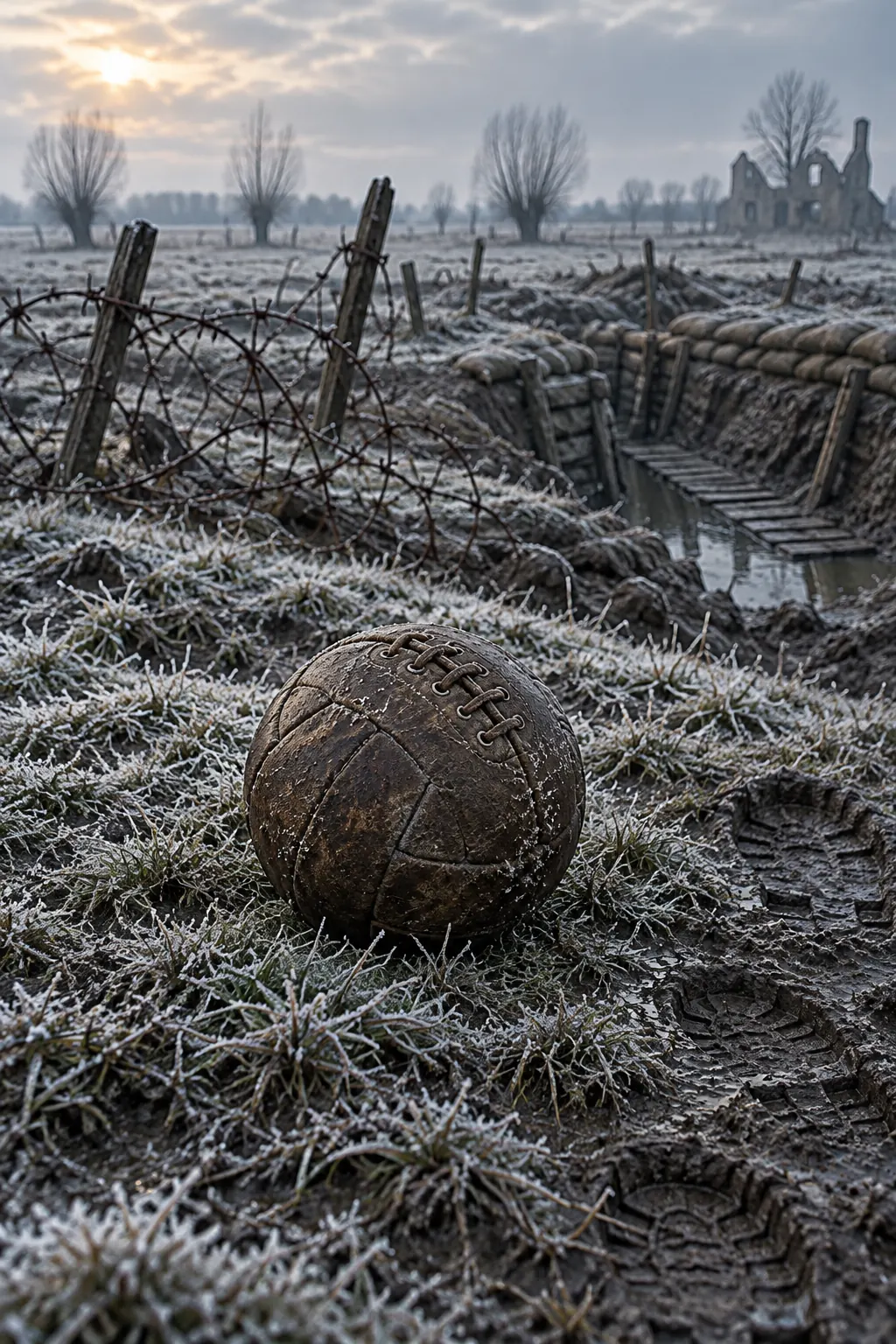
The football match. One soldier's diary says they played, and a veteran later described kicking a ball. Yet the official unit war diaries record no match. Where it happened, and on what scale, is still argued over.
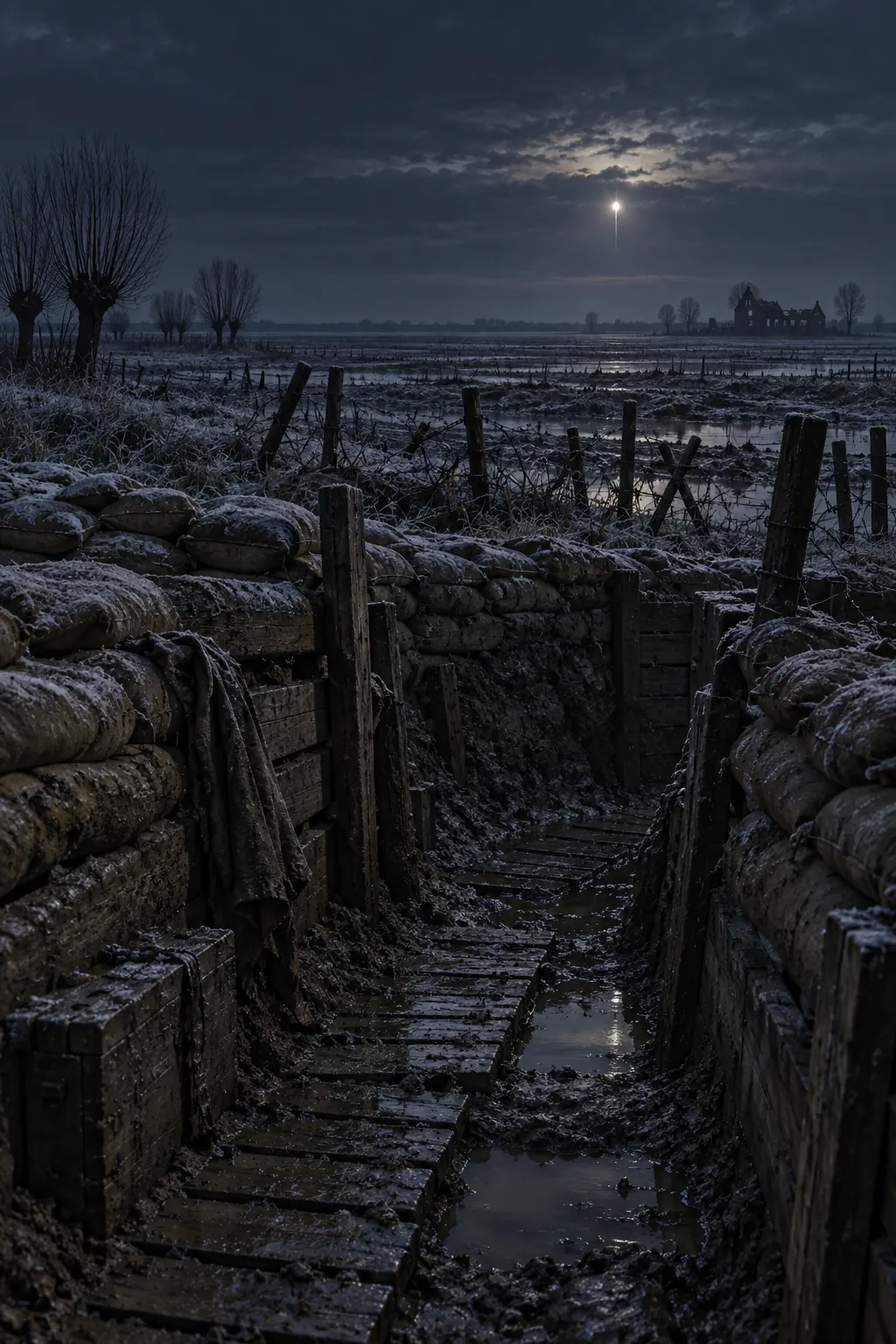
Not everywhere stopped. In other sectors the fighting went on that Christmas, and men were killed that day. Senior officers on both sides did not approve of fraternising with the enemy.
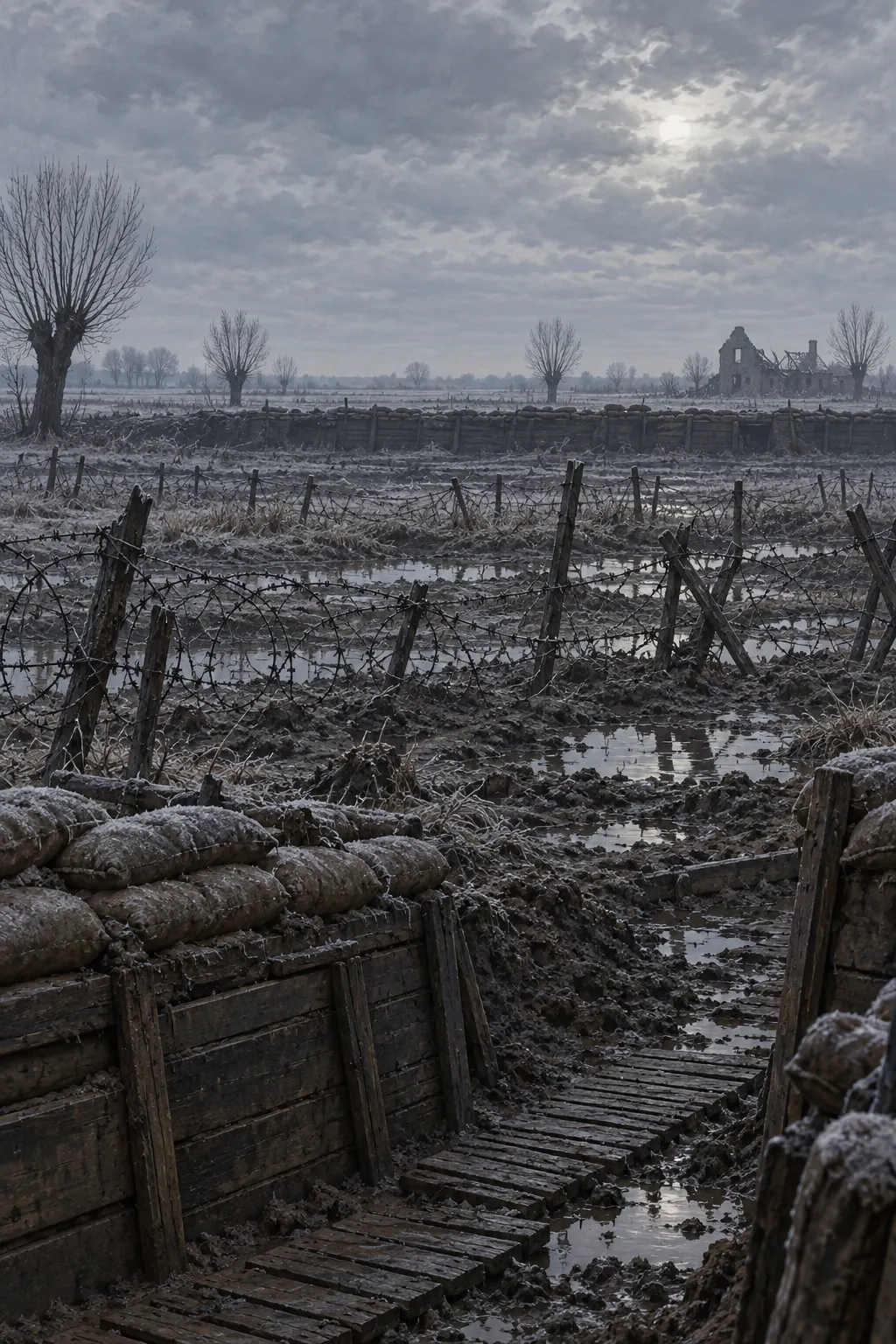
After 1914 the high commands on both sides worked to stop it happening again. Brief local pauses still occurred later in the war, but nothing on the scale of Christmas 1914 was ever repeated.
What the records say
The truce was local and unofficial. No headquarters ordered it, and it did not cover the whole front: in other sectors the fighting went on over Christmas, and men were killed on Christmas Day.
The football is the part the records argue over. It appears in soldiers’ letters and diaries and in later memories, but The National Archives notes that the official unit war diaries record no match. The story therefore gives it as something soldiers described, not as a settled fact. Totals for how many men took part are left out because no source we checked gives one.
For the letters, diaries and war-diary entries in more detail, read the record below.
Read the record
Sources
- National Army Museum, "The Christmas Truce" ww1.nam.ac.uk
- Imperial War Museums, "The Real Story Of The Christmas Truce Of 1914" www.iwm.org.uk
- The National Archives (UK) blog, "The Christmas truce, 1914" (war diaries in WO 95; Internet Archive copy) web.archive.org
- Imperial War Museums, Collections, "Captain A S Bates Christmas Truce Letter, 1914" www.iwm.org.uk
More stories
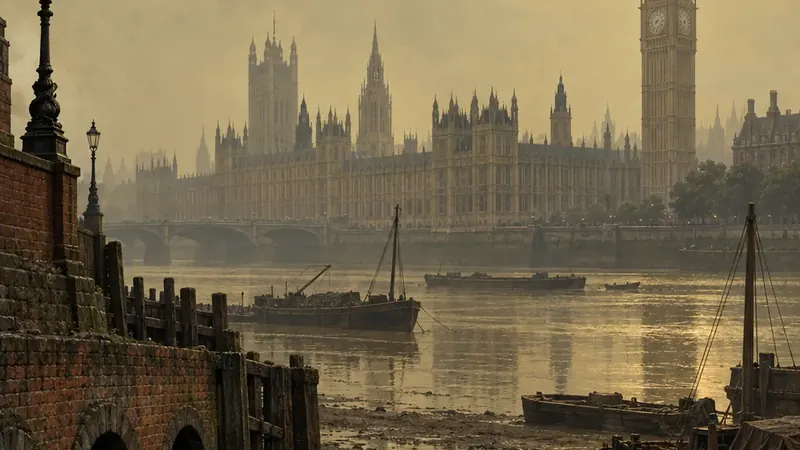
The river stank so badly that Parliament passed a sewer law in eighteen days
In the hot summer of 1858 the Thames stank outside the Houses of Parliament. A bill to borrow £3 million for new sewers became law eighteen days later.
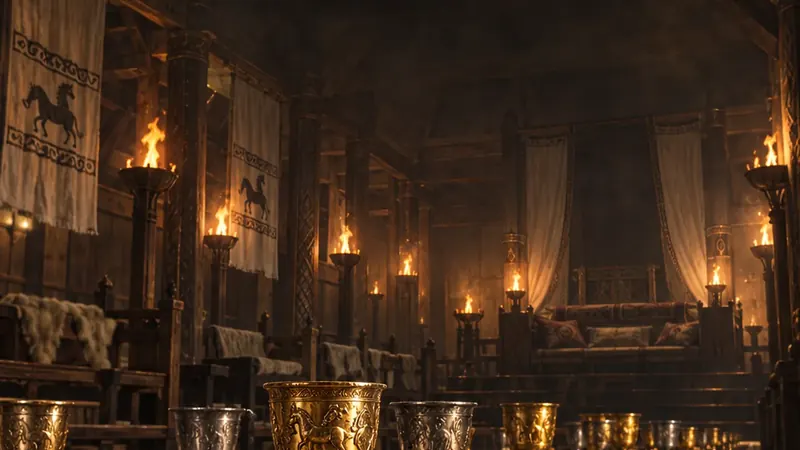
Gold for his guests, wood for himself: the feast where Attila wanted to be seen
In 448 or 449 a Roman envoy watched Attila eat from a wooden plate while his guests drank from gold, on an embassy carrying a secret plot to kill him.
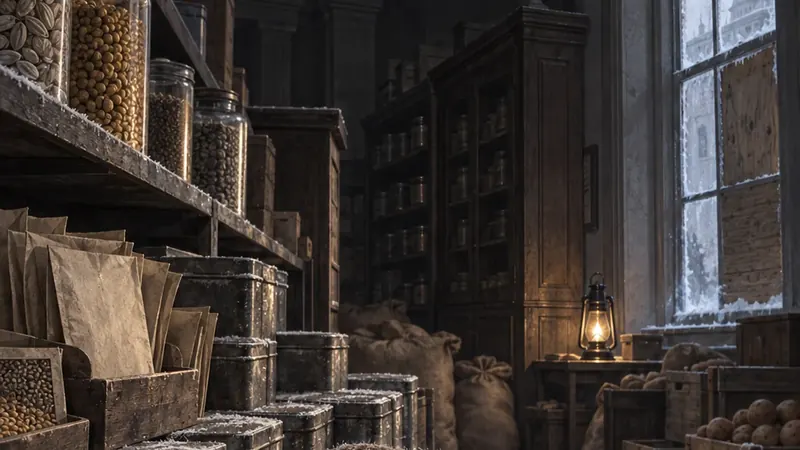
Starving in a besieged city, they guarded a room full of food and never ate it
In besieged Leningrad, staff of a plant institute guarded seeds, grain and potatoes through the winter of 1941–42. Several starved. The seeds survived.
Get the week in history
One email a week: the new articles, and what was happening elsewhere at the same moment. Free, no ads, unsubscribe any time. How we handle your email.
Text licensed CC BY-NC-ND 4.0. Found an error? Tell us.