Starving in a besieged city, they guarded a room full of food and never ate it
In besieged Leningrad, staff of a plant institute guarded seeds, grain and potatoes through the winter of 1941–42. Several starved. The seeds survived.
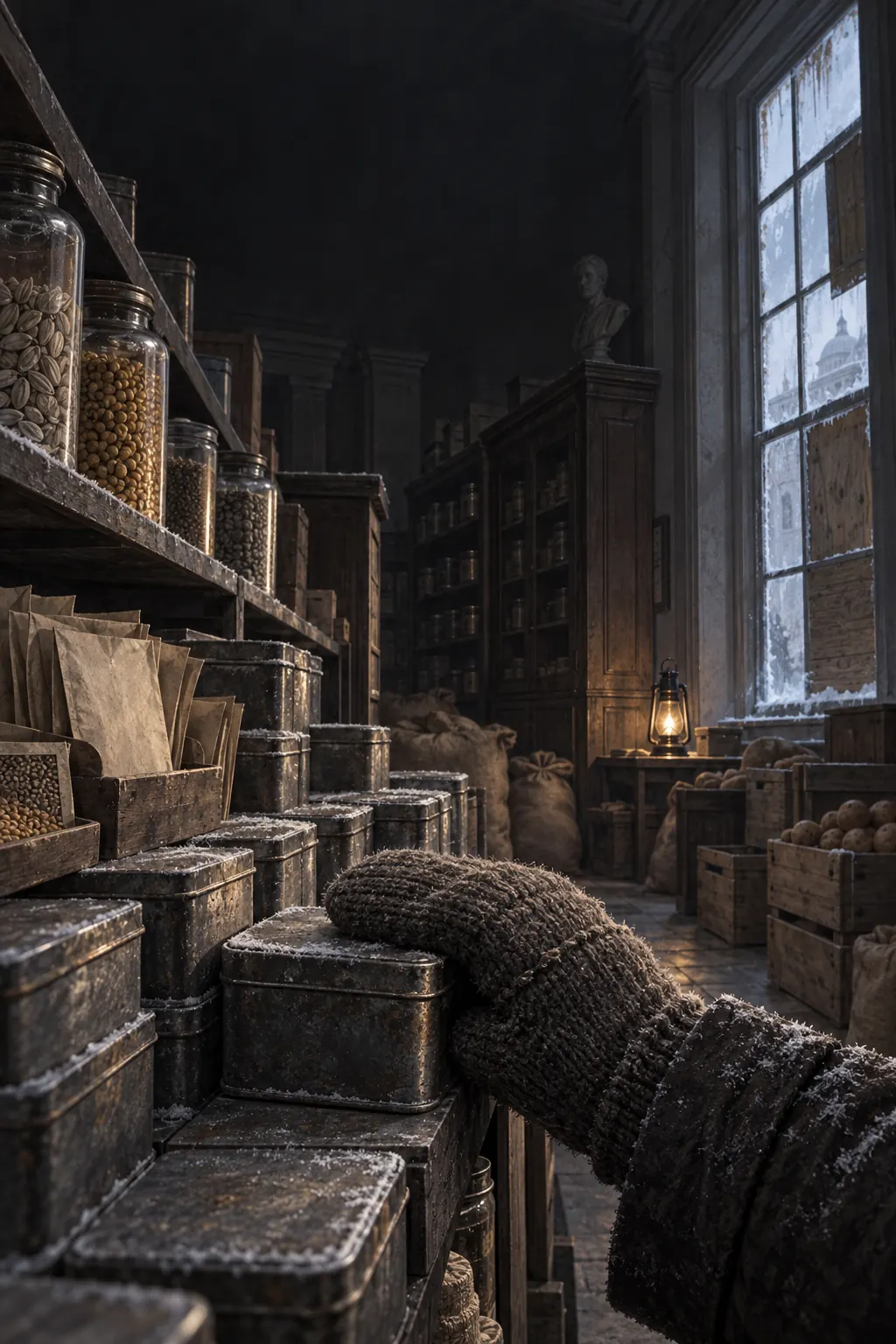
Why starving scientists in a besieged city did not eat the seeds they guarded.
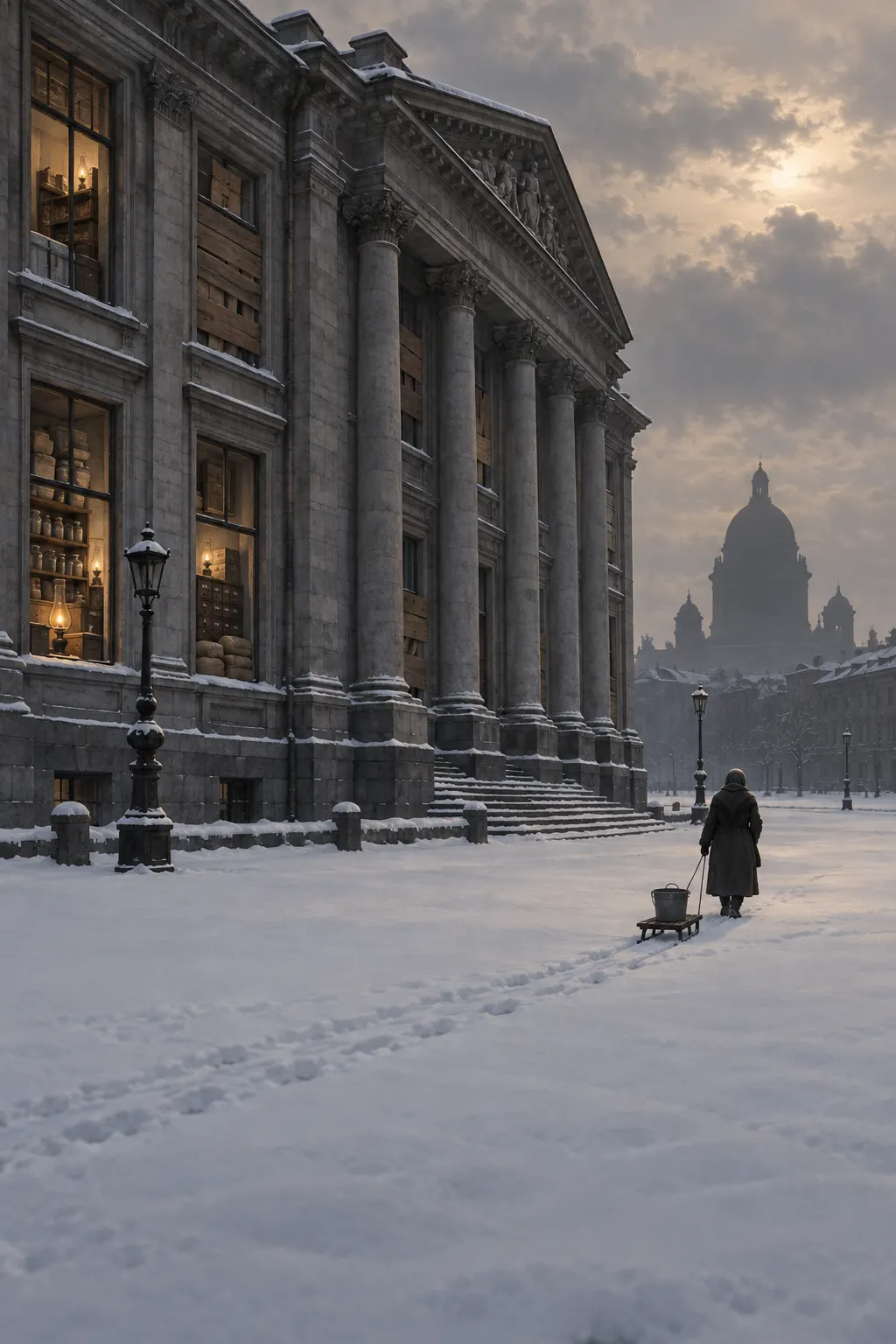
In 1941 German forces encircled Leningrad. With the roads into the city cut, food ran lower every day. On a square in the city centre stood a plant research institute.
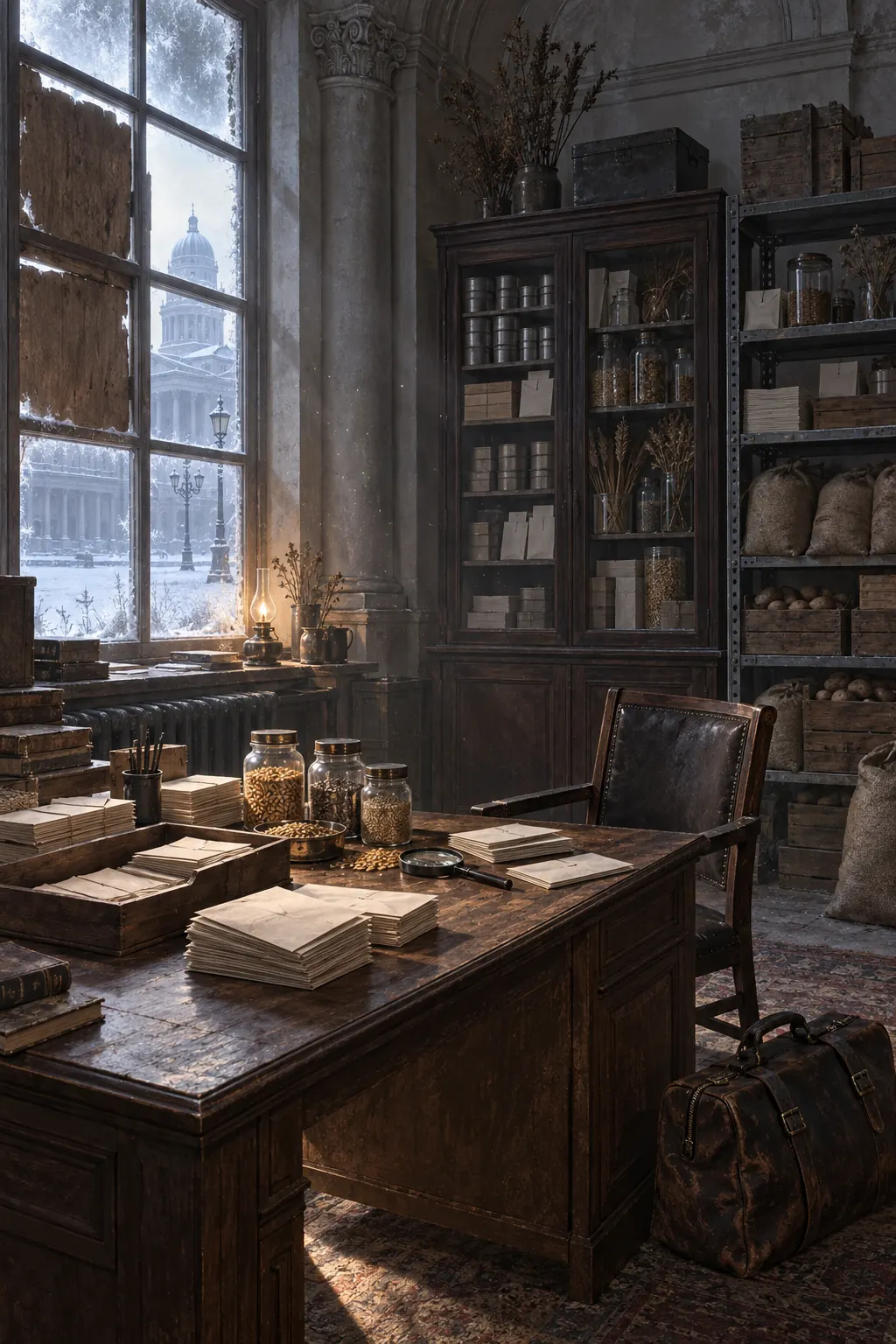
Its head, the botanist Nikolai Vavilov, had gathered seeds from all over the world, more than 200,000 samples. But he was not there. He had been arrested in 1940.
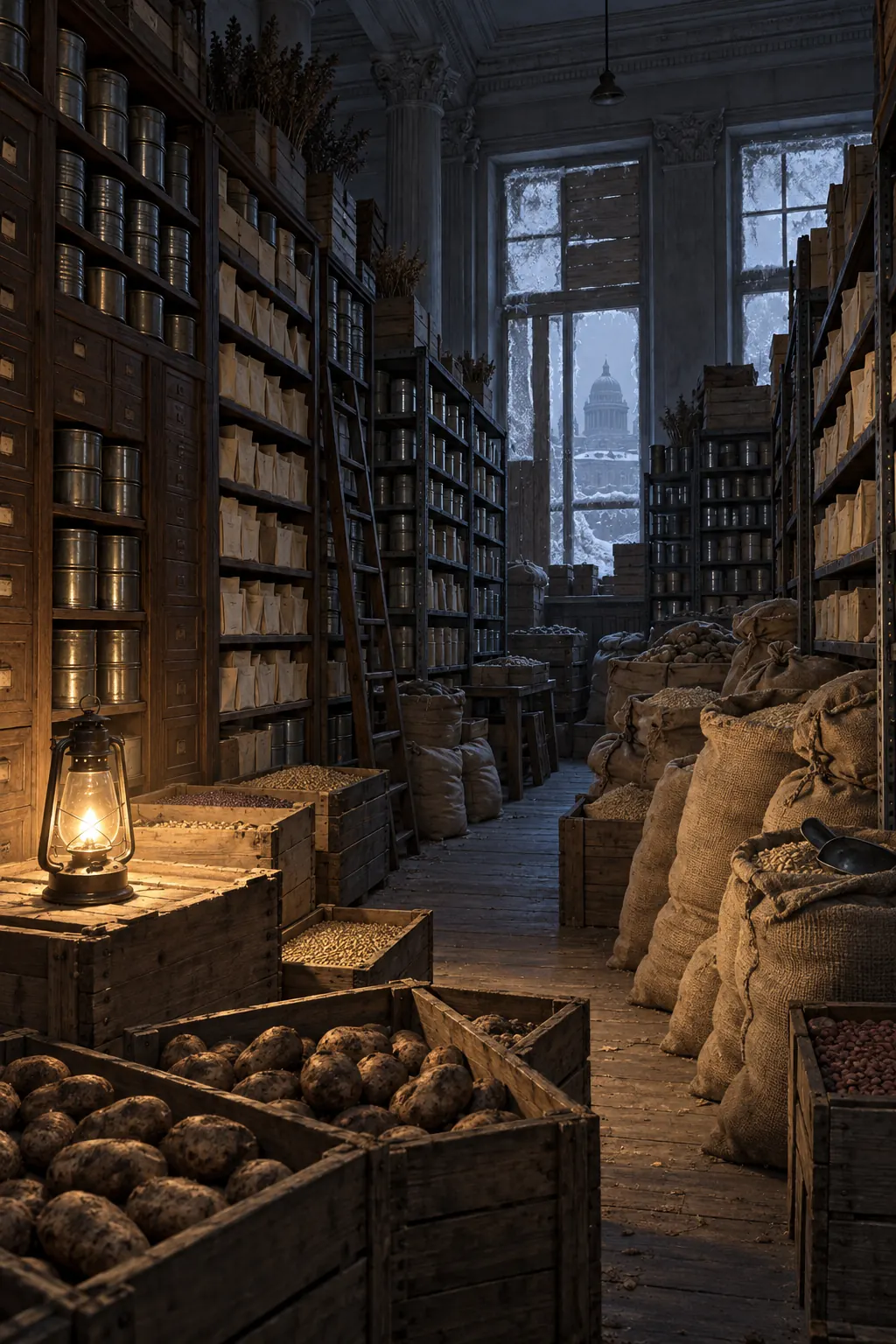
What the remaining staff guarded were seeds, grain and potatoes. All of it could be eaten. In the middle of a starving city, this building was full of food. Then winter came.
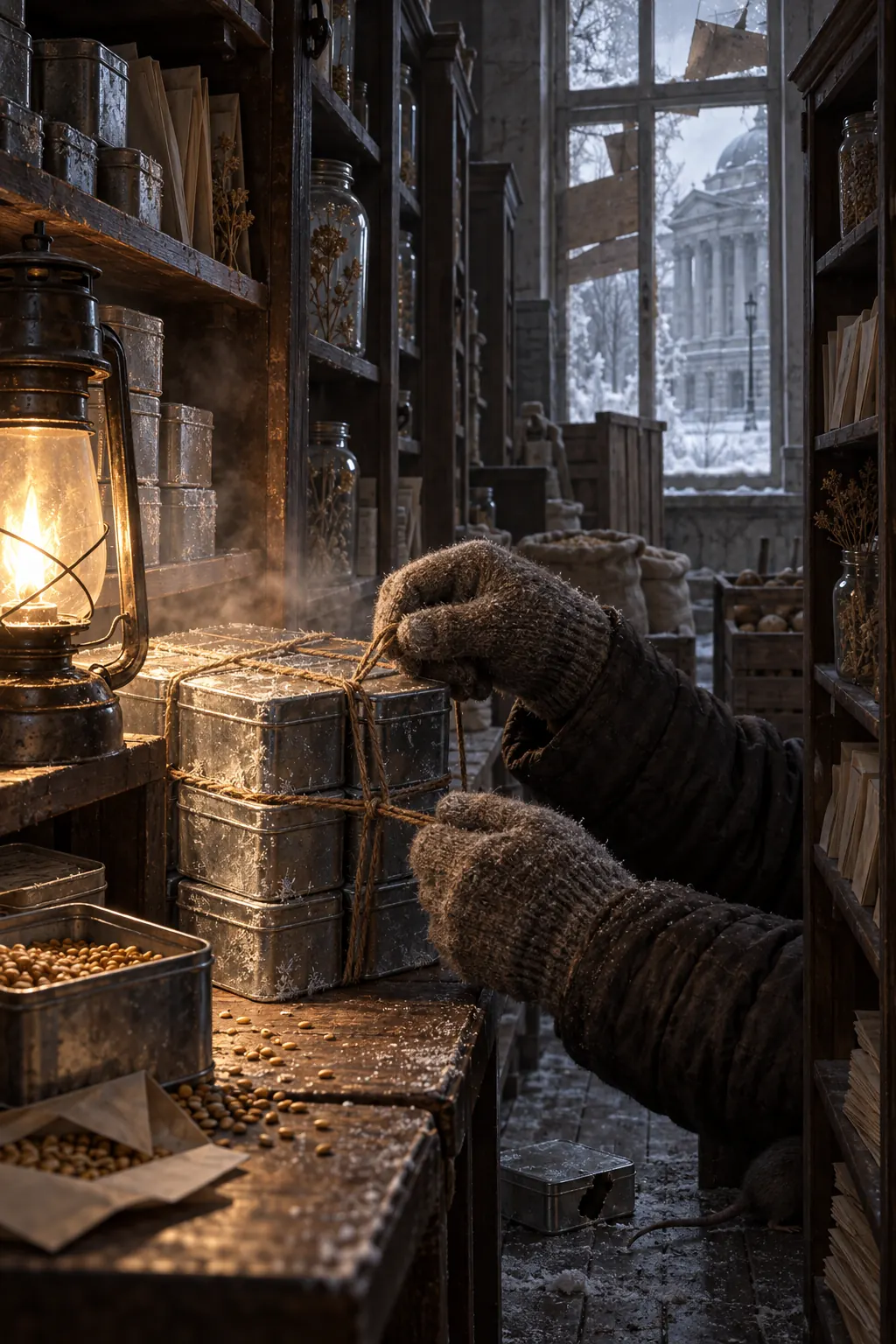
In the winter of 1941–42 the bread ration fell to a single small piece a day. Rats gnawed into the seed boxes, and the staff, in unheated rooms, tied the boxes into bundles and stacked them to keep them safe.
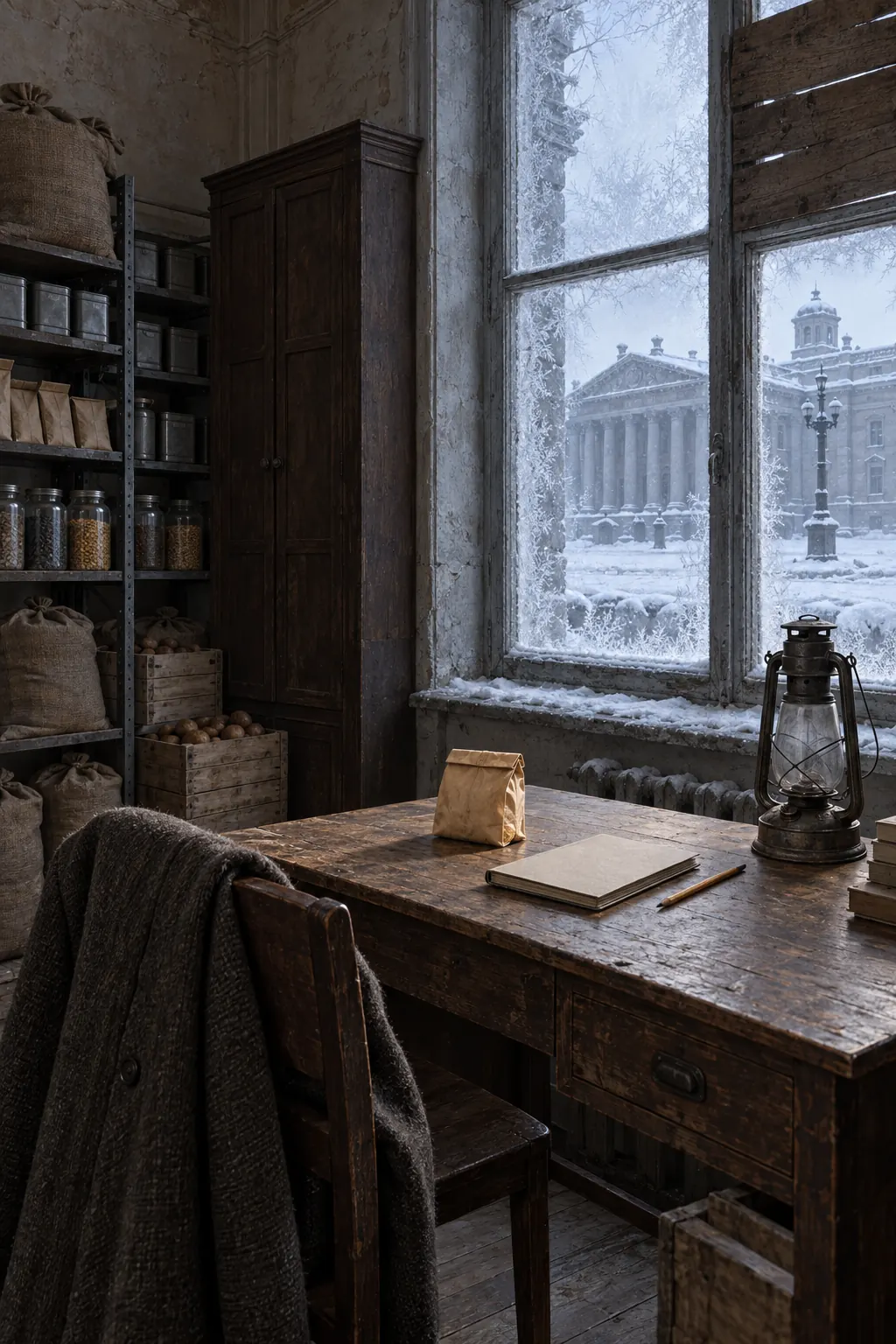
That winter, one after another, the staff died of hunger. Among them were the keeper of the rice and the keeper of the peanuts; one is said to have been found at his desk holding a bag of peanuts. Still, no one touched the seeds.
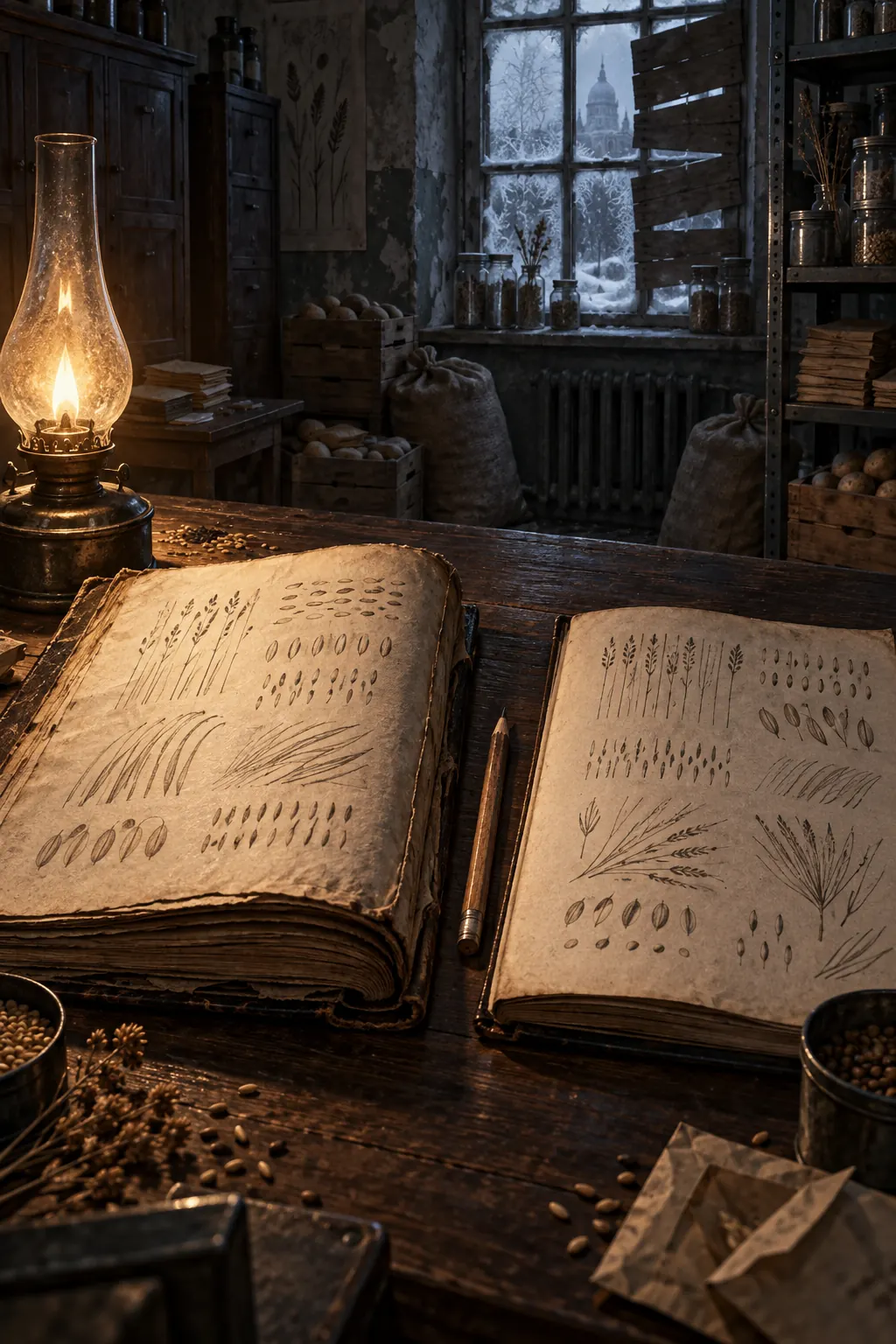
How many died this way depends on the source. One account says nine scientists; the institute's own record says more than thirty of its staff died that winter. On why they did not eat, the accounts agree.
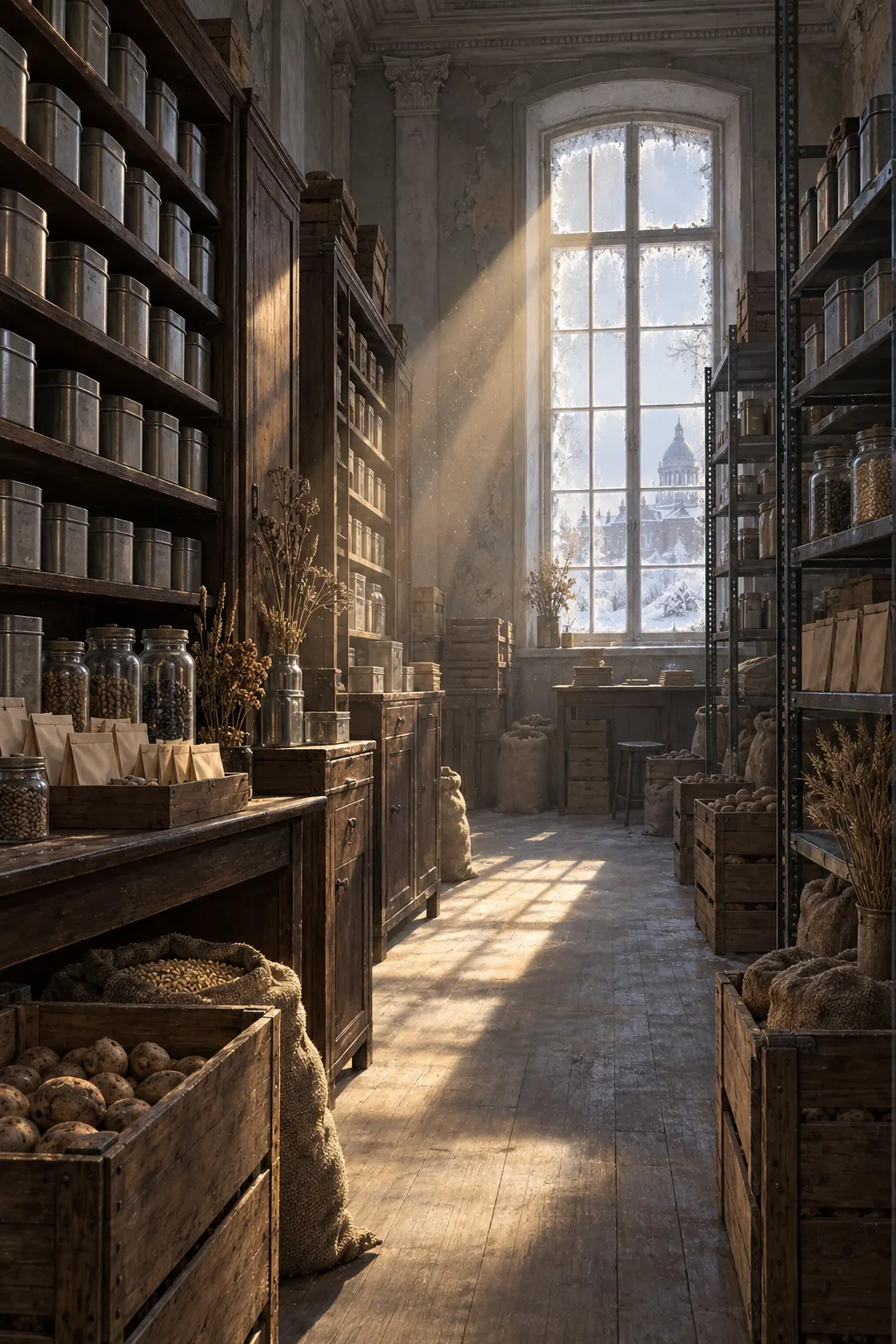
They did not count the seeds as food. Eating them might get you through a winter, but the variety could never be planted again. In early 1944 the siege was finally lifted.
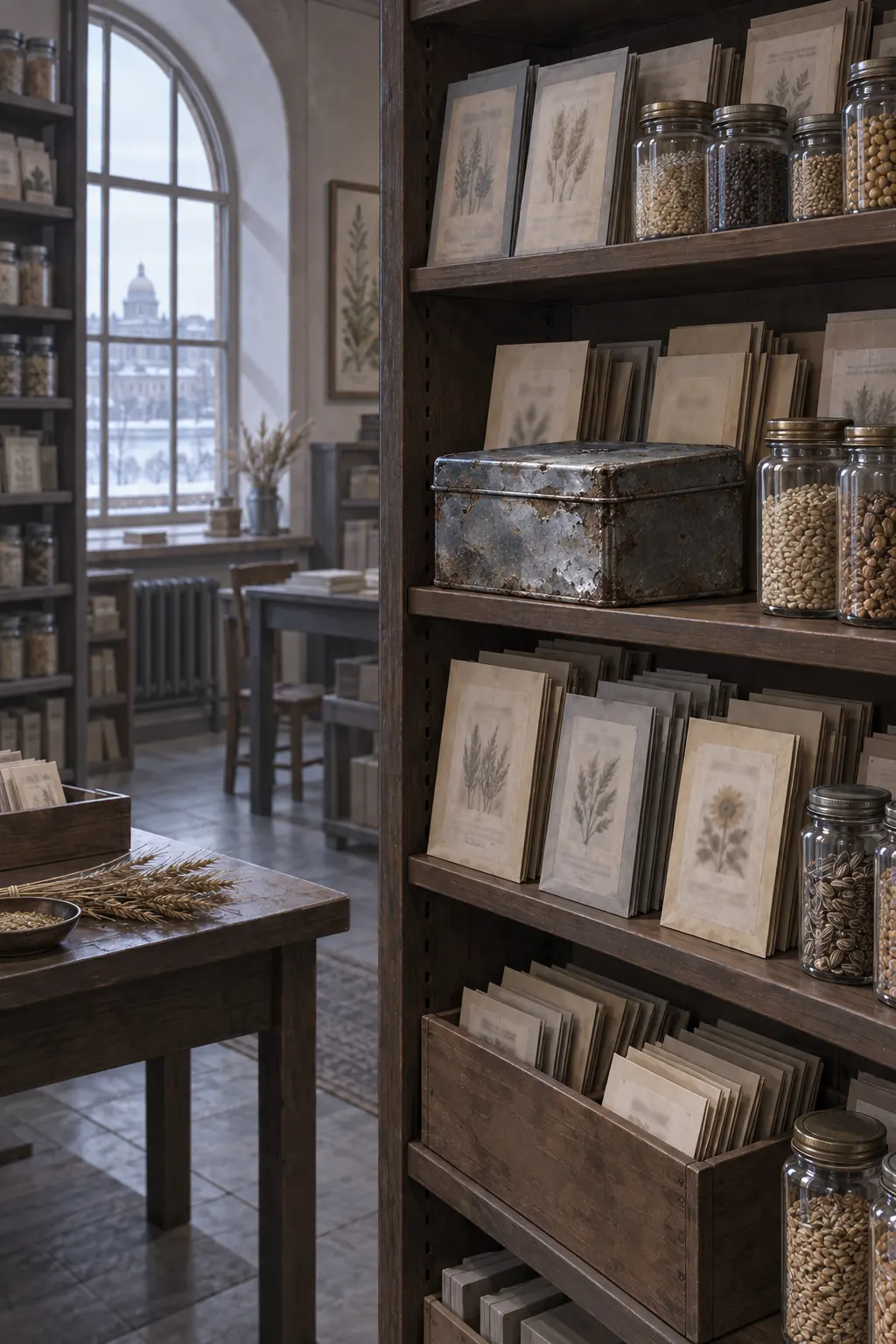
The seeds they guarded survived the war. The collection is still held today at the institute that bears Vavilov's name, in the city once called Leningrad, now St Petersburg.
What the records say
German forces cut Leningrad off in 1941, and the siege was lifted in early 1944. The collection belonged to the institute that the botanist Nikolai Vavilov had built up before his arrest in 1940; today it is the N. I. Vavilov All-Russian Institute of Plant Genetic Resources in St Petersburg.
The sources agree on why the staff did not eat the collection: the institute’s own history says they did not count seeds and tubers as food. They differ on how many died. Sam Kean’s account for the Science History Institute speaks of nine scientists; the institute’s history by Igor Loskutov says more than thirty of its staff died that winter. We give both.
The scene of a scientist found at his desk holding a bag of peanuts appears in one account only, so the story reports it as something that is told. Two details that circulate in retellings are left out because the sources contradict each other: whether the keeper of the potatoes also starved, and whether the institute was refused a railway wagon to evacuate the collection.
Sources
- Science History Institute (Sam Kean), "The Tragedy of the World's First Seed Bank", Distillations www.sciencehistory.org
- N. I. Vavilov All-Russian Institute of Plant Genetic Resources (VIR), I. G. Loskutov, "VIR and the siege of Leningrad" (PDF, in Russian) www.vir.nw.ru
- VIR, "Victory Day" exhibition page (in Russian) www.vir.nw.ru
More stories

The river stank so badly that Parliament passed a sewer law in eighteen days
In the hot summer of 1858 the Thames stank outside the Houses of Parliament. A bill to borrow £3 million for new sewers became law eighteen days later.

Gold for his guests, wood for himself: the feast where Attila wanted to be seen
In 448 or 449 a Roman envoy watched Attila eat from a wooden plate while his guests drank from gold, on an embassy carrying a secret plot to kill him.
Enemies in the trenches sang to each other, then climbed out to meet: Christmas 1914
On Christmas Eve 1914 carols crossed no man's land, and next day British and German soldiers met between the trenches. No one had ordered it.
Get the week in history
One email a week: the new articles, and what was happening elsewhere at the same moment. Free, no ads, unsubscribe any time. How we handle your email.
Text licensed CC BY-NC-ND 4.0. Found an error? Tell us.