In 1687 a single shell turned the Parthenon into a ruin
In 1687 the Ottoman garrison on the Acropolis kept gunpowder inside the Parthenon. During a Venetian siege a shell set it off, and the temple became a ruin.
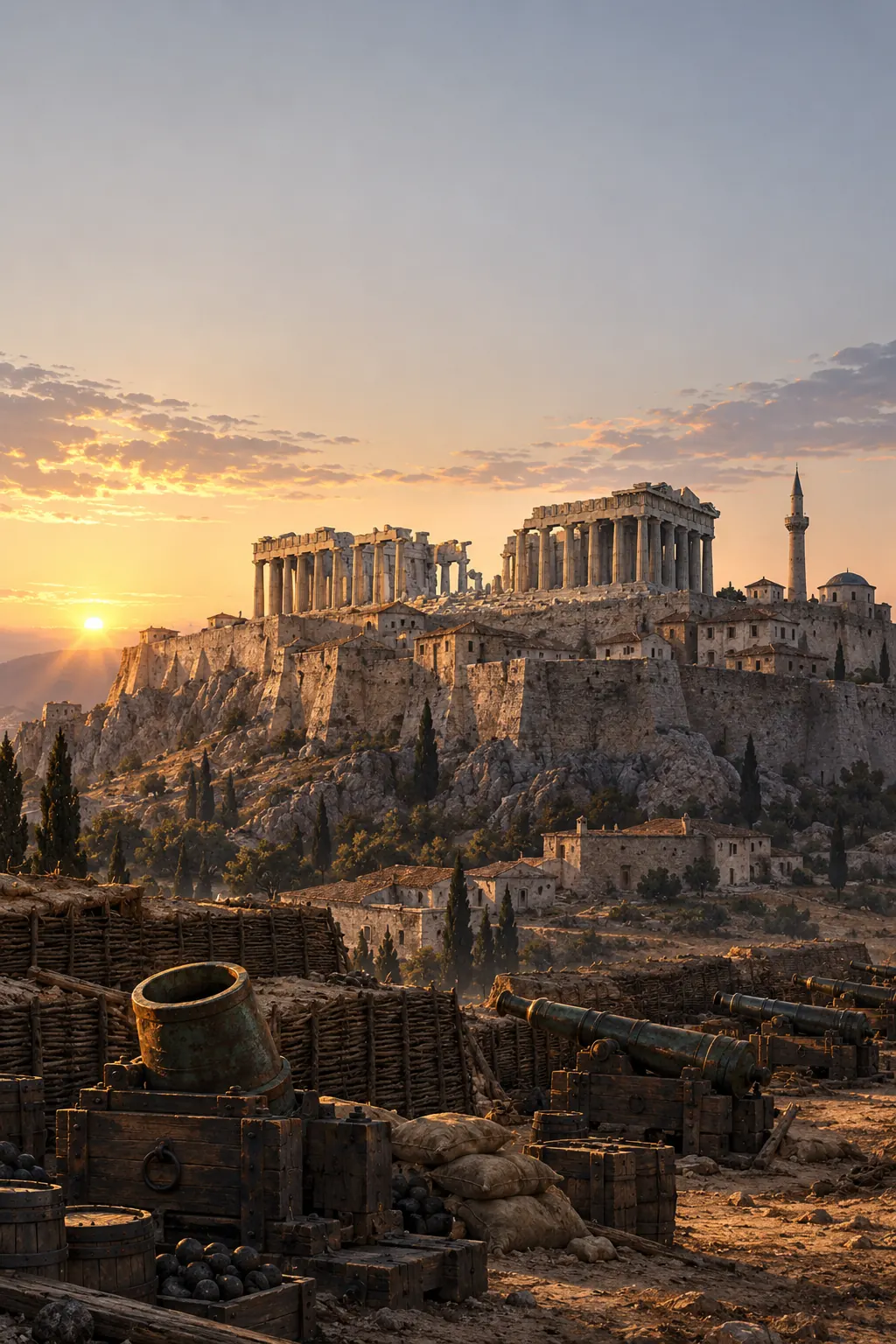
Why the Parthenon, standing for two thousand years, fell to a single shell.
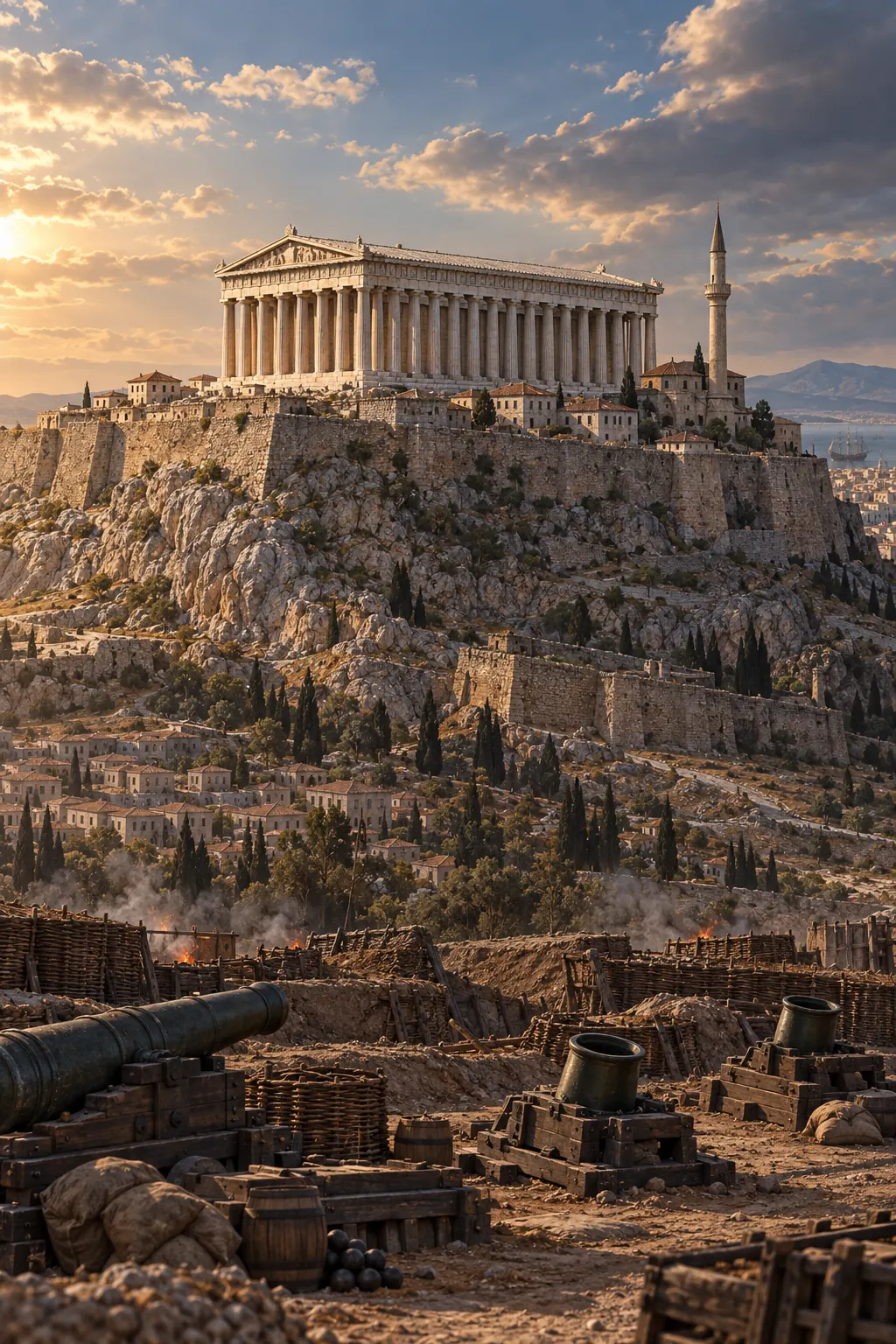
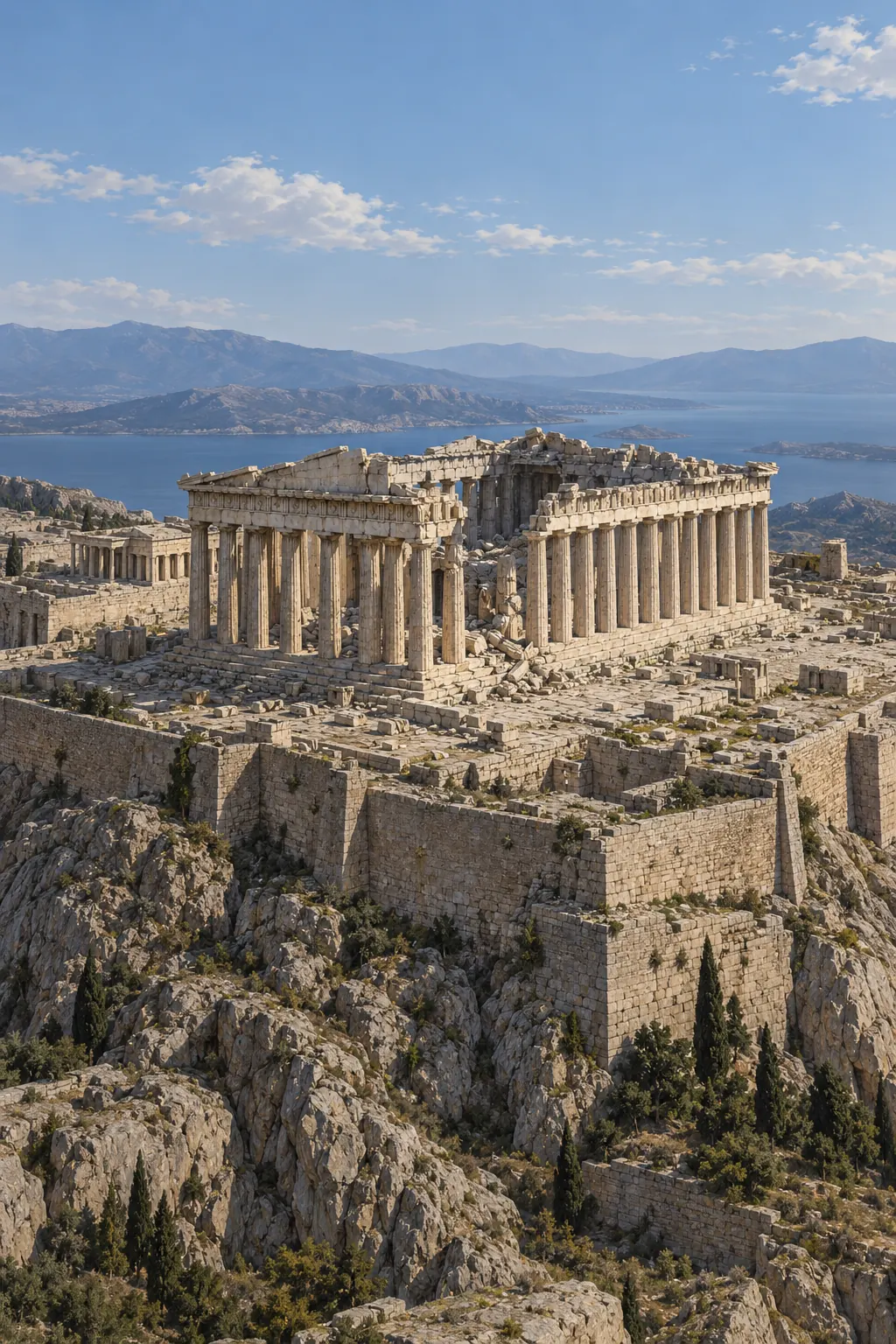
The Acropolis hill in Athens, Greece. The Parthenon was built in the fifth century BC as a temple to the goddess Athena. A marble frieze ran all the way round the building above its inner walls.
Its use changed several times. It became a church, and after the Ottomans took Athens it was made a mosque in the later fifteenth century. And in 1687, something quite different was stacked inside.
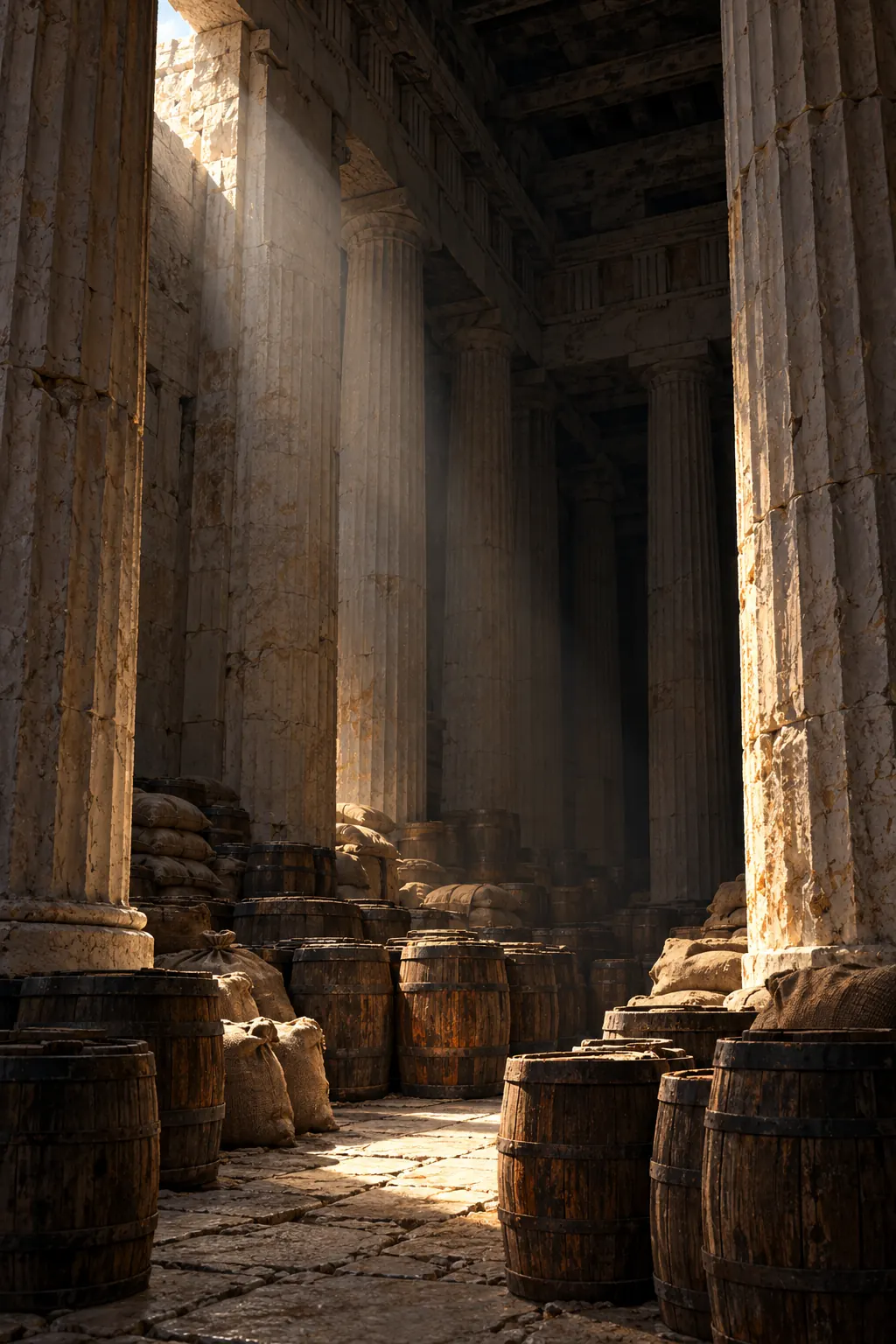
It was gunpowder. The Ottoman garrison holding the Acropolis had stored it inside the temple. A building two thousand years old had become a powder store. That year a Venetian army came to Athens.
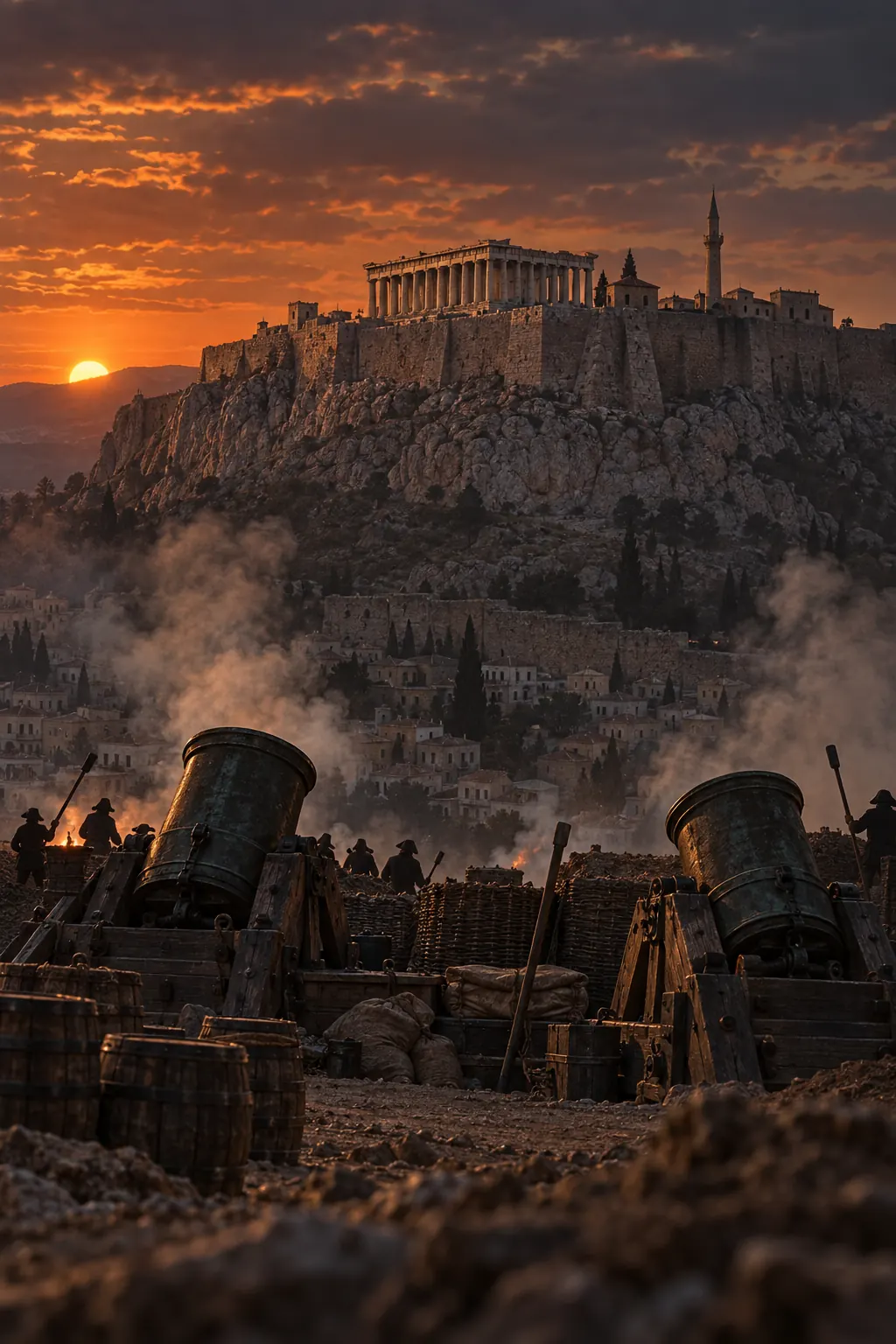
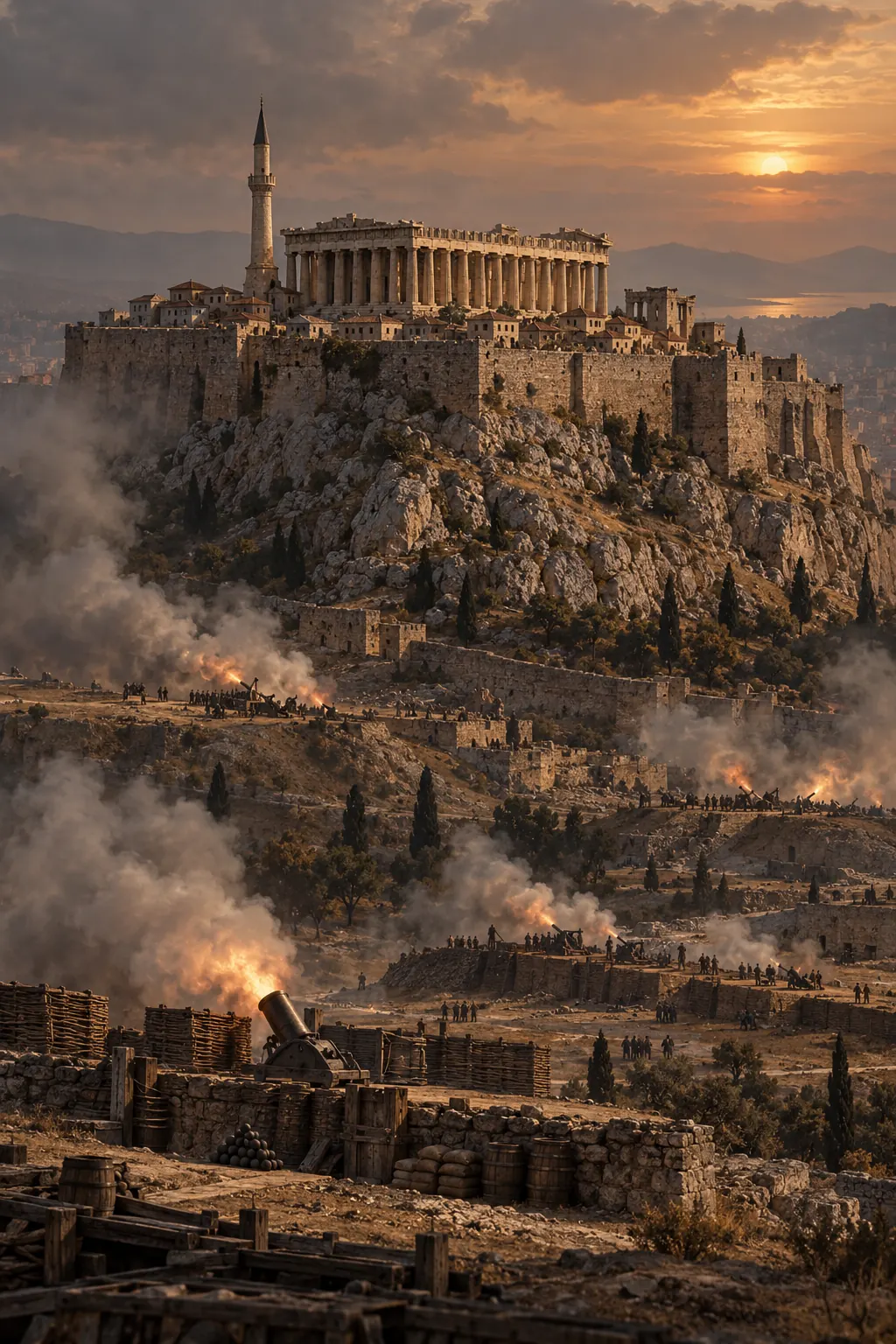
The Ottoman Empire and Venice were at war. The Venetians besieged the Acropolis and bombarded the hill. Their shells came down on the summit where the temple stood.
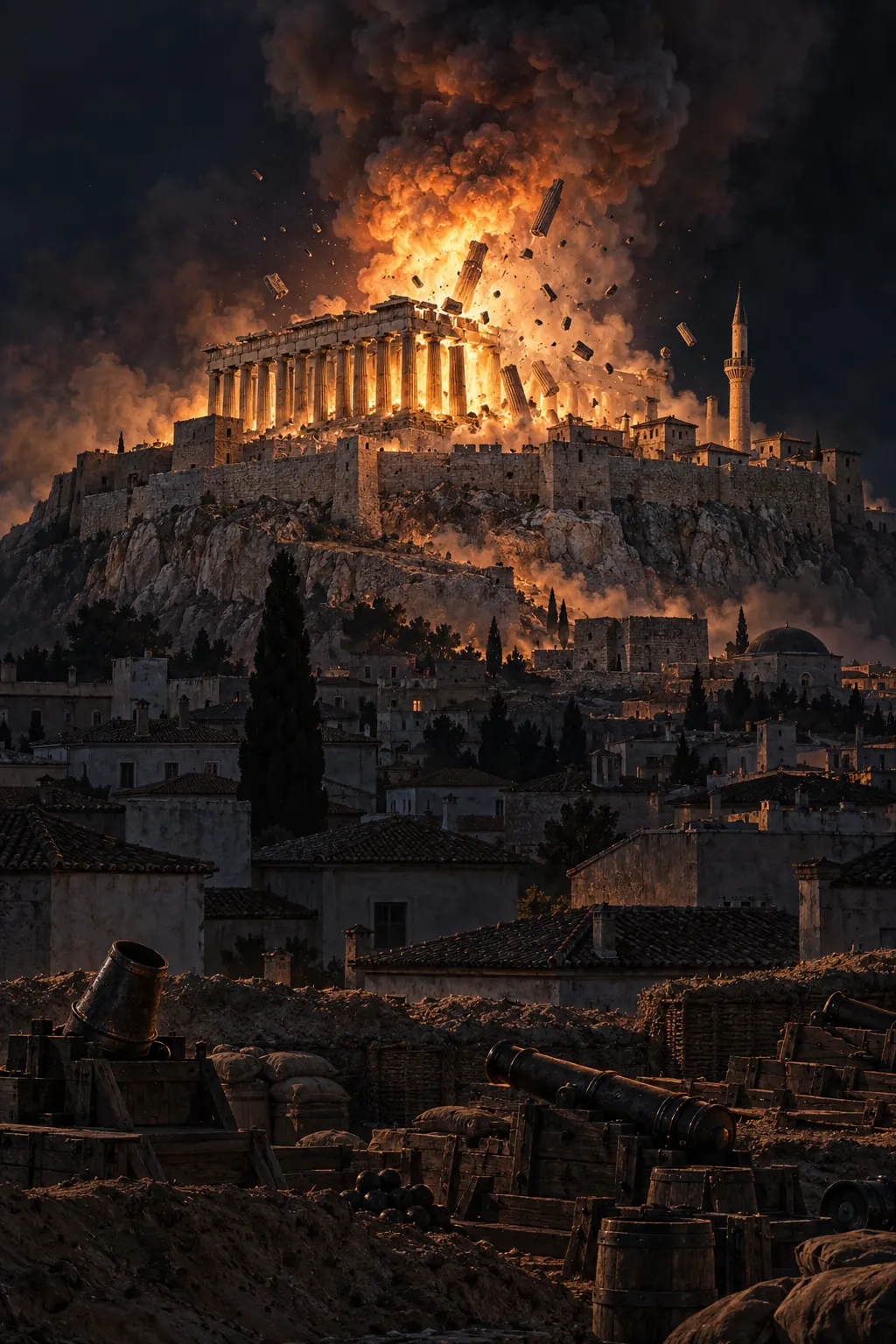
One of them struck the temple. The powder inside went up all at once; columns fell and a great part of the building collapsed. The temple that had stood for two thousand years became a ruin.
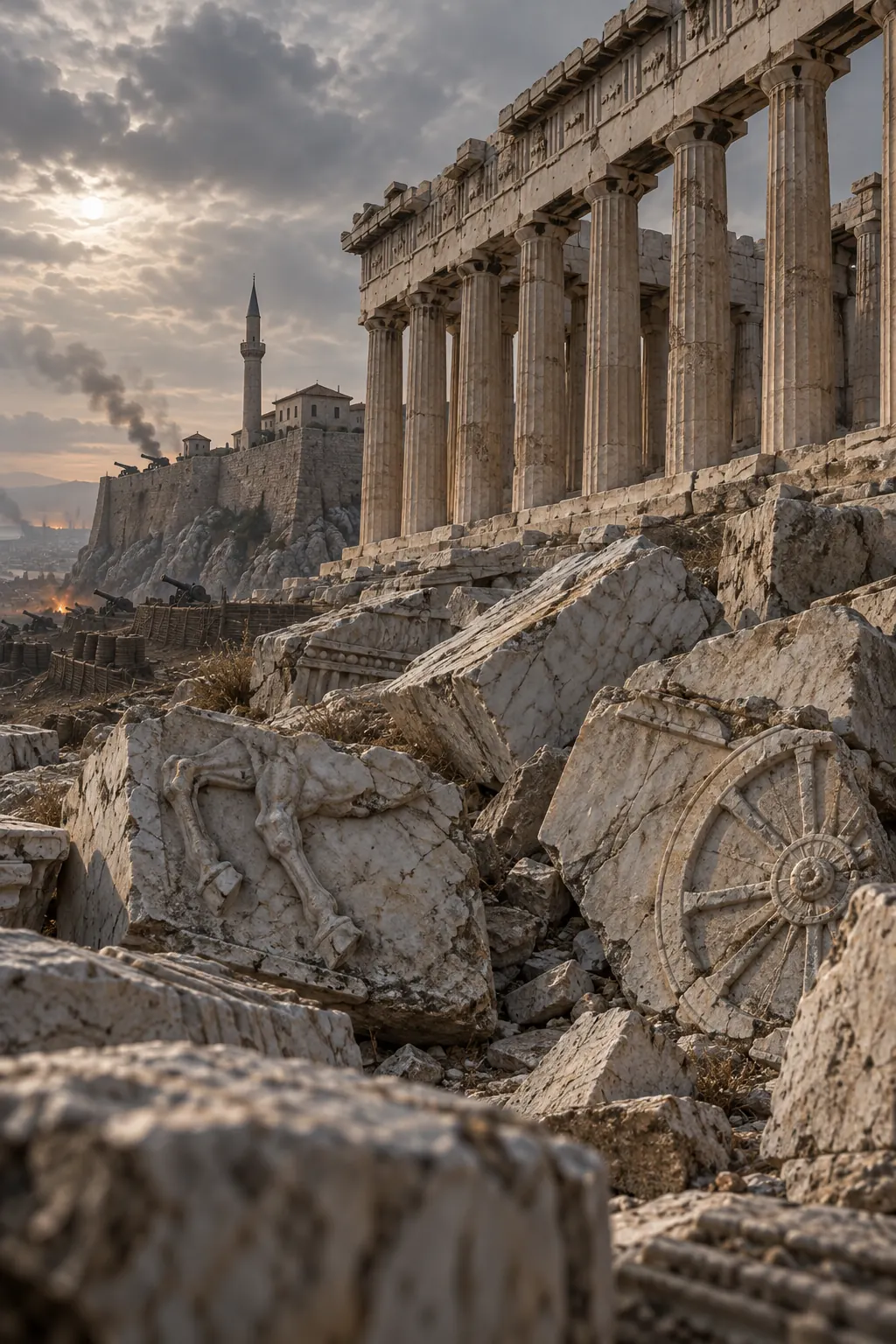
The worst damage fell on the middle of the two long sides. The frieze there, with its riders and chariots in procession, was badly broken. And yet we know what it looked like before.
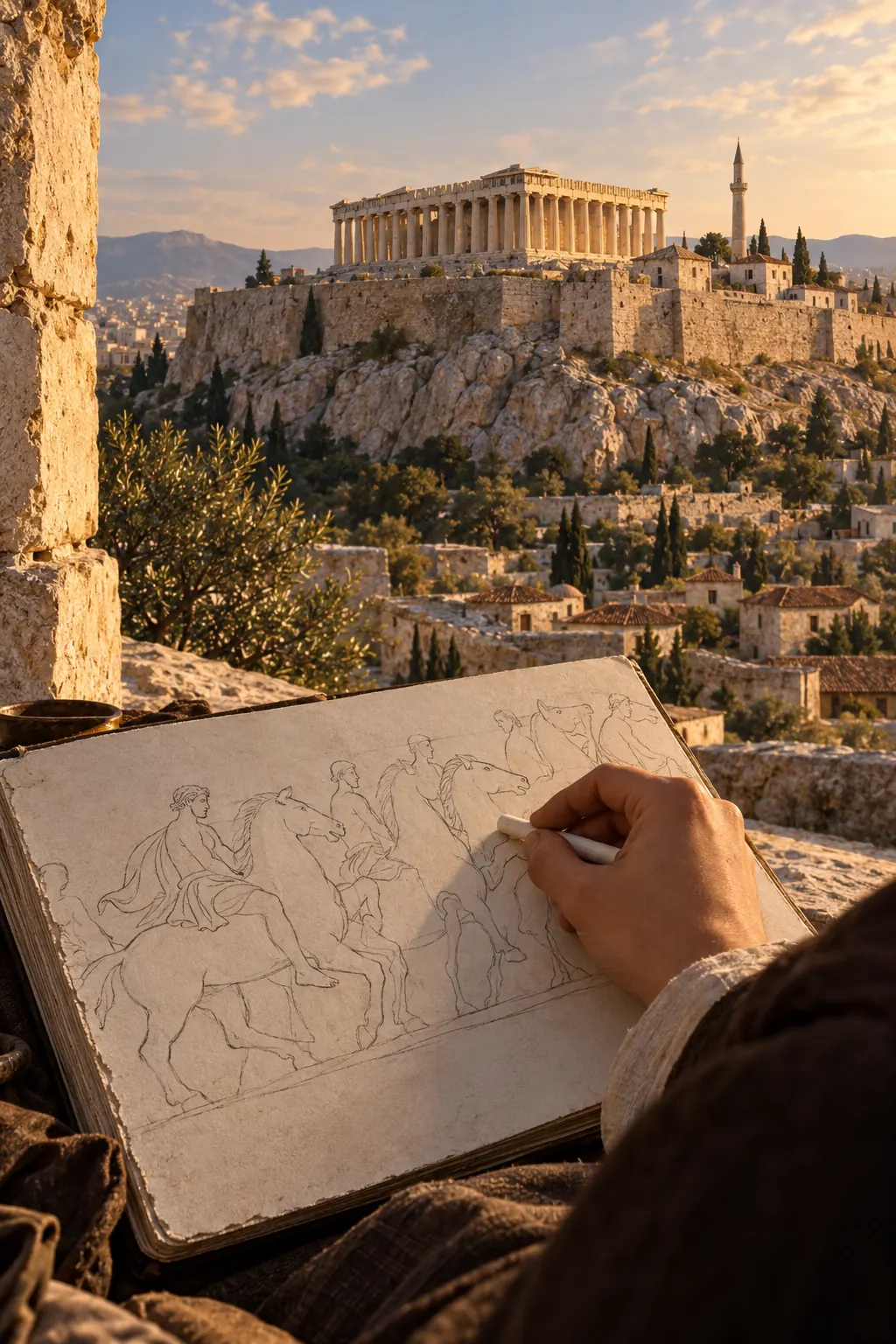
In 1674, thirteen years before the explosion, an artist drew these sculptures; the drawings are traditionally attributed to Jacques Carrey. Many figures lost today survive only in those drawings.
1687 was not the Parthenon's first damage. A great fire in late Roman times led to rebuilding, and it was altered as a church and a mosque. But what turned the temple into a ruin was the powder stored inside it in 1687.
What the records say
The Acropolis Restoration Service records that the Parthenon was built as a temple to Athena between 447 and 438 BC, later served as a church, and was turned into a mosque in the decades after the Ottoman conquest of 1460. The Acropolis Museum states that in 1687 the Ottoman garrison had stored gunpowder inside the temple, that Venetian forces under Francesco Morosini besieged the Acropolis that year, and that one of their shells set off the powder and destroyed the largest part of the building.
The Acropolis Museum notes that the heaviest damage fell on the middle of the two long sides, where the frieze showed riders and chariots. It attributes drawings made in 1674, thirteen years before the explosion, to the painter Jacques Carrey; the Restoration Service adds that the temple had already been damaged by a great fire in late Roman times.
Sources
- "Parthenon" — Acropolis Restoration Service (YSMA) www.ysma.gr
- "Francesco Morosini" — Acropolis Museum www.theacropolismuseum.gr
- "Museum history" — Acropolis Museum www.theacropolismuseum.gr
- "Parthenon. South frieze. Block 17 (XVII)" — Acropolis Museum www.theacropolismuseum.gr
- "Parthenon. North frieze. Block 2 (II)" — Acropolis Museum www.theacropolismuseum.gr
- "Room 18: The Parthenon", large print guide — British Museum www.britishmuseum.org
- "Cast of a fragment from the Parthenon frieze" — University of Reading, Curiosi research.reading.ac.uk
- "Parthenon, West Pediment" — Museum of Classical Archaeology, University of Cambridge museum.classics.cam.ac.uk
More stories
The Mona Lisa was stolen in 1911, and that is when the world learned its name
On 21 August 1911 the Mona Lisa was taken from the Louvre. It was missing for over two years; the Louvre says the theft made the painting world-famous.

In 1859 a storm from the Sun ran the telegraph lines with the batteries unplugged
On 1 September 1859 Richard Carrington saw a white-light flare on the Sun. Within a day auroras filled the sky and telegraph operators worked without batteries.
The night of the Martian broadcast: most of America was not listening
On 30 October 1938 a radio play reported Martians landing in New Jersey. A ratings survey that night found only 2% of homes it called were listening.
Get the week in history
One email a week: the new articles, and what was happening elsewhere at the same moment. Free, no ads, unsubscribe any time. How we handle your email.
Text licensed CC BY-NC-ND 4.0. Found an error? Tell us.