A Russian fleet heading to war with Japan opened fire on British fishing boats in the North Sea
On the night of 21 October 1904 Russia's Baltic Fleet, fearing Japanese torpedo boats, fired on Hull trawlers at the Dogger Bank. Two fishermen were killed.
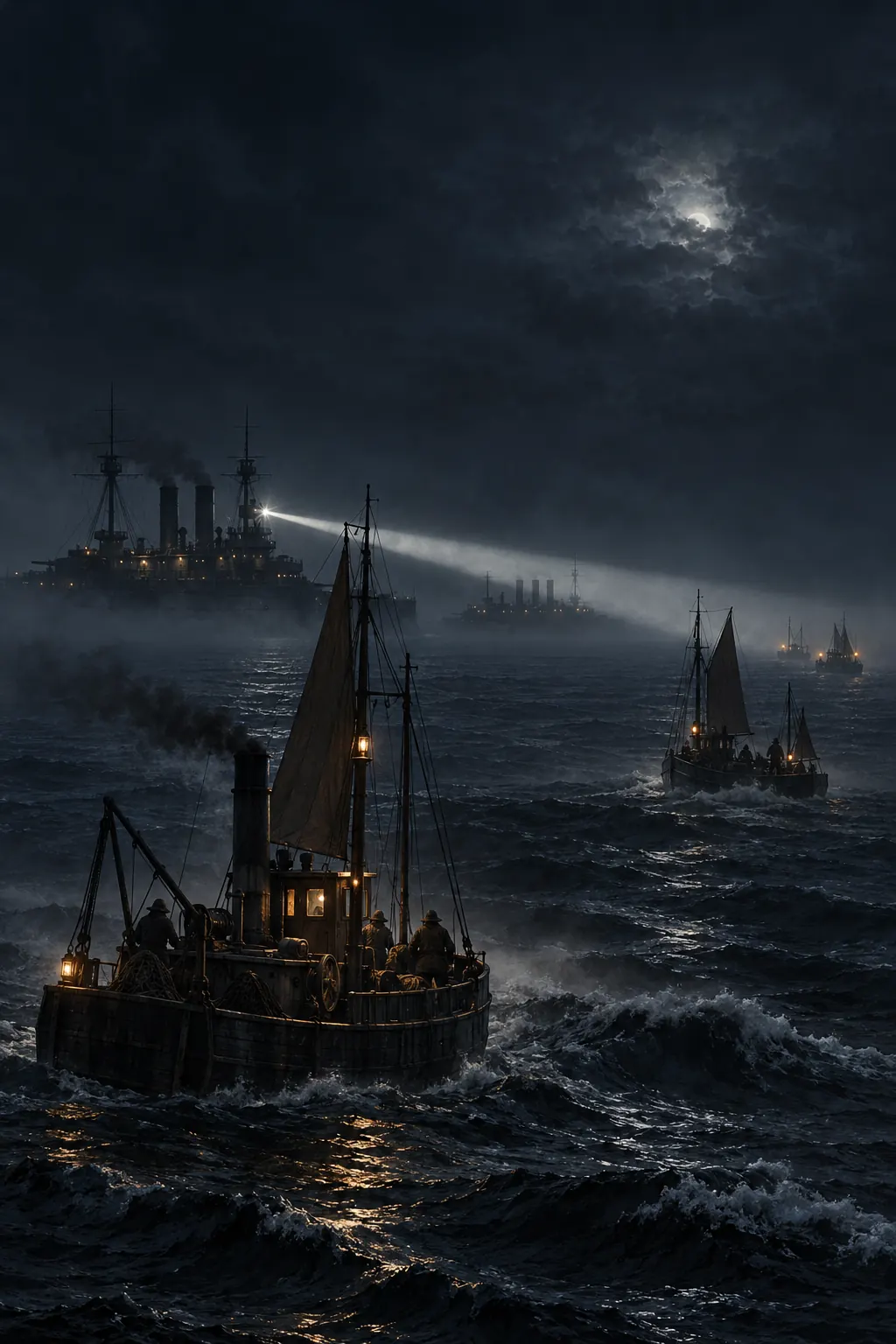
Why a Russian fleet opened fire on British fishing boats at night.
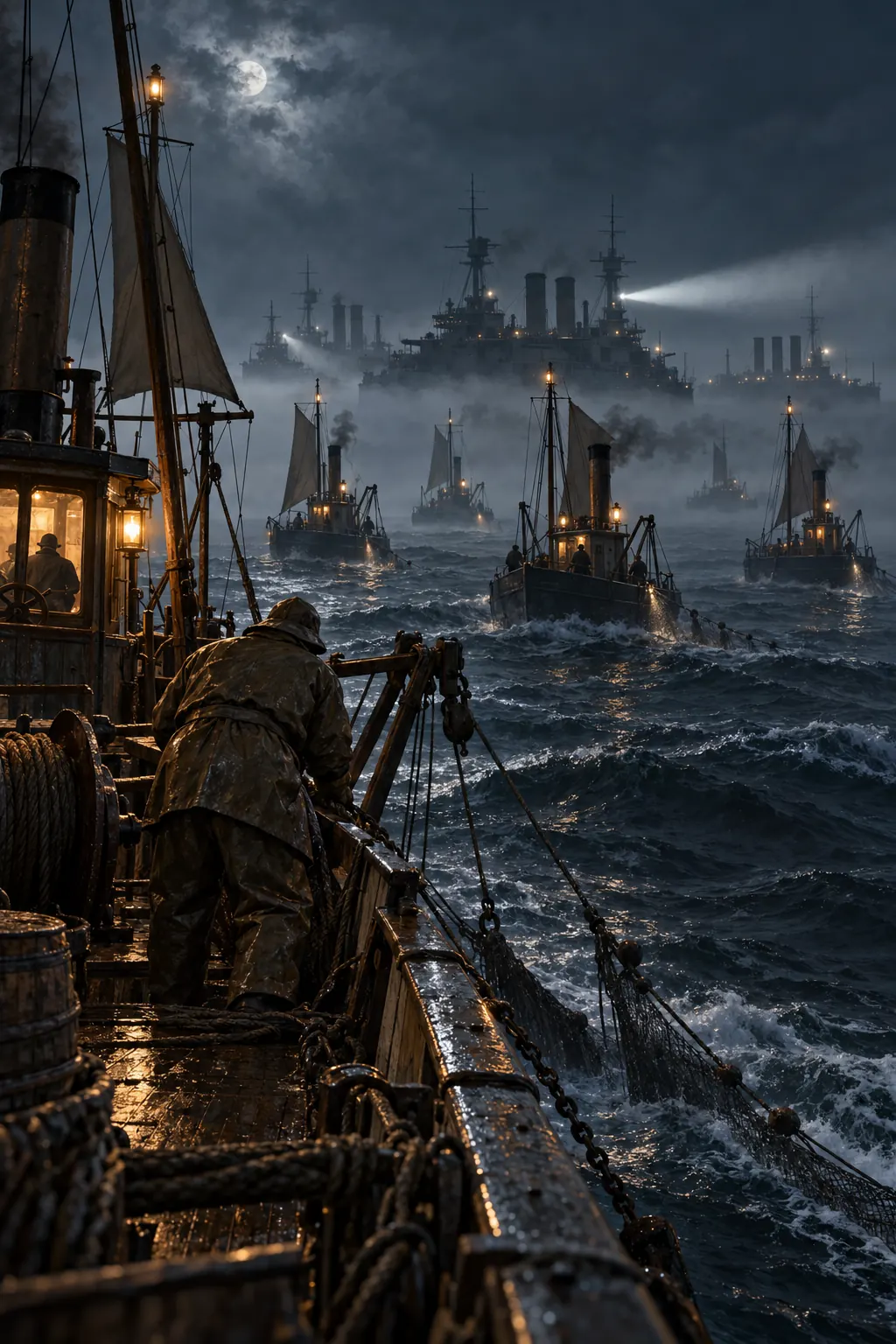
On the night of 21 October 1904, on the Dogger Bank fishing grounds in the North Sea, some thirty trawlers from Hull were at work with their lights on and their nets down. A boat with its nets down cannot run.
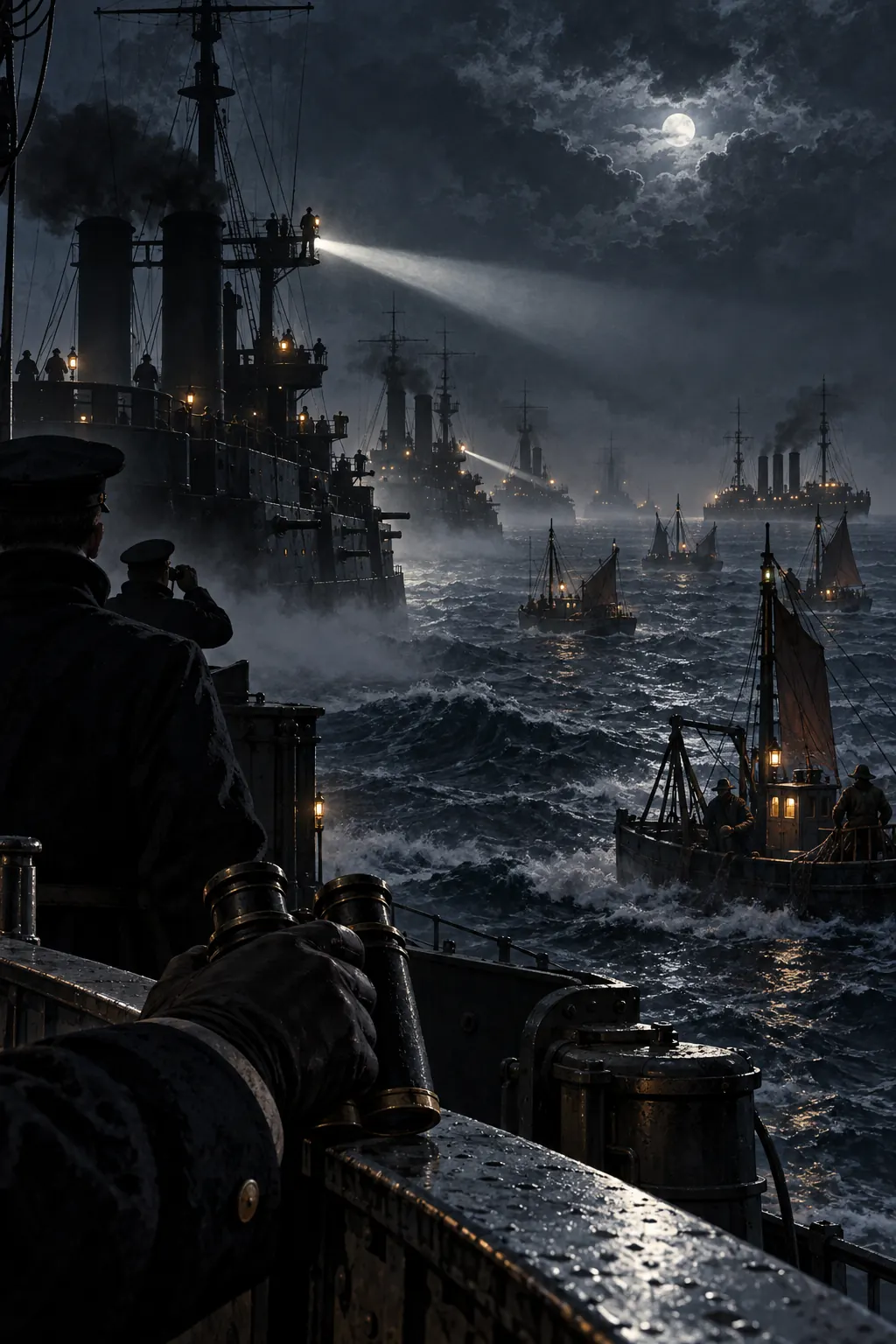
Past them came Russia's Baltic Fleet. Russia was at war with Japan, and the fleet was heading for the Far East. It was on edge, alarmed by reports that Japanese torpedo boats were lurking nearby.
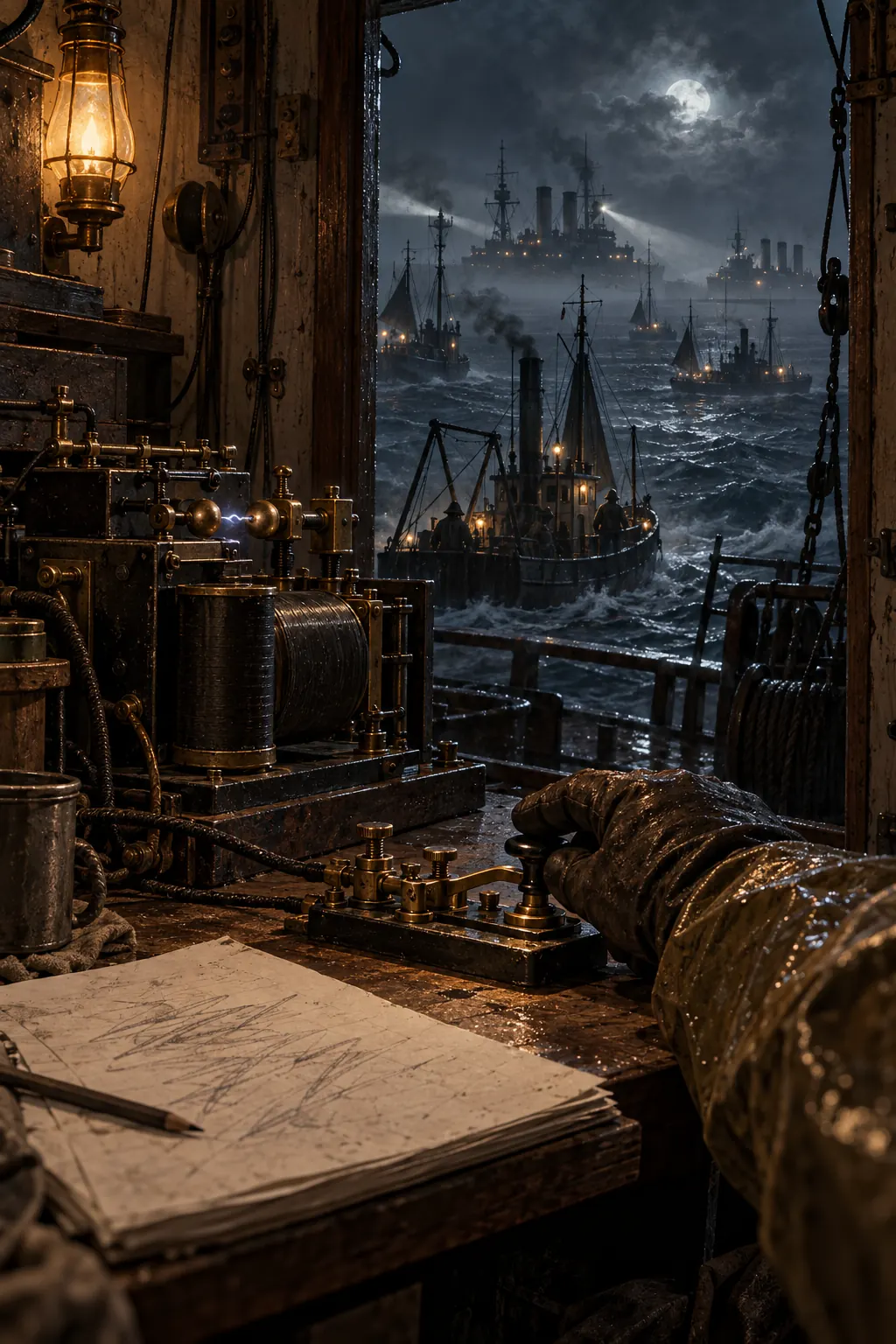
That evening the repair ship Kamchatka, lagging behind with engine trouble, sent a wireless message to the flagship: it was under attack from torpedo boats on all sides. Then, after midnight, small boats appeared ahead of the fleet.
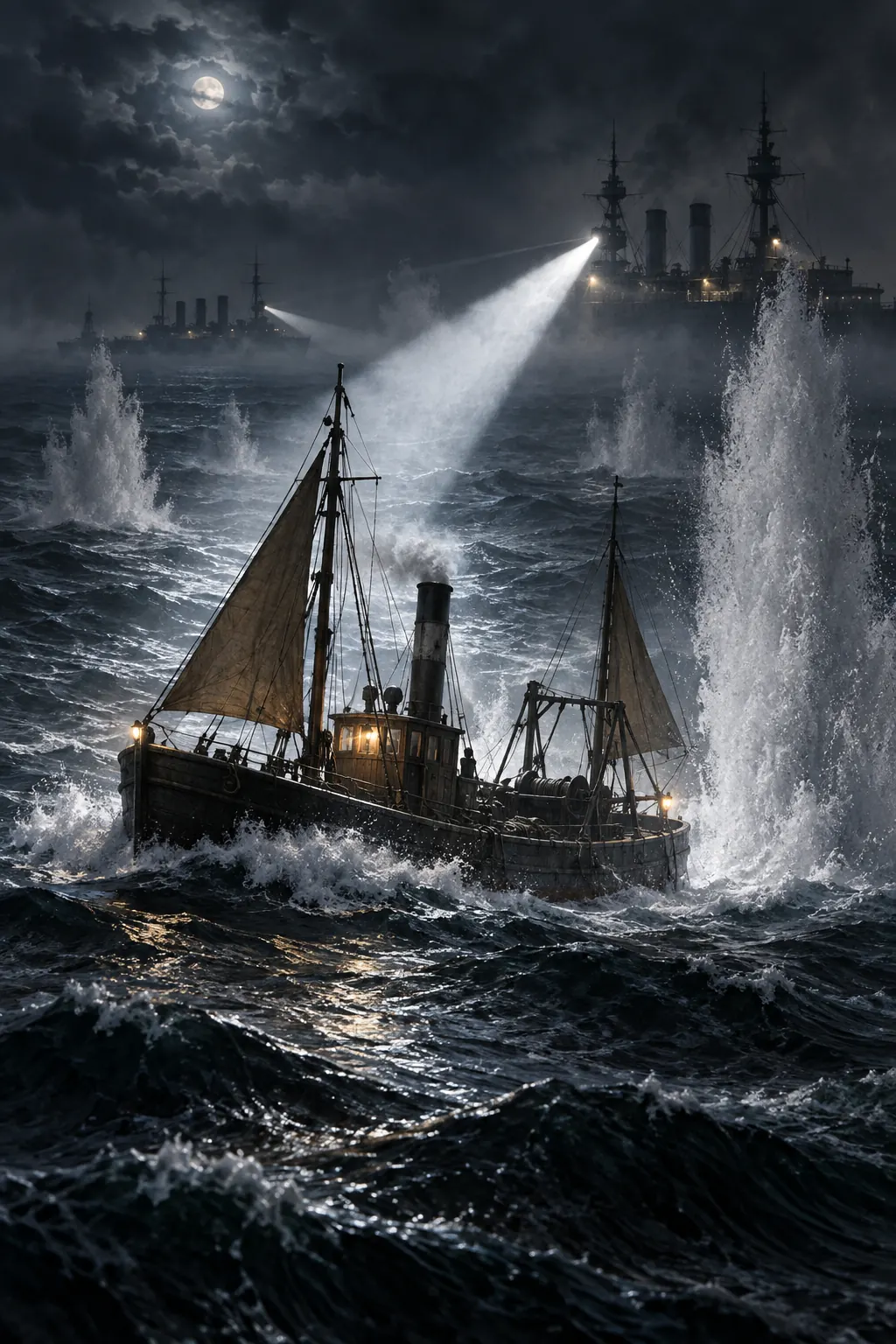
The flagship took them for torpedo boats and ordered fire. With searchlights fixed on the trawlers, the shooting went on for more than ten minutes. The trawler Crane sank, and several others were damaged.
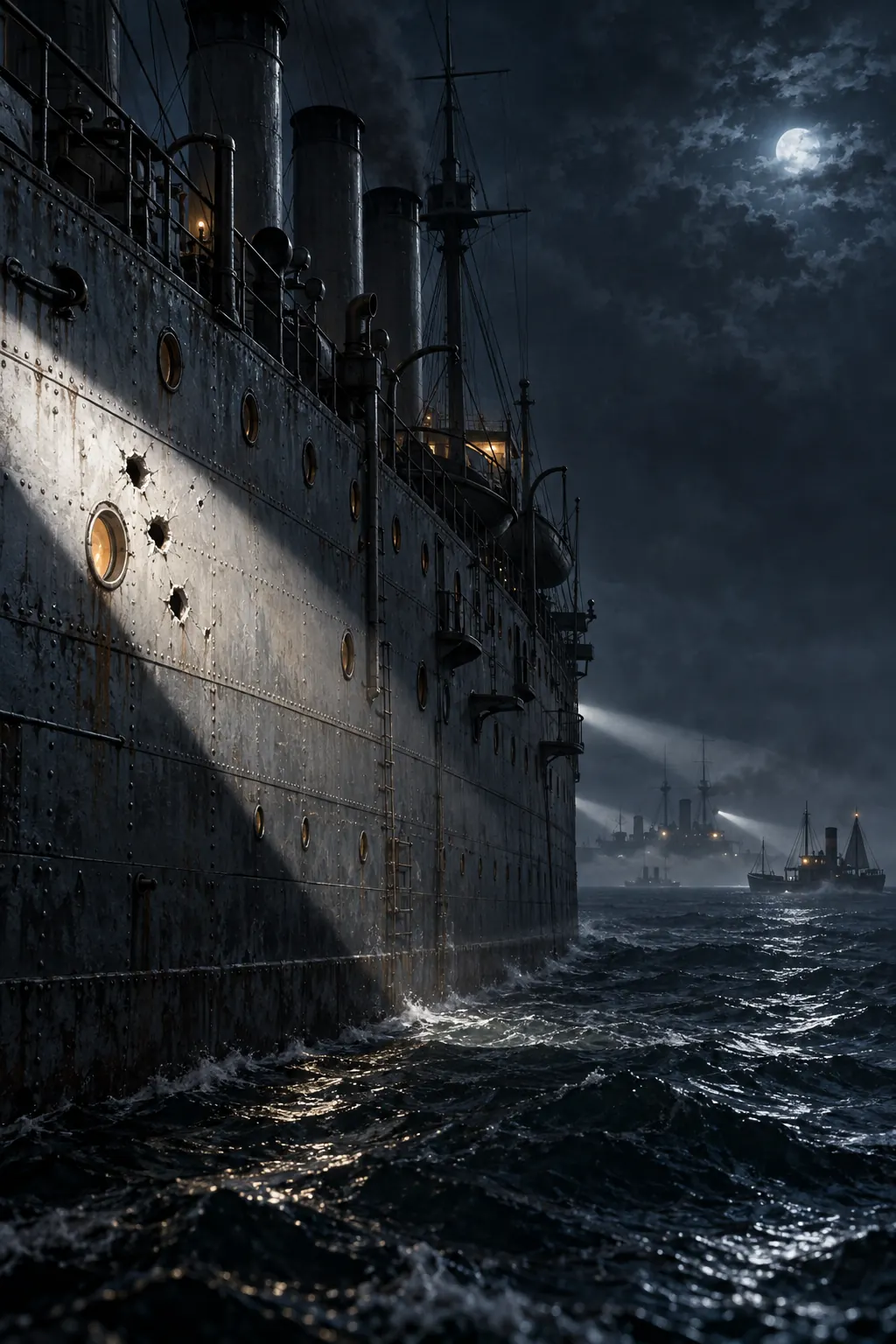
And there was worse. The Russian cruiser Aurora was hit by several shells, fired by its own fleet. And the fleet did not stop.
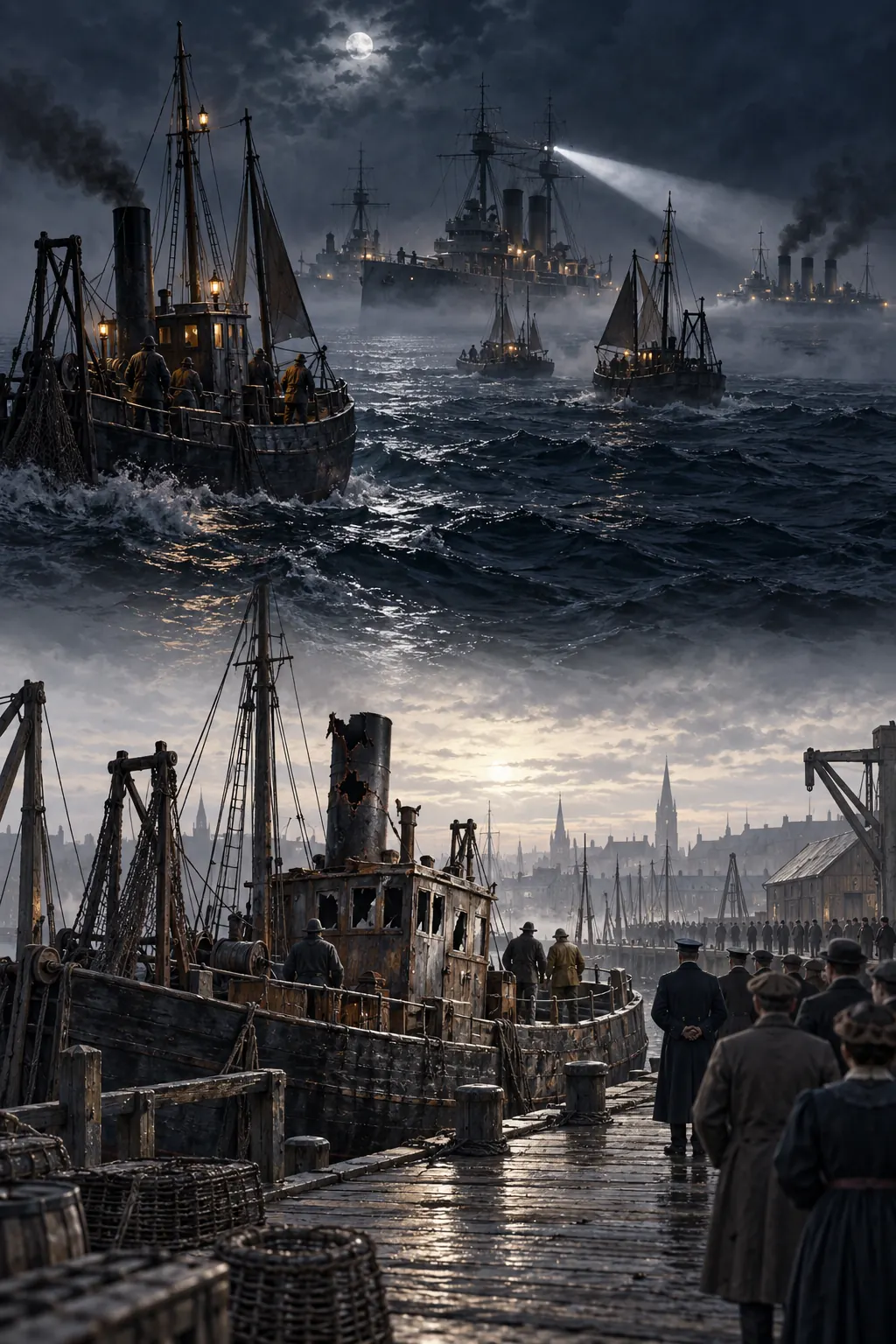
The fleet sailed on south. When the damaged trawlers came back into Hull, Britain erupted. The following year the Foreign Secretary told Parliament the country had come close to being drawn into war.
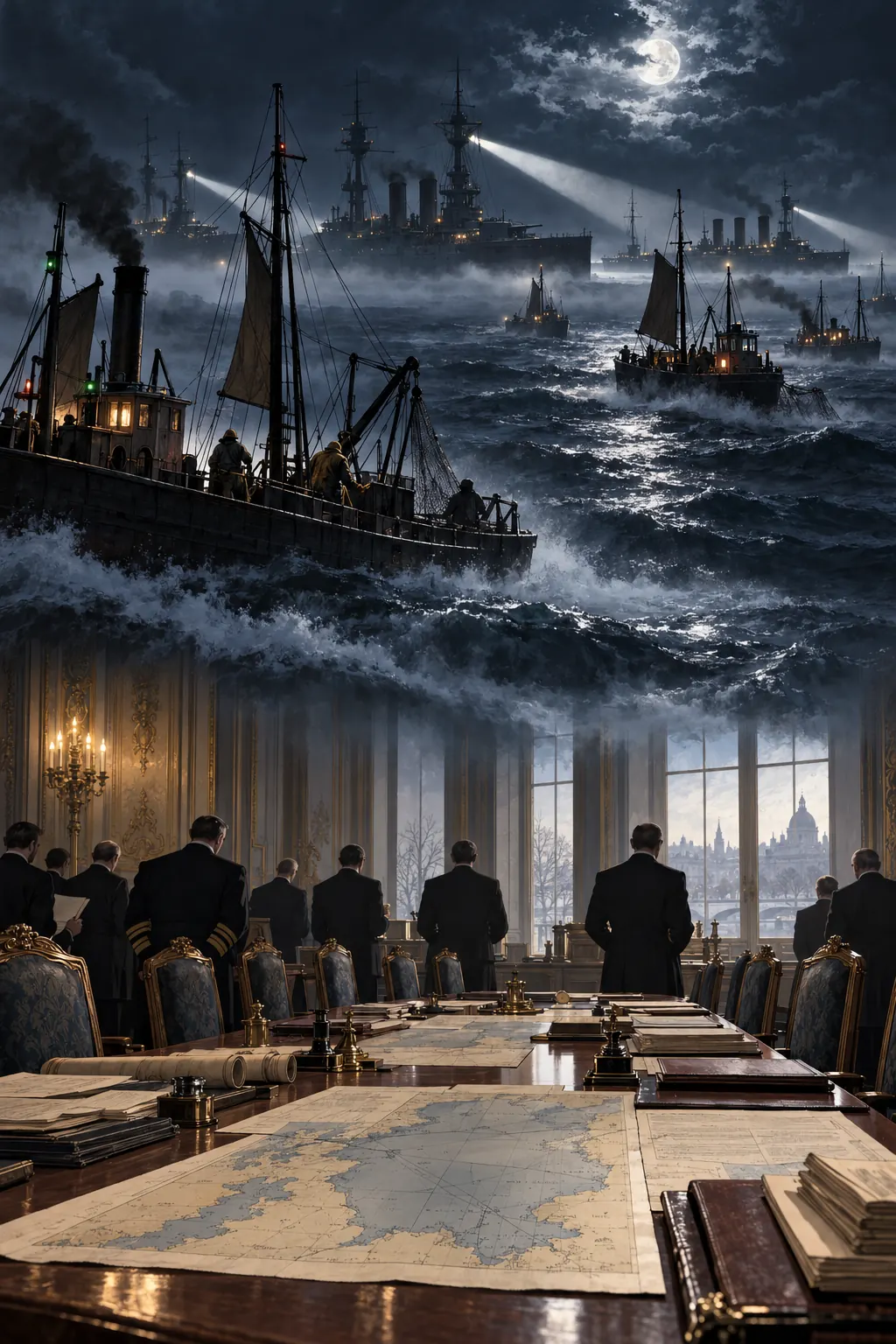
Instead of war, the two countries went to an international commission of inquiry in Paris. Its majority concluded there had been no torpedo boats anywhere near that night. Russia accepted the finding and paid damages.
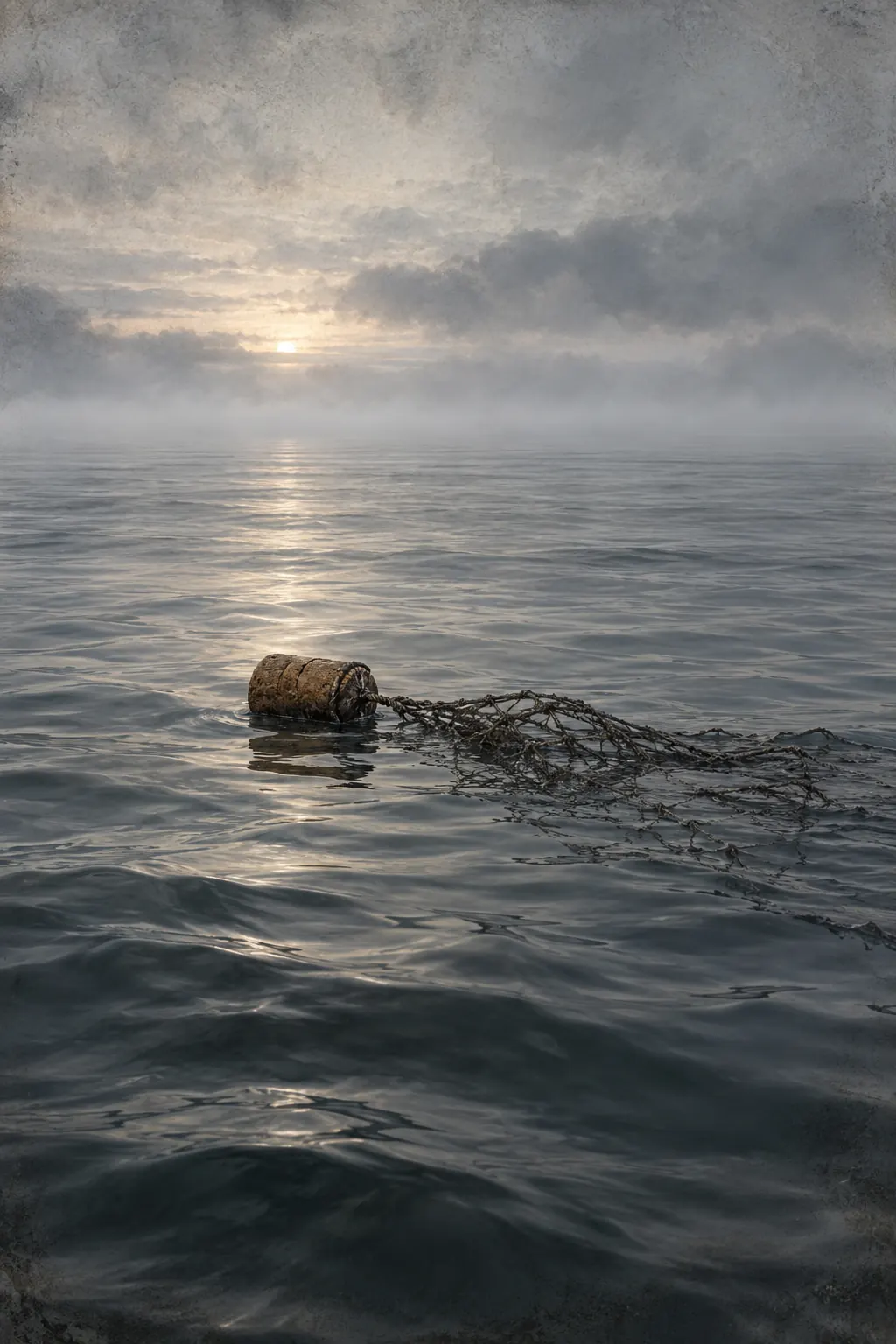
The Crane's skipper, George Henry Smith, and crewman William Leggett did not come home. They were the two men killed that night on boats mistaken for the enemy.
What the records say
The case record of the Permanent Court of Arbitration states that on the night of 21–22 October 1904 Russia’s Baltic Fleet, warned of Japanese torpedo boats, fired on about thirty Hull trawlers at the Dogger Bank. The firing lasted ten to twelve minutes. The trawler Crane sank, five other boats were damaged, and the Russian cruiser Aurora was hit by several shots. The fleet continued south-west without stopping.
An international commission of inquiry, set up under the Hague Convention of 1899, met in Paris. The majority of its members found that there had been no torpedo boats, and Russia paid damages to Britain. In the House of Lords in February 1905 the Foreign Secretary said the country had seemed “near to being drawn into the vortex of war.”
A memorial on Hessle Road in Hull names the two men killed that night: skipper George Henry Smith and third hand William Richard Leggett of the Crane.
Sources
- Permanent Court of Arbitration, "The Dogger Bank Case" (International Commission of Inquiry, Great Britain/Russia), case 1904-02 pca-cpa.org
- House of Lords, 14 February 1905, "Address in Reply to His Majesty's Most Gracious Speech" — UK Parliament, Historic Hansard api.parliament.uk
- Memorial M2626, Hessle Road, Hull — Royal Museums Greenwich, Maritime Memorials memorials.rmg.co.uk
- "Dogger Bank 1904 – The Russian Fleet Attacks Hull Trawlers" — Scarborough Maritime Heritage Centre www.scarboroughsmaritimeheritage.org.uk
- "The military incident between Russia and England in the North Sea, 8(21)–9(22) October 1904" — Military History Journal, Russian Ministry of Defence history.milportal.ru
More stories

In 1859 a storm from the Sun ran the telegraph lines with the batteries unplugged
On 1 September 1859 Richard Carrington saw a white-light flare on the Sun. Within a day auroras filled the sky and telegraph operators worked without batteries.
The night of the Martian broadcast: most of America was not listening
On 30 October 1938 a radio play reported Martians landing in New Jersey. A ratings survey that night found only 2% of homes it called were listening.
Locked under the lead roof of the Doge's Palace, Casanova got out through the ceiling
In July 1755 Giacomo Casanova was locked in the Leads, the cells under the roof of the Doge's Palace. On 1 November 1756 he escaped across the roof.
Get the week in history
One email a week: the new articles, and what was happening elsewhere at the same moment. Free, no ads, unsubscribe any time. How we handle your email.
Text licensed CC BY-NC-ND 4.0. Found an error? Tell us.