In July 1816 a New England woman wrote that she lit the fire every day
In 1816 frost killed crops across New England and Hannah Dawes Newcomb kept a fire going in July. The cause lay a year earlier, on the far side of the world.
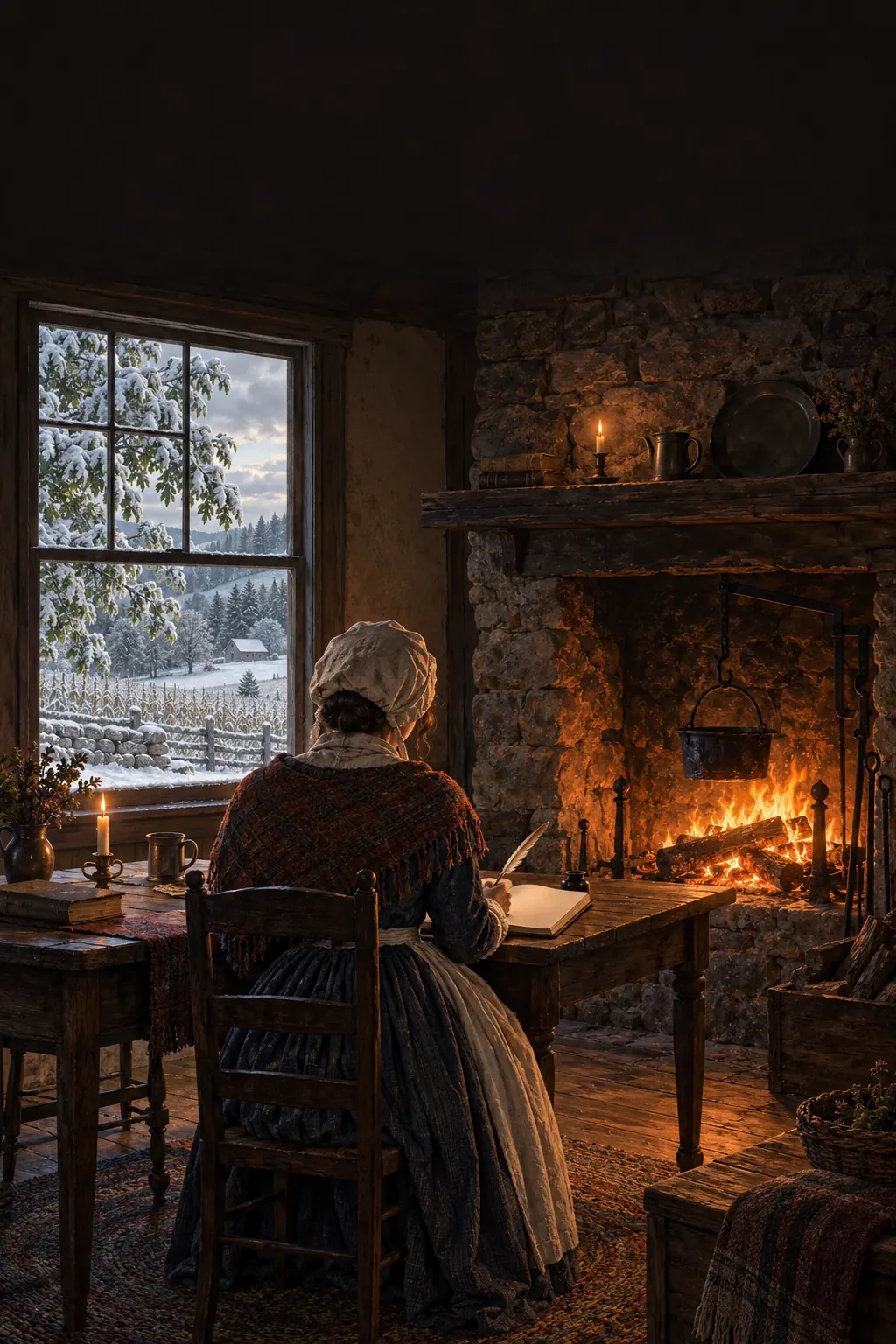
Why an American woman wrote in July that she lit the fire every day.
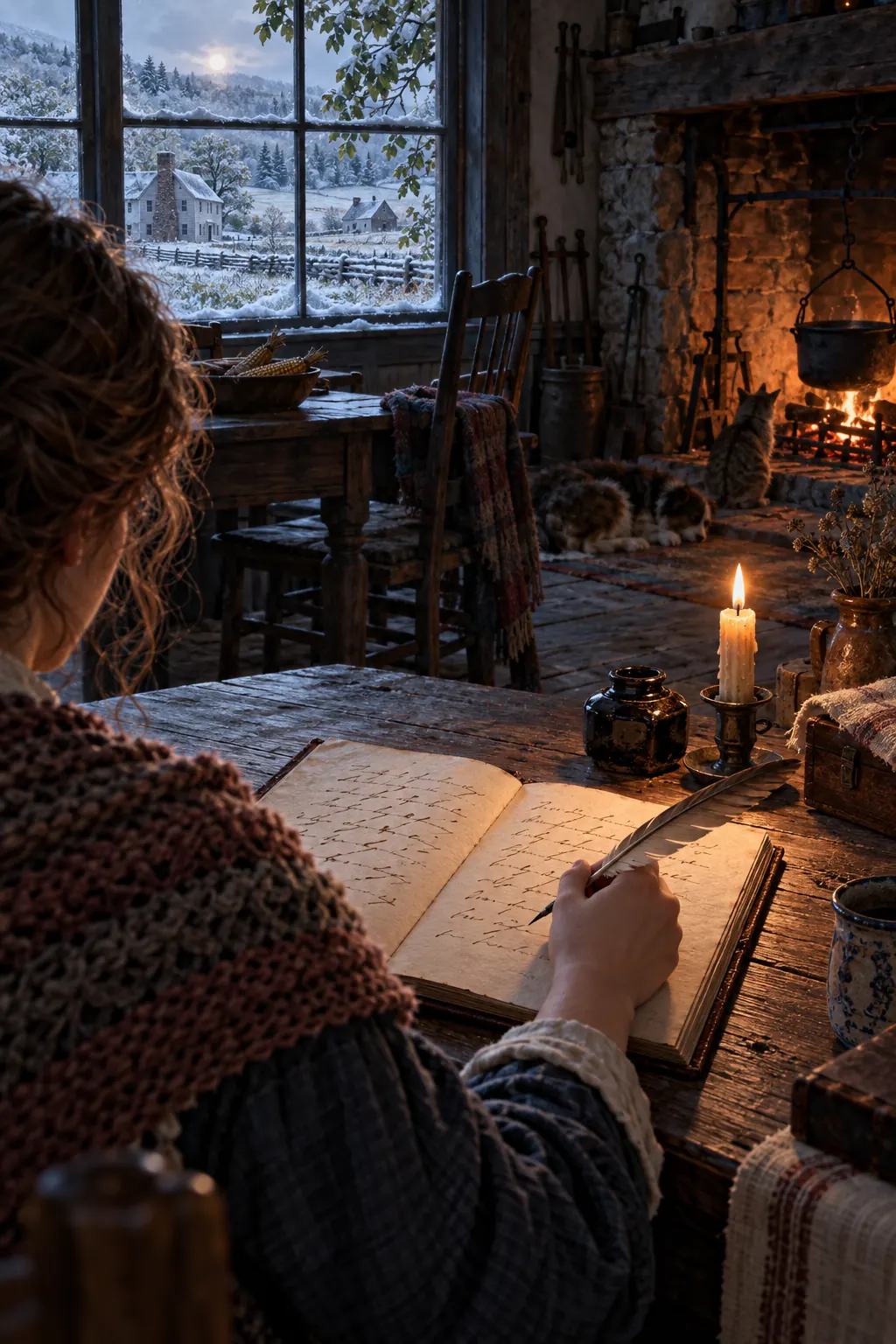
May 1816, Keene, a small town in New Hampshire. Hannah Dawes Newcomb kept short notes on the weather. The 13th: "Cold but pleasant." The 15th: "Very cold." On the 17th she needed a large fire in the parlor to stay comfortable.
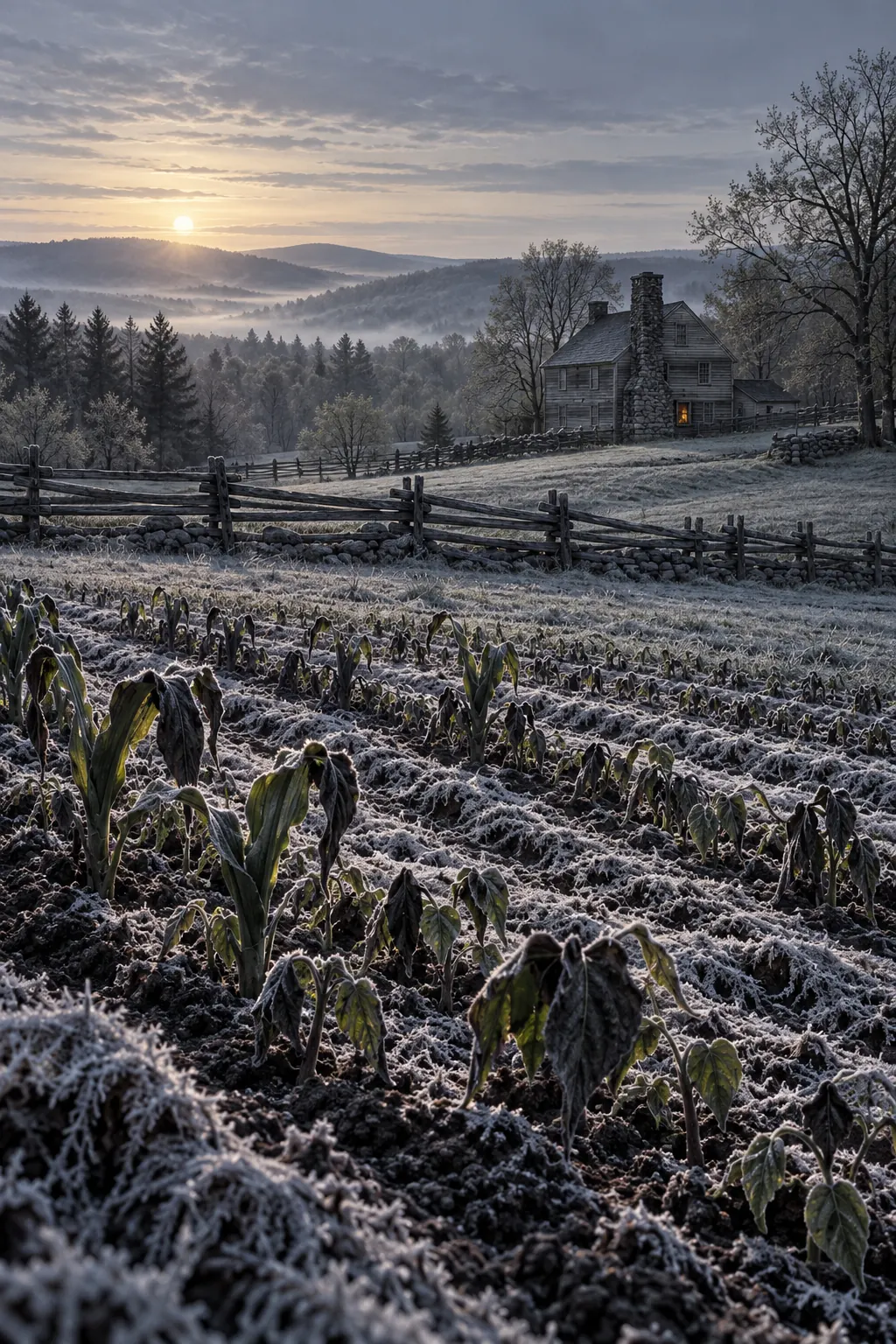
That May, frost killed most of the crops in New York, Massachusetts, New Hampshire and Vermont. What had been planted in spring froze. And the cold did not leave when June arrived.
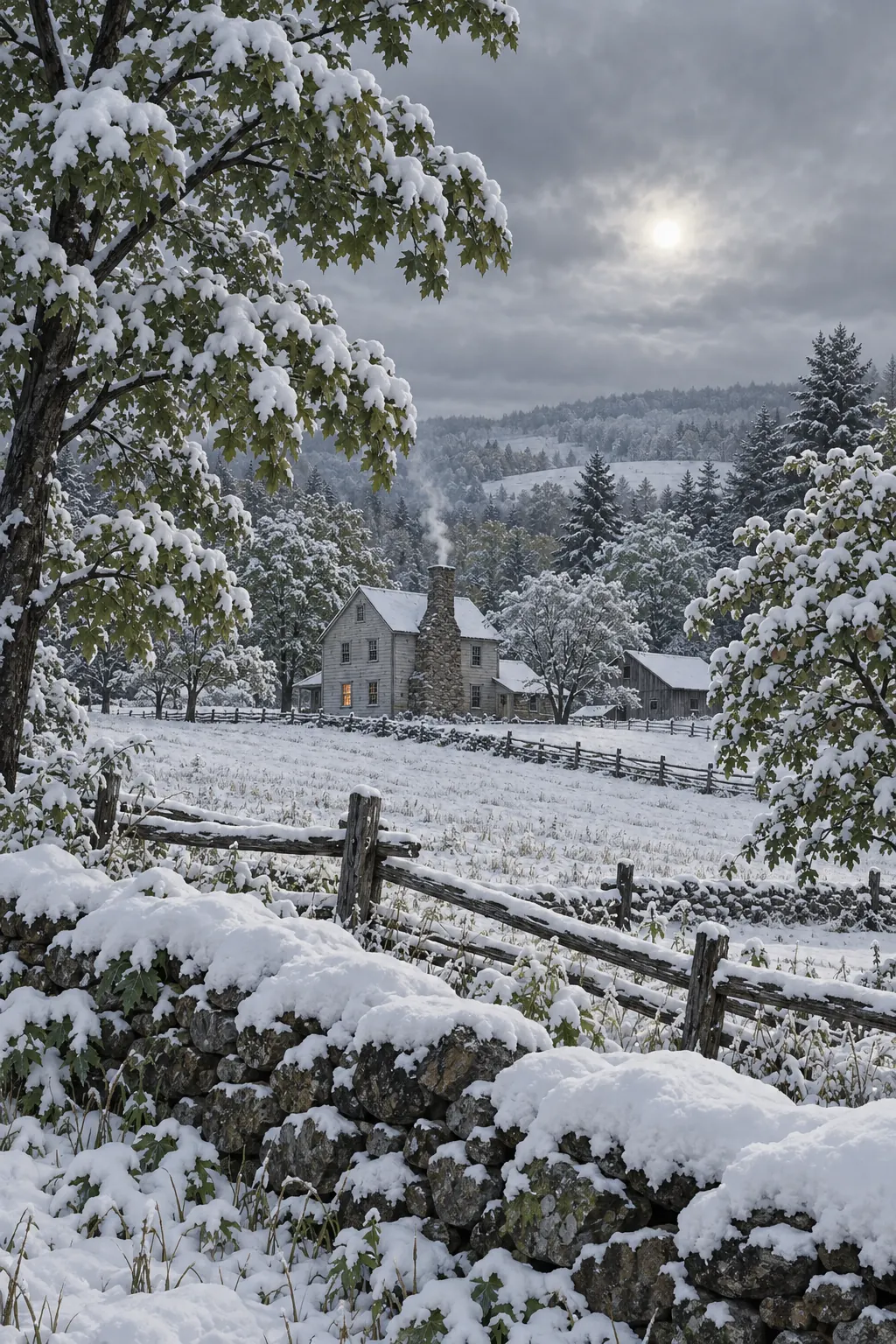
From May to August, snow kept falling in New England. Summer fields turned white. Then on July 6, Newcomb's diary entry ran longer than usual.
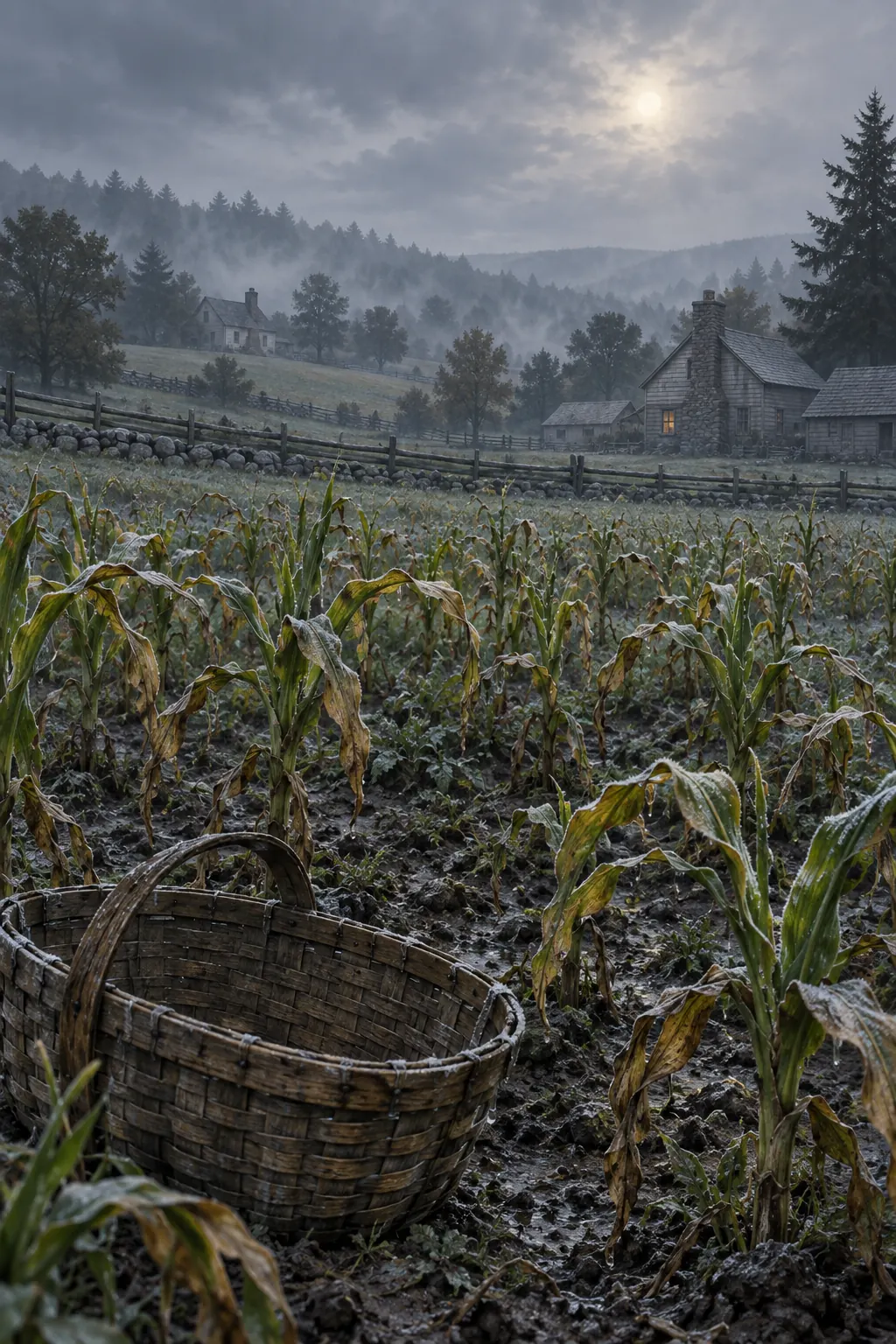
"Grass very thin. Corn so backward it does not appear probably there will be food sufficient for man or Beast." And then: "We daily keep fire in the parlor." This was July.
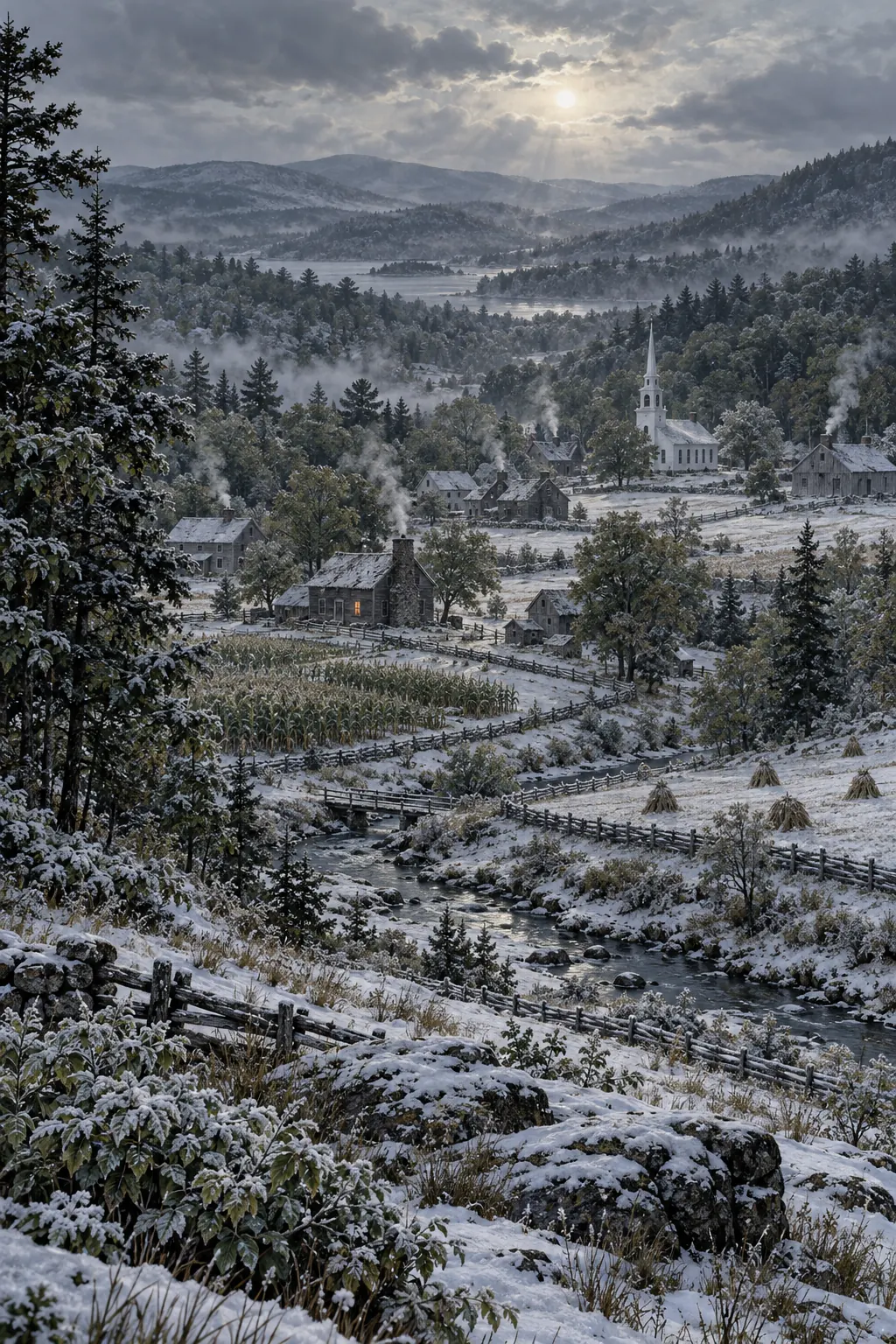
People gave the year names. The Year Without a Summer, and "Eighteen Hundred and Froze to Death." Yet nobody knew why it was so cold.
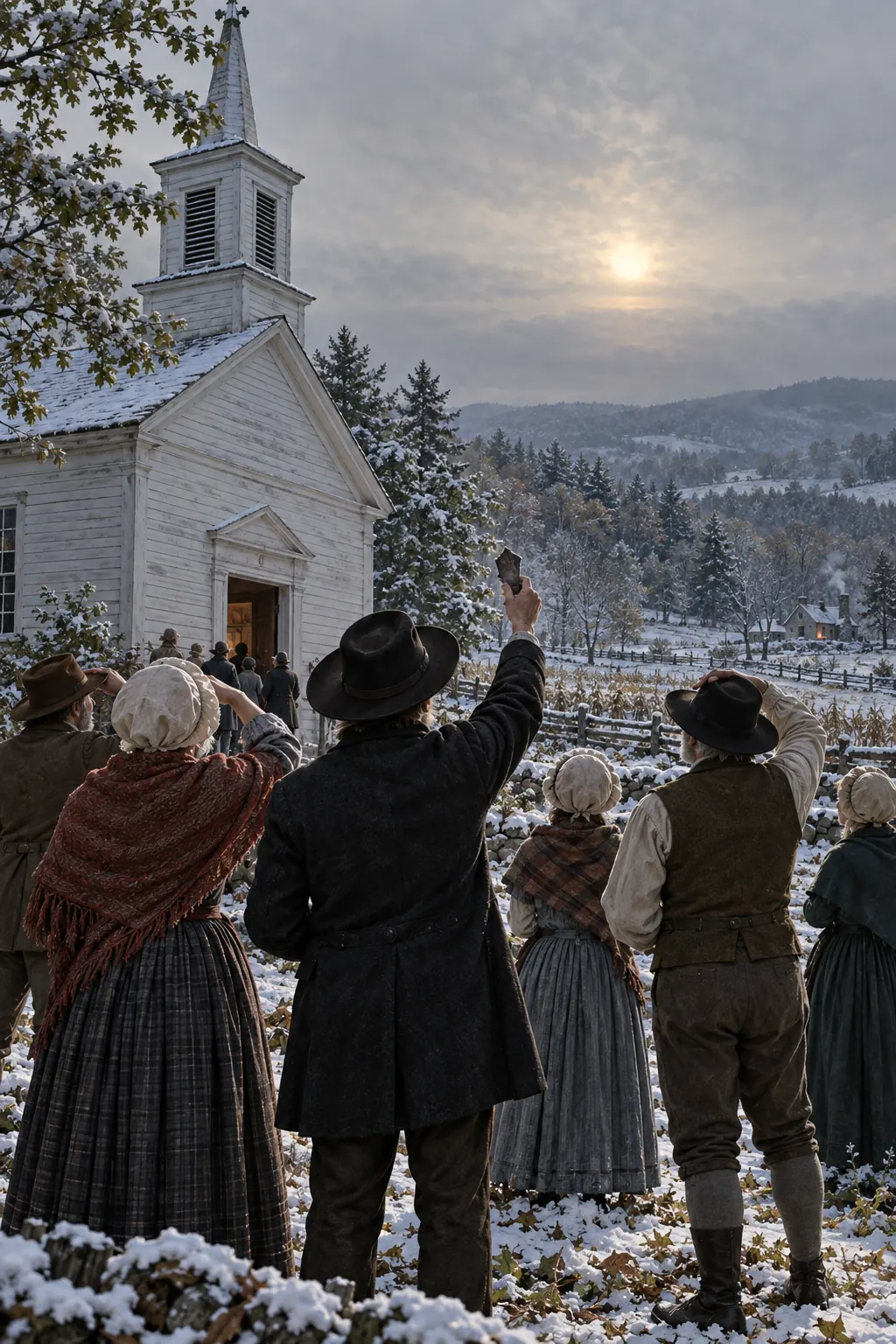
Many sunspots had been seen around then, and many people blamed them. Newcomb, too, noted seeing sunspots after church in late July. The real cause was on the other side of the world.
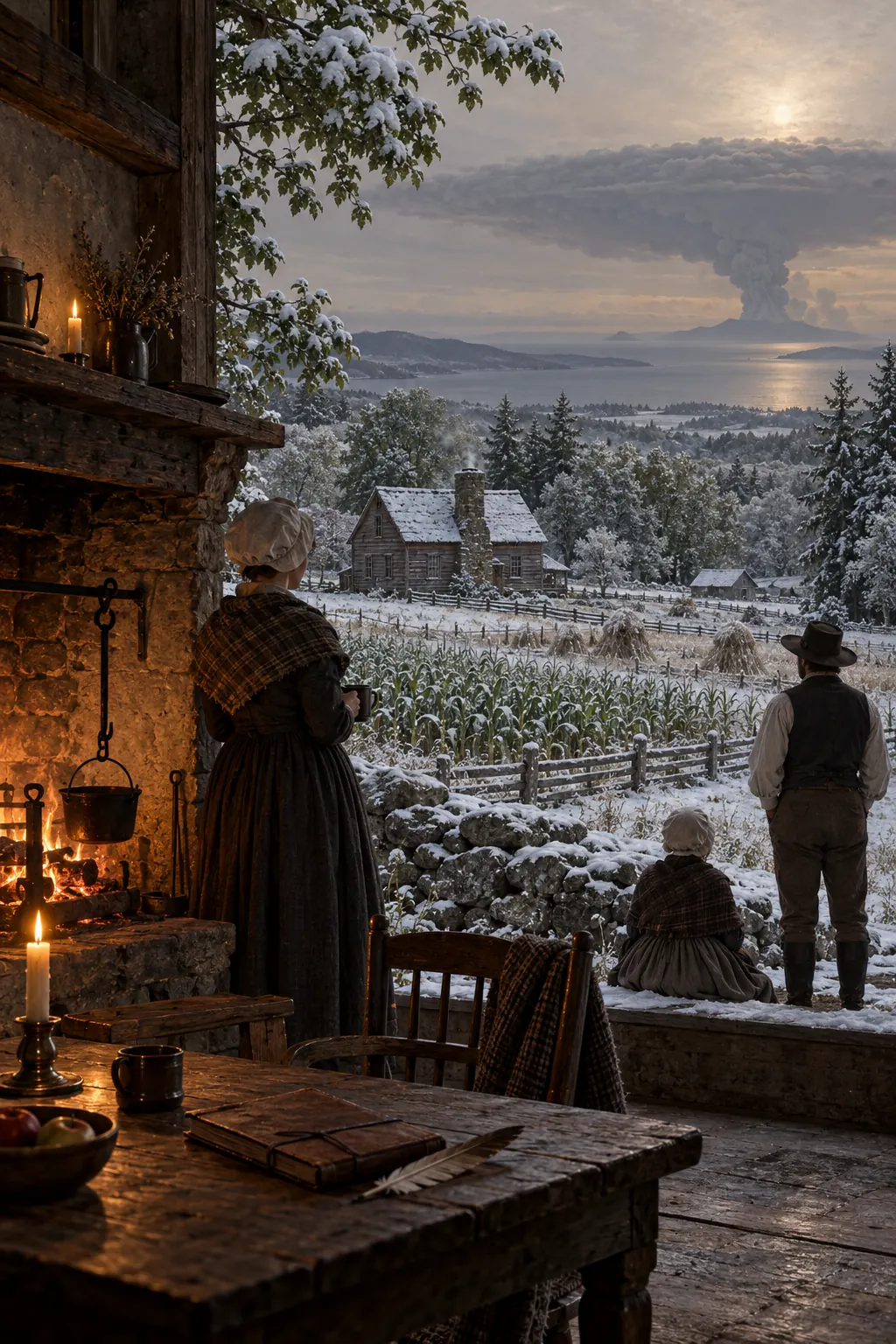
In April 1815 the Tambora volcano erupted in what is now Indonesia, the largest eruption on record. Ash and particles thrown into the sky cut the sunlight and the Earth cooled. How high and how far they spread is still uncertain.
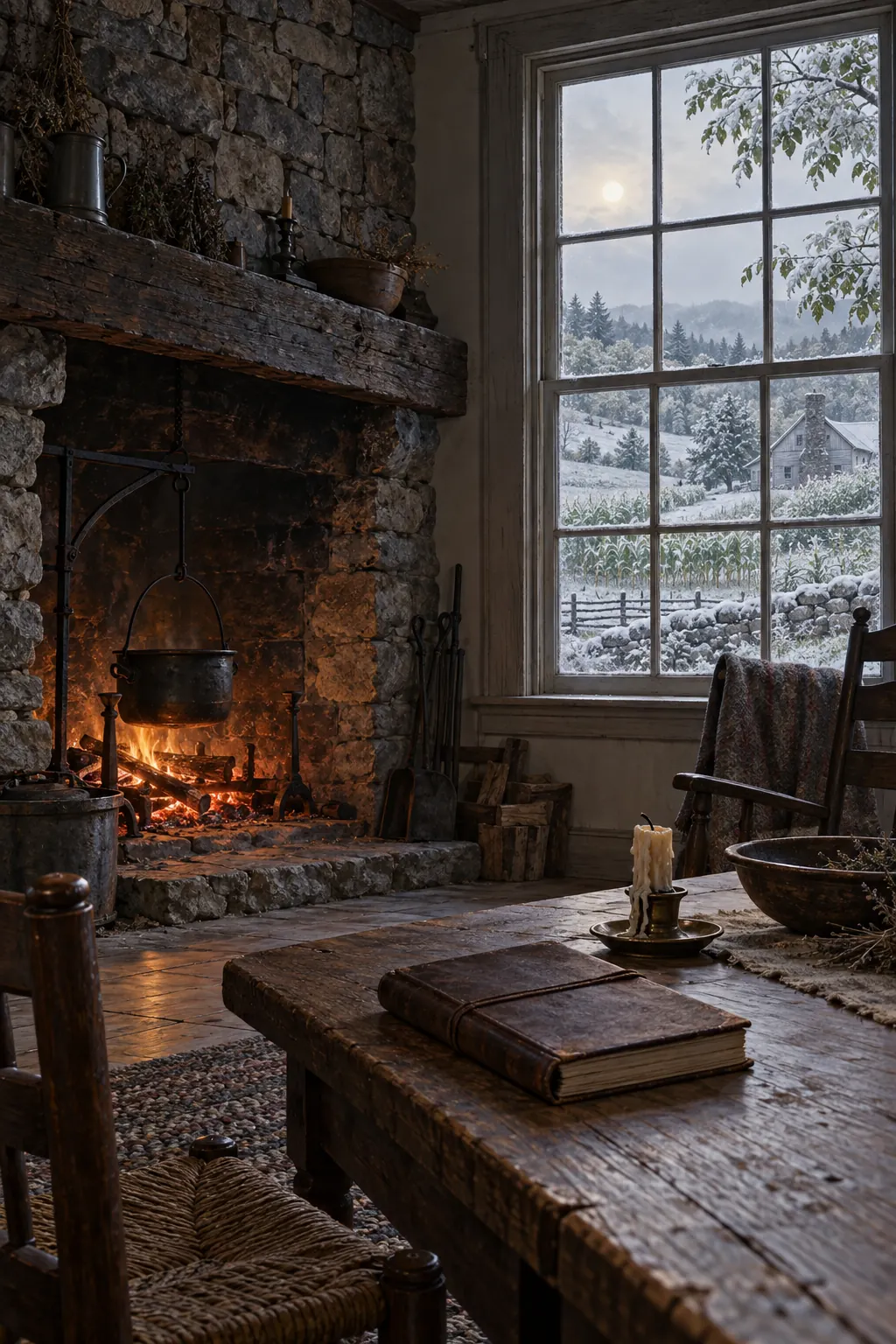
Tambora erupted on April 10, 1815 — thirteen months before May 1816, when the diary in Keene began to record the cold day after day.
What the records say
Hannah Dawes Newcomb of Keene, New Hampshire, kept a diary that the Massachusetts Historical Society has published excerpts from: in May 1816 she wrote “Cold but pleasant” (the 13th), “Very cold” (the 15th), and that by the 17th she needed “a large fire in the parlor to keep comfortable.” That May’s frost killed most crops in New York, Massachusetts, New Hampshire and Vermont, according to the U.S. National Park Service, and the cold did not lift; by July 6 Newcomb wrote that the corn was “so backward it does not appear probably there will be food sufficient for man or Beast” and that “we daily keep fire in the parlor.” Contemporaries, including Newcomb herself after a July sunspot sighting, mostly blamed the sun; the real cause, as NASA and a 2016 peer-reviewed study in WIREs Climate Change describe, was the eruption of Mount Tambora in Indonesia on 10 April 1815, described by NASA as the largest eruption in recorded history (the researchers note that the Samalas eruption of 1257 may have been larger), whose ash and aerosols cooled the climate. Exactly how high and how widely those aerosols spread remains, in the researchers’ own words, subject to “large uncertainties.”
Sources
- "1816: the Year Without a Summer" (Hannah Dawes Newcomb diary excerpts) — Massachusetts Historical Society, The Beehive www.masshist.org
- "1816 — The Year Without Summer" — U.S. National Park Service www.nps.gov
- "Eighteen Hundred and Froze to Death" — Vermont Historical Society (Internet Archive copy) web.archive.org
- "Mount Tambora Volcano, Sumbawa Island, Indonesia" — NASA Earth Observatory earthobservatory.nasa.gov
- Raible et al., "Tambora 1815 as a test case for high impact volcanic eruptions", WIREs Climate Change 7(4), 2016 — PubMed Central pmc.ncbi.nlm.nih.gov
More stories

In 1859 a storm from the Sun ran the telegraph lines with the batteries unplugged
On 1 September 1859 Richard Carrington saw a white-light flare on the Sun. Within a day auroras filled the sky and telegraph operators worked without batteries.
The night of the Martian broadcast: most of America was not listening
On 30 October 1938 a radio play reported Martians landing in New Jersey. A ratings survey that night found only 2% of homes it called were listening.
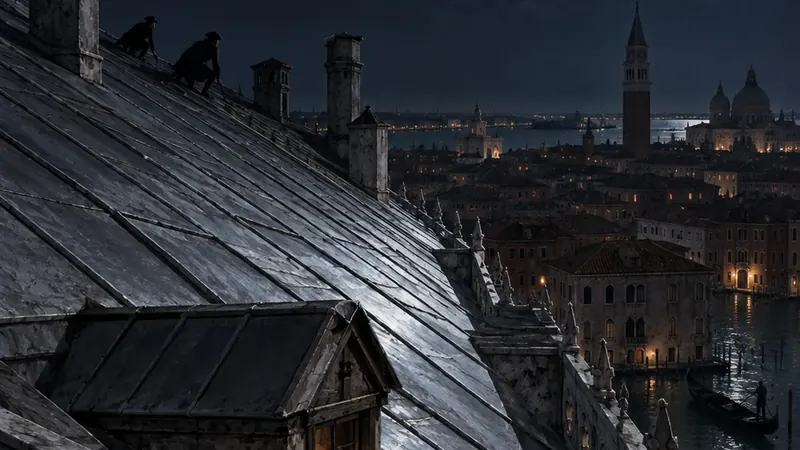
Locked under the lead roof of the Doge's Palace, Casanova got out through the ceiling
In July 1755 Giacomo Casanova was locked in the Leads, the cells under the roof of the Doge's Palace. On 1 November 1756 he escaped across the roof.
Get the week in history
One email a week: the new articles, and what was happening elsewhere at the same moment. Free, no ads, unsubscribe any time. How we handle your email.
Text licensed CC BY-NC-ND 4.0. Found an error? Tell us.