Sweden's mightiest warship sailed out before a cheering crowd and sank within minutes
On 10 August 1628 the Swedish warship Vasa left Stockholm on her maiden voyage and sank in the harbour minutes later. A stability test had warned of it.
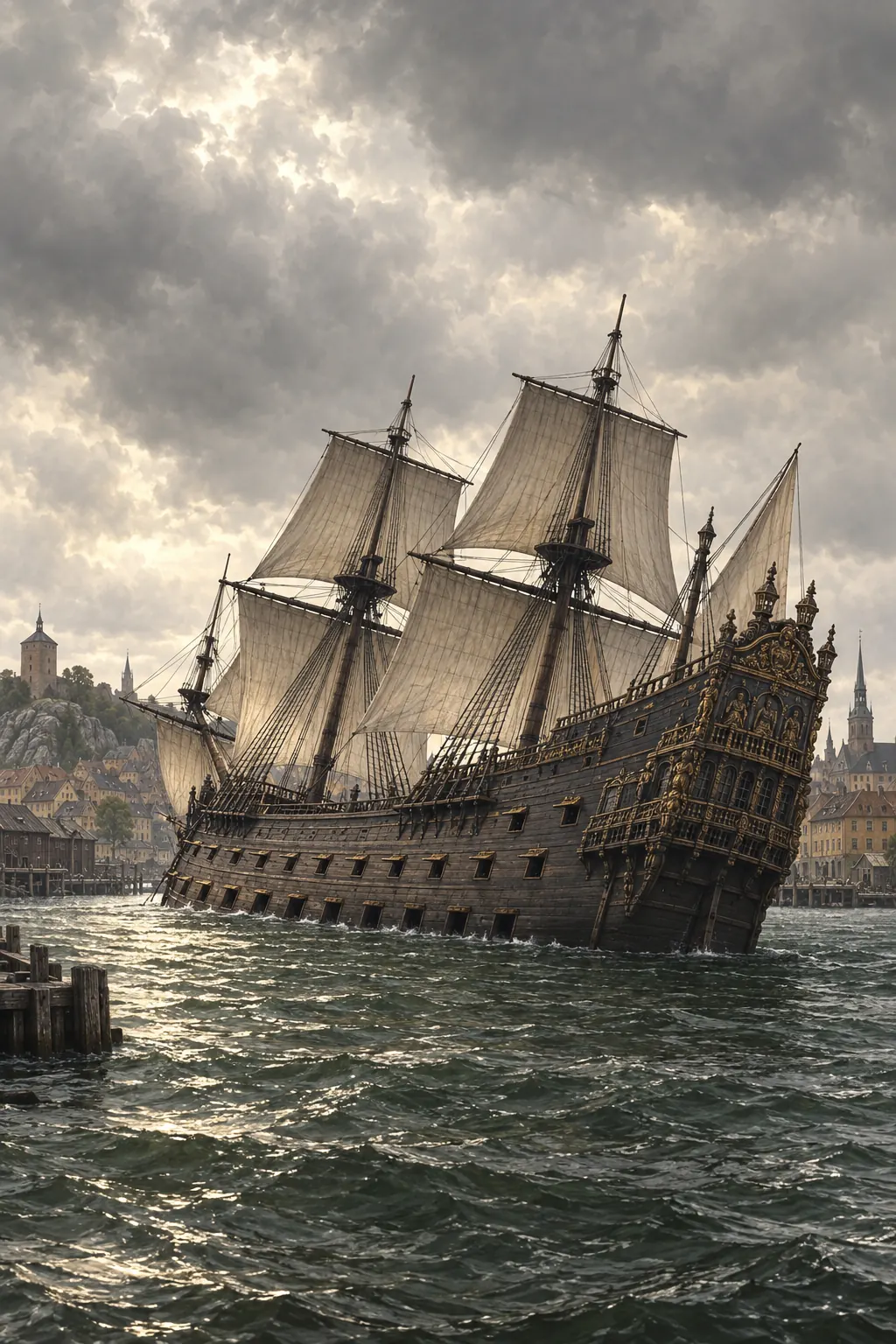
Why a Swedish king's new warship sank minutes after setting sail.

On 10 August 1628 crowds gathered at Stockholm harbour. It was the day the new warship Vasa, ordered by King Gustav II Adolf, set out on her first voyage. She carried 64 guns.
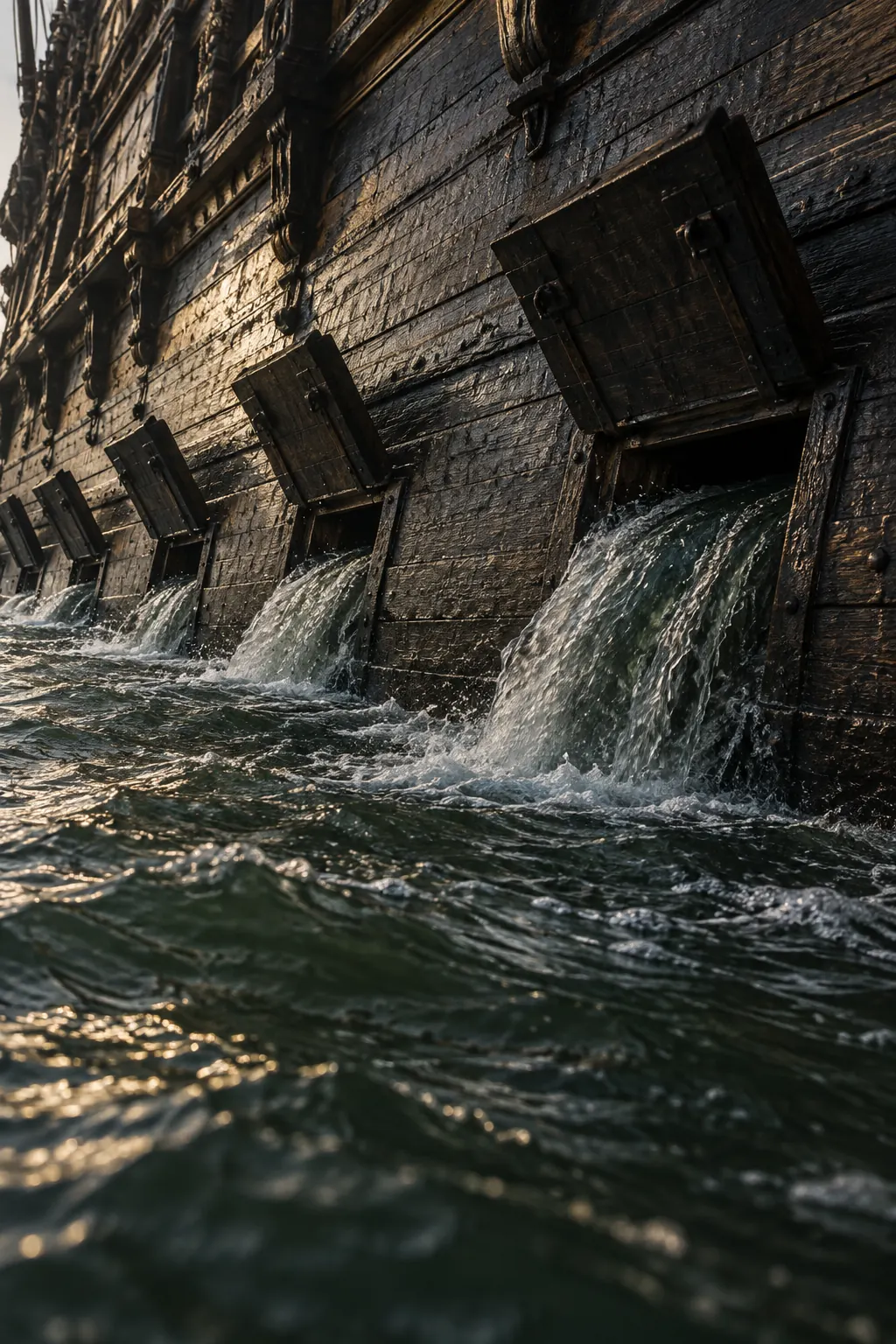
She set four sails, fired a salute and moved off. Within minutes a gust pushed her hard over to port. The lower gunports were open, and water poured in through them.
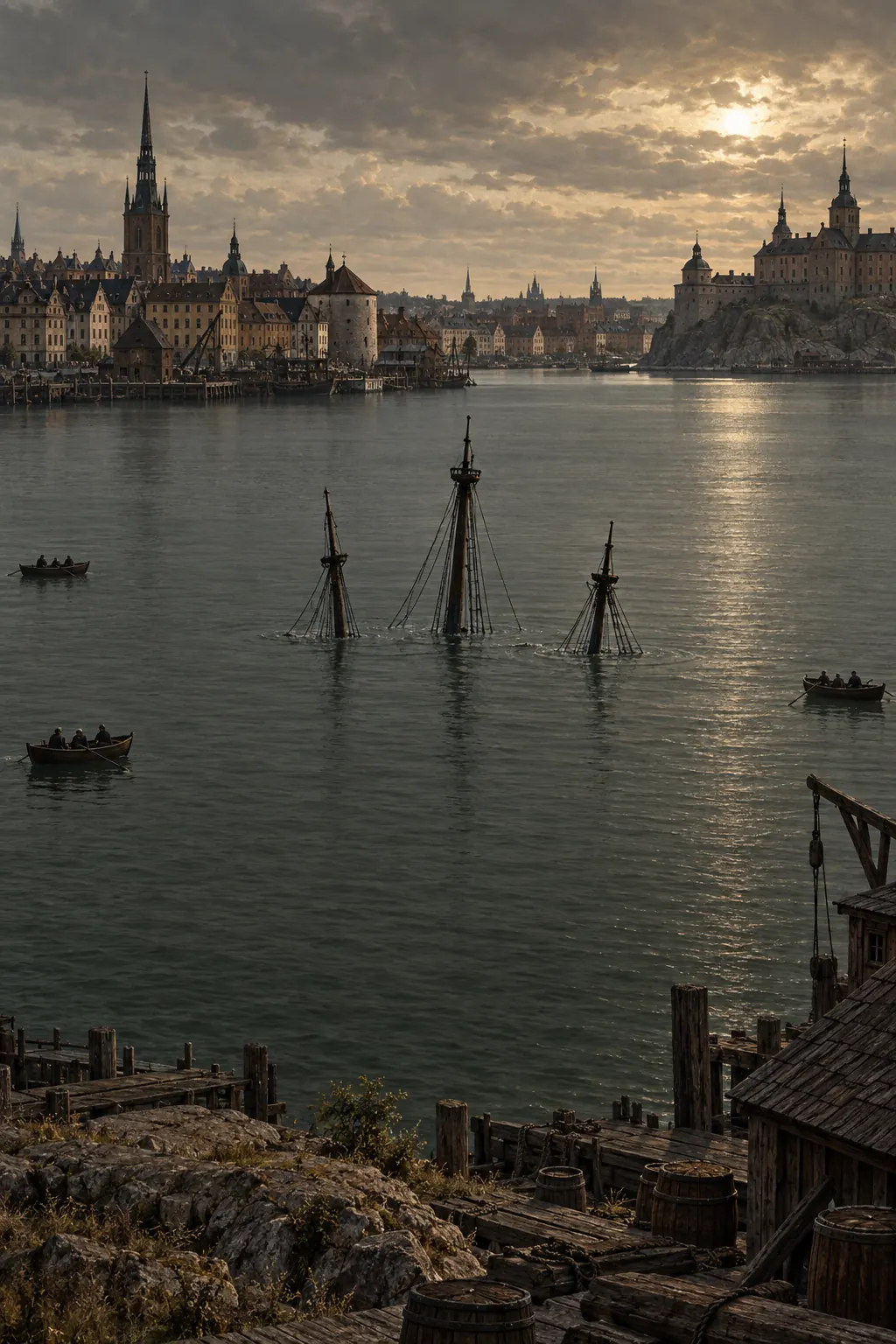
Vasa went straight down inside the harbour, to a bottom 32 metres below. About 30 people died. Yet there were people who had known before she sailed that this ship was dangerous.
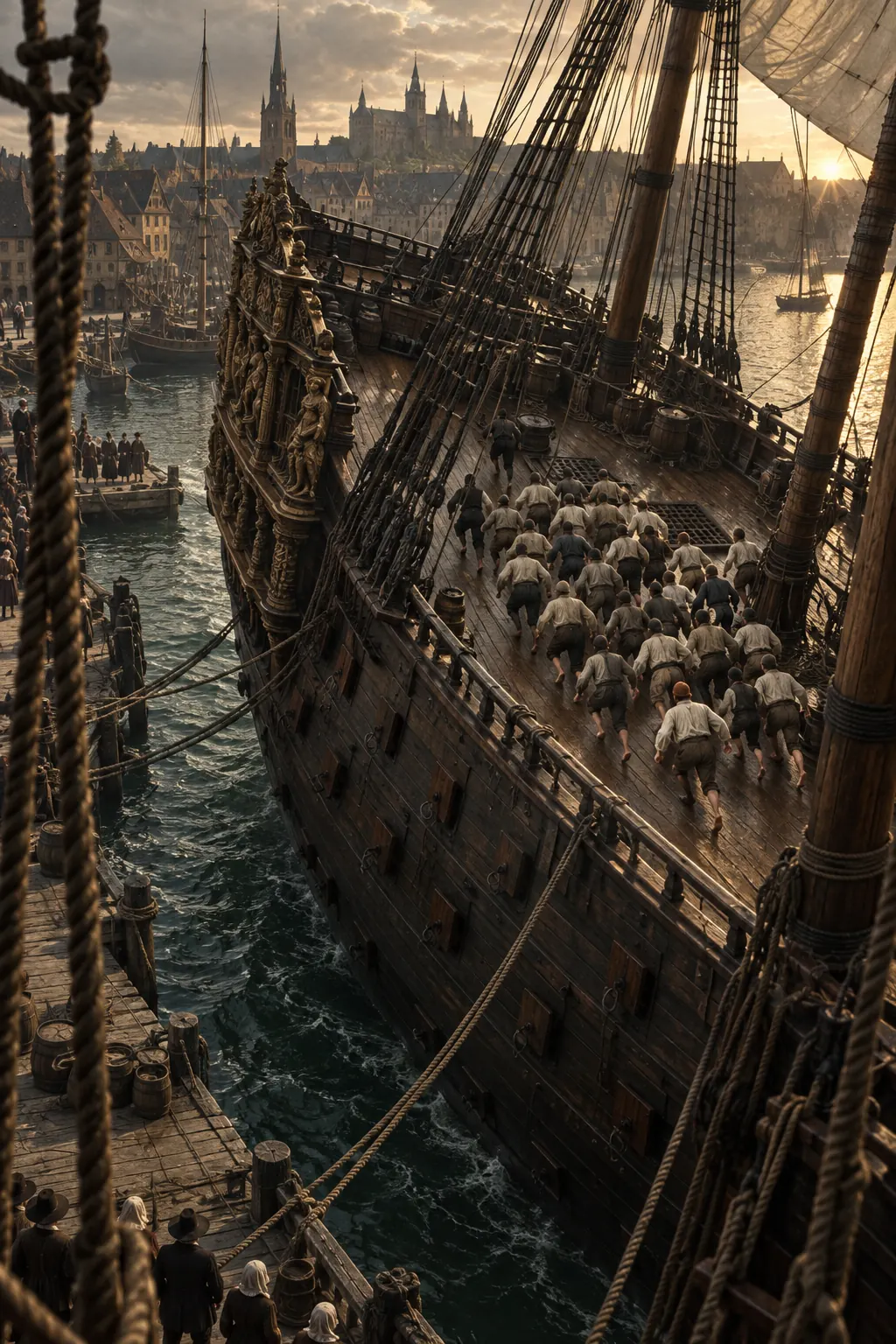
Weeks before, with the ship tied up at the quay, they ran a test: 30 men raced from side to side across the deck. After a few runs she heeled so far that the test was stopped.
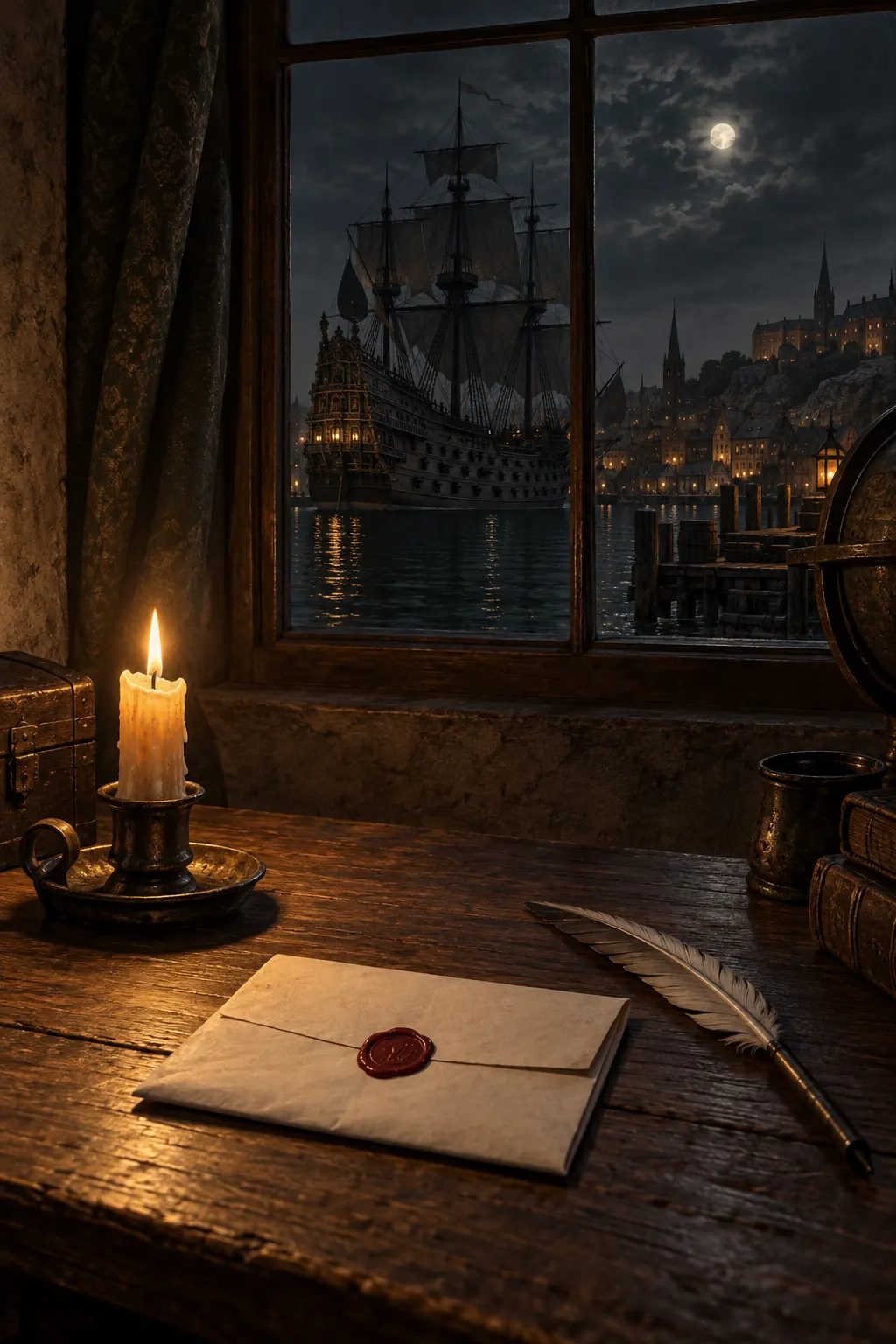
The result never reached the king, who was away fighting a war abroad. The ship kept her sailing date. So why did she tip so easily?

The cause was the ship's shape. The hull above the water was tall and heavy, and the part below the waterline holding it up was too small. Even a light wind could heel her over. So who took the blame?
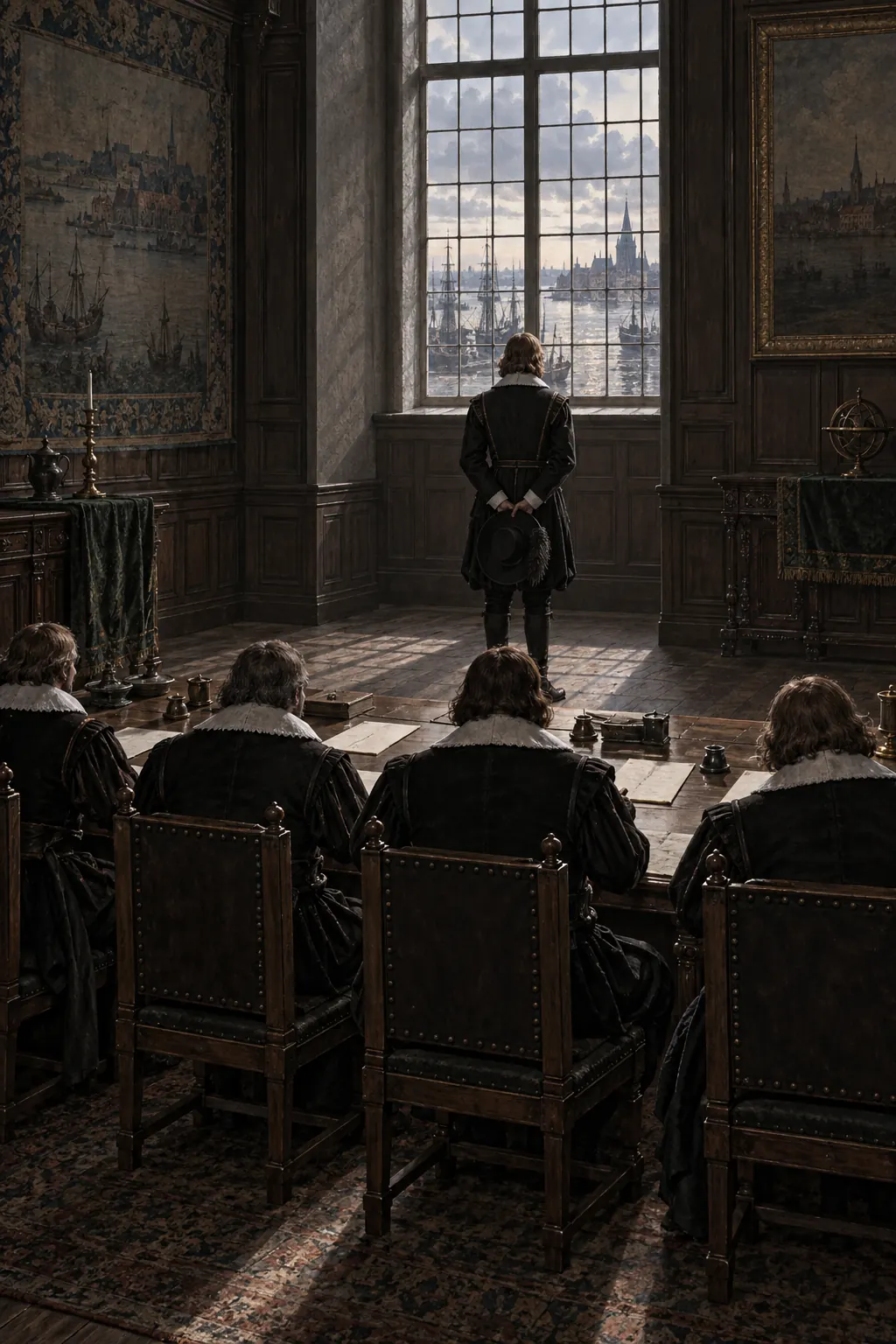
The king demanded that those responsible be found and punished. The captain was detained and questioned, and an inquiry opened. But the ship's size and design had been approved by the king himself. No one was officially punished.
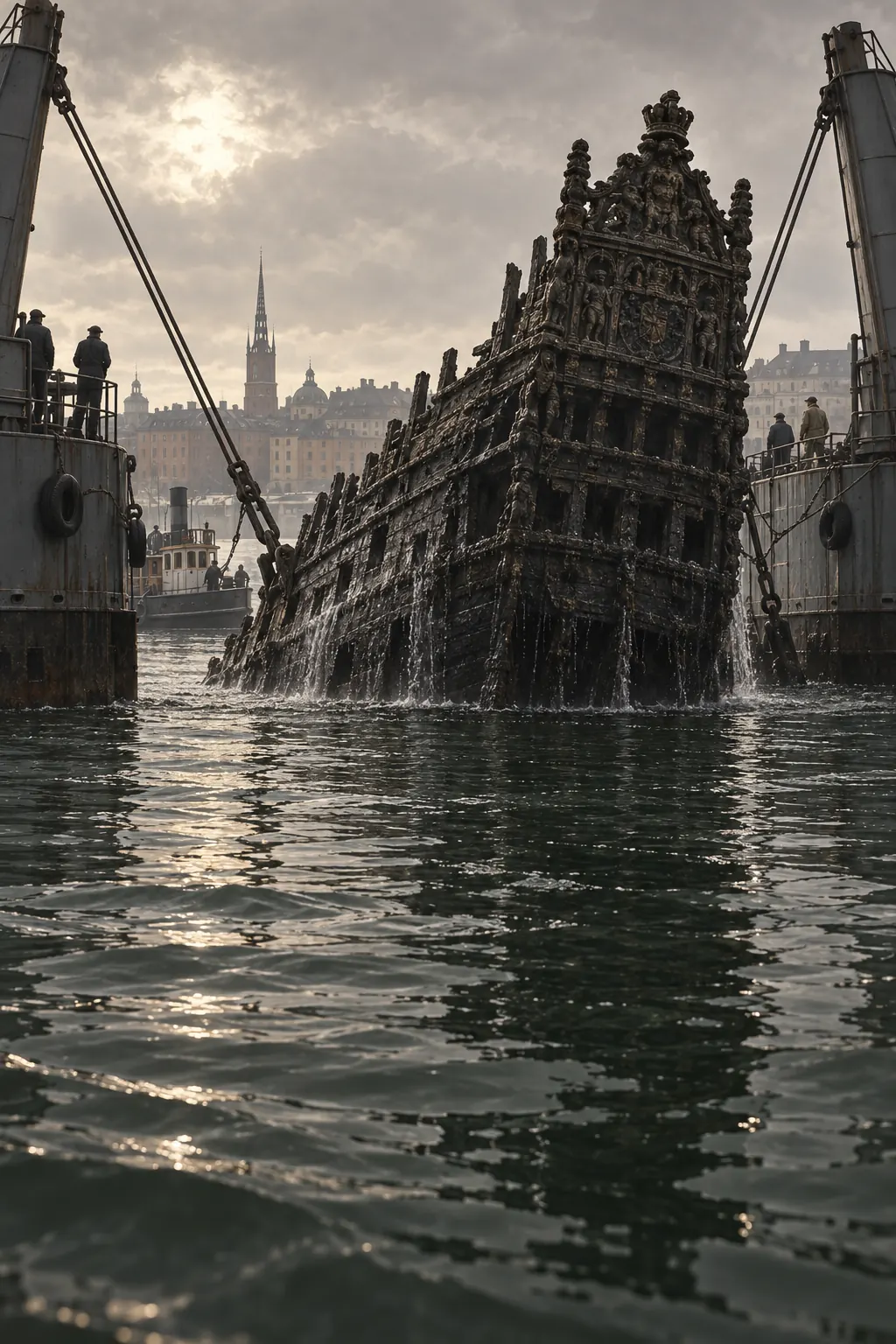
Vasa lay on the harbour floor for 333 years. She was found again in 1956 and raised to the surface in 1961. Today she stands inside the Vasa Museum in Stockholm.
What the records say
In 1628 the Swedish warship Vasa, commissioned by King Gustav II Adolf and carrying 64 guns, set sail from Stockholm on 10 August on her maiden voyage before a large crowd. Minutes later a gust heeled her hard to port, water poured through her open lower gunports, and she sank in the harbour at a depth of 32 metres; about 30 people died. Weeks earlier a stability test, with 30 men running from side to side on deck, had made her heel dangerously, but the officer who witnessed it did not pass the warning on to the king, who was abroad with the army. The Vasa Museum’s own account of the subsequent inquest states that the ship’s design, approved by the king himself, was found to be at fault, and that in the end “no one was officially blamed or punished.” The wreck lay on the harbour floor for 333 years before being located in 1956 and raised in 1961; it is now displayed in the Vasa Museum in Stockholm.
Sources
- "The Disaster" — Vasa Museum, Stockholm www.vasamuseet.se
- "The Inquest" — Vasa Museum, Stockholm www.vasamuseet.se
- Rinaldi, "Saving a fragile legacy", EMBO Reports 7(11), 2006 — PubMed Central pmc.ncbi.nlm.nih.gov
More stories

In 1859 a storm from the Sun ran the telegraph lines with the batteries unplugged
On 1 September 1859 Richard Carrington saw a white-light flare on the Sun. Within a day auroras filled the sky and telegraph operators worked without batteries.
The night of the Martian broadcast: most of America was not listening
On 30 October 1938 a radio play reported Martians landing in New Jersey. A ratings survey that night found only 2% of homes it called were listening.
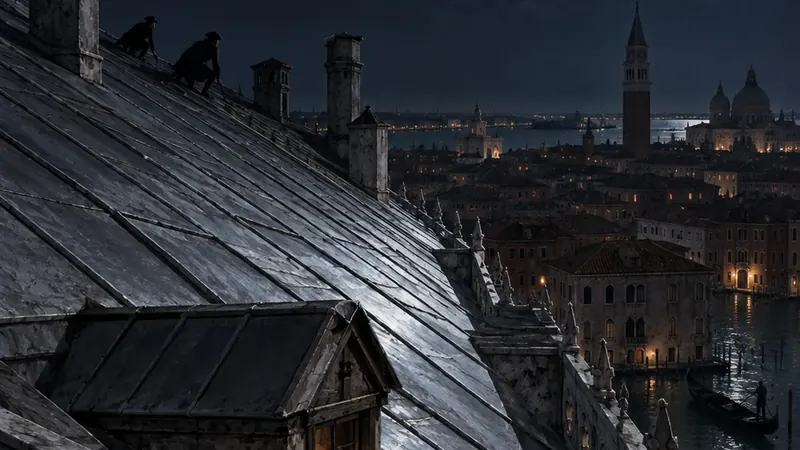
Locked under the lead roof of the Doge's Palace, Casanova got out through the ceiling
In July 1755 Giacomo Casanova was locked in the Leads, the cells under the roof of the Doge's Palace. On 1 November 1756 he escaped across the roof.
Get the week in history
One email a week: the new articles, and what was happening elsewhere at the same moment. Free, no ads, unsubscribe any time. How we handle your email.
Text licensed CC BY-NC-ND 4.0. Found an error? Tell us.