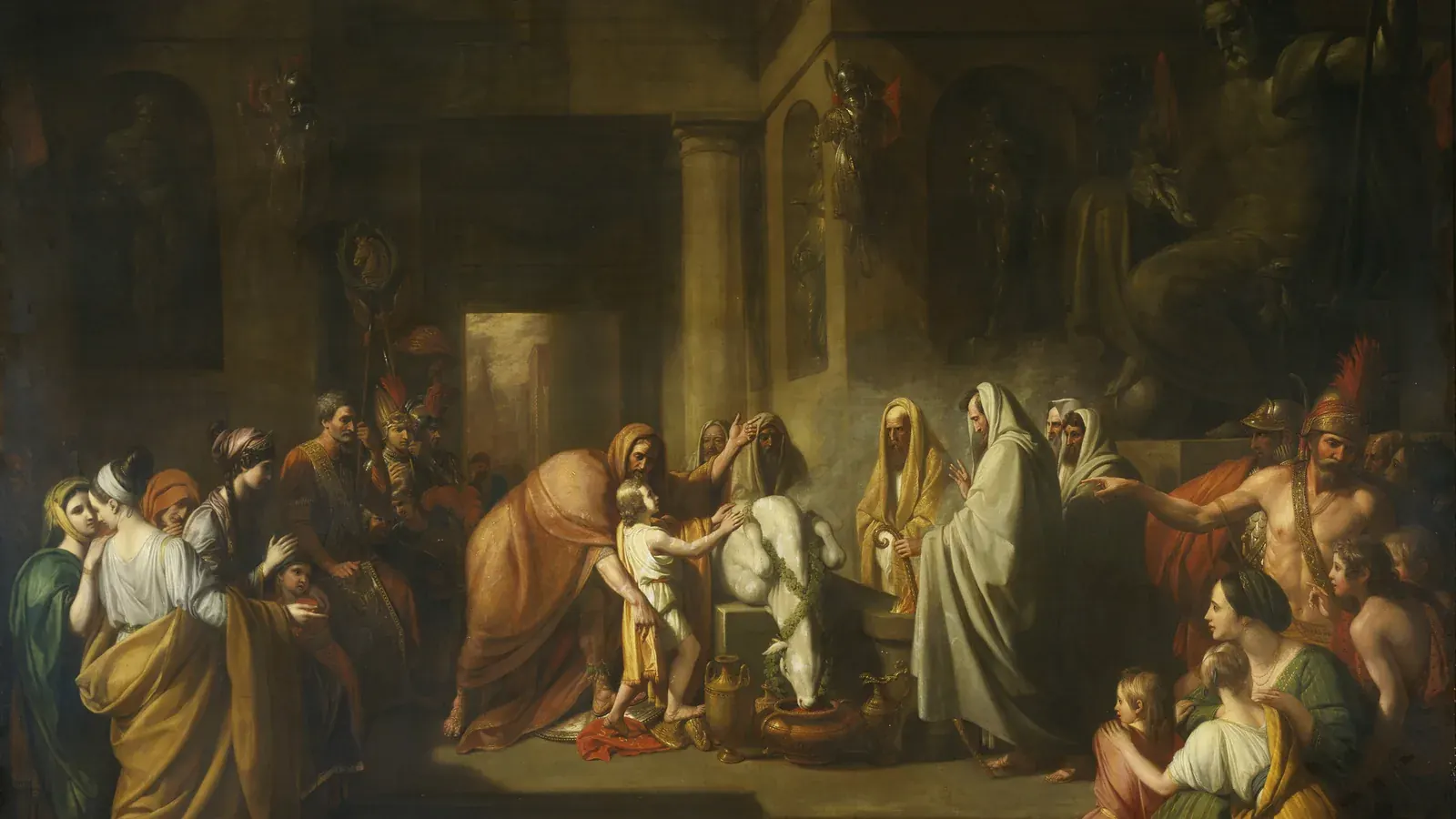
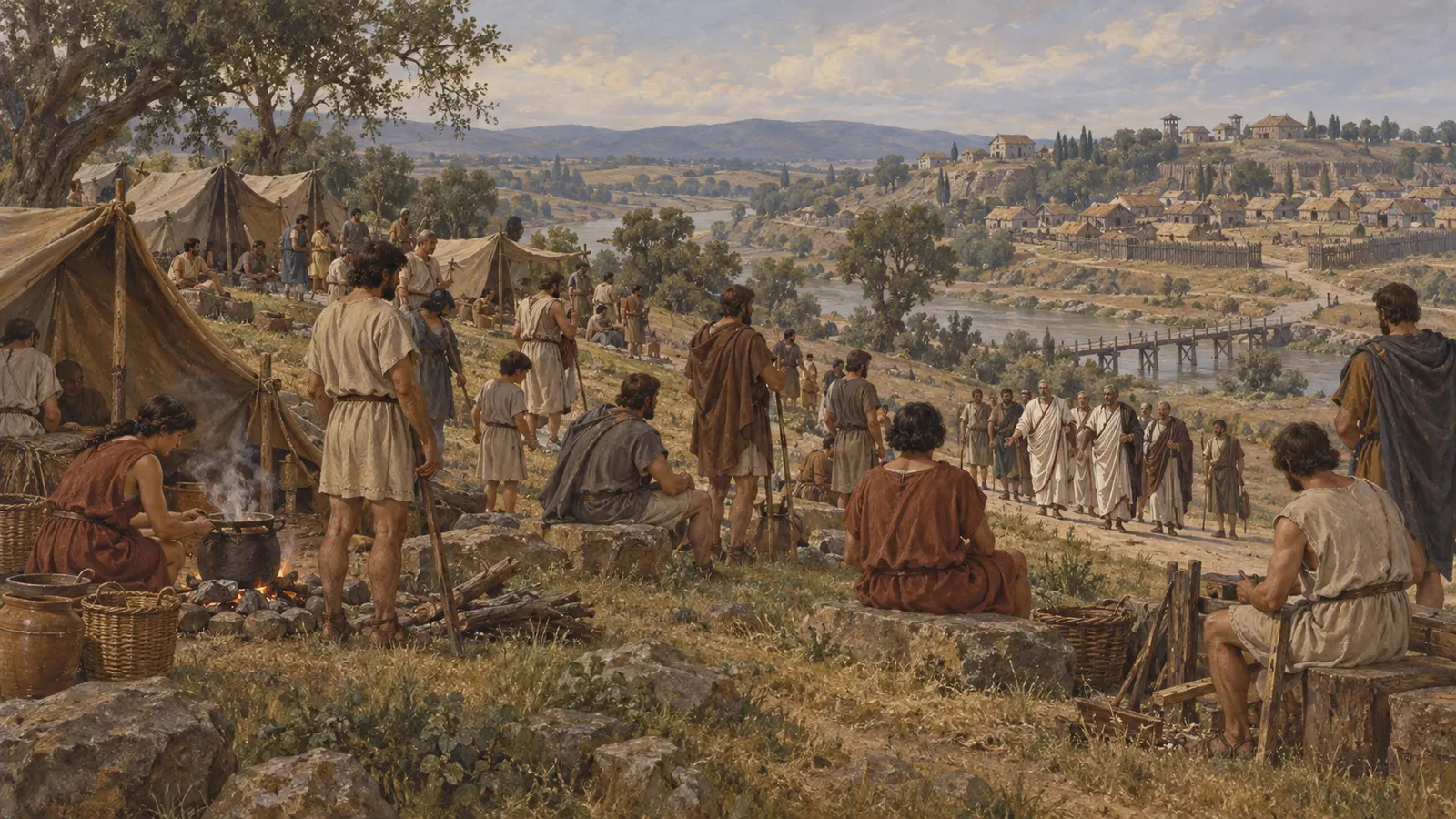
Polybius says Hannibal told King Antiochus how, at nine, his father had him swear at an altar never to be a friend of the Romans. Livy calls it a story.
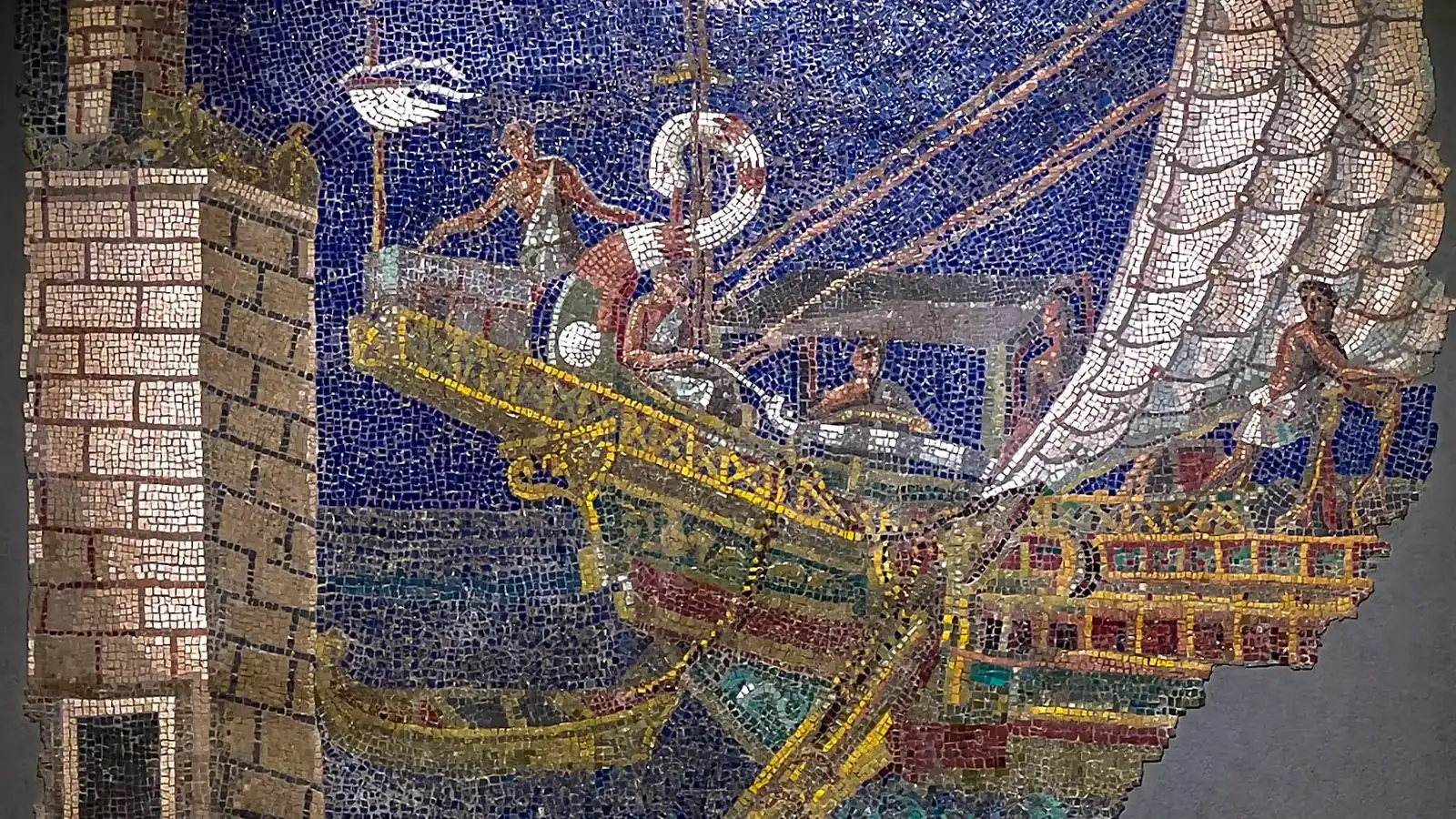
Ptolemy I commissioned the Pharos in 299 BC and it was finished in 279. Strabo and Pliny describe its white marble, its architect Sostratus and its fires.
Carter's journal for November 26, 1922 records his answer to Lord Carnarvon: "Yes, it is wonderful." The famous "wonderful things" is from his 1923 book.
Rein Taagepera's estimates give the Mongol Empire 24 million km² around 1300 and Rome 4.4 million in its years on top; only Britain's empire grew larger.
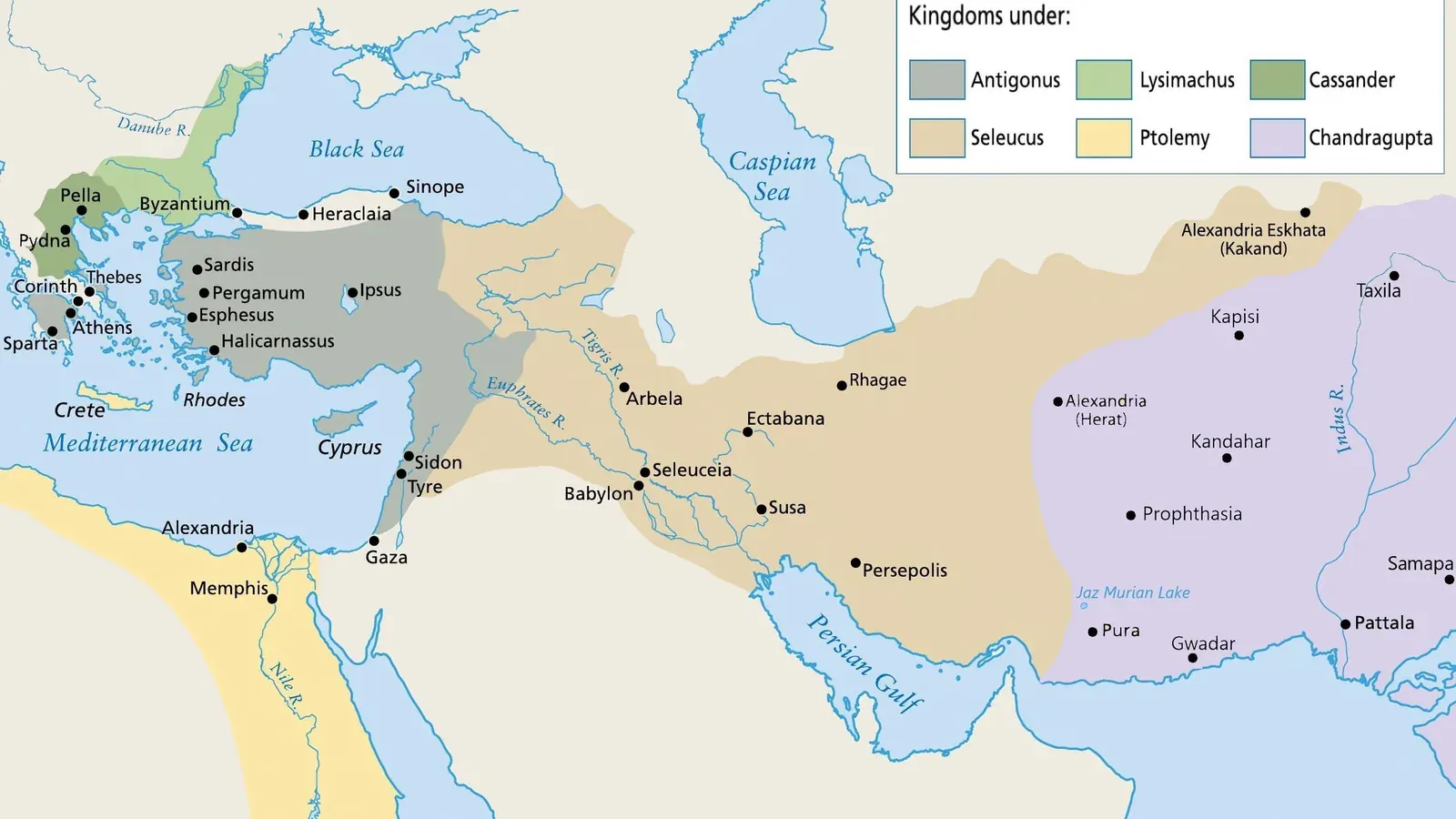
Alexander died at Babylon on June 11, 323 BC; by 280 BC his generals ruled three kingdoms, yet Greek stayed the language of eastern towns and of Bactria.
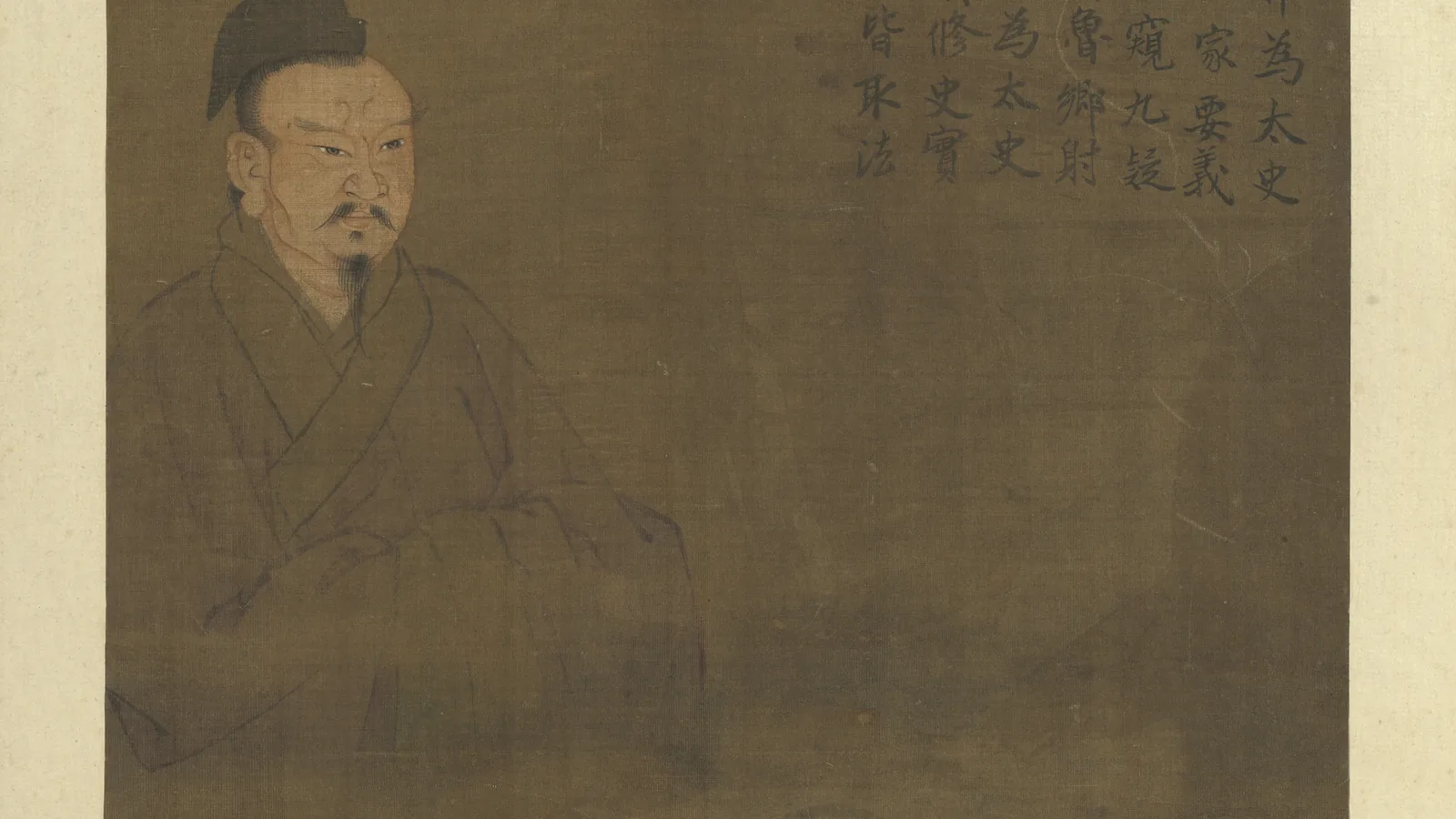
For defending the general Li Ling, Sima Qian was condemned; his letter to Ren An explains why he chose to live and finish the 130 chapters of the Shiji.
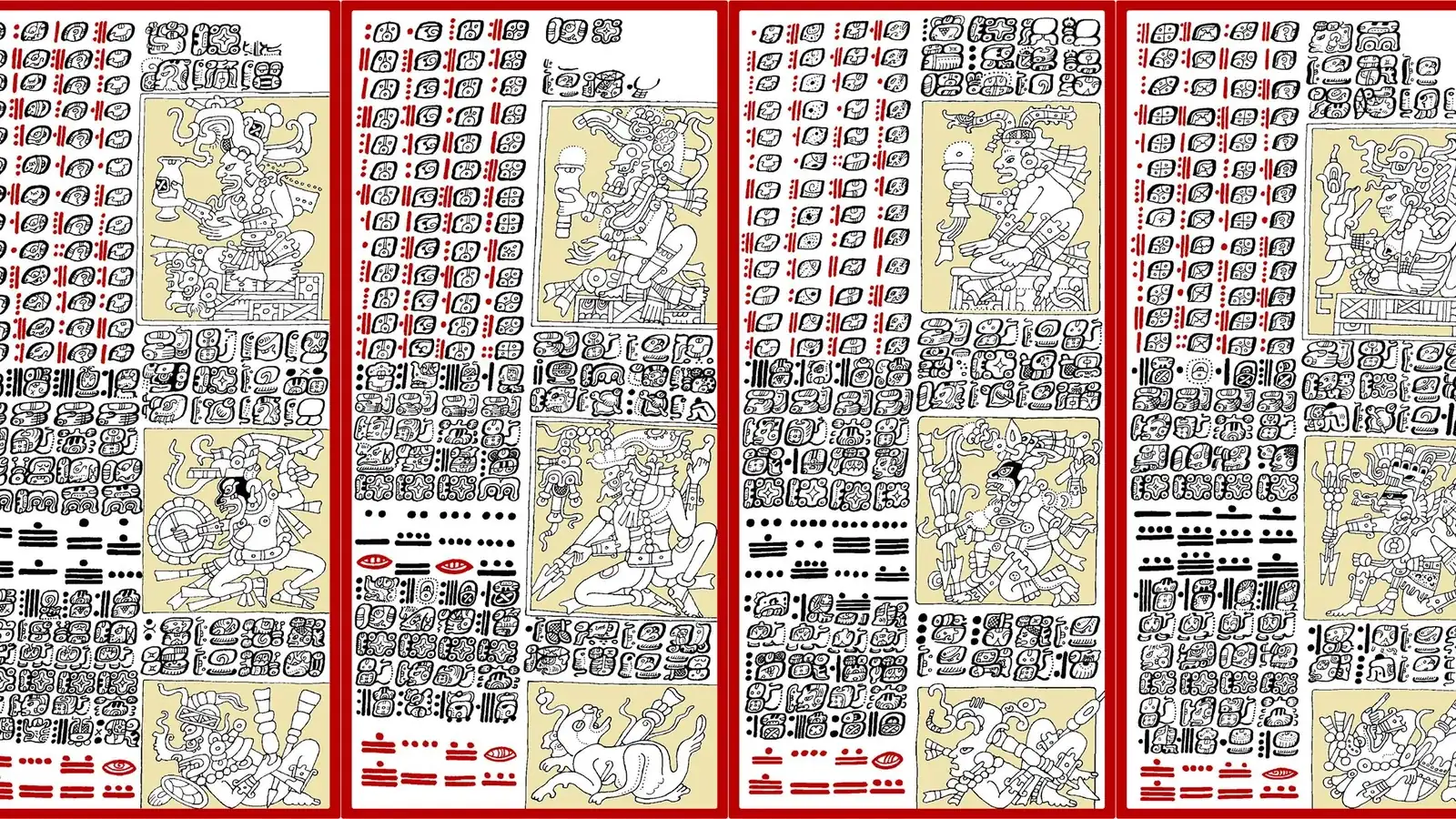
Maya astronomers put Venus's cycle at 584 days, near NASA's 583.92, and the year at 365.242 days, using sighting sticks. A Venus table survives in Dresden.
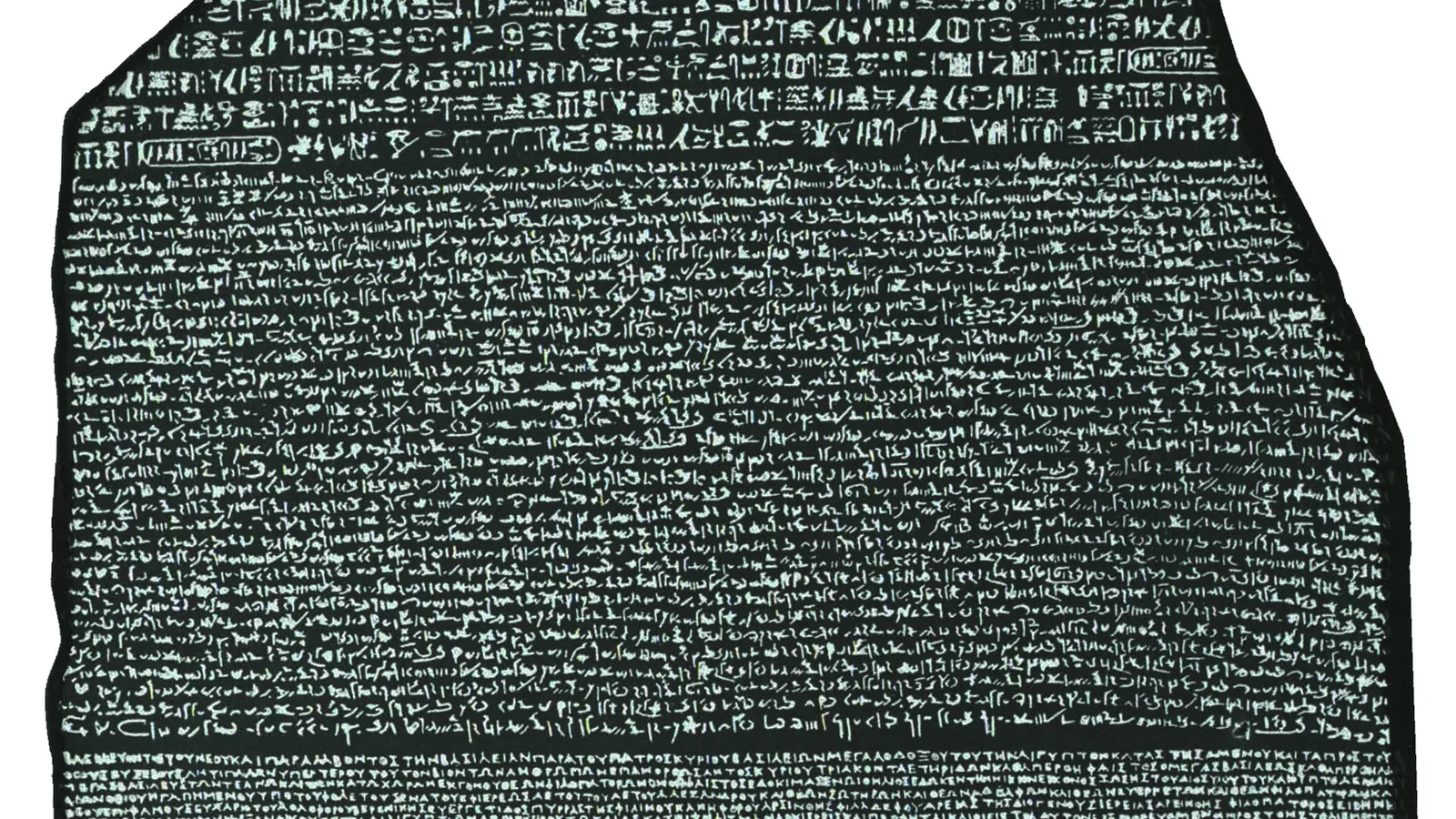
Priests at Memphis honored Ptolemy V in 196 BC in hieroglyphic, Demotic and Greek. In 1822 Champollion read royal names from it and from a Philae obelisk.
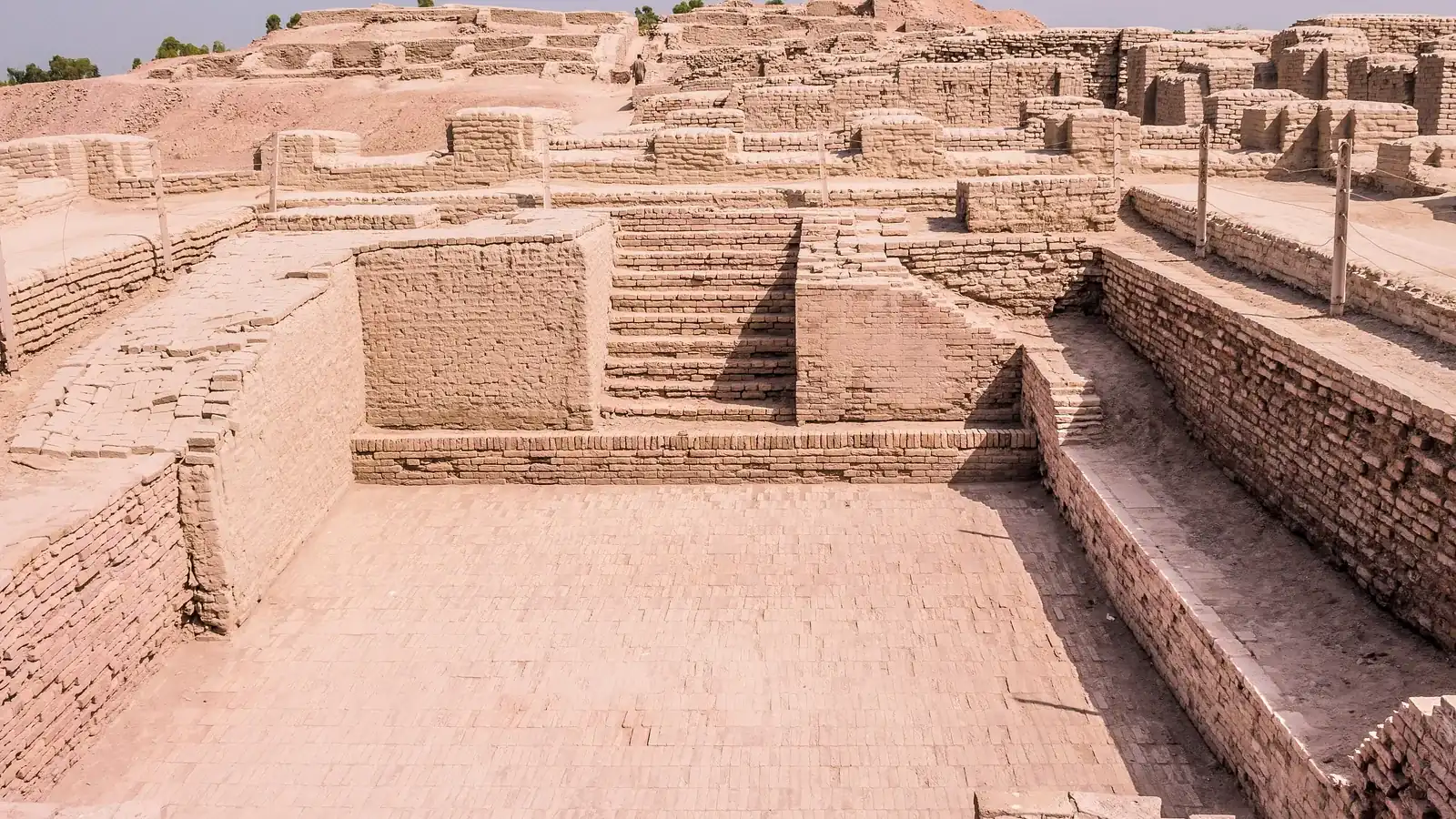
The Indus cities of 2600–1900 BC left no identified palace or royal tomb. J. M. Kenoyer proposes rule by competing elites and calls 'Great Bath' a guess.
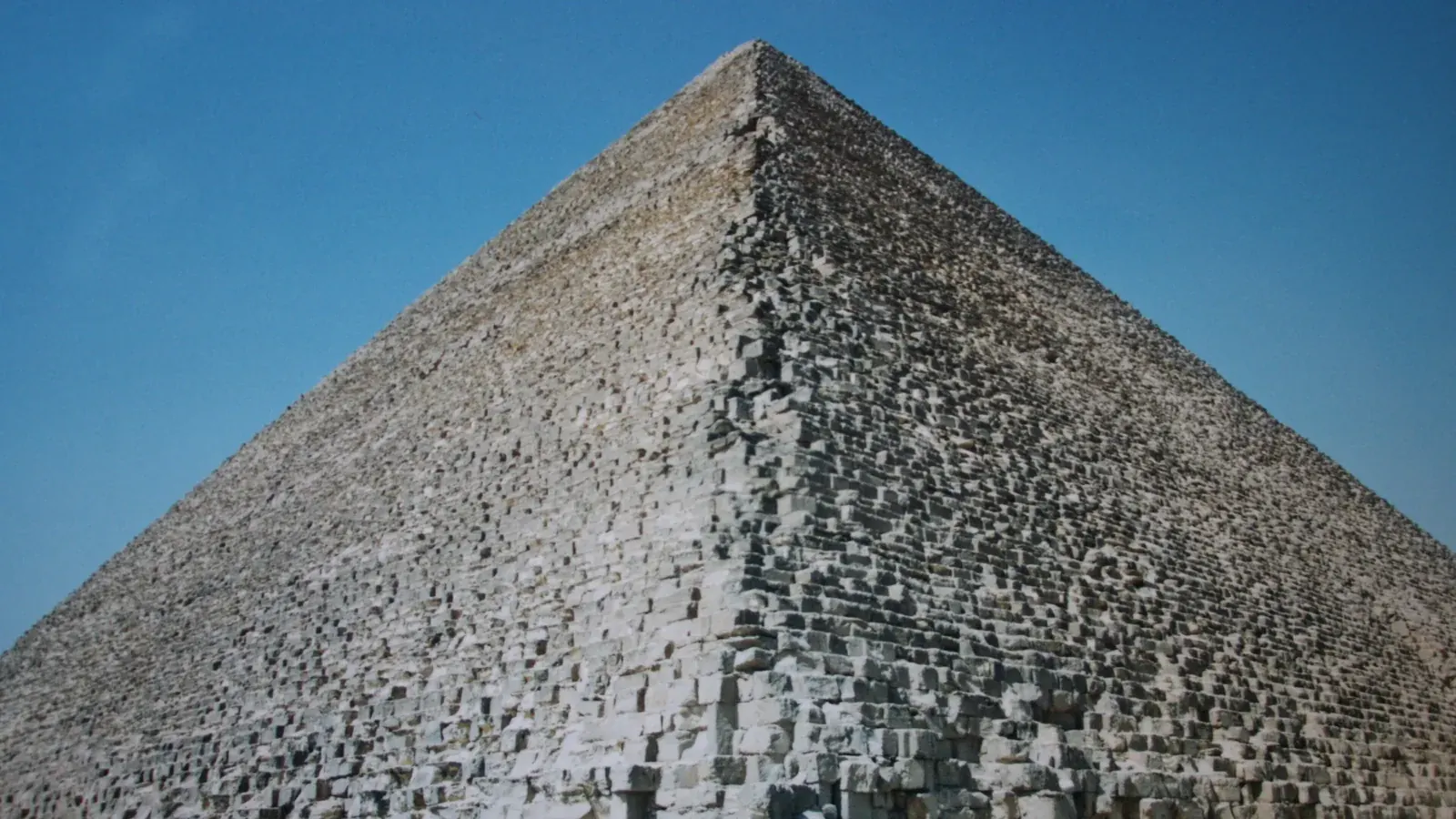
Khufu's pyramid lies within six arcminutes of true north. No Egyptian text says how; Glen Dash of AERA weighed four methods, from shadows to star transits.
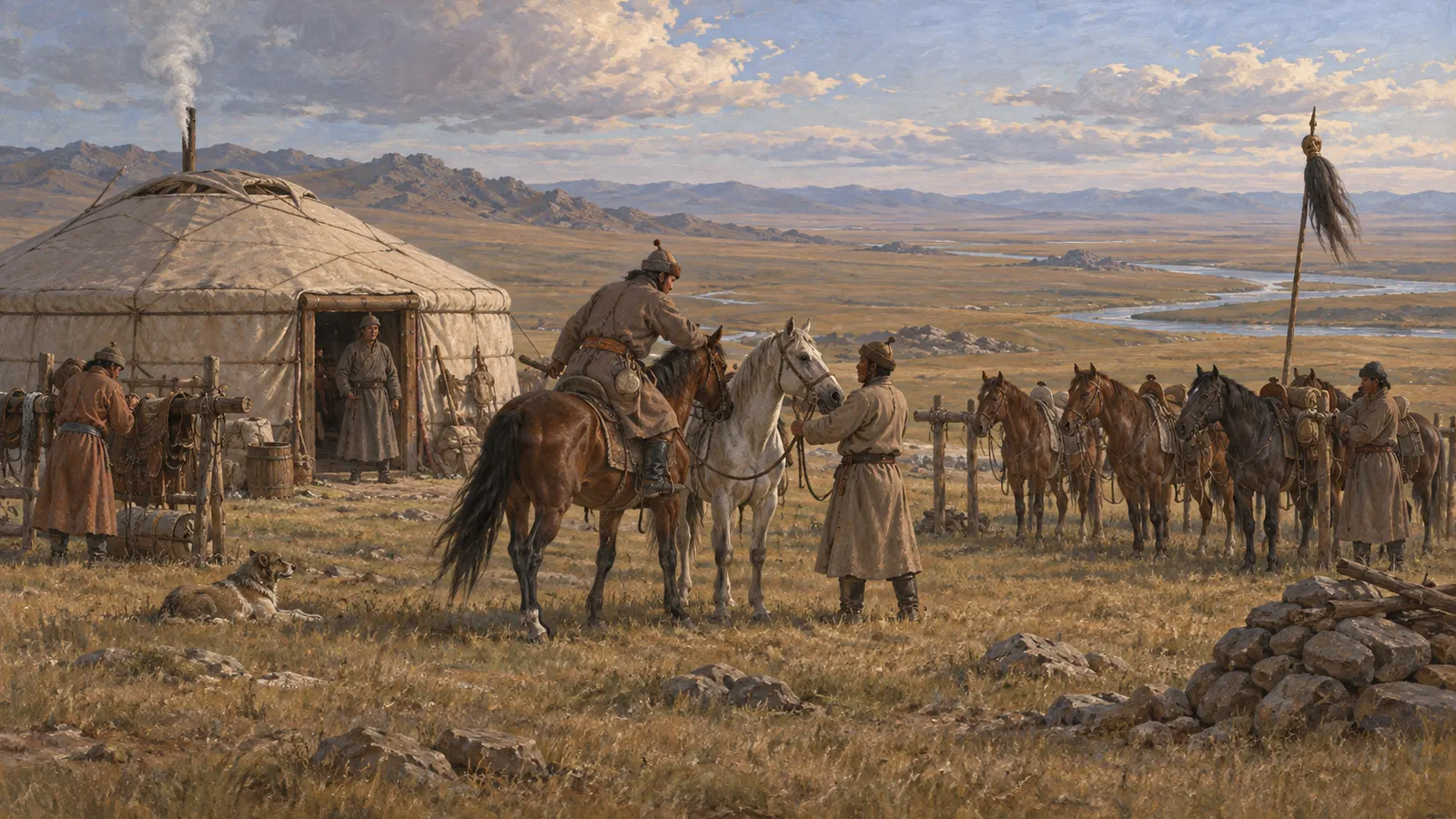
In 1218 the governor of Otrar killed 450 merchants Genghis Khan had sent to trade; the shah then executed a Mongol envoy, and the Mongols invaded in 1219.
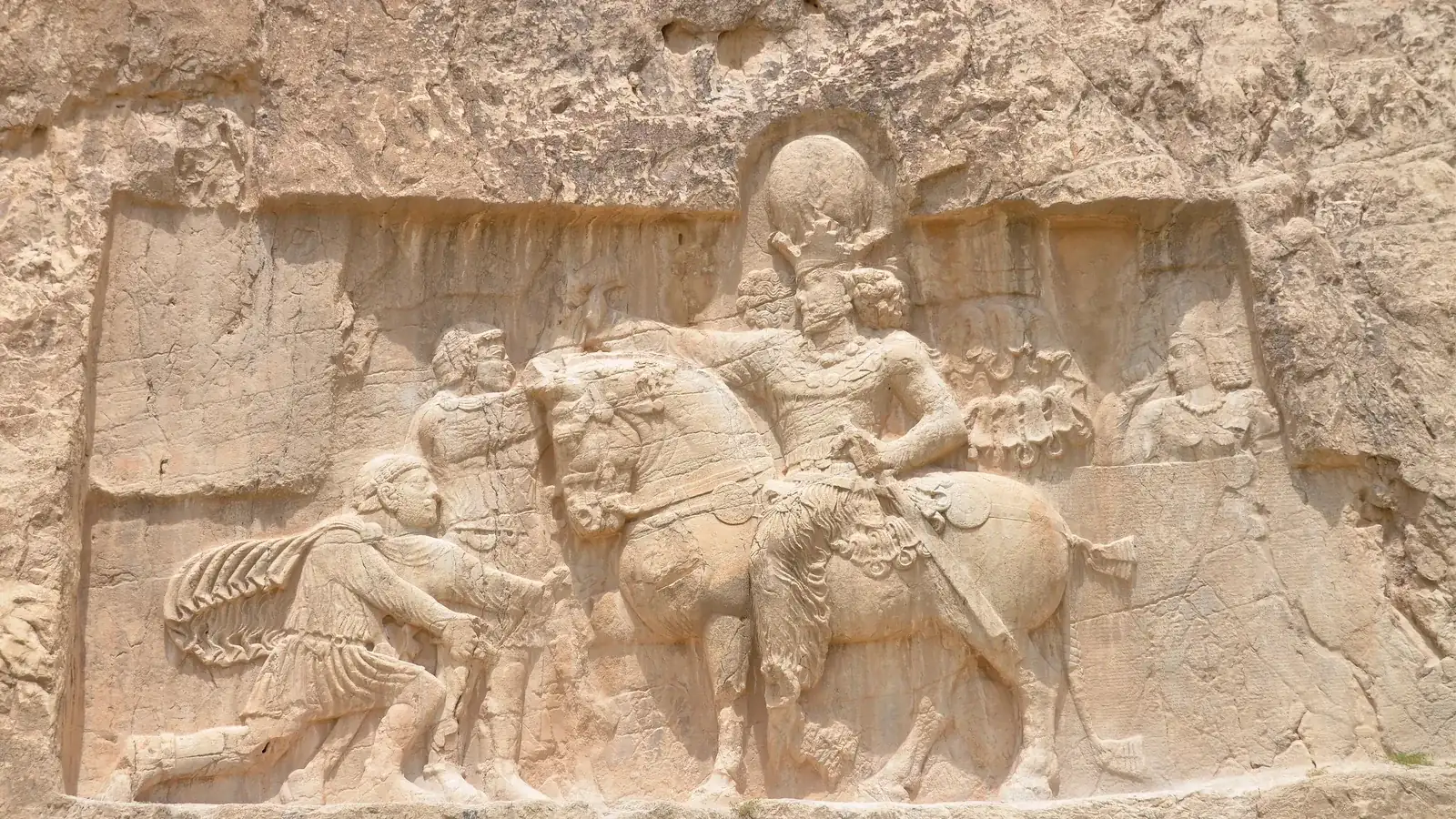
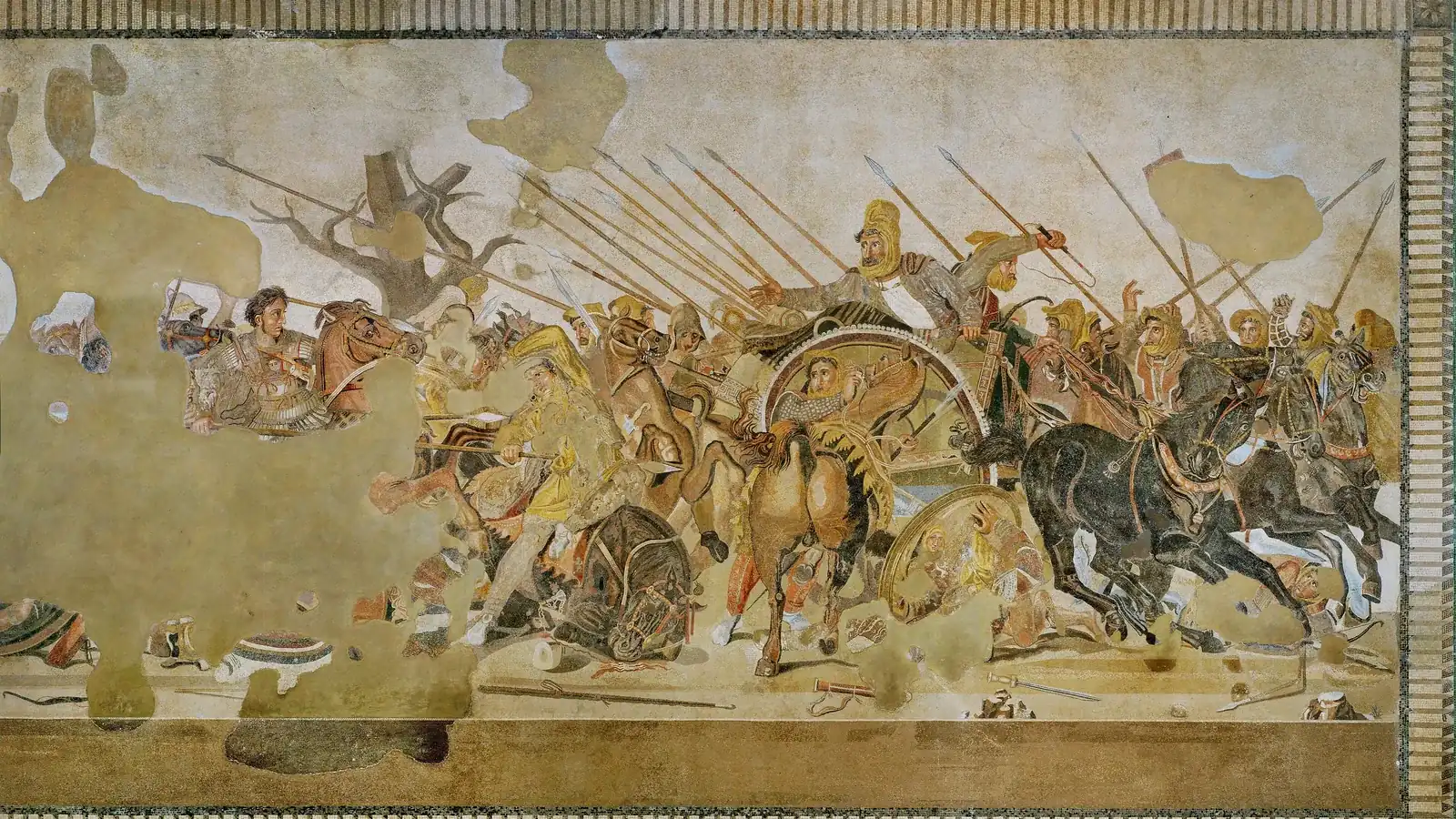
Arrian gives Alexander 47,000 men against a Persian army 'said to contain' a million, and has Darius flee first; a Babylonian diary says he was deserted.
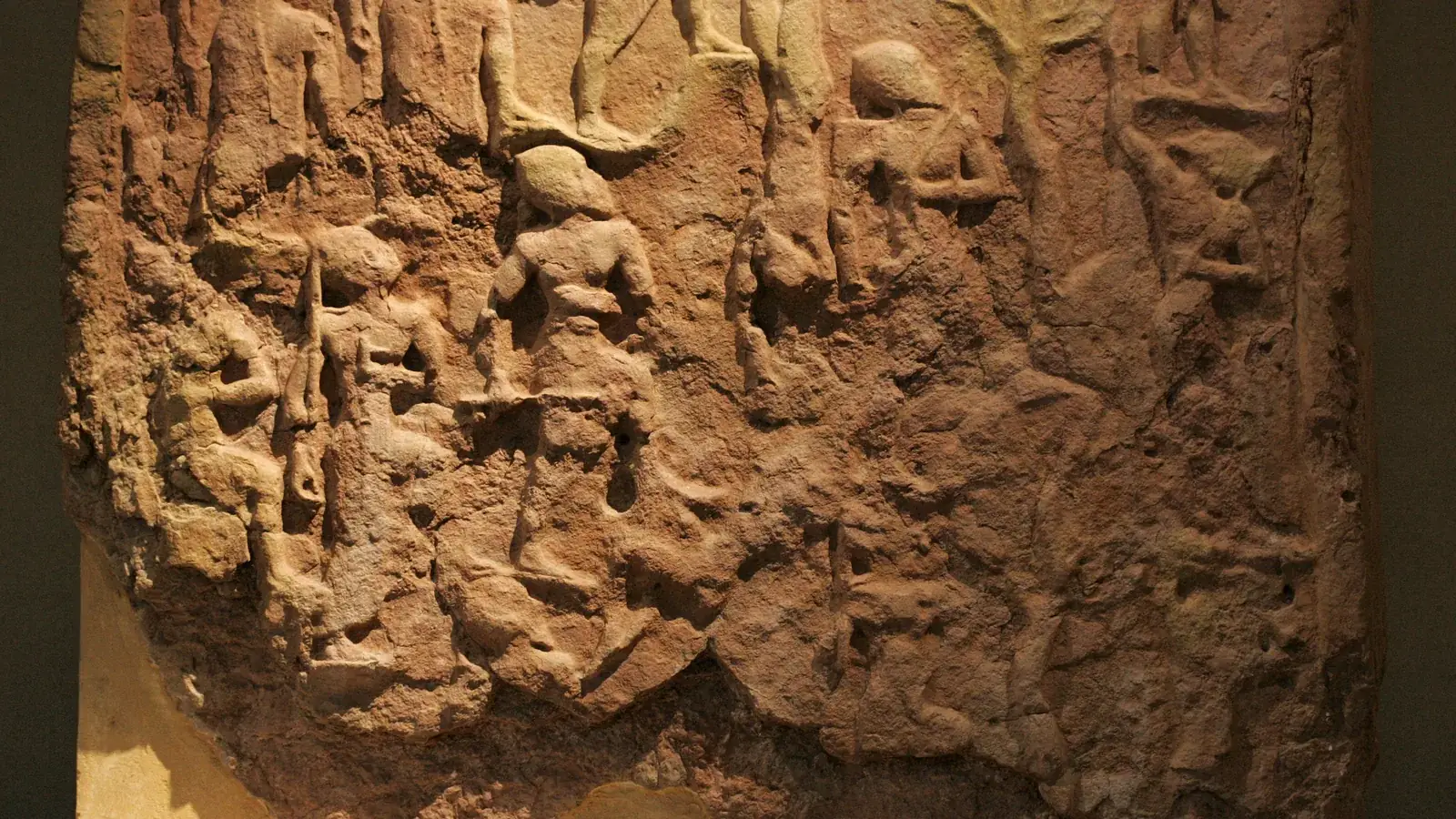
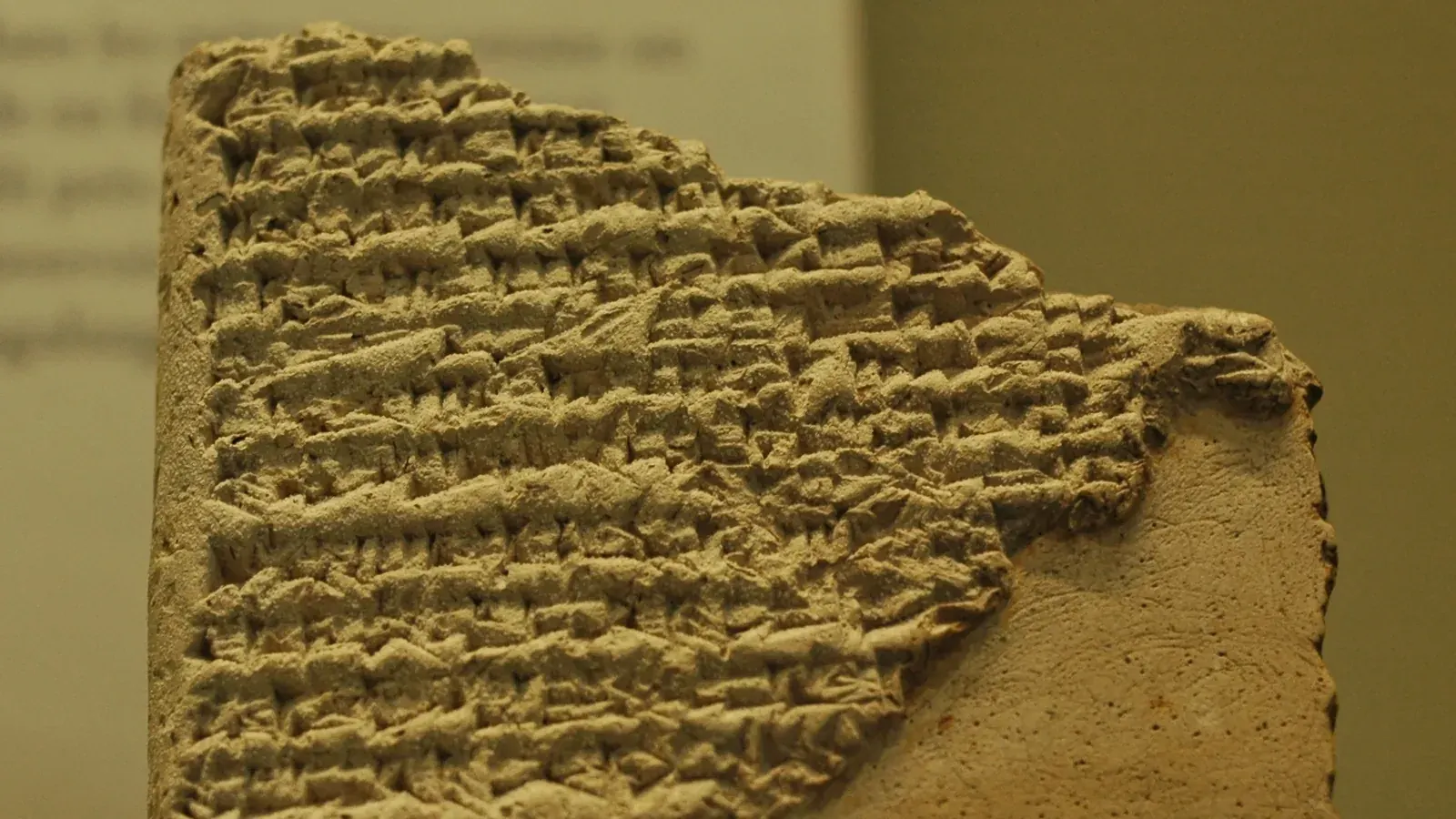
Sargon's inscriptions say he captured Lugalzagesi of Uruk and took lands from the sea to Mari and Ebla. Three later tales disagree on where he came from.
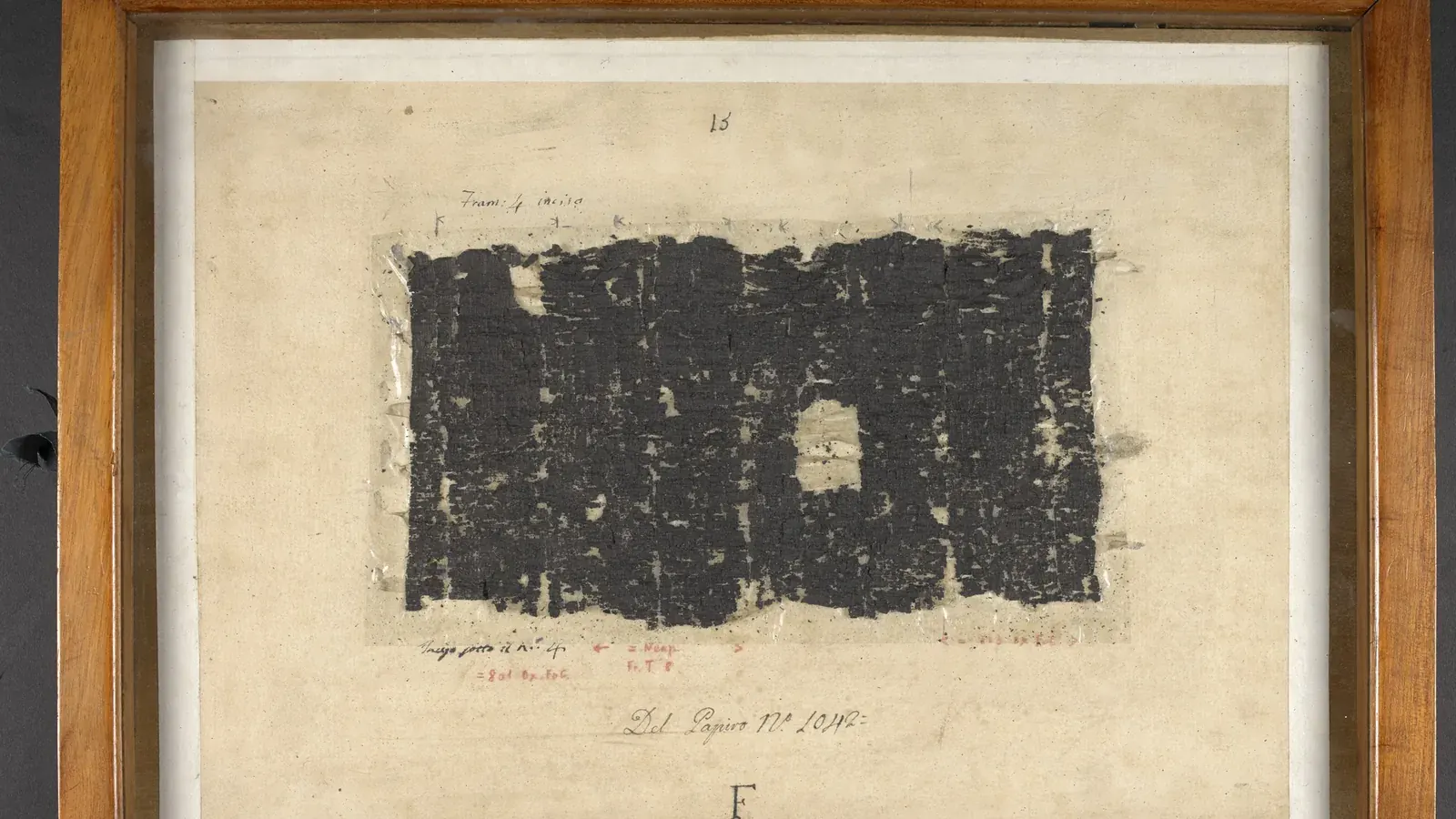
Vesuvius carbonized a Roman villa's library in AD 79. Scans and machine learning now read the scrolls unopened: a first word in 2023, a whole roll by 2026.
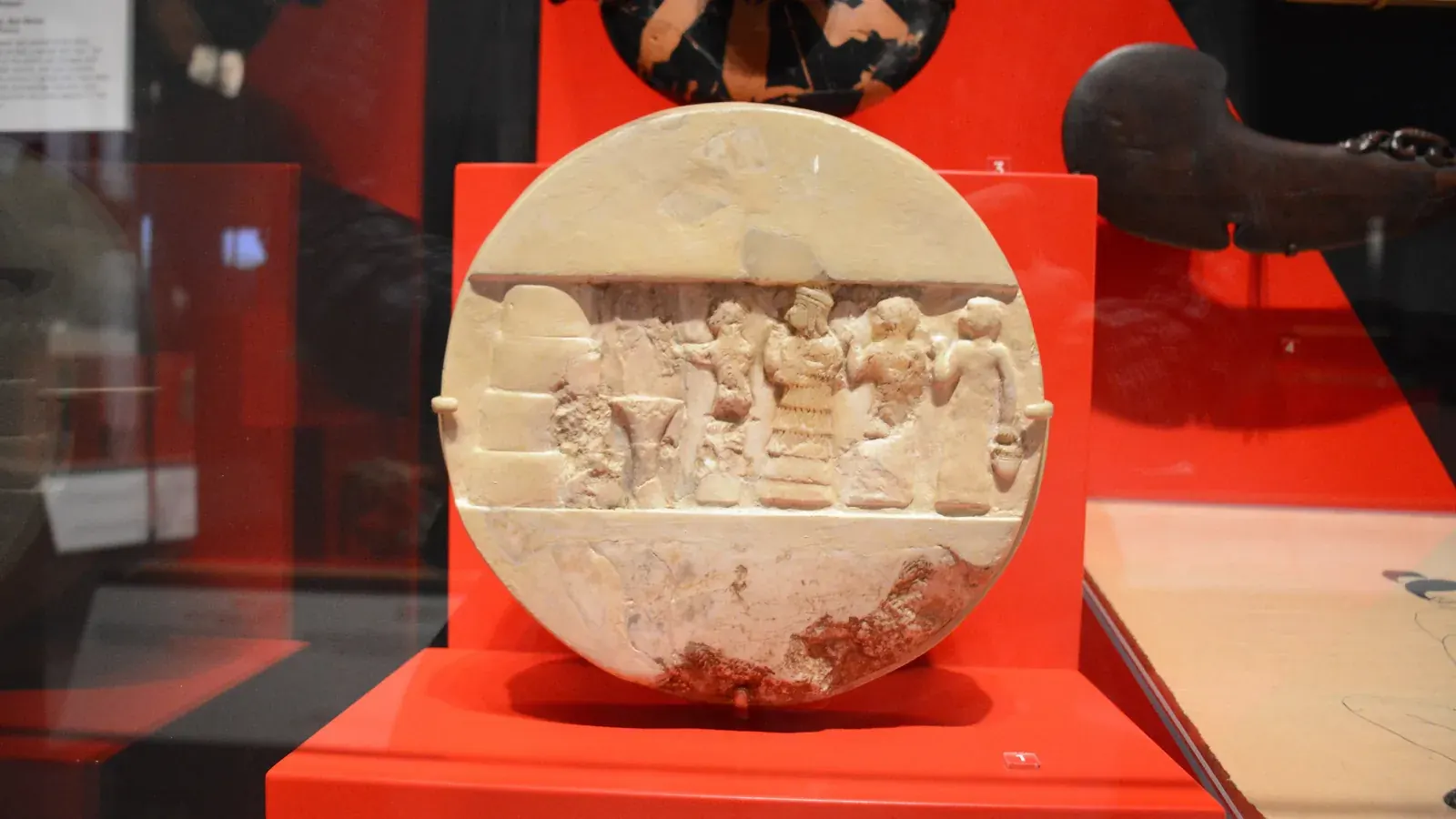
Sargon's daughter Enheduanna, priestess at Ur, names herself in the Exaltation of Inana. Most copies are 500 years later, so her authorship is debated.