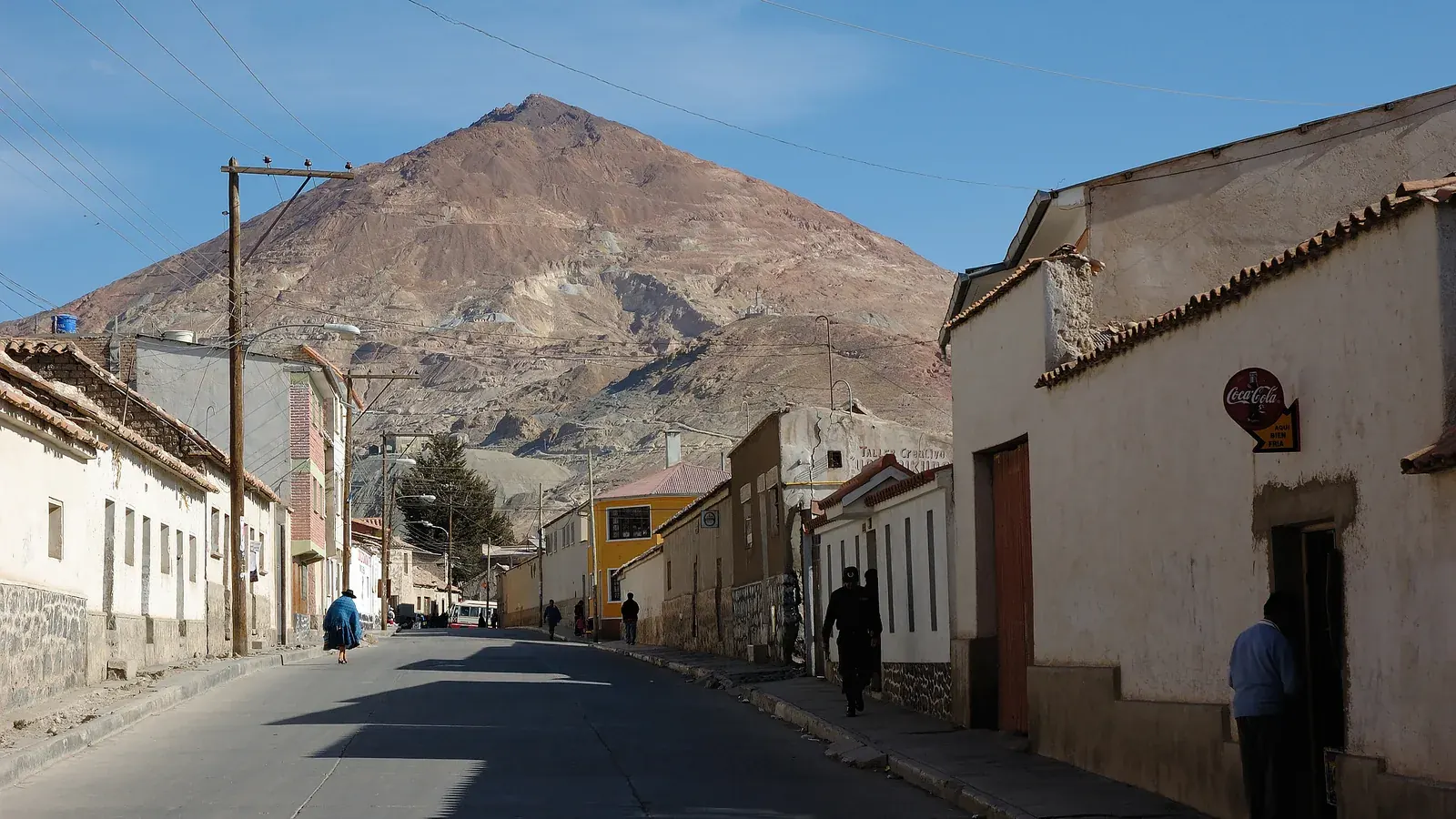
Potosí silver, found in 1545 and refined with mercury by forced mita labor, sailed to Seville and, on Manila galleons, to China, the era's silver sink.
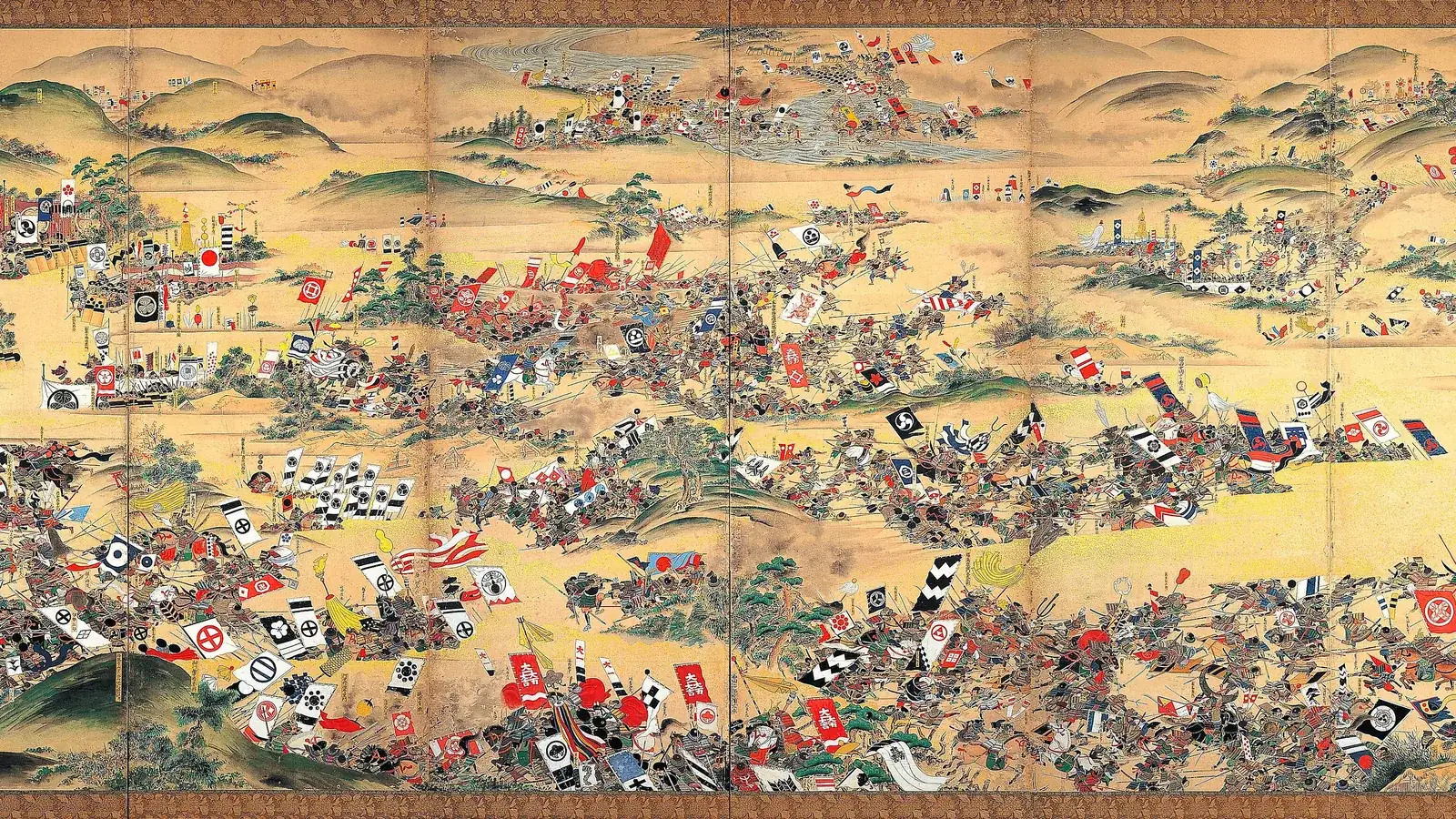
Tokugawa Ieyasu broke Ishida Mitsunari's western army in a few foggy hours on October 21, 1600, redistributed a third of Japan and became shogun in 1603.
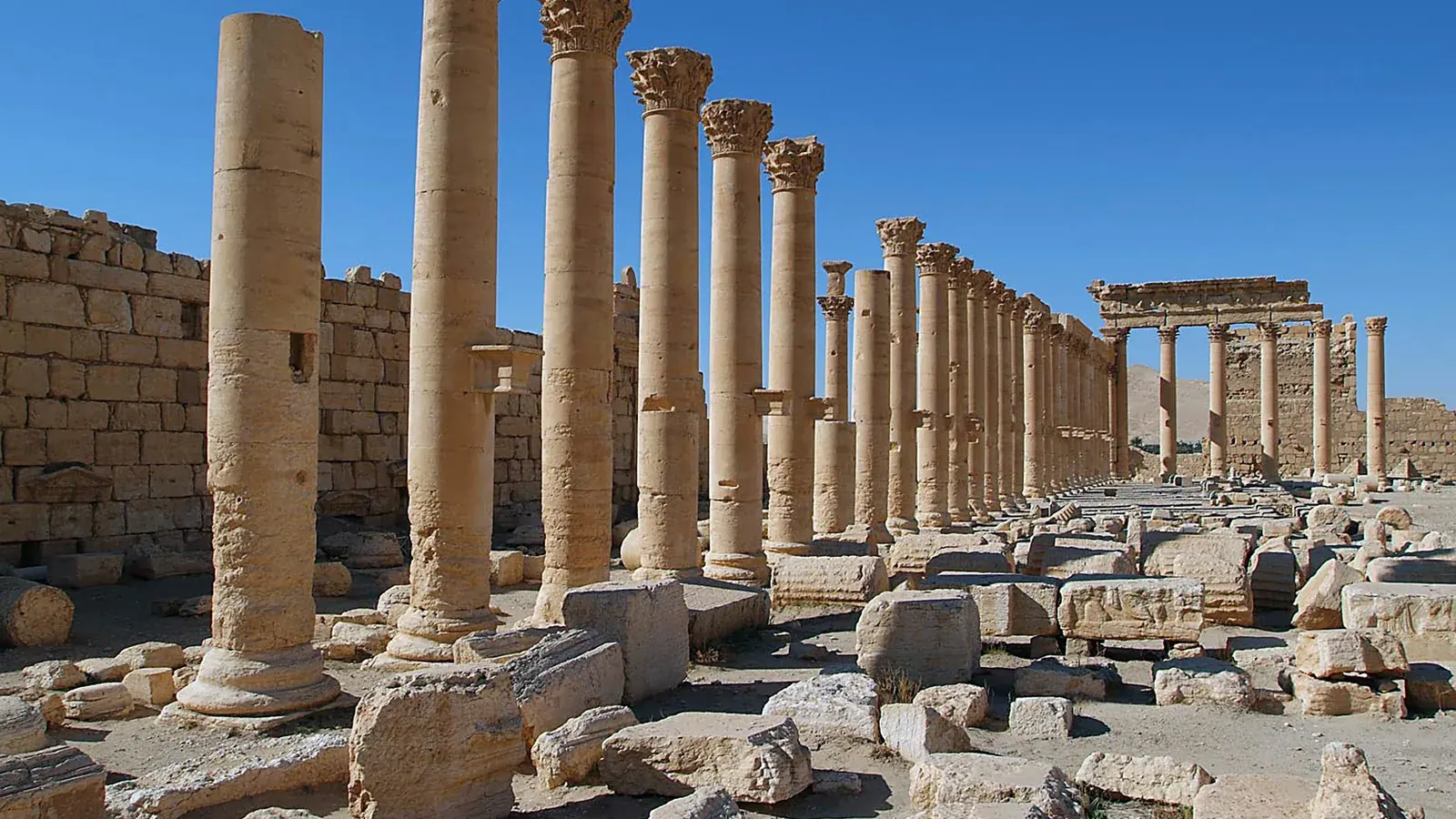
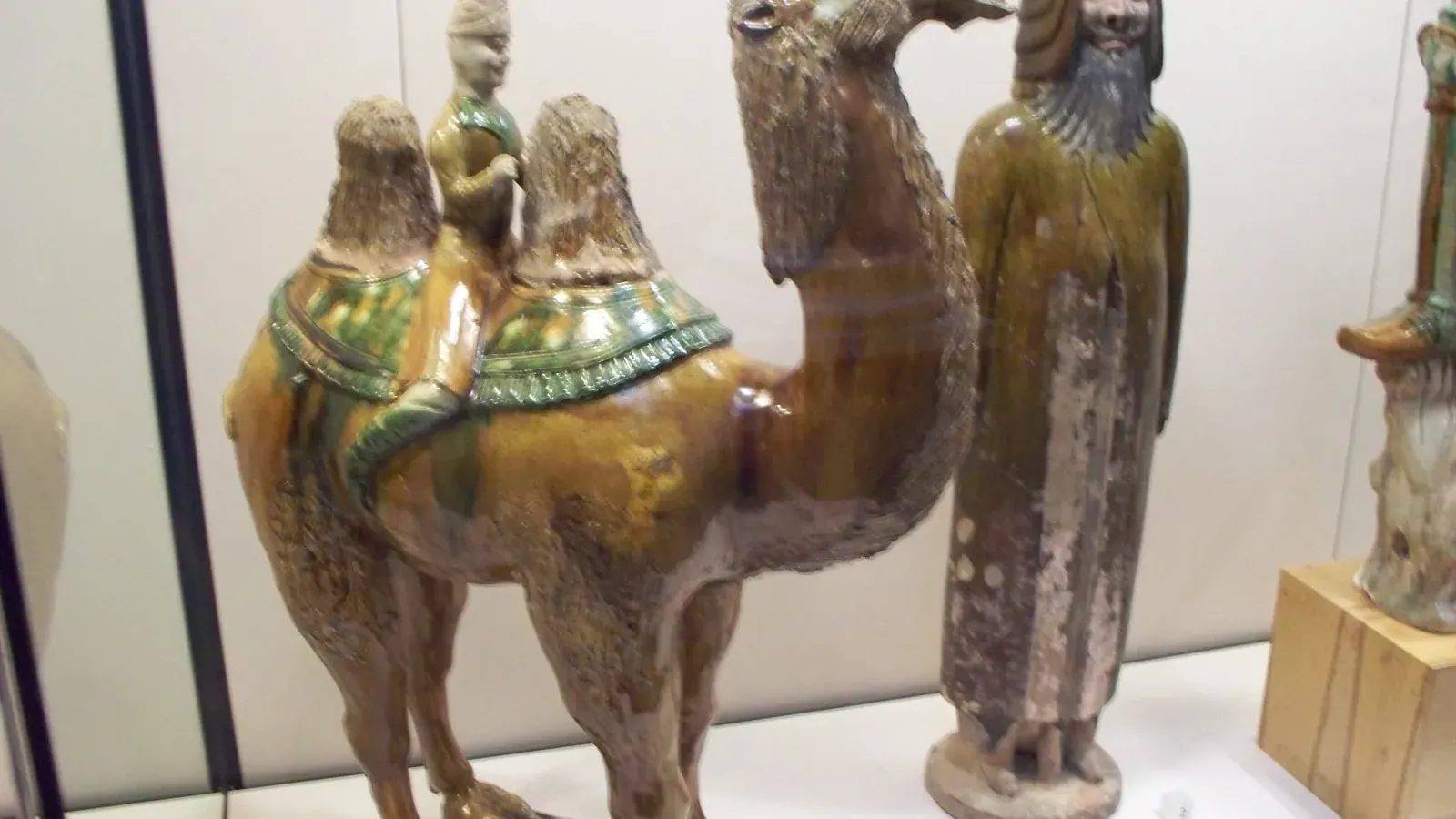
Palmyra taxed the caravans carrying Gulf and Indian goods across the desert to Rome. That wealth let Odaenathus and Zenobia rule the Roman East until AD 272.
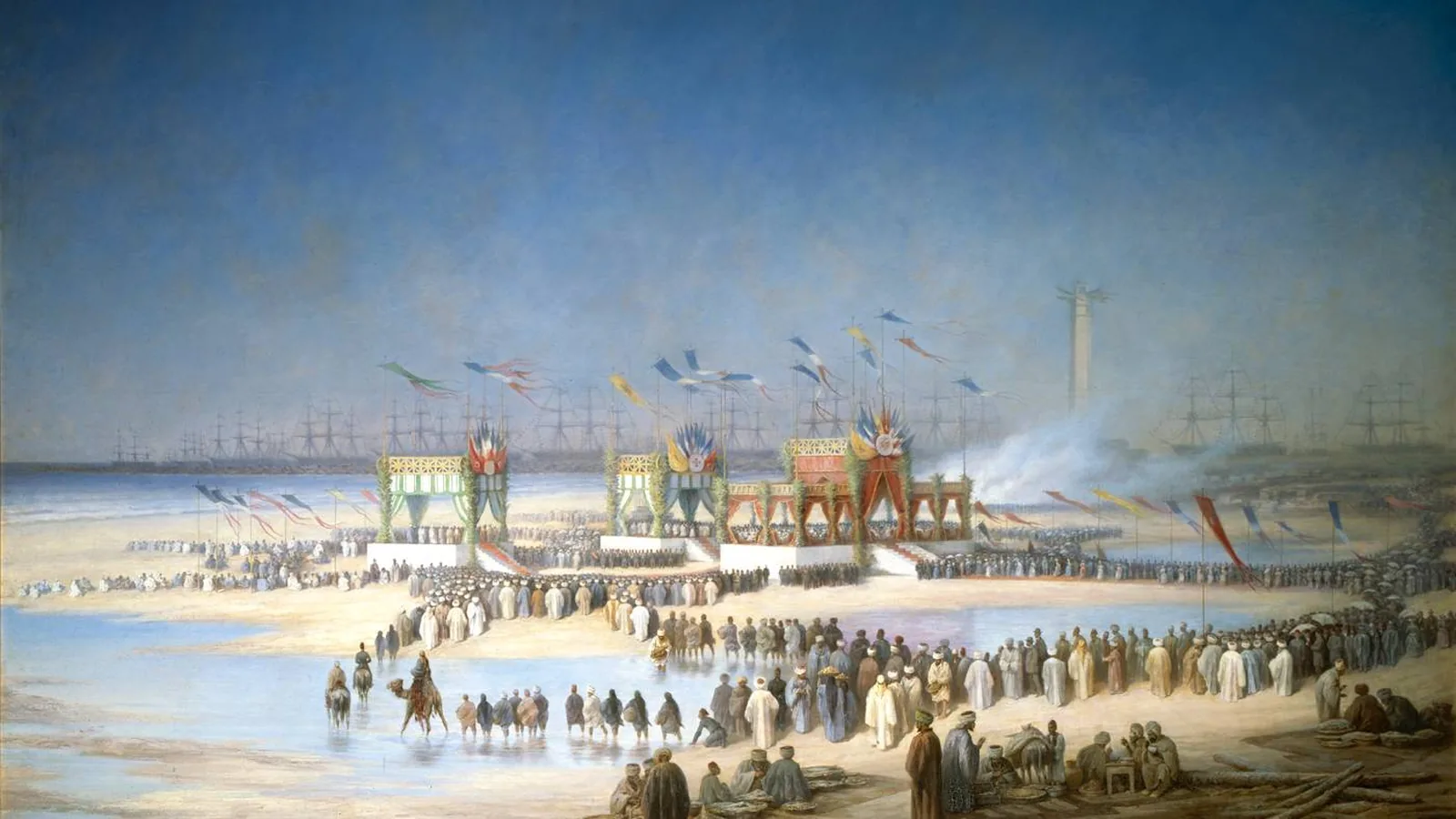
Egypt granted the Suez concession, bought 44 percent of the shares and supplied the labor. In November 1875 a bankrupt khedive sold that stake to Britain.
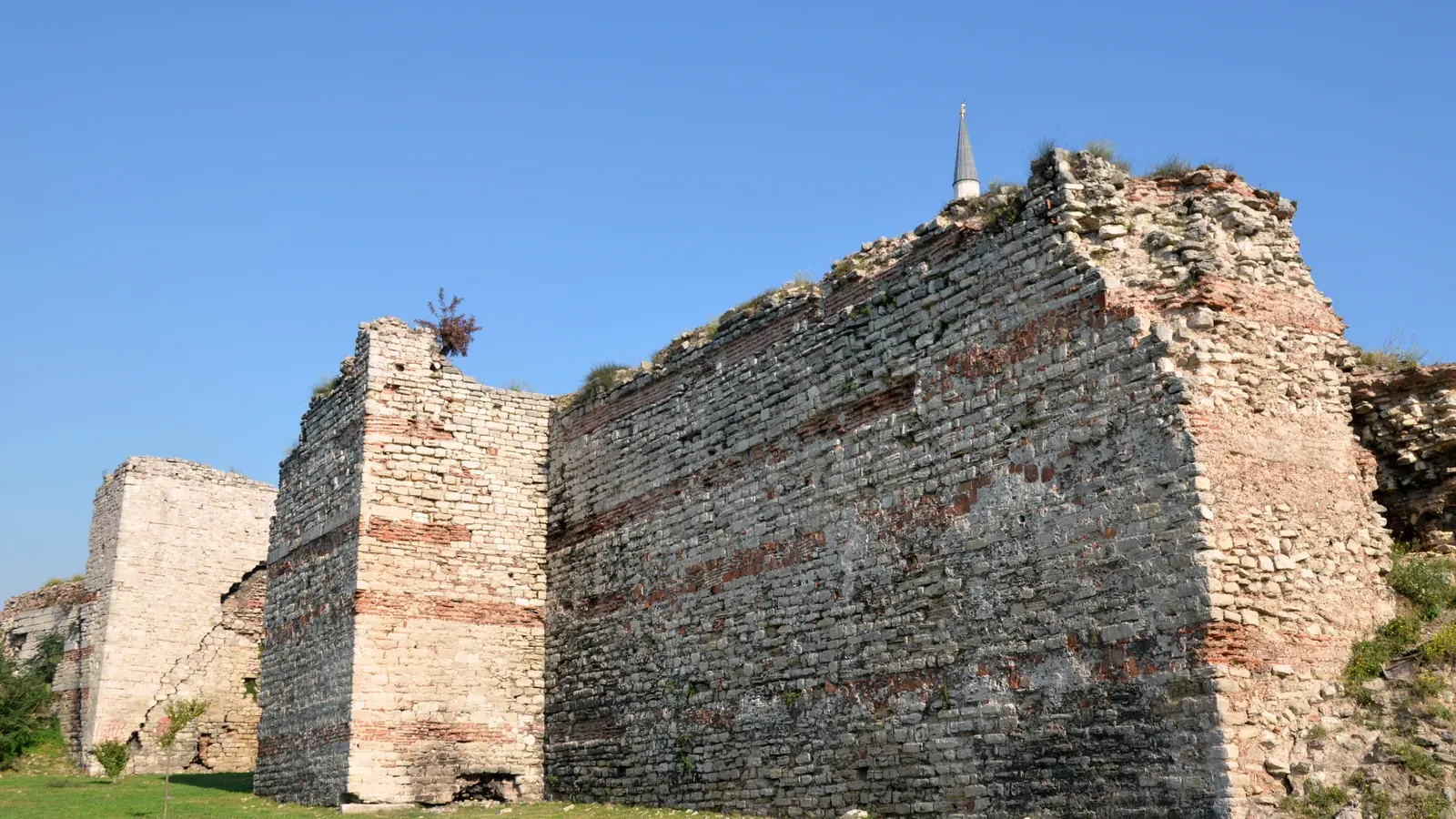
Mehmed II took Constantinople on May 29, 1453, with a giant cannon, ships hauled overland past the harbor chain, and 53 days against under 5,000 defenders.
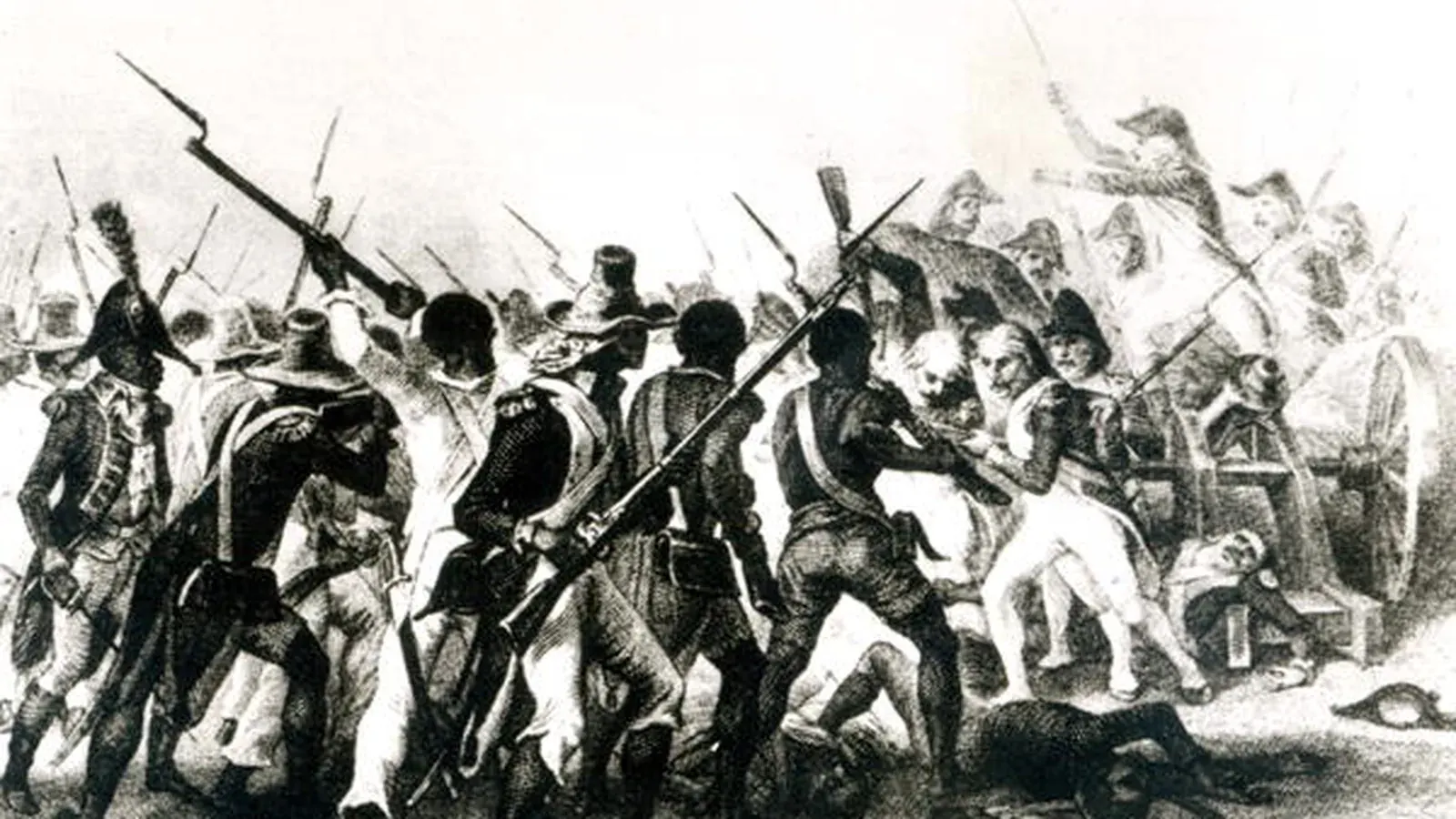
Enslaved people rose in Saint-Domingue in 1791, outlasted Spain, Britain and Napoleon, declared Haiti in 1804, then paid former slaveholders until 1888.
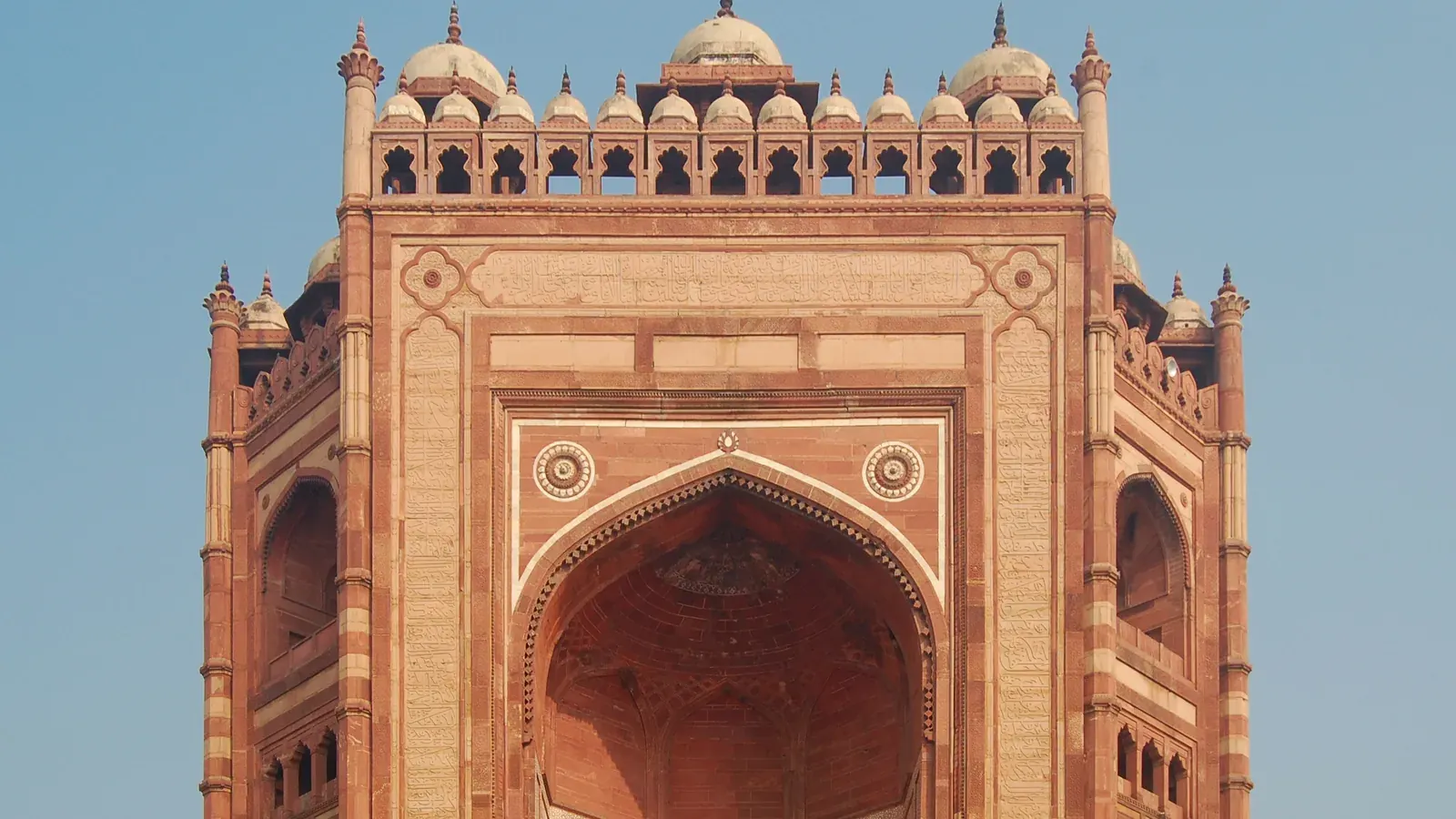
Akbar ruled Mughal India from 1556 to 1605 by ranking Hindu and Muslim officers in one service, ending the jizya tax in 1564 and outranking his clerics.
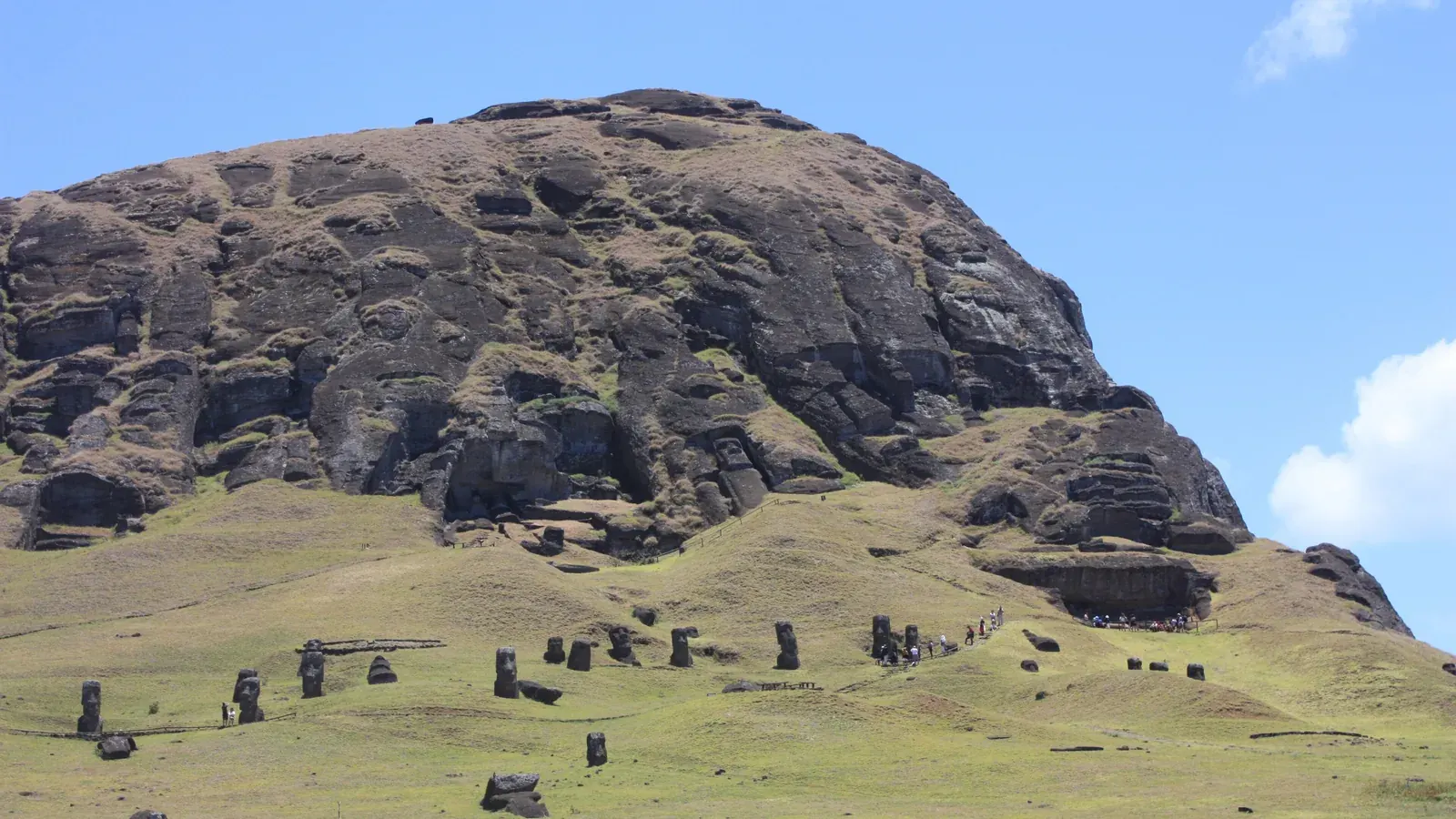
In 2012 Terry Hunt and Carl Lipo rocked a 5-ton replica moai upright with 18 people and three ropes. The road statues, the forest debate and the 1860s.
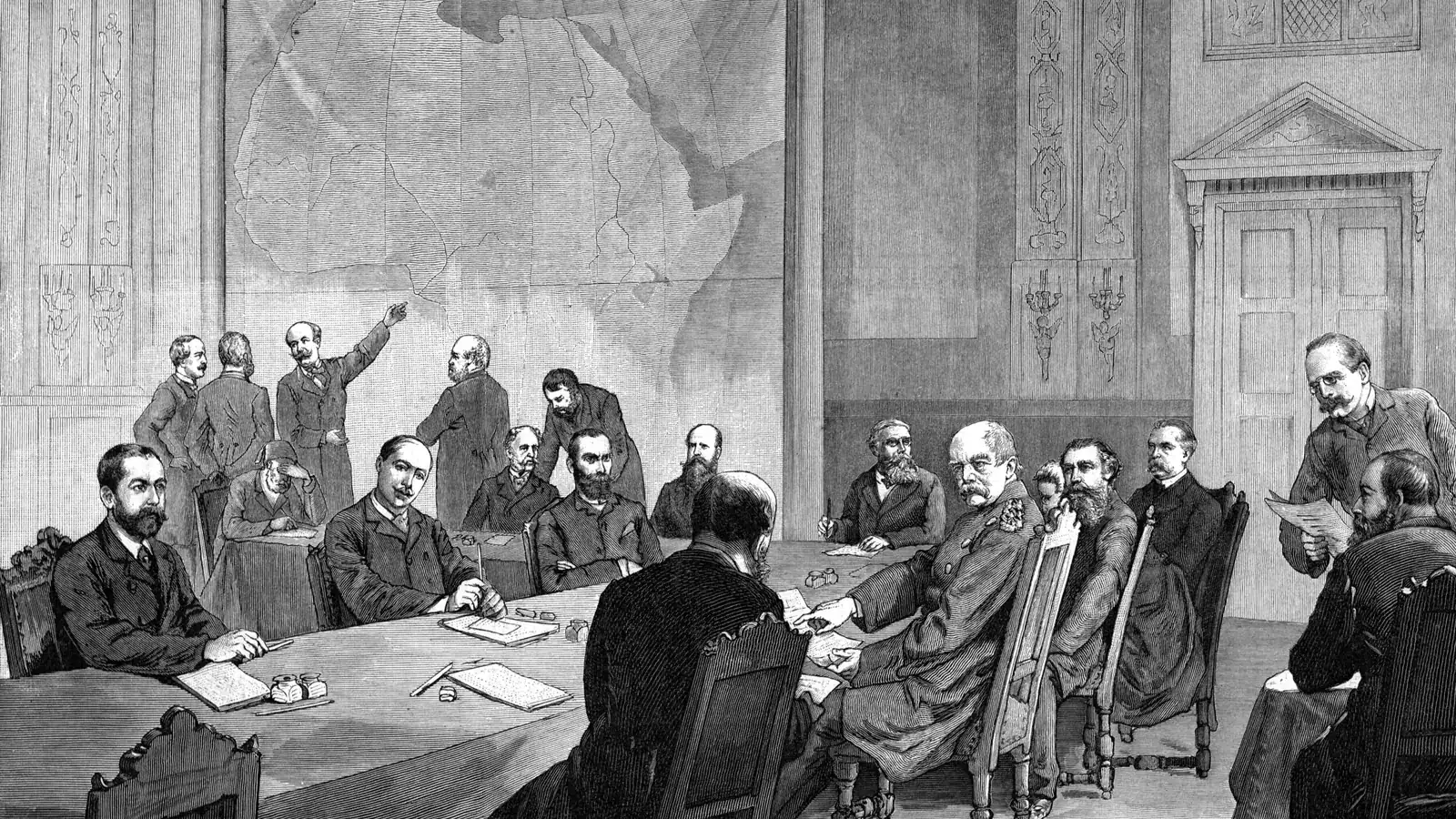
The General Act signed in Berlin on February 26, 1885, drew no borders. It set trade and river rules; the partition came by treaty and war in the years to 1914.
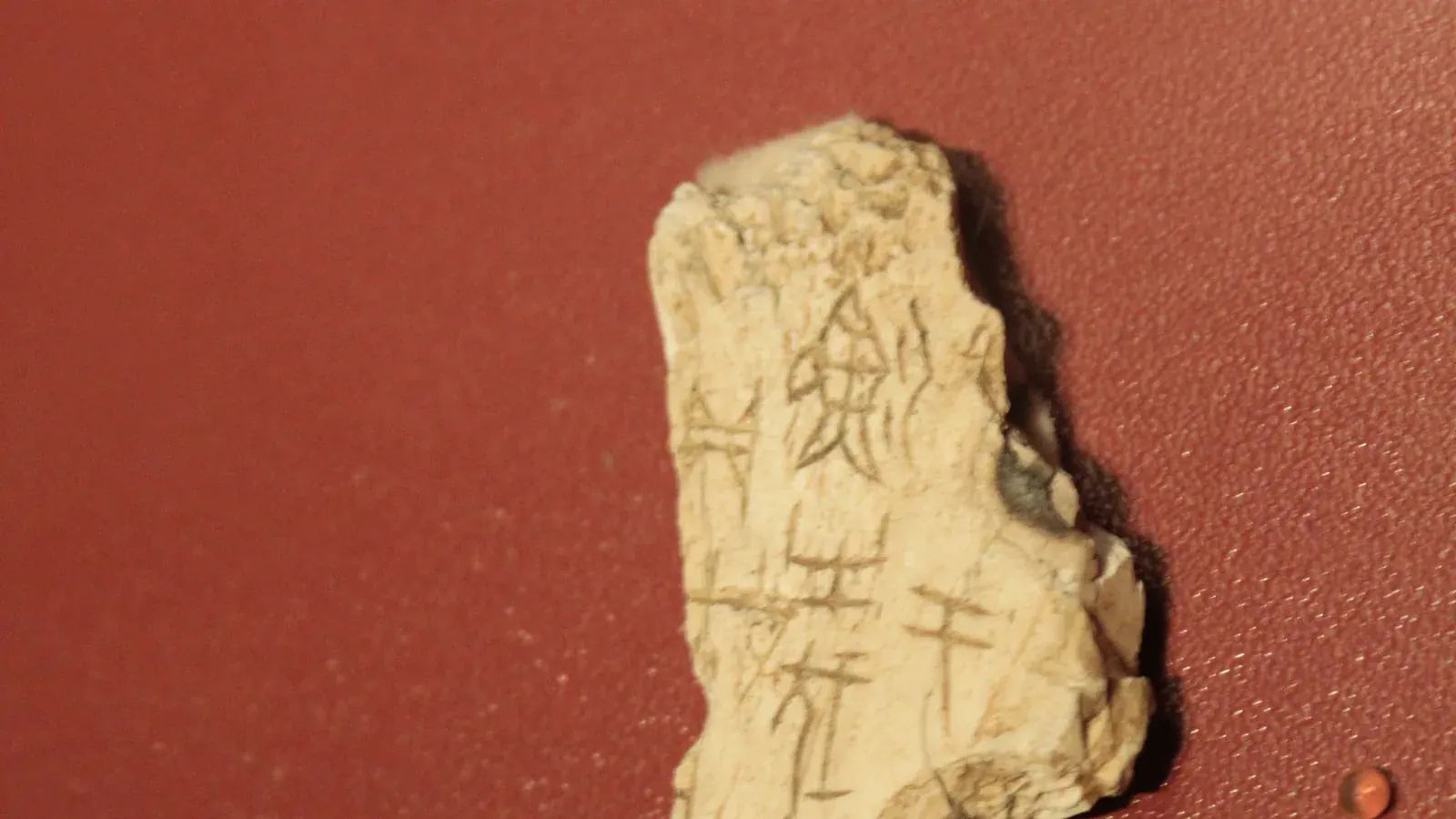
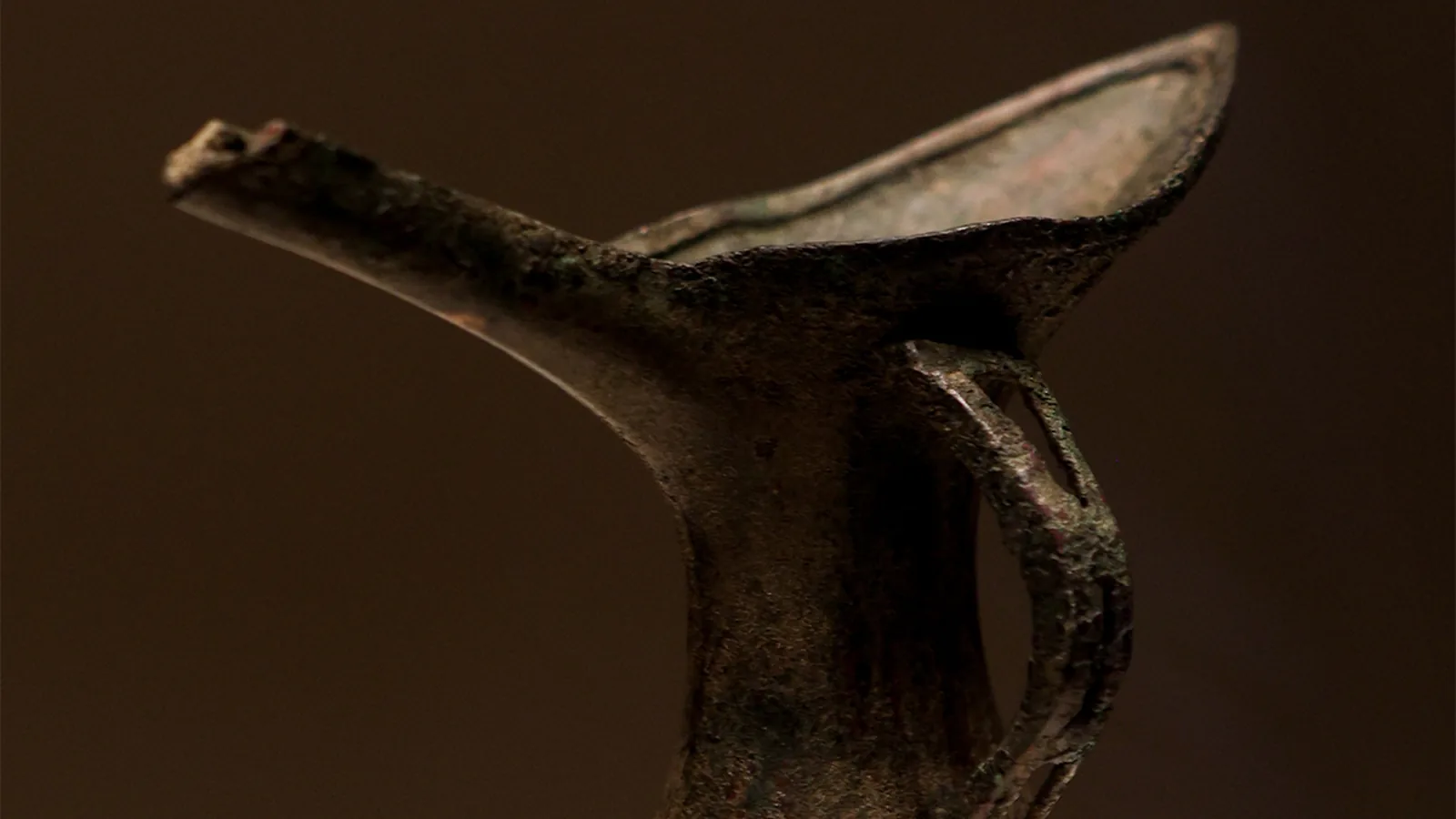
Anyang farmers sold inscribed Shang divination bones to pharmacies as "dragon bones" until 1899, when scholars read the marks as the earliest Chinese writing.
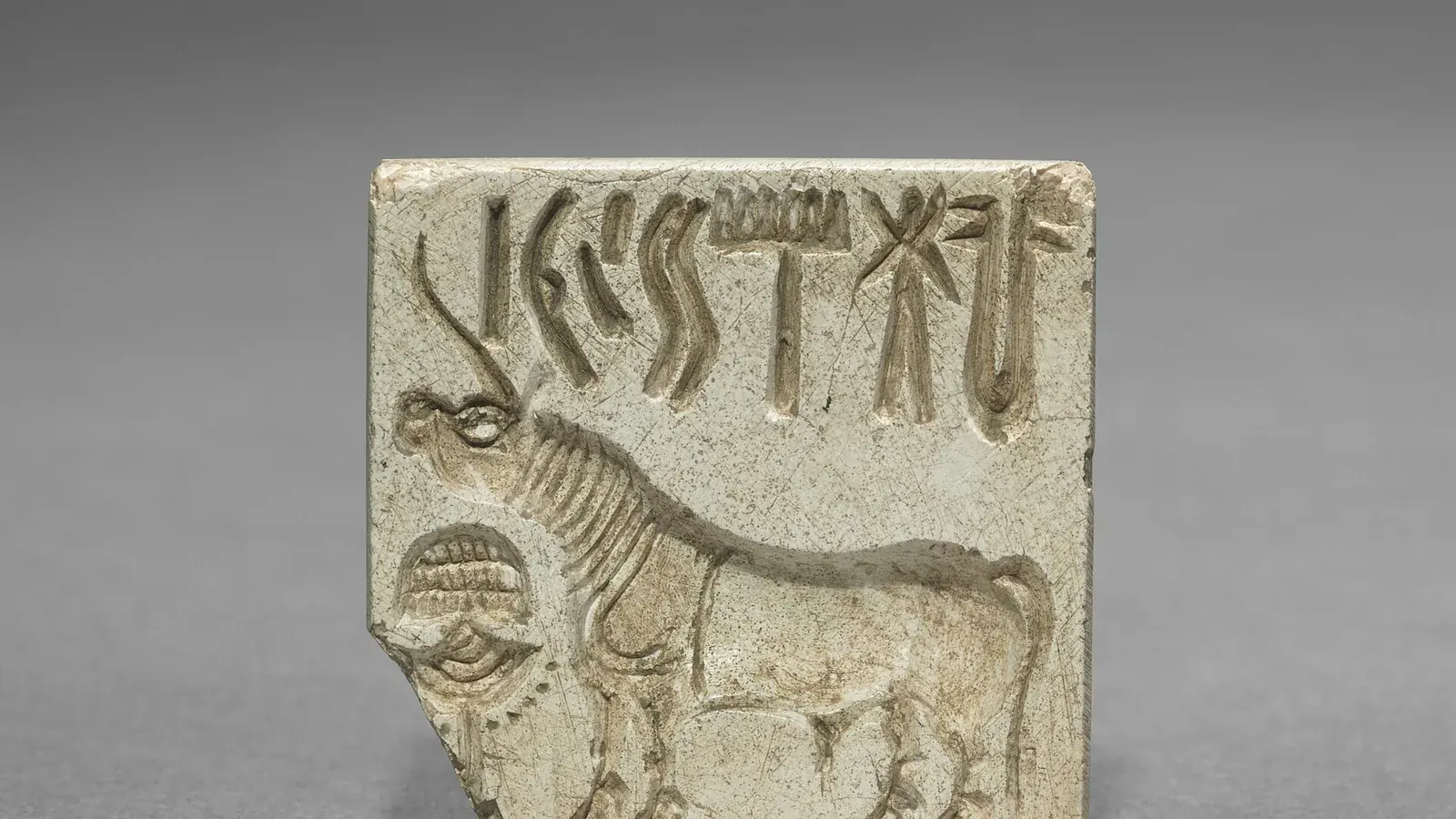
About 4,000 Indus texts survive, averaging five signs, with no bilingual text and no agreed language, so no decipherment has been accepted since the 1870s.
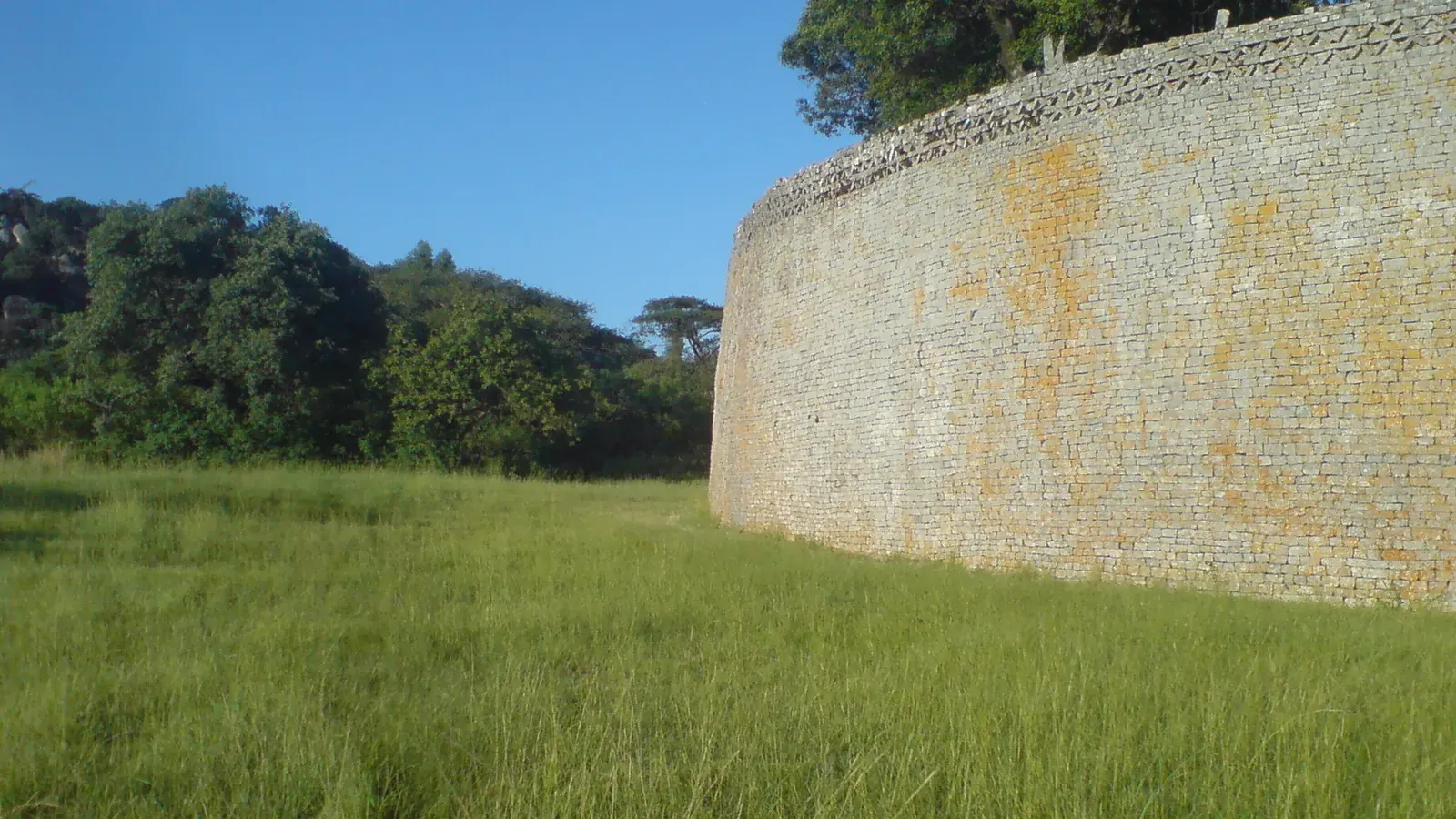
Ancestors of the Shona built Great Zimbabwe between about 1100 and 1450, a city that lived on cattle, grain and gold. Rhodesia censored the finding until 1980.
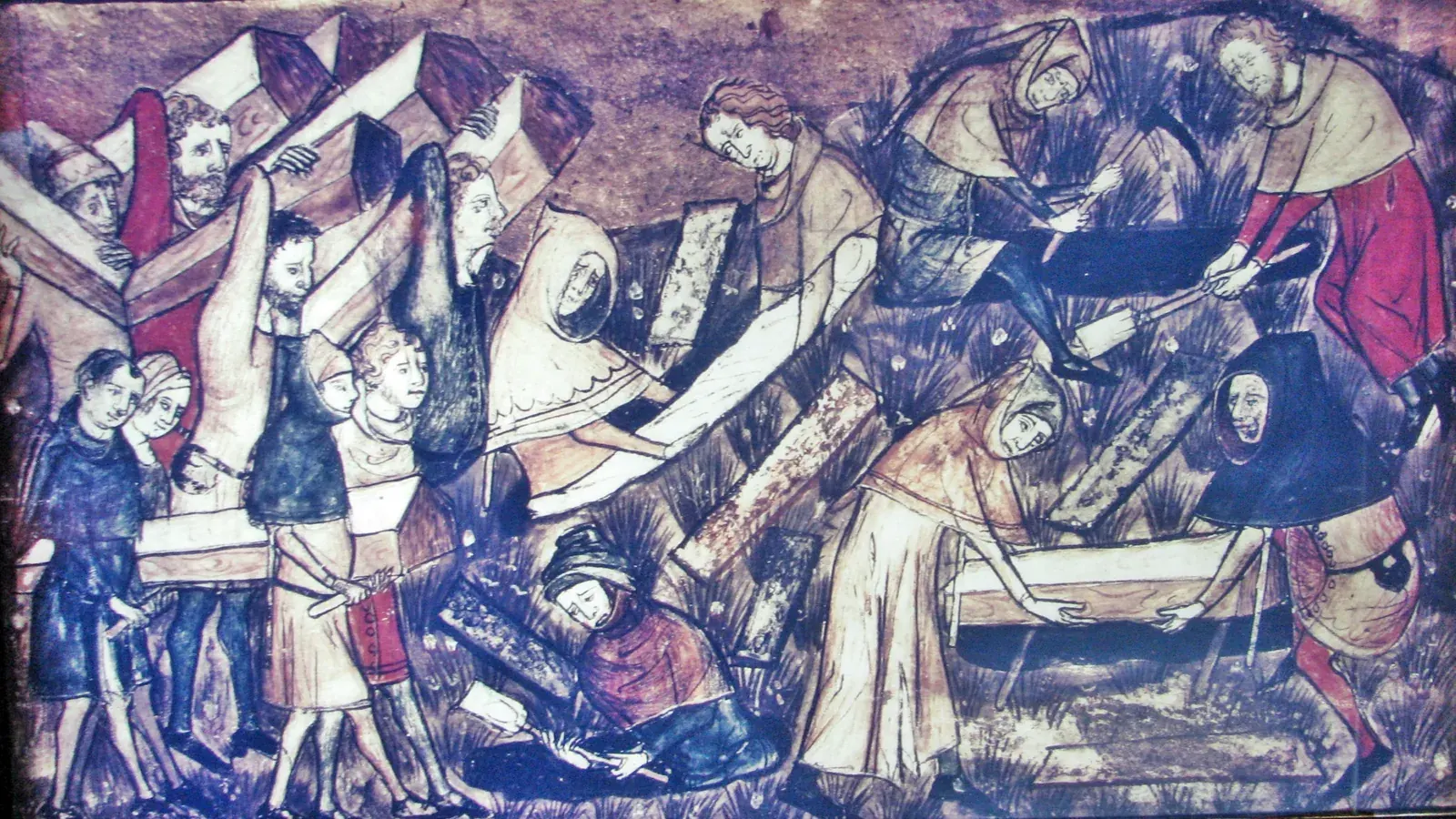
Ancient DNA from graves dated 1338 near Lake Issyk-Kul, in what is now Kyrgyzstan, put the Black Death's source strain at the root of the plague family tree.
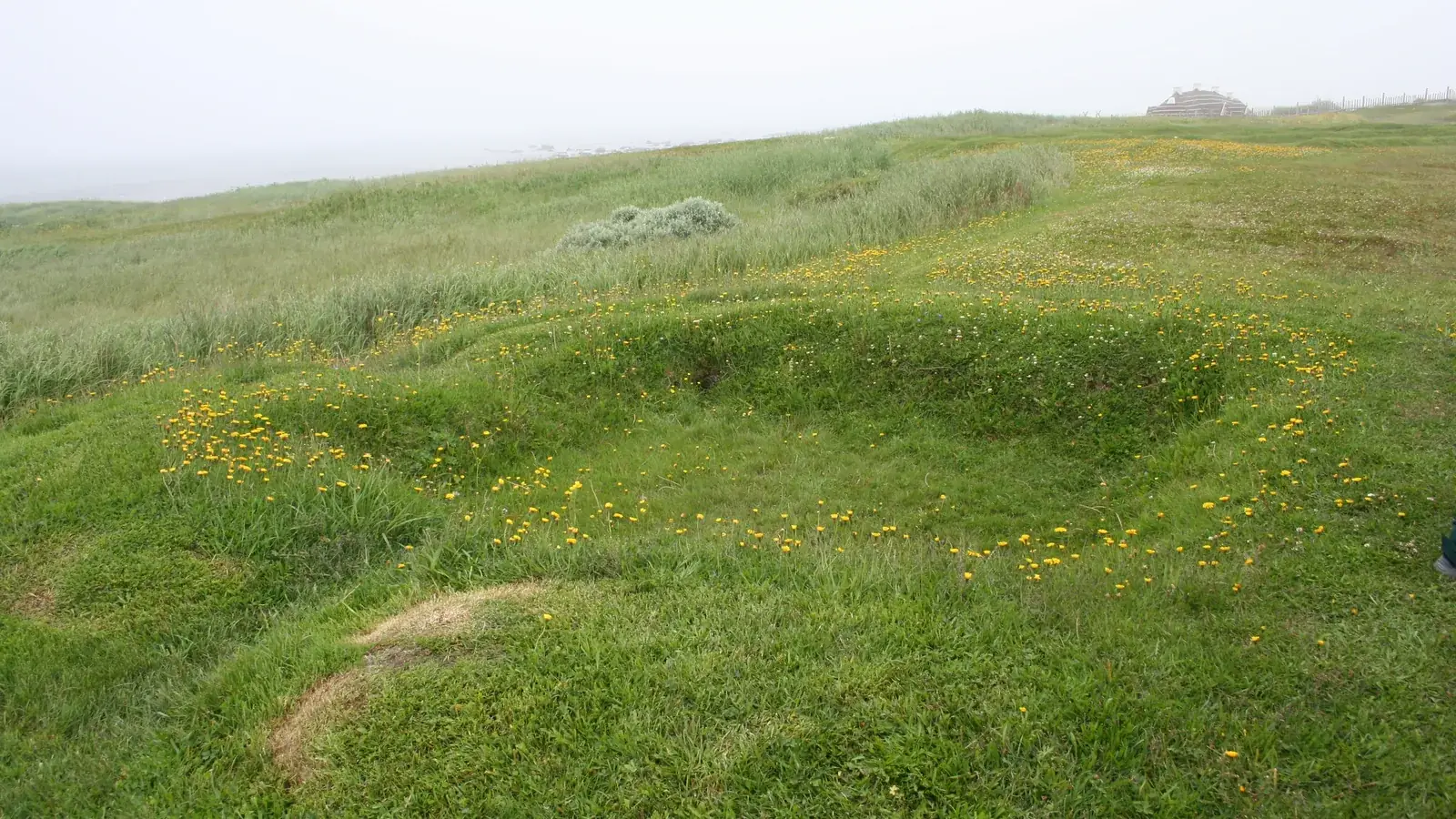
Wood cut at L'Anse aux Meadows, Newfoundland, dates to AD 1021 by a radiocarbon spike from a 993 solar storm. It is the cutting year, not the arrival year.
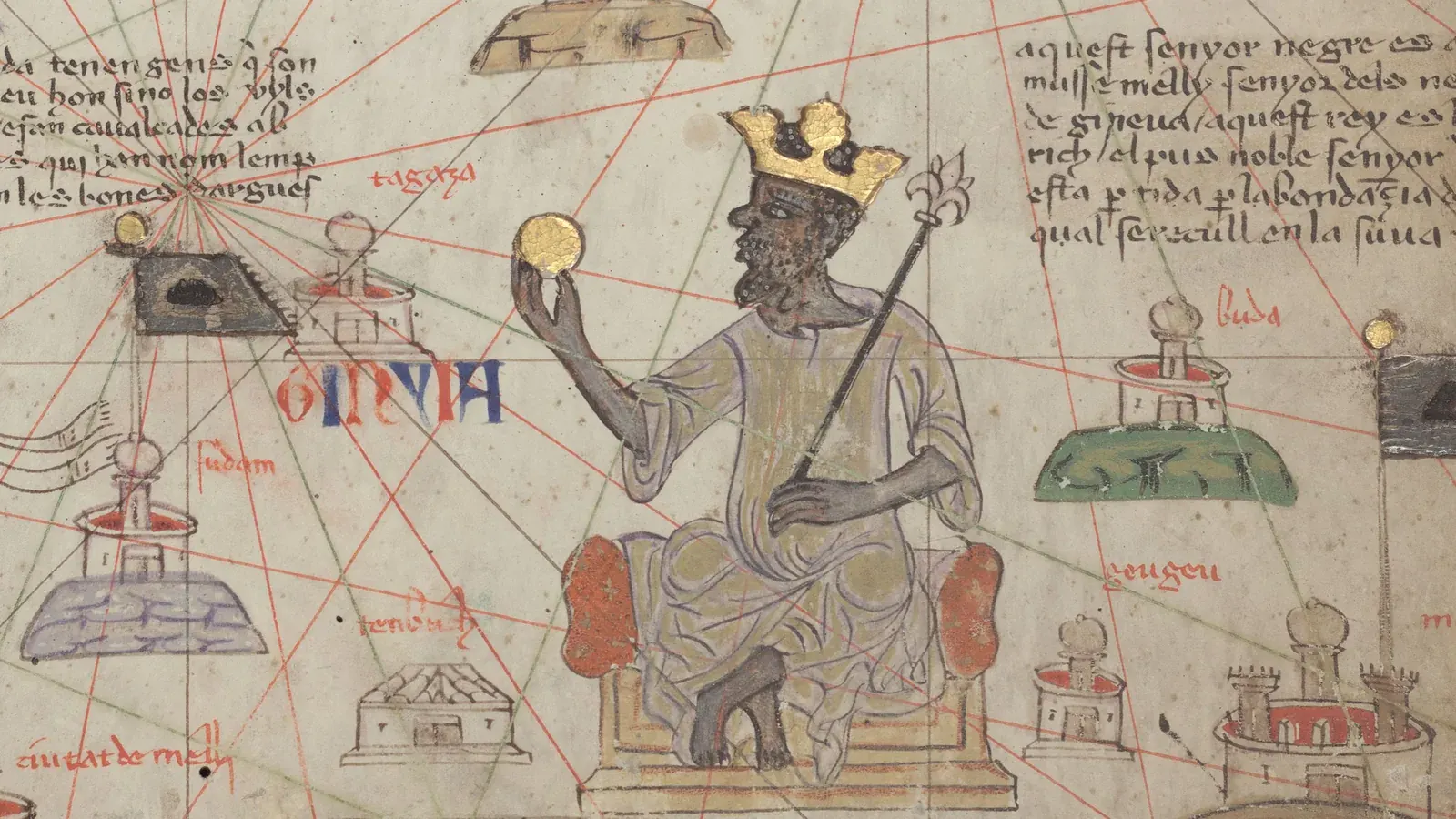
No record gives a weight; the 100 camels and 12,000 slaves are report, not record. Al-Umari, 12 years on, wrote that the gold mithqal fell from 25 dirhams to 22.
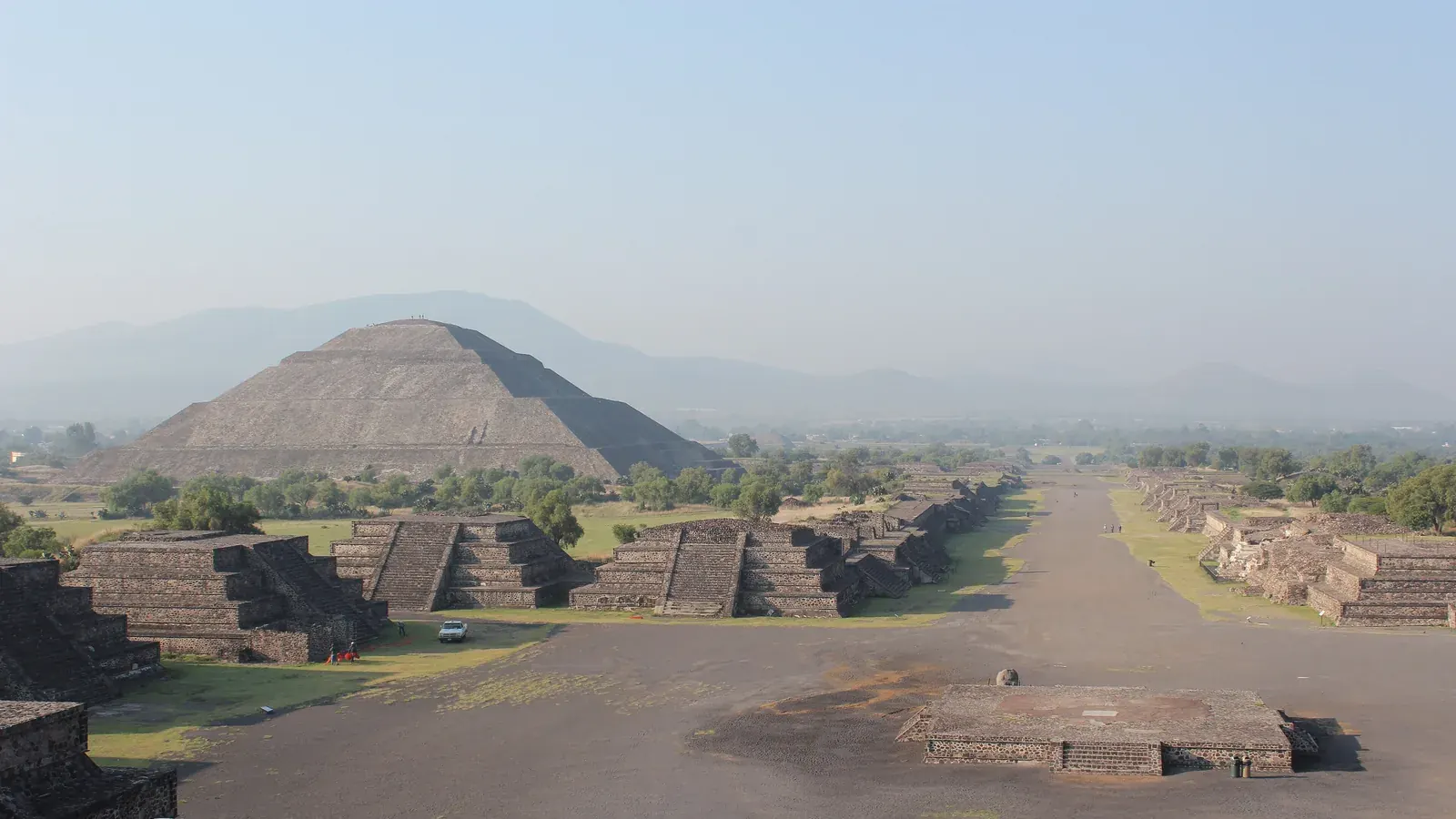
Teotihuacan covered eight square miles and held 100,000 people or more by AD 400, yet no portrait or tomb of a king has been found. Its rulers are unknown.