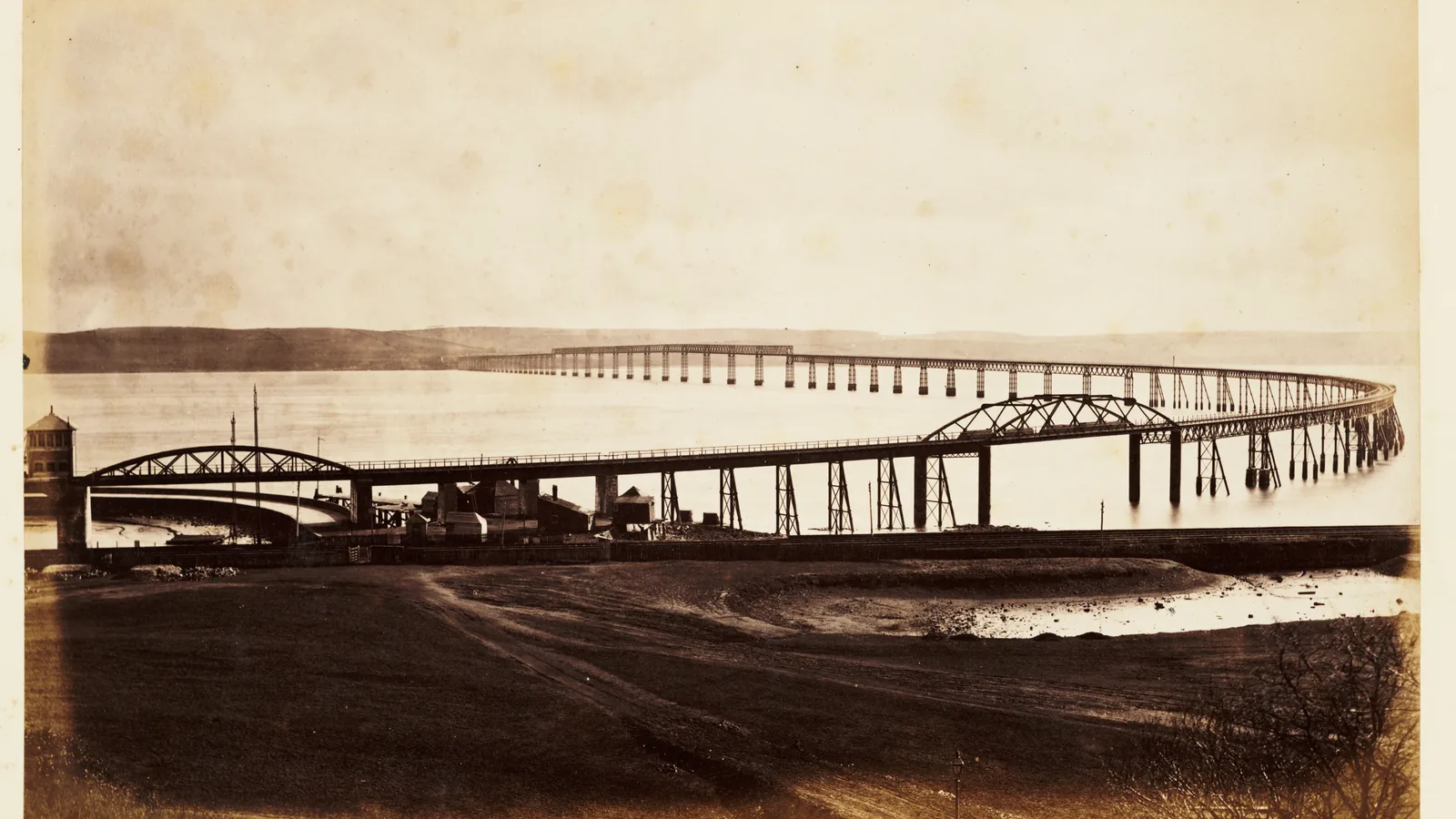
Historic Environment Scotland records the Tay Bridge high girders falling on December 28, 1879. The 1880 inquiry split into a joint report and Rothery's own.
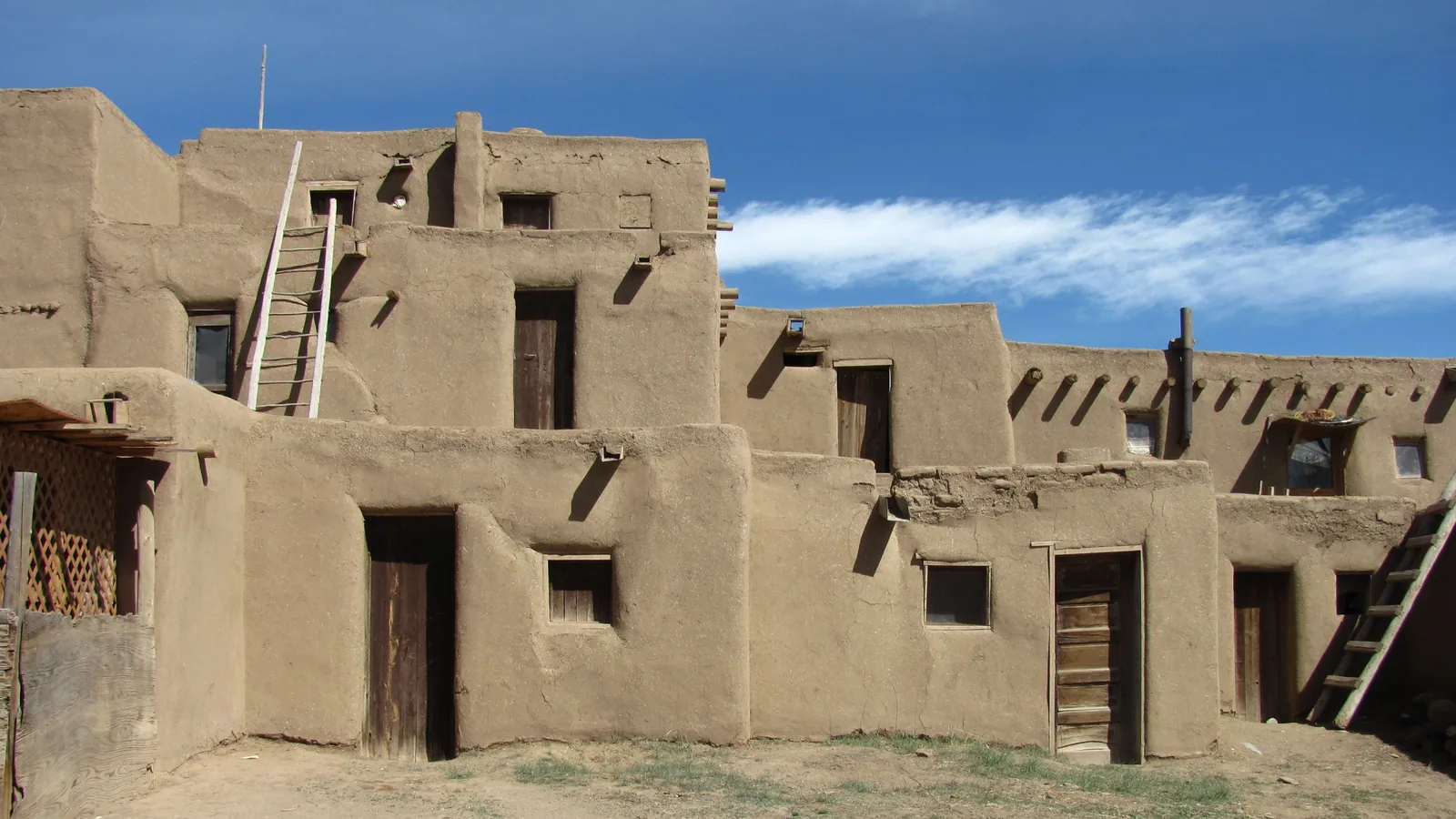
Arrested runners with knotted cords moved the Pueblo Revolt from August 13 to August 10, 1680; Otermín fled Santa Fe and Spain stayed away twelve years.
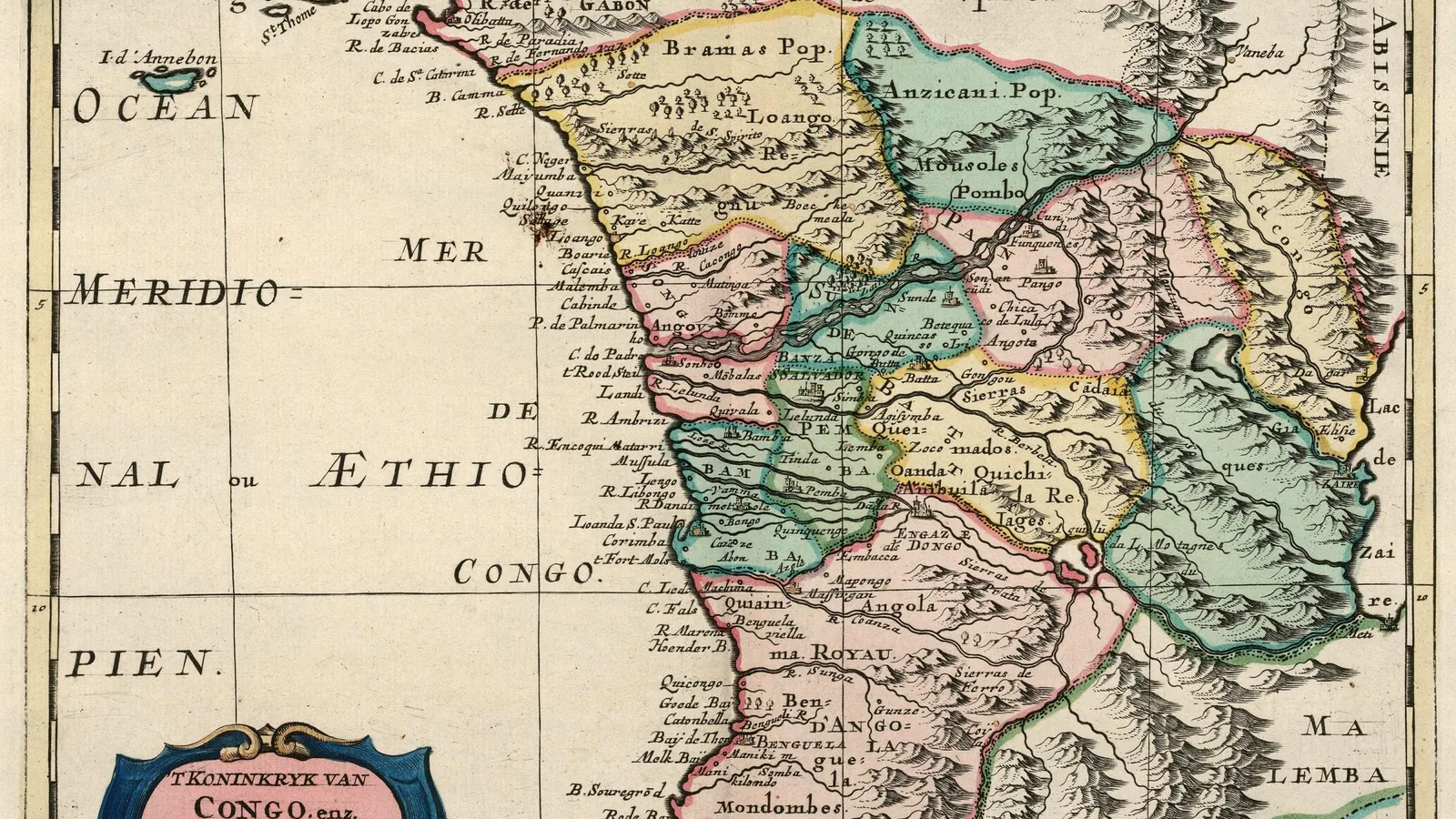
In Luanda in 1622, Njinga secured a Portuguese withdrawal and recognition of Ndongo's sovereignty from Governor Correia de Sousa, per the SciELO account.
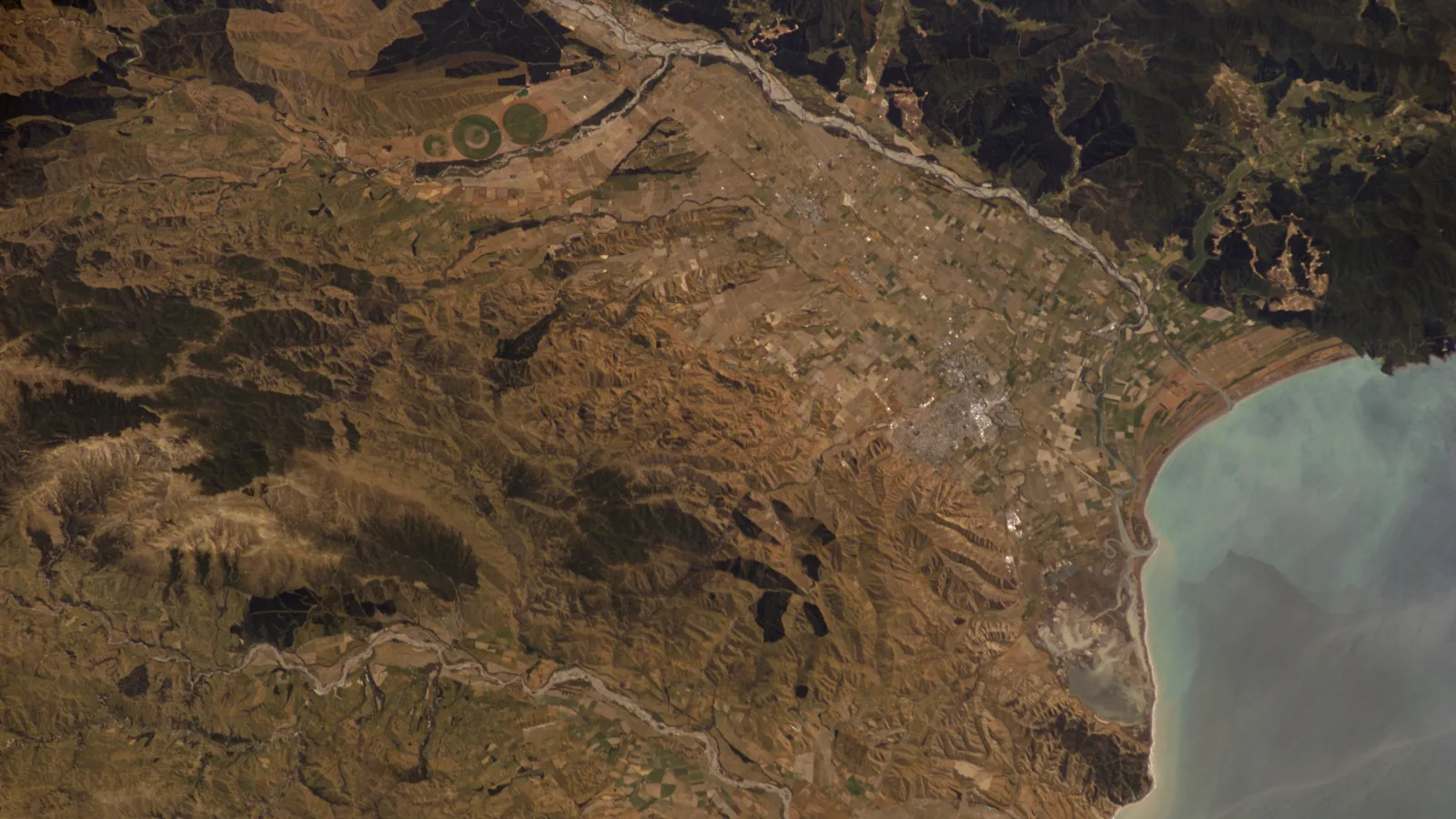
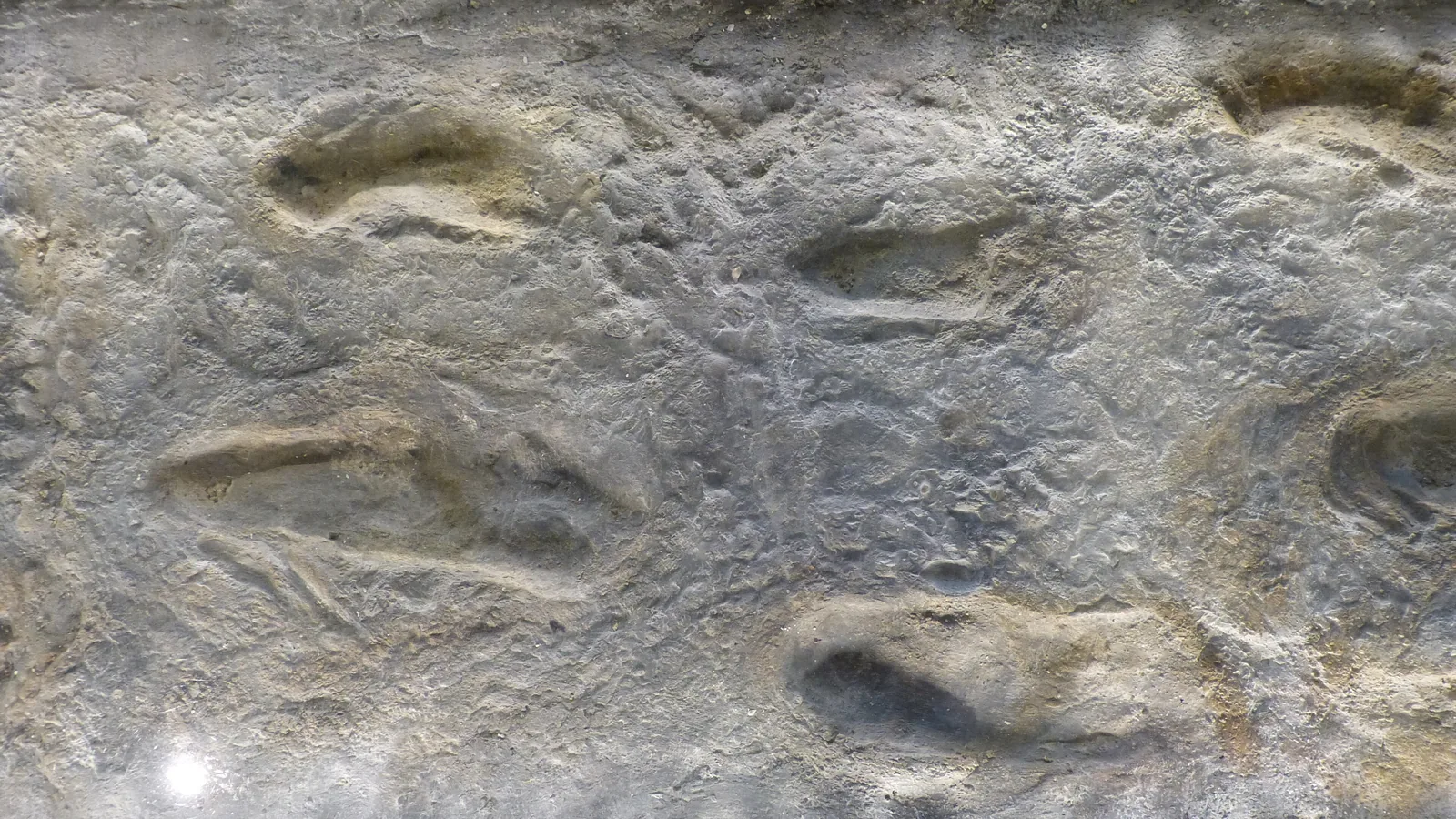
In 1939 Jim Eyles, 13, found a burial site at Wairau Bar with moa eggs and tools. Radiocarbon dates the graves to the 1200s-1300s; 42 koiwi came home in 2009.
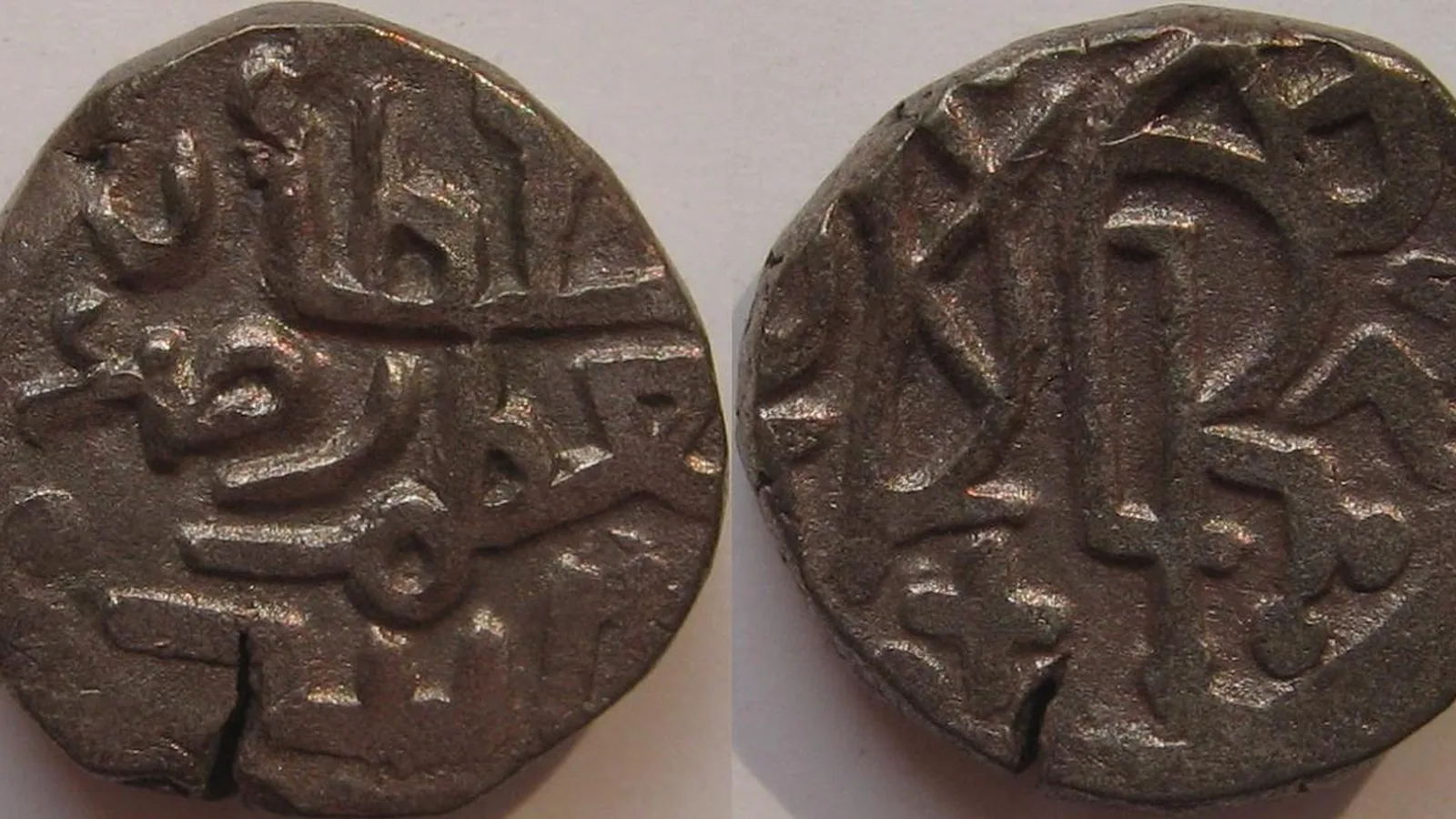
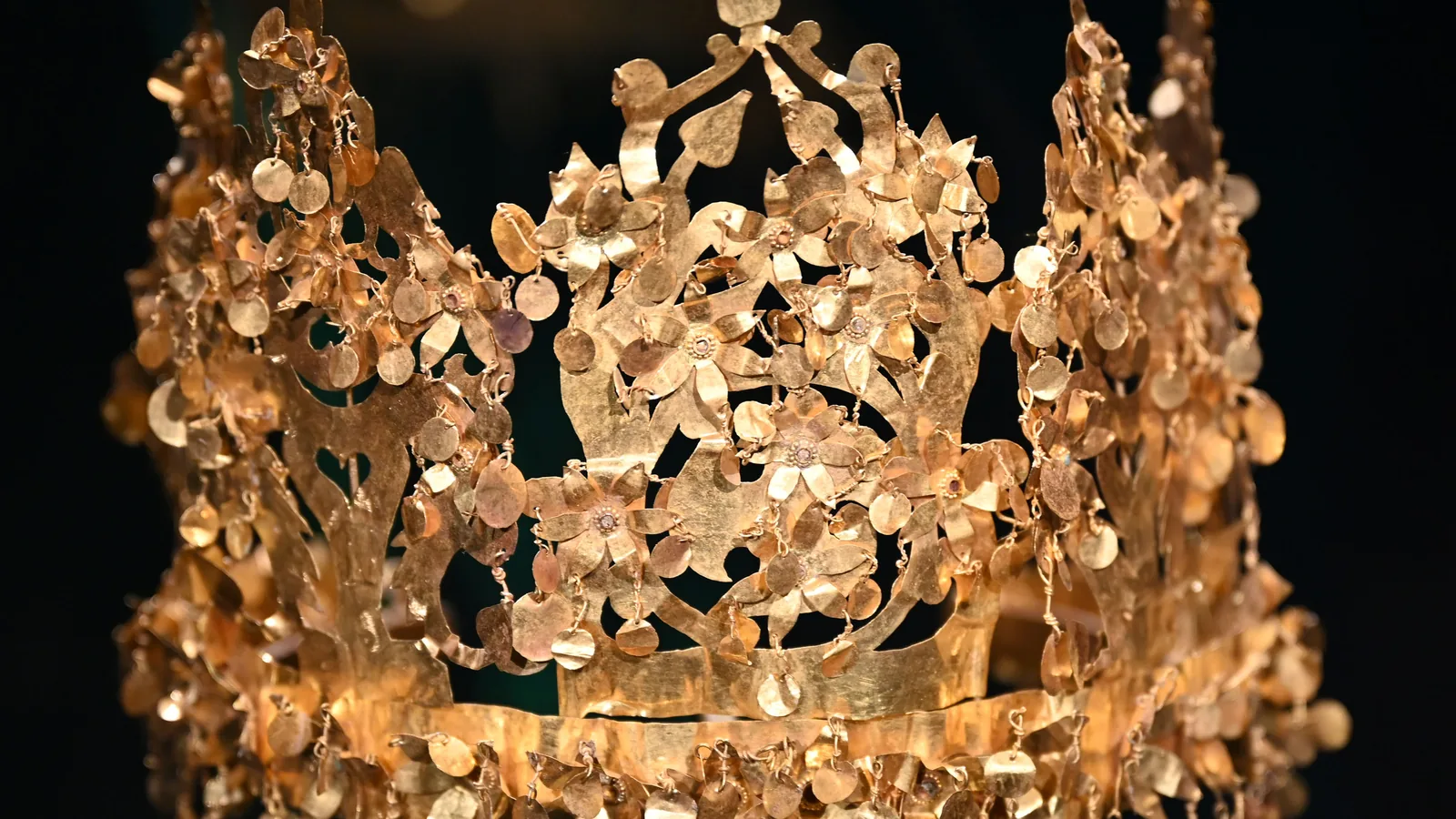
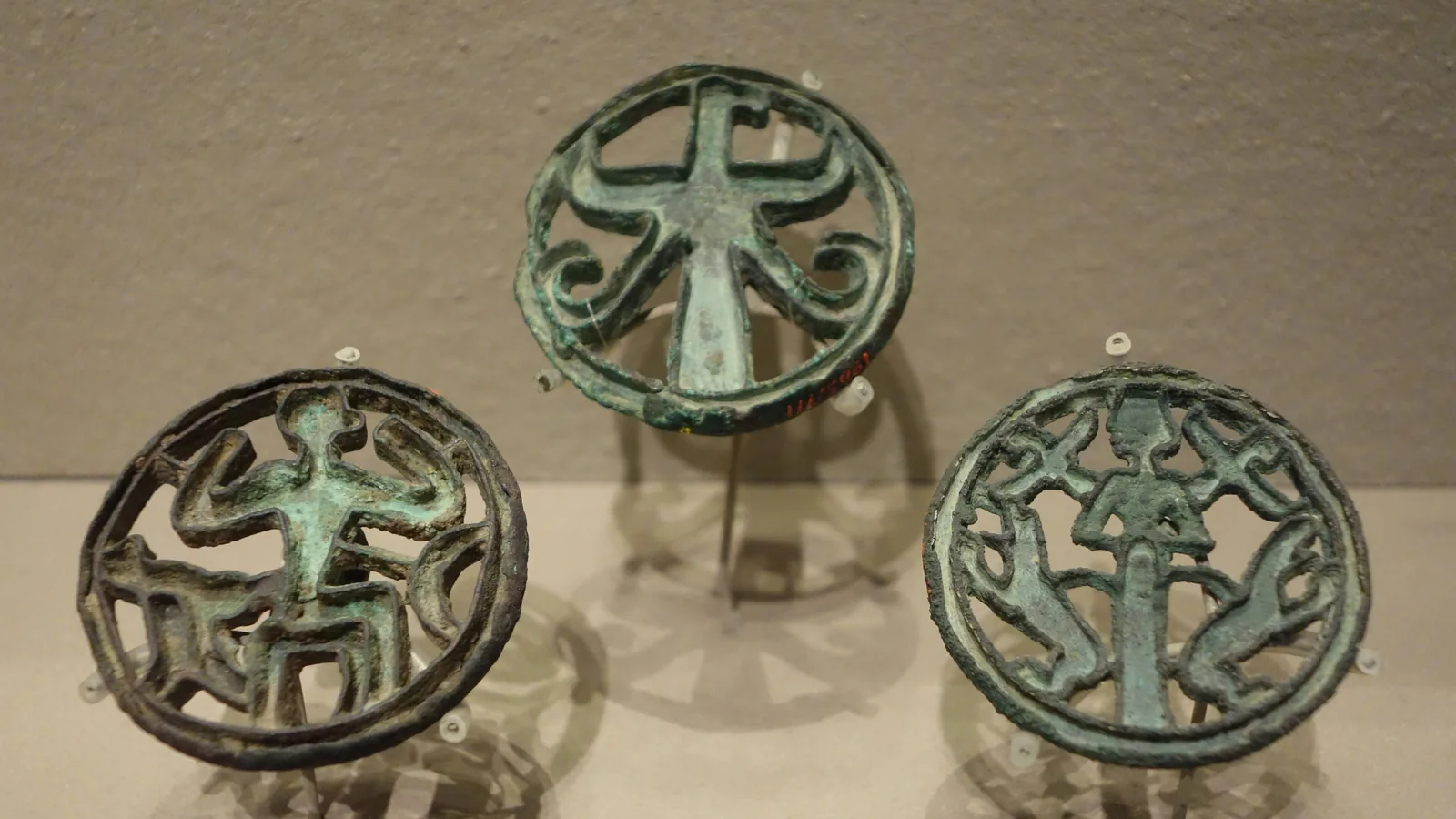
From November 15, 1978, Viktor Sarianidi's team found six unlooted graves at Tillya Tepe, Afghanistan, with a Tiberius aureus and about 20,000 gold objects.
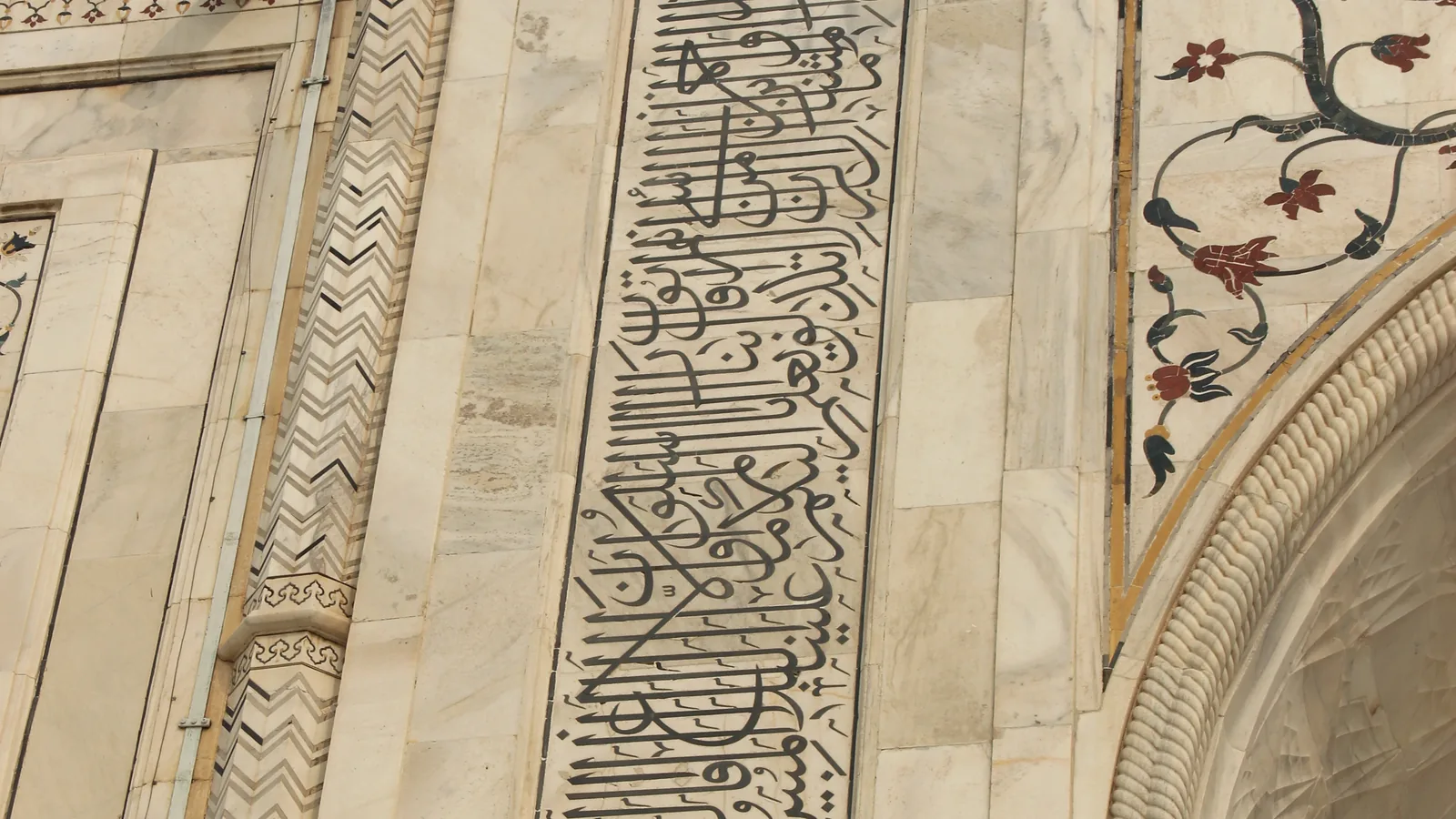
Mumtaz Mahal died at Burhanpur on June 17, 1631. Indian government sites date the Taj Mahal to 1631-1648 and 1653; its dome calligraphy is signed 1638.
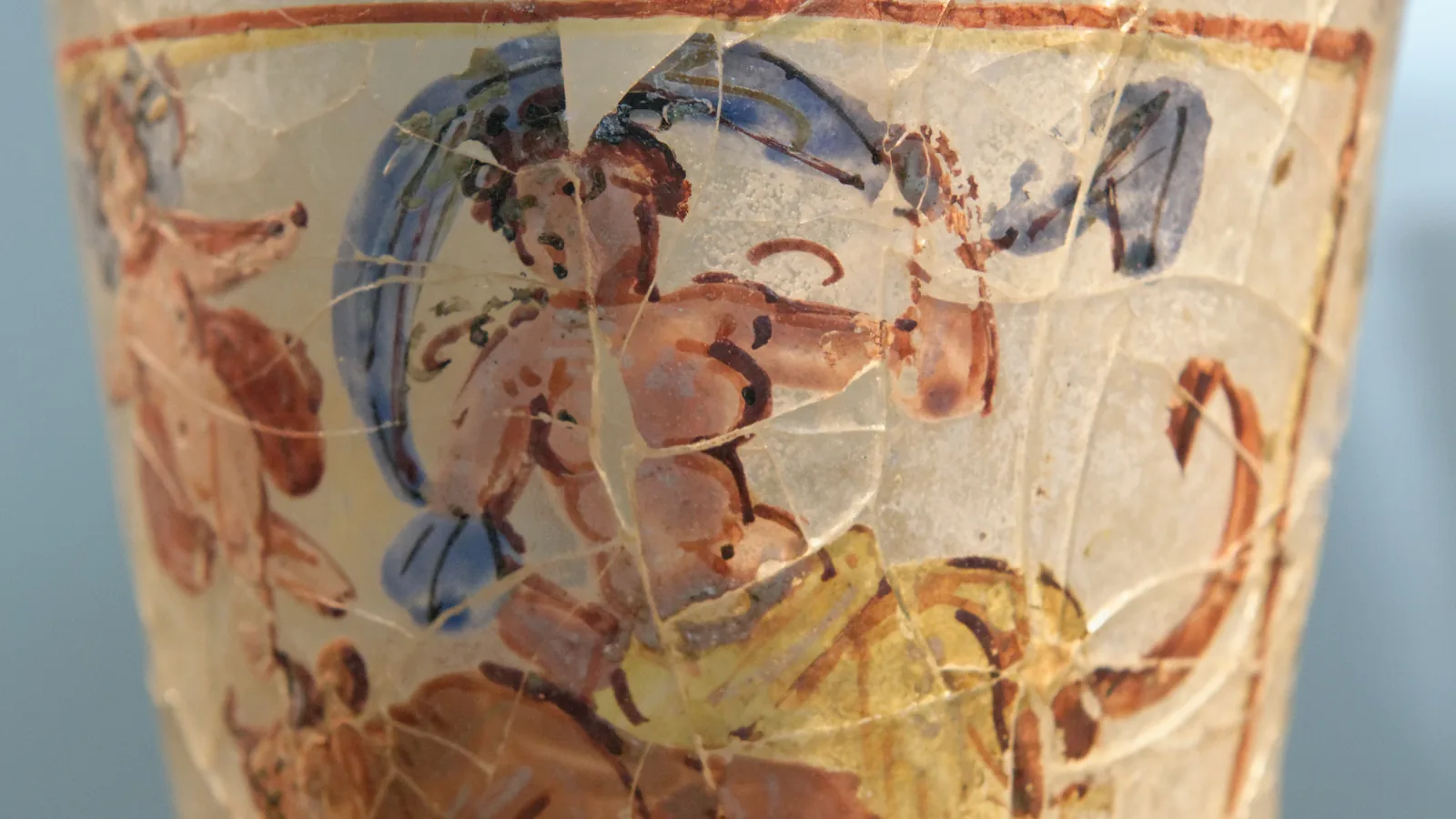
Two walled-up rooms at Begram, 1937 and 1939, held Roman glass, Indian ivory and Han lacquer. Half went to Paris; 20 ivories returned to Kabul in 2012.
Raphael Pumpelly dug the two mounds at Anau in 1904 in two-foot levels, found wheat and barley chaff, and argued that drying oases sent people outward.
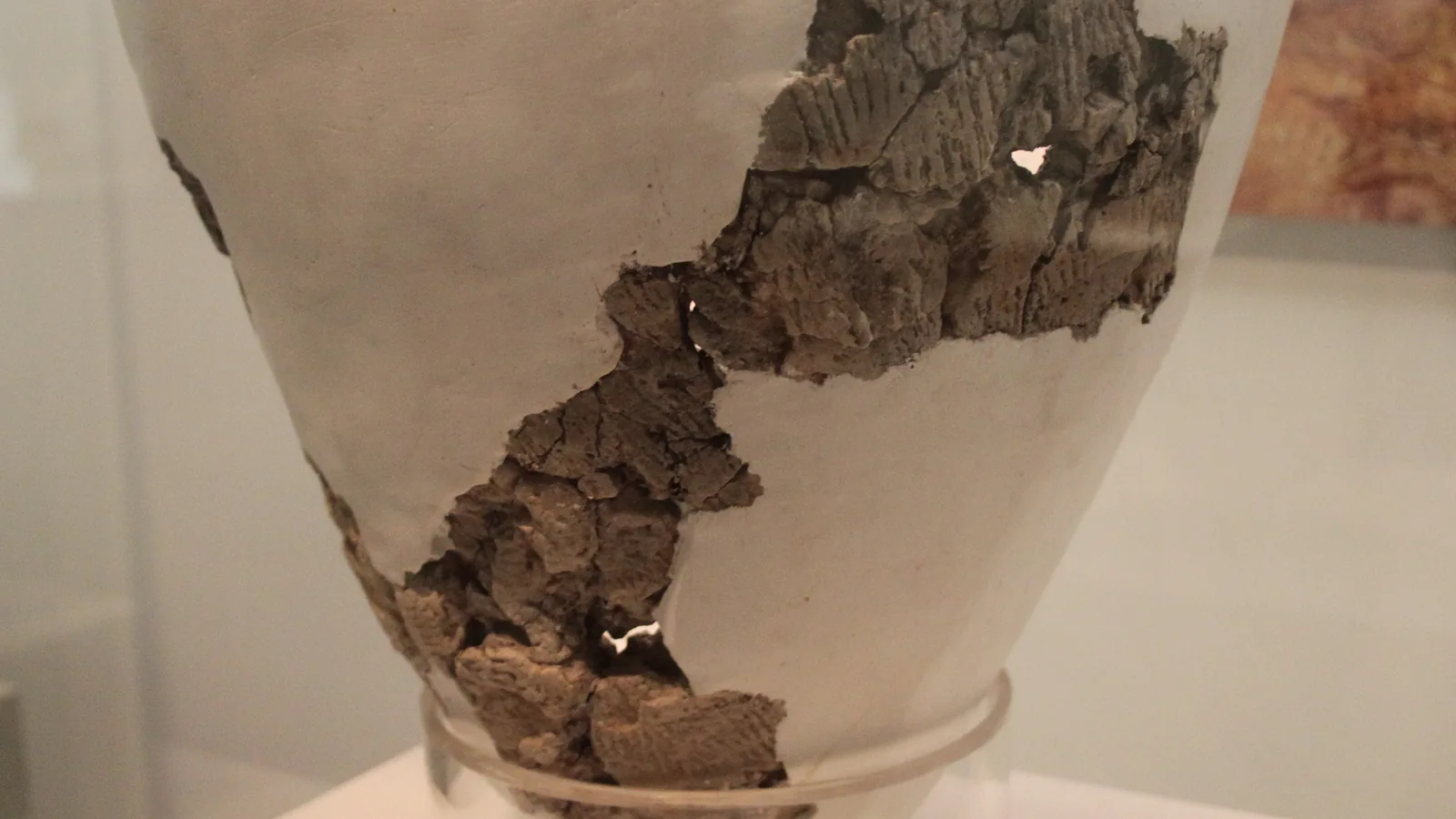
Xianrendong's sherds lie in layers dated 20,000 to 19,000 cal BP; Yuchanyan's cauldron dates 18,300 to 15,430 cal BP. Foragers in southern China made both.
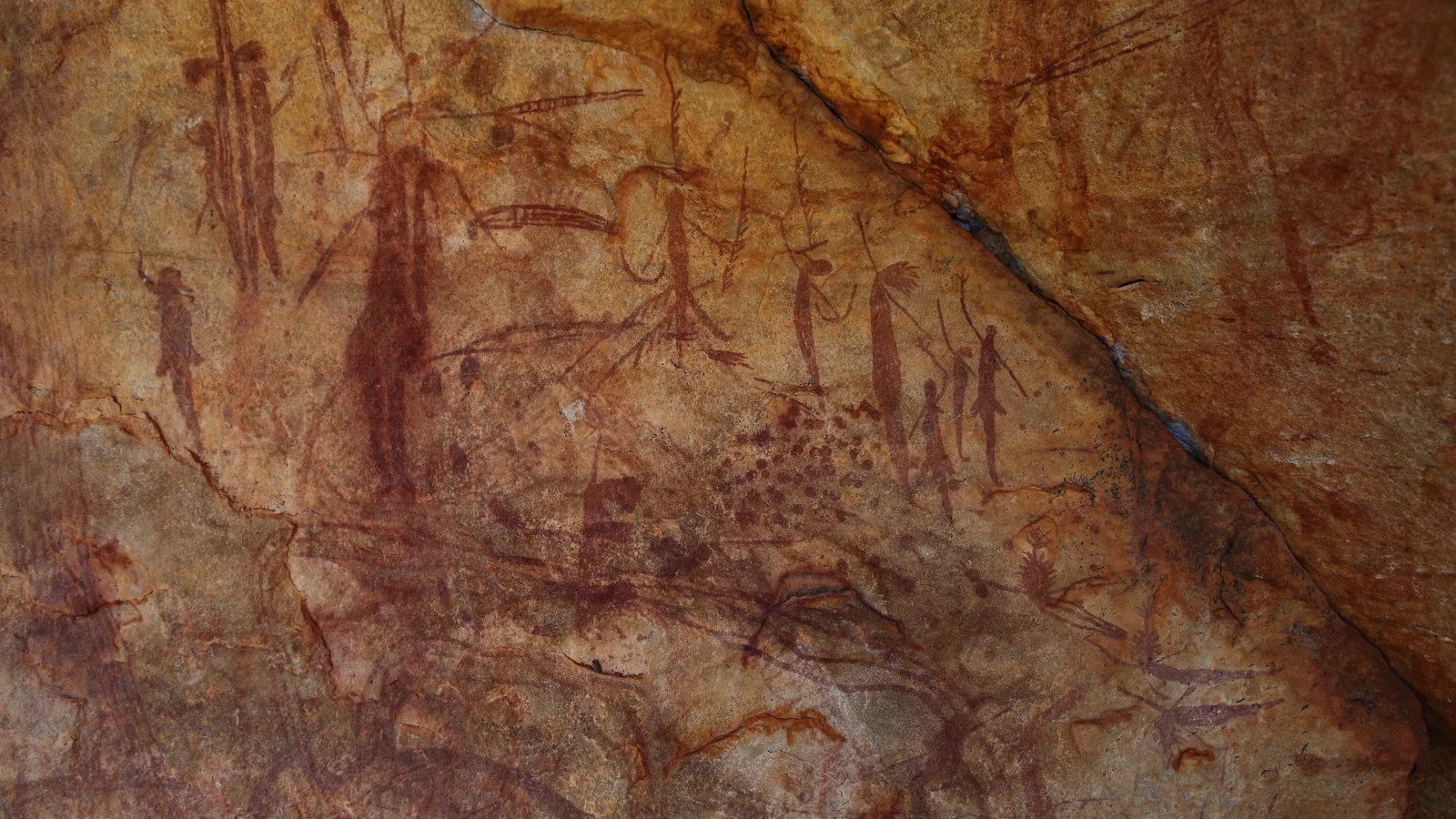
Radiocarbon dates on 24 mud-wasp nests over and under 21 Gwion figures gave 11,500 to 12,700 years in 2020. A kangaroo painting dated in 2021 is older.
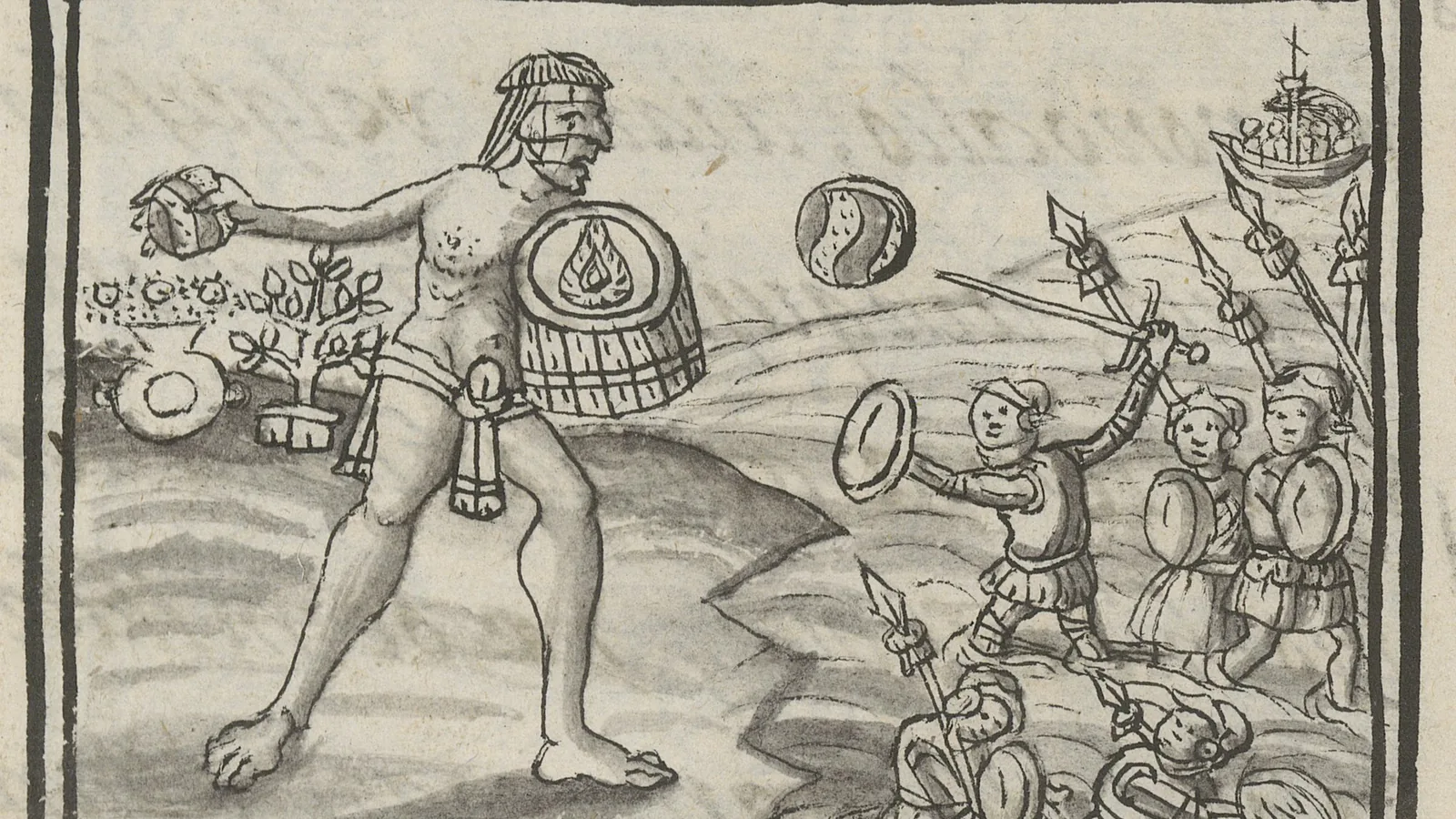
Finished at Tlatelolco in 1577 by Sahagún and Nahua scholars, ordered to Spain by Philip II, in Medici hands by 1587, in Florence from 1783, online 2023.
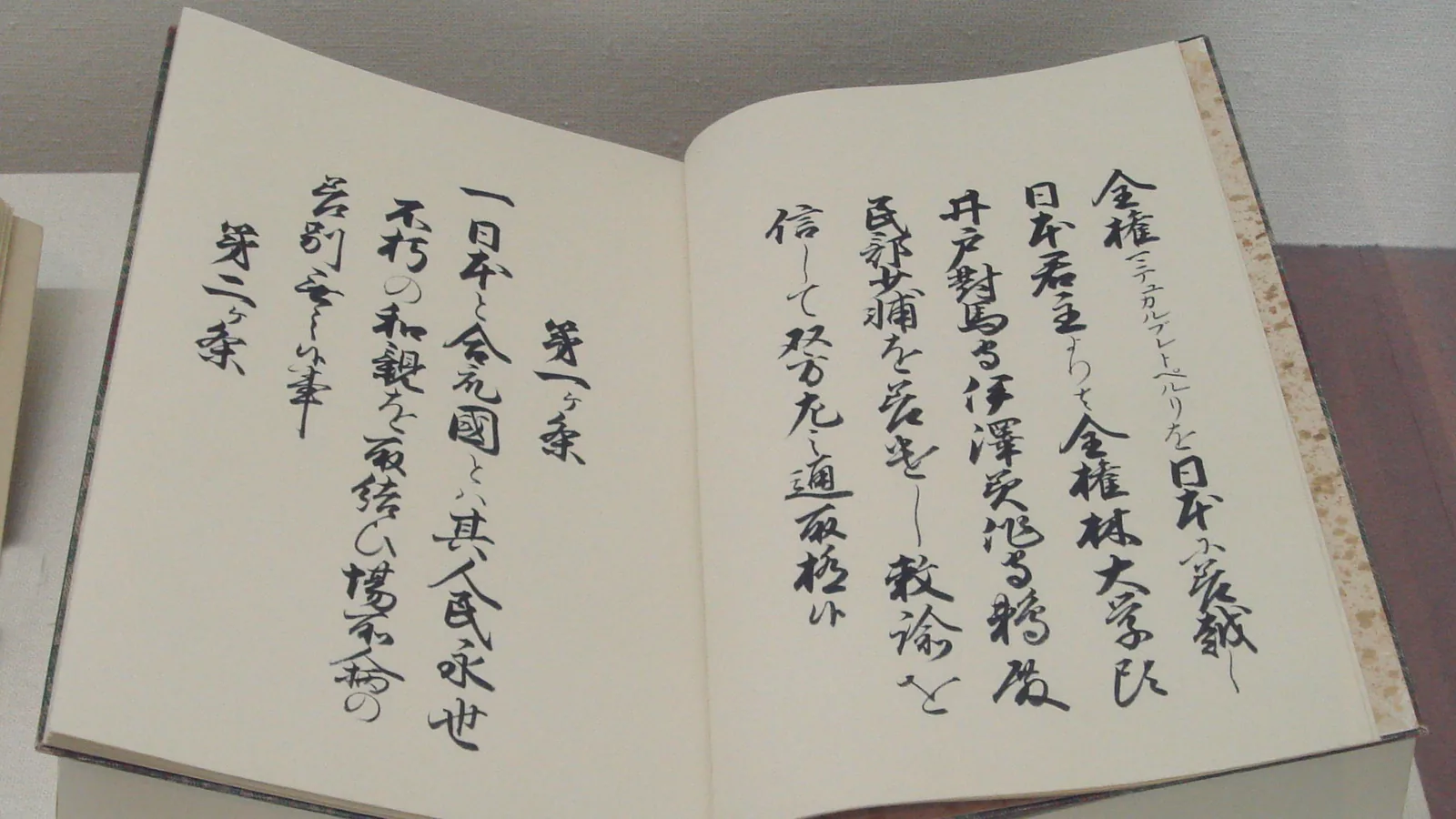
The English text of Perry's 1854 treaty ends with "Done at Kanagawa" and one signature. Two ports, shipwrecked sailors, a toy railroad, 200 rice bundles.
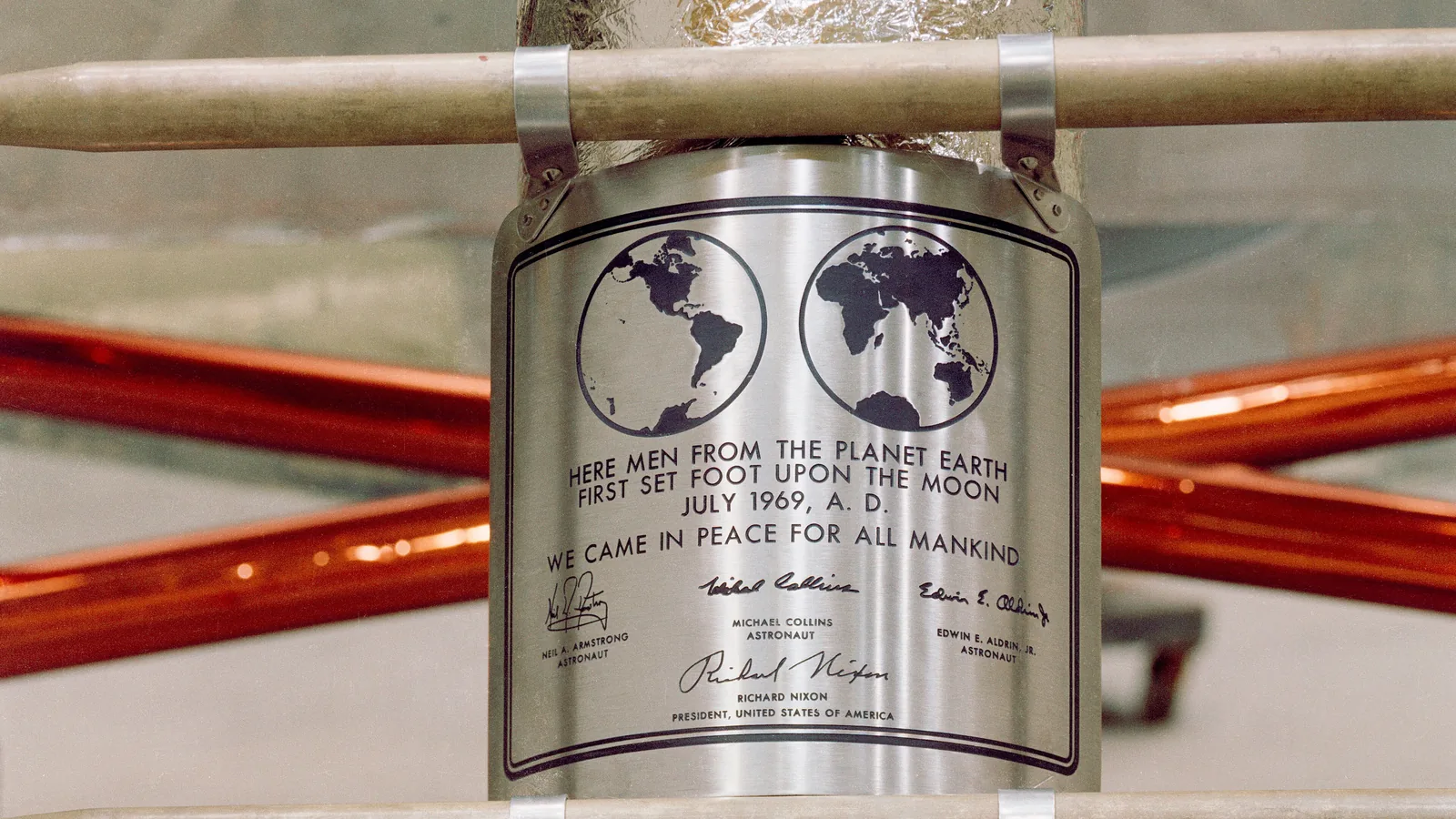
At 102:45:58 on July 20, 1969, Armstrong radioed that the Eagle had landed. The transcript, the 1202 alarms, the fuel calls and quarantine to August 10.
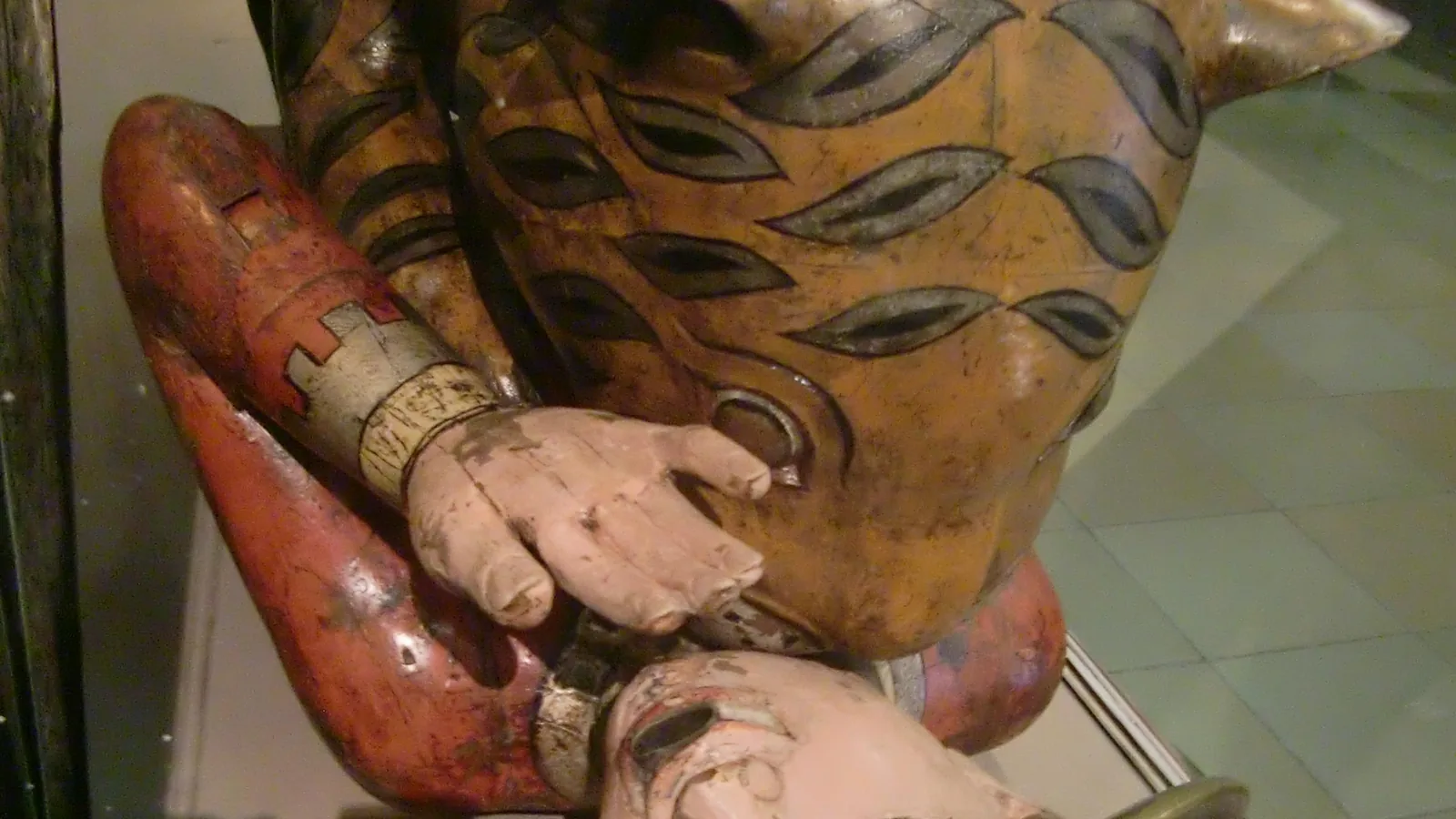
A wooden tiger mauls a European; a crank plays an organ inside. Taken from Tipu Sultan's palace when Seringapatam fell in May 1799; in London since 1800.
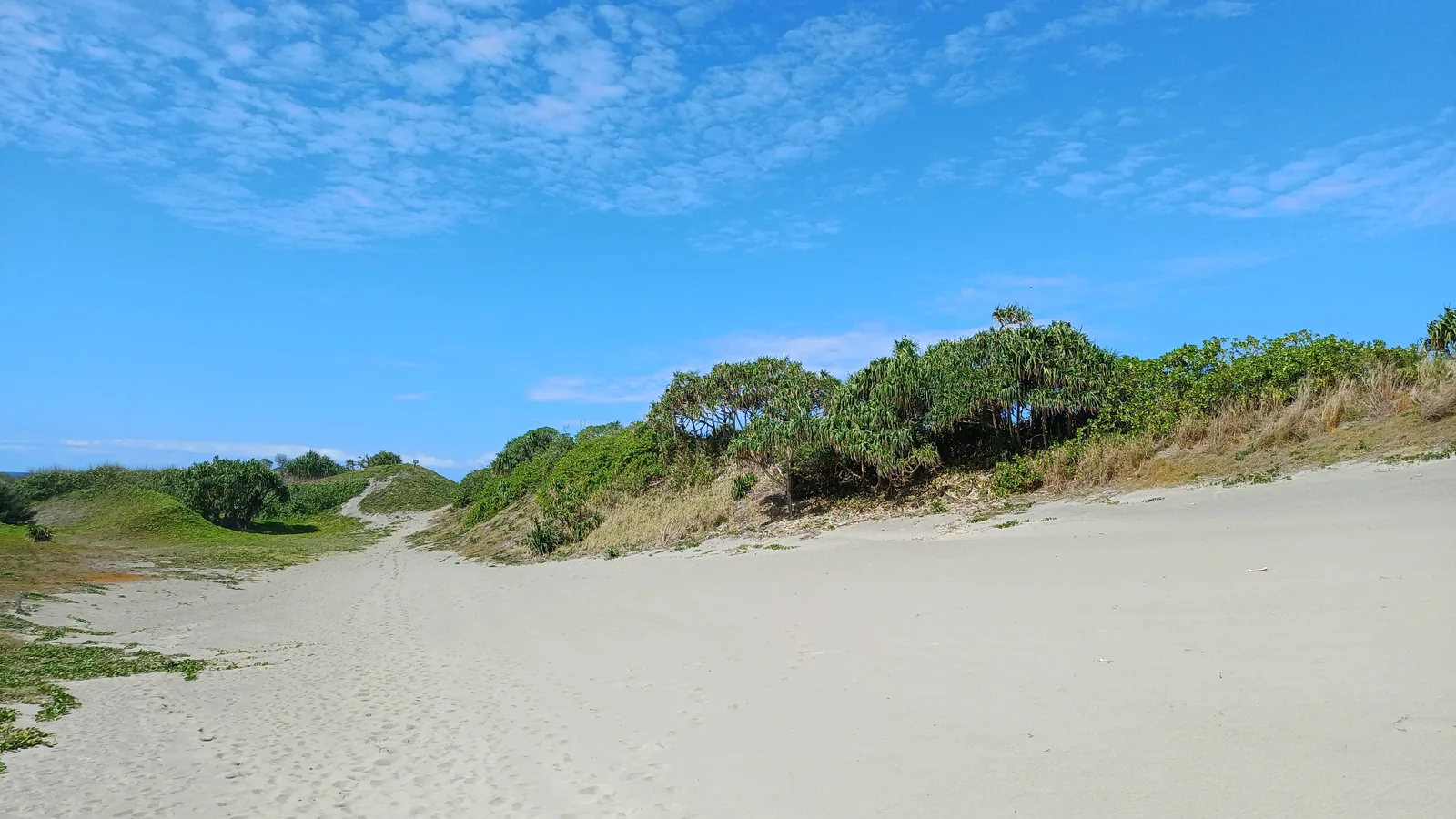
Birks dug 2,700 square meters of Fiji's Sigatoka dunes in 1965–66 and found three buried soils. Level 2, the Navatu layer, dates 1,700 to 1,300 cal BP.
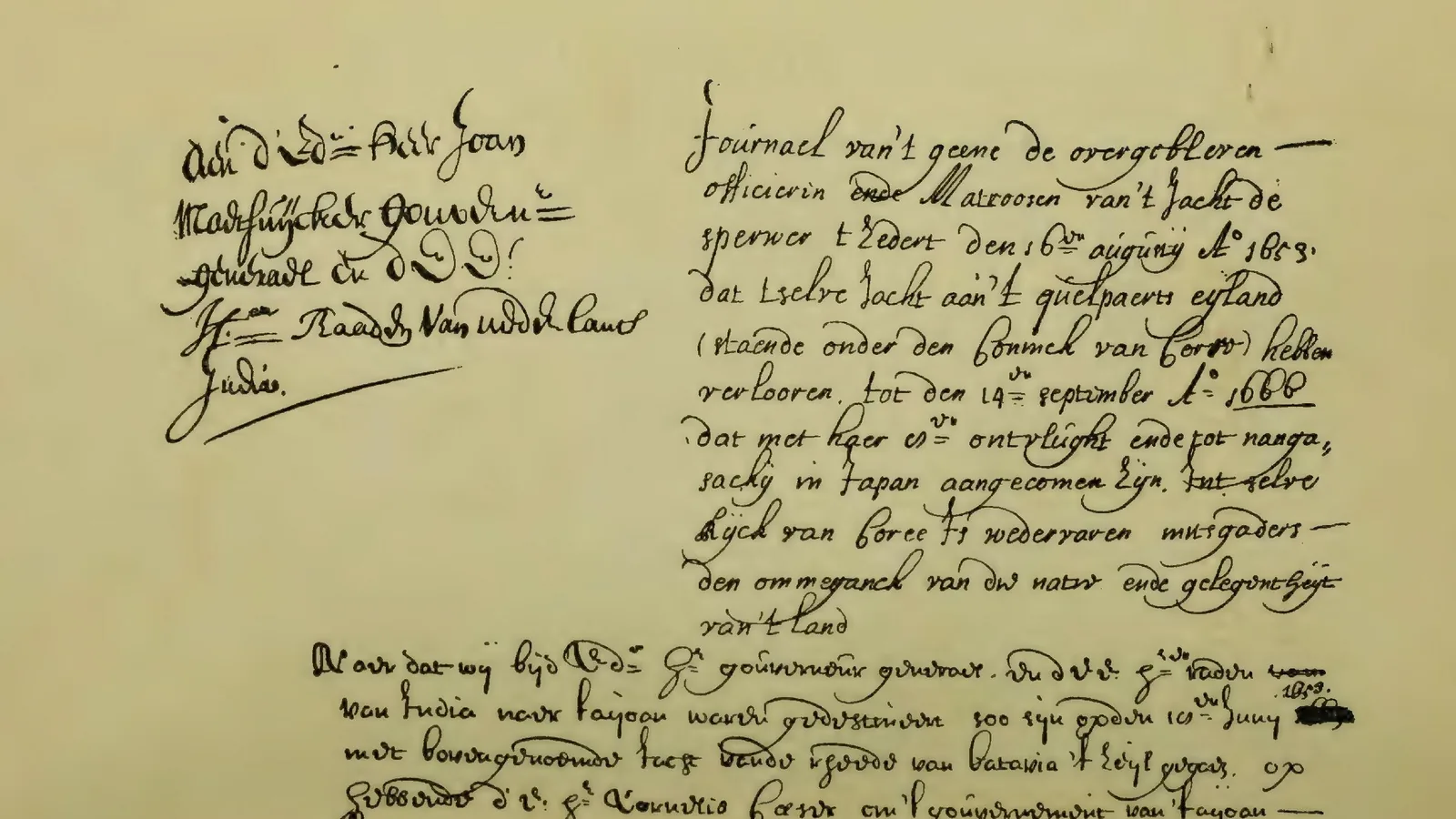
Hamel's 1668 Journael counts 36 survivors of the Sperwer's 64; the Jeju magistrate's 1653 report in the Sillok counts 38. Thirteen years; eight escaped.