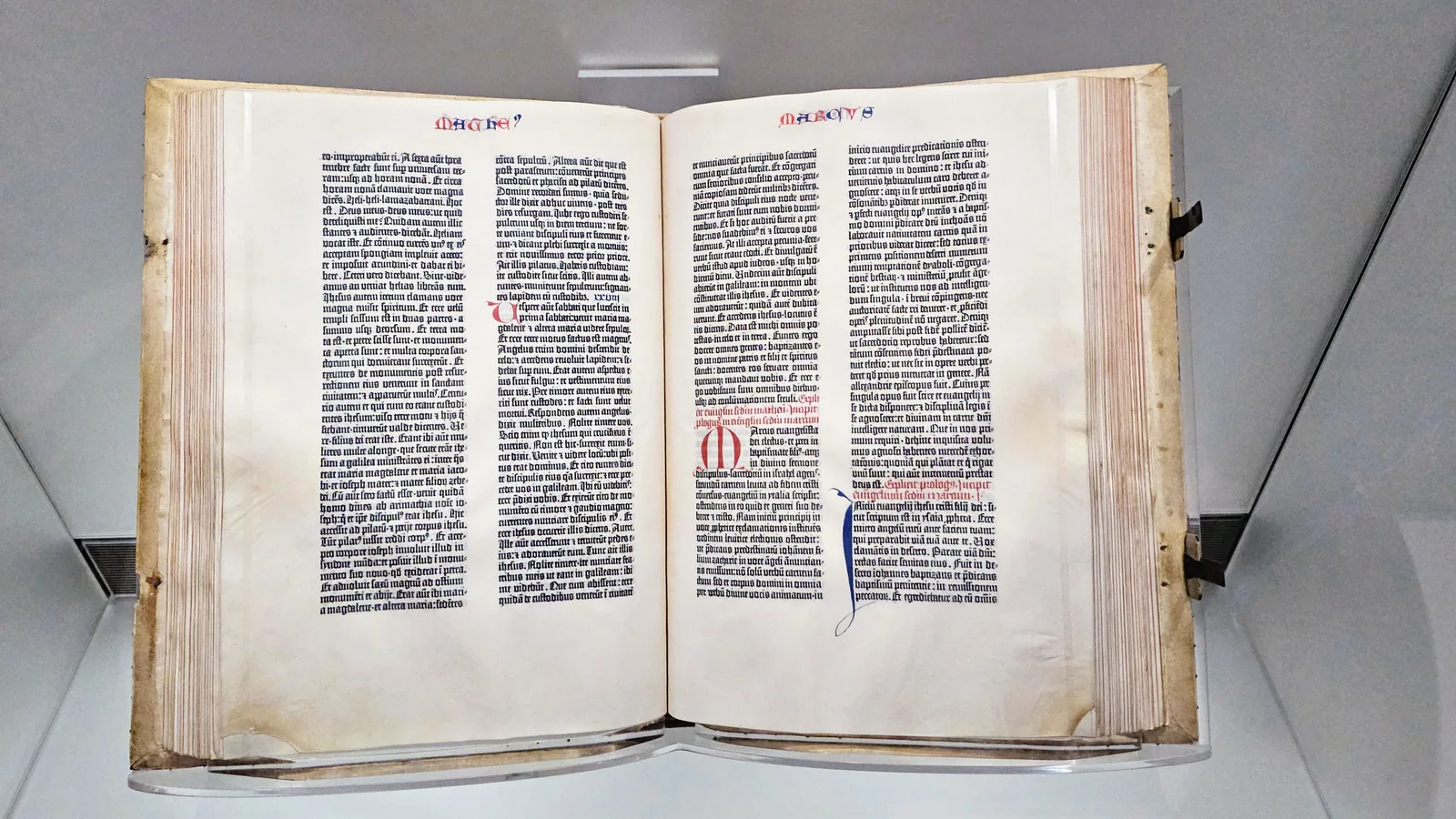
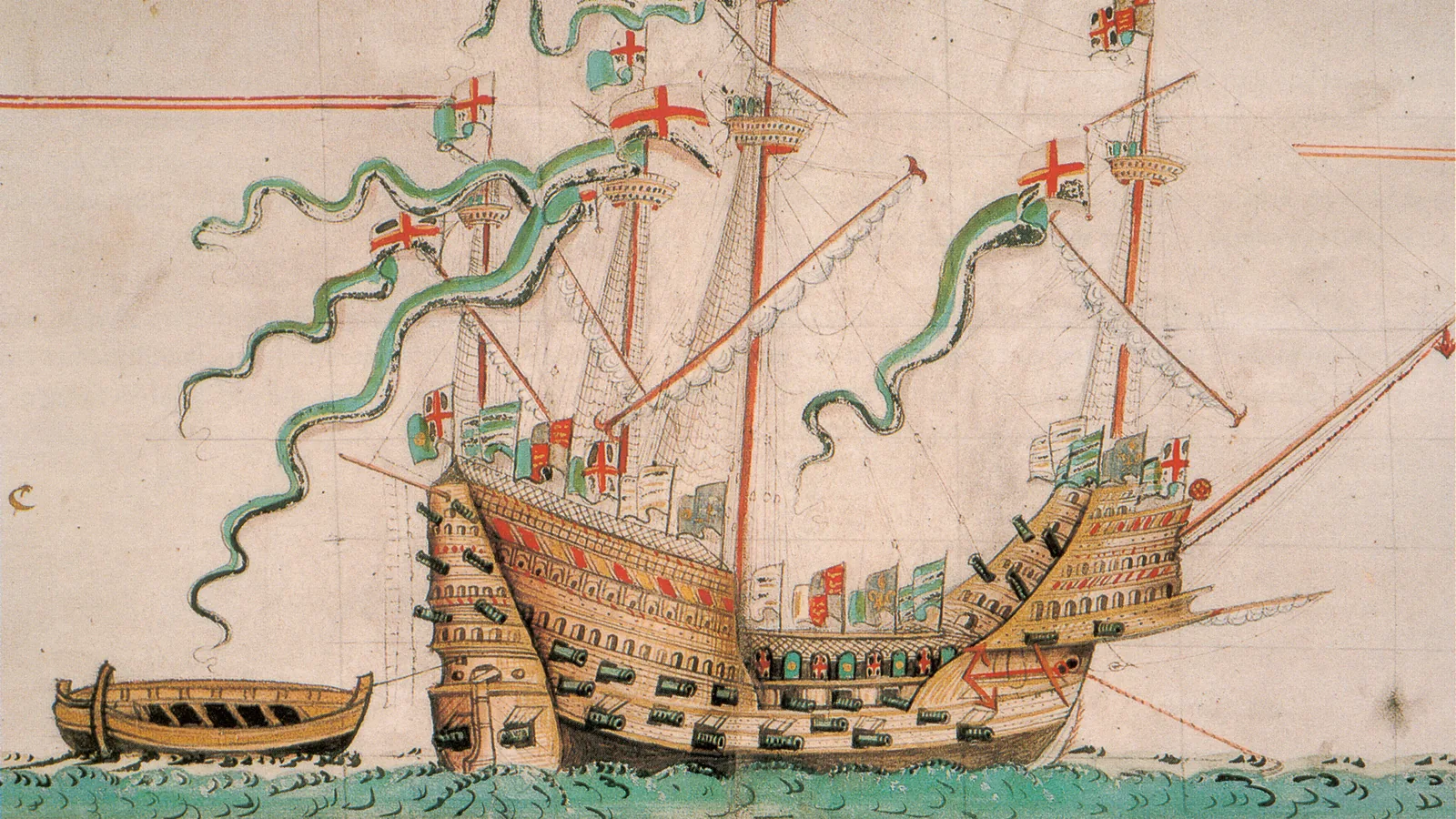
Greece and Rome dominate the written record, but Europe's story runs from Bronze Age traders to medieval kingdoms and the industrial states of the modern era. These articles follow the cities, wars and institutions that shaped the continent.
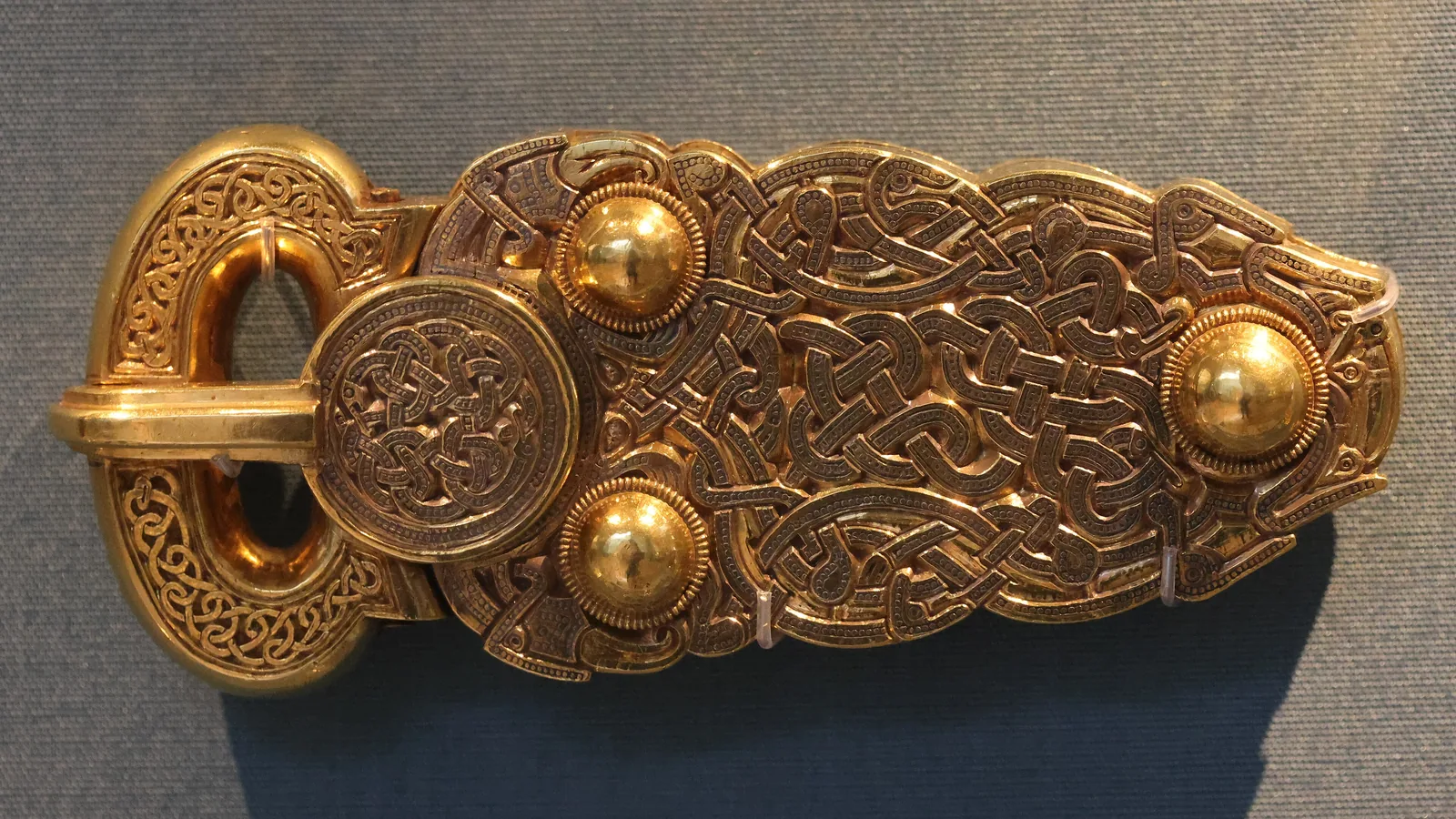
In 1939 Basil Brown excavated a 27-meter ship burial at Sutton Hoo for Edith Pretty; an inquest gave the find to her, who gave it to the British Museum.
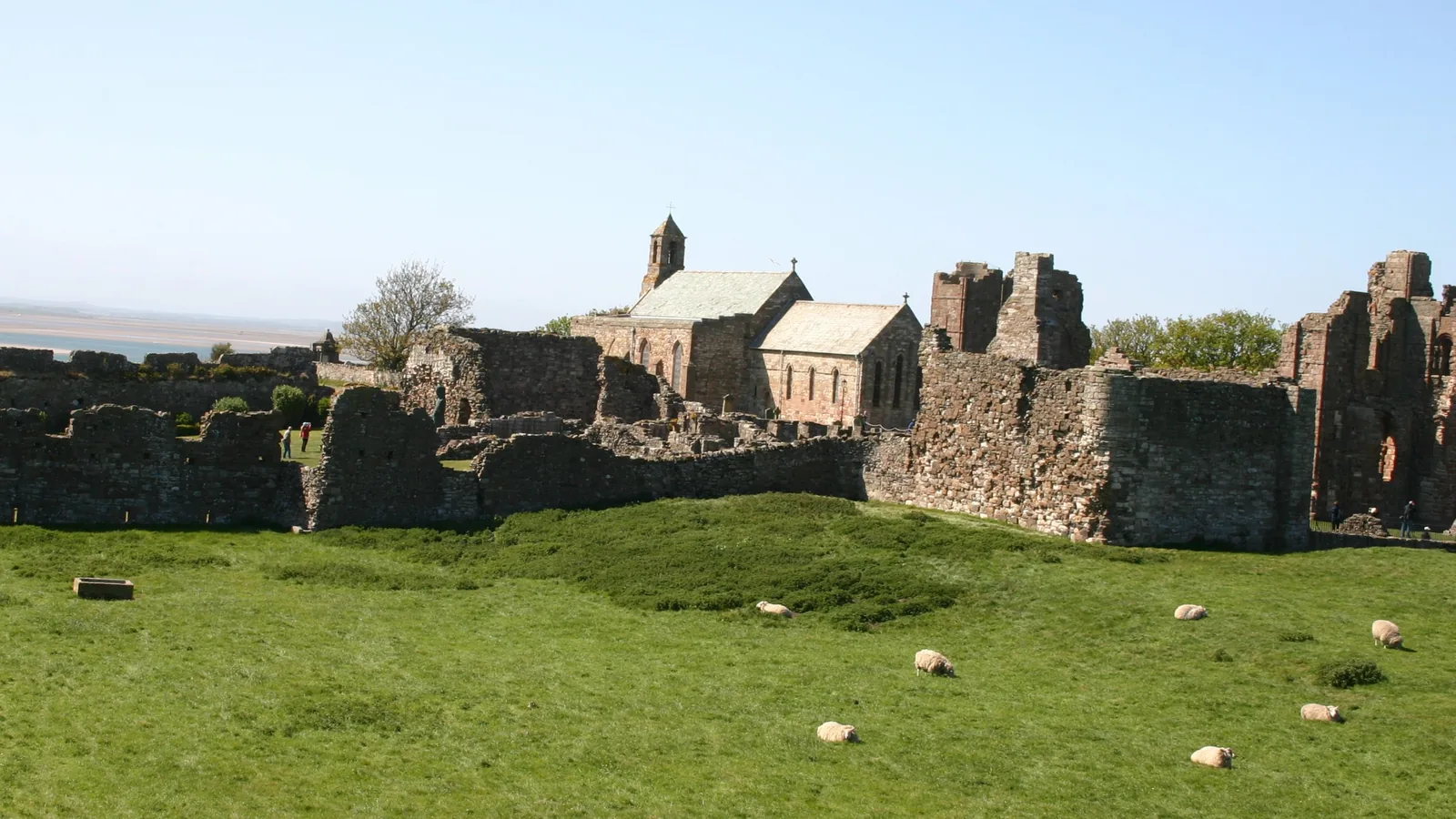
Alcuin's two letters and two Anglo-Saxon Chronicle texts record the Lindisfarne raid of 793. Digs since 2016 found graves of adults, children and babies.
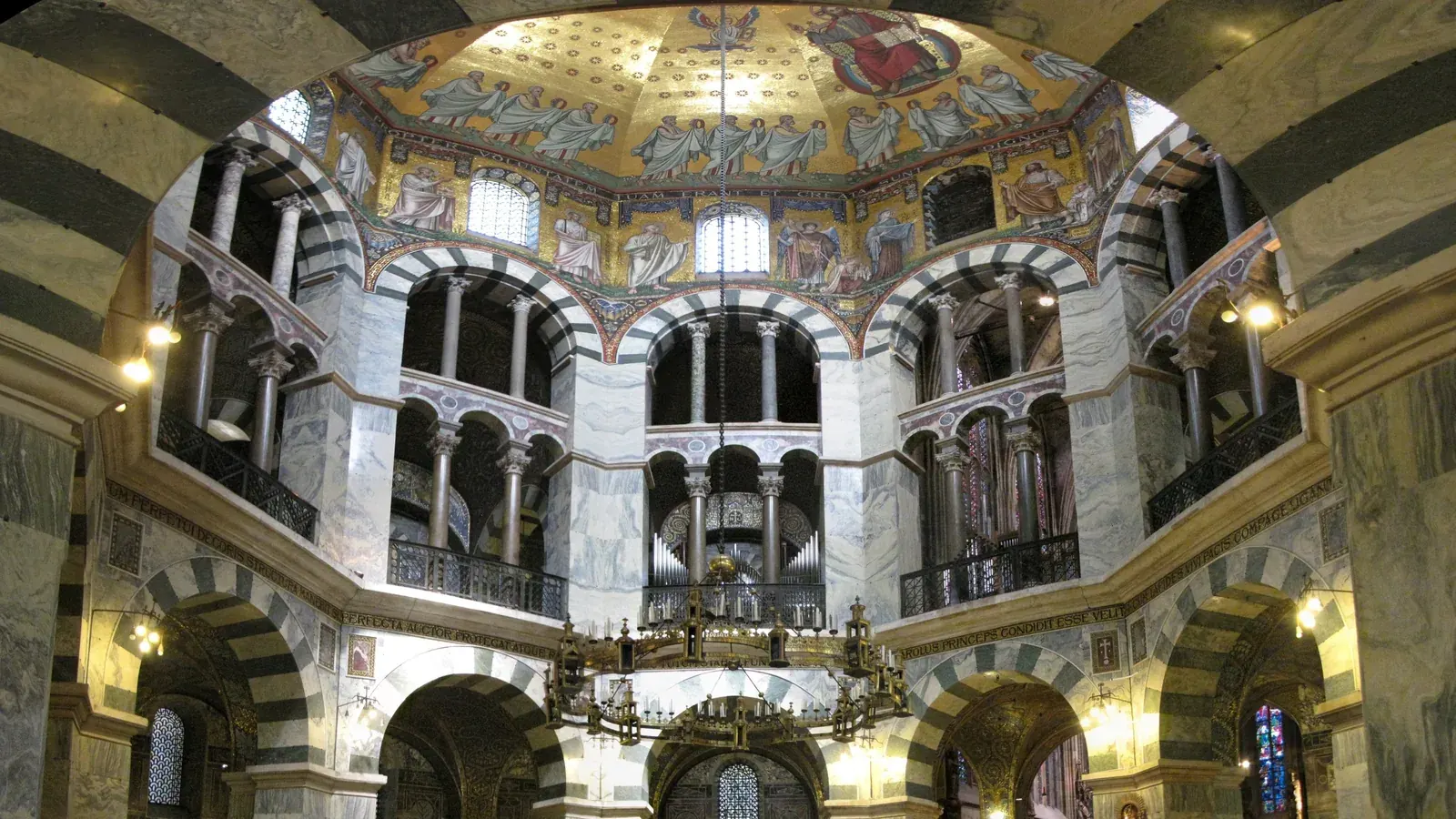
Four accounts of Christmas Day 800 disagree on who planned it. Einhard wrote Charlemagne would have stayed away; the court annals recorded an acclamation.
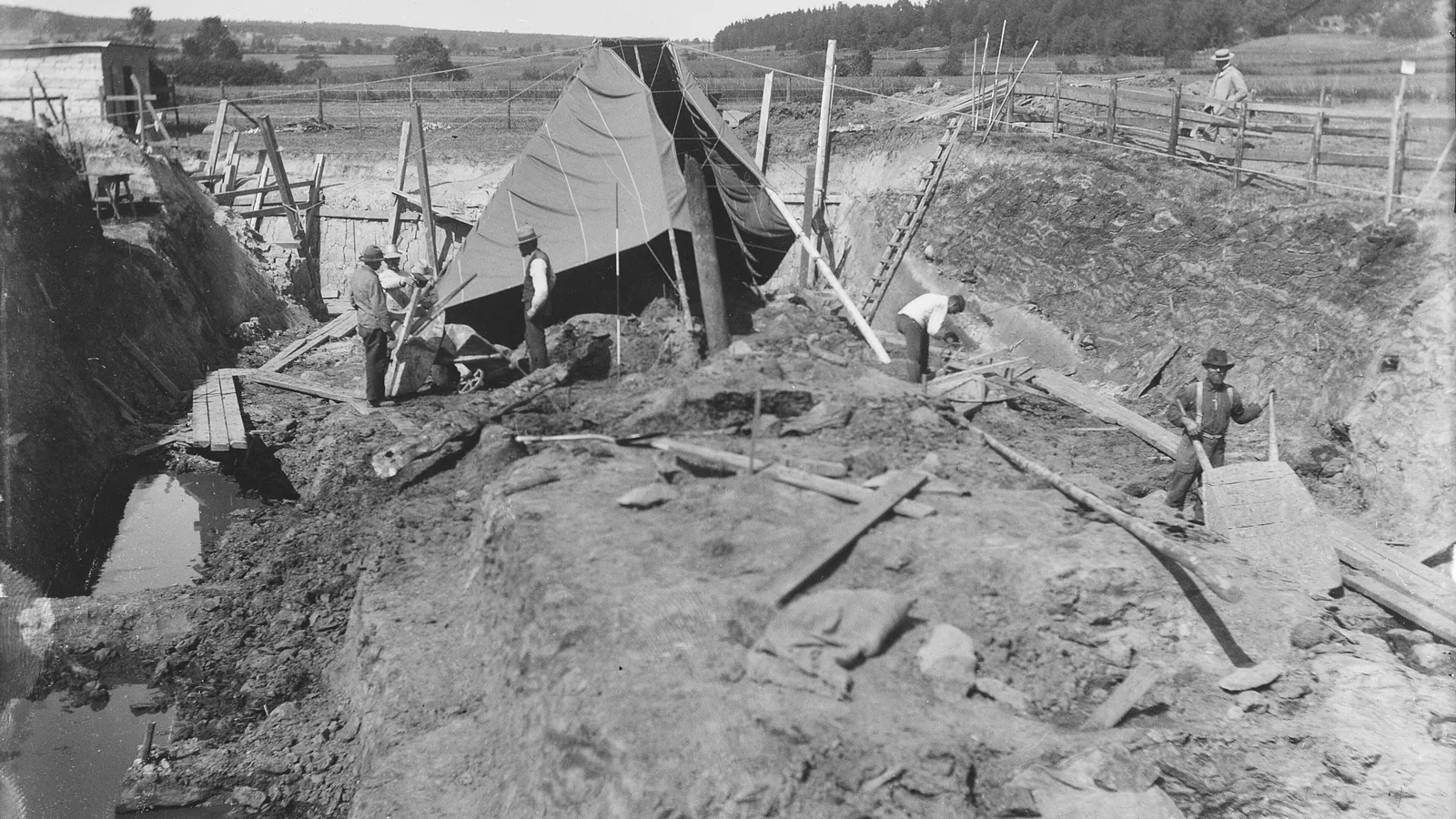
Tree-ring dating puts the Oseberg ship's timber at about 820 and its burial at 834; Gabriel Gustafson excavated it in 1904 after a farmer's report in 1903.
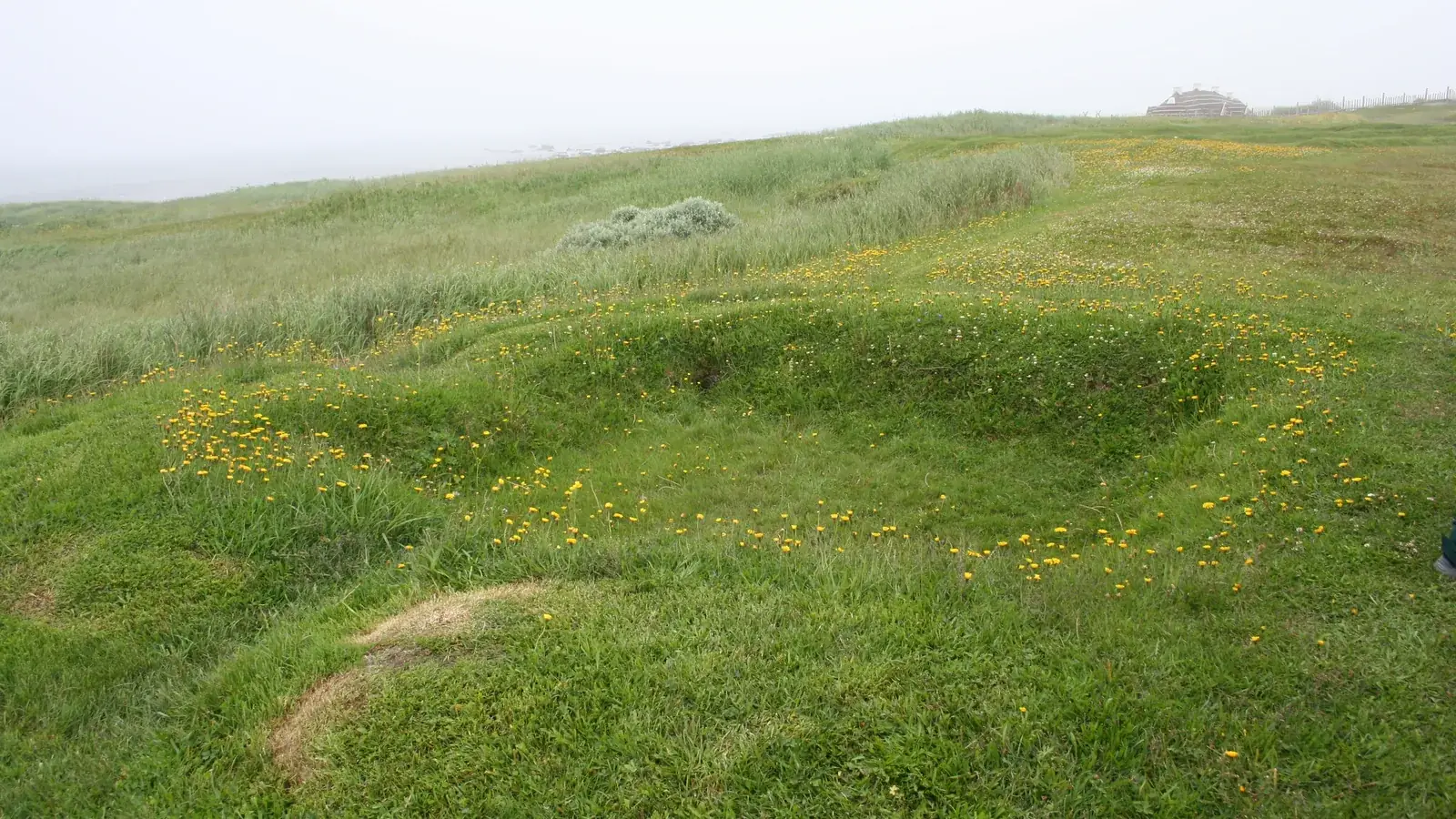
Wood cut at L'Anse aux Meadows, Newfoundland, dates to AD 1021 by a radiocarbon spike from a 993 solar storm. It is the cutting year, not the arrival year.
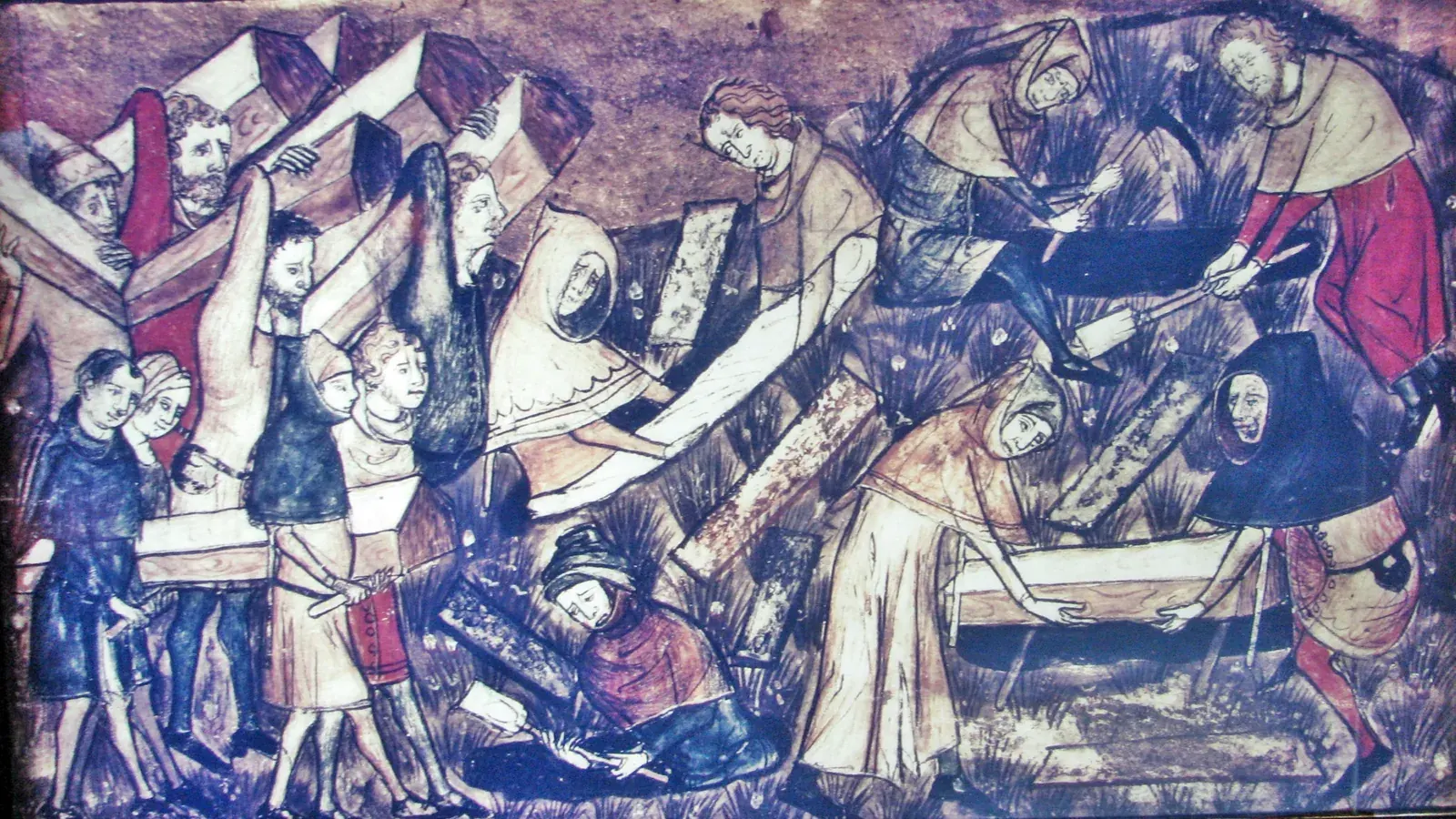
Ancient DNA from graves dated 1338 near Lake Issyk-Kul, in what is now Kyrgyzstan, put the Black Death's source strain at the root of the plague family tree.
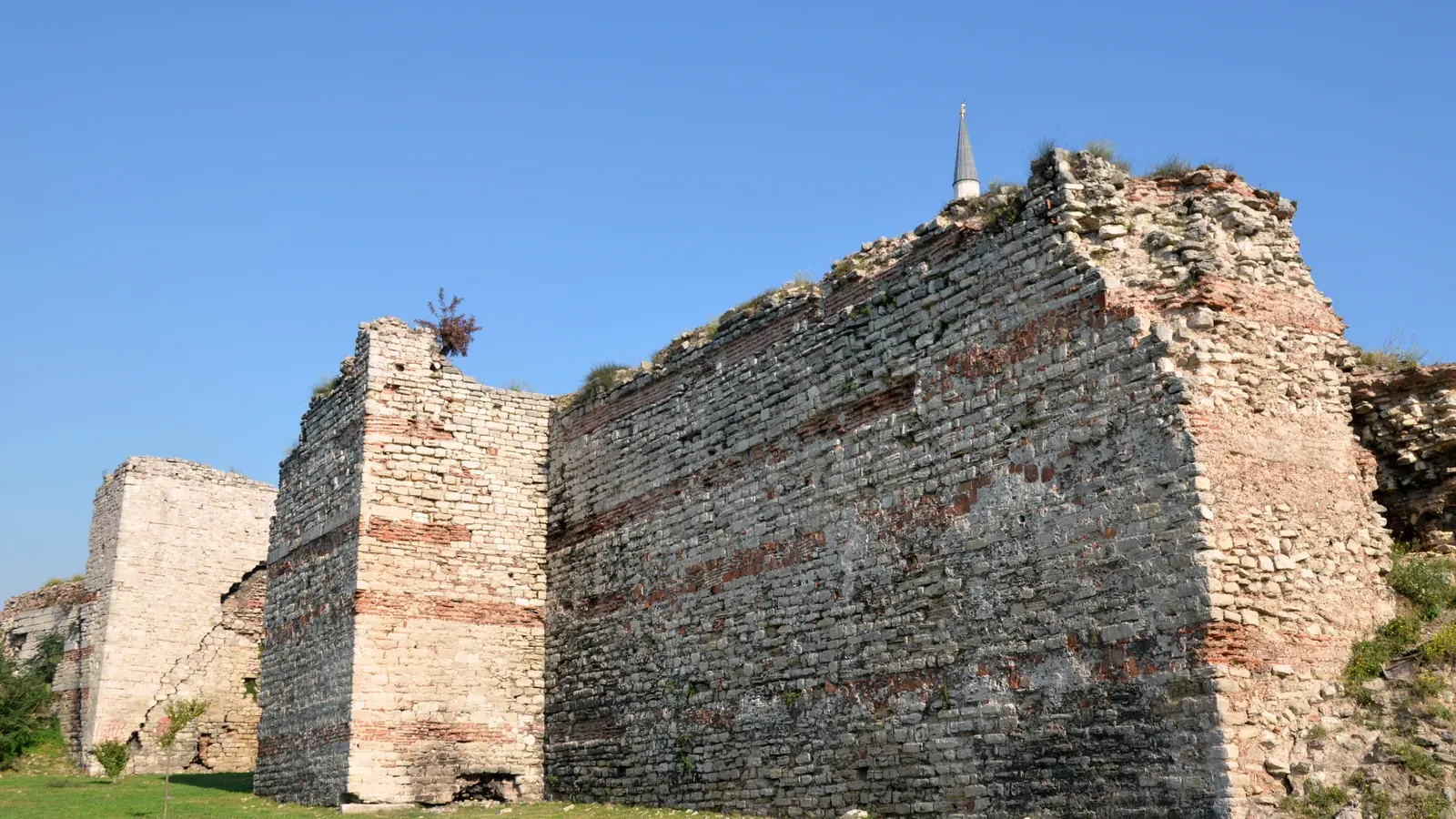
Mehmed II took Constantinople on May 29, 1453, with a giant cannon, ships hauled overland past the harbor chain, and 53 days against under 5,000 defenders.
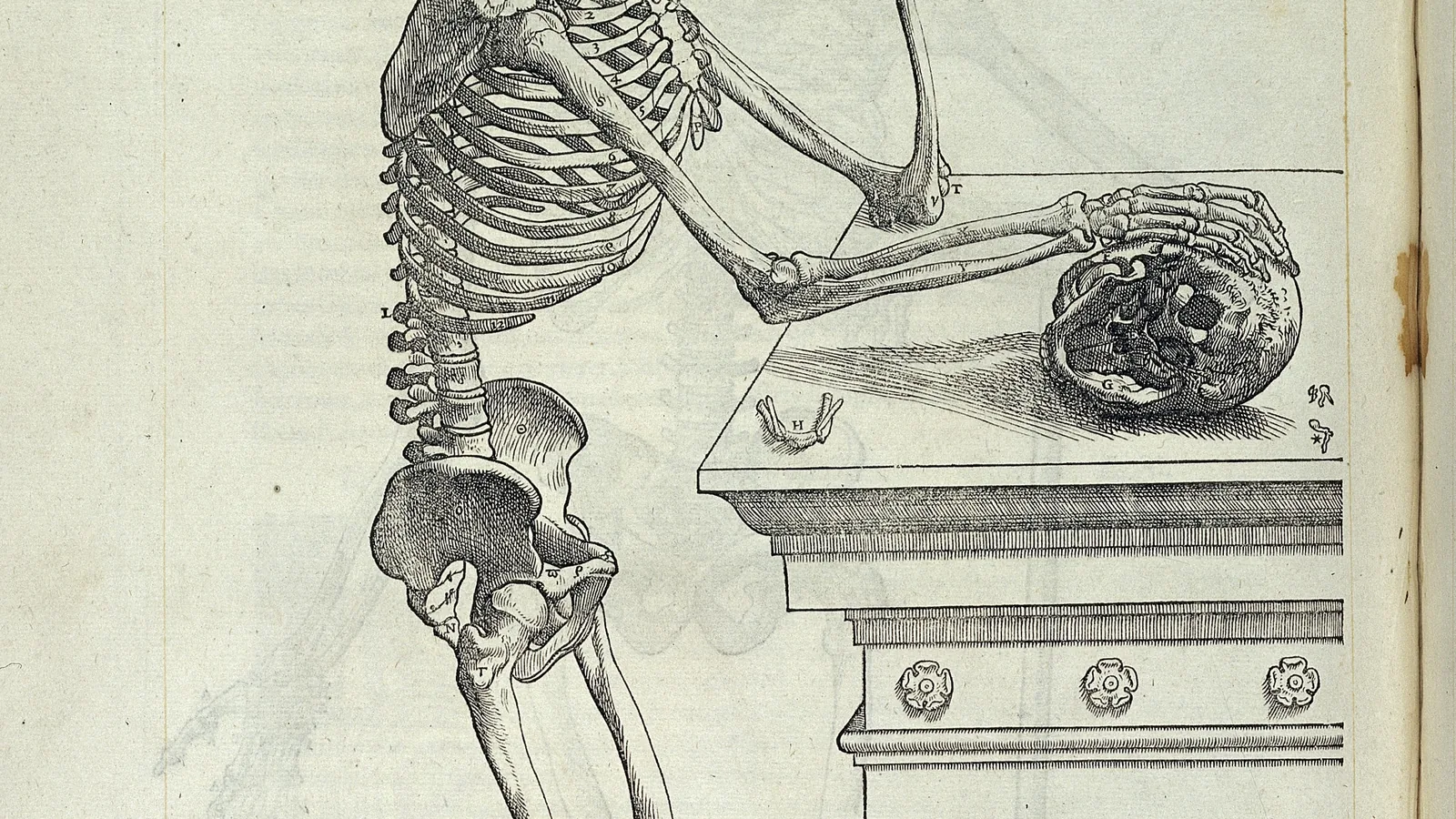
The colophon reads Basel, Oporinus, June 1543. Vesalius's Fabrica gave the sternum three parts, not Galen's seven. His annotated 1555 copy surfaced in 2007
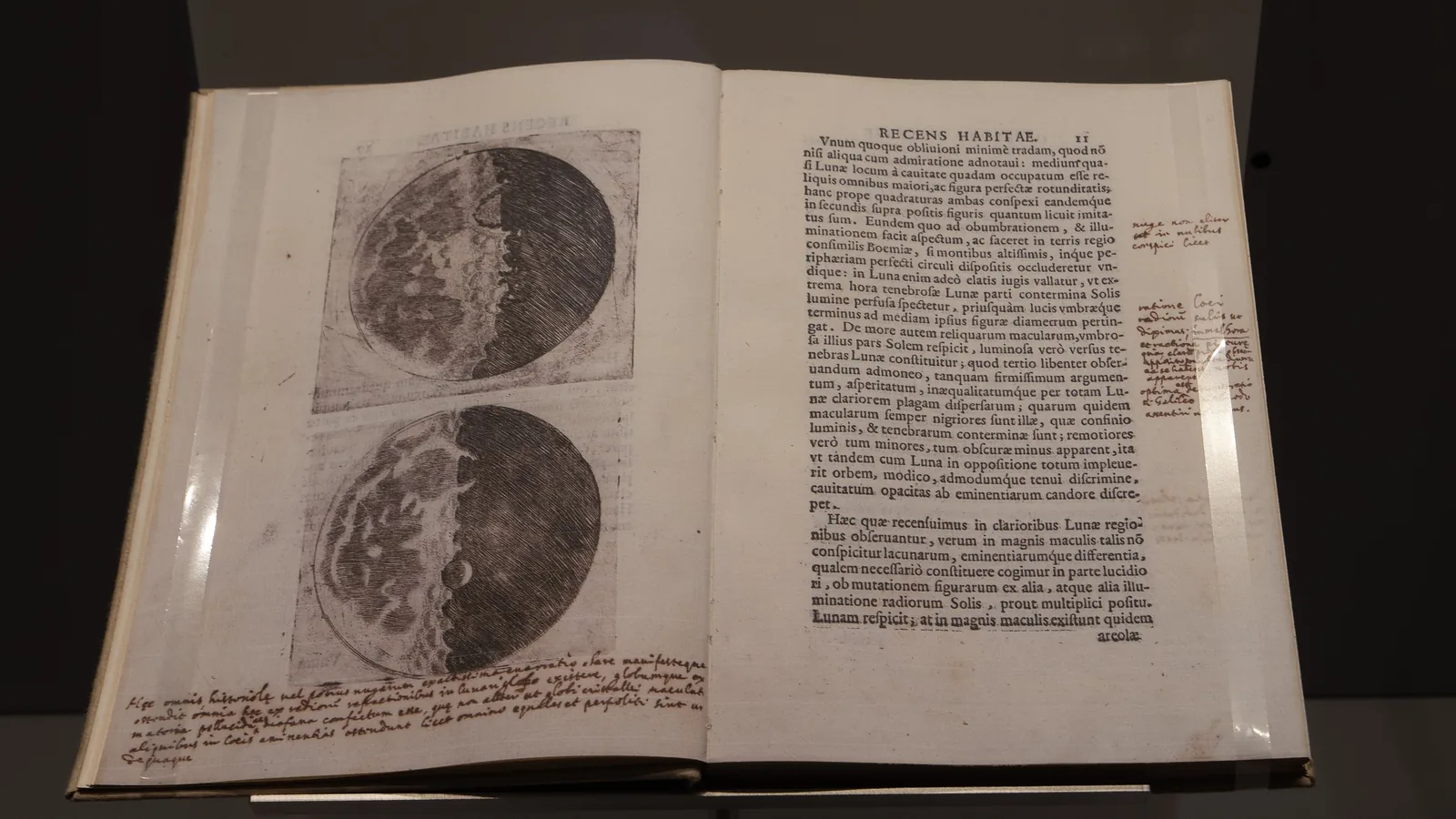
Galileo's Sidereus Nuncius, printed by Baglioni in Venice in 550 copies, reported a rough Moon and four bodies circling Jupiter, seen from January 7, 1610.
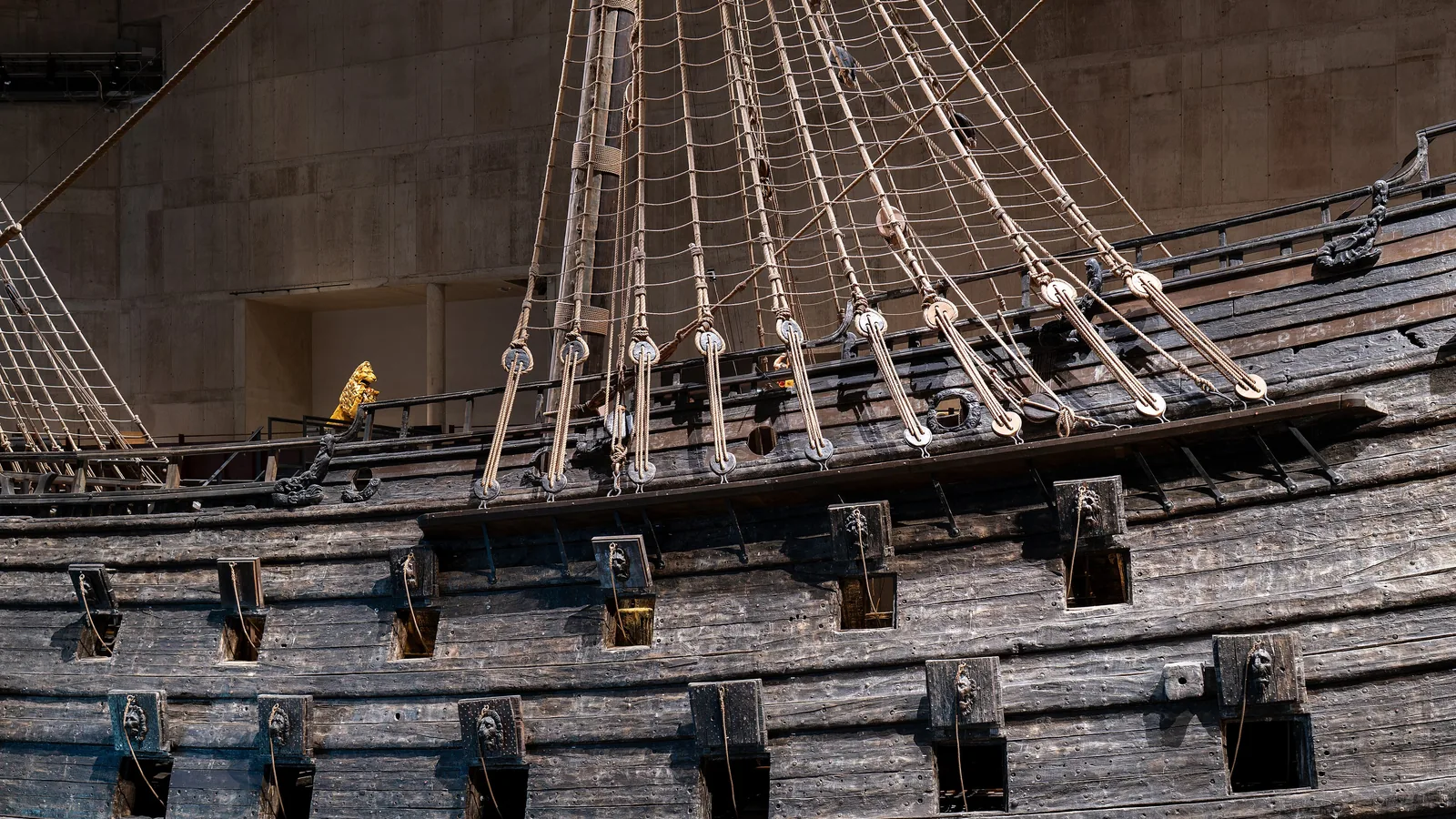
The Vasa Museum says the warship foundered minutes into its 1628 voyage. The inquest found no one guilty; Franzén found the wreck in 1956, raised in 1961.
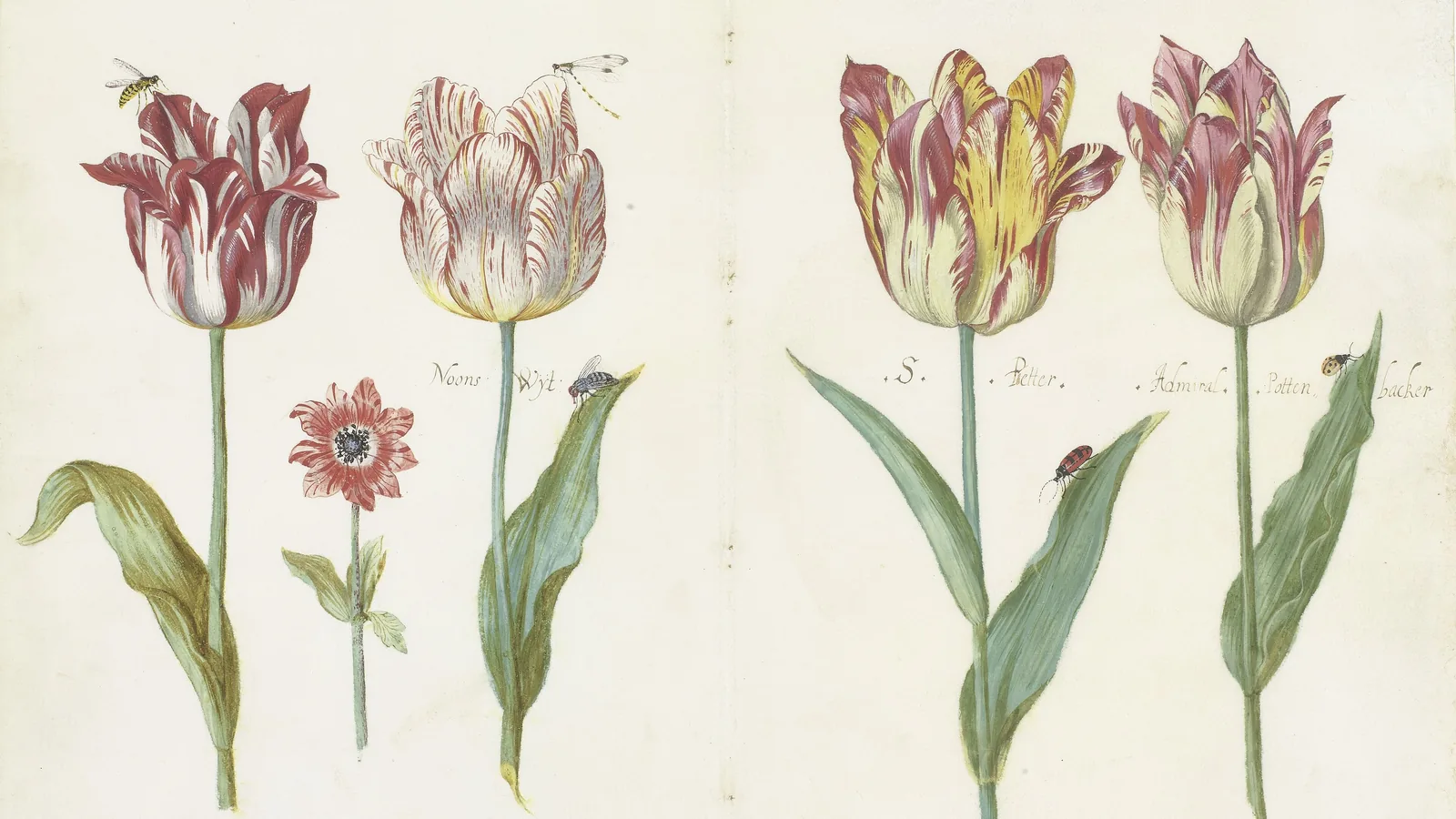
An orphan sale at Alkmaar on February 5, 1637, raised about 90,000 guilders for tulip bulbs. Krelage, Garber, Goldgar and Thompson trace what happened before and after.
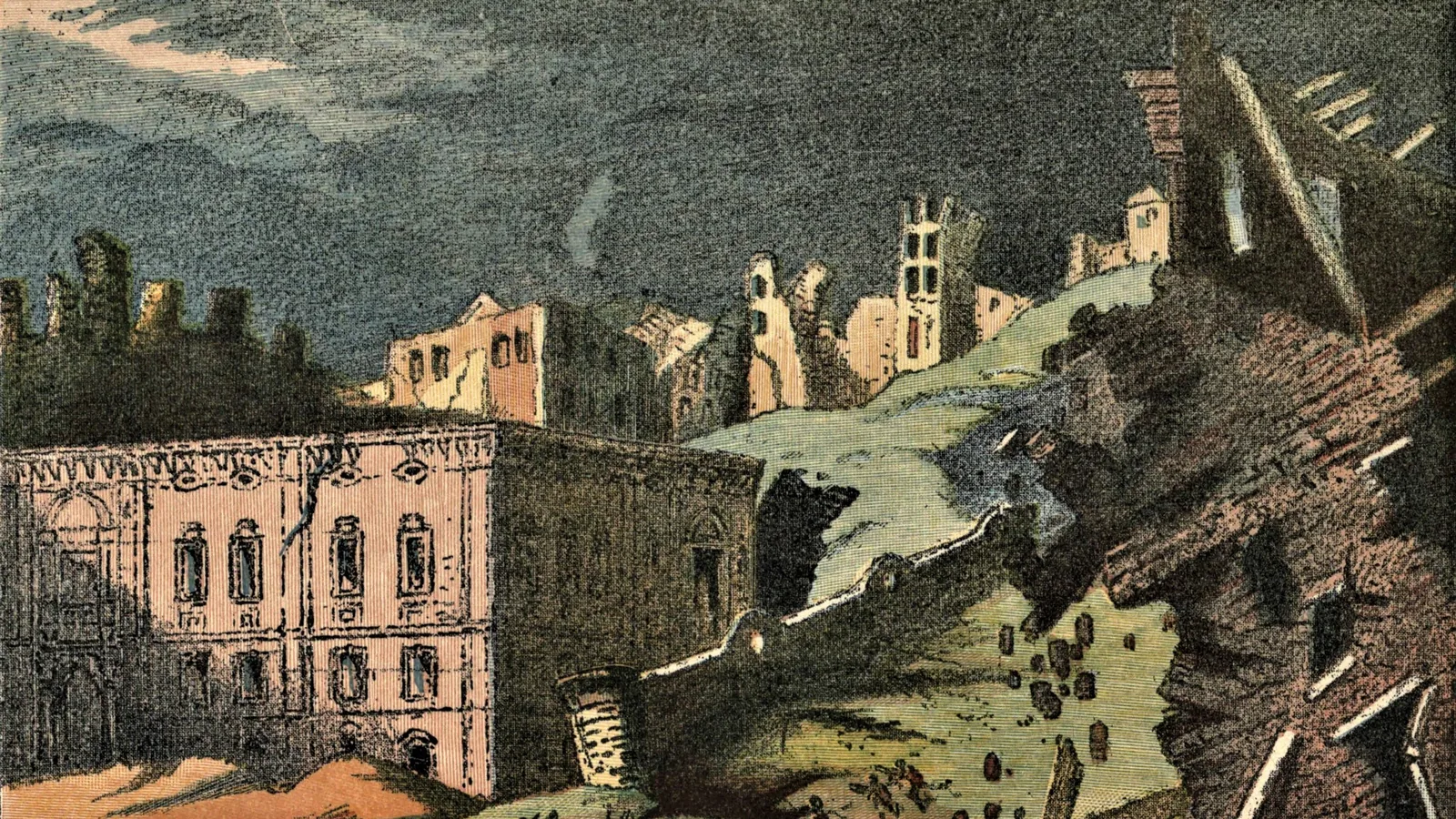
How many died in Lisbon on November 1, 1755? Pombal told his governors 6,000 to 8,000; NOAA lists 50,000, then 60,000 to 100,000. No register was kept.
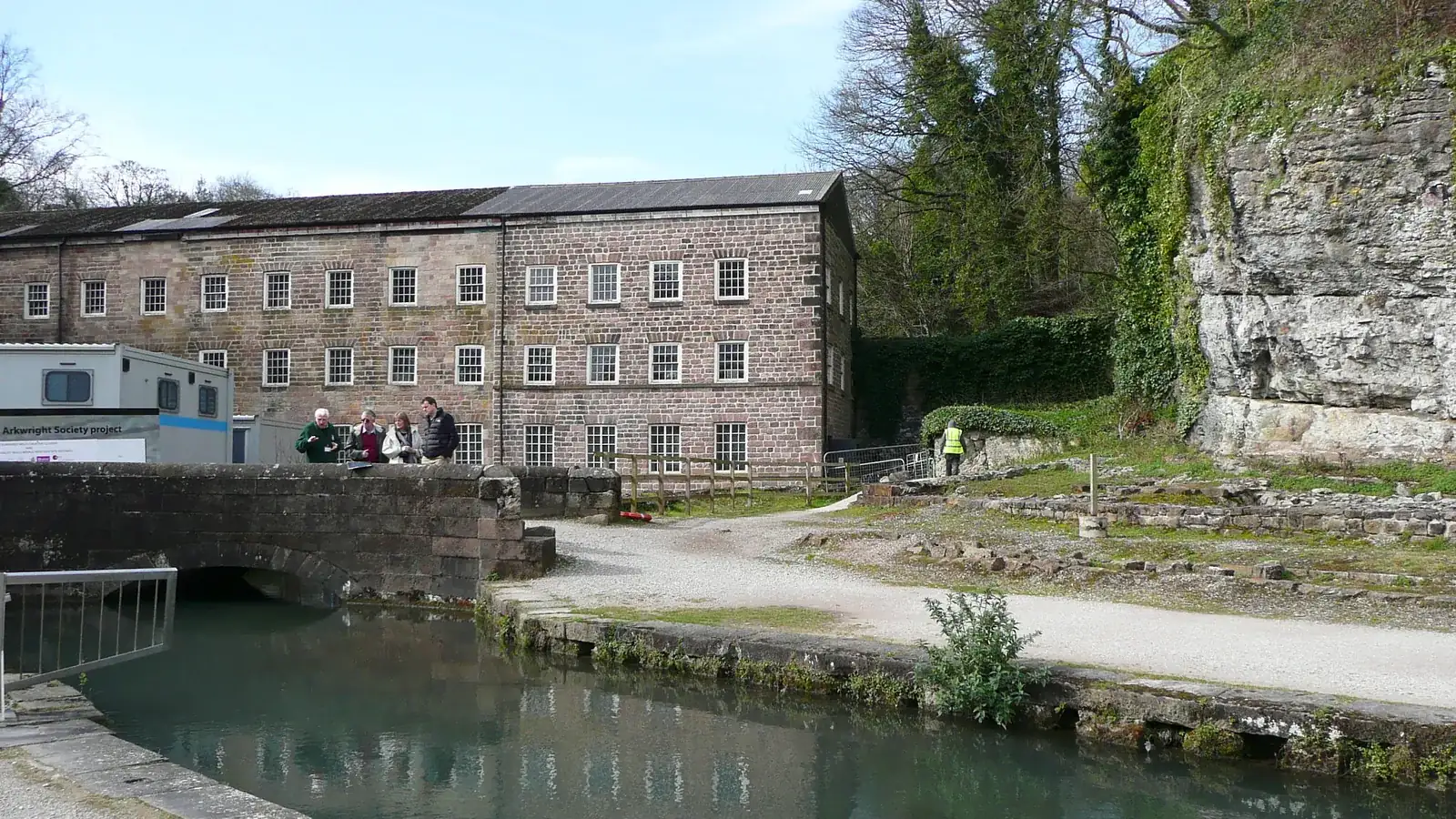
Lancashire machines from 1764, the Cromford mill of 1771, high wages and cheap coal explain why cotton factories appeared first in the English Midlands and North.
MPs asked in June 1858 how to protect Parliament from the Thames; on July 15 Disraeli called the river a Stygian pool and named a 3,000,000 pound plan.
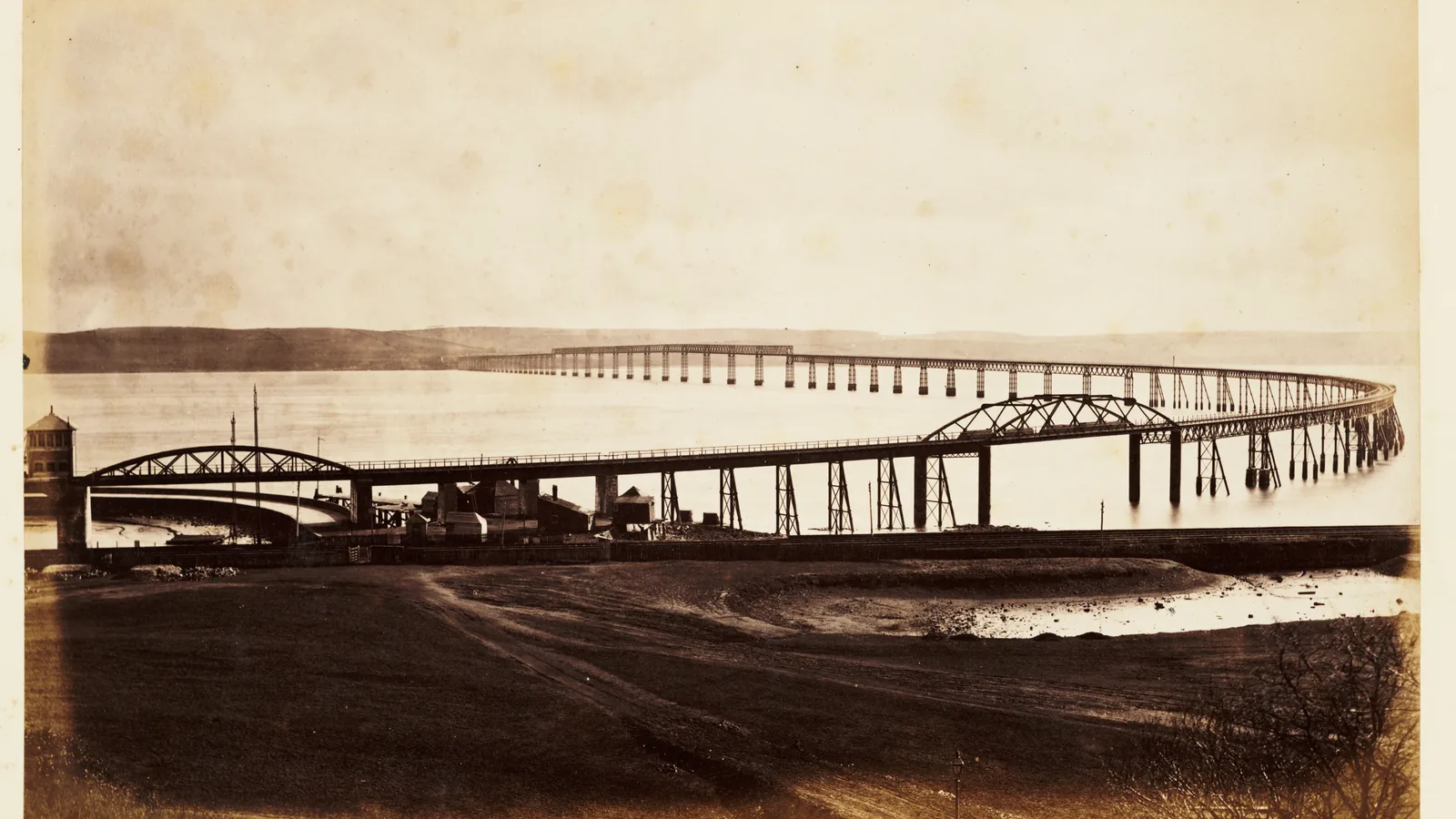
Historic Environment Scotland records the Tay Bridge high girders falling on December 28, 1879. The 1880 inquiry split into a joint report and Rothery's own.