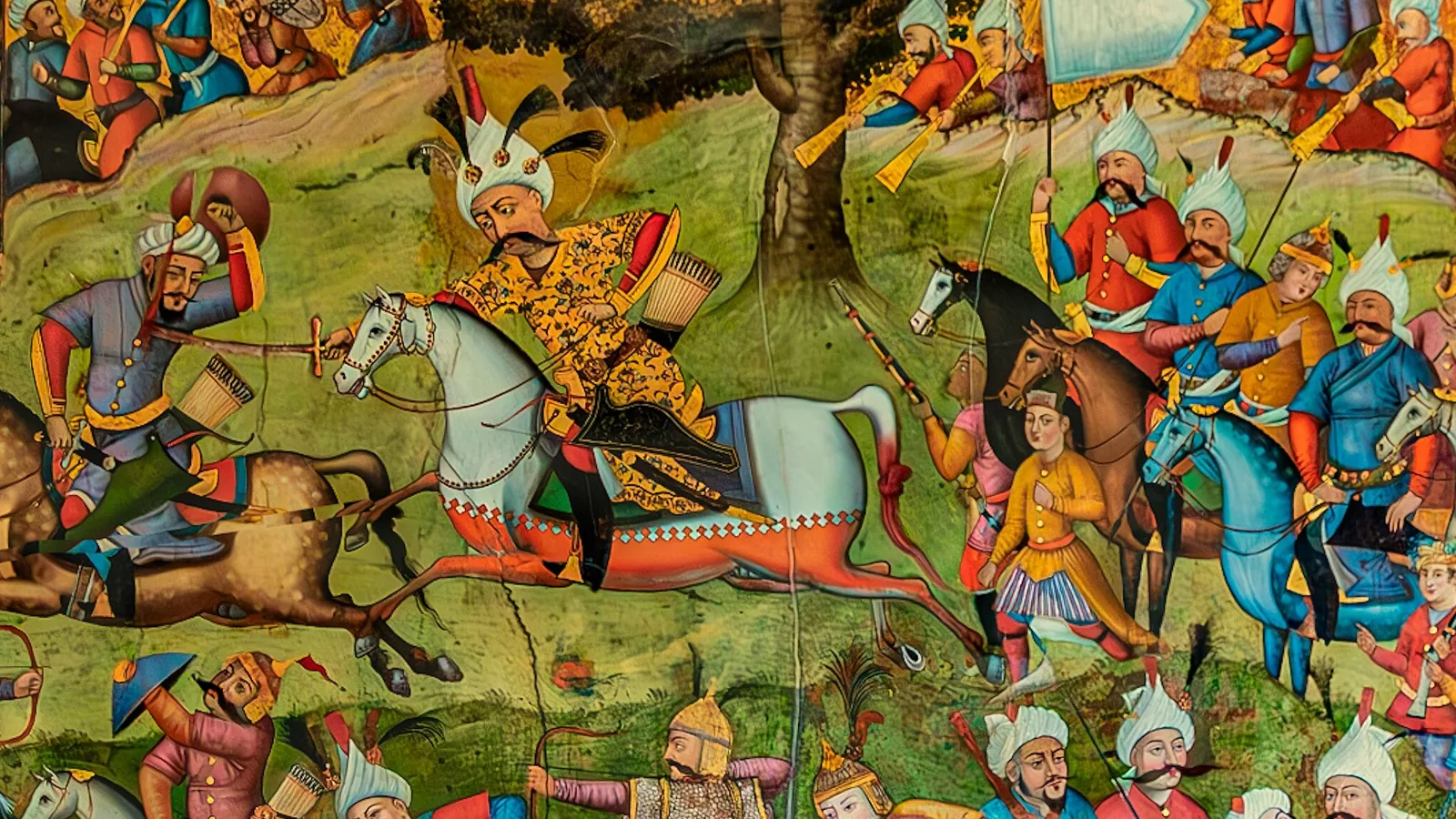
Merv, December 2, 1510: Shah Ismail's feint against Shaybani Khan
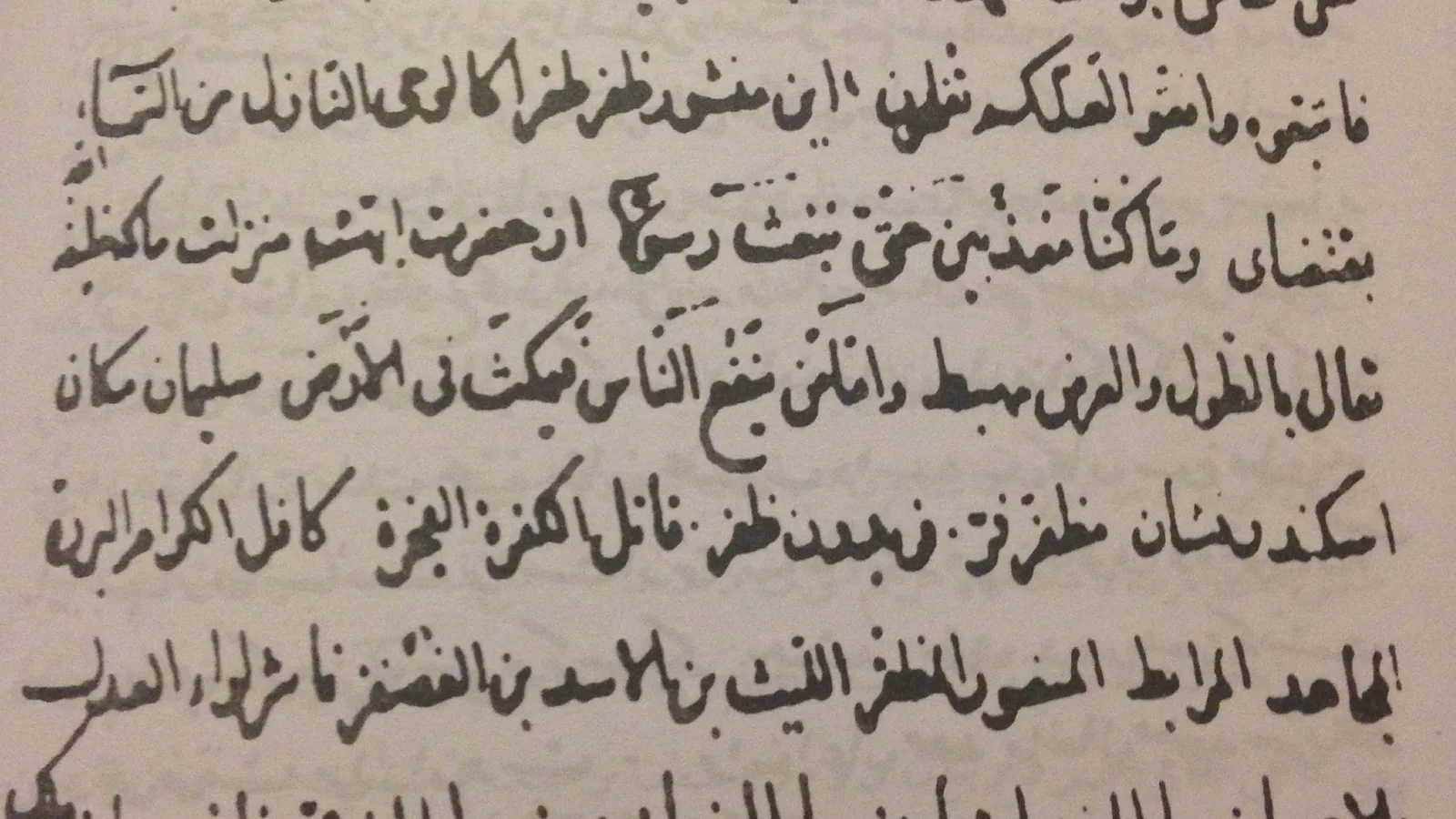
Shah Ismail's Safavid army feigned a retreat outside Merv on December 2, 1510, then cut a bridge and killed Shaybani Khan, founder of the Uzbek state.
· 1510Articles about wars & battles across every continent and era, oldest first.
Shah Ismail's Safavid army feigned a retreat outside Merv on December 2, 1510, then cut a bridge and killed Shaybani Khan, founder of the Uzbek state.
· 1510On August 23, 1514, Selim I's janissaries fired from behind gun-carriages at Shah Ismail's cavalry near Khoy. Tabriz fell and was lost; peace came in 1555.
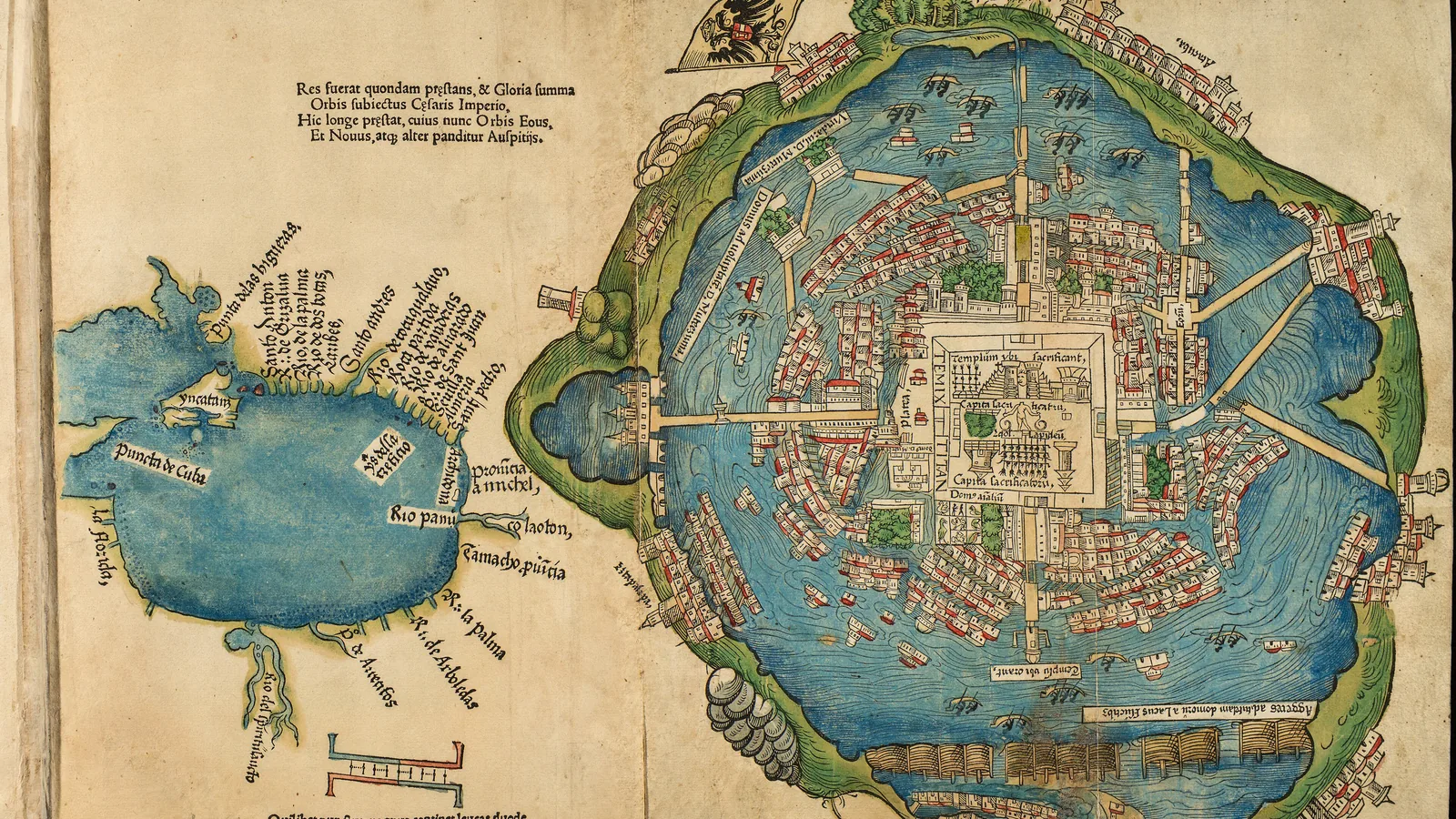
· 1514Cortés's letter of October 30, 1520 gave Tenochtitlan four causeways and a market of 60,000 a day. Modern studies put the city near 200,000 people.
· 1519Suleiman camped at Vienna in September 1529 and quit after three weeks as winter came early. He then took Baghdad, wrote law and built the Süleymaniye.
· 1529Pizarro seized Atahualpa at Cajamarca on November 16, 1532, after plague and civil war had split the Inca; the conquest itself took until 1572.
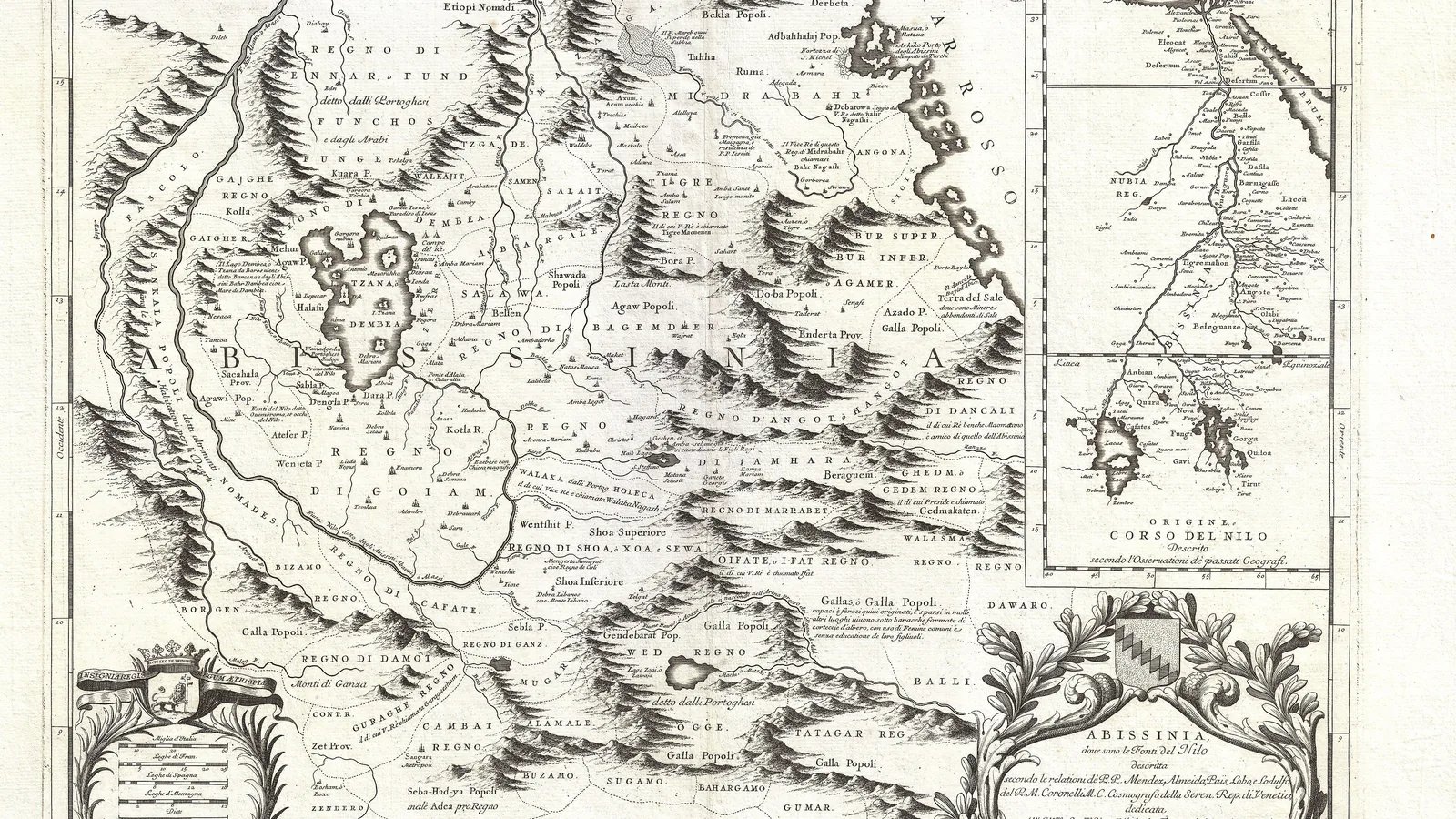
· 1532Castanhoso marched with Cristóvão da Gama's 400 Portuguese in 1541. His memoir, in Whiteway's 1902 translation, is the record of Wofla and Wayna Daga.
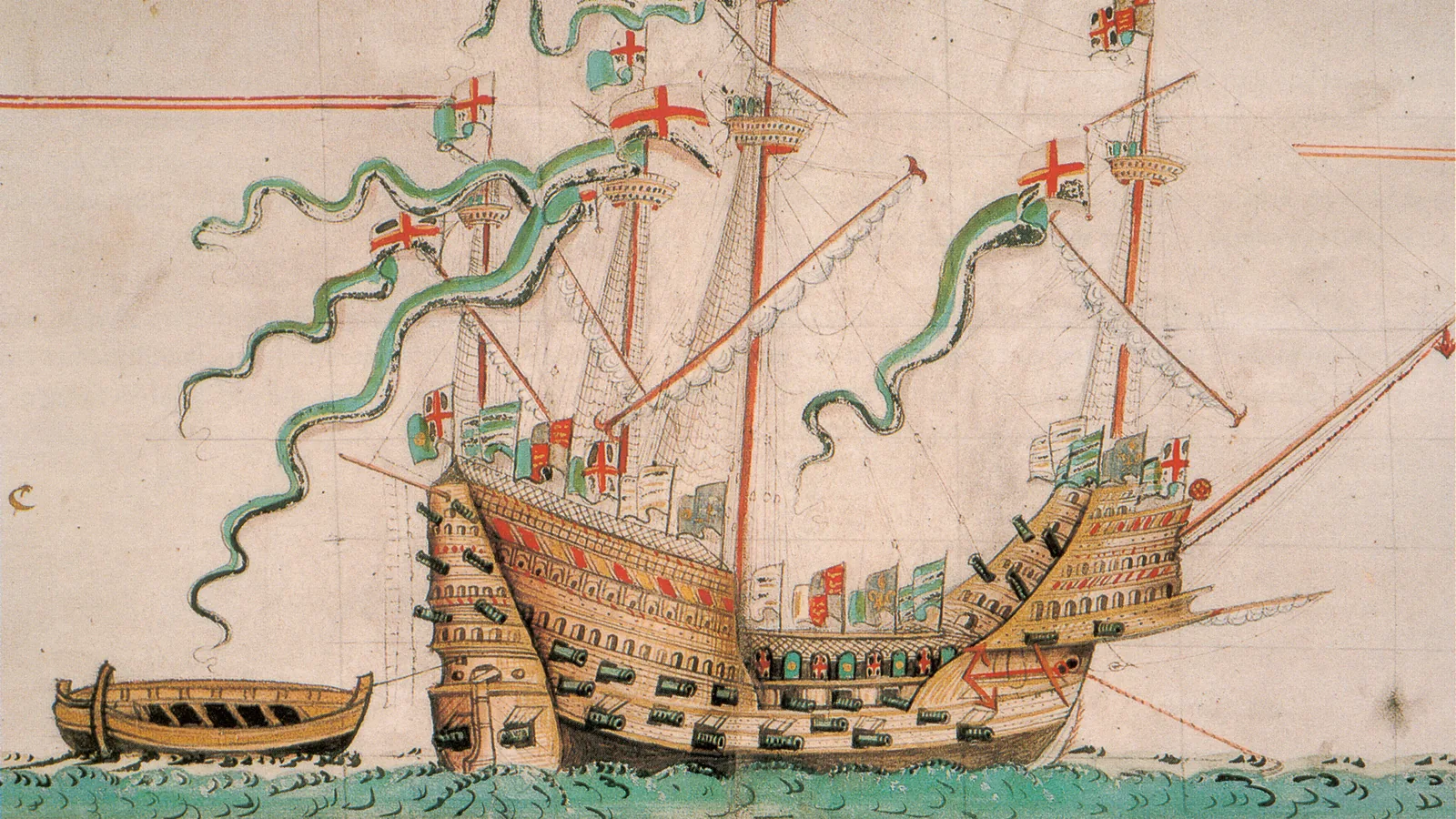
· 1542Henry VIII's Mary Rose sank in the Solent on July 19, 1545. Two museums disagree on why and on the death toll; she was raised on October 11, 1982.
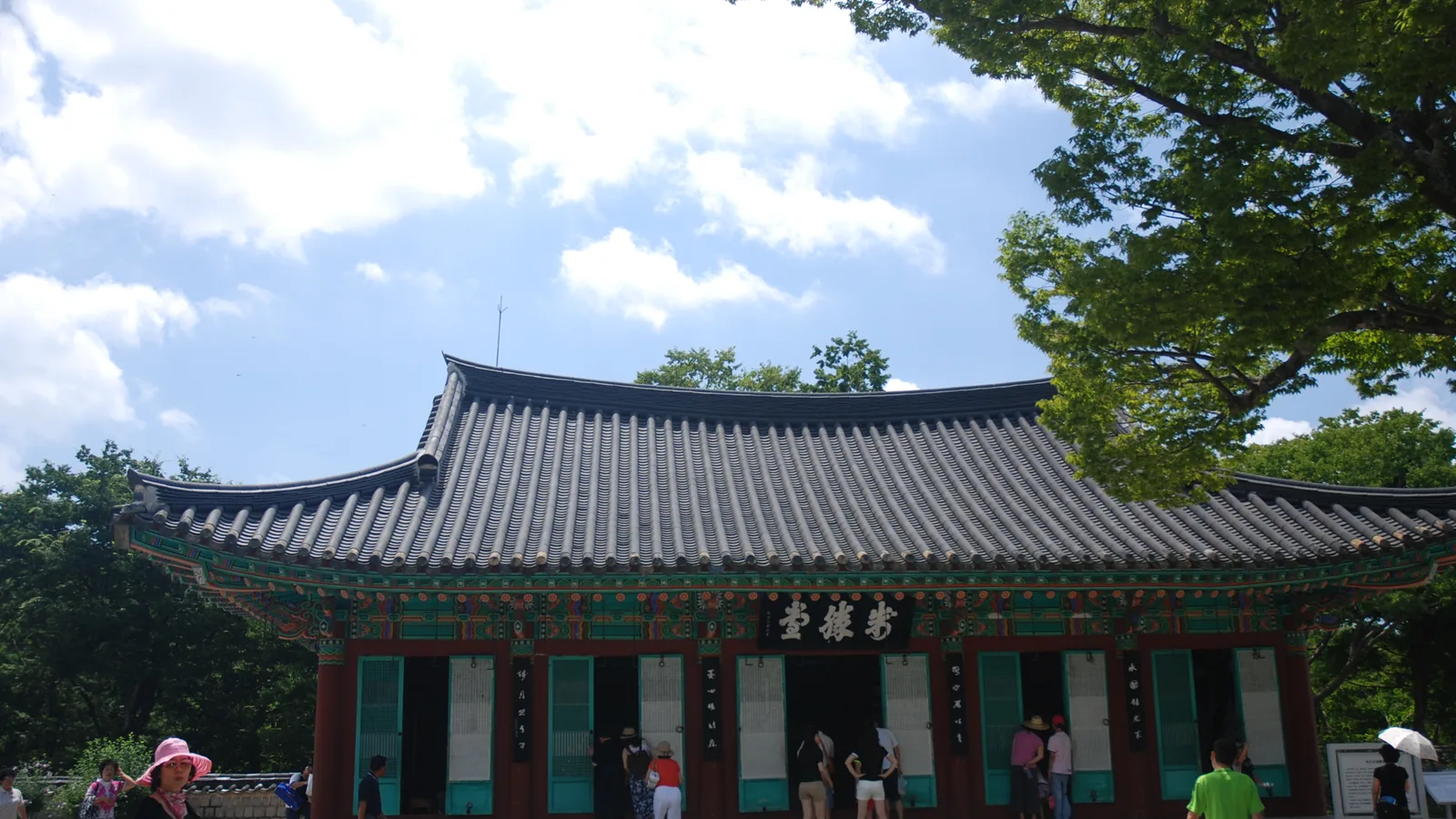
· 1545The Seonjo sillok records 63 Japanese ships burned at Hansan Island; the Korean History Chronology counts 59 lost and 14 escaping. Both are given here.
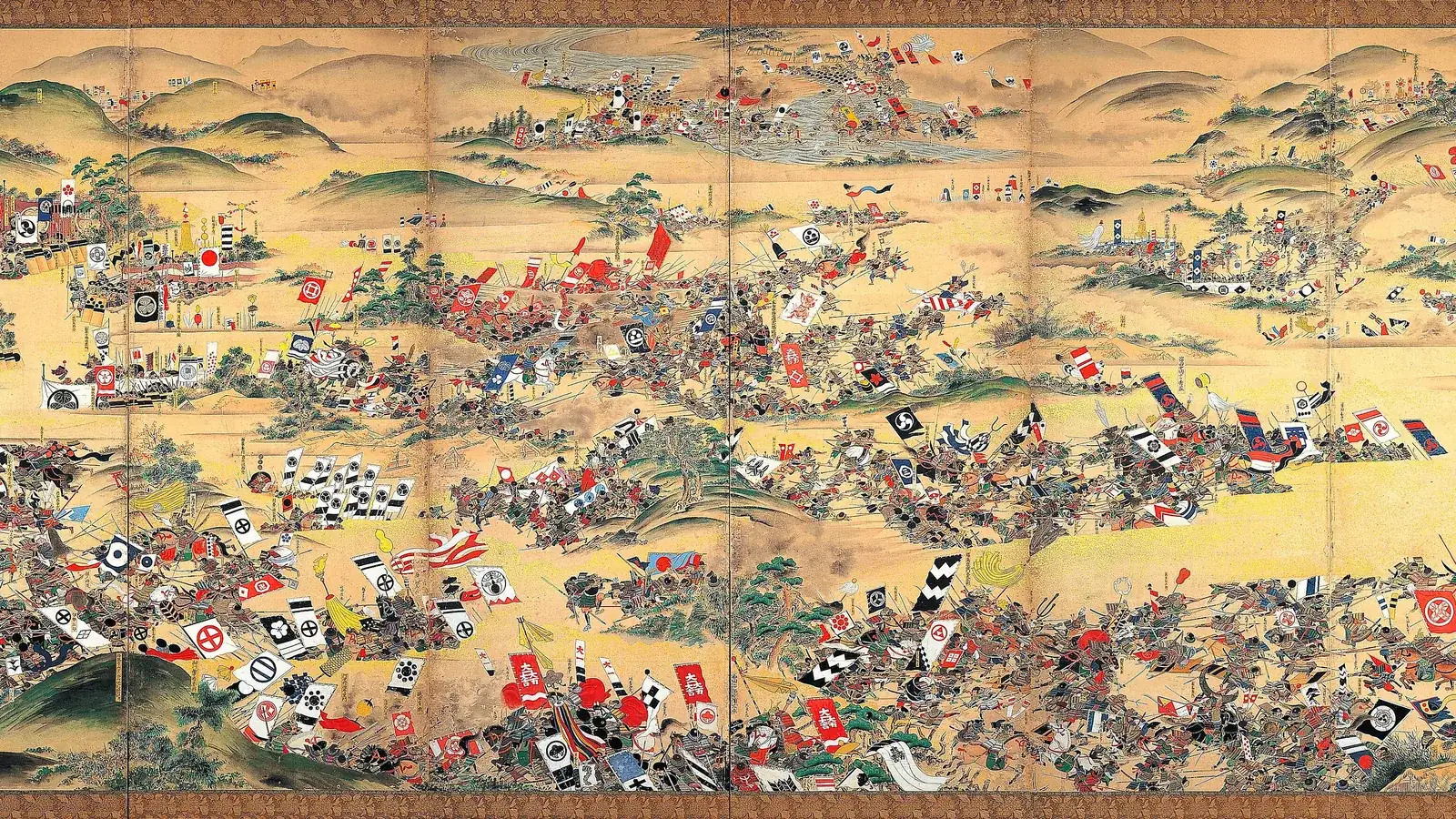
· 1592Tokugawa Ieyasu broke Ishida Mitsunari's western army in a few foggy hours on October 21, 1600, redistributed a third of Japan and became shogun in 1603.
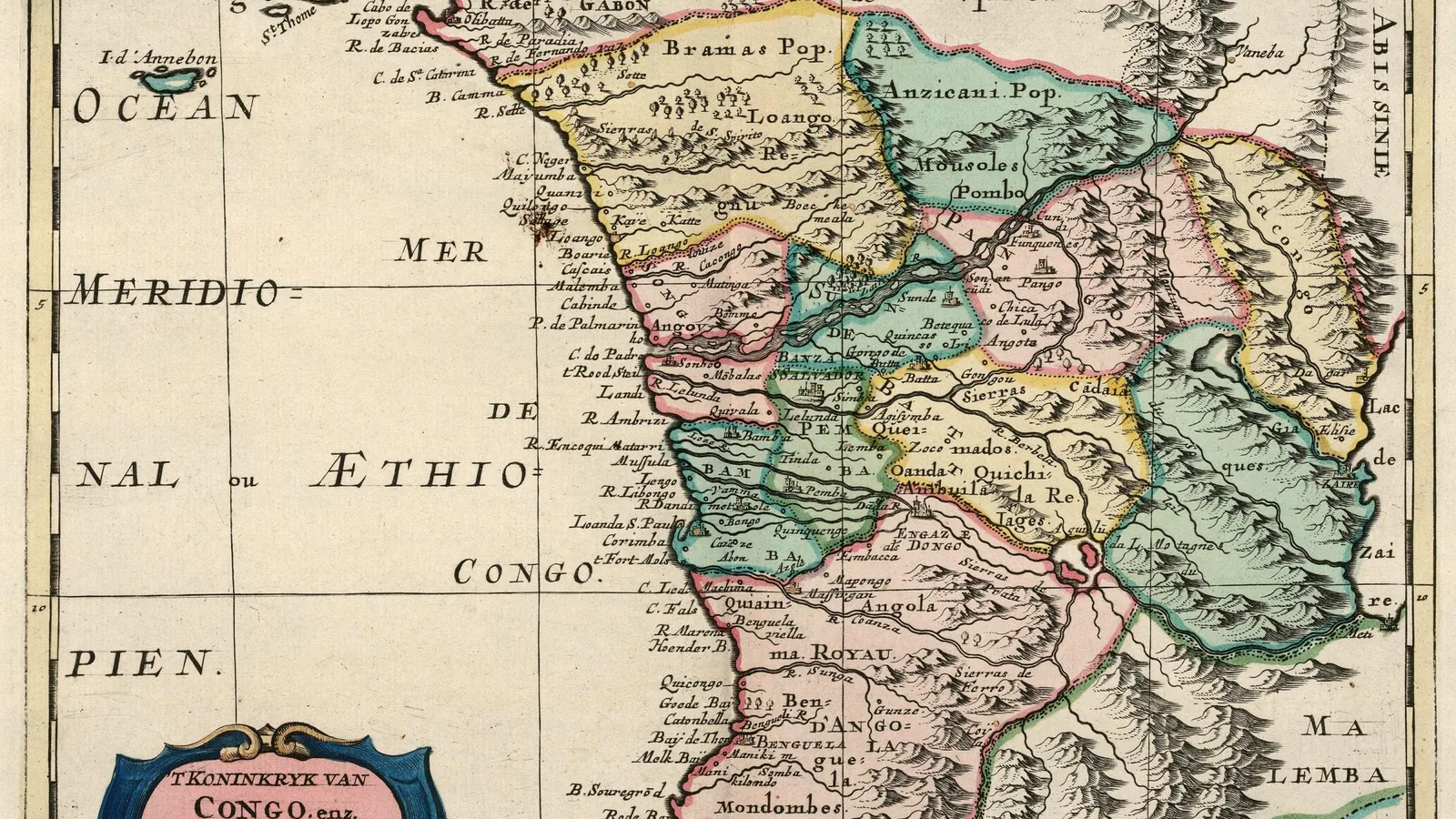
· 1600In Luanda in 1622, Njinga secured a Portuguese withdrawal and recognition of Ndongo's sovereignty from Governor Correia de Sousa, per the SciELO account.
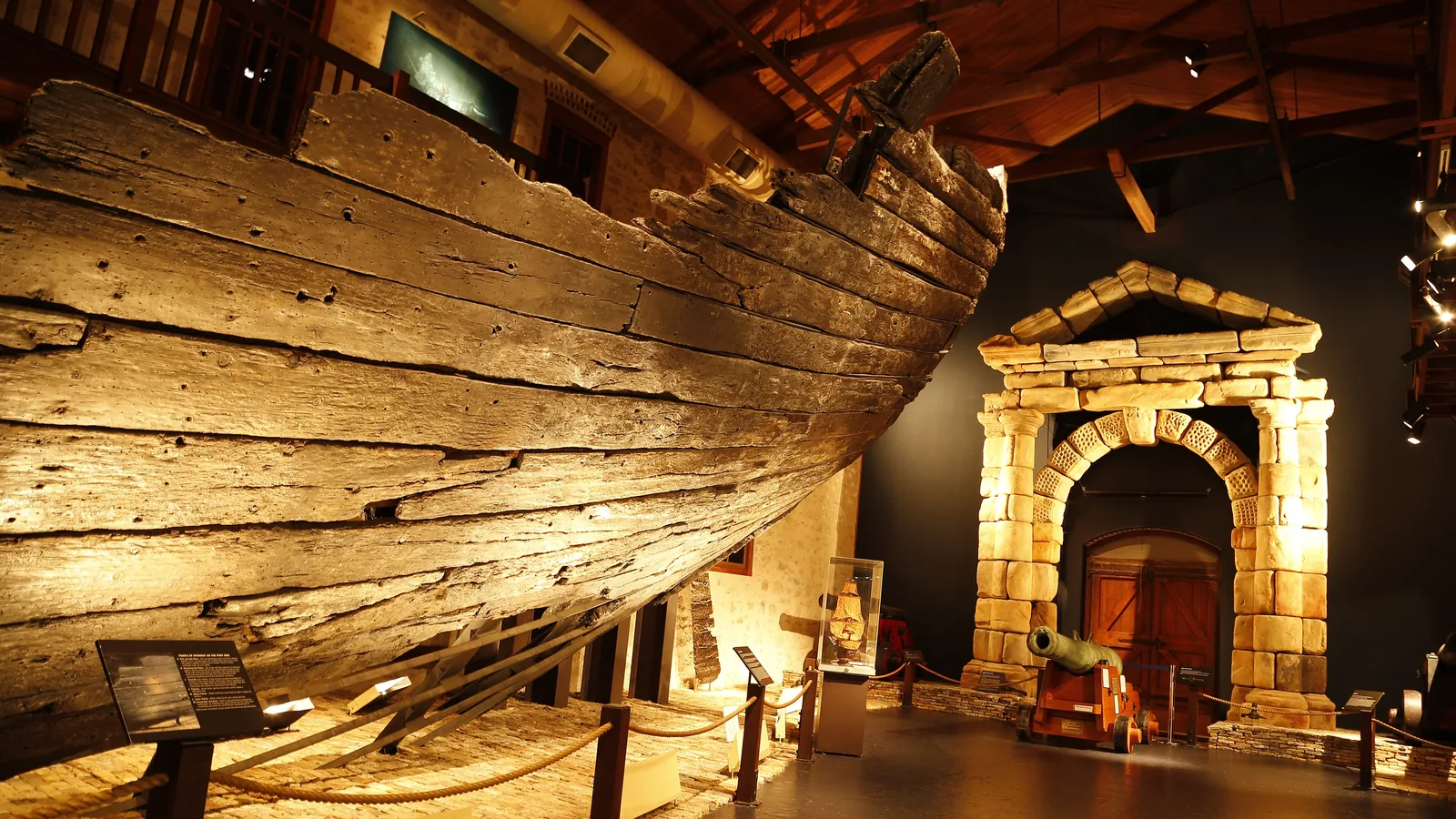
· 1622Pelsaert's journal records the Batavia's grounding on Morning Reef in 1629, the mutiny that followed, its trial, and the wreck's 1963 rediscovery.
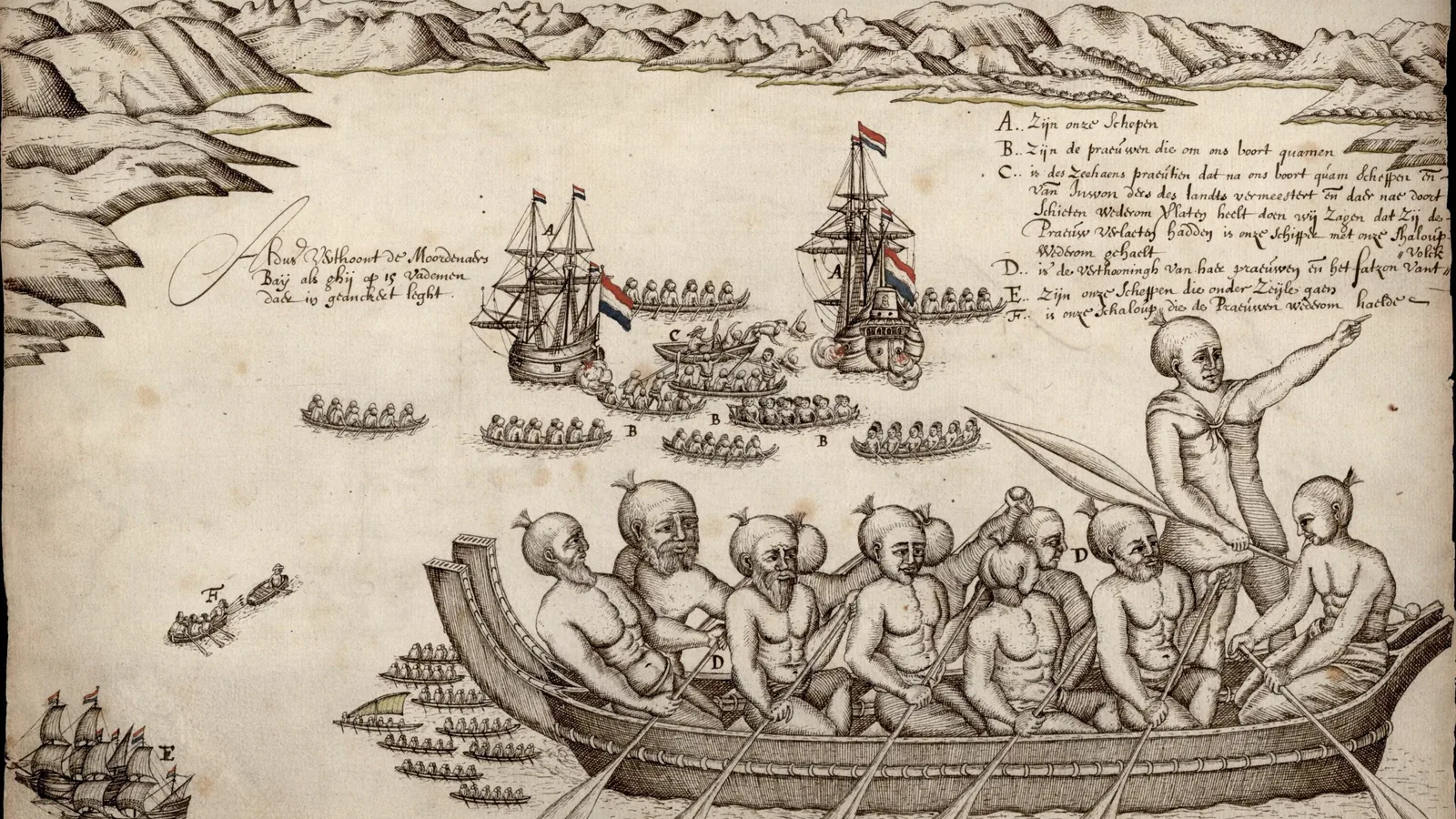
· 1629Tasman's ships anchored in Golden Bay on December 18, 1642. A canoe rammed the Zeehaen's boat next morning; four men died and Tasman left without landing.
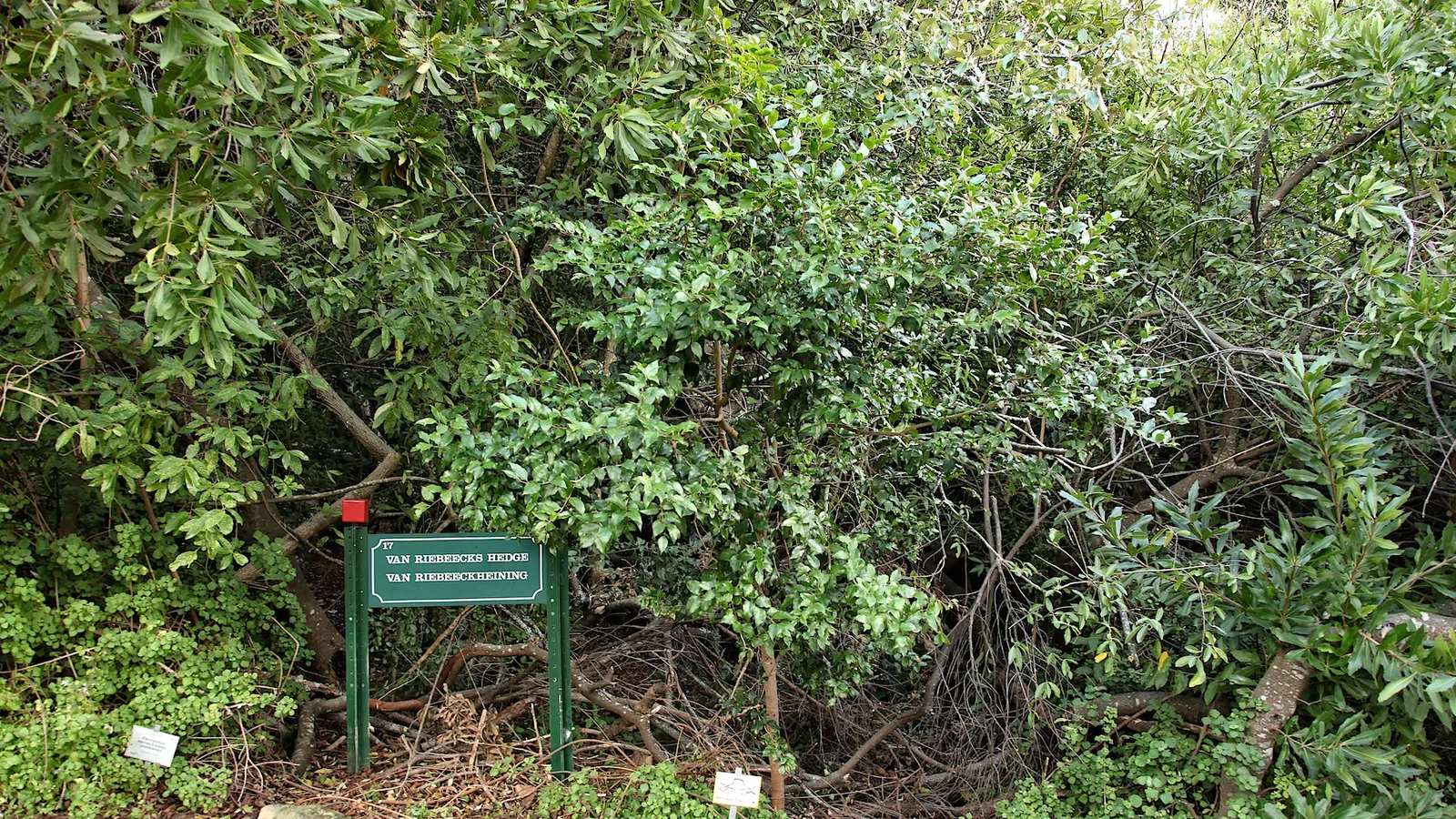
· 1642On April 5 and 6, 1660, Khoekhoe leaders at Table Bay asked the Dutch East India Company who should give way on their land. A wild-almond hedge followed.
· 1652Arrested runners with knotted cords moved the Pueblo Revolt from August 13 to August 10, 1680; Otermín fled Santa Fe and Spain stayed away twelve years.
· 1680Two Jesuits, Tomás Pereira and Jean-François Gerbillon, put the 1689 Qing-Russian talks at Nerchinsk into Latin, the language both sides depended on.
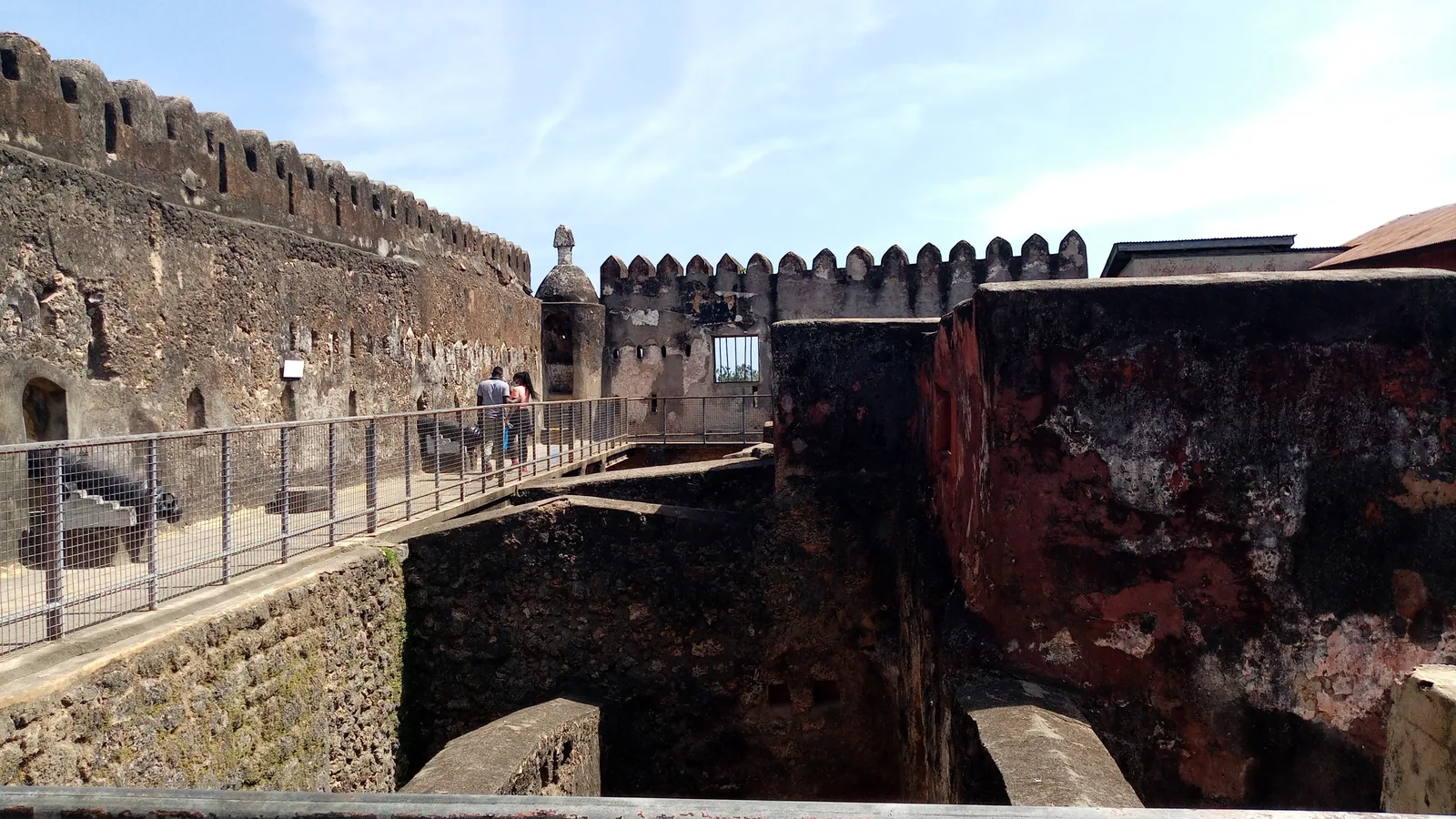
· 1689An inscription dated April 11, 1593, and a 33-month Omani siege that ended in 1698 mark Fort Jesus, Mombasa, and the frigate that sank offshore in 1697.
· 1696Peter I ordered Prince Bekovich-Cherkassky to turn the Amu Darya and win the khan of Khiva. In 1717 his force was divided into five and destroyed.
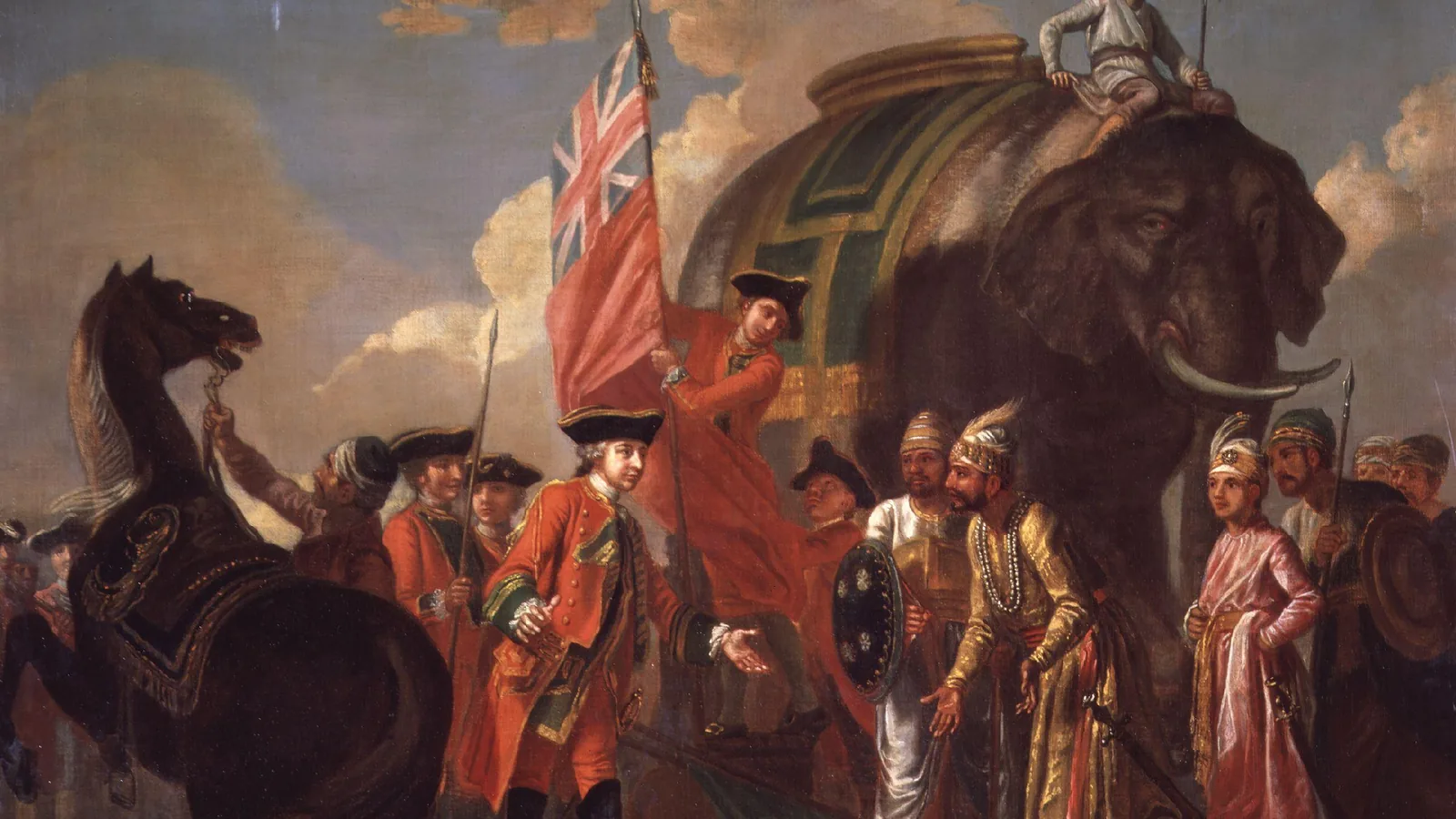
· 1717National Army Museum dates the Battle of Plassey to June 23, 1757. A 1772-73 inquiry then examined the payments Robert Clive took from Mir Jafar.
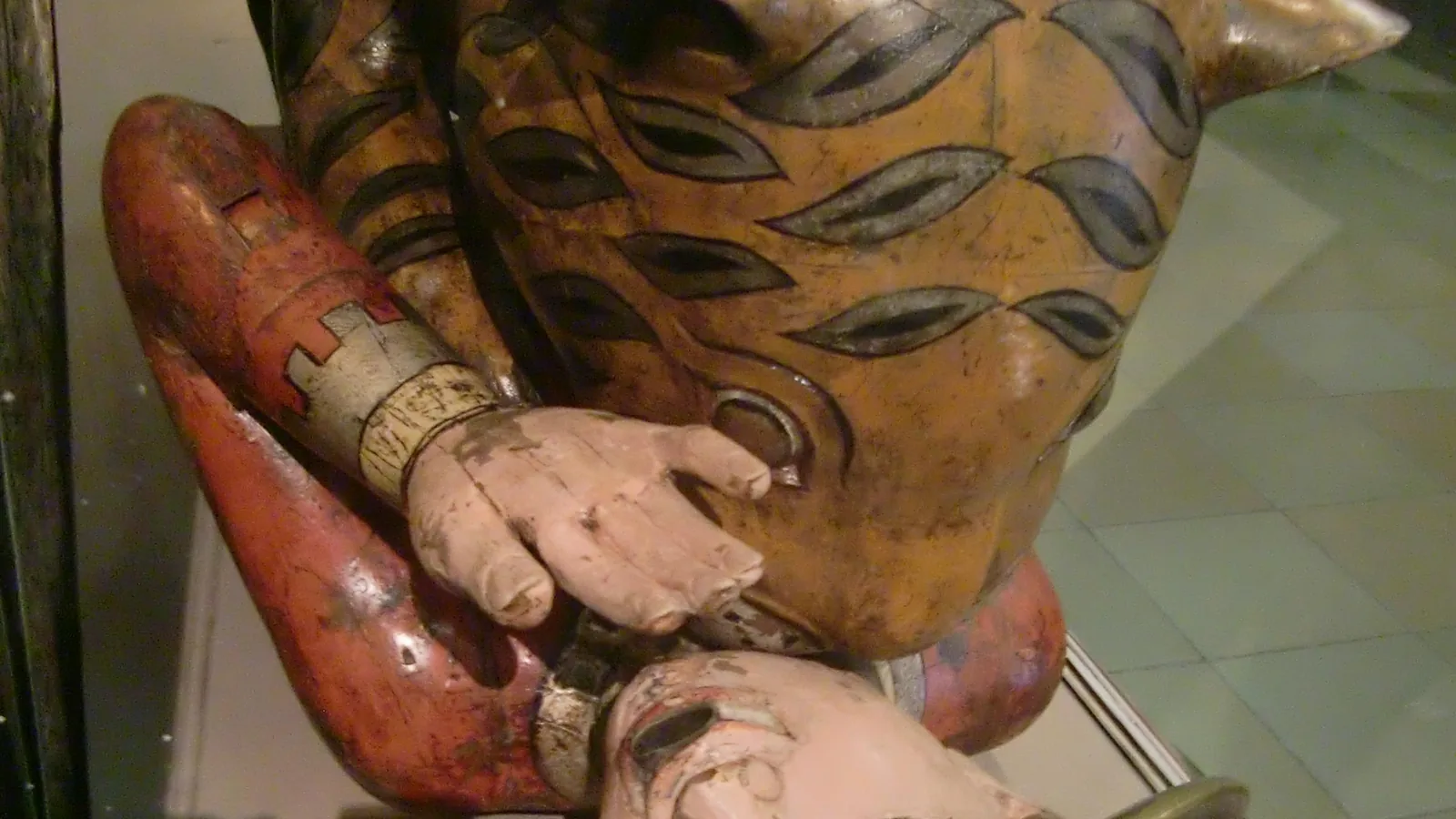
· 1757A wooden tiger mauls a European; a crank plays an organ inside. Taken from Tipu Sultan's palace when Seringapatam fell in May 1799; in London since 1800.
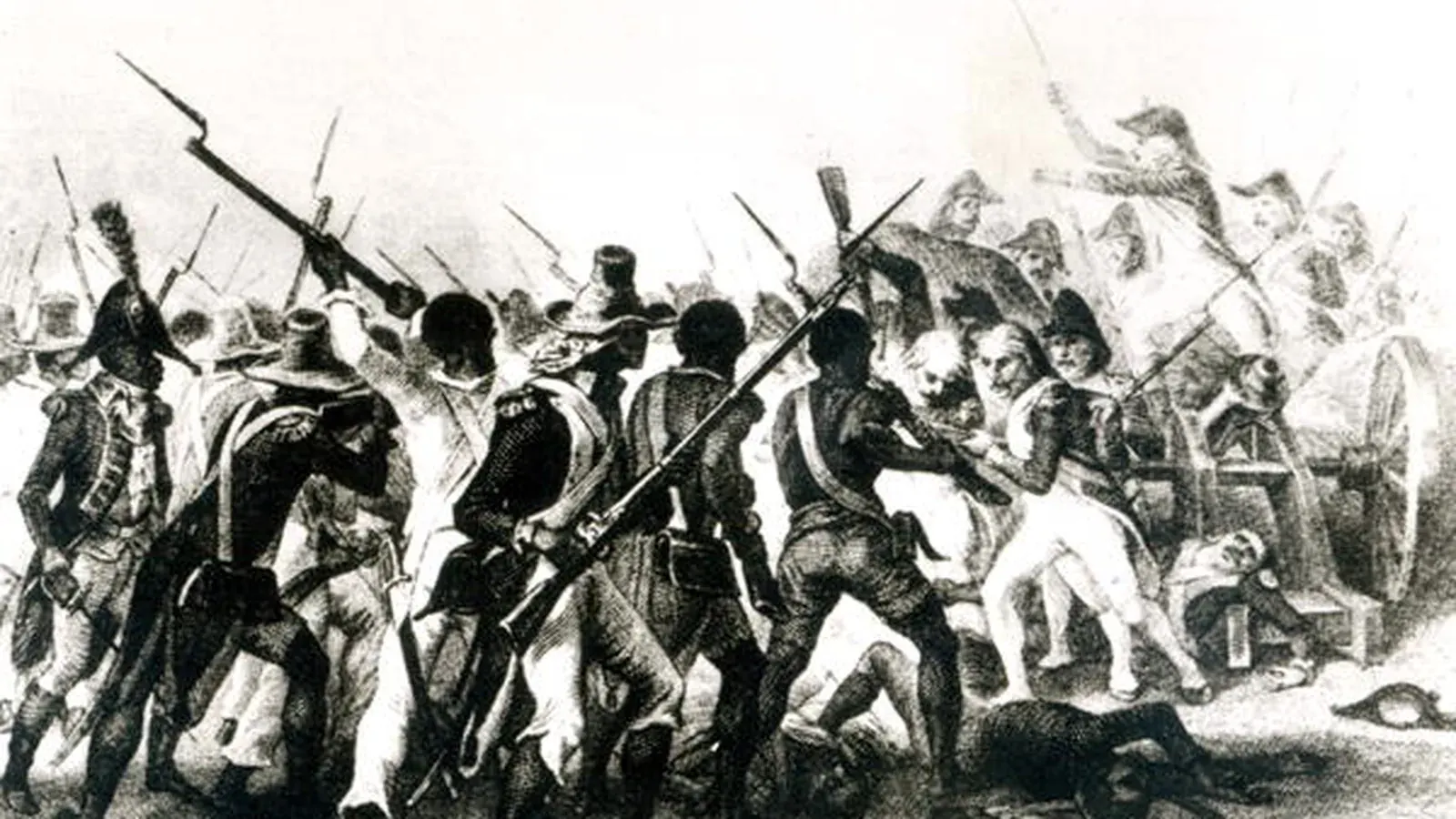
· 1799Enslaved people rose in Saint-Domingue in 1791, outlasted Spain, Britain and Napoleon, declared Haiti in 1804, then paid former slaveholders until 1888.
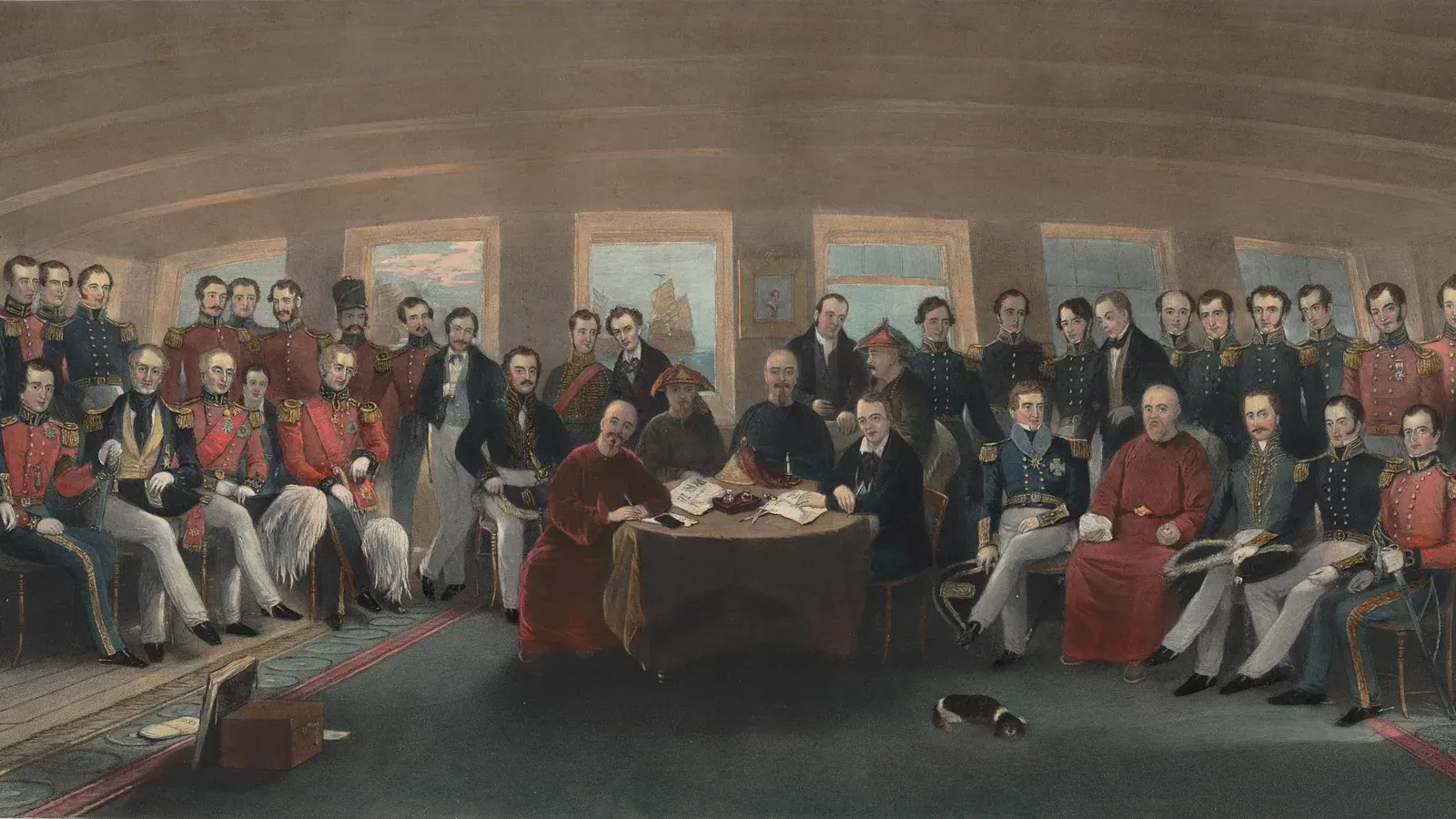
· 1804Britain fought China from 1840 to 1842 after Lin Zexu destroyed British opium at Canton. The Treaty of Nanjing opened five ports and ceded Hong Kong.
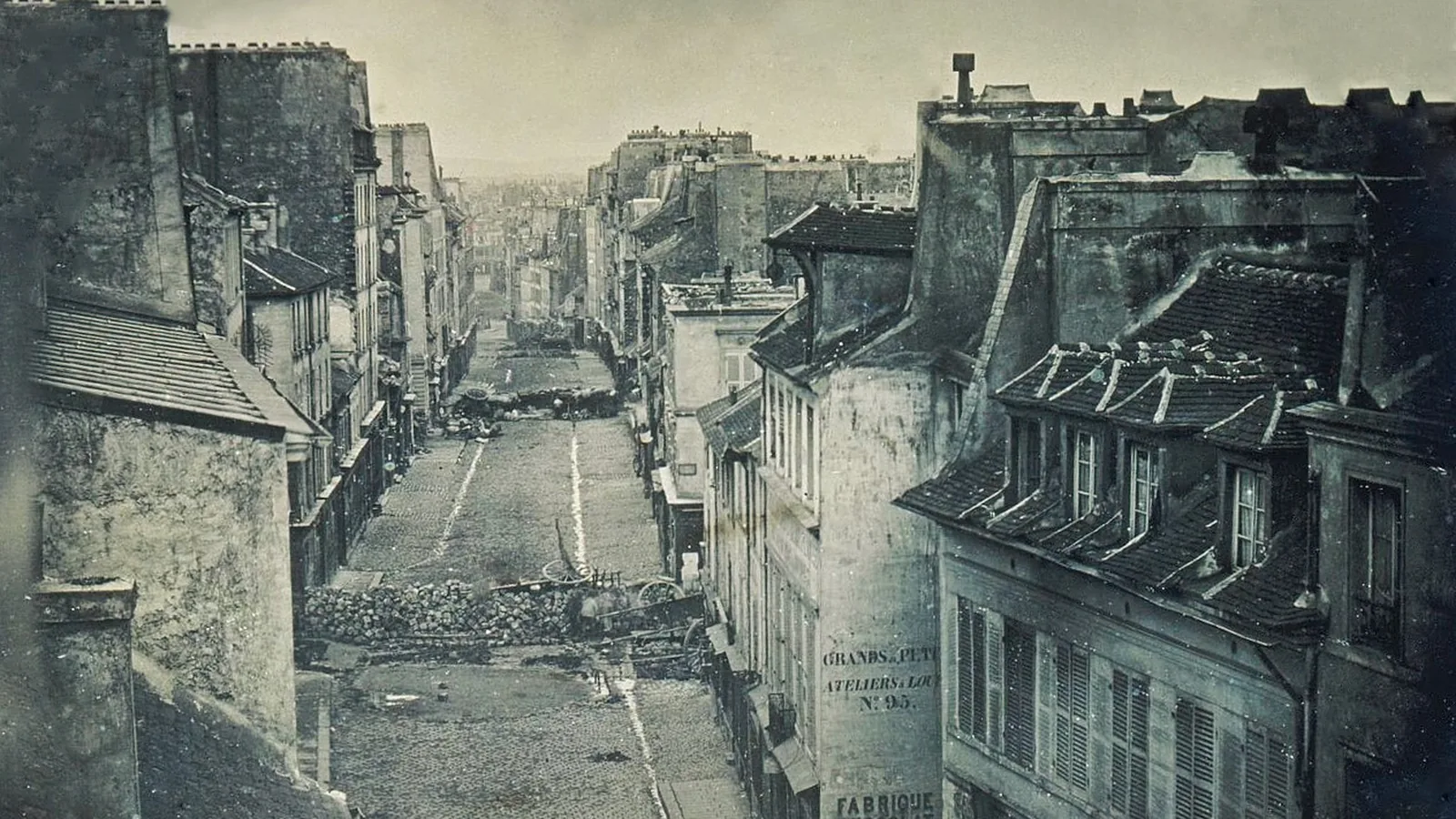
· 1840Paris fell on February 24, 1848 and four capitals followed by March 22; by 1849 liberals had split from workers, nations from nations, and armies won.
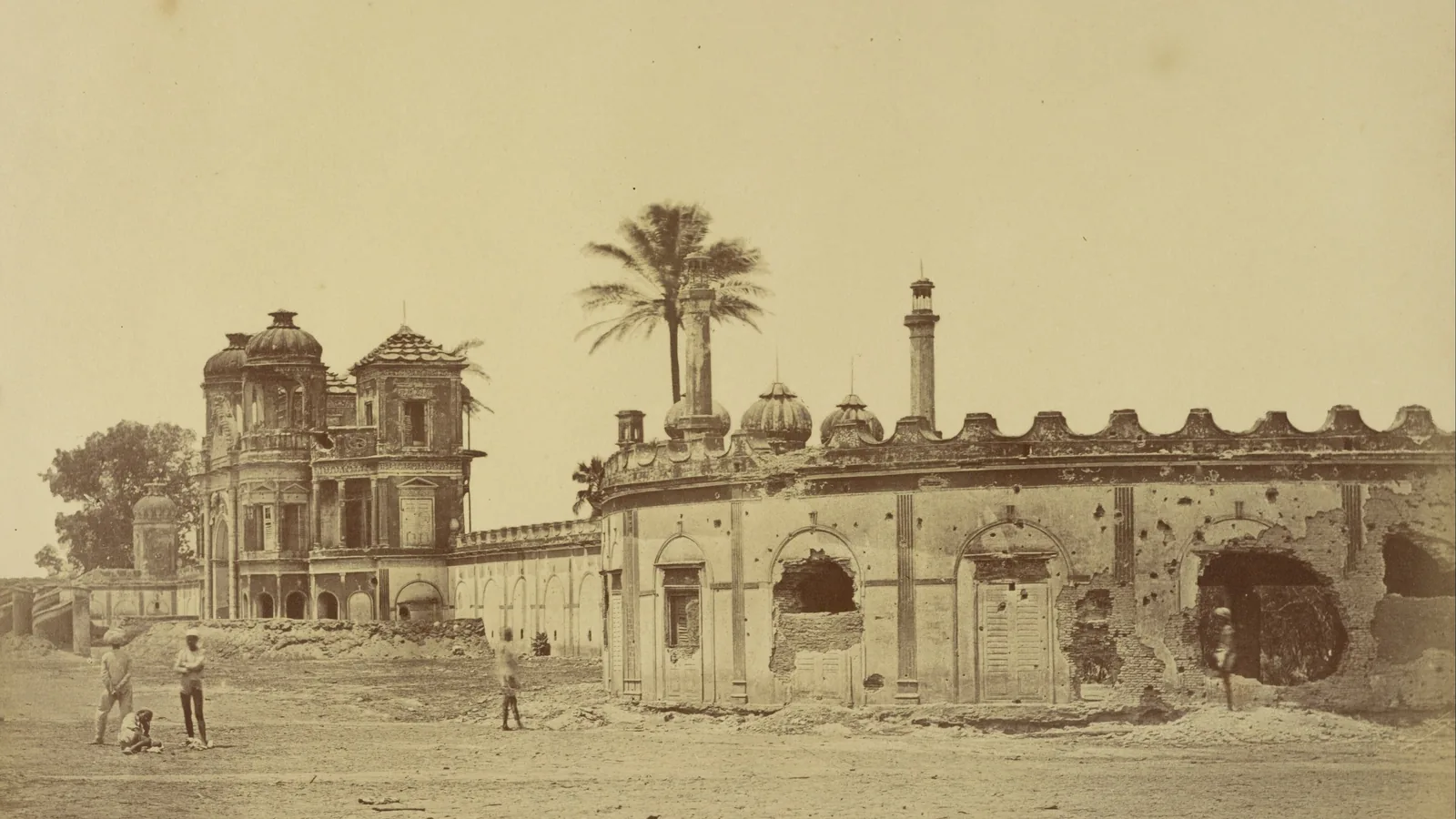
· 1848Sepoys at Meerut rose on May 10, 1857 over greased cartridges and marched to Delhi. Parliament took India from the Company by an Act of August 2, 1858.
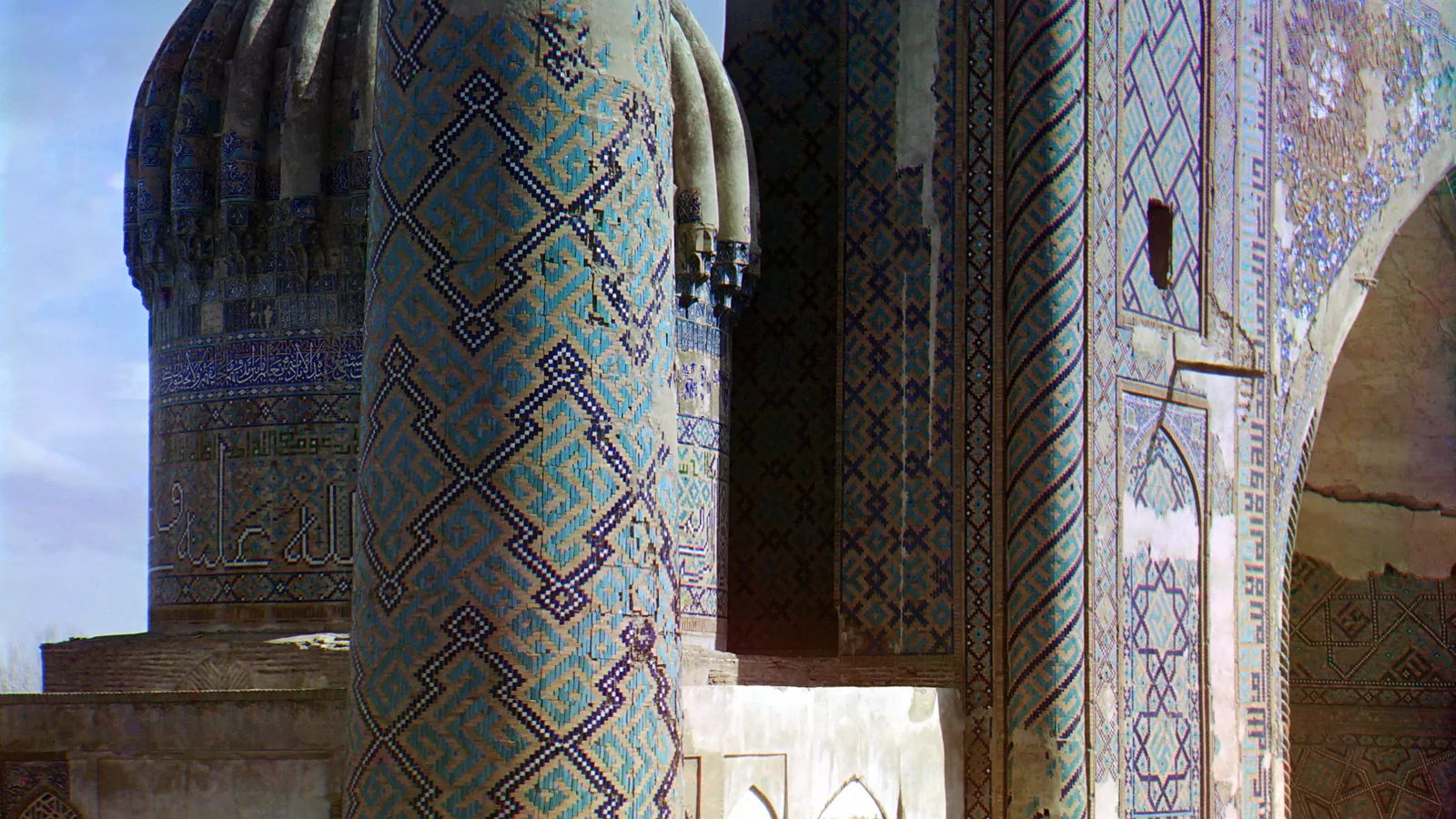
· 1857The phrase came from an 1840 letter and a 1901 novel. The events were Russian armies taking Tashkent, Samarkand, Khiva, Kokand and Merv, 1865 to 1884.
· 1865